
Nutrition comparison
Wild Rice vs Brown Rice: Nutrition, Arsenic Risk, and Which Is Healthier
Compare Wild Rice and Brown Rice on protein, fiber, glycemic impact, arsenic safety, and cost. Find out which whole grain is better for your health goals and budget.
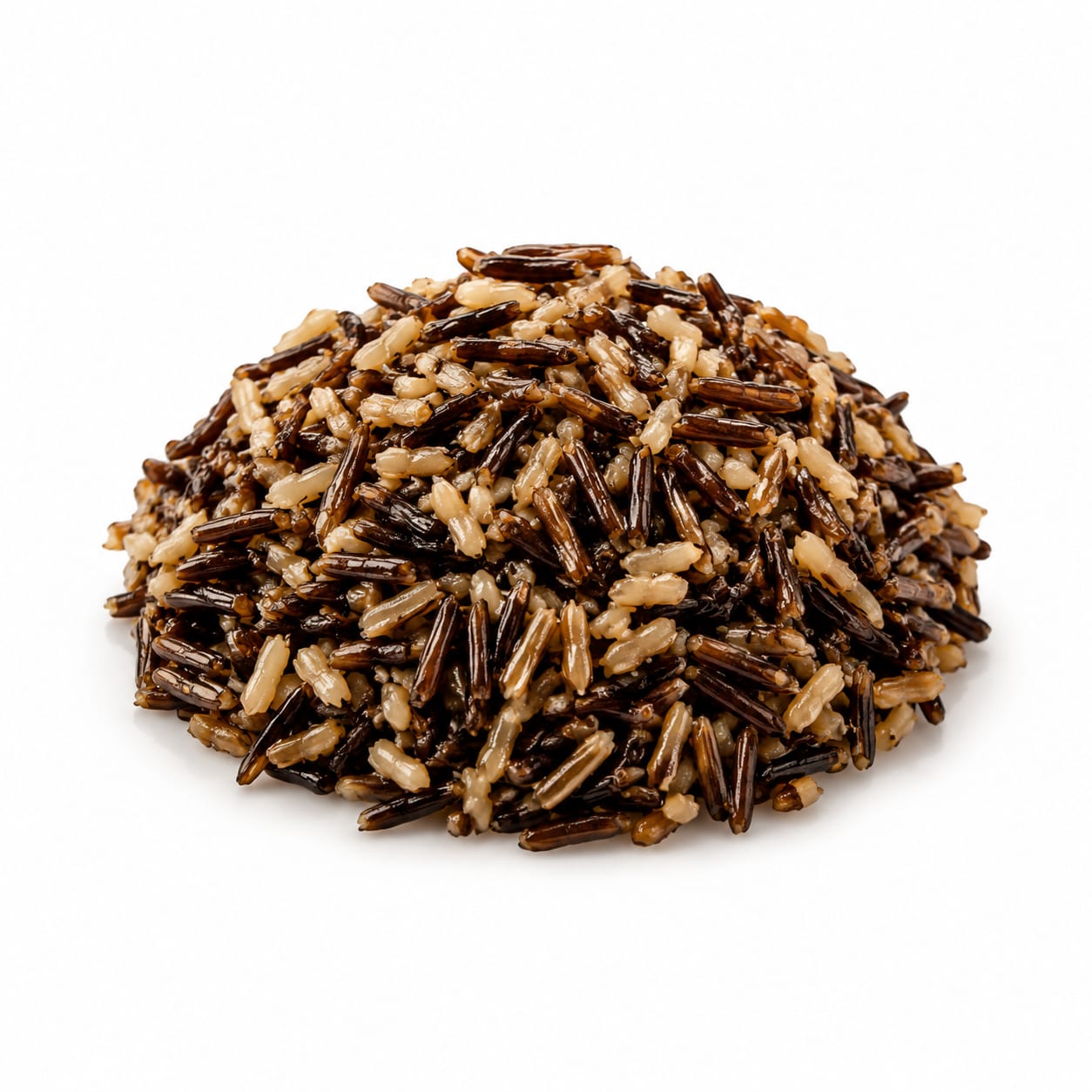
Wild Rice
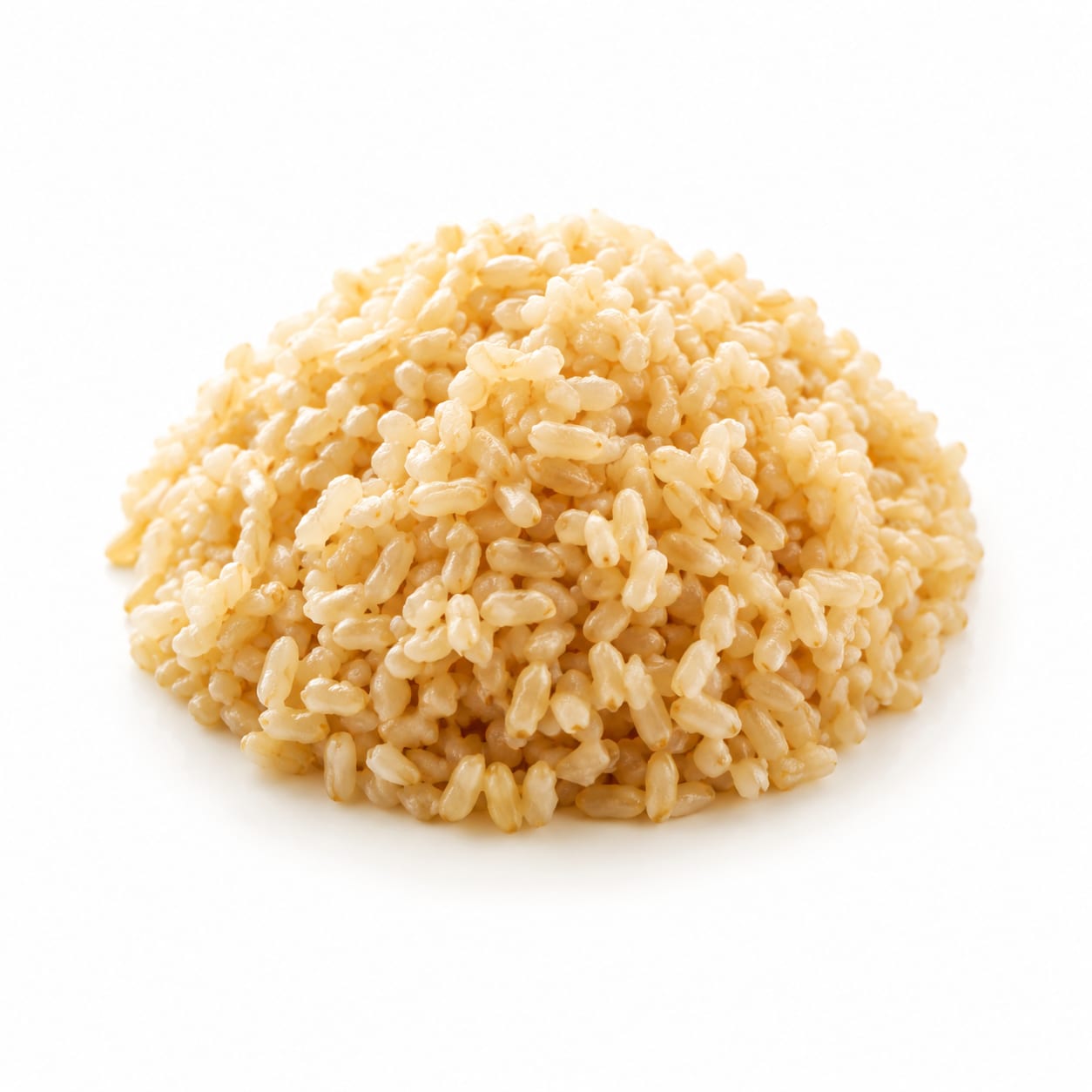
Brown Rice
Wild Rice wins on nutrition and safety, but Brown Rice wins on practicality and price. The best choice depends on your budget and how often you eat grains.
Wild Rice scores higher due to better protein, fiber, antioxidant content, and lower arsenic risk. Brown Rice stays competitive because of its affordability, availability, and mineral profile. The gap is modest because both are genuinely healthy whole grains.
Superior nutrient density and lower arsenic risk versus dramatically lower cost and easier daily use.
At a glance
Executive summary
Overall
It depends
Healthier
Wild Rice
More practical
Brown Rice
Daily use
Brown Rice
Key comparison lenses
nutritional superiority for whole grain choice
Users choosing between these are usually upgrading from white rice and want the healthiest whole grain option
blood sugar management
Both are carb-heavy staples, so glycemic impact is a primary concern for many consumers
budget-friendly healthy eating
Wild Rice is significantly more expensive, making cost a real decision factor
arsenic and contamination safety
Brown Rice carries notable arsenic concerns that health-conscious users should know about
everyday meal practicality
Cooking time, availability, and how easily each grain fits into weekly meal prep matters
Best choice for
Wild Rice
- people concerned about arsenic exposure
- anyone prioritizing protein and fiber per calorie
- those managing blood sugar who can afford the premium
- home cooks wanting a chewy, nutty texture for salads and bowls
Brown Rice
- budget-conscious families eating grains daily
- bulk meal preppers who need affordable staples
- anyone unfamiliar with Wild Rice who wants an easy transition from white rice
- people who need widely available pantry basics
Least suitable for
Wild Rice
- tight grocery budgets requiring cheap staples
- anyone needing quick-cooking weeknight sides
- people who dislike chewy or firm grain textures
Brown Rice
- frequent grain eaters worried about cumulative arsenic exposure
- anyone seeking maximum protein from their carb sources
- those wanting the lowest glycemic impact possible
Deep comparison
Dimension by dimension
Each lens scores both foods and breaks down who each option suits.
- Dimension 1 · Priority 92Wild Rice
Nutritional Density
Wild Rice · 82Brown Rice · 68Wild Rice delivers more protein, fiber, and antioxidants per calorie than Brown Rice, making it the more nutrient-packed option.
Tradeoff
You pay a premium price for that extra nutritional punch, which may not be worth it if grains are a small part of your diet.
Why it matters
When grains are your main carb source, getting more nutrients per bite means better overall diet quality without eating more food.
Real-world impact
A cup of Wild Rice gives you roughly 50% more protein and double the fiber compared to Brown Rice — you stay full longer and get more from the same portion.
Wild Rice
- maximizing nutrition on a moderate calorie budget
- building satisfying grain bowls that keep you full
- anyone eating grains as a primary protein contributor
Better for
- justifying the cost if you only eat small grain portions
Worse for
Brown Rice
- getting adequate manganese and selenium on a budget
- meeting daily mineral needs through affordable staples
Better for
- getting enough protein from grains alone
- feeling satisfied after a grain-heavy meal
Worse for
- Dimension 2 · Priority 85Wild Rice
Blood Sugar Stability
Wild Rice · 78Brown Rice · 66Wild Rice has a lower glycemic load and more fiber to slow digestion, leading to steadier blood sugar after meals.
Tradeoff
The difference is meaningful but not dramatic — both are far better than white rice for blood sugar control.
Why it matters
Steadier blood sugar means fewer afternoon energy crashes and less temptation to snack between meals.
Real-world impact
If you have prediabetes or feel sleepy after carb-heavy lunches, Wild Rice may give you a noticeably smoother energy curve.
Wild Rice
- people with insulin resistance or prediabetes
- anyone who gets energy crashes after grain-heavy meals
- those monitoring glycemic load closely
Better for
- post-workout recovery where faster glucose delivery is preferred
Worse for
Brown Rice
- athletes who need faster carb availability after workouts
Better for
- sustained energy through long workdays
- anyone prone to blood sugar spikes and dips
Worse for
- Dimension 3 · Priority 80Brown Rice
Practicality and Cost
Wild Rice · 48Brown Rice · 90Brown Rice is dramatically cheaper, available everywhere, and easier to batch cook. Wild Rice is a specialty item with a specialty price tag.
Tradeoff
You sacrifice some nutrition and safety advantages to save significant money and gain everyday convenience.
Why it matters
If grains are a daily staple for your household, the cost difference compounds fast and affects whether healthy eating feels sustainable.
Real-world impact
Brown Rice costs roughly $2-3 per pound while Wild Rice runs $8-15 per pound. For a family eating rice four times a week, that is a $500+ annual difference.
Wild Rice
- special occasion meals where the unique texture shines
- small portions mixed with other grains to stretch the cost
Better for
- feeding a family of four on a tight grocery budget
- finding it at small or rural grocery stores
Worse for
Brown Rice
- weekly meal prep on a budget
- large families who go through grains quickly
- anyone who buys groceries at conventional supermarkets
Better for
- creating a premium or special-occasion dining experience
Worse for
- Dimension 4 · Priority 75Wild Rice
Safety and Contamination
Wild Rice · 85Brown Rice · 55Brown Rice is a known accumulator of inorganic arsenic from soil and water. Wild Rice, being a different plant grown in different conditions, carries substantially less arsenic risk.
Tradeoff
Arsenic risk is cumulative and dose-dependent — occasional Brown Rice is fine, but daily consumption raises legitimate concerns.
Why it matters
Long-term arsenic exposure is linked to increased cancer risk and cardiovascular problems. This matters most for people who eat rice daily.
Real-world impact
If you eat Brown Rice every day, switching some meals to Wild Rice or other grains can meaningfully reduce your arsenic exposure over time.
Wild Rice
- heavy grain eaters consuming rice multiple times daily
- parents feeding young children who are more vulnerable to arsenic
- pregnant women being cautious about exposure
Better for
- no significant safety downside
Worse for
Brown Rice
- occasional rice eaters for whom arsenic accumulation is minimal
Better for
- daily consumers accumulating arsenic over years
- children and pregnant women at higher risk from heavy metals
Worse for
- Dimension 5 · Priority 70It depends
Mineral and Micronutrient Profile
Wild Rice · 72Brown Rice · 75Brown Rice provides more manganese and selenium, while Wild Rice offers more zinc and folate. Each grain has a distinct mineral strength.
Tradeoff
Neither dominates — your best mineral coverage comes from eating both or varying your grain choices overall.
Why it matters
Manganese supports bone health and metabolism. Selenium is critical for thyroid function. Zinc boosts immunity. Folate is essential for cell repair.
Real-world impact
If you rely on one grain for most of your minerals, you will have gaps either way. Variety serves you better than loyalty to one option.
Wild Rice
- immune support through higher zinc intake
- pregnant women or those needing extra folate
Better for
- meeting selenium needs without other food sources
Worse for
Brown Rice
- thyroid health through higher selenium
- bone and metabolic support from manganese
Better for
- getting enough zinc from grains alone
Worse for
- Dimension 6 · Priority 65Brown Rice
Versatility and Meal Integration
Wild Rice · 62Brown Rice · 84Brown Rice blends into almost any cuisine seamlessly. Wild Rice has a distinct chewy texture and earthy flavor that works in some dishes but clashes in others.
Tradeoff
Wild Rice can elevate the right dish but limits your recipe options. Brown Rice is the reliable neutral team player.
Why it matters
If a grain does not fit your cooking style, it sits in the pantry unused — nutrition only matters if you actually eat it.
Real-world impact
Brown Rice works in stir-fries, curries, burritos, and soups without standing out. Wild Rice shines in pilafs, salads, and stuffing but feels wrong in Asian dishes for most people.
Wild Rice
- grain salads and pilafs where texture is the star
- holiday stuffing and elevated side dishes
- mixing with Brown Rice for a blended texture
Better for
- Asian stir-fry dishes where the flavor profile clashes
- meals where a soft, neutral grain is expected
Worse for
Brown Rice
- everyday stir-fries and curries
- burrito bowls and Mexican-inspired dishes
- any meal where the grain should play a supporting role
Better for
- dishes where you want the grain to be a featured element
Worse for
Timeline
Health impact over time
Short-term
Hours to days
Wild Rice
- More sustained energy after meals due to higher fiber and protein slowing digestion
- Greater feeling of fullness, which may reduce between-meal snacking
- Slightly longer cooking time may discourage impulsive less-healthy meal choices
Brown Rice
- Faster energy availability, helpful after exercise but potentially causing earlier hunger return
- Mild blood sugar rise that some people feel as a brief energy dip 1-2 hours after eating
- Easy digestibility for most people, gentle on the stomach
Long-term
Months to years
Wild Rice
- Lower cumulative arsenic exposure reduces long-term cancer and cardiovascular risk
- Higher antioxidant intake from anthocyanins may support cellular aging defenses
- Better blood sugar control over years reduces diabetes risk progression
- Cost may discourage overconsumption, which paradoxically supports healthier portion habits
Brown Rice
- Consistent manganese and selenium intake supports thyroid and bone health long-term
- Daily consumption accumulates arsenic exposure, which is a genuine concern for heavy rice eaters
- Affordability makes sustainable healthy eating more realistic for budget-constrained households
- Familiar taste increases long-term adherence to whole grain habits
Risk profile
Safety & processing
Both grains are genuinely whole and minimally processed. Wild Rice is harvested from aquatic grass seeds with minimal intervention. Brown Rice is simply hulled rice with bran and germ intact. Neither contains additives, preservatives, or artificial ingredients. This is a rare comparison where both options are equally clean from a processing standpoint.
Wild Rice
Heavy metal contamination from water sources
lowWild Rice grown in natural lake beds can absorb some metals from water, but levels are typically far below those found in conventionally farmed Brown Rice. Reputable brands test for this.
Brown Rice
Inorganic arsenic accumulation
mediumBrown Rice absorbs arsenic from soil and irrigation water more effectively than most grains. The bran layer, retained in Brown Rice, concentrates arsenic. Regular daily consumption, especially from certain regions, can lead to meaningful cumulative exposure linked to cancer and heart disease risk.
Pesticide residue
lowConventionally grown Brown Rice may carry pesticide residues. Choosing organic reduces this concern substantially. Residue levels are generally below thresholds of acute concern but add to cumulative exposure.
Who wins for whom
Audience fit
Same foods, different winners depending on your goal.
children
Wild RiceLower arsenic risk is especially important for children who are more vulnerable to heavy metal exposure. However, the chewy texture may appeal less to picky eaters.
daily consumption
Brown RiceAffordability, availability, and milder flavor make Brown Rice the more realistic daily staple for most households. Daily Wild Rice consumption is financially impractical for most people.
diabetes
Wild RiceLower glycemic load and higher fiber content produce steadier blood sugar responses, which is critical for diabetes management.
elderly
It dependsBrown Rice is softer and easier to chew for those with dental concerns. Wild Rice offers better blood sugar control, which matters more for older adults managing metabolic conditions.
muscle gain
It dependsBrown Rice provides faster-digesting carbs useful post-workout, while Wild Rice offers more protein per serving. Athletes may benefit from using both at different times.
weight loss
Wild RiceHigher protein and fiber per calorie means greater satiety from smaller portions, making it easier to maintain a calorie deficit without feeling deprived.
Your move
Decision guide
Choose Wild Rice
- You eat rice or grains daily and are concerned about arsenic exposure
- Budget is not a primary constraint and you want maximum nutrition per calorie
- You are managing blood sugar issues and want the lowest glycemic grain option
- You enjoy chewy, nutty textures and cook dishes where Wild Rice shines
- You want to reduce portion sizes naturally by choosing a more filling grain
Choose Brown Rice
- You need an affordable whole grain staple for daily family meals
- You cook a lot of Asian, Latin, or Indian cuisine where a neutral grain fits best
- You are feeding children who prefer softer, milder textures
- You meal prep in bulk and need a cost-effective grain that stores and reheats well
- You eat grains only a few times a week, making arsenic accumulation less concerning
Either works if
- You simply want a whole grain upgrade from white rice — both are excellent choices
- You are willing to mix them together for balanced nutrition, cost, and texture
- Your primary goal is increasing fiber intake compared to refined grains
Avoid both if
- You are strictly limiting carbohydrates for ketogenic or very-low-carb diets
- You have severe grain allergies or sensitivities to multiple grass-family foods
- You are looking for a significant protein source rather than a carb accompaniment
Final recommendation
For most people, the smartest approach is using Brown Rice as your affordable daily base and incorporating Wild Rice a few times per week for variety and reduced arsenic exposure. This gives you the budget practicality of Brown Rice with the nutritional and safety benefits of Wild Rice where it counts most. If you can only choose one, pick Wild Rice if health optimization is your priority and budget allows, or Brown Rice if you need a sustainable everyday staple that will not strain your wallet.
Practical
Consumer tips
- 1
Mix Wild Rice and Brown Rice together in a 1:3 ratio — you get the texture and nutrition boost of Wild Rice while keeping cost manageable
- 2
Rinse Brown Rice thoroughly and cook it in extra water (6:1 ratio), then drain the excess — this can reduce arsenic content by up to 50%
- 3
Buy Wild Rice from brands that source from the Great Lakes region for the most authentic and least contaminated product
- 4
Soak both grains overnight to reduce cooking time and improve digestibility — this also slightly reduces arsenic in Brown Rice
- 5
If arsenic is a serious concern for your household, rotate in quinoa, millet, or buckwheat as additional grain alternatives to limit rice consumption overall
- 6
Store both grains in airtight containers in a cool, dry place — the oils in the bran layer of Brown Rice can go rancid faster than white rice, so use it within 6 months