
Dairy
Brie Cheese
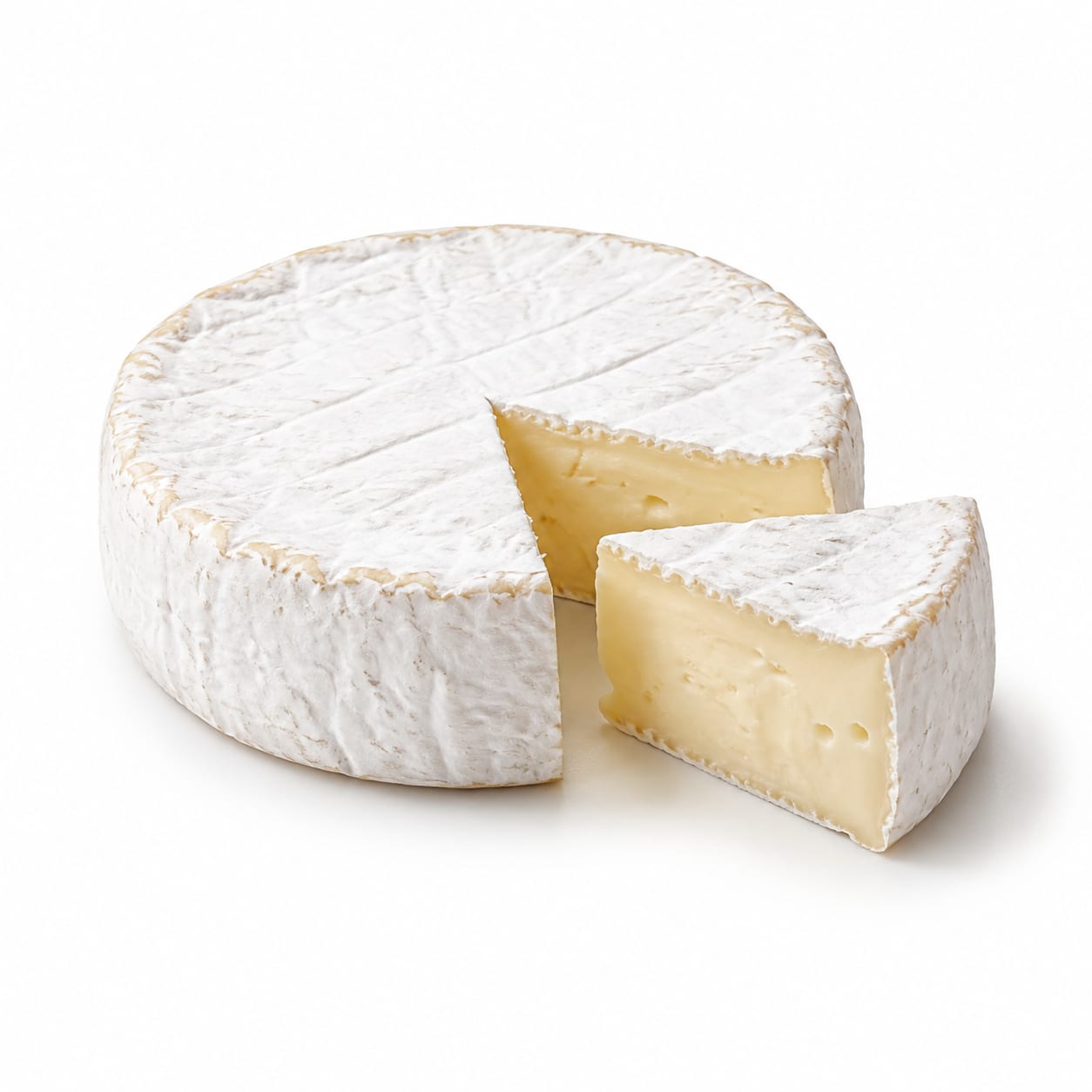
Brie is a soft, creamy French cow's milk cheese with an edible rind, known for its rich flavor and low carbohydrate content.
Brie is a soft cow's-milk cheese named after the French region from which it originated. It is pale in color with a slight grayish tinge under a rind of white mold, which is edible and typically eaten along with the creamy interior.
high-fat low-carb dairy food
Typical serving · 30g
Common varieties · traditional french brie, double cream brie, triple cream brie, herbed brie, brie de meaux
Overall context score across nutrition, safety, and diet fit
At a glance
Quick facts
Simple indicators based on nutrition, processing, and diet fit.
The story
What makes it unique
Brie is a fermented dairy product with a high fat and moderate protein profile, and virtually zero carbohydrates. Its digestion is slower due to the high fat content, which promotes prolonged satiety but also delivers high caloric density. The fermentation process involves Penicillium candidum, which forms the edible rind and contributes trace probiotics.
Varieties: traditional french brie · double cream brie · triple cream brie · herbed brie · brie de meaux
Per 100g
Nutrition breakdown
Macro balance and key metrics at a glance.
Energy
Density 3.34 kcal/g
Protein
Carbs
Fat
Fiber
Sugar
0.5 g
Sodium
629 mg
Potassium
152 mg
Glycemic index
27
Glycemic load
0
Water content
48%
Standout compounds
Nutrient highlights
Vitamin B12
highEssential for nerve function and red blood cell formation
Selenium
moderateActs as an antioxidant and supports thyroid function
Phosphorus
highVital for bone health and cellular energy production
Calcium
moderateCrucial for bone density and muscle contraction
Saturated Fat
highProvides dense energy but should be moderated for heart health
Wellness map
Health scores & processing
NOVA processing scale
Processed · Whole food
Brie is a traditionally processed food made via coagulation, fermentation, and mold cultivation of milk, salt, and rennet without industrial artificial additives.
Diet compatibility
- Weight loss
- Muscle gain
- Diabetes
- Gut health
- Low carb
- High protein
- Heart health
Relative standing
Food rankings
Qualitative ranks compared to similar whole foods.
- Satietygood
- Blood sugarexcellent
- Nutrient densitygood
- Fitness fuelmoderate
- Processing qualitygood
Eat with confidence
Food safety profile
Brie carries a moderate risk of Listeria contamination, especially when made from unpasteurized raw milk. Industrial pasteurized brie is significantly safer, but post-processing contamination remains possible.
Evidence confidence 90%
- Pesticideslow
- Antibioticsmoderate
- Heavy metalslow
- Contaminationmoderate
Watch for
- Listeria monocytogenes
- Escherichia coli
Safer choices
Pasteurized brie, hard cheeses, firm cheeses
Prep tips
Keep refrigerated and consume within a few days of opening. Avoid raw milk brie if pregnant or immunocompromised.
Raw milk soft cheeses face strict regulations and import limits due to Listeria risks, particularly regarding pregnant consumers.
Deep dive
Health analysis
How this food may fit different goals and preparation choices.
Weight loss
High energy density makes portion control critical; the rich flavor can easily lead to caloric surplus if not measured.
Blood sugar
Virtually zero carbohydrates result in a negligible glycemic impact, making it highly compatible with blood sugar management.
Fitness & energy
Provides slow-digesting fats and moderate protein, better suited for sustained energy or low-carb diets than rapid post-workout glycogen replenishment.
Gut health
While the mold rind offers trace probiotics, the complete lack of fiber and high saturated fat limit its gut health benefits.
Processing quality
Traditional fermentation without artificial emulsifiers or preservatives makes it a whole-food derivative rather than an ultra-processed product.
Food safety
Soft cheese moisture and low acidity create a favorable environment for Listeria, requiring careful sourcing and refrigeration.
Common mistakes
Over-consuming due to palatability, assuming all brie is pasteurized, and discarding the edible probiotic rind.
Best preparation
Bringing to room temperature before serving maximizes flavor and creamy texture, allowing smaller portions to satisfy.
Practical guide
Best use cases
When and how this food fits real eating patterns.
keto diet fat source
Provides high-quality dairy fat and minimal carbs to help maintain ketosis.
low-carb appetizer
Pairs well with nuts and low-carb vegetables for a satisfying starter.
diabetes-friendly snack
Offers a savory, zero-carb option that satisfies cravings without impacting blood sugar.
Balance sheet
Pros & cons
Upsides
- Very low in carbohydrates
- Good source of vitamin B12 and calcium
- Contains trace probiotics in the rind
- Satiating fat content slows digestion
- Minimally processed traditional ingredients
Trade-offs
- High in saturated fat
- Calorie-dense and easy to overeat
- Relatively high in sodium
- Listeria risk if made from unpasteurized milk
- Not suitable for strict low-fat diets
Fit check
Who is it for?
Great match
- keto and low-carb diets
- diabetes blood sugar management
- moderate protein intake
- cheese board entertaining
Consider alternatives
- strict low-fat diets
- sodium-restricted diets
- pregnant women (if raw milk)
- calorie deficit portion control
Side by side
How it compares
Open the full head-to-head analysis for nutrition, safety, and practical tradeoffs.
This food
Brie Cheese
VS95% alike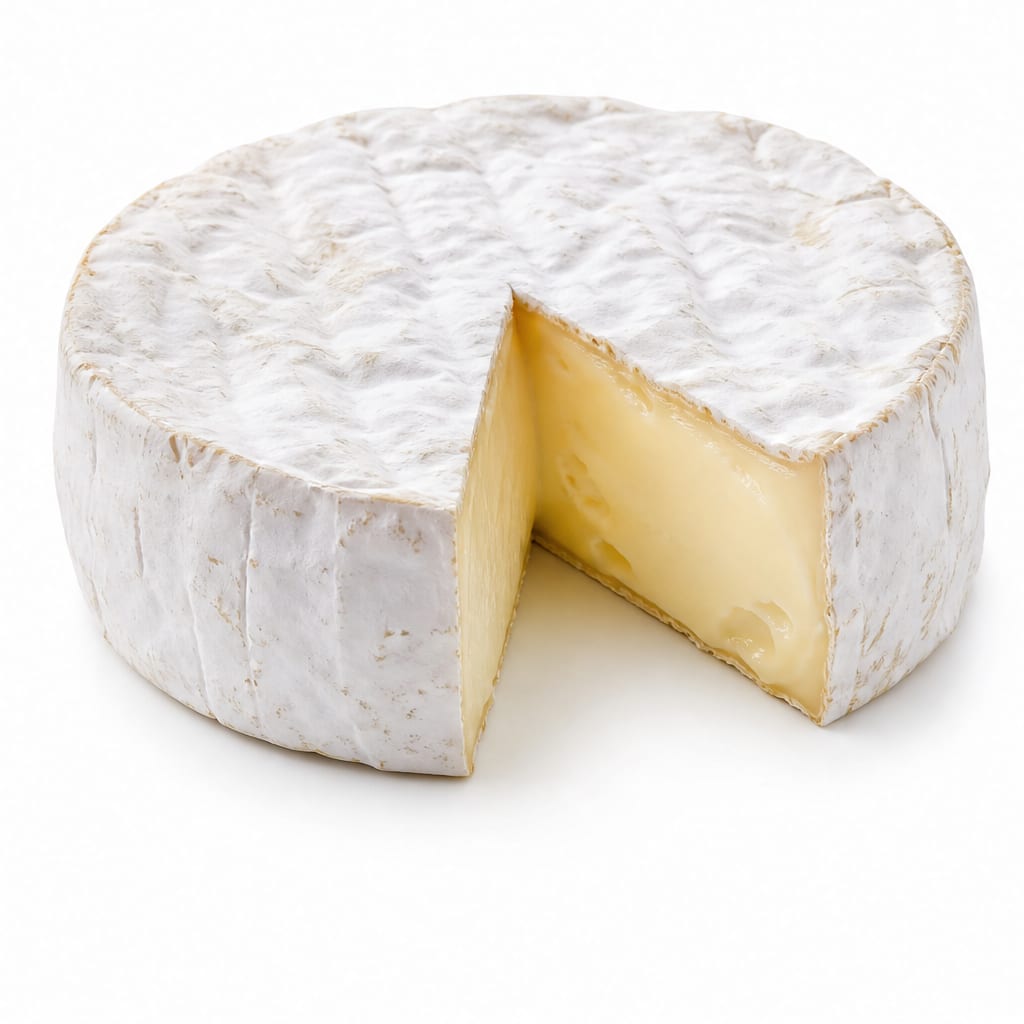
Compare with
Camembert
Camembert is slightly stronger in flavor and comes in smaller wheels, while brie is milder and creamier.
Brie and camembert are nutritionally nearly identical, though camembert offers a slightly earthier flavor while brie is creamier.
This food
Brie Cheese
VS85% alike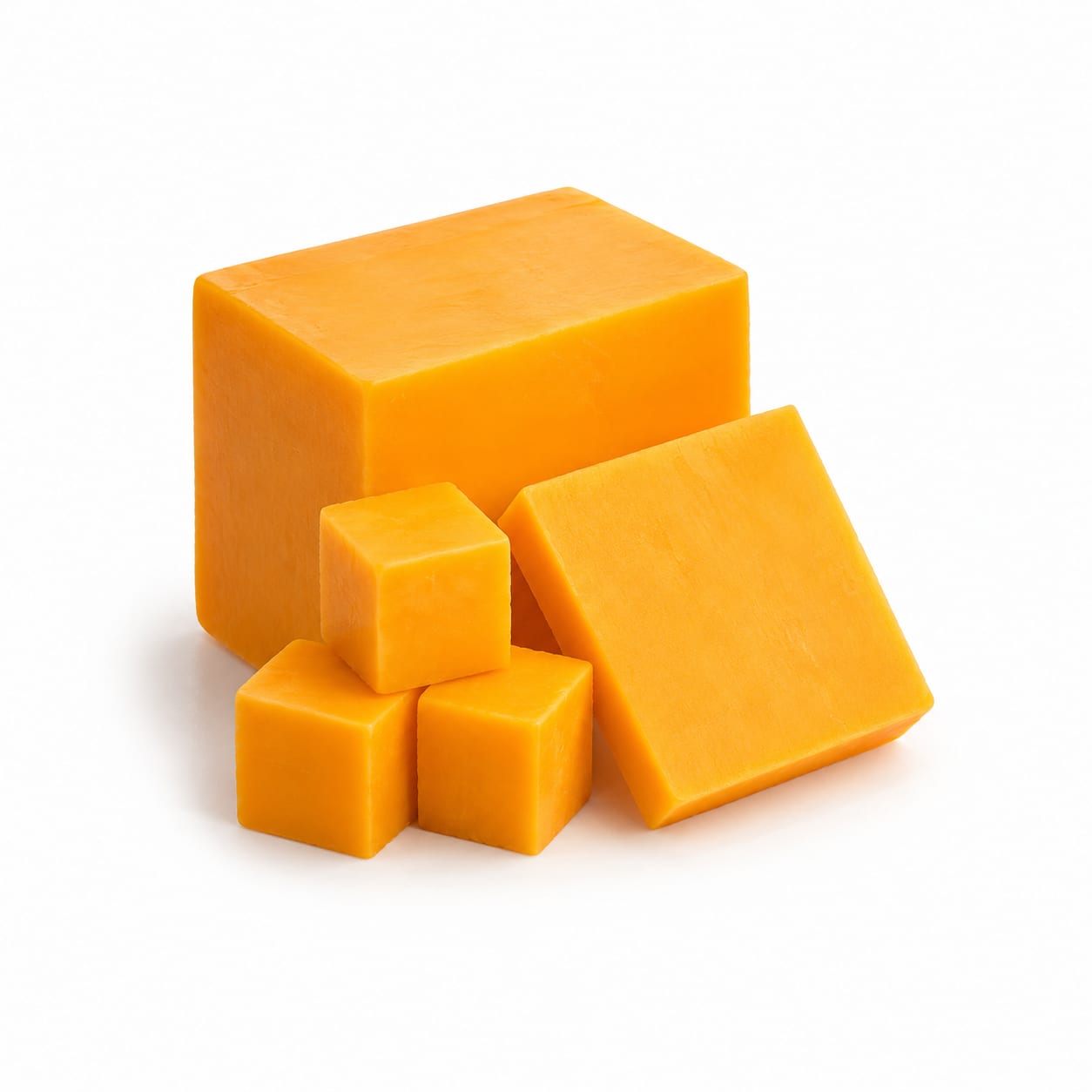
Compare with
Cheddar Cheese
Cheddar has slightly more protein and less moisture, while brie has a softer texture and slightly fewer carbs.
Cheddar provides slightly more protein per calorie than brie, making it better for satiety, though both are low-carb.
This food
Brie Cheese
VS80% alike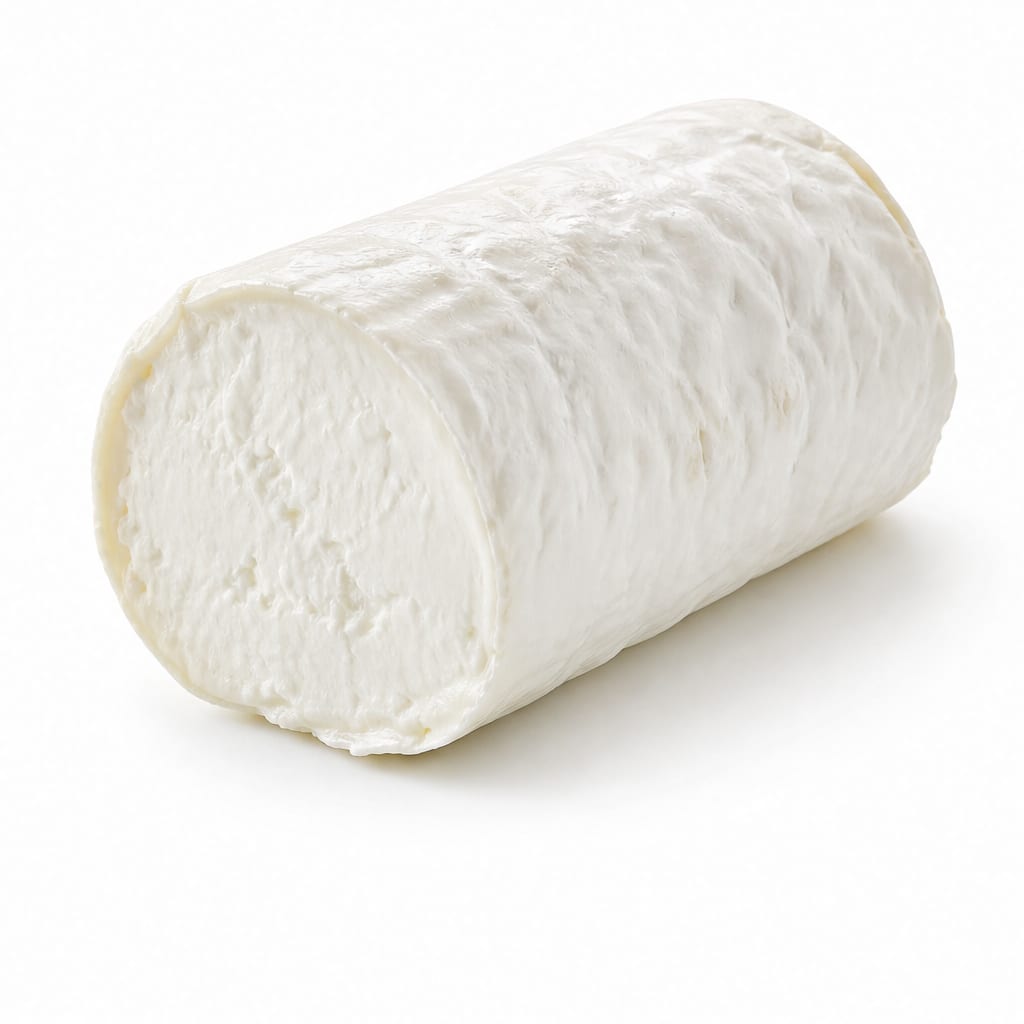
Compare with
Goat Cheese
Goat cheese is lower in calories and fat, and often easier to digest for those with cow milk sensitivities.
Goat cheese is lower in calories and fat than brie, making it better for weight loss, while brie offers a creamier texture.
This food
Brie Cheese
VS75% alike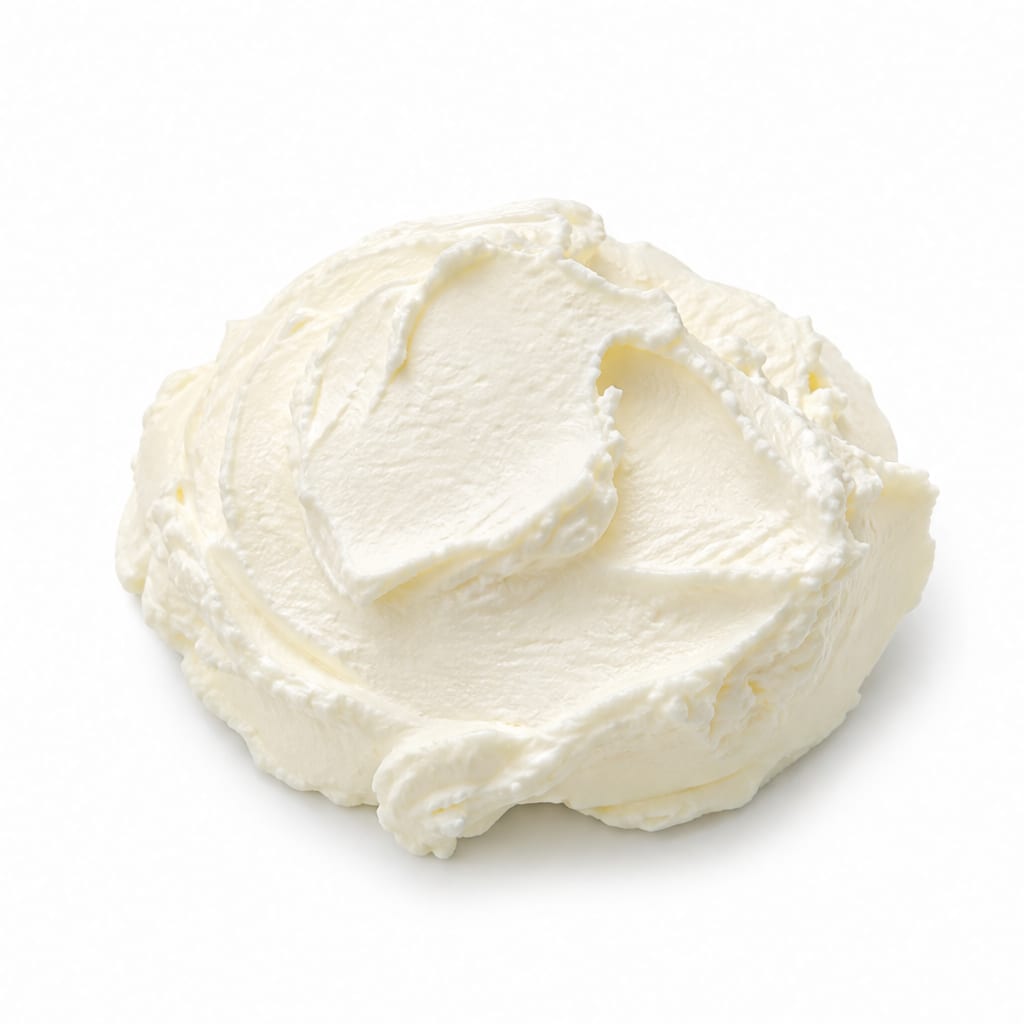
Compare with
Cream Cheese
Cream cheese has less protein and more moisture than brie, lacking the fermented rind.
Brie contains more protein and beneficial fermentation byproducts than cream cheese, making it slightly more nutritious per calorie.
This food
Brie Cheese
VS80% alike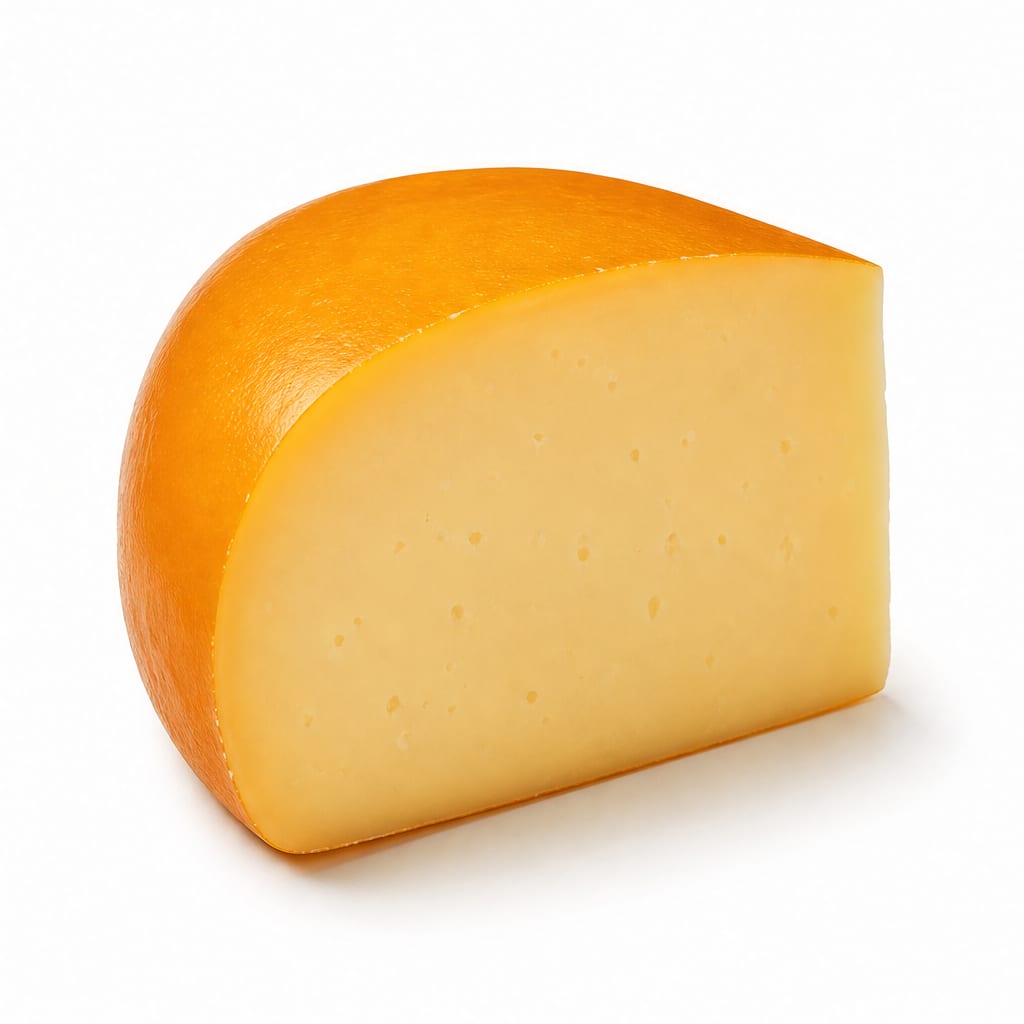
Compare with
Gouda
Gouda is a semi-hard cheese with a nutty flavor, offering slightly more calcium than brie.
Gouda provides slightly more protein and calcium than brie, while brie offers a softer, creamier mouthfeel.
This food
Brie Cheese
VS75% alike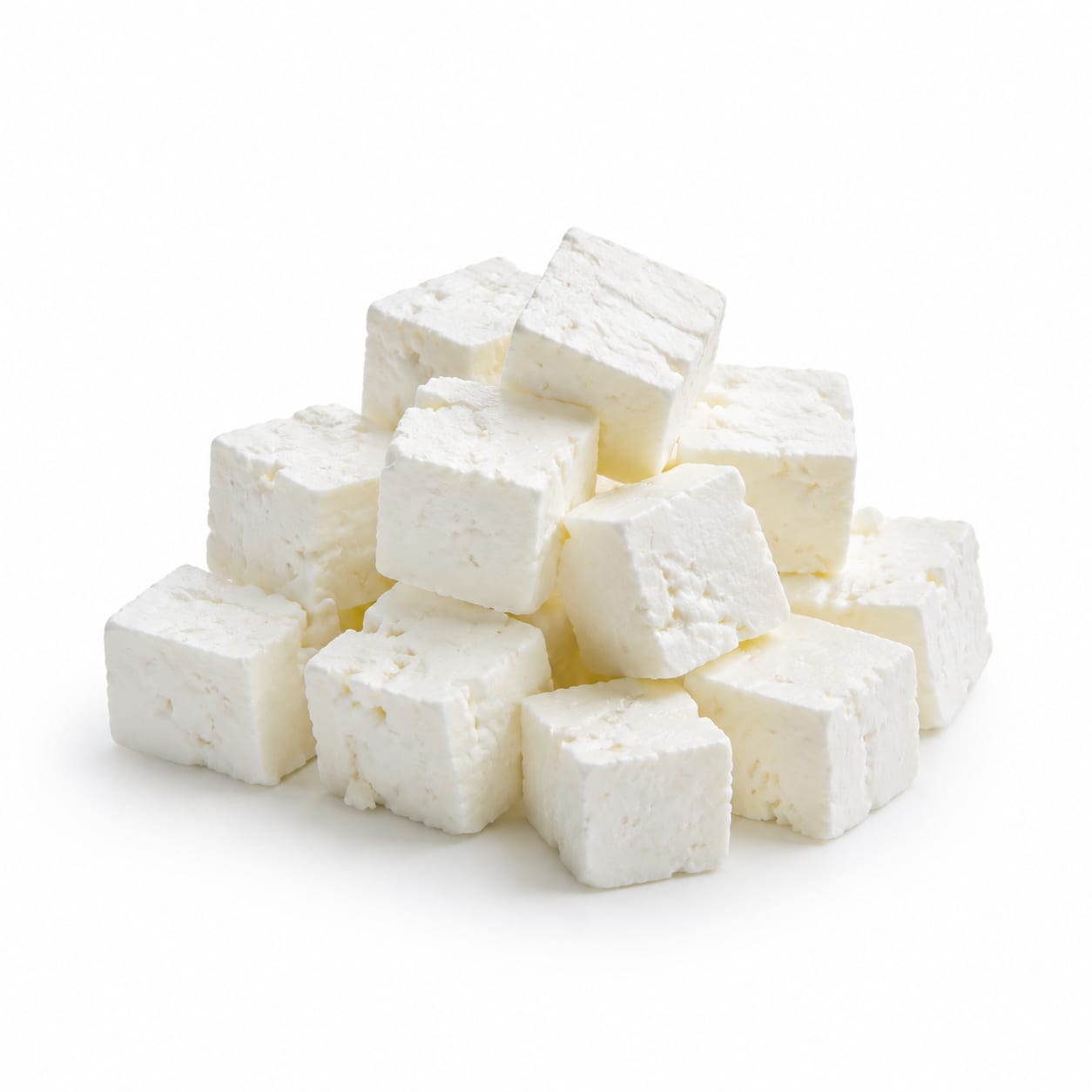
Compare with
Feta Cheese
Feta is a brined curd cheese that is significantly lower in calories and fat than brie.
Feta is much lower in calories and fat than brie, making it better for weight loss, while brie is richer and creamier.
This food
Brie Cheese
VS80% alike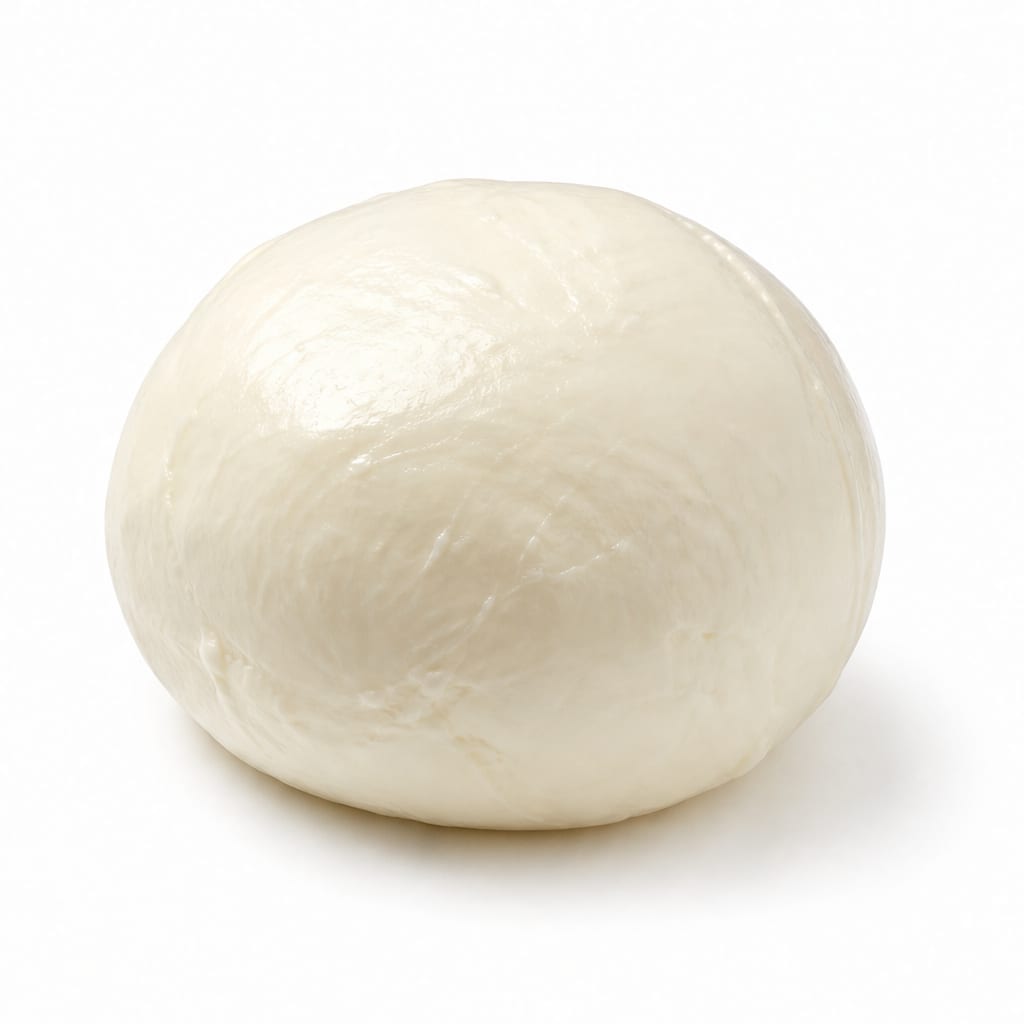
Compare with
Mozzarella
Mozzarella is lower in fat and calories and higher in protein compared to brie.
Mozzarella is higher in protein and lower in fat than brie, making it better for muscle gain and weight loss.
This food
Brie Cheese
VS70% alike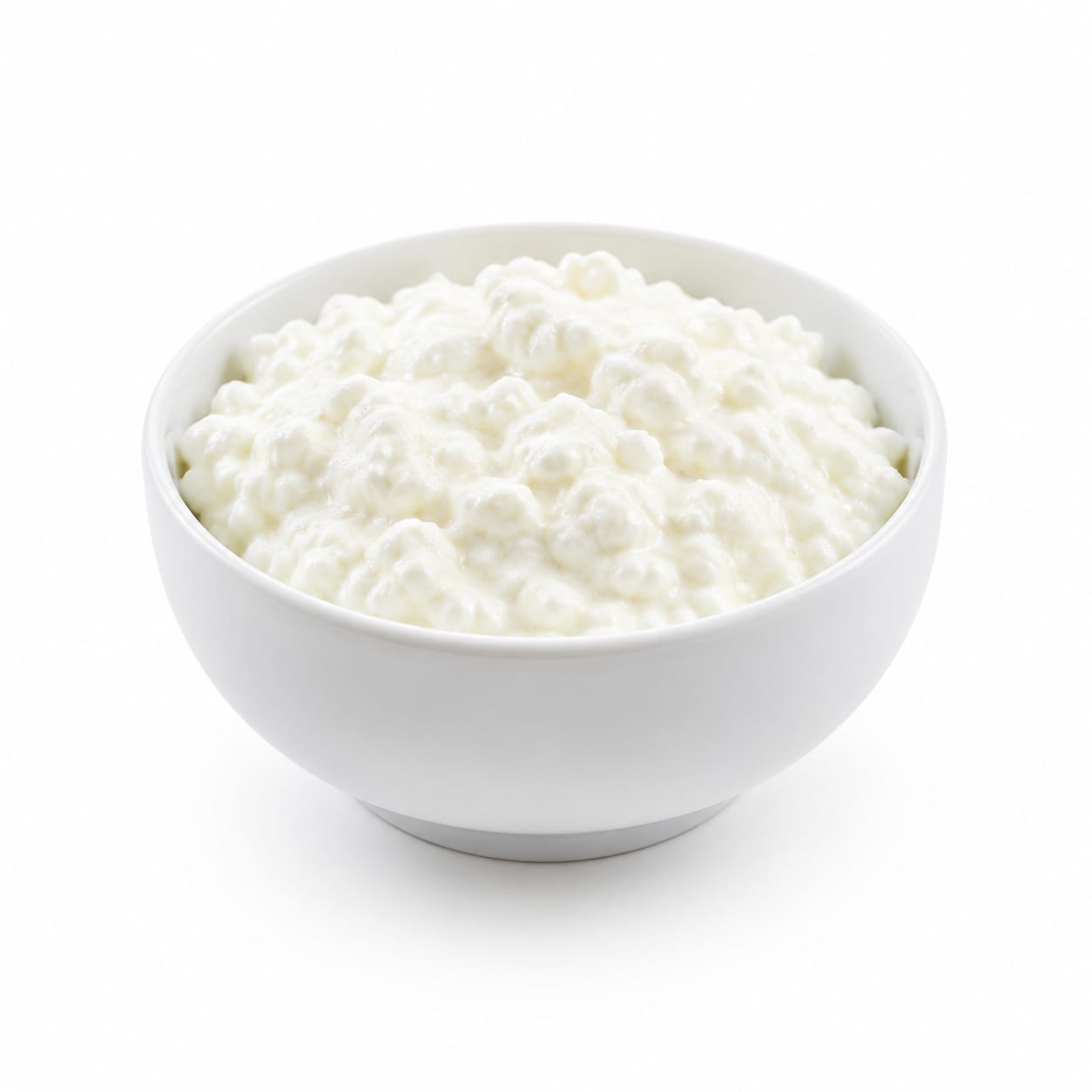
Compare with
Cottage Cheese
Cottage cheese is extremely high in protein and low in fat, whereas brie is high in fat and moderate in protein.
Cottage cheese is far superior for protein intake and weight loss, while brie provides a richer, higher-fat flavor profile.
This food
Brie Cheese
VS75% alike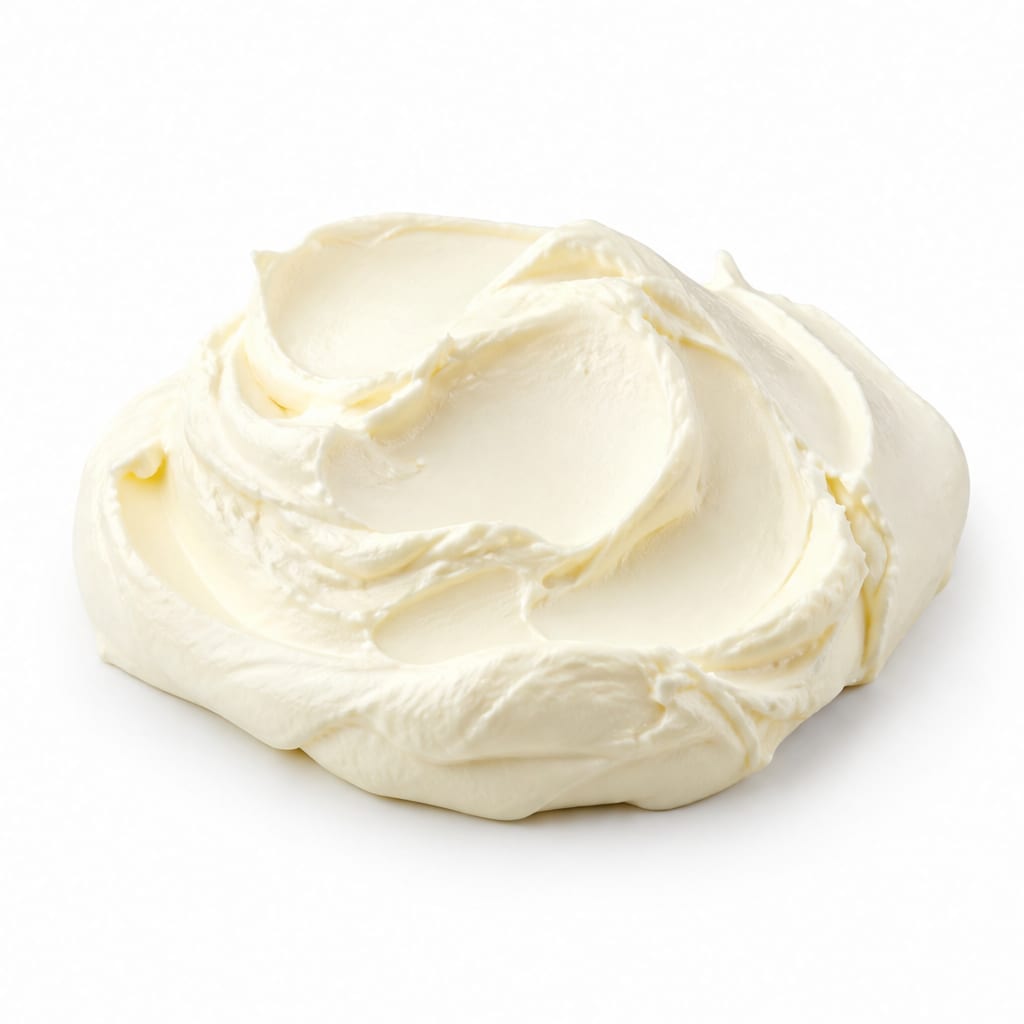
Compare with
Mascarpone
Mascarpone is essentially clotted cream with very little protein, whereas brie offers a meaningful amount of protein.
Brie contains significantly more protein than mascarpone, which is almost entirely fat, making brie the more balanced choice.
This food
Brie Cheese
VS70% alike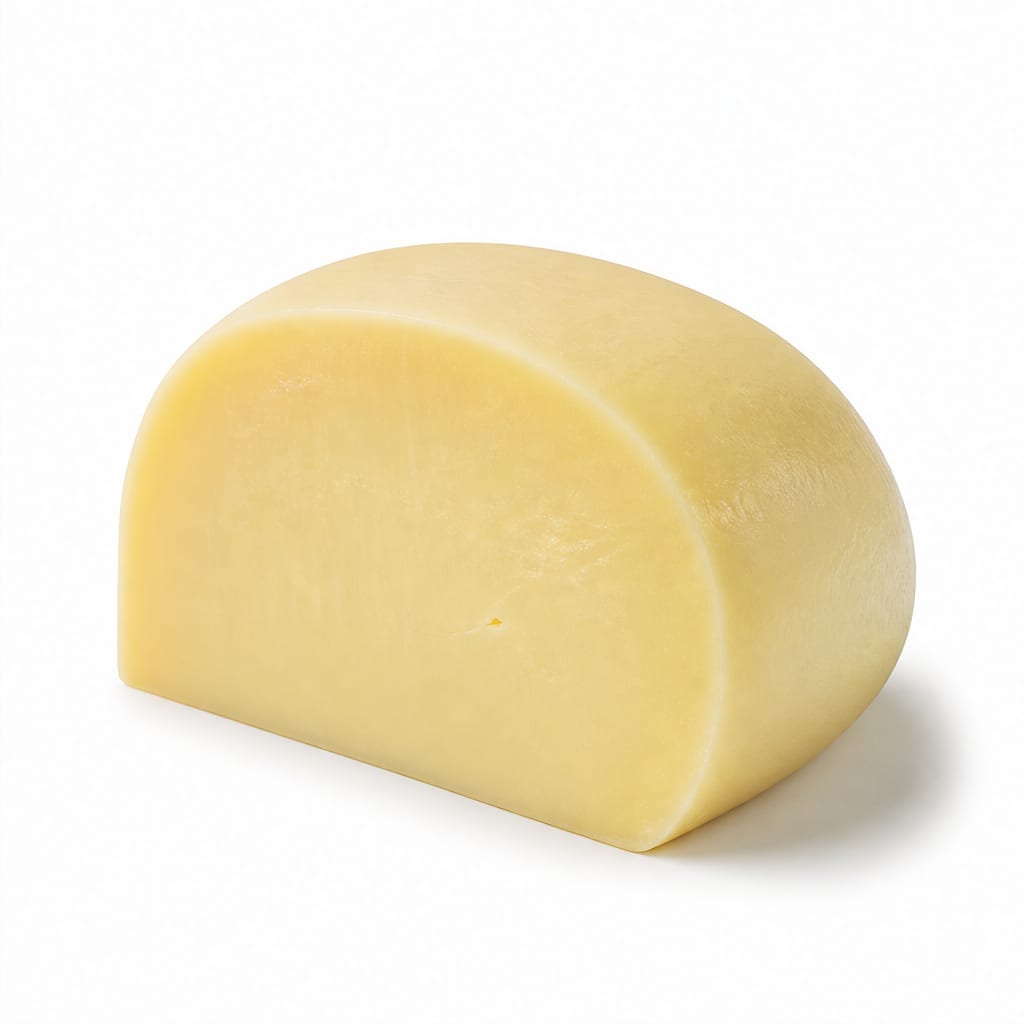
Compare with
Provolone
Provolone is a semi-hard aged cheese with more protein and a firmer texture than brie.
Provolone offers more protein per serving than brie, while brie provides a softer, spreadable texture with a similar low-carb profile.
Common questions
FAQ
Answers aligned with how people search for this food.
Is brie cheese keto friendly?
Yes, brie is highly keto-friendly. It contains less than 1 gram of carbohydrates per serving and is rich in fats, making it ideal for maintaining ketosis.
Can you eat the rind on brie cheese?
Yes, the white rind on brie is completely edible. It is made of Penicillium candidum mold, which is safe to eat and contributes to the cheese's flavor and texture.
Is brie safe during pregnancy?
Only pasteurized brie is considered safe during pregnancy. Unpasteurized soft cheeses carry a risk of Listeria, which can be dangerous during pregnancy. Always check the label to ensure it is made from pasteurized milk.
How many carbs are in brie cheese?
Brie is very low in carbohydrates, containing approximately 0.5 grams of total carbs per 100-gram serving, making it negligible for most low-carb diets.
Does brie cheese have probiotics?
Brie contains trace amounts of probiotics, primarily in the edible rind. However, it is not as potent a probiotic source as fermented foods like yogurt or kefir.
Is brie good for weight loss?
Brie is not ideal for weight loss due to its high calorie and fat density. It can be included in moderation, but its rich taste makes it easy to overconsume.
Can diabetics eat brie cheese?
Yes, brie is an excellent cheese choice for diabetics because it has virtually zero carbohydrates and will not spike blood sugar levels.
Is brie high in lactose?
No, brie is low in lactose. The cheese-making and aging process consumes most of the lactose, making it tolerable for many people with mild lactose sensitivity.
What is the difference between brie and camembert?
While both are soft French cheeses, brie is typically made in larger wheels, has a higher milk fat content in its double/triple cream varieties, and a milder, creamier flavor than the earthier, more intense camembert.
Is brie an ultra-processed food?
No, traditional brie is a processed food (Nova Group 3) made simply from milk, salt, rennet, and mold cultures, without the artificial additives characteristic of ultra-processed foods.
Transparency
Data confidence
Estimated confidence for nutrition data, interpretation, safety notes, and comparisons.
Nutrition data
Health analysis
Food safety
Comparisons