
Nutrition comparison
Brie Cheese vs Mascarpone: Which Is Healthier?
Compare Brie Cheese and Mascarpone on calories, protein, fat, sodium, and real-world nutrition. Find out which creamy cheese is better for weight loss, cooking, and daily eating.
Overall winner · Brie Cheese
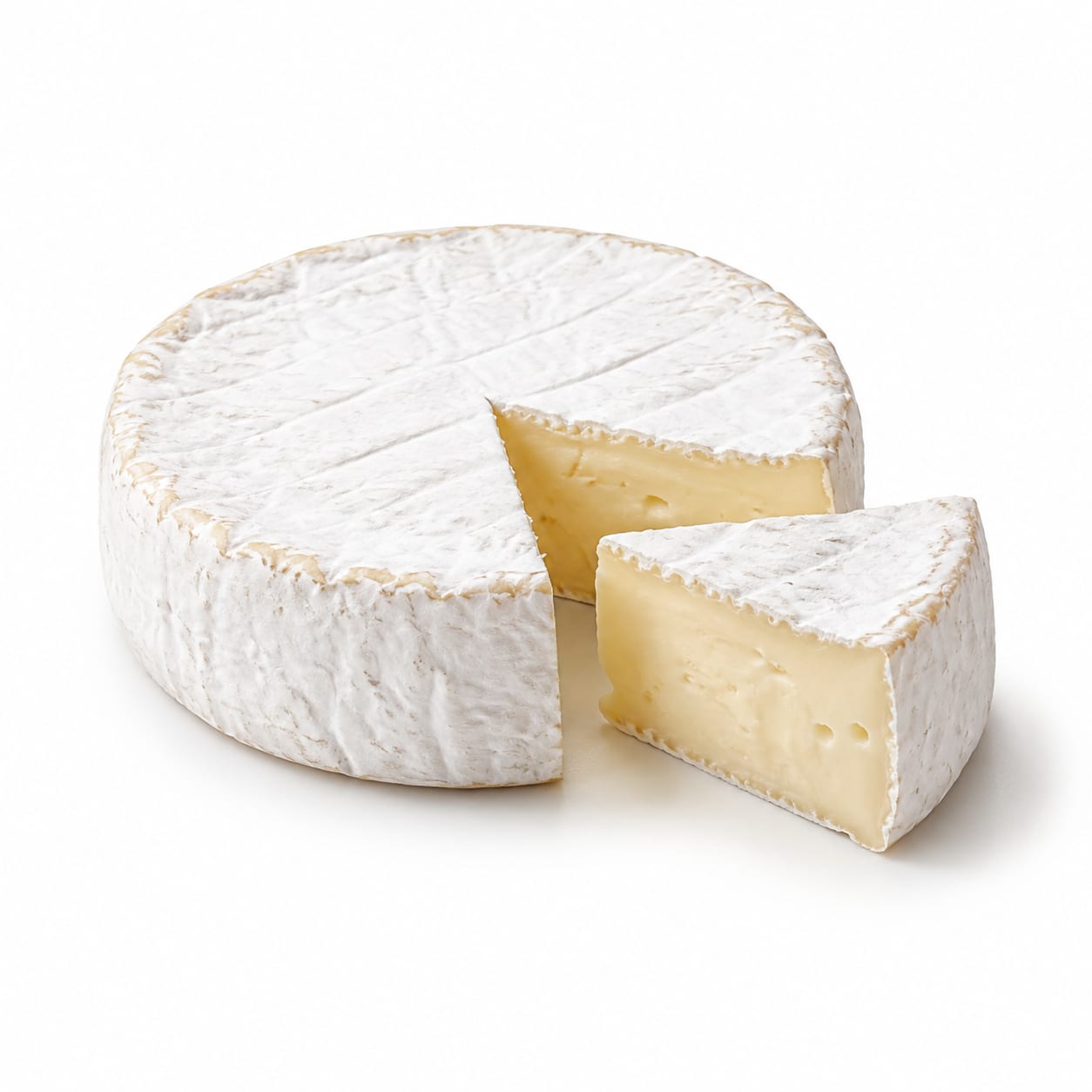
Brie Cheese
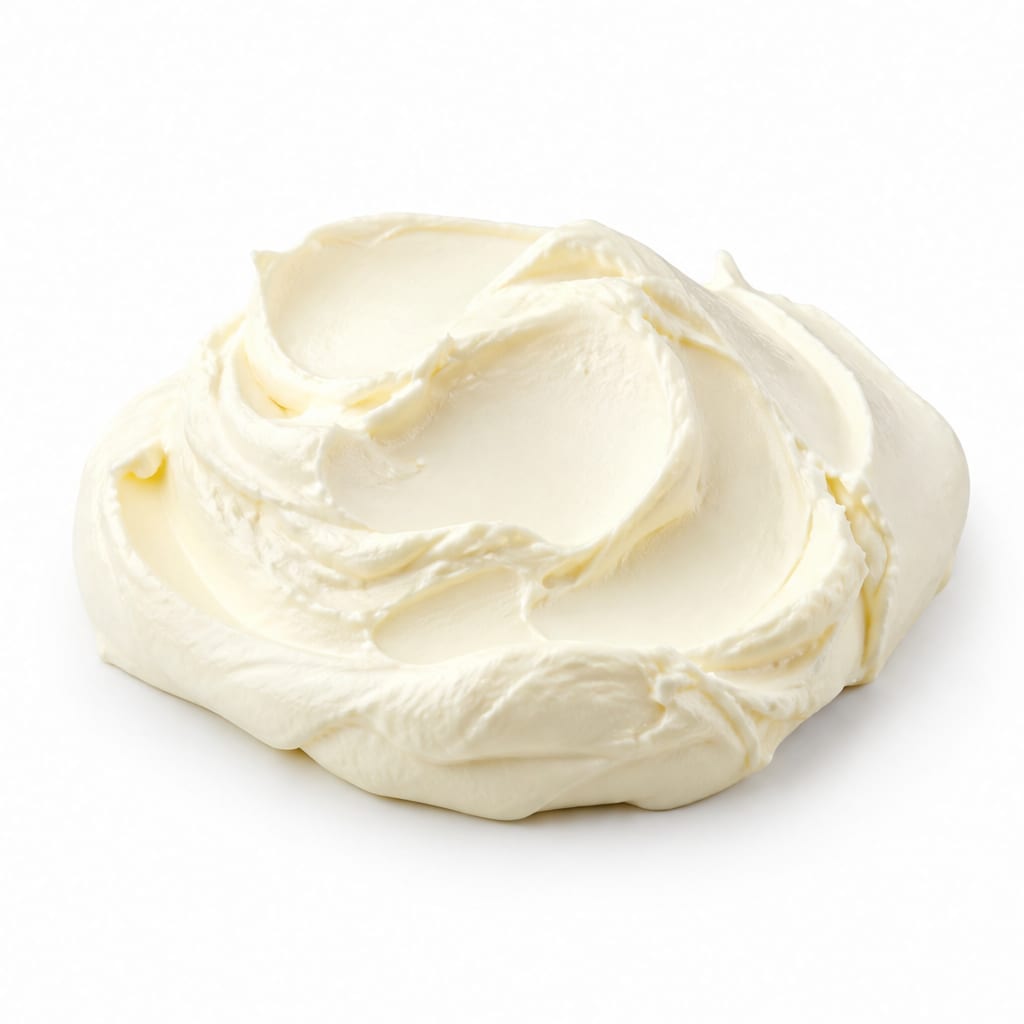
Mascarpone
Brie Cheese offers more protein, fewer calories, and beneficial probiotics, making it the smarter everyday choice. Mascarpone is a luxurious ingredient best used sparingly in desserts.
Brie Cheese scores notably higher due to its protein content, lower calorie density, and probiotic benefits. Mascarpone is not inherently unhealthy but its extreme calorie density and minimal protein make it harder to justify as a regular food. Both lose points for high saturated fat.
Brie fills you up with protein and probiotics but carries more sodium. Mascarpone feels richer and smoother but delivers far more calories with almost no protein payoff.
At a glance
Executive summary
Overall
Brie Cheese
Healthier
Brie Cheese
More practical
Brie Cheese
Daily use
Brie Cheese
Key comparison lenses
Calorie density and weight management
Mascarpone is nearly 30% more calorie-dense than Brie, making portion control critical
Protein and satiety comparison
Brie delivers 4x more protein than Mascarpone, dramatically affecting fullness
Heart health and fat profile
Both are high in saturated fat but Mascarpone's fat load is significantly heavier
Sodium and blood pressure concerns
Brie is much higher in sodium, which matters for hypertension management
Culinary role and practical usage
These cheeses serve very different purposes in cooking, affecting how often and how much you consume
Best choice for
Brie Cheese
- Cheese boards and appetizer spreads
- High-protein snacking
- Sandwiches and savory pairings
- People watching calorie intake
- Gut health through probiotic exposure
Mascarpone
- Tiramisu and Italian desserts
- Creamy pasta sauces
- Frosting and cake fillings
- Low-sodium dietary needs
- Mild flavor for sensitive palates
Least suitable for
Brie Cheese
- Low-sodium diets
- People avoiding mold or fermented foods
- Sweet dessert recipes requiring neutral creaminess
Mascarpone
- Weight loss or calorie-controlled eating
- High-protein dietary goals
- Daily snacking habits
- Anyone monitoring saturated fat closely
Deep comparison
Dimension by dimension
Each lens scores both foods and breaks down who each option suits.
- Dimension 1 · Priority 92Brie Cheese
Calorie Density and Weight Management
Brie Cheese · 55Mascarpone · 28Brie has roughly 334 calories per 100g versus Mascarpone's 429, making Brie significantly easier to portion-manage.
Tradeoff
Neither is a low-calorie food, but Mascarpone's calorie load escalates fast — two tablespoons can approach 200 calories with almost no satiety payoff.
Why it matters
Calorie-dense foods without protein or fiber to create fullness make overeating almost effortless.
Real-world impact
A Brie snack with crackers feels satisfying after a few pieces. Mascarpone on toast disappears quickly, leaving you hungry again within an hour.
Brie Cheese
- Portion control
- Weight maintenance
- Mindful snacking
Better for
- Very low-calorie diet plans
Worse for
Mascarpone
- Calorie-dense needs for underweight individuals
Better for
- Any calorie-conscious eating pattern
- Emotional eating tendencies
- Late-night snacking habits
Worse for
- Dimension 2 · Priority 88Brie Cheese
Protein and Satiety
Brie Cheese · 72Mascarpone · 18Brie delivers around 21g of protein per 100g compared to Mascarpone's meager 5g, a dramatic difference for fullness and muscle maintenance.
Tradeoff
Mascarpone's creaminess feels rich in the moment but lacks the protein needed to sustain energy or keep hunger at bay.
Why it matters
Protein is the most satiating macronutrient. Without it, high-fat foods become easy to overconsume.
Real-world impact
A Brie and apple snack keeps you full until dinner. A Mascarpone treat leaves you reaching for something else within 90 minutes.
Brie Cheese
- Sustained energy between meals
- Active individuals needing protein
- Older adults preserving muscle
Better for
- Dairy protein allergies
Worse for
Mascarpone
- Situations where light texture matters more than fullness
Better for
- Post-workout recovery
- Anyone relying on snacks to bridge meals
- Growing teenagers with high protein needs
Worse for
- Dimension 3 · Priority 85Brie Cheese
Heart Health and Fat Profile
Brie Cheese · 38Mascarpone · 22Both cheeses are high in saturated fat, but Mascarpone packs roughly 44g of fat per 100g versus Brie's 27g, making it the heavier burden on cardiovascular health.
Tradeoff
Brie is the lesser of two saturated fat loads, though neither should be a daily staple for heart-conscious eaters.
Why it matters
Consistent high saturated fat intake raises LDL cholesterol and increases heart disease risk over time.
Real-world impact
Eating Brie a few times a week is manageable for most healthy people. Regular Mascarpone consumption could push daily saturated fat limits quickly.
Brie Cheese
- Moderate saturated fat intake
- Occasional cheese enjoyment within heart-healthy patterns
Better for
- Strict low-fat diets
- Existing high cholesterol
Worse for
Mascarpone
- Ketogenic diets where high fat is intentional
Better for
- Heart disease risk management
- Blood lipid concerns
- Daily use in any heart-conscious diet
Worse for
- Dimension 4 · Priority 72Mascarpone
Sodium and Blood Pressure
Brie Cheese · 30Mascarpone · 78Brie contains around 629mg of sodium per 100g while Mascarpone has only about 40mg, making Mascarpone the clear winner for sodium-sensitive individuals.
Tradeoff
If blood pressure management is your priority, Mascarpone's low sodium is a genuine advantage despite its higher calorie load.
Why it matters
Excess sodium is a leading driver of hypertension, and cheese is a common hidden sodium source.
Real-world impact
Someone on a 1500mg sodium limit could eat generous Mascarpone portions but needs to carefully measure Brie.
Brie Cheese
- Situations where some sodium enhances flavor and satisfaction
Better for
- Salt-sensitive blood pressure
- Daily consumption alongside other salty foods
Worse for
Mascarpone
- Hypertension management
- Low-sodium diet requirements
- Kidney disease sodium restrictions
Better for
- Those who find very low-sodium foods unsatisfying
Worse for
- Dimension 5 · Priority 75Brie Cheese
Nutrient Density and Probiotics
Brie Cheese · 68Mascarpone · 25Brie's bloomy rind contains beneficial mold cultures and probiotics, plus more calcium, B12, and B2 than Mascarpone.
Tradeoff
Mascarpone is essentially cream with minimal fermentation, offering little beyond calories and fat.
Why it matters
Fermented dairy foods contribute to gut health and nutrient absorption in ways that plain cream products cannot.
Real-world impact
Including Brie occasionally adds probiotic diversity to your diet. Mascarpone adds richness but no meaningful micronutrients.
Brie Cheese
- Gut microbiome support
- B12 and B2 intake
- Calcium contribution
Better for
- Immunocompromised individuals avoiding mold cultures
Worse for
Mascarpone
- People avoiding fermented or mold-containing foods
Better for
- Anyone seeking nutritional value beyond calories
Worse for
- Dimension 6 · Priority 70It depends
Culinary Versatility and Real-World Use
Brie Cheese · 65Mascarpone · 60Brie excels in savory applications while Mascarpone dominates desserts. They rarely substitute for each other effectively.
Tradeoff
Choosing between them usually depends on what you are cooking, not which is healthier.
Why it matters
Practical food choices are driven by recipe needs and eating context, not just nutrition labels.
Real-world impact
Reaching for Brie on a cheese board or Mascarpone for tiramisu feels natural. Swapping them creates awkward flavor mismatches.
Brie Cheese
- Cheese boards and entertaining
- Savory sandwiches and paninis
- Baked appetizers
Better for
- Dessert recipes requiring neutral creaminess
Worse for
Mascarpone
- Italian dessert recipes
- Creamy pasta dishes
- Frostings and sweet fillings
Better for
- Savory cheese applications
- Charcuterie pairings
Worse for
Timeline
Health impact over time
Short-term
Hours to days
Brie Cheese
- Provides satisfying protein that stabilizes hunger for 2-3 hours
- Sodium may cause mild bloating in sensitive individuals
- Probiotics from the rind can support digestion
Mascarpone
- High calorie density without satiety makes overeating likely
- Very low sodium means no bloating from salt
- Rich creaminess can trigger cravings for more sweet or fatty foods
Long-term
Months to years
Brie Cheese
- Regular consumption contributes to saturated fat intake but protein supports muscle maintenance
- Probiotic exposure may benefit gut microbiome diversity
- Consistent sodium intake requires monitoring alongside other dietary salt sources
Mascarpone
- Frequent use significantly increases saturated fat and calorie intake without nutritional compensation
- Minimal protein contribution may be problematic if Mascarpone displaces protein-rich foods
- Low sodium is a genuine long-term cardiovascular advantage
Risk profile
Safety & processing
Both Brie Cheese and Mascarpone are traditional foods made with minimal ingredients — milk or cream, cultures, and sometimes rennet or acid. Neither contains artificial additives, emulsifiers, or preservatives in their classic forms. Brie undergoes fermentation and aging, which adds probiotic value. Mascarpone is simply cream thickened with acid, making it one of the least processed dairy products available.
Brie Cheese
Listeria contamination
mediumSoft cheeses like Brie carry a higher listeria risk than hard cheeses. Pregnant women and immunocompromised individuals should avoid unpasteurized Brie entirely.
Histamine sensitivity
lowAged and fermented cheeses contain histamine that may trigger reactions in sensitive individuals, including headaches or skin flushing.
Mascarpone
Listeria contamination
mediumFresh soft dairy products can harbor listeria if made from unpasteurized cream. Commercially produced Mascarpone from pasteurized cream carries lower risk.
Spoilage from high moisture
lowMascarpone's high water activity means it spoils quickly once opened, typically within 3-5 days refrigerated.
Who wins for whom
Audience fit
Same foods, different winners depending on your goal.
children
MascarponeMascarpone's mild flavor and low sodium make it more suitable for young palates, though portions should be small due to calorie density.
daily consumption
Brie CheeseBrie offers more nutritional value per serving and better satiety, making it a more justifiable regular inclusion in moderate amounts.
diabetes
Brie CheeseBoth are very low in carbohydrates, but Brie's protein helps stabilize blood sugar more effectively after eating.
elderly
Brie CheeseOlder adults benefit more from Brie's protein for muscle preservation and probiotics for gut health, assuming no sodium restrictions.
muscle gain
Brie CheeseBrie provides four times more protein than Mascarpone, making it the only option here that contributes meaningfully to muscle protein needs.
weight loss
Brie CheeseBrie's higher protein creates more fullness per calorie, making it easier to eat satisfying portions without overshooting daily intake.
Your move
Decision guide
Choose Brie Cheese
- You want a satisfying cheese snack that actually fills you up
- Protein intake matters for your health or fitness goals
- You enjoy savory cheese boards and pairings
- Gut health and probiotic diversity are priorities
- You prefer controlling calories without sacrificing enjoyment
Choose Mascarpone
- You are making tiramisu, cheesecake, or Italian desserts
- You need a low-sodium creamy ingredient for a recipe
- You are on a ketogenic diet and want high fat with minimal protein
- You find fermented or mold-ripened cheeses unappealing
- You need a neutral-flavored cream base for sweet or savory dishes
Either works if
- You want a rich dairy indulgence in small amounts
- You are comfortable managing saturated fat intake from other sources
- Neither is a daily staple but an occasional cooking ingredient
Avoid both if
- You have a dairy allergy or severe lactose intolerance
- You are strictly limiting saturated fat for cardiovascular health
- You are following a plant-based or vegan diet
- You have high cholesterol and already consume significant animal fat
Final recommendation
Brie Cheese is the better everyday choice — more protein, fewer calories, probiotic benefits, and genuine satiety. Save Mascarpone for the desserts and special dishes where its creaminess truly shines. Neither should be a daily dietary staple, but if you are choosing one to keep in the fridge for regular enjoyment, Brie gives you more nutritional return per bite.
Practical
Consumer tips
- 1
Stick to 30-40g portions of Brie as a snack — roughly the size of your thumb — to keep saturated fat reasonable
- 2
Let Brie come to room temperature for 20 minutes before serving for the best flavor and texture
- 3
Use Mascarpone as a recipe ingredient rather than a standalone snack to naturally control portions
- 4
If sodium is a concern, pair Brie with fresh vegetables instead of crackers or cured meats to avoid compounding salt intake
- 5
Check that both cheeses are made from pasteurized milk, especially if serving to pregnant women, elderly guests, or children
- 6
Mascarpone spoils fast after opening — plan to use it within 3-5 days or freeze small portions for later cooking