
Nutrition comparison
Brie vs Provolone: Which Cheese Is Healthier for You?
Compare Brie cheese and Provolone on protein, sodium, calcium, food safety, and everyday practicality. Find out which cheese fits your health goals and lifestyle.
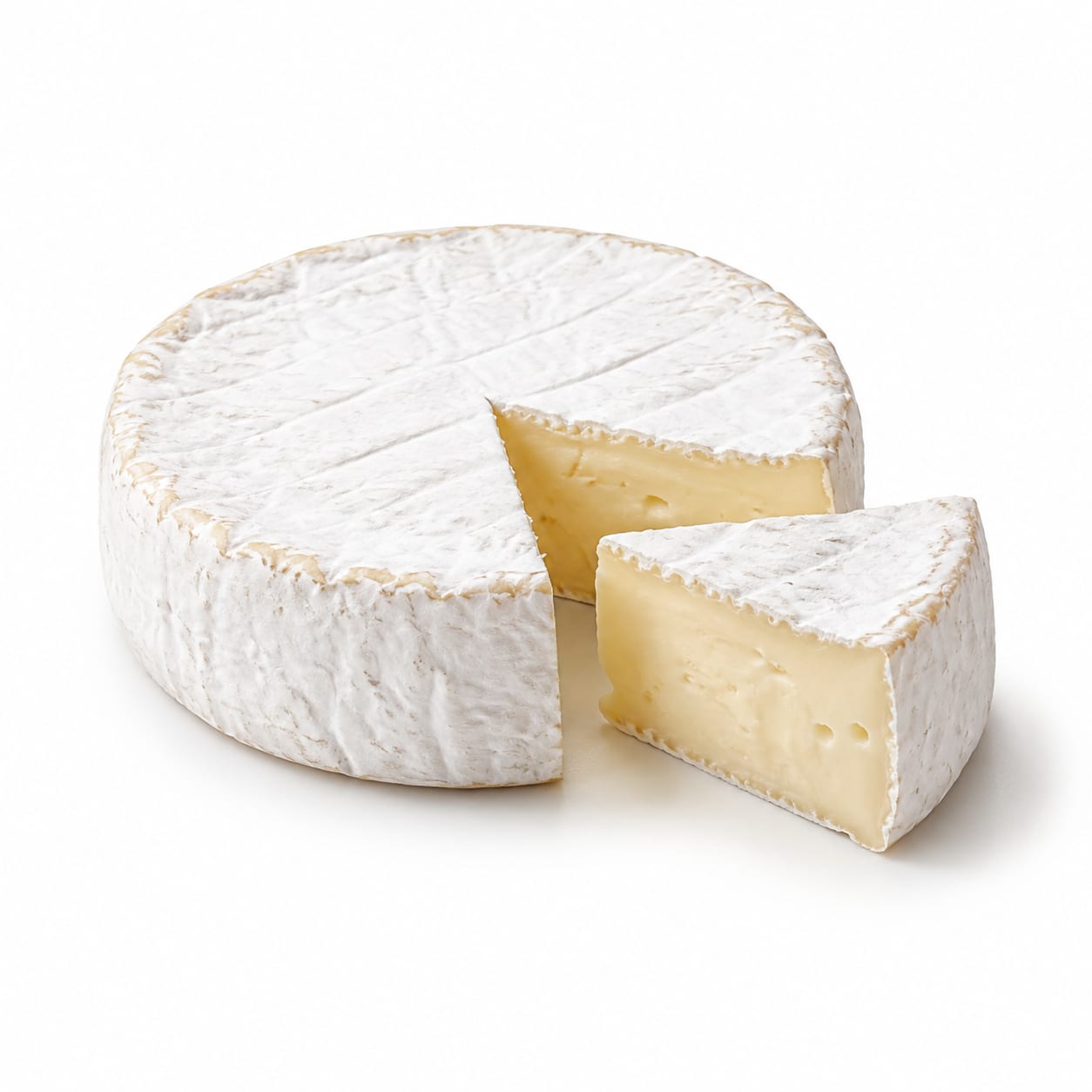
Brie Cheese
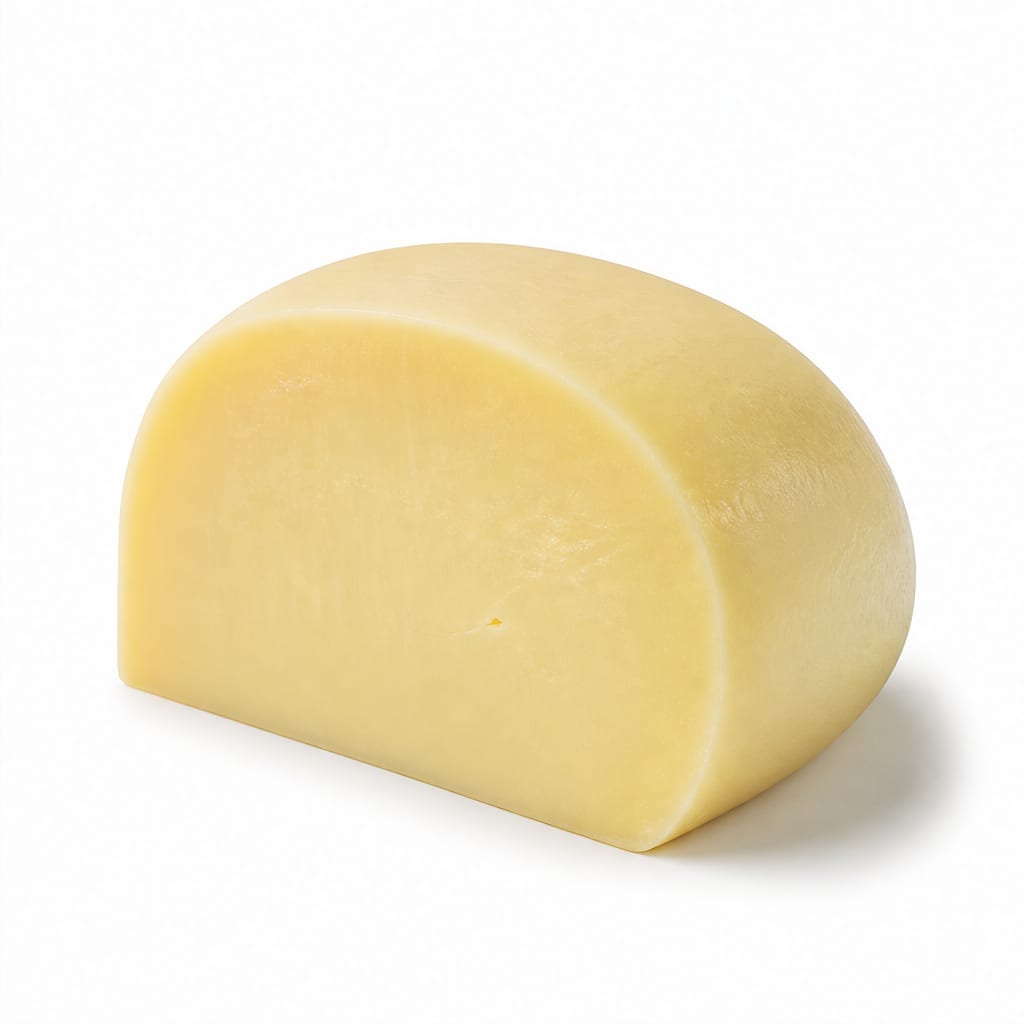
Provolone
Provolone wins for protein and everyday sandwich use; Brie wins for lower sodium and gourmet appeal.
Provolone edges ahead on protein, shelf stability, and everyday practicality. Brie wins on sodium and indulgence factor. The gap is small because both are calorie-dense cheeses with similar saturated fat profiles.
Provolone gives you more protein and better melt for sandwiches, but Brie is gentler on blood pressure and feels more indulgent with less sodium.
At a glance
Executive summary
Overall
It depends
Healthier
It depends
More practical
Provolone
Daily use
Provolone
Key comparison lenses
Everyday cheese selection for meals and snacking
Both are popular cheeses used in sandwiches, appetizers, and cooking, making direct substitution common
Sodium and heart health tradeoffs
Provolone is significantly higher in sodium, which matters for blood pressure management
Food safety during pregnancy
Brie carries listeria risk that Provolone does not, a critical concern for pregnant women
Protein and satiety comparison
Provolone delivers substantially more protein per serving, affecting fullness and meal satisfaction
Cooking versatility and melting behavior
Both melt well but serve different culinary roles, impacting practical meal decisions
Best choice for
Brie Cheese
- People watching sodium intake
- Pregnant women avoiding listeria (if pasteurized and heated)
- Those wanting a rich, satisfying cheese experience with fewer calories per gram
- Entertaining and appetizer spreads
- Anyone seeking a creamy texture without heavy salt load
Provolone
- Sandwich and panini lovers
- People prioritizing protein intake
- Those wanting longer fridge life
- Families needing a versatile everyday cheese
- Anyone meal-prepping with cheese as a protein source
Least suitable for
Brie Cheese
- Pregnant women (unpasteurized varieties carry listeria risk)
- People needing high protein from dairy
- Those wanting a cheese that lasts weeks in the fridge
- Anyone bothered by strong earthy flavors
Provolone
- People on low-sodium diets
- Those sensitive to salty flavors
- Anyone seeking a soft, spreadable cheese experience
Deep comparison
Dimension by dimension
Each lens scores both foods and breaks down who each option suits.
- Dimension 1 · Priority 90Provolone
Protein and Satiety
Brie Cheese · 45Provolone · 78Provolone delivers roughly double the protein per serving, making it far more filling and useful for meals.
Tradeoff
Brie's creaminess feels satisfying in the moment, but Provolone keeps you full longer due to its protein density.
Why it matters
If cheese is your main protein source at a meal, Provolone actually contributes meaningfully. Brie is more of a flavor enhancer.
Real-world impact
A Provolone sandwich at lunch keeps hunger away until dinner. A Brie sandwich may leave you snacking by 3pm.
Brie Cheese
- Athletes and active people
- Anyone relying on cheese for protein
Worse for
Provolone
- Post-workout meals
- Hearty sandwiches
- Protein-forward snacks
Better for
- Dimension 2 · Priority 88Brie Cheese
Sodium Load
Brie Cheese · 72Provolone · 38Brie contains significantly less sodium than Provolone, making it easier on blood pressure and daily salt budgets.
Tradeoff
Provolone's saltiness is part of its appeal in sandwiches, but it can push you over recommended sodium limits quickly.
Why it matters
A single Provolone slice can contain 200-250mg sodium. Brie typically lands around 110-180mg. That difference adds up across the day.
Real-world impact
Two Provolone sandwiches and you may have consumed a third of your daily sodium. Brie gives you more room for other salty foods.
Brie Cheese
- Hypertension management
- Low-sodium diets
- Older adults watching salt
Better for
Provolone
- Salt-sensitive individuals
- Anyone already eating processed foods daily
Worse for
- Dimension 3 · Priority 75Brie Cheese
Calorie Density and Portion Control
Brie Cheese · 65Provolone · 55Brie is slightly lower in calories per ounce due to higher water content, making portion control feel more natural.
Tradeoff
Brie's soft texture makes it easy to over-spread. Provolone comes in defined slices that naturally limit portions.
Why it matters
Brie feels lighter per bite, but the ease of spreading can lead to larger servings than intended.
Real-world impact
A thin Brie layer on a baguette feels generous without being heavy. Provolone slices are pre-portioned, removing guesswork.
Brie Cheese
- Light appetizers
- Portion-aware snacking
Better for
- Mindless snacking scenarios
Worse for
Provolone
- Pre-portioned meal prep
- Counted macro tracking
Better for
- Dimension 4 · Priority 85Provolone
Food Safety and Pregnancy Suitability
Brie Cheese · 40Provolone · 85Provolone's hard texture and lower moisture make it inherently safer. Brie's soft rind can harbor listeria if unpasteurized.
Tradeoff
Pasteurized Brie heated until steaming is safe, but the raw risk lingers in many people's minds and some products.
Why it matters
Listeriosis during pregnancy can be devastating. Hard cheeses like Provolone are consistently recommended as safer choices.
Real-world impact
A pregnant woman can eat Provolone without worry. Brie requires checking labels and often heating, which changes the experience.
Brie Cheese
- Pregnant women (especially unpasteurized)
- Anyone with weakened immunity
Worse for
Provolone
- Pregnant women
- Immunocompromised individuals
- Hospital or care settings
Better for
- Dimension 5 · Priority 72Provolone
Calcium and Bone Health
Brie Cheese · 55Provolone · 78Provolone provides more calcium per serving due to its concentrated, lower-moisture nature.
Tradeoff
Both contribute to daily calcium needs, but Provolone gets you there faster per ounce.
Why it matters
If dairy is your primary calcium source, Provolone is more efficient. Brie still helps, just less per serving.
Real-world impact
Two slices of Provolone cover roughly 20% of daily calcium needs. Brie covers about 10-12%.
Brie Cheese
Provolone
- Older adults needing calcium
- Teenagers building bone density
- Anyone avoiding milk but needing calcium
Better for
- Dimension 6 · Priority 70Provolone
Culinary Versatility
Brie Cheese · 60Provolone · 75Provolone works in more dishes across the day. Brie shines in specific roles but has narrower application.
Tradeoff
Brie transforms a cheese board or tart into something special. Provolone is the reliable workhorse for everyday cooking.
Why it matters
If you buy one cheese for the week, Provolone covers more meals. Brie is better as a purposeful purchase.
Real-world impact
Provolone goes in omelets, sandwiches, pasta, and pizza. Brie is perfect on a baguette or baked, but feels odd in a breakfast scramble.
Brie Cheese
- Cheese boards
- Baked appetizers
- Dessert cheese pairings
Better for
- Quick weeknight cooking
- Breakfast dishes
Worse for
Provolone
- Sandwiches and paninis
- Casseroles and baked dishes
- Everyday cooking
Better for
- Elegant entertaining
Worse for
Timeline
Health impact over time
Short-term
Hours to days
Brie Cheese
- Quick satiety from rich fat content, but hunger returns sooner due to low protein
- Lower sodium means less bloating and thirst after eating
- Soft texture is easy to eat quickly, which can lead to overconsumption
Provolone
- More sustained fullness from higher protein content
- Higher sodium may cause temporary water retention and thirst
- Firmer texture slows eating pace, naturally limiting intake
Long-term
Months to years
Brie Cheese
- Lower sodium intake supports healthier blood pressure over time
- Saturated fat content still contributes to LDL cholesterol concerns with regular consumption
- Lower protein means less support for muscle maintenance in aging adults
Provolone
- Better calcium and protein intake supports bone density and muscle retention
- Higher sodium is a real concern for blood pressure if eaten daily without adjustment
- Consistent protein from Provolone helps with satiety and weight management long-term
Risk profile
Safety & processing
Both Brie and Provolone are traditional cheeses made with minimal ingredients: milk, cultures, rennet, and salt. Neither contains artificial preservatives or emulsifiers in their classic forms. Smoked Provolone varieties may contain additional flavoring agents.
Brie Cheese
Listeria contamination
highSoft cheeses like Brie are a known listeria risk, especially when made from unpasteurized milk. Pregnant women and immunocompromised individuals should avoid unpasteurized Brie entirely.
Shorter shelf life
mediumBrie's high moisture content means it spoils faster once opened. Mold beyond the white rind indicates spoilage, not aging.
Histamine content
lowFermented cheeses contain histamine, which may trigger headaches in sensitive individuals.
Provolone
High sodium
mediumRegular consumption of Provolone can contribute significantly to daily sodium intake, raising blood pressure concerns over time.
Histamine content
lowAged Provolone (piccante) has higher histamine levels than mild varieties, potentially triggering reactions in sensitive people.
Who wins for whom
Audience fit
Same foods, different winners depending on your goal.
children
ProvoloneProvolone's firmer texture, milder flavor in young varieties, higher calcium, and lower listeria risk make it more appropriate for kids.
daily consumption
ProvoloneProvolone's versatility, longer shelf life, and better protein-to-calorie ratio make it more practical for everyday use. Brie is better enjoyed as an occasional treat.
diabetes
It dependsBoth have minimal carbohydrate impact. Brie's lower sodium is better for cardiovascular comorbidity risk, but Provolone's protein helps with blood sugar stability. Choose based on your primary concern.
elderly
ProvoloneProvolone's higher calcium and protein support bone density and muscle maintenance, which are critical concerns for aging adults. Sodium should be monitored.
muscle gain
ProvoloneProvolone's significantly higher protein content supports muscle repair and growth more effectively than Brie.
weight loss
Brie CheeseBrie's lower calorie density per ounce and milder sodium load make it slightly easier to fit into calorie-controlled eating, though both require portion awareness.
Your move
Decision guide
Choose Brie Cheese
- You're watching sodium and want a cheese that fits within tight salt limits
- You're hosting a dinner party and want something that feels special
- You prefer creamy, spreadable textures over firm slices
- You eat cheese in small amounts as a flavor accent rather than a protein source
Choose Provolone
- You want cheese to contribute meaningful protein to your meals
- You make sandwiches, paninis, or cooked dishes regularly
- You need a cheese that lasts in the fridge without spoiling quickly
- You're feeding a family and need one versatile cheese for everything
Either works if
- You're eating cheese in moderation as part of a balanced diet
- You want to rotate between different flavor profiles week to week
- Neither cheese is your primary protein or calcium source
Avoid both if
- You have a dairy allergy or severe lactose intolerance
- You're on a strict low-saturated-fat diet for heart disease management
- You're trying to minimize calorie-dense foods during weight loss
Final recommendation
Keep Provolone as your everyday fridge staple for sandwiches and cooking. Buy Brie when you want something special for entertaining or a weekend treat. This gives you the practical benefits of Provolone's protein and versatility while still enjoying Brie's indulgent texture when it matters most.
Practical
Consumer tips
- 1
Check Brie labels for 'made with pasteurized milk' if you're pregnant or serving to vulnerable guests
- 2
Aged Provolone (piccante) is much saltier and sharper than young (dolce) varieties — choose based on your sodium tolerance
- 3
Freeze Provolone slices between parchment paper for longer storage; Brie does not freeze well
- 4
If sodium is a concern, pair Provolone with fresh vegetables instead of cured meats to balance the meal
- 5
Brie is best served at room temperature for 30 minutes before eating — the flavor and texture improve dramatically
- 6
A single ounce of either cheese is roughly the size of your thumb — use that as a portion guide