
Nutrition comparison
Brie Cheese vs Cottage Cheese: Nutrition, Protein, and Diet Comparison
Compare Brie Cheese vs Cottage Cheese for weight loss, protein, and daily nutrition. Find out which cheese is better for your health goals.
Overall winner · Cottage Cheese
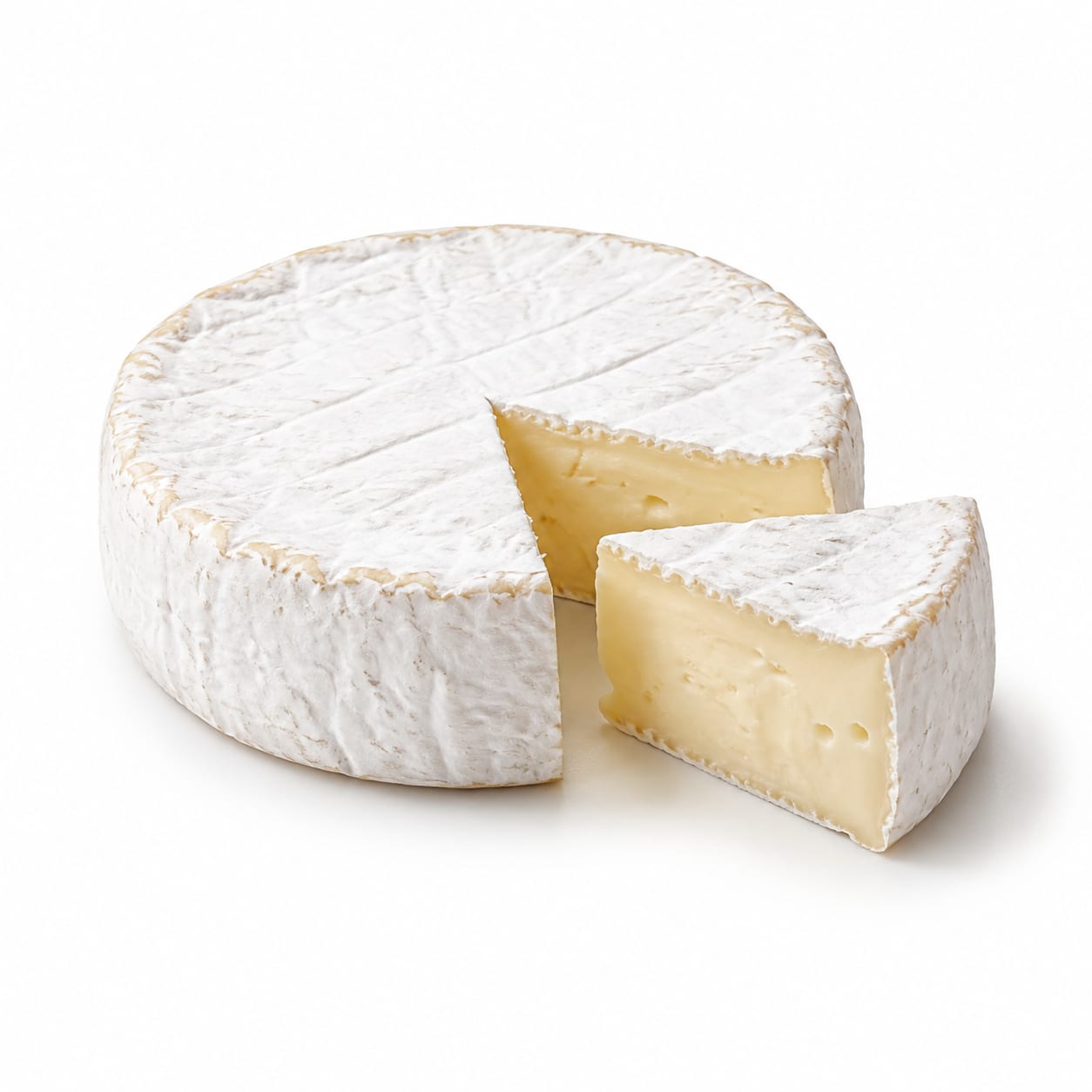
Brie Cheese
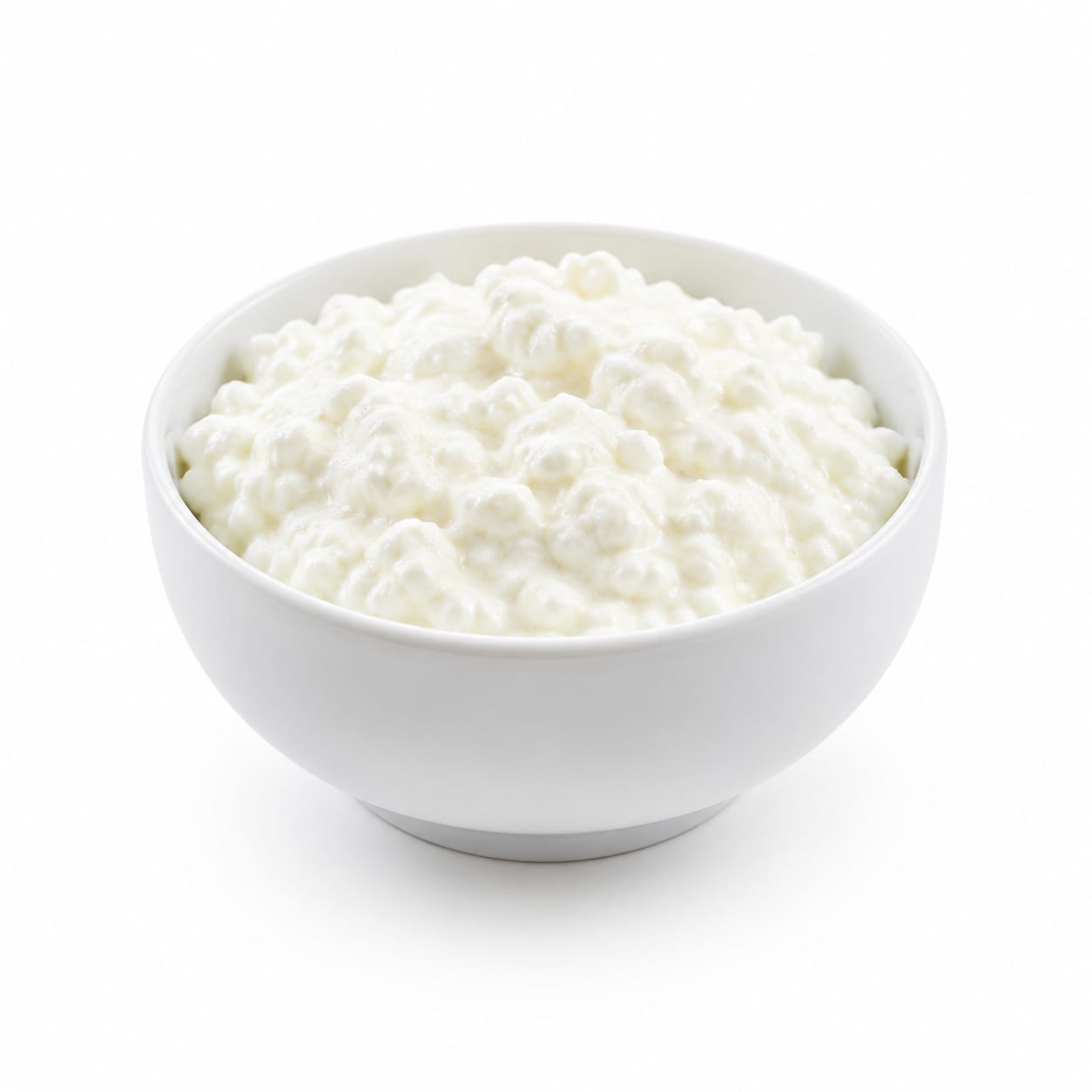
Cottage Cheese
Cottage Cheese dominates for protein and weight management, while Brie Cheese wins for flavor and indulgence.
Cottage Cheese scores higher due to its exceptional protein-to-calorie ratio and satiety benefits, making it a superior everyday staple. Brie Cheese remains a satisfying but calorie-dense indulgence.
Trading rich, comforting flavor and healthy fats in Brie Cheese for the high-protein, low-calorie advantage of Cottage Cheese.
At a glance
Executive summary
Overall
Cottage Cheese
Healthier
Cottage Cheese
More practical
Cottage Cheese
Daily use
Cottage Cheese
Key comparison lenses
Weight management and satiety
Cottage Cheese is a diet staple for fullness, while Brie Cheese is calorie-dense.
Protein intake for muscle gain
Cottage Cheese provides a massive protein advantage over Brie Cheese.
Snacking and emotional eating
Brie Cheese offers comfort and indulgence, whereas Cottage Cheese is more of a functional snack.
Sodium and bloating concerns
Cottage Cheese can be surprisingly high in sodium, impacting water retention.
Best choice for
Brie Cheese
- Entertaining guests
- Wine pairings
- Satisfying a rich cheese craving
Cottage Cheese
- High-protein breakfasts
- Post-workout snacks
- Calorie-conscious diets
Least suitable for
Brie Cheese
- Daily high-volume snacking
- Strict calorie deficits
- Low-fat diets
Cottage Cheese
- Elegant cheese boards
- Those who dislike textured dairy
- Low-sodium diets
Deep comparison
Dimension by dimension
Each lens scores both foods and breaks down who each option suits.
- Dimension 1 · Priority 95Cottage Cheese
Satiety & Fullness
Brie Cheese · 55Cottage Cheese · 92Cottage Cheese keeps you full much longer thanks to its high casein protein content.
Tradeoff
Brie Cheese offers immediate flavor satisfaction but lacks the protein to keep hunger at bay.
Why it matters
Staying full between meals prevents overeating and energy crashes.
Real-world impact
A bowl of Cottage Cheese at 3 PM easily bridges the gap to dinner; Brie Cheese might leave you hunting for crackers an hour later.
Brie Cheese
- Quick flavor satisfaction
Better for
- Controlling late-night snacking
Worse for
Cottage Cheese
- Bridging long gaps between meals
- Post-workout recovery
Better for
- Those who prefer light, low-volume meals
Worse for
- Dimension 2 · Priority 90Cottage Cheese
Calorie Density & Weight Management
Brie Cheese · 35Cottage Cheese · 88Cottage Cheese is a weight-loss ally with far fewer calories per serving than dense, fat-rich Brie Cheese.
Tradeoff
You sacrifice the luxurious mouthfeel of Brie Cheese to save hundreds of calories.
Why it matters
Lower calorie density allows you to eat a satisfying volume without overshooting your daily goals.
Real-world impact
You can eat a full cup of Cottage Cheese for roughly the same calories as a single ounce of Brie Cheese.
Brie Cheese
- Bulking or high-calorie needs
Better for
- Losing weight
Worse for
Cottage Cheese
- Calorie deficits
- Portion control
Better for
- Those needing extra calories for muscle gain
Worse for
- Dimension 3 · Priority 85Brie Cheese
Flavor & Emotional Satisfaction
Brie Cheese · 94Cottage Cheese · 50Brie Cheese delivers a rich, creamy, and comforting experience that Cottage Cheese simply cannot match.
Tradeoff
The emotional comfort of Brie Cheese comes with a heavy calorie toll.
Why it matters
Enjoying what you eat is crucial for long-term dietary adherence and mental well-being.
Real-world impact
Brie Cheese turns a simple meal into a mini-celebration; Cottage Cheese often feels like a chore to eat on its own.
Brie Cheese
- Date nights
- Celebratory meals
- Comfort eating
Better for
- Mindless snacking while watching TV
Worse for
Cottage Cheese
- Neutral base for sweet or savory toppings
Better for
- Satisfying an intense cheese craving
Worse for
- Dimension 4 · Priority 75Brie Cheese
Sodium & Water Retention
Brie Cheese · 70Cottage Cheese · 45Brie Cheese actually contains less sodium per typical serving than Cottage Cheese, which is often packed with salt.
Tradeoff
Choosing Cottage Cheese for protein might leave you bloated from the salt if you do not seek out a low-sodium version.
Why it matters
High sodium intake leads to water retention, bloating, and increased blood pressure risk.
Real-world impact
Eating Cottage Cheese daily can easily push your sodium intake up, leaving you feeling puffy by evening.
Brie Cheese
- Those watching blood pressure
- Reducing morning bloating
Better for
- Pairing with salty crackers
Worse for
Cottage Cheese
- Replenishing sodium after heavy sweating
Better for
- Salt-sensitive individuals
Worse for
- Dimension 5 · Priority 70It depends
Micronutrient Profile
Brie Cheese · 75Cottage Cheese · 78Brie Cheese offers more Vitamin K2 and Vitamin A, while Cottage Cheese provides more Vitamin B12 and selenium.
Tradeoff
Brie Cheese supports bone and heart health via K2, whereas Cottage Cheese fuels energy metabolism with B12.
Why it matters
Different vitamins play different roles in energy, bone health, and immune function.
Real-world impact
Brie Cheese helps with nutrient absorption from veggies; Cottage Cheese helps keep energy levels steady.
Brie Cheese
- Supporting bone density
- Pairing with salads for fat-soluble vitamin absorption
Better for
- B12 deficiency risks
Worse for
Cottage Cheese
- Supporting nervous system health
- Boosting energy metabolism
Better for
- Getting enough fat-soluble vitamins
Worse for
Timeline
Health impact over time
Short-term
Hours to days
Brie Cheese
- Quick energy from fat
- High satiety from fat but potential for a heavy feeling
- Mild bloating if lactose intolerant
Cottage Cheese
- Strong feeling of fullness
- Possible water retention from sodium
- Quick protein delivery to muscles
Long-term
Months to years
Brie Cheese
- Increased calorie load if eaten frequently
- Beneficial K2 for cardiovascular health
- Potential weight gain if portions are not controlled
Cottage Cheese
- Improved muscle maintenance
- Easier weight management
- Potential blood pressure concerns if sodium is high
Risk profile
Safety & processing
Brie Cheese is traditionally made with just milk, cultures, rennet, and salt. Cottage Cheese often contains gums, stabilizers, or added cream to improve texture, making it slightly more processed.
Brie Cheese
Listeria contamination
mediumSoft cheeses like Brie Cheese carry a higher risk of Listeria, making them unsafe for pregnant women unless fully cooked.
Histamine intolerance
lowFermented cheeses can trigger headaches or digestive issues in histamine-sensitive individuals.
Cottage Cheese
High sodium load
mediumCan exacerbate hypertension and cause dehydration if water intake is low.
Dairy allergy
lowContains casein and whey, which are common allergens.
Who wins for whom
Audience fit
Same foods, different winners depending on your goal.
children
Brie CheeseBrie Cheese is often more palatable for kids due to its mild, creamy flavor, though Cottage Cheese is also a good option if they enjoy it.
daily consumption
Cottage CheeseThe favorable protein-to-calorie ratio makes Cottage Cheese a sustainable daily staple without calorie overload.
diabetes
Cottage CheeseCottage Cheese has minimal carbs and high protein, stabilizing blood sugar better than the higher-fat Brie Cheese.
elderly
Cottage CheeseCottage Cheese helps prevent age-related muscle loss with its high protein content, while being easier to chew and digest.
muscle gain
Cottage CheeseThe high casein protein in Cottage Cheese provides a slow, steady release of amino acids ideal for muscle repair.
weight loss
Cottage CheeseCottage Cheese provides massive volume and protein for very few calories, making dieting far easier.
Your move
Decision guide
Choose Brie Cheese
- You want a luxurious treat for a cheese board
- You need healthy fats and Vitamin K2
- You are at a healthy weight and want comfort food
- You are pairing wine with a snack
Choose Cottage Cheese
- You want to lose weight without starving
- You need a high-protein snack after a workout
- You want a filling breakfast that lasts until lunch
- You are tracking your macros closely
Either works if
- You need a low-carb snack
- You want a calcium boost
- You tolerate dairy well
Avoid both if
- You have a severe dairy allergy
- You are strictly vegan
Final recommendation
Keep Cottage Cheese in your fridge for everyday fuel and satiety, and save Brie Cheese for special occasions where flavor and experience matter more than macros.
Practical
Consumer tips
- 1
Look for low-sodium Cottage Cheese if bloating or blood pressure is a concern.
- 2
Pair Cottage Cheese with fruit for a perfect mix of protein and fast-digesting carbs.
- 3
Let Brie Cheese come to room temperature before eating to maximize its creamy flavor and texture.
- 4
Measure Brie Cheese portions carefully, as it is very easy to overeat once you start slicing.
- 5
Try mixing Cottage Cheese with a little honey and cinnamon to make it more appealing if you find it bland.