
Nutrition comparison
Brie Cheese vs Cheddar Cheese: Nutrition, Protein, and Health Comparison
Comparing Brie Cheese and Cheddar Cheese? Discover which is better for protein, lactose intolerance, sodium, and weight loss in this expert breakdown.
Overall winner · Cheddar Cheese
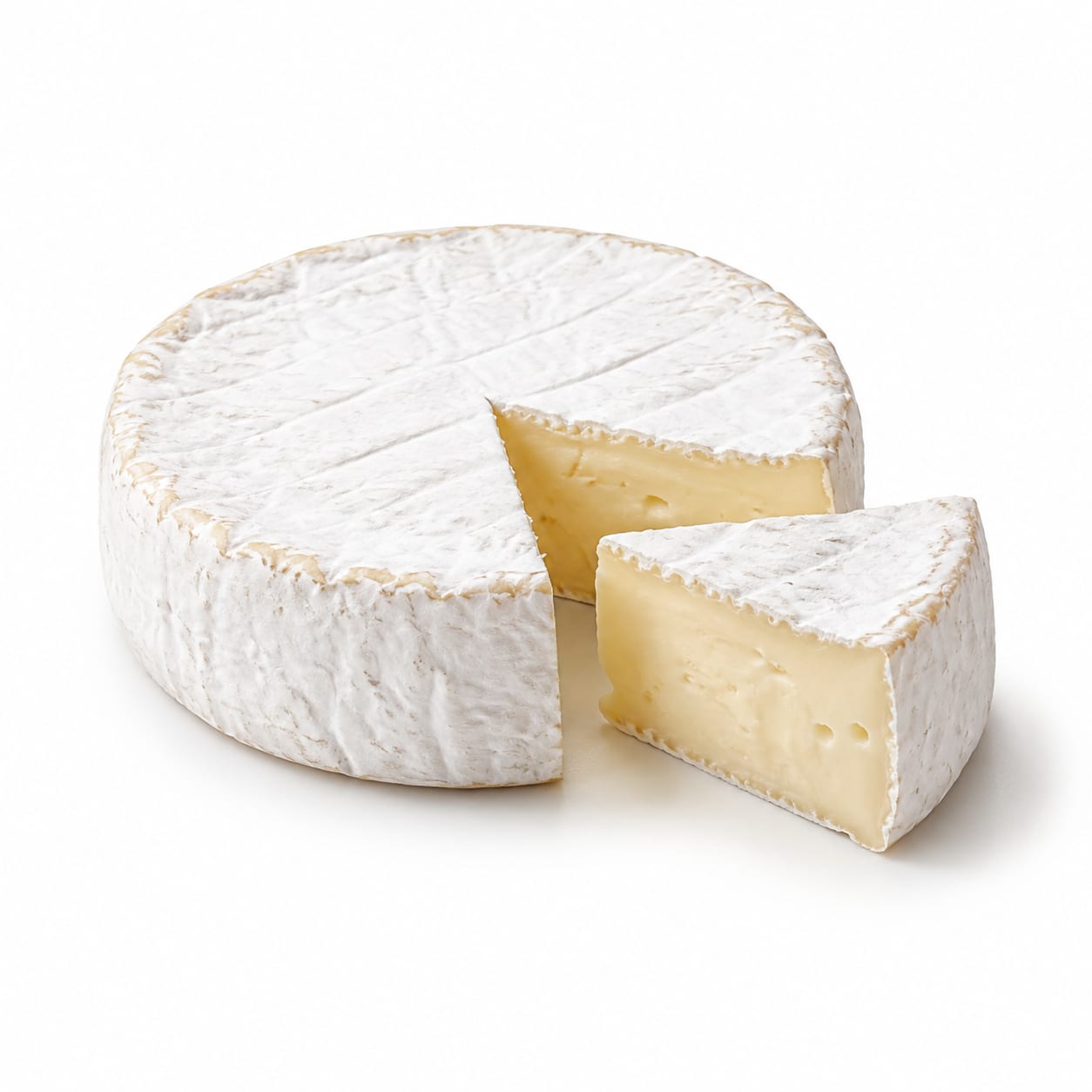
Brie Cheese
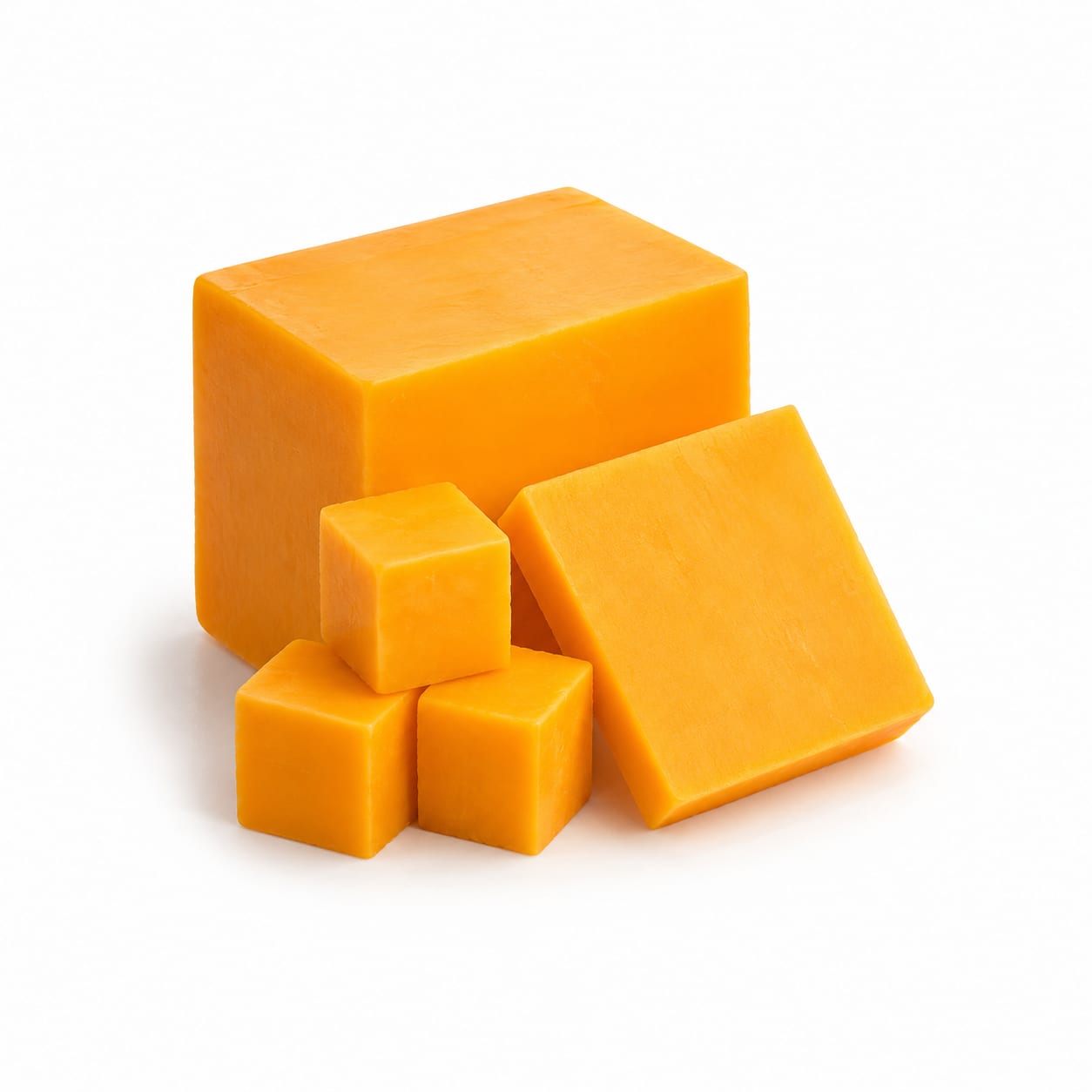
Cheddar Cheese
Cheddar Cheese wins for daily nutrition thanks to higher protein and near-zero lactose, but Brie Cheese is the better choice for low-sodium diets and entertaining.
Cheddar Cheese scores higher due to its protein density and digestive tolerance, but Brie Cheese stays competitive because of its lower sodium and lighter mouthfeel.
Cheddar Cheese offers superior satiety and bone-building nutrients but packs much more sodium; Brie Cheese is softer on blood pressure but less filling and higher in lactose.
At a glance
Executive summary
Overall
Cheddar Cheese
Healthier
Cheddar Cheese
More practical
Cheddar Cheese
Daily use
Cheddar Cheese
Key comparison lenses
Protein and satiety comparison
Cheese is often eaten as a protein snack; Cheddar delivers significantly more protein per ounce than Brie Cheese.
Sodium and blood pressure impact
Brie Cheese is notably lower in sodium, making it a better option for those managing blood pressure.
Lactose tolerance and digestion
Cheddar Cheese is aged and nearly lactose-free, whereas Brie Cheese retains more lactose, affecting sensitive individuals.
Culinary use and portion control
Brie Cheese is soft and easy to overeat, while Cheddar Cheese is dense and strongly flavored, naturally limiting portions.
Best choice for
Brie Cheese
- Low-sodium diets
- Wine and cheese pairings
- Soft texture preferences
- Spreadable snack options
Cheddar Cheese
- High-protein snacking
- Lactose-sensitive individuals
- Bone health support
- Appetite control
Least suitable for
Brie Cheese
- Lactose-intolerant individuals
- High-protein diets
- Strict calorie counters who struggle with portion control
Cheddar Cheese
- Low-sodium diets
- Soft cheese lovers
- Those who find strong flavors overwhelming
Deep comparison
Dimension by dimension
Each lens scores both foods and breaks down who each option suits.
- Dimension 1 · Priority 90Cheddar Cheese
Protein & Satiety
Brie Cheese · 45Cheddar Cheese · 85Cheddar Cheese delivers almost double the protein per serving, making it far more filling.
Tradeoff
You get more hunger-curbing power from Cheddar Cheese, but the dense texture feels heavier than the creamy lightness of Brie Cheese.
Why it matters
Higher protein snacks prevent energy crashes and overeating later in the day.
Real-world impact
An ounce of Cheddar Cheese keeps you full until your next meal, while Brie Cheese might leave you reaching for more food an hour later.
Brie Cheese
- Light snacking where you want a taste without feeling heavy
Better for
- Sustaining energy during busy afternoons
Worse for
Cheddar Cheese
- Post-workout recovery
- Bridging long gaps between meals
Better for
- Light late-night snacking
Worse for
- Dimension 2 · Priority 85Brie Cheese
Sodium & Blood Pressure
Brie Cheese · 80Cheddar Cheese · 40Brie Cheese is remarkably low in sodium compared to most cheeses, while Cheddar Cheese can be quite salty.
Tradeoff
Choosing Brie Cheese protects your blood pressure, but you sacrifice the protein and calcium density of Cheddar Cheese.
Why it matters
High sodium intake is a leading driver of hypertension and bloating.
Real-world impact
Eating Cheddar Cheese regularly can easily push your daily sodium intake over the limit if you are not careful with portions.
Brie Cheese
- Heart-healthy diets
- Reducing morning bloating
Better for
- Post-workout electrolyte replenishment
Worse for
Cheddar Cheese
- Replenishing sodium after heavy sweating
Better for
- Managing hypertension
Worse for
- Dimension 3 · Priority 80Cheddar Cheese
Digestive Tolerance (Lactose)
Brie Cheese · 50Cheddar Cheese · 90Aged Cheddar Cheese is virtually lactose-free, whereas Brie Cheese retains more milk sugar.
Tradeoff
Cheddar Cheese is safer for sensitive stomachs, but Brie Cheese offers a softer, creamier mouthfeel that some find easier to consume in small bites.
Why it matters
Lactose intolerance affects a large portion of adults, causing gas, bloating, and discomfort.
Real-world impact
You can enjoy Cheddar Cheese without worrying about stomach upset, while Brie Cheese might cause bloating if you eat more than a small taste.
Brie Cheese
- Those with only mild lactose sensitivity eating small portions
Better for
- Preventing digestive discomfort during social events
Worse for
Cheddar Cheese
- Severe lactose intolerance
- GI-sensitive individuals
Better for
- Those who simply prefer soft cheeses
Worse for
- Dimension 4 · Priority 75Cheddar Cheese
Calcium & Bone Health
Brie Cheese · 60Cheddar Cheese · 80Cheddar Cheese provides a more concentrated dose of bone-building calcium per serving.
Tradeoff
You get more calcium from Cheddar Cheese, but the higher sodium can slightly counteract bone benefits if consumed in excess.
Why it matters
Adequate calcium is essential for preventing osteoporosis and maintaining dental health.
Real-world impact
A couple of ounces of Cheddar Cheese covers a significant portion of your daily calcium needs far more efficiently than Brie Cheese.
Brie Cheese
- Those getting calcium from other sources who prefer a lighter cheese
Better for
- Meeting daily calcium requirements efficiently
Worse for
Cheddar Cheese
- Older adults needing dense calcium sources
- Teenagers with growing bones
Better for
- Those who need to strictly limit sodium alongside calcium intake
Worse for
Timeline
Health impact over time
Short-term
Hours to days
Brie Cheese
- Quick, creamy satisfaction
- Lower risk of sodium-induced thirst or bloating
- Potential stomach discomfort if lactose sensitive
Cheddar Cheese
- Strong hunger relief lasting hours
- Possible thirst from higher salt content
- Easy digestion for most lactose-sensitive people
Long-term
Months to years
Brie Cheese
- Better blood pressure maintenance
- Lower risk of sodium-related cardiovascular strain
- Possible bone density concerns if relied on as a primary calcium source
Cheddar Cheese
- Improved muscle maintenance from higher protein
- Stronger bones from calcium density
- Increased cardiovascular risk if overconsumed due to sodium and saturated fat
Risk profile
Safety & processing
Both Brie Cheese and Cheddar Cheese are traditional fermented foods made with minimal ingredients, though some mass-produced versions may add extra salt or preservatives.
Brie Cheese
Listeria contamination
mediumSoft cheeses like Brie Cheese carry a higher risk of Listeria, especially if unpasteurized, posing a serious threat to pregnant women.
Mold overgrowth
lowThe edible rind can harbor unwanted molds if kept too long past expiration.
Cheddar Cheese
Histamine intolerance
mediumAged cheeses like Cheddar Cheese are high in histamine, which can trigger headaches or allergic-like reactions in sensitive individuals.
High sodium load
lowLess of an acute safety risk, but chronic overconsumption stresses the cardiovascular system.
Who wins for whom
Audience fit
Same foods, different winners depending on your goal.
children
Brie CheeseBrie Cheese has a milder flavor and softer texture, and its lower sodium content is gentler on developing kidneys.
daily consumption
Cheddar CheeseCheddar Cheese offers a better nutritional profile for everyday eating, provided sodium intake is managed elsewhere in the diet.
diabetes
Cheddar CheeseCheddar Cheese has near-zero carbohydrates and lactose, offering steadier blood sugar with higher satiety.
elderly
Cheddar CheeseCheddar Cheese provides concentrated calcium and protein to combat age-related muscle and bone loss, with minimal lactose.
muscle gain
Cheddar CheeseCheddar Cheese provides substantially more protein per serving to support muscle repair and growth.
weight loss
Cheddar CheeseCheddar Cheese is more filling per calorie, reducing the urge to overeat, though both require strict portion control due to calorie density.
Your move
Decision guide
Choose Brie Cheese
- You are strictly monitoring your blood pressure
- You are hosting a gathering and want a spreadable, elegant option
- You prefer milder, creamier flavors
- You are feeding young children who need lower sodium
Choose Cheddar Cheese
- You need a high-protein snack to curb hunger
- You are lactose intolerant or have a sensitive stomach
- You want to maximize calcium intake for bone health
- You get headaches from high-histamine foods and prefer aged options
Either works if
- You just want a flavorful cheese addition to a meal
- You are tracking calories and can measure out a single ounce
- You have no specific digestive or cardiovascular concerns
Avoid both if
- You have a dairy allergy
- You are strictly limiting saturated fat for heart disease management
- You are on a vegan diet
Final recommendation
Keep Cheddar Cheese in your fridge for everyday snacking and satiety, but bring out Brie Cheese for special occasions or when you need to keep your sodium down. Both are delicious, but Cheddar Cheese does more heavy lifting for your daily nutrition.
Practical
Consumer tips
- 1
Stick to a 1-ounce serving of either cheese to manage saturated fat and calorie intake.
- 2
Look for sharp or extra-sharp Cheddar Cheese to ensure it is aged long enough to be lactose-free.
- 3
If pregnant, avoid unpasteurized Brie Cheese entirely due to Listeria risks.
- 4
Pair Cheddar Cheese with apple slices or almonds for a perfectly balanced, filling snack.
- 5
Let Brie Cheese come to room temperature before serving for the best texture and flavor.