
Nutrition comparison
Brie Cheese vs Feta Cheese: Nutrition, Sodium, and Health Comparison
Compare Brie Cheese and Feta Cheese to see which is healthier. Discover the tradeoffs between Feta's high sodium and Brie's high fat for weight loss and heart health.
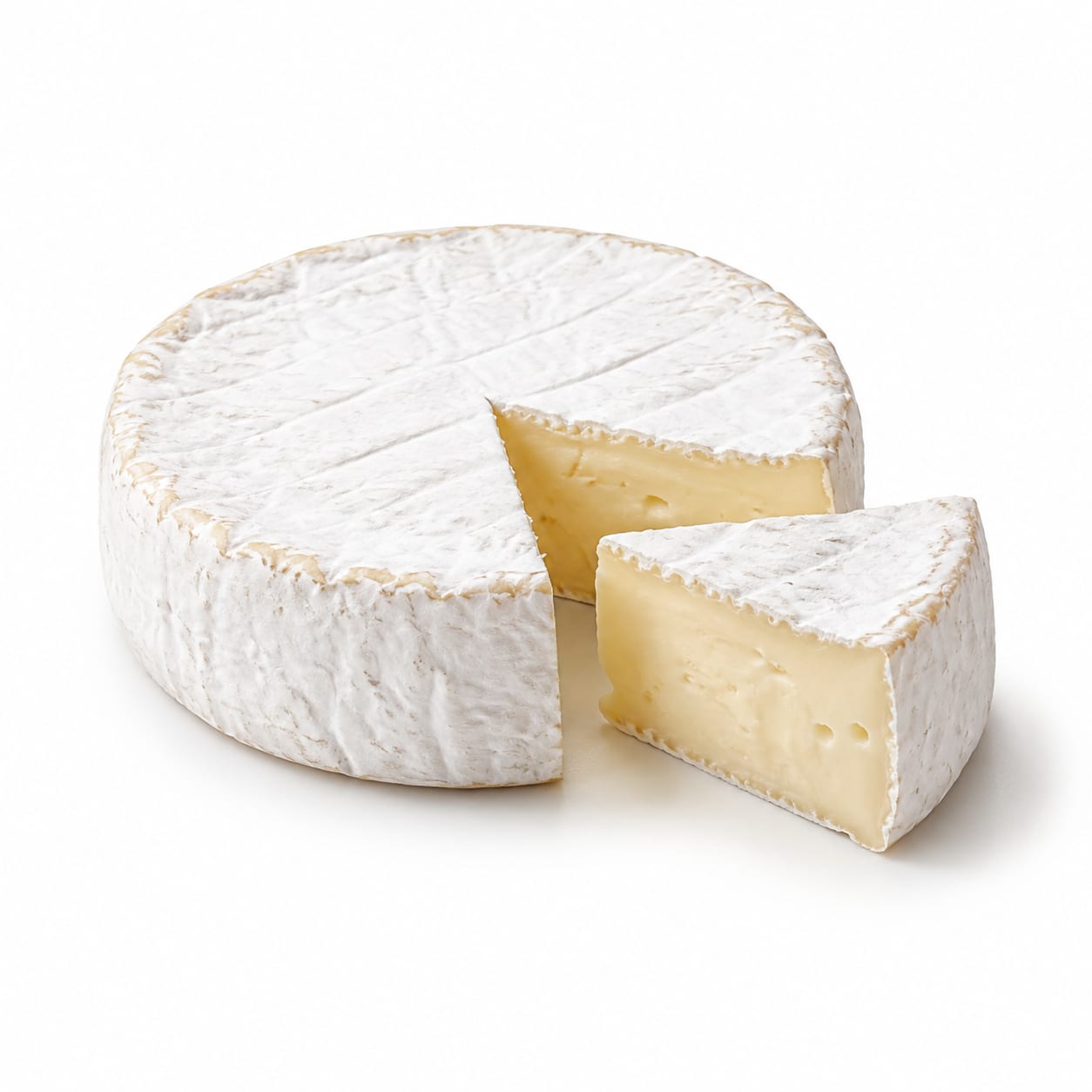
Brie Cheese
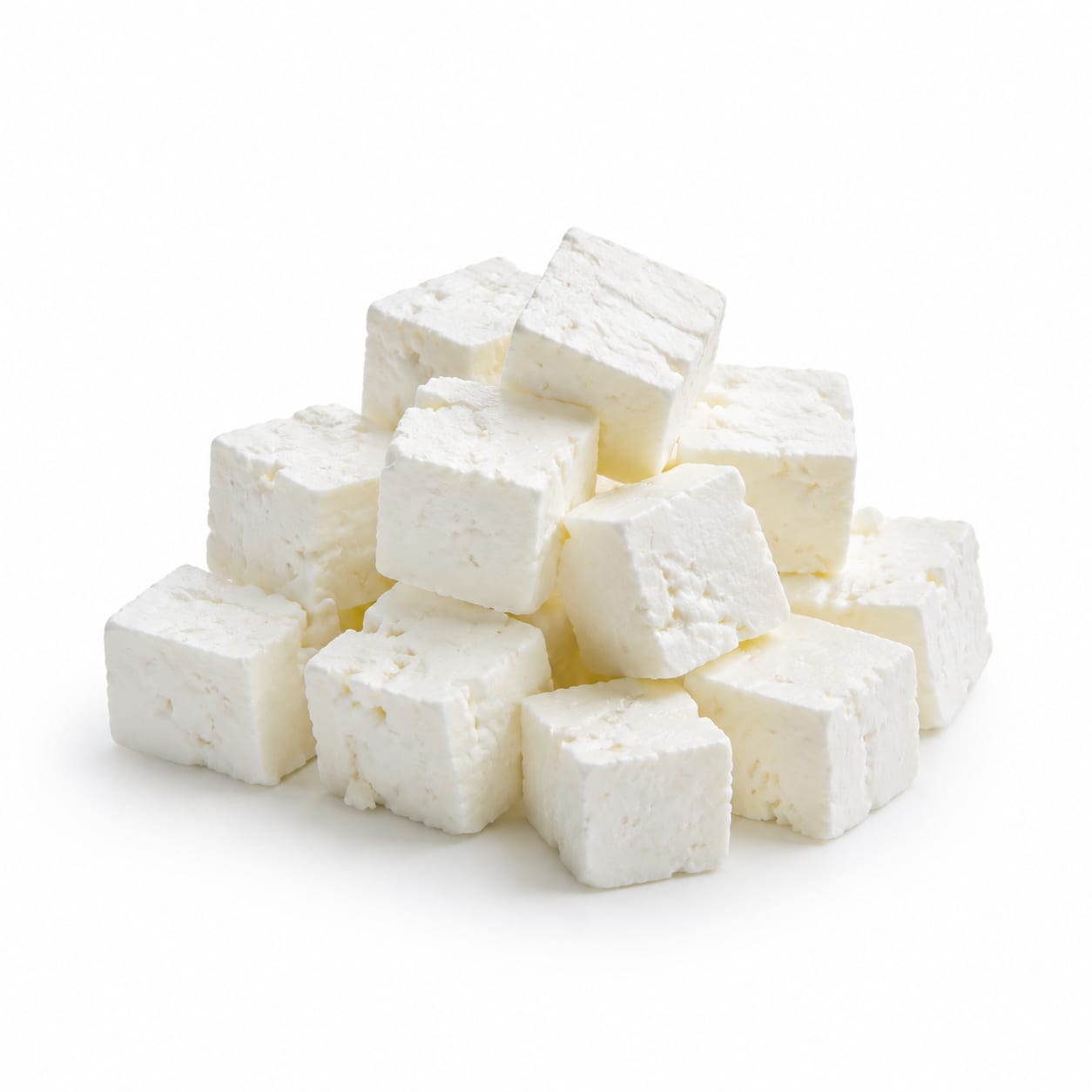
Feta Cheese
Feta Cheese is lighter and better for weight loss, but Brie Cheese is much lower in sodium and easier on blood pressure.
Feta Cheese scores slightly higher due to lower calories and higher protein density, but its extreme sodium content keeps it from being a clear winner. Brie Cheese loses points for high saturated fat and calorie density, despite its sodium advantage.
You are choosing between the high sodium of Feta Cheese and the high fat and calorie density of Brie Cheese.
At a glance
Executive summary
Overall
It depends
Healthier
It depends
More practical
Feta Cheese
Daily use
Feta Cheese
Key comparison lenses
Sodium and Blood Pressure Impact
Feta Cheese is stored in brine and is extremely high in sodium, while Brie Cheese is surprisingly moderate, making this the most critical nutritional difference for daily health.
Calorie Density and Weight Management
Brie Cheese is significantly higher in fat and calories per serving, while Feta Cheese offers a lighter, lower-calorie alternative for salads and meals.
Pregnancy and Food Safety
Both are soft cheeses, but Brie Cheese carries a higher historical risk for Listeria because it is mold-ripened, making it a critical concern for pregnant women.
Digestive Tolerance
Feta Cheese is often made from sheep or goat milk, which some people find easier to digest than the cow's milk used in Brie Cheese.
Best choice for
Brie Cheese
- Low-sodium diets
- Cheese boards and entertaining
- Creamy texture cravings without the salt
- Baking and melting into warm dishes
Feta Cheese
- Weight loss and calorie counting
- Mediterranean diet followers
- Salads and light summer meals
- People avoiding cow dairy
Least suitable for
Brie Cheese
- Strict calorie deficits
- Vegan or dairy-free diets
- Pregnant women (unpasteurized risk)
- Those watching saturated fat
Feta Cheese
- Low-sodium or blood pressure diets
- Salt-sensitive individuals
- Late-night snacking (causes thirst)
- Those who dislike tangy flavors
Deep comparison
Dimension by dimension
Each lens scores both foods and breaks down who each option suits.
- Dimension 1 · Priority 95Brie Cheese
Sodium Load
Brie Cheese · 85Feta Cheese · 25Brie Cheese contains moderate sodium, while Feta Cheese is packed with salt from its brine preservation.
Tradeoff
Choosing Feta Cheese for its lower calories means consuming a massive sodium hit that can spike blood pressure and cause bloating.
Why it matters
High sodium intake leads to water retention and increased blood pressure, making Feta Cheese a risky everyday choice for many adults.
Real-world impact
Eating Feta Cheese at dinner might make your rings feel tight the next morning or leave you reaching for water all night.
Brie Cheese
- Blood pressure management
- Reducing water retention
- Heart-healthy eating patterns
Better for
Feta Cheese
- Salt-sensitive individuals
- Kidney health
- Evening meals
Worse for
- Dimension 2 · Priority 90Feta Cheese
Calorie and Fat Density
Brie Cheese · 40Feta Cheese · 80Feta Cheese is significantly lower in calories and total fat, making it a lighter addition to meals.
Tradeoff
Brie Cheese provides a rich, satisfying mouthfeel, but you pay a high calorie cost for a small portion size.
Why it matters
Calorie density dictates how much you can eat before overconsuming. Brie Cheese is easy to overeat because it melts pleasantly and feels light on the palate despite being fat-heavy.
Real-world impact
A small wedge of Brie Cheese can cost you the same calories as a large salad topped with a generous crumbling of Feta Cheese.
Brie Cheese
- Keto and low-carb diets
- High-calorie needs
Better for
- Portion control
- Low-fat diets
Worse for
Feta Cheese
- Weight loss diets
- Calorie counting
- Lighter summer meals
Better for
- Dimension 3 · Priority 70Feta Cheese
Protein and Satiety
Brie Cheese · 55Feta Cheese · 75Feta Cheese offers more protein per calorie, making it more efficient for staying full.
Tradeoff
While Brie Cheese has a satisfying texture, its protein-to-calorie ratio is poor because most of its energy comes from fat.
Why it matters
Getting enough protein without excess calories helps maintain muscle and keeps hunger at bay between meals.
Real-world impact
A salad with Feta Cheese will keep you full longer than a few slices of Brie Cheese on crackers, despite similar calorie counts.
Brie Cheese
- High-protein diets
Worse for
Feta Cheese
- Muscle maintenance
- Appetite control
- Balanced macros
Better for
- Dimension 4 · Priority 75Feta Cheese
Digestive Tolerance
Brie Cheese · 50Feta Cheese · 70Feta Cheese is often made from sheep or goat milk, which contains different proteins that are easier for some people to digest.
Tradeoff
Traditional Brie Cheese is made from cow milk, which is a common trigger for digestive discomfort and congestion in sensitive individuals.
Why it matters
Choosing a cheese that agrees with your gut prevents bloating, gas, and inflammation that can ruin your day.
Real-world impact
If cow dairy makes you feel sluggish or bloated, swapping Brie Cheese for Feta Cheese might make your stomach feel much calmer after meals.
Brie Cheese
- Lactose intolerance
- Cow dairy sensitivity
Worse for
Feta Cheese
- Cow dairy sensitivity
- Easier digestion
- Lower lactose tolerance
Better for
- Dimension 5 · Priority 85Feta Cheese
Food Safety and Pregnancy
Brie Cheese · 40Feta Cheese · 70Feta Cheese is generally considered safer than Brie Cheese, especially regarding Listeria risk, provided it is made from pasteurized milk.
Tradeoff
Brie Cheese is a mold-ripened soft cheese, creating an environment where bacteria can thrive on the rind, making it a hard pass during pregnancy.
Why it matters
Listeria infection is rare but devastating for pregnant women, leading to severe complications for the baby.
Real-world impact
Pregnant women are advised to avoid Brie Cheese entirely, but can often eat cooked Feta Cheese safely if it is confirmed pasteurized.
Brie Cheese
- Pregnancy
- Weakened immune systems
Worse for
Feta Cheese
- Pregnancy safety
- Immune-compromised individuals
Better for
Timeline
Health impact over time
Short-term
Hours to days
Brie Cheese
- Quick feeling of fullness due to high fat content
- Potential sluggishness after eating a large portion
- Low risk of post-meal thirst compared to salty cheeses
Feta Cheese
- Noticeable thirst shortly after eating due to high salt content
- Mild bloating or water retention from sodium
- Lighter feeling in the stomach compared to heavy cream cheeses
Long-term
Months to years
Brie Cheese
- Increased LDL cholesterol if consumed frequently due to high saturated fat
- Weight gain if portions are not strictly controlled
- Lower blood pressure risk compared to high-sodium cheese options
Feta Cheese
- Elevated blood pressure over time if sodium intake is not managed
- Better weight maintenance due to lower calorie density
- Potential bone density support from calcium without excess calories
Risk profile
Safety & processing
Both Brie Cheese and Feta Cheese are traditional fermented foods with minimal processing. Feta Cheese relies on a salt brine for preservation, while Brie Cheese uses natural mold ripening. Neither typically contains artificial preservatives, but Feta Cheese has much higher added sodium.
Brie Cheese
Listeria contamination
highThe soft, moist rind of Brie Cheese is an ideal environment for Listeria bacteria, making it unsafe for pregnant women unless cooked until steaming.
Raw milk exposure
mediumArtisanal Brie Cheese is often made from unpasteurized milk, increasing the risk of foodborne illness if not handled properly.
Feta Cheese
Listeria contamination
mediumWhile still a soft cheese, Feta Cheese made from pasteurized milk and stored in brine carries a lower Listeria risk than Brie Cheese.
Excessive sodium intake
highThe brining process loads Feta Cheese with sodium, which can acutely raise blood pressure and strain the kidneys in salt-sensitive people.
Who wins for whom
Audience fit
Same foods, different winners depending on your goal.
children
Brie CheeseBrie Cheese is much lower in sodium and has a mild, creamy taste kids prefer, but it must be confirmed pasteurized.
daily consumption
Feta CheeseFeta Cheese is easier to use in small amounts as a garnish for daily salads without breaking the calorie bank, though sodium must be watched.
diabetes
Feta CheeseBoth are low in carbs, but Feta Cheese is lower in saturated fat, which is better for the cardiovascular risks associated with diabetes.
elderly
Brie CheeseLower sodium makes Brie Cheese gentler on blood pressure and heart health, which is crucial for older adults, assuming it is pasteurized.
muscle gain
Feta CheeseFeta Cheese offers a better protein-to-calorie ratio, though neither cheese is a primary muscle-building food.
weight loss
Feta CheeseFeta Cheese provides strong flavor and protein for far fewer calories, making it much easier to fit into a calorie deficit.
Your move
Decision guide
Choose Brie Cheese
- You are watching your blood pressure or sodium intake
- You want a creamy, meltable cheese for cooking
- You are following a low-carb or keto diet and need fat
- You find Feta Cheese too salty or tangy
Choose Feta Cheese
- You are counting calories or trying to lose weight
- You want a bold flavor so you can use less cheese overall
- You have a mild sensitivity to cow dairy
- You eat a Mediterranean-style diet
Either works if
- You need a cheese that fits a low-carb lifestyle
- You want to add calcium to your diet
- You are strictly avoiding dairy entirely
Avoid both if
- You are vegan or fully dairy-free
- You have severe lactose intolerance
- You are trying to eliminate saturated fat from your diet
Final recommendation
Choose Feta Cheese for everyday salads and weight management, but rinse it slightly with water to remove excess brine and cut the sodium. Save Brie Cheese for special occasions or when you need a low-sodium, creamy indulgence.
Practical
Consumer tips
- 1
Rinsing Feta Cheese under cold water before eating can remove surface salt and significantly drop the sodium content.
- 2
If you love the creaminess of Brie Cheese but want fewer calories, try spreading a very thin layer on a crisp apple slice rather than piling it on bread.
- 3
Always check the label on Brie Cheese to ensure it is made from pasteurized milk, especially if you are pregnant or serving it to elderly family members.
- 4
Buy Feta Cheese stored in block form in brine rather than pre-crumbled; it retains more moisture, tastes better, and often has fewer additives.
- 5
Let Brie Cheese come to room temperature before serving for the best texture and flavor, which also helps you feel satisfied with a smaller portion.