
Nutrition comparison
Brie Cheese vs Goat Cheese: Nutrition, Digestibility, and Taste
Compare Brie Cheese and Goat Cheese to find out which is easier to digest, lower in calories, and better for your health goals.
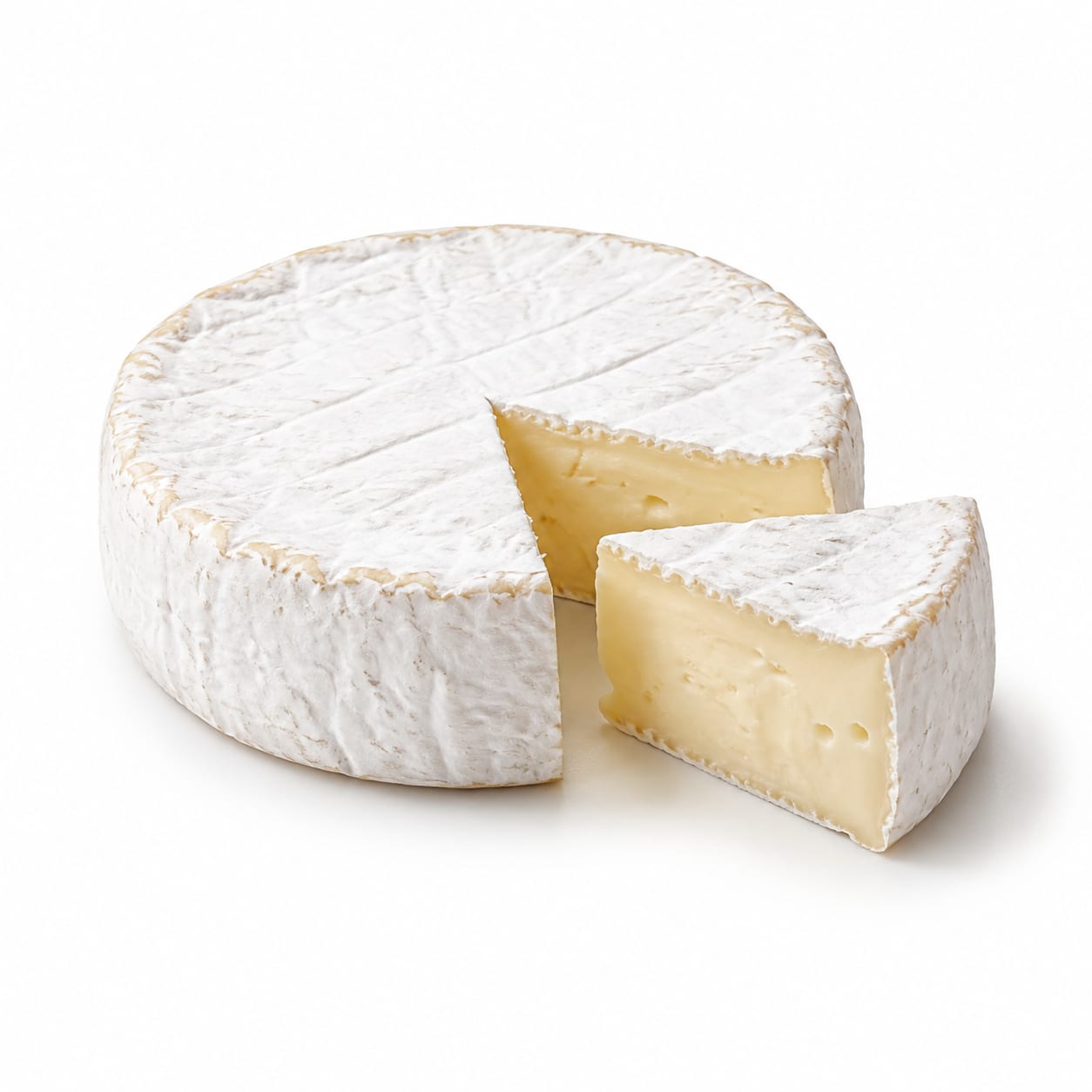
Brie Cheese
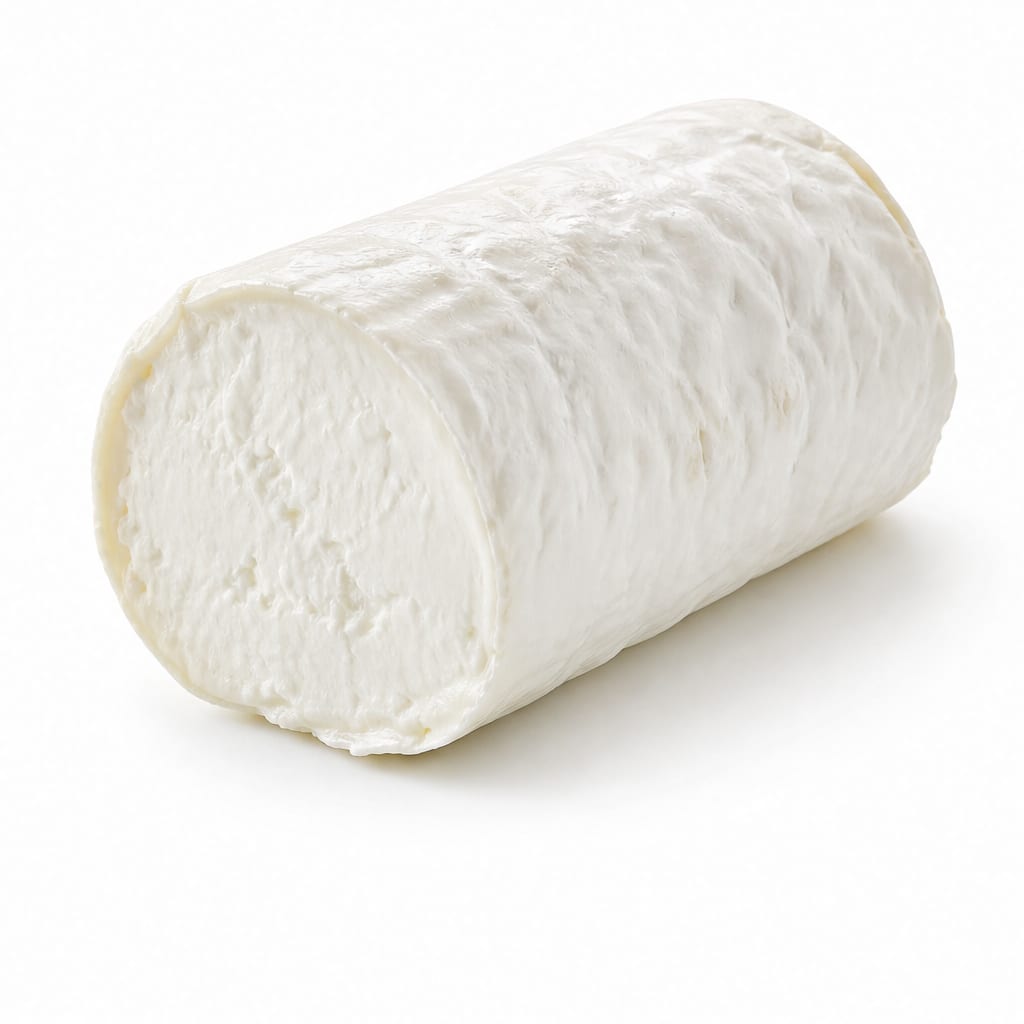
Goat Cheese
Goat Cheese is lighter and easier to digest, while Brie Cheese offers a richer, more comforting experience but with a heavier nutritional toll.
Goat Cheese scores higher due to its easier digestibility and lower calorie density, making it a more forgiving everyday choice. Brie remains a solid option for occasional indulgence but falls behind for daily health metrics.
Digestive ease and lower calories versus creamy texture and higher vitamin B12.
At a glance
Executive summary
Overall
It depends
Healthier
Goat Cheese
More practical
Goat Cheese
Daily use
Goat Cheese
Key comparison lenses
Digestive comfort and lactose sensitivity
Goat Cheese is naturally lower in lactose and contains A2 casein, making it significantly easier to digest for those with cow dairy sensitivities.
Calorie density and weight management
Brie is notably higher in fat and calories, which matters for portion control and daily dietary balance.
Culinary application and flavor profile
Brie offers a rich, buttery melt, while Goat Cheese provides a bright, tangy crumble, making them suited for entirely different dishes.
Pregnancy and food safety
Both are soft cheeses that pose a Listeria risk if unpasteurized, a critical consideration for pregnant women.
Best choice for
Brie Cheese
- People wanting a rich, comforting cheese for entertaining
- Those needing a dietary boost in Vitamin B12
- Fans of mild, buttery flavors that melt well
Goat Cheese
- People with mild lactose intolerance or cow dairy sensitivity
- Those watching their calorie and saturated fat intake
- Fans of tangy, bright flavors for salads and spreads
Least suitable for
Brie Cheese
- Strict calorie counters
- People with A1 casein or lactose sensitivities
Goat Cheese
- Those craving a rich, decadent cheese experience
- People looking for a high B12 food source
Deep comparison
Dimension by dimension
Each lens scores both foods and breaks down who each option suits.
- Dimension 1 · Priority 95Goat Cheese
Digestive Tolerance
Brie Cheese · 55Goat Cheese · 90Goat Cheese is significantly easier on the stomach for most people due to its different protein structure and lower lactose levels.
Tradeoff
You give up the ultra-creamy cow's milk texture but gain a cheese that won't leave you bloated or sluggish.
Why it matters
Many adults struggle to digest cow's dairy efficiently, leading to gas, inflammation, and discomfort after eating.
Real-world impact
You can enjoy Goat Cheese on a lunch salad without feeling heavy an hour later, unlike richer cow's milk cheeses.
Brie Cheese
- Those with no dairy sensitivity who prioritize texture above all else
Better for
- Anyone with A1 casein sensitivity
Worse for
Goat Cheese
- People with mild lactose intolerance
- Those prone to bloating from cow's milk
Better for
- People who find tangy flavors upset their stomach
Worse for
- Dimension 2 · Priority 85Goat Cheese
Calorie and Fat Density
Brie Cheese · 50Goat Cheese · 82Goat Cheese is generally lower in calories and saturated fat, making it a leaner option for everyday eating.
Tradeoff
Brie delivers a more decadent mouthfeel but comes with a much heavier calorie load per serving.
Why it matters
Cheese calories add up quickly, and choosing a leaner cheese allows for larger portions or more frequent consumption without weight gain.
Real-world impact
You can spread a generous portion of Goat Cheese on your sandwich without blowing your daily calorie budget.
Brie Cheese
- Those on a keto or high-fat diet
- People wanting maximum richness per bite
Better for
- People trying to lose or maintain weight
Worse for
Goat Cheese
- Anyone tracking calories for weight loss
- Those looking for lighter meal additions
Better for
- Those who need high-calorie foods to maintain weight
Worse for
- Dimension 3 · Priority 70It depends
Micronutrient Profile
Brie Cheese · 78Goat Cheese · 80Brie Cheese is a better source of Vitamin B12, while Goat Cheese provides more Vitamin A and is slightly richer in certain minerals.
Tradeoff
Choosing Brie supports nerve health with B12, while Goat Cheese boosts eye health and immunity with Vitamin A.
Why it matters
Different milk sources offer varying fat-soluble vitamin profiles that benefit different body systems.
Real-world impact
Eating Brie can help meet B12 needs for energy, while Goat Cheese adds a nice vitamin A boost for skin and vision.
Brie Cheese
- Older adults needing B12 support
- Vegetarians relying on dairy for B12
Better for
- Those strictly needing low-fat nutrient sources
Worse for
Goat Cheese
- Those looking to boost Vitamin A intake
- People wanting slightly more calcium per calorie
Better for
- Those relying on cheese as a primary B12 source
Worse for
- Dimension 4 · Priority 75It depends
Culinary Versatility and Satisfaction
Brie Cheese · 85Goat Cheese · 82Brie excels in melted dishes and cheese boards for its gooey texture, while Goat Cheese shines cold in salads or as a tangy spread.
Tradeoff
Brie offers comforting warmth and meltability, whereas Goat Cheese provides a bright, acidic punch that cuts through rich dishes.
Why it matters
The right cheese can completely change the flavor profile and satisfaction level of a meal.
Real-world impact
Brie makes a grilled cheese feel like a hug, while Goat Cheese makes a roasted beet salad feel gourmet.
Brie Cheese
- Baked appetizers
- Comforting cold-weather meals
Better for
- Light, fresh dishes where richness is overwhelming
Worse for
Goat Cheese
- Fresh salads
- Light summer spreads
Better for
- Dishes requiring a smooth, gooey melt
Worse for
Timeline
Health impact over time
Short-term
Hours to days
Brie Cheese
- Can cause bloating or gas in sensitive individuals
- Provides quick, dense satiety due to high fat content
Goat Cheese
- Easier to digest with less post-meal heaviness
- Offers a lighter feeling of fullness without the sluggishness
Long-term
Months to years
Brie Cheese
- Higher saturated fat intake if consumed frequently may impact heart health
- Good support for nervous system via B12
Goat Cheese
- Better weight management due to lower calorie density
- Lower inflammatory response for those sensitive to A1 casein
Risk profile
Safety & processing
Both are traditional fermented dairy products, but fresh Goat Cheese typically undergoes less aging and processing than mold-ripened Brie Cheese.
Brie Cheese
Listeria contamination
mediumAs a soft cheese, Brie carries a higher risk of Listeria if made from unpasteurized milk, making it a concern for pregnant women.
Goat Cheese
Listeria contamination
mediumSoft Goat Cheese also poses a Listeria risk if unpasteurized, though aged or firm goat cheeses are safer.
Who wins for whom
Audience fit
Same foods, different winners depending on your goal.
children
Brie CheeseBrie's mild, creamy flavor is often more appealing to kids than the tangy taste of Goat Cheese, provided it is pasteurized.
daily consumption
Goat CheeseIts lighter calorie load and easier digestibility make Goat Cheese a more sustainable daily choice.
diabetes
Goat CheeseGoat Cheese is lower in calories and has a slightly more favorable fat profile, though both are low-carb and diabetes-friendly.
elderly
Goat CheeseGoat Cheese is easier to digest and provides good nutrients without the high saturated fat load of Brie.
muscle gain
It dependsBoth provide moderate protein, but neither is a primary muscle-building food; Brie has slightly more protein per ounce.
weight loss
Goat CheeseGoat Cheese has fewer calories and less fat per serving, making it easier to fit into a calorie deficit.
Your move
Decision guide
Choose Brie Cheese
- You want a rich, comforting cheese for a charcuterie board
- You have no issues digesting cow's milk
- You need a cheese that melts beautifully into warm dishes
Choose Goat Cheese
- You are sensitive to cow's dairy or lactose
- You want a lighter cheese for everyday salads and toast
- You prefer tangy, bright flavors over buttery ones
Either works if
- You just need a low-carb cheese option
- You are making a cheese plate and want variety
Avoid both if
- You are strictly vegan
- You have a severe dairy allergy
- You are pregnant and cannot confirm the cheese is made from pasteurized milk
Final recommendation
Choose Goat Cheese for daily use and digestive comfort, and save Brie Cheese for special occasions where its rich, creamy texture can truly shine.
Practical
Consumer tips
- 1
Always check the label to ensure soft cheeses are made from pasteurized milk, especially if pregnant.
- 2
Let Brie Cheese sit at room temperature for 30 minutes before serving to maximize its creamy texture and flavor.
- 3
Crumble Goat Cheese over roasted vegetables for an easy flavor upgrade without heavy calories.
- 4
If Brie causes bloating, try switching to Goat Cheese—it is often the A1 casein in cow's milk, not just the lactose, that causes the issue.