
Nutrition comparison
Brie vs Camembert: Which Soft Cheese Is Better for You?
Compare Brie and Camembert on flavor, nutrition, calories, sodium, and food safety. Find out which French soft cheese fits your health goals and eating style.
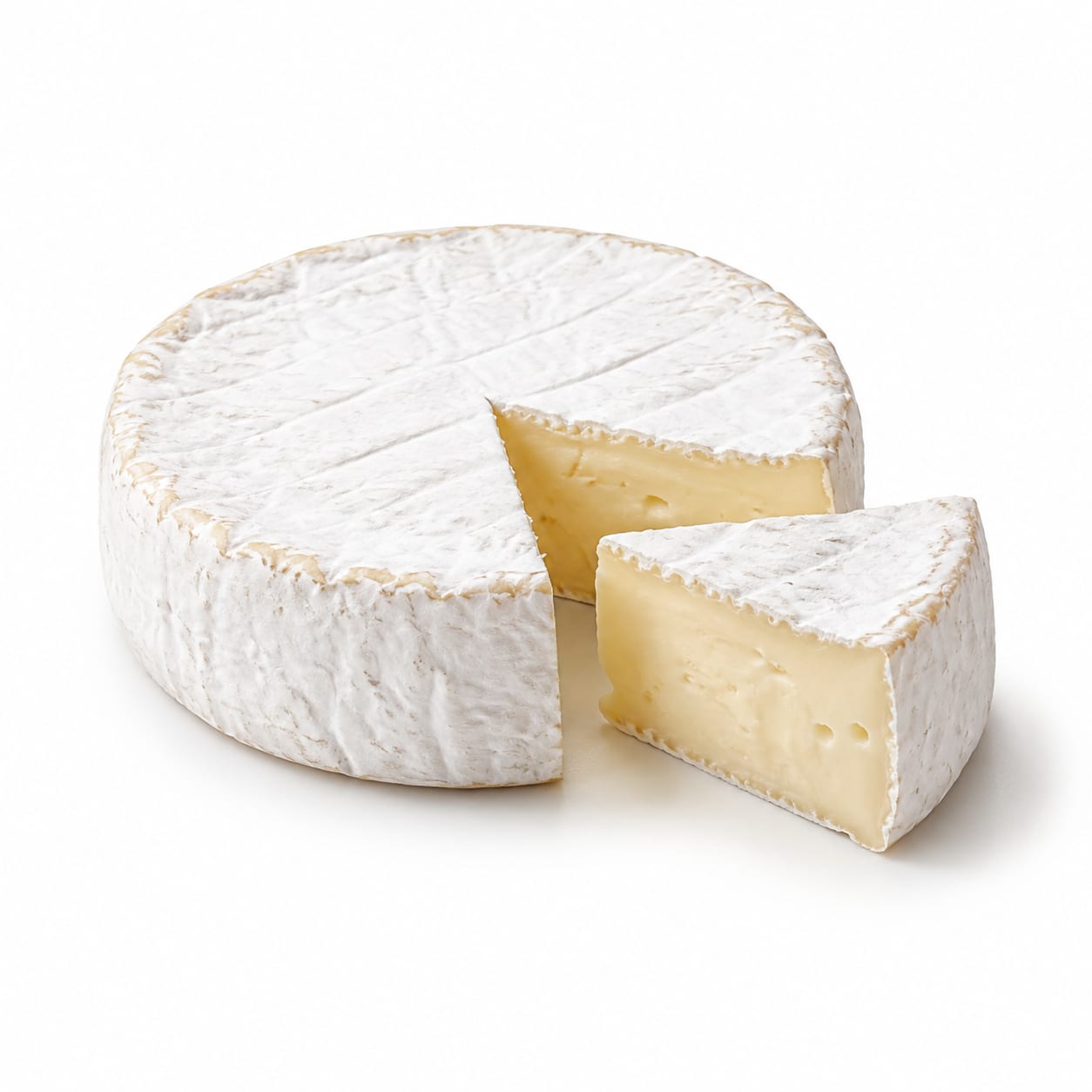
Brie Cheese
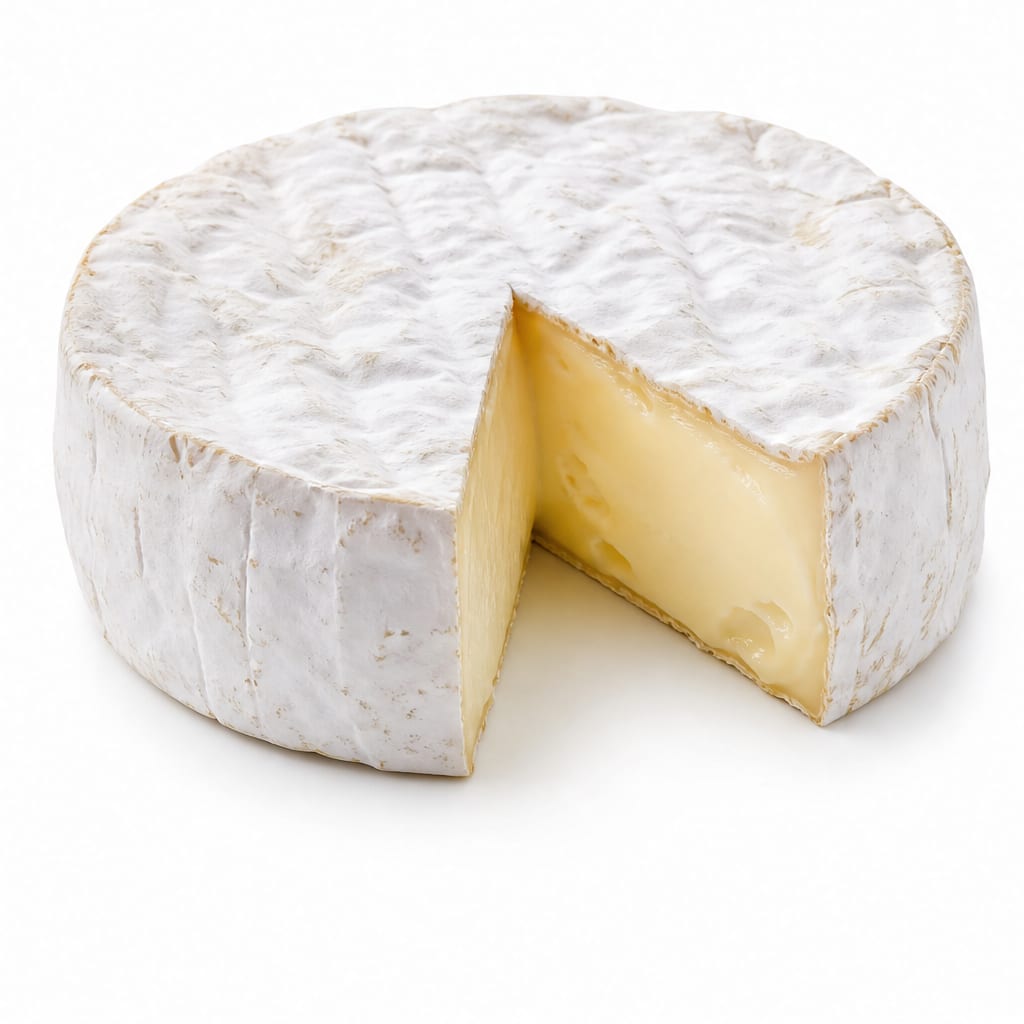
Camembert
Brie and Camembert are nutritional near-twins, but Brie wins on creaminess and cooking versatility while Camembert delivers bolder flavor and easier portion control.
Camembert edges ahead slightly due to built-in portion control and more intense flavor per calorie, meaning you need less to feel satisfied. The nutritional profiles are nearly identical, so the real differences are practical and culinary.
Brie offers a milder, more luxurious mouthfeel and melts beautifully, whereas Camembert packs more punch per bite and comes in a naturally portioned format.
At a glance
Executive summary
Overall
It depends
Healthier
It depends
More practical
Camembert
Daily use
Camembert
Key comparison lenses
Flavor intensity and culinary pairing differences
These cheeses are often confused but serve very different flavor roles on a cheese board or in cooking
Pregnancy and food safety concerns
Both are soft ripened cheeses with similar listeria risk profiles that concern many consumers
Fat content and richness comparison
Brie is notably creamier and richer, which affects satiety and calorie density
Portion control and serving practicality
Camembert comes in individual rounds making portion management easier
Cooking versatility and melting behavior
Brie melts more uniformly and is more commonly used in warm dishes
Best choice for
Brie Cheese
- Entertaining guests who prefer milder cheese
- Baked or melted dishes like tartiflette
- Sandwiches and burgers needing a creamy layer
- Those new to soft cheese who find strong flavors off-putting
Camembert
- Cheese boards where bold flavor stands out
- Portion-controlled snacking
- Pairing with crusty bread and wine
- Those who enjoy intense, earthy cheese character
Least suitable for
Brie Cheese
- Strict portion control due to large wheel format
- Those watching saturated fat closely
- People wanting strong cheese flavor in small quantities
Camembert
- Mild palates or cheese beginners
- Recipes requiring smooth, even melting
- Large gatherings where a small round disappears quickly
Deep comparison
Dimension by dimension
Each lens scores both foods and breaks down who each option suits.
- Dimension 1 · Priority 94Camembert
Flavor Intensity and Satisfaction
Brie Cheese · 65Camembert · 88Camembert delivers a deeper, more complex flavor that satisfies with smaller amounts. Brie is buttery and gentle but requires more volume to hit the same flavor satisfaction.
Tradeoff
Camembert's boldness can overwhelm delicate pairings, while Brie's mildness sometimes feels forgettable on a loaded cheese board.
Why it matters
Stronger flavor per bite often means eating less overall, which matters for calorie and saturated fat intake.
Real-world impact
A wedge of Camembert often feels like enough; with Brie, you may keep slicing until you've overeaten.
Brie Cheese
- Pairing with sweet preserves where cheese should not dominate
- Serving to crowds with mixed cheese preferences
Better for
- When you want a cheese that announces itself
Worse for
Camembert
- Standing out alongside other strong cheeses
- Enjoying slowly with wine and bread
Better for
- Delicate flavor pairings where subtlety matters
Worse for
- Dimension 2 · Priority 86Camembert
Satiety and Calorie Efficiency
Brie Cheese · 62Camembert · 70Brie is slightly higher in fat and calories per serving, but Camembert's stronger flavor provides more satisfaction per calorie consumed.
Tradeoff
Brie's richness feels more indulgent in the moment, but can lead to higher total intake before feeling satisfied.
Why it matters
Both cheeses are calorie-dense, so efficiency matters. Getting more flavor satisfaction per calorie helps with weight management.
Real-world impact
Two ounces of Camembert with crackers often feels like a complete snack; the same amount of Brie may leave you reaching for more.
Brie Cheese
- When you specifically want a rich, creamy mouthfeel
Better for
- Controlling calories without feeling deprived
Worse for
Camembert
- Mindful snacking where you stop at one portion
- Weight-conscious cheese enjoyment
Better for
- Moments when only pure creamy richness will do
Worse for
- Dimension 3 · Priority 82Brie Cheese
Cooking Versatility
Brie Cheese · 85Camembert · 60Brie melts more evenly and integrates smoothly into warm dishes. Camembert can break or become grainy when heated aggressively.
Tradeoff
Brie's mild flavor sometimes disappears in heavily seasoned dishes, while Camembert's intensity holds its own but with worse texture when overheated.
Why it matters
If you cook with cheese regularly, Brie is far more forgiving and versatile across recipes.
Real-world impact
Baked Brie with honey is a crowd-pleaser; baked Camembert works but requires more careful temperature control.
Brie Cheese
- Melting over steak or chicken
- Creamy pasta sauces and risottos
- Grilled cheese sandwiches with gourmet appeal
Better for
- Dishes where cheese flavor needs to punch through
Worse for
Camembert
- Simple baked whole-round preparations
Better for
- Any recipe requiring smooth, even melting
Worse for
- Dimension 4 · Priority 88Camembert
Portion Control and Practicality
Brie Cheese · 50Camembert · 82Camembert's standard 8-ounce round is a natural single serving for one or two people. Brie wheels vary widely and encourage over-cutting.
Tradeoff
Camembert's small size means buying more frequently; Brie's larger format is more economical per ounce but harder to portion.
Why it matters
Soft cheese portion creep is real. A format that naturally limits intake is a genuine health advantage.
Real-world impact
Opening a Camembert round feels like a defined event; slicing from a Brie wheel feels like an open-ended snack.
Brie Cheese
- Large gatherings where economy matters
- Meal prep and recipe scaling
Better for
- Late-night snacking without overdoing it
Worse for
Camembert
- Solo cheese nights
- Controlling intake without measuring
Better for
- Feeding a crowd on a budget
Worse for
- Dimension 5 · Priority 72Brie Cheese
Sodium Load
Brie Cheese · 55Camembert · 48Both are moderately high in sodium, but Camembert tends to be slightly saltier due to its smaller size and more concentrated brining during aging.
Tradeoff
The salt difference is small per serving but noticeable if you eat cheese daily or have blood pressure concerns.
Why it matters
Regular soft cheese consumption can contribute meaningfully to daily sodium intake, especially alongside other salty foods.
Real-world impact
If your lunch already includes cured meat or soup, Camembert's extra salt may push you over comfortable levels.
Brie Cheese
- Sodium-sensitive diets
- Pairing with already-salty accompaniments
Better for
- Those wanting bold salt flavor as part of the experience
Worse for
Camembert
- When salt enhances the eating experience intentionally
Better for
- Blood pressure management
- Heart-healthy eating patterns
Worse for
- Dimension 6 · Priority 70It depends
Nutritional Density
Brie Cheese · 68Camembert · 70Both provide similar calcium, protein, and B12 content. Camembert is marginally higher in protein per calorie; Brie is marginally higher in fat-soluble vitamin absorption due to higher fat content.
Tradeoff
The nutritional differences are negligible in practice. Your choice should be driven by flavor preference and portion behavior, not micronutrient optimization.
Why it matters
Neither cheese is a health food, but both offer genuine nutritional value alongside their indulgence.
Real-world impact
One serving of either provides roughly 15% of daily calcium needs and 5-6 grams of protein.
Brie Cheese
- Maximizing absorption of fat-soluble vitamins from accompanying foods
Better for
- Lean protein prioritization
Worse for
Camembert
- Slightly better protein-to-calorie ratio
Better for
- Situations where creaminess enhances the overall meal experience
Worse for
Timeline
Health impact over time
Short-term
Hours to days
Brie Cheese
- Quick satiety from high fat content, but easy to overconsume due to mild flavor
- May trigger mild digestive discomfort in lactose-sensitive individuals, though less than harder cheeses
- Rich mouthfeel can feel heavy if eaten in large quantities before physical activity
Camembert
- Stronger flavor signals satisfaction sooner, potentially reducing total intake
- Slightly higher sodium may cause mild bloating in sensitive people
- Intense aroma can trigger appetite or aversion depending on personal preference
Long-term
Months to years
Brie Cheese
- Regular consumption contributes saturated fat that may impact cardiovascular markers if portions are not managed
- Calcium and B12 intake supports bone and nerve health when consumed as part of a balanced diet
- Habitual overconsumption is a risk due to the large format and mild, easy-to-eat character
Camembert
- Similar cardiovascular considerations as Brie but slightly mitigated by natural portion control
- Sodium contribution is slightly higher, which may affect blood pressure over years of regular consumption
- The bold flavor encourages mindful eating, which tends to support healthier long-term relationships with rich foods
Risk profile
Safety & processing
Both Brie and Camembert are traditional fermented foods made from milk, salt, rennet, and cultures. Neither contains artificial preservatives or emulsifiers when produced authentically. Industrial versions may use accelerated ripening agents, but the ingredient lists remain short and recognizable.
Brie Cheese
Listeria monocytogenes
mediumSoft ripened cheeses made from unpasteurized milk carry listeria risk. Pasteurized Brie is safer but not risk-free, as contamination can occur during the rind-forming process.
Histamine sensitivity
lowFermented cheeses accumulate histamine over time. Aged or overripe Brie may trigger headaches or flushing in sensitive individuals.
Camembert
Listeria monocytogenes
mediumSame listeria concern as Brie. The moist rind environment is ideal for bacterial growth if handling is poor. Pasteurized versions reduce but do not eliminate risk.
Histamine sensitivity
mediumCamembert's more intense fermentation typically produces slightly higher histamine levels, making it marginally more problematic for sensitive people.
Ammonia overripening
lowOverripe Camembert develops an ammonia smell that indicates bacterial overgrowth. While not typically dangerous, it signals the cheese is past its best quality window.
Who wins for whom
Audience fit
Same foods, different winners depending on your goal.
children
Brie CheeseBrie's milder, creamier flavor is more appealing to young palates. Camembert's intensity and stronger aroma often put children off.
daily consumption
CamembertCamembert's built-in portion control and more satisfying flavor per bite make it slightly better suited for regular, moderate enjoyment.
diabetes
It dependsBoth have negligible carbohydrate content and similar glycemic impact. The deciding factor is portion control, where Camembert has a slight edge.
elderly
Brie CheeseBrie's softer texture is easier to chew and swallow, and its lower sodium content is gentler on aging cardiovascular systems.
muscle gain
It dependsNeither cheese is a meaningful protein source for muscle building. Both provide similar modest protein content that is incidental rather than strategic.
weight loss
CamembertCamembert's stronger flavor per calorie and natural portion format make it easier to enjoy cheese without overindulging.
Your move
Decision guide
Choose Brie Cheese
- You want a creamy, mild cheese that melts beautifully in cooked dishes
- You are serving guests who prefer gentle flavors
- You are making a baked cheese appetizer and need reliable melting
- You find strong cheese flavors overwhelming or unpleasant
- You are feeding children who are new to soft cheese
Choose Camembert
- You want bold, complex flavor and are eating cheese as a standalone experience
- Portion control matters to you and you prefer a defined serving size
- You are building a cheese board and need something that holds its own
- You enjoy pairing cheese with wine and want intensity that matches
- You want to feel satisfied with less cheese overall
Either works if
- You need calcium and B12 from a natural food source
- You are pregnant and avoiding soft cheese entirely regardless of type
- You are tracking saturated fat and want to limit all soft cheese intake
- You are looking for a fermented food to support gut health
Avoid both if
- You have a severe dairy allergy
- You are pregnant and cannot confirm pasteurization
- You are on a strict sodium-restricted diet
- You have significant histamine intolerance
Final recommendation
Let your eating context decide. For cooking and sharing, Brie is the more versatile and crowd-friendly option. For personal enjoyment and portion awareness, Camembert rewards you more per bite. Neither is a health food, but both can be part of a balanced diet when you respect the richness and keep portions to 1-2 ounces.
Practical
Consumer tips
- 1
Check the label for 'made from pasteurized milk' if listeria risk concerns you, especially during pregnancy
- 2
Let either cheese sit at room temperature for 30 minutes before eating to unlock full flavor and texture
- 3
Avoid Brie or Camembert with an ammonia smell, which signals overripeness and declining quality
- 4
Camembert's smaller size means it ripens faster at home; eat it within a few days of opening
- 5
Freeze neither cheese, as the texture becomes grainy and unpleasant upon thawing
- 6
Pair either with fresh fruit or a salad to balance the richness and add fiber to your snack
- 7
If portion control is a struggle, pre-slice your portion and put the rest away before you start eating