
Nutrition comparison
Brie Cheese vs Gouda: Nutrition, Safety, and Taste Compared
Discover the nutritional differences between Brie Cheese and Gouda. Learn which is better for lactose intolerance, bone health, and pregnancy safety.
Overall winner · Gouda
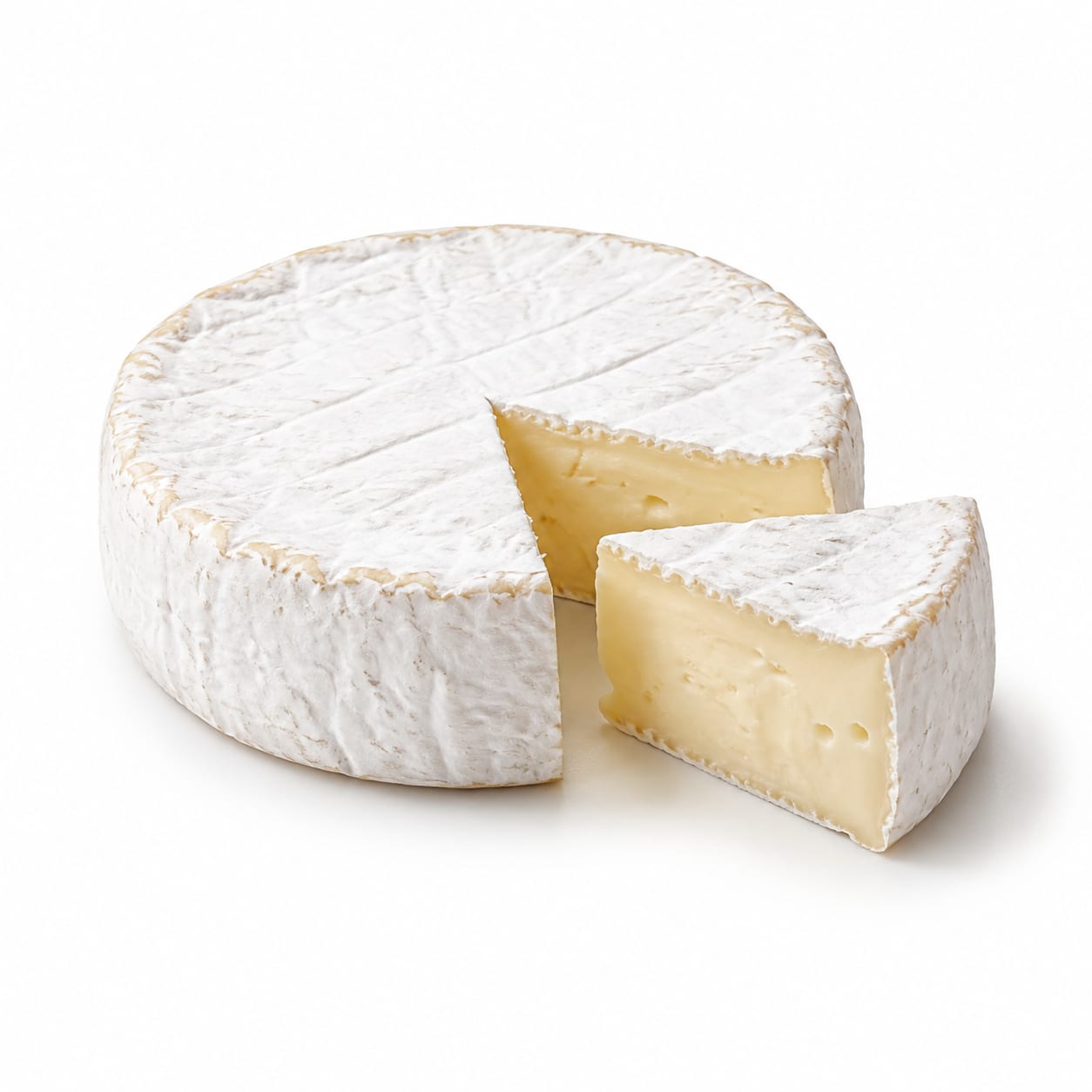
Brie Cheese
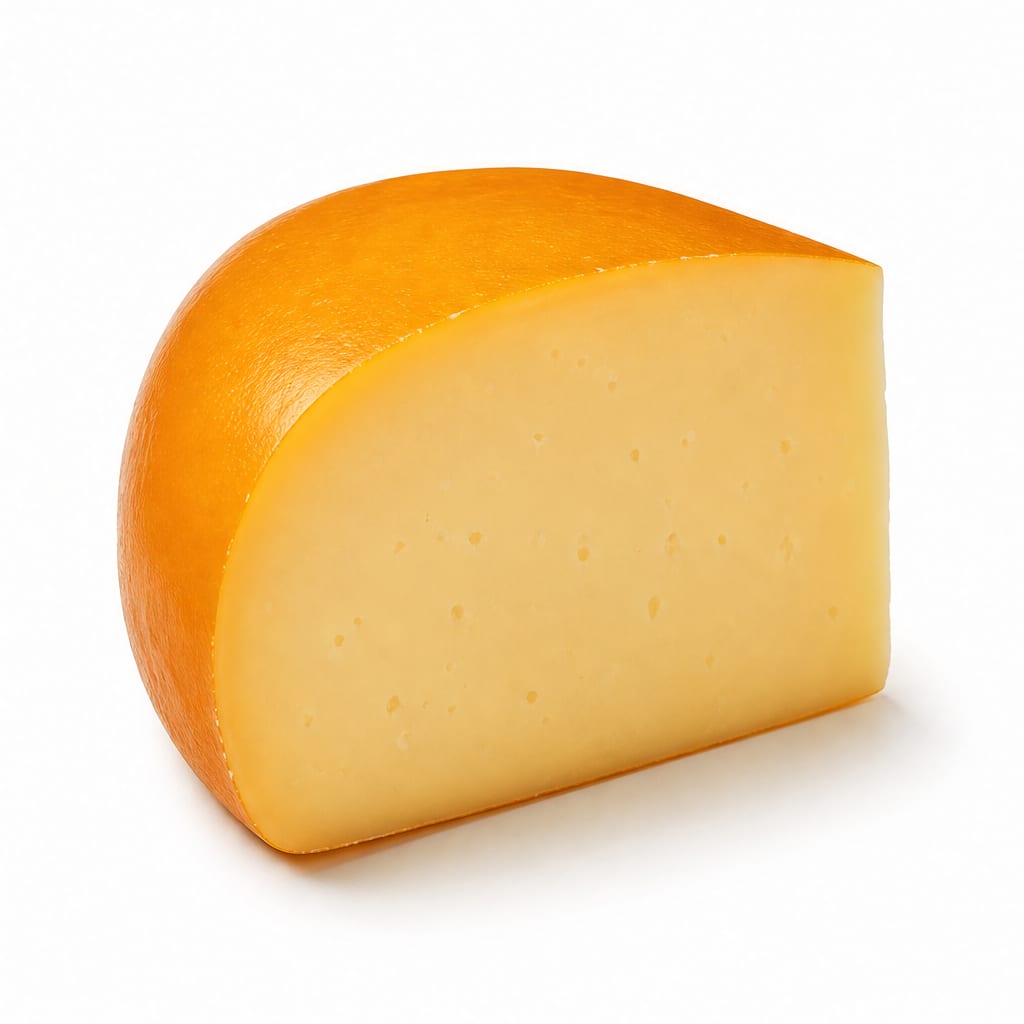
Gouda
Gouda wins for daily nutrition, offering more protein, calcium, and better digestive tolerance, though Brie Cheese is the better choice if you need to limit sodium.
Gouda scores higher due to its superior protein content, bone-building minerals, and near-zero lactose. Brie Cheese remains competitive because of its lower sodium and softer texture, but its safety and digestive drawbacks pull it down slightly.
You trade lower sodium and a creamy spreadable texture in Brie Cheese for higher protein, more calcium, and near-zero lactose in Gouda.
At a glance
Executive summary
Overall
Gouda
Healthier
Gouda
More practical
Gouda
Daily use
Gouda
Key comparison lenses
Lactose tolerance and digestive comfort
Gouda ages out most of its lactose, making it a go-to for sensitive stomachs, whereas Brie Cheese retains more lactose.
Pregnancy and food safety
Soft cheeses like Brie Cheese carry a higher listeria risk, while hard cheeses like Gouda are considered safe during pregnancy.
Bone health and mineral density
Both are dairy-based, but Gouda is significantly richer in calcium and vitamin K2, which are crucial for bone strength.
Sodium intake and blood pressure management
Brie Cheese is surprisingly lower in sodium than Gouda, making it a better fit for those watching their salt.
Best choice for
Brie Cheese
- Low-sodium diets
- Elegant entertaining and cheese boards
- Those who struggle with chewing hard foods
Gouda
- Lactose-sensitive individuals
- Pregnant women seeking safe cheese
- Those prioritizing bone health and protein intake
Least suitable for
Brie Cheese
- People with severe lactose intolerance
- Pregnant women (unless confirmed pasteurized and handled flawlessly)
- Those needing high protein per calorie
Gouda
- People on strict low-sodium diets
- Those who prefer soft, spreadable textures
- Individuals avoiding aged foods with tyramine
Deep comparison
Dimension by dimension
Each lens scores both foods and breaks down who each option suits.
- Dimension 1 · Priority 90Gouda
Protein and Satiety
Brie Cheese · 60Gouda · 85Gouda is denser and packs significantly more protein per ounce, keeping you full longer.
Tradeoff
You get a more satisfying, hunger-crushing snack with Gouda, but Brie Cheese feels lighter and less heavy in the stomach.
Why it matters
Higher protein cheese stabilizes blood sugar and prevents overeating later in the day.
Real-world impact
A Gouda snack will easily bridge the gap between lunch and dinner, while Brie Cheese might leave you hunting for crackers sooner.
Brie Cheese
- Light snacking where you don't want to feel overly full
Better for
- Sustaining energy during long hikes or busy days
Worse for
Gouda
- Post-workout recovery
- Bridging long gaps between meals
Better for
- Eating right before a heavy meal when you want to save room
Worse for
- Dimension 2 · Priority 88Gouda
Bone Health and Minerals
Brie Cheese · 65Gouda · 92Gouda is a powerhouse of calcium and vitamin K2, both essential for strong bones.
Tradeoff
Choosing Gouda gives your skeleton a major upgrade, while Brie Cheese offers a milder mineral contribution.
Why it matters
Vitamin K2 directs calcium into your bones rather than your arteries, making Gouda uniquely protective.
Real-world impact
Regular Gouda consumption is a smart, effortless way to support bone density as you age.
Brie Cheese
- Those getting ample calcium from other dietary sources
Better for
- Those relying on cheese as a primary calcium source
Worse for
Gouda
- Older adults concerned about osteoporosis
- Anyone needing a calcium boost without supplements
Better for
- People prone to kidney stones who must limit calcium
Worse for
- Dimension 3 · Priority 82Brie Cheese
Sodium Load
Brie Cheese · 78Gouda · 55Brie Cheese is notably lower in sodium, making it gentler on blood pressure.
Tradeoff
You spare your heart the extra salt with Brie Cheese, but you miss out on the denser nutrition of Gouda.
Why it matters
Excess sodium sneaks into diets easily, and cheese is a common hidden source.
Real-world impact
If your doctor has told you to cut back on salt, swapping Gouda for Brie Cheese is an easy win.
Brie Cheese
- People managing hypertension
- Those eating lots of other salty foods that day
Better for
- Those who need extra sodium after intense exercise
Worse for
Gouda
- Athletes who lose sodium through sweat and need to replenish
Better for
- Anyone closely monitoring their blood pressure daily
Worse for
- Dimension 4 · Priority 95Gouda
Digestive Tolerance and Lactose
Brie Cheese · 45Gouda · 95Aged Gouda is virtually lactose-free, while Brie Cheese retains enough to upset sensitive stomachs.
Tradeoff
Gouda is a safe bet for lactose intolerance, whereas Brie Cheese requires caution and might cause bloating.
Why it matters
Many adults lose the enzyme needed to digest lactose, making this a daily comfort issue.
Real-world impact
You can enjoy Gouda without worrying about post-cheese stomach cramps or gas.
Brie Cheese
- Those with no lactose sensitivity who prefer the taste
Better for
- Avoiding dairy before social events to prevent bloating
Worse for
Gouda
- Lactose-intolerant cheese lovers
- People prone to digestive upset from dairy
Better for
- Those avoiding aged foods due to tyramine sensitivities or migraines
Worse for
Timeline
Health impact over time
Short-term
Hours to days
Brie Cheese
- Provides quick, creamy satisfaction
- May trigger bloating or gas in lactose-sensitive individuals
- Easier on blood pressure due to lower salt content
Gouda
- Delivers steady, long-lasting fullness
- Highly unlikely to cause lactose-related digestive distress
- Might increase thirst due to higher sodium
Long-term
Months to years
Brie Cheese
- Supports a lower-sodium lifestyle for heart health
- Provides moderate bone support
- Potential listeria risk if routinely consumed unpasteurized
Gouda
- Significantly strengthens bones with high calcium and K2
- Helps maintain muscle mass with higher protein
- Could contribute to elevated blood pressure if overconsumed due to sodium
Risk profile
Safety & processing
Both Brie Cheese and Gouda are traditional, minimally processed cheeses made from milk, salt, cultures, and rennet. Neither relies on artificial additives or emulsifiers, making them whole-food choices within the dairy category.
Brie Cheese
Listeria contamination
highAs a soft cheese, Brie Cheese retains high moisture, creating an environment where listeria can grow, especially if made from unpasteurized milk. This is a major concern for pregnant women.
Gouda
Tyramine content
lowAged Gouda contains tyramine, which can trigger migraines in highly sensitive individuals or interact with certain MAOI antidepressants.
Who wins for whom
Audience fit
Same foods, different winners depending on your goal.
children
It dependsBrie Cheese is softer and lower in sodium for toddlers, but Gouda is safer and provides more calcium for growing bones in older kids.
daily consumption
GoudaGouda's nutritional density, digestive ease, and safety profile make it a more sustainable daily staple than Brie Cheese.
diabetes
GoudaAged Gouda contains virtually zero carbohydrates and lactose, causing no blood sugar spikes and providing steady energy.
elderly
GoudaGouda's high calcium and K2 protect against osteoporosis, and its low lactose is gentler on aging digestive systems, though sodium should be watched.
muscle gain
GoudaGouda offers a denser source of complete protein, supporting muscle repair and growth more effectively.
weight loss
GoudaGouda's higher protein content provides better satiety per calorie, making it easier to control portions and avoid overeating.
Your move
Decision guide
Choose Brie Cheese
- You are strictly limiting your sodium intake
- You want a luxurious, spreadable cheese for entertaining or a charcuterie board
- You have no lactose issues and prefer a milder, creamier flavor
Choose Gouda
- You are lactose intolerant or have a sensitive stomach
- You are pregnant and want a safer cheese choice
- You want to maximize protein and calcium for bone and muscle health
Either works if
- You are simply looking for a low-carb, satisfying snack
- You want a high-quality cheese to pair with wine
Avoid both if
- You are strictly limiting saturated fat for cardiovascular health
- You are following a vegan or dairy-free diet
Final recommendation
Keep Gouda in your everyday fridge rotation for its nutritional benefits and digestive ease, but save Brie Cheese for special occasions where its creamy texture and lower sodium can truly shine.
Practical
Consumer tips
- 1
Always check the label to ensure Brie Cheese is made from pasteurized milk, especially if you are pregnant.
- 2
Look for Gouda aged 12 months or more for the lowest lactose content and highest concentration of vitamin K2.
- 3
Because both are calorie-dense, stick to a one-ounce serving size to enjoy the flavor without overdoing saturated fat.
- 4
If Gouda tastes too salty, pair it with a potassium-rich food like an apple or grapes to balance the minerals.