
Nutrition comparison
Brie Cheese vs Cream Cheese: Which is Healthier?
Compare Brie Cheese vs Cream Cheese on nutrition, processing, probiotics, and weight loss. Find out which soft cheese is the healthier choice for your diet.
Overall winner · Brie Cheese
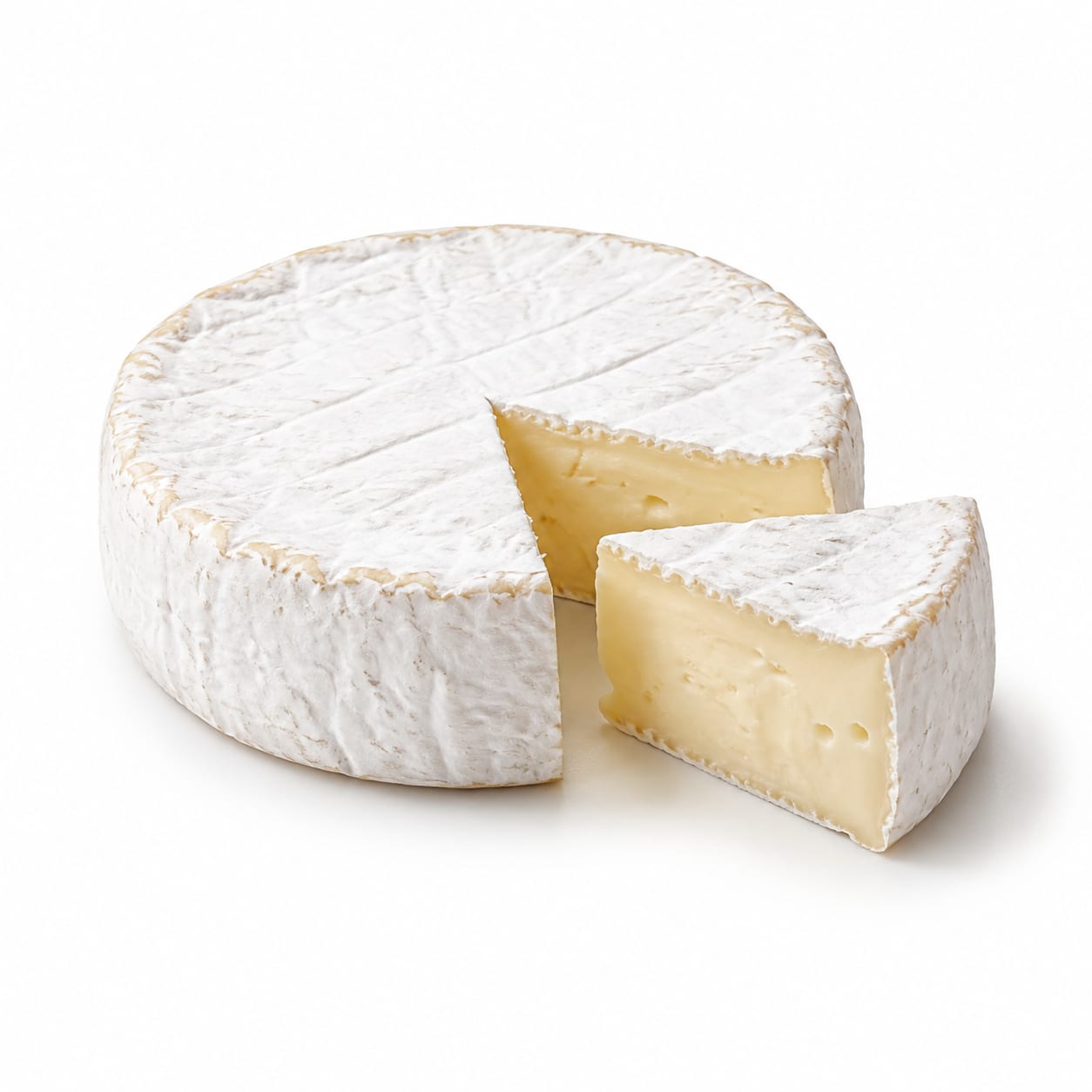
Brie Cheese
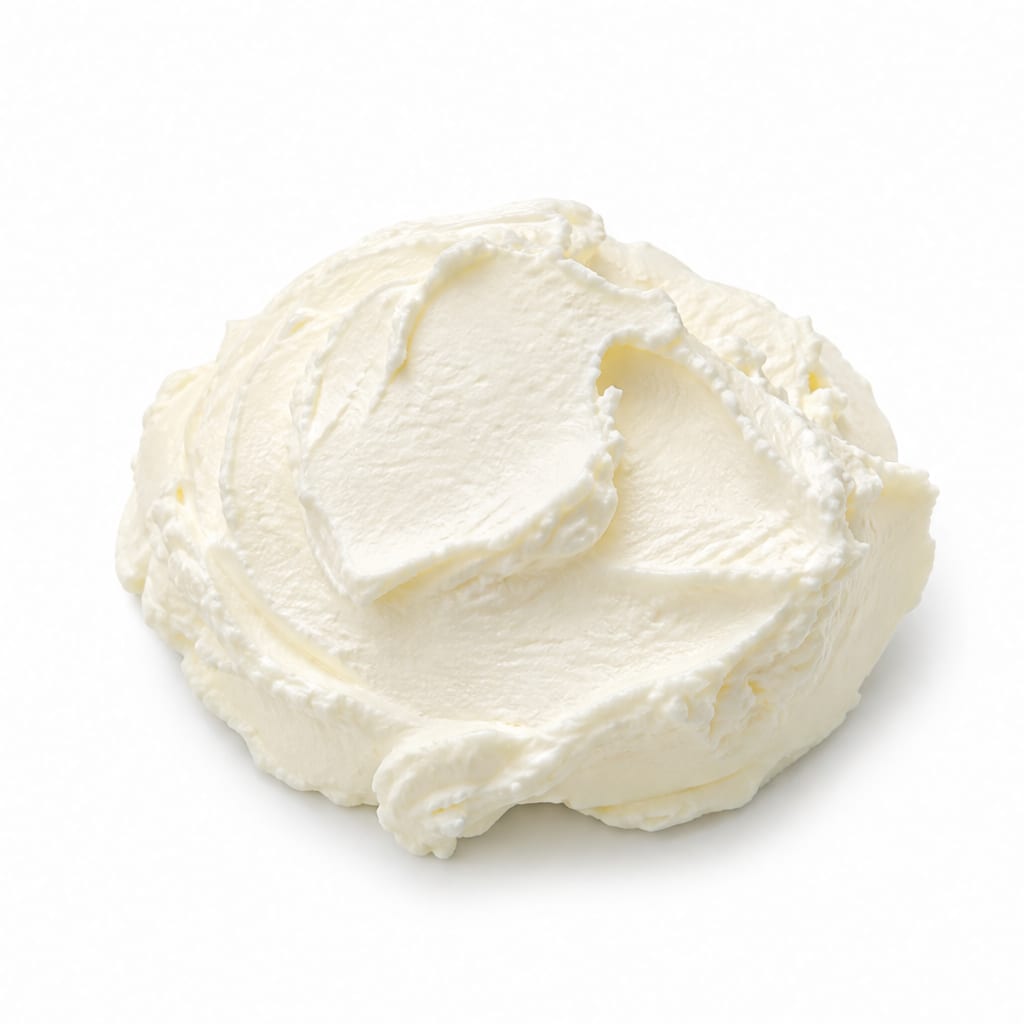
Cream Cheese
Brie Cheese offers more protein, beneficial probiotics, and a richer flavor that naturally limits overeating, while Cream Cheese is more processed and easier to overconsume.
Brie Cheese wins on naturalness, protein, and probiotic content, while Cream Cheese falls behind due to heavy processing and lower nutritional value, though it offers better spreadability.
Brie provides better nutrition and fermentation benefits but requires careful handling, whereas Cream Cheese is highly spreadable but often packed with stabilizers and lower in protein.
At a glance
Executive summary
Overall
Brie Cheese
Healthier
Brie Cheese
More practical
Cream Cheese
Daily use
It depends
Key comparison lenses
Weight management and calorie density
Both are high-fat dairy products where portion control is a major factor for daily consumption.
Processing level and additives
Cream Cheese often contains stabilizers and gums, while Brie is traditionally made with minimal ingredients.
Nutrient density and protein content
Users often assume all cheeses are nutritionally similar, but protein and micronutrient levels vary significantly.
Gut health and fermentation benefits
Brie is a fermented food offering probiotics, whereas Cream Cheese is not a significant source of beneficial bacteria.
Best choice for
Brie Cheese
- Cheese boards and mindful snacking
- Those seeking gut-friendly fermented foods
- People wanting more protein from dairy
Cream Cheese
- Quick breakfast bagels
- Baking and cooking needing a mild, spreadable base
- Those who prefer very mild flavors
Least suitable for
Brie Cheese
- Strict low-fat diets
- People highly sensitive to strong flavors
- Those needing a smooth, easily spreadable base
Cream Cheese
- High-protein diets
- Those avoiding stabilizers and gums
- People watching calorie density
Deep comparison
Dimension by dimension
Each lens scores both foods and breaks down who each option suits.
- Dimension 1 · Priority 85Brie Cheese
Nutrient Density & Protein
Brie Cheese · 70Cream Cheese · 40Brie Cheese delivers more protein and bone-supporting minerals per calorie than Cream Cheese.
Tradeoff
You get more nutritional bang for your buck with Brie, but Cream Cheese melts and spreads more easily.
Why it matters
Protein helps keep you full and maintains muscle, making Brie a more satisfying addition to a meal.
Real-world impact
A Brie snack will keep you fuller for longer than a Cream Cheese snack of the same calories.
Brie Cheese
- Muscle maintenance
- Satiety between meals
Better for
- Low-calorie diets
Worse for
Cream Cheese
- Smooth texture in recipes
Better for
- High-protein needs
- Nutrient-dense meals
Worse for
- Dimension 2 · Priority 90Brie Cheese
Satiety & Portion Control
Brie Cheese · 75Cream Cheese · 45Brie's rich, savory flavor naturally signals you to stop eating, while Cream Cheese's mild taste makes it easy to over-spread.
Tradeoff
Brie's strong flavor limits portions naturally, whereas Cream Cheese requires strict measuring to avoid calorie overload.
Why it matters
Overeating calorie-dense foods can easily derail weight management without realizing it.
Real-world impact
It is easy to accidentally spread 3-4 tablespoons of Cream Cheese on a bagel, adding 300+ calories before you know it.
Brie Cheese
- Mindful eating
- Weight management
Better for
- Those wanting large portion sizes
Worse for
Cream Cheese
- Those with poor appetite needing extra calories
Better for
- Portion control
- Cutting calories
Worse for
- Dimension 3 · Priority 80Brie Cheese
Processing & Additives
Brie Cheese · 85Cream Cheese · 35Brie is traditionally made with just milk, cultures, rennet, and salt, while Cream Cheese often contains gums and stabilizers.
Tradeoff
Brie offers a cleaner ingredient list, but Cream Cheese's additives give it a longer shelf life and smoother texture.
Why it matters
Minimally processed foods are generally easier on the gut and have fewer hidden inflammatory triggers.
Real-world impact
Reading a Cream Cheese label might reveal carob bean gum or guar gum, whereas Brie usually has just a few whole ingredients.
Brie Cheese
- Clean eating
- Avoiding additives
Better for
- Shorter shelf life after opening
Worse for
Cream Cheese
- Long shelf life
- Consistent spreadability
Better for
- Sensitive stomachs
- Minimally processed diets
Worse for
- Dimension 4 · Priority 75Brie Cheese
Digestive Health & Fermentation
Brie Cheese · 80Cream Cheese · 30As a fermented food, Brie contains beneficial probiotics that support gut health, which Cream Cheese lacks.
Tradeoff
Brie supports a healthy microbiome, while Cream Cheese is essentially just a fat-and-dairy spread without gut benefits.
Why it matters
A diverse gut microbiome is linked to better digestion, immunity, and even mood regulation.
Real-world impact
Adding Brie to a meal gives your gut bacteria a small but meaningful boost compared to Cream Cheese.
Brie Cheese
- Gut health
- Immune support
Better for
- Histamine intolerance
Worse for
Cream Cheese
- Those avoiding fermented foods
Better for
- Improving digestion
- Microbiome diversity
Worse for
- Dimension 5 · Priority 70Cream Cheese
Convenience & Culinary Versatility
Brie Cheese · 50Cream Cheese · 85Cream Cheese is far easier to spread straight from the fridge and blends seamlessly into both sweet and savory recipes.
Tradeoff
Cream Cheese is the ultimate convenient spread, while Brie needs to come to room temperature to shine.
Why it matters
Convenience often dictates daily food choices, especially during busy mornings.
Real-world impact
You can quickly slather Cream Cheese on toast for a rushed breakfast, whereas Brie requires some planning to soften.
Brie Cheese
- Elegant entertaining
- Cheese pairings
Better for
- Rushed mornings
- Smooth blending
Worse for
Cream Cheese
- Quick breakfasts
- Baking
- Frostings
Better for
- Charcuterie boards
- Sophisticated flavor profiles
Worse for
Timeline
Health impact over time
Short-term
Hours to days
Brie Cheese
- Quick satiety from rich flavor and fat
- Potential digestive comfort from probiotics
Cream Cheese
- Rapid energy from fat and carbs
- Easy to overconsume calories due to mild taste
Long-term
Months to years
Brie Cheese
- Improved gut microbiome diversity
- Better calcium absorption for bone health
Cream Cheese
- Potential weight gain if portions are not controlled
- Increased exposure to food additives
Risk profile
Safety & processing
Brie Cheese is a traditional fermented food with minimal ingredients, while Cream Cheese is industrially processed and typically contains stabilizers like guar gum or carrageenan.
Brie Cheese
Listeria contamination
mediumAs a soft ripened cheese, Brie carries a slightly higher risk of Listeria, making it a concern for pregnant women unless thoroughly cooked.
Cream Cheese
Listeria contamination
lowCream Cheese is pasteurized and less prone to Listeria growth than soft ripened cheeses, though it still requires strict refrigeration.
Who wins for whom
Audience fit
Same foods, different winners depending on your goal.
children
Cream CheeseCream Cheese's mild flavor and smooth texture are usually more accepted by kids, and it avoids the Listeria risk of soft cheeses for vulnerable populations.
daily consumption
It dependsCream Cheese is more convenient for daily breakfasts, but Brie is the healthier daily choice if you prefer savory snacks and can control portions.
diabetes
Brie CheeseBrie typically contains fewer carbohydrates and more fat, leading to steadier blood sugar, whereas some Cream Cheese brands add sugar or higher carb fillers.
elderly
It dependsBrie offers better probiotics and protein for aging guts and muscles, but Cream Cheese is safer for those with severely compromised immune systems.
muscle gain
Brie CheeseBrie has slightly more protein per serving, though neither is a primary muscle-building food.
weight loss
Brie CheeseBrie's strong flavor and higher protein naturally limit overeating compared to the highly spreadable, mild Cream Cheese.
Your move
Decision guide
Choose Brie Cheese
- You want a more nutrient-dense, protein-rich cheese
- You care about gut-friendly probiotics
- You prefer strong, savory flavors that naturally limit portions
- You are building a charcuterie board
Choose Cream Cheese
- You need an easy-to-spread breakfast option for busy mornings
- You are baking a cheesecake or making frosting
- You prefer very mild dairy flavors
- You are pregnant and avoiding soft ripened cheeses
Either works if
- You just need a fat source for a keto diet
- You are looking for a low-lactose cheese option
Avoid both if
- You have a severe dairy allergy
- You are strictly limiting saturated fat intake
Final recommendation
Choose Brie Cheese for a healthier, more satisfying, and less processed option, but reach for Cream Cheese when convenience, spreadability, or recipe compatibility are your top priorities.
Practical
Consumer tips
- 1
Let Brie sit at room temperature for 30 minutes before eating to unlock its full flavor and creamy texture.
- 2
Measure Cream Cheese portions rather than spreading freely to avoid accidental calorie overload.
- 3
Look for Cream Cheese brands with minimal ingredients—just milk, cream, salt, and cultures if possible.
- 4
If pregnant, avoid Brie unless it is clearly labeled as made with pasteurized milk and cooked until steaming.