
Nutrition comparison
Brie Cheese vs Mozzarella: Nutrition, Safety, and Taste Compared
Which cheese is healthier? Compare Brie Cheese and Mozzarella on calories, protein, fat, and pregnancy safety to find the best choice for your diet.
Overall winner · Mozzarella
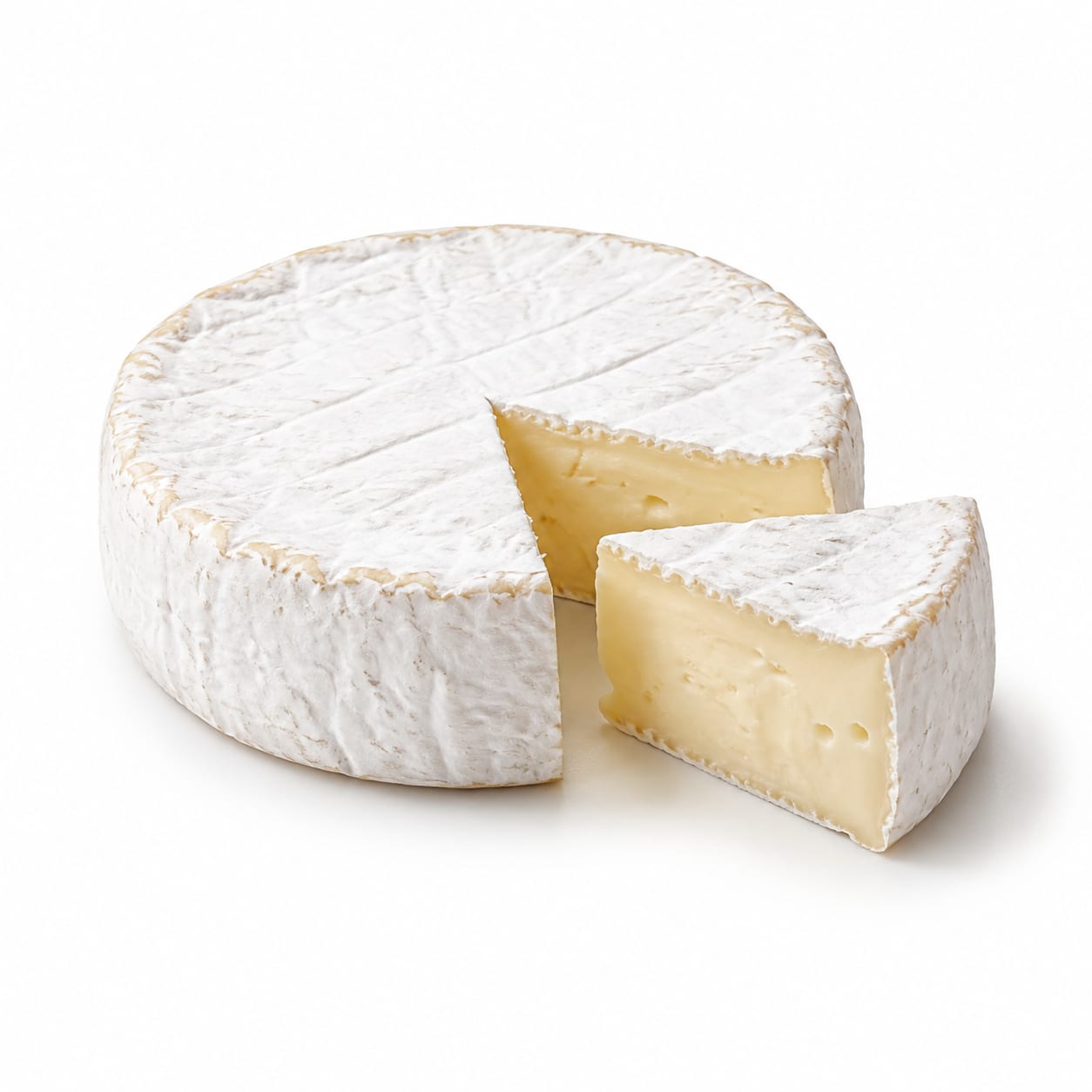
Brie Cheese
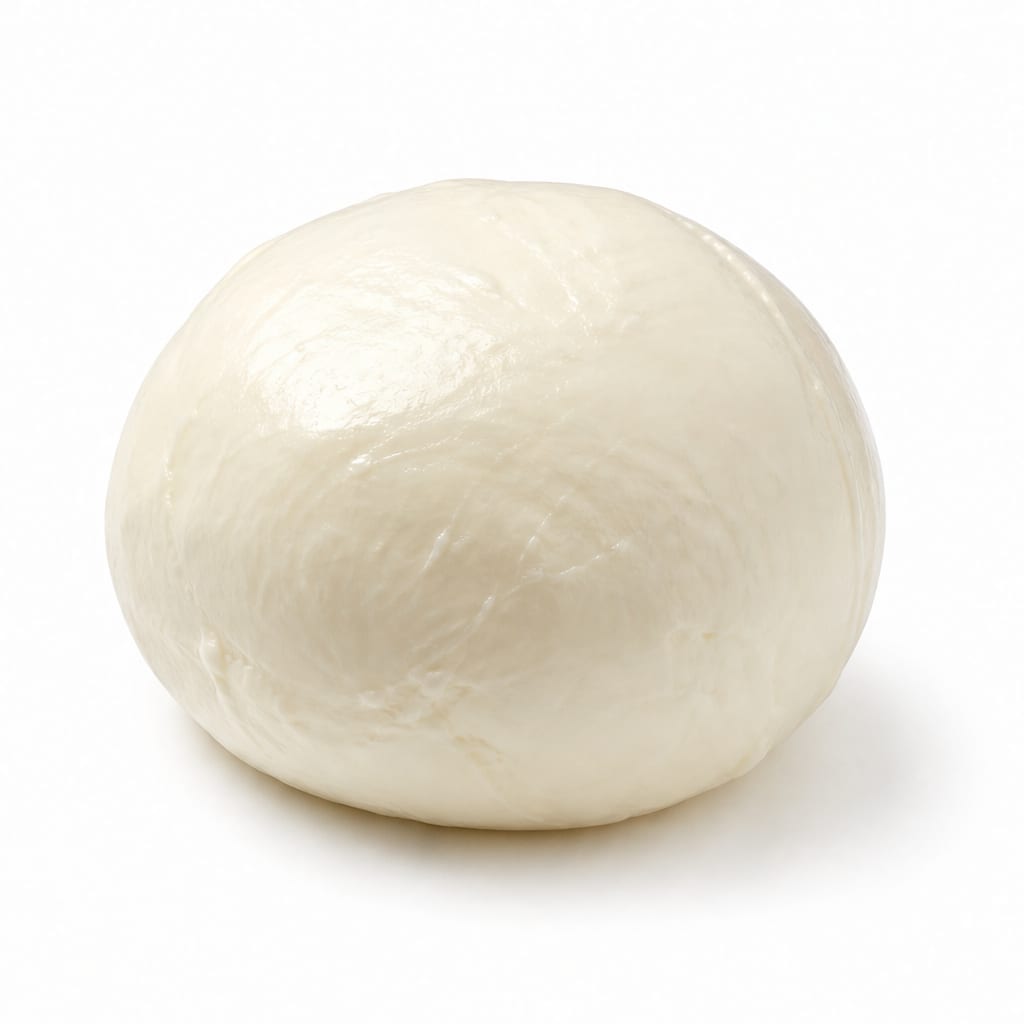
Mozzarella
Mozzarella is the lean, high-protein workhorse for daily meals, while Brie Cheese is a rich, creamy indulgence best enjoyed in moderation.
Mozzarella scores higher due to its superior protein-to-calorie ratio and broader safety profile, though Brie Cheese remains a perfectly fine occasional treat.
You trade the luxurious, high-fat creaminess of Brie Cheese for the lighter, protein-dense versatility of Mozzarella.
At a glance
Executive summary
Overall
Mozzarella
Healthier
Mozzarella
More practical
Mozzarella
Daily use
Mozzarella
Key comparison lenses
Weight management and calorie control
Brie Cheese is significantly higher in fat and calories than Mozzarella, making calorie tradeoffs a primary concern.
Pregnancy and food safety
Soft cheeses like Brie Cheese carry a Listeria risk, while Mozzarella is generally considered safe during pregnancy.
Protein intake for satiety and muscles
Mozzarella provides much more protein per serving, making it a better fit for active individuals.
Best choice for
Brie Cheese
- Gourmet appetizer boards
- Rich, comforting cold-weather snacks
- Special occasion indulgences
Mozzarella
- Daily meal prep and salads
- High-protein, lower-calorie diets
- Family-friendly pizzas and melts
Least suitable for
Brie Cheese
- Strict calorie-controlled diets
- Pregnant women or immunocompromised individuals
- Those watching saturated fat intake
Mozzarella
- Low-sodium dietary restrictions
- Those seeking a rich, spreadable cheese texture
Deep comparison
Dimension by dimension
Each lens scores both foods and breaks down who each option suits.
- Dimension 1 · Priority 92Mozzarella
Calorie Density & Fat Content
Brie Cheese · 40Mozzarella · 85Brie Cheese is calorie-dense with high saturated fat, while Mozzarella is remarkably lean.
Tradeoff
You sacrifice the melt-in-your-mouth richness of Brie Cheese to save hundreds of calories per serving with Mozzarella.
Why it matters
High-fat cheeses are easy to overeat, which can stealthily derail weight management goals.
Real-world impact
A few slices of Brie Cheese can equal the calories of a whole meal, whereas Mozzarella fills you up without the heavy slump.
Brie Cheese
- Keto or very low-carb diets needing high fat
Better for
- Heart health if consumed frequently
Worse for
Mozzarella
- Weight loss and steady energy levels
Better for
- Those who find low-fat cheeses less satisfying
Worse for
- Dimension 2 · Priority 88Mozzarella
Protein Content
Brie Cheese · 45Mozzarella · 90Mozzarella packs significantly more protein per calorie than Brie Cheese.
Tradeoff
Choosing Brie Cheese means getting less muscle-supporting protein in exchange for more fat.
Why it matters
Protein is key for staying full between meals and maintaining muscle mass.
Real-world impact
Mozzarella makes a post-workout snack or lunch addition that actually keeps you full; Brie Cheese leaves you craving more soon after.
Brie Cheese
- Those who get enough protein from other sources
Better for
- Recovery after exercise
Worse for
Mozzarella
- Athletes and anyone managing hunger
Better for
- People strictly limiting protein
Worse for
- Dimension 3 · Priority 70Brie Cheese
Sodium Load
Brie Cheese · 65Mozzarella · 50Mozzarella often contains more sodium than Brie Cheese, especially the part-skim varieties.
Tradeoff
You get a leaner cheese with Mozzarella, but it often comes with a saltier flavor profile.
Why it matters
Excess sodium can lead to bloating and raise blood pressure over time.
Real-world impact
Eating Mozzarella daily can sneak extra sodium into your diet, making Brie Cheese the better choice for a low-salt cheese craving.
Brie Cheese
- Those managing blood pressure
Better for
- Those who prefer a saltier cheese flavor
Worse for
Mozzarella
- Athletes needing electrolyte replacement
Better for
- Salt-sensitive individuals
Worse for
- Dimension 4 · Priority 85Mozzarella
Food Safety & Pregnancy Suitability
Brie Cheese · 30Mozzarella · 90Brie Cheese carries a risk of Listeria, making it unsafe for pregnant women, while Mozzarella is safe.
Tradeoff
The soft, mold-ripened nature of Brie Cheese that creates its texture also creates a habitat for harmful bacteria.
Why it matters
Listeria infection is rare but can be devastating during pregnancy or for those with weakened immune systems.
Real-world impact
Pregnant women must skip the Brie Cheese on the charcuterie board but can safely enjoy fresh Mozzarella caprese.
Brie Cheese
- Non-pregnant adults with strong immune systems
Better for
- Pregnancy and immunocompromised states
Worse for
Mozzarella
- Expectant mothers and the elderly
Better for
- No significant safety downsides
Worse for
- Dimension 5 · Priority 75Mozzarella
Culinary Versatility
Brie Cheese · 60Mozzarella · 95Mozzarella melts beautifully into mains, while Brie Cheese is mostly limited to appetizers and snacking.
Tradeoff
Brie Cheese excels as a standalone star, but Mozzarella plays well with almost any dish.
Why it matters
A versatile cheese makes healthy meal prep easier and more interesting.
Real-world impact
You can throw Mozzarella on a salad, a wrap, or a homemade pizza; Brie Cheese is usually reserved for a weekend cheese board.
Brie Cheese
- Elegant entertaining and appetizers
Better for
- Everyday cooking and melting applications
Worse for
Mozzarella
- Quick weeknight dinners and meal prep
Better for
- Creating a gourmet, decadent cheese course
Worse for
Timeline
Health impact over time
Short-term
Hours to days
Brie Cheese
- High satiety from fat content, but can feel heavy or sluggish after eating
- Rich flavor may trigger overeating if not portioned carefully
Mozzarella
- Filling without the heavy feeling, thanks to high protein
- Sodium might cause mild bloating if eaten in large amounts
Long-term
Months to years
Brie Cheese
- Frequent consumption could raise LDL cholesterol due to saturated fat
- Higher calorie density may contribute to gradual weight gain
Mozzarella
- Supports muscle maintenance and healthy metabolism
- Better for long-term heart health and weight management
Risk profile
Safety & processing
Both are traditional cheeses made with minimal ingredients, though mass-produced versions may contain stabilizers. Fresh Mozzarella is particularly clean, containing just milk, salt, and enzymes.
Brie Cheese
Listeria contamination
highSoft, mold-ripened cheeses like Brie Cheese are ideal environments for Listeria, especially if made from unpasteurized milk.
Mozzarella
High sodium intake
mediumPart-skim and low-moisture Mozzarella can be quite salty, which is a concern for blood pressure over time.
Who wins for whom
Audience fit
Same foods, different winners depending on your goal.
children
MozzarellaMozzarella is safer from a foodborne illness perspective and provides growing bodies with essential protein and calcium.
daily consumption
MozzarellaMozzarella's lean profile and culinary flexibility make it a sustainable daily staple, unlike the heavier Brie Cheese.
diabetes
MozzarellaBoth are low in carbs, but Mozzarella's higher protein content helps stabilize blood sugar more effectively.
elderly
MozzarellaOlder adults need protein to prevent muscle loss and must avoid Listeria, making Mozzarella the safer, more nutritious choice.
muscle gain
MozzarellaWith nearly double the protein of Brie Cheese, Mozzarella is a clear winner for muscle repair and growth.
weight loss
MozzarellaMozzarella offers far more protein and fewer calories per serving, making it much easier to stay within a calorie budget.
Your move
Decision guide
Choose Brie Cheese
- You are hosting a dinner party and want a gourmet touch
- You are on a keto diet and need high-fat, low-carb options
- You want a comforting, indulgent weekend treat
Choose Mozzarella
- You need a high-protein addition to your daily lunches
- You are cooking meals at home like pizzas or salads
- You are pregnant or cooking for someone who is
Either works if
- You just want a low-carb snack to pair with some nuts
- You are looking for a good source of calcium
Avoid both if
- You have a severe dairy allergy or lactose intolerance
- You are strictly vegan
Final recommendation
Keep Mozzarella as your everyday fridge staple for meals and snacks, and save Brie Cheese for special occasions when you want something luxurious.
Practical
Consumer tips
- 1
Always check the label on Brie Cheese to ensure it is made from pasteurized milk, especially if you are pregnant.
- 2
Opt for part-skim Mozzarella to get the best protein-to-calorie ratio without sacrificing meltability.
- 3
If you love the taste of Brie Cheese but want fewer calories, try baking it with a fruit compote; the added flavor lets you eat less cheese while feeling satisfied.
- 4
Fresh Mozzarella contains slightly more lactose than aged cheeses, so if you are sensitive, low-moisture Mozzarella might be easier on the stomach.