
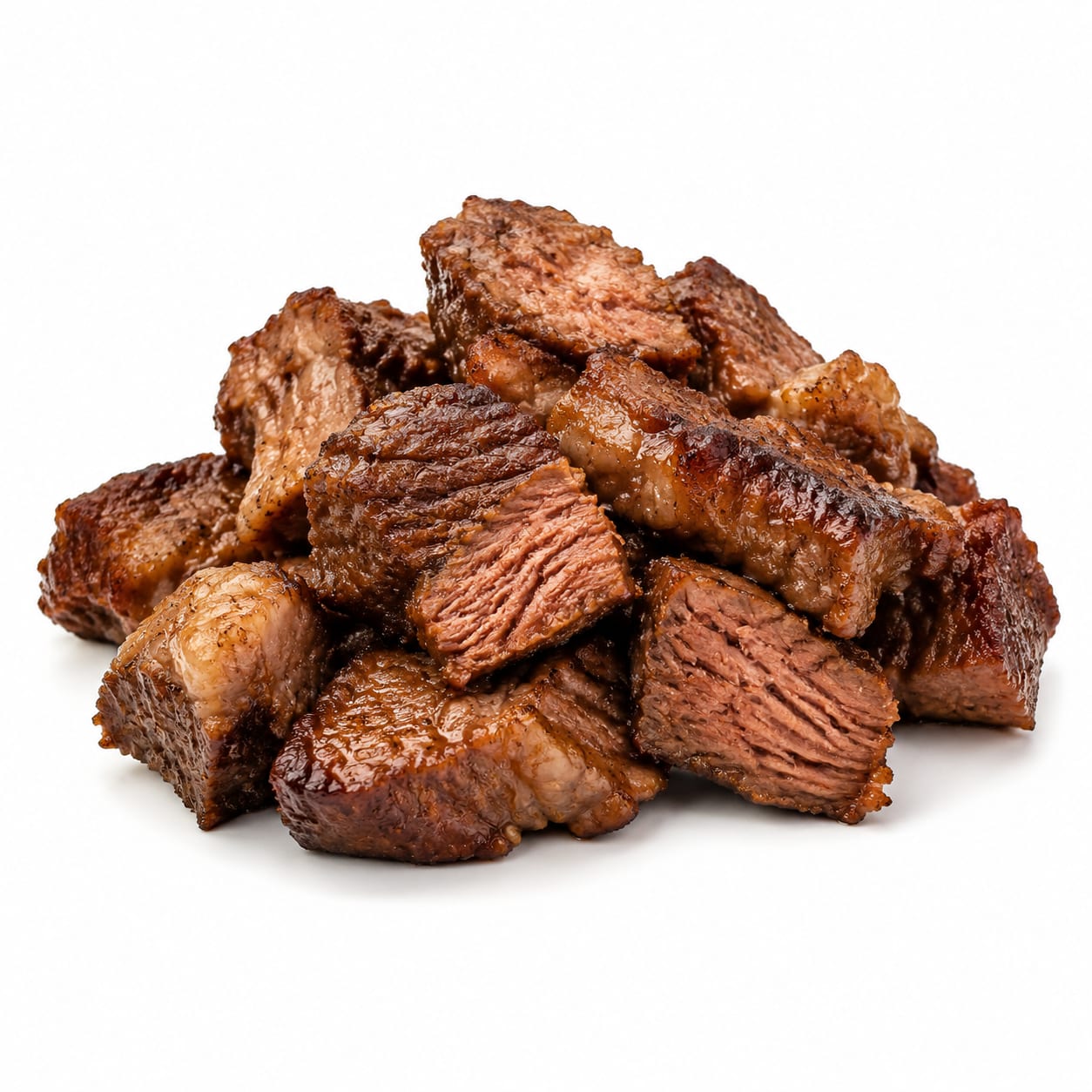
Game Meat
Boar
Boar is a lean, high-protein wild game meat with a rich flavor profile and significantly less fat than domestic pork.
Wild boar is a lean, high-protein red meat sourced from wild pigs, known for its robust, nutty flavor and significantly lower fat content compared to domestic pork.
protein-dense lean game meat
Typical serving · 113g
Common varieties · eurasian wild boar, feral hog, heritage wild cross
Overall context score across nutrition, safety, and diet fit
At a glance
Quick facts
Simple indicators based on nutrition, processing, and diet fit.
The story
What makes it unique
Boar meat is a dense source of complete protein and bioavailable heme iron, digested at a moderate pace due to its lean muscle fiber structure. It provides high satiety with a low caloric load and contains zero carbohydrates. As a wild-caught food, its macronutrient profile is unaffected by agricultural feedlots, resulting in a favorable lipid profile compared to conventionally raised pork.
Varieties: eurasian wild boar · feral hog · heritage wild cross
Per 100g
Nutrition breakdown
Macro balance and key metrics at a glance.
Energy
Density 1.22 kcal/g
Protein
Carbs
Fat
Fiber
Sugar
0 g
Sodium
52 mg
Potassium
350 mg
Glycemic index
0
Glycemic load
0
Water content
70%
Standout compounds
Nutrient highlights
Protein
highsupports muscle growth and repair
Heme Iron
highenhances oxygen transport in blood
Vitamin B12
highsupports nerve function and red blood cell formation
Zinc
moderateboosts immune system function
Niacin
moderateaids in energy metabolism
Wellness map
Health scores & processing
NOVA processing scale
unprocessed · Whole food
Wild boar is a whole, unprocessed food when sourced directly from the wild, containing no added ingredients, fillers, or artificial preservatives.
Diet compatibility
- Weight loss
- Muscle gain
- Diabetes
- Gut health
- Low carb
- High protein
- Heart health
Relative standing
Food rankings
Qualitative ranks compared to similar whole foods.
- Satietyexcellent
- Blood sugarexcellent
- Nutrient densityexcellent
- Fitness fuelexcellent
- Processing qualityexcellent
Eat with confidence
Food safety profile
Wild boar carries a notable risk of Trichinella and other parasites common to foraging animals. Cooking to an internal temperature of 160°F (71°C) is mandatory to ensure safety.
Evidence confidence 85%
- Pesticideslow
- Antibioticslow
- Heavy metalsmoderate
- Contaminationhigh
Watch for
- trichinella spiralis
- toxoplasma gondii
- brucella
- escherichia coli
Safer choices
Farm-raised boar or commercially inspected game meat reduces parasite risk compared to hunted wild boar.
Prep tips
Do not wash raw meat to avoid cross-contamination. Freeze meat at 5°F (-15°C) for at least 3 weeks or cook to 160°F (71°C) to kill Trichinella larvae.
Wild game inspection is less standardized than commercial meat processing, requiring diligent handling and thorough cooking to neutralize parasites.
Deep dive
Health analysis
How this food may fit different goals and preparation choices.
Weight loss
High protein and low fat create a strong thermic effect and prolonged satiety, making it highly effective for calorie-controlled diets.
Blood sugar
Contains zero carbohydrates, resulting in no glycemic impact and excellent blood sugar stability.
Fitness & energy
Provides a dense source of complete protein with essential amino acids, ideal for muscle repair and lean mass retention post-workout.
Gut health
Lacks dietary fiber, so it does not directly support gut microbiome diversity, but its high digestibility makes it easy on the gastrointestinal tract.
Processing quality
As a wild-caught meat, it is entirely unprocessed and free from artificial hormones, antibiotics, or feedlot byproducts.
Food safety
Parasite risk, particularly Trichinella, is the primary concern. Strict adherence to proper cooking temperatures is mandatory for safe consumption.
Common mistakes
Cooking it like domestic pork, which leads to dry, tough meat; it should be cooked low and slow or served slightly rested after high-heat searing due to its low fat content.
Best preparation
Slow roasting, braising, or marinating before grilling to tenderize the lean muscle fibers and retain moisture.
Practical guide
Best use cases
When and how this food fits real eating patterns.
post-workout recovery
High bioavailable protein supports muscle protein synthesis after intense exercise.
keto and low-carb diets
Zero carbohydrates and natural fats make it an ideal staple for strict low-carb meal plans.
lean muscle building
Provides a dense amino acid profile with minimal accompanying fat to support lean mass accumulation.
Balance sheet
Pros & cons
Upsides
- significantly leaner than domestic pork
- excellent source of complete protein
- rich in bioavailable heme iron and B vitamins
- zero carbohydrate content
- free from antibiotics and growth hormones
- high thermic effect boosts metabolism
Trade-offs
- high risk of parasites like Trichinella if undercooked
- can be tough and dry if overcooked due to low fat
- stronger gamey flavor may not appeal to all palates
- more expensive and less accessible than standard meats
- environmental heavy metal accumulation is possible depending on habitat
Fit check
Who is it for?
Great match
- high-protein diets
- keto and carnivore diets
- blood sugar management
- lean muscle building
Consider alternatives
- those avoiding red meat for heart health
- individuals seeking fiber-rich meals
- people uncomfortable with gamey flavors
Side by side
How it compares
Open the full head-to-head analysis for nutrition, safety, and practical tradeoffs.
This food
Boar
VS85% alike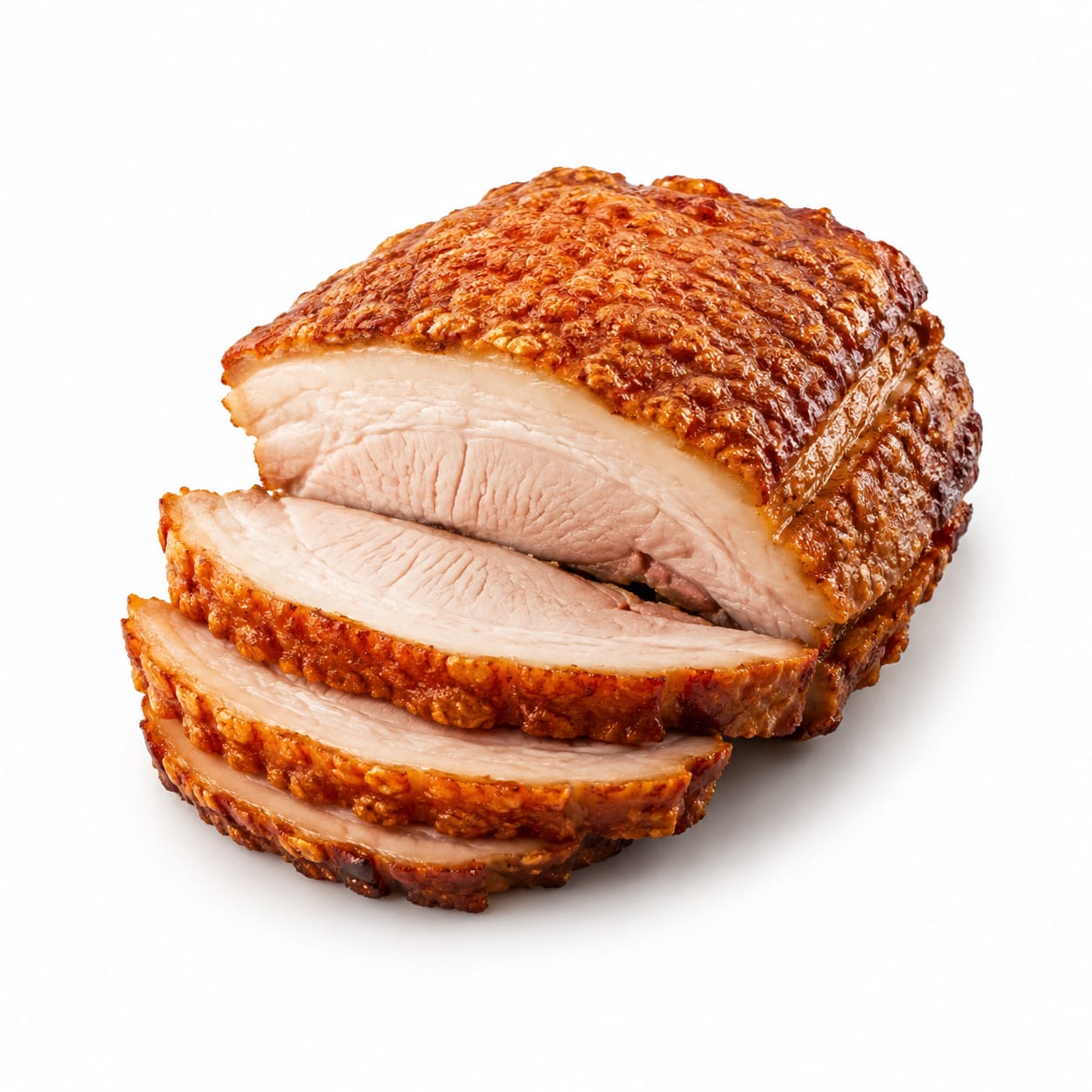
Compare with
Pork
Boar provides significantly fewer calories and less fat than pork, making it better for weight loss, while pork offers more tenderness and cooking versatility.
Boar provides significantly fewer calories and less fat than pork, making it better for weight loss, while pork offers more tenderness and cooking versatility.
This food
Boar
VS80% alike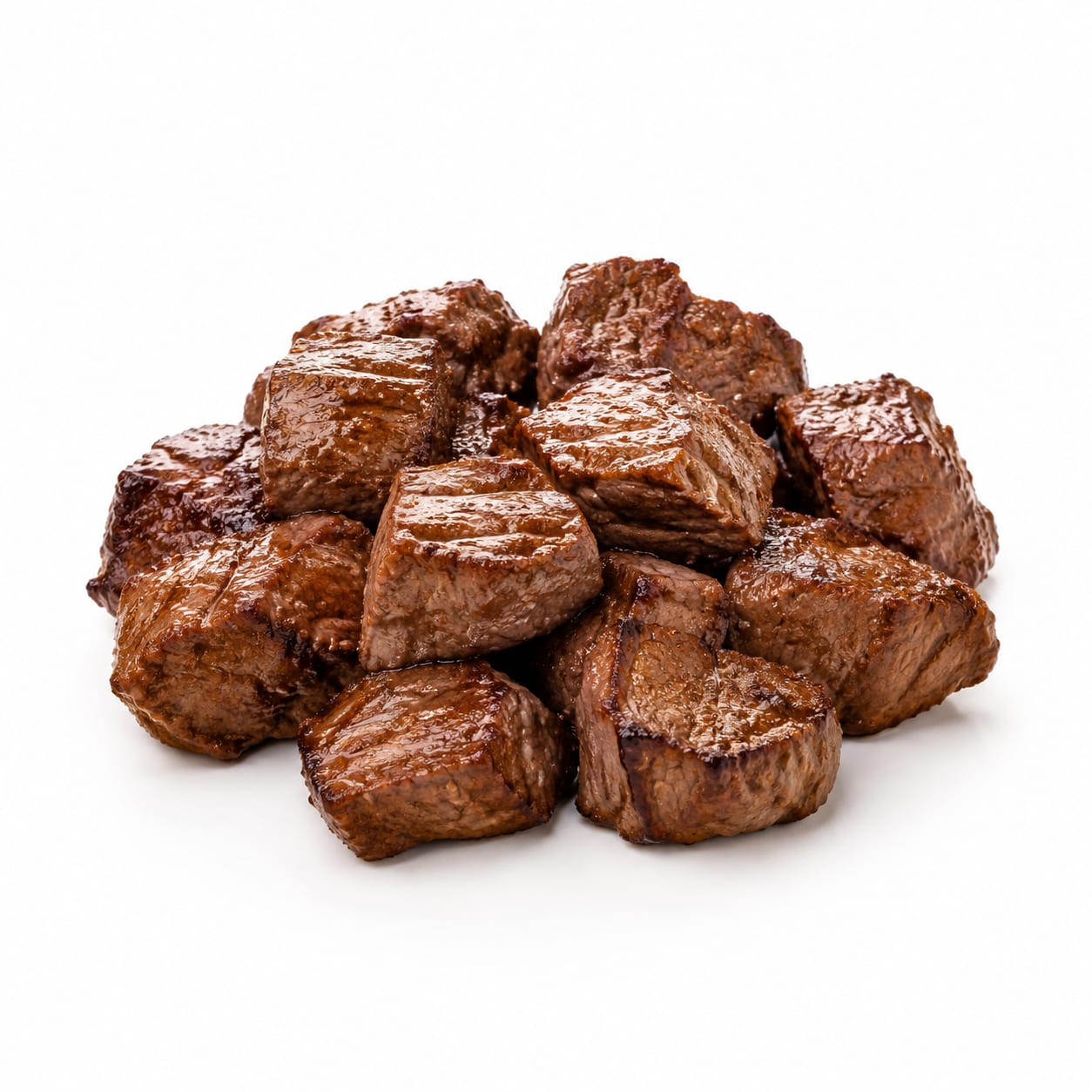
Compare with
Beef
Boar is leaner with fewer calories than beef sirloin, offering a leaner alternative with a distinct gamey flavor.
Boar is lower in fat and calories compared to beef sirloin, offering a leaner alternative with a distinct gamey flavor.
This food
Boar
VS95% alike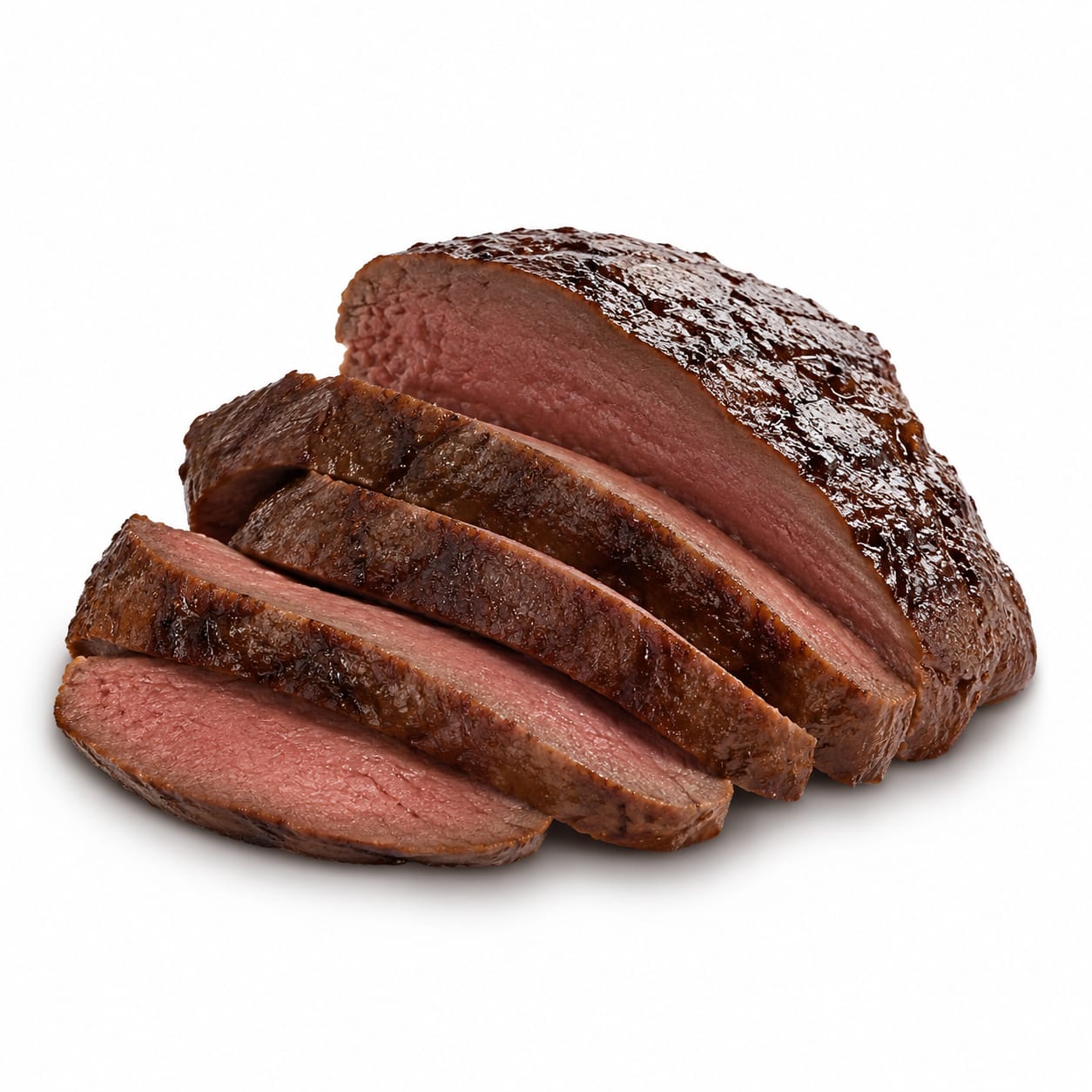
Compare with
Venison
Venison is slightly leaner than boar, but both offer exceptional protein density and low calorie profiles characteristic of wild game.
Venison is slightly leaner than boar, but both offer exceptional protein density and low calorie profiles characteristic of wild game.
This food
Boar
VS90% alike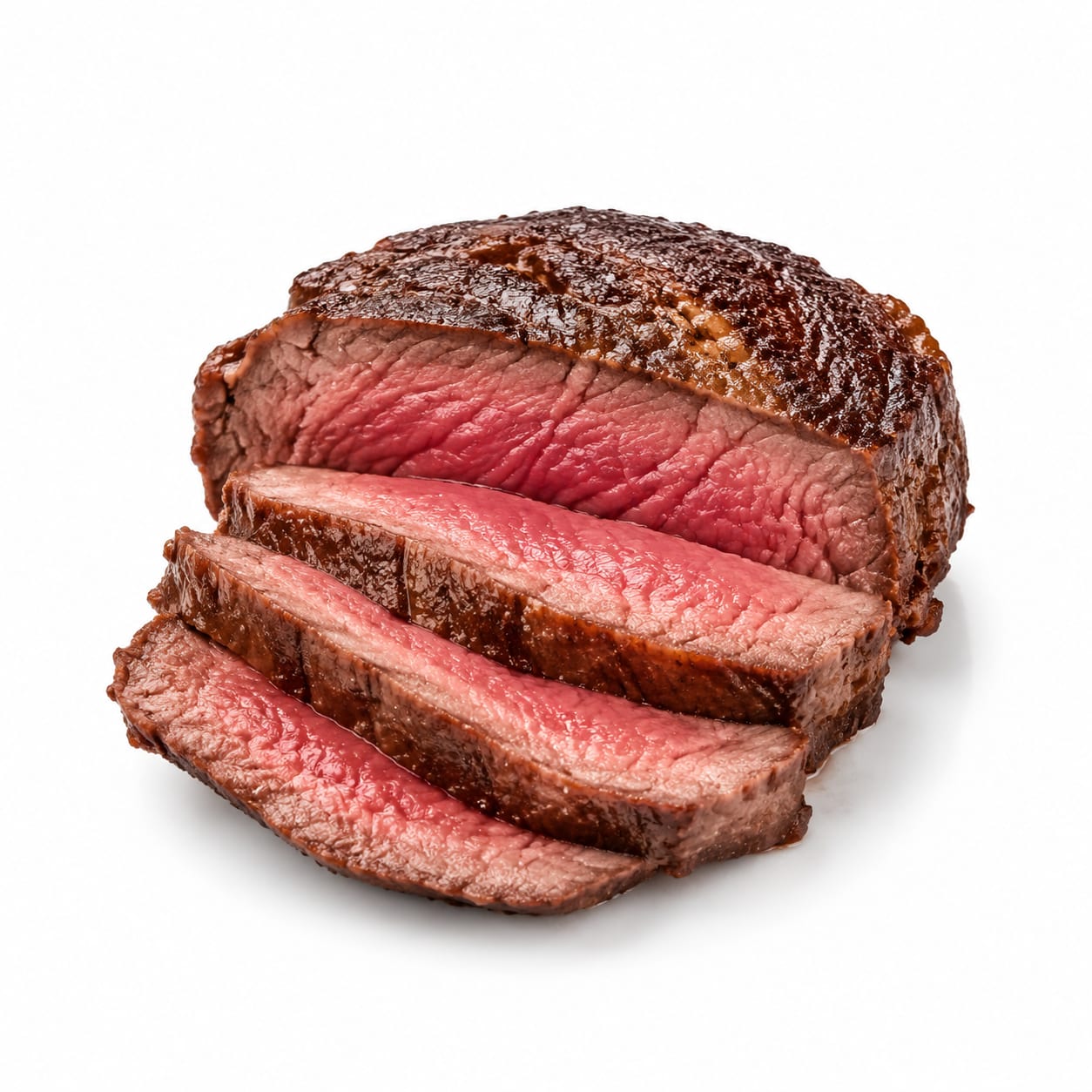
Compare with
Bison
Bison and boar are both lean, high-protein red meats, though bison is generally more tender and easier to source for everyday meals.
Bison and boar are both lean, high-protein red meats, though bison is generally more tender and easier to source for everyday meals.
This food
Boar
VS70% alike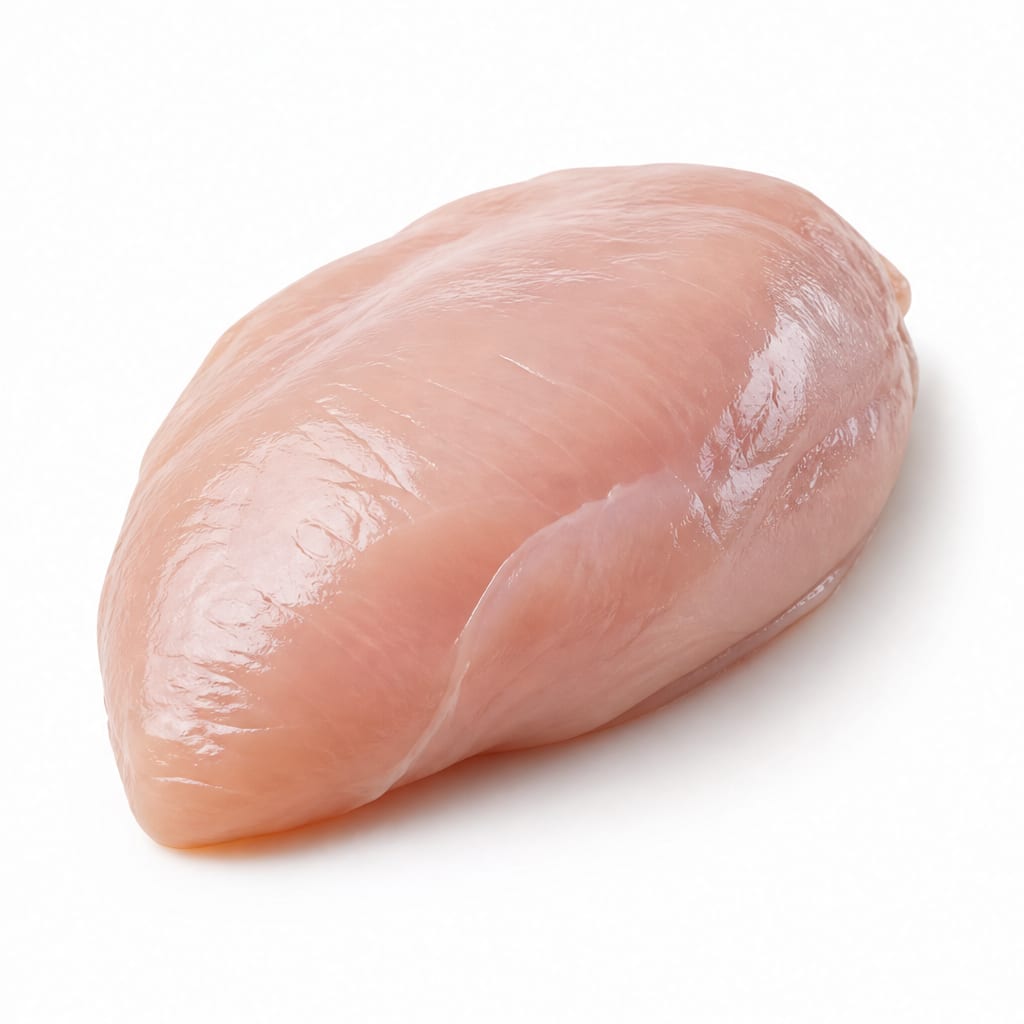
Compare with
Chicken Breast
Chicken breast is lower in calories and more universally palatable, while boar provides significantly more heme iron and a richer micronutrient profile.
Chicken breast is lower in calories and more universally palatable, while boar provides significantly more heme iron and a richer micronutrient profile.
This food
Boar
VS65% alike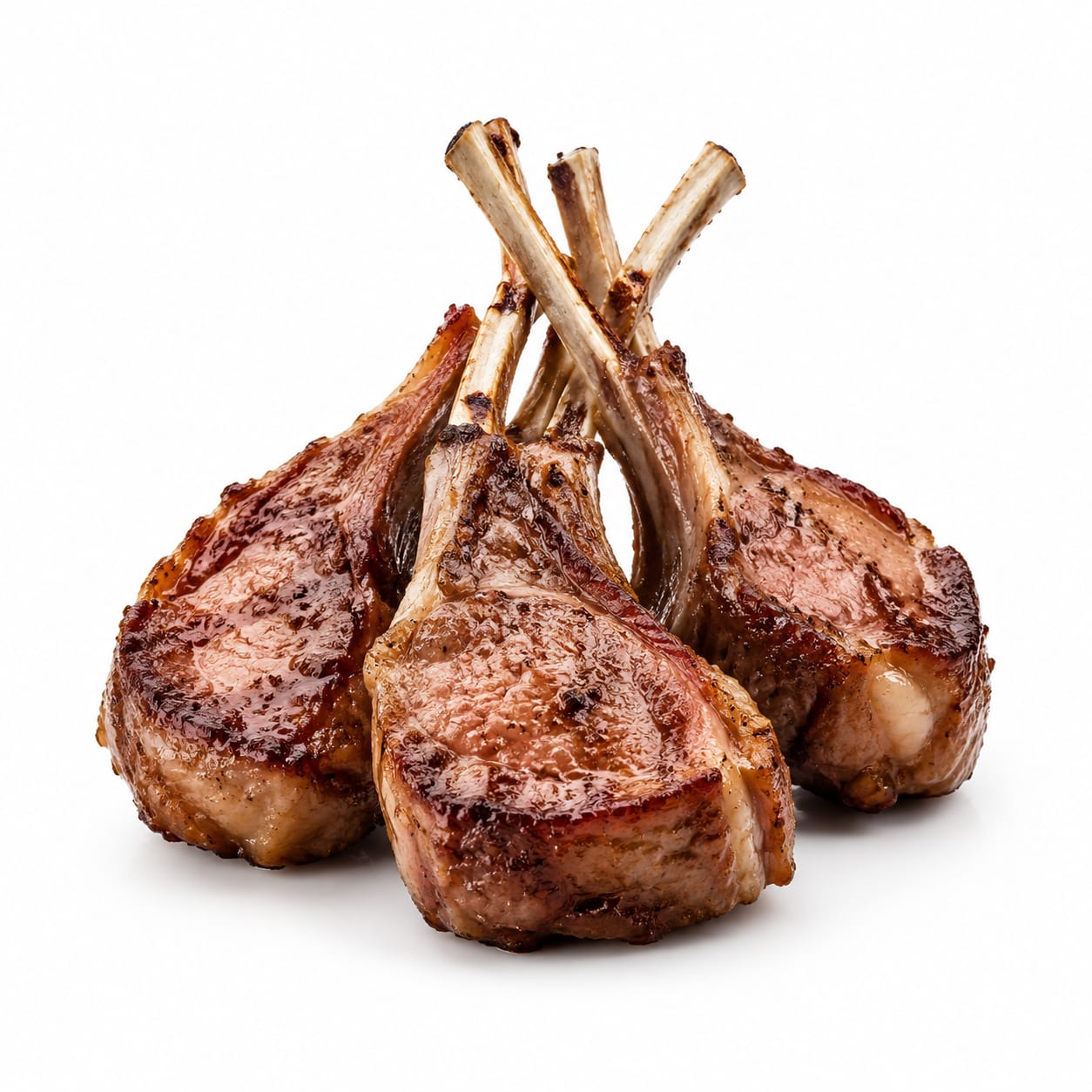
Compare with
Lamb
Boar is substantially leaner and lower in saturated fat than lamb, making it a better option for weight management and heart health.
Boar is substantially leaner and lower in saturated fat than lamb, making it a better option for weight management and heart health.
This food
Boar
VS75% alike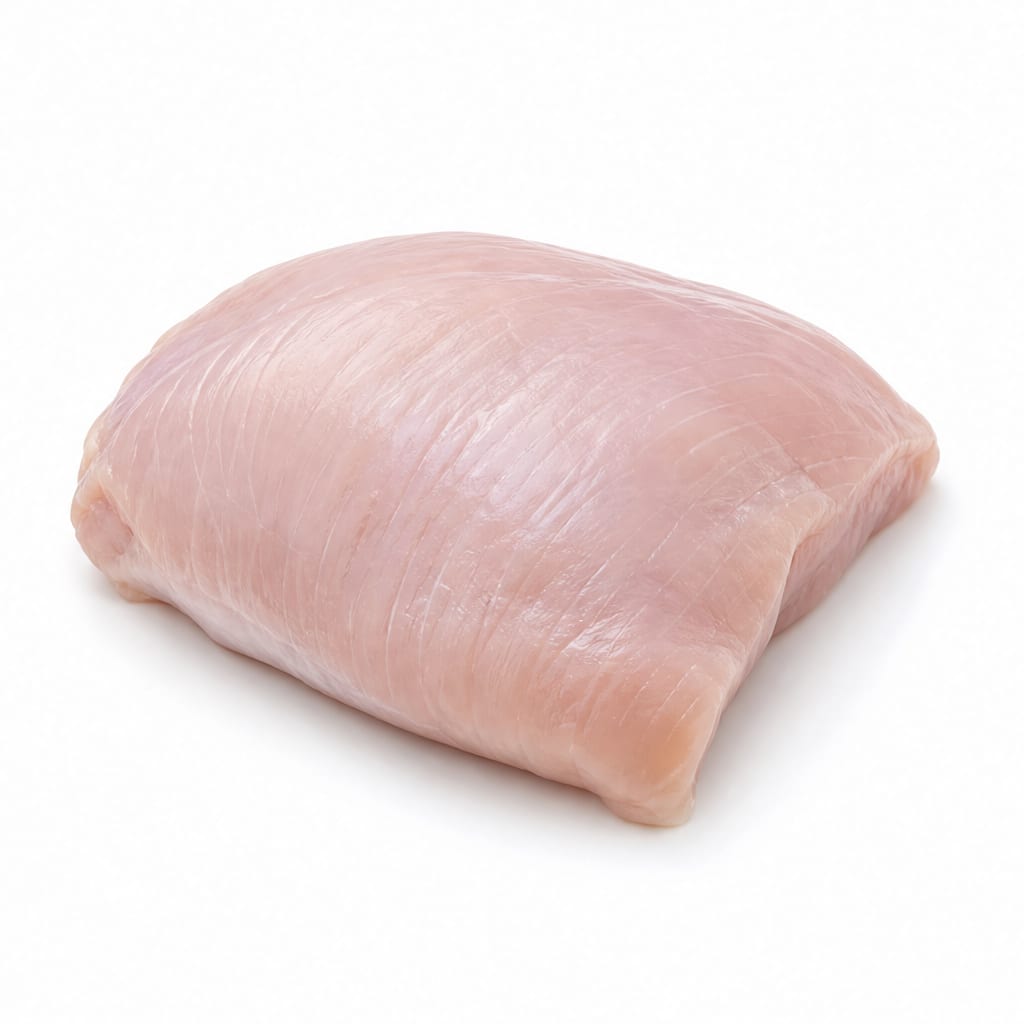
Compare with
Turkey Breast
Turkey breast is leaner and lower in calories, but boar delivers a stronger micronutrient profile, particularly in iron and B12.
Turkey breast is leaner and lower in calories, but boar delivers a stronger micronutrient profile, particularly in iron and B12.
This food
Boar
VS60% alike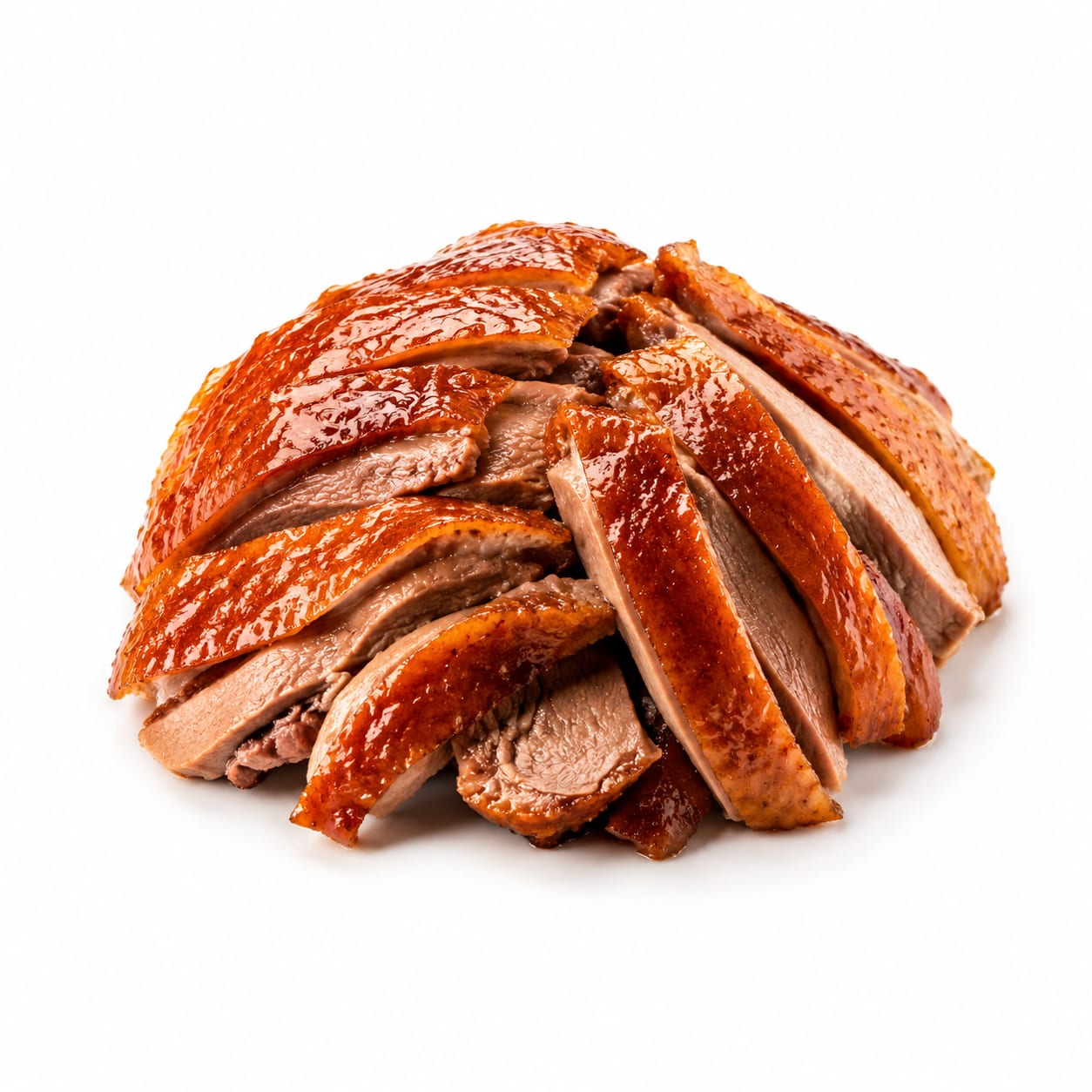
Compare with
Duck
Boar is a much leaner protein source than duck, which is high in fat, making boar far superior for calorie-controlled diets.
Boar is a much leaner protein source than duck, which is high in fat, making boar far superior for calorie-controlled diets.
This food
Boar
VS85% alike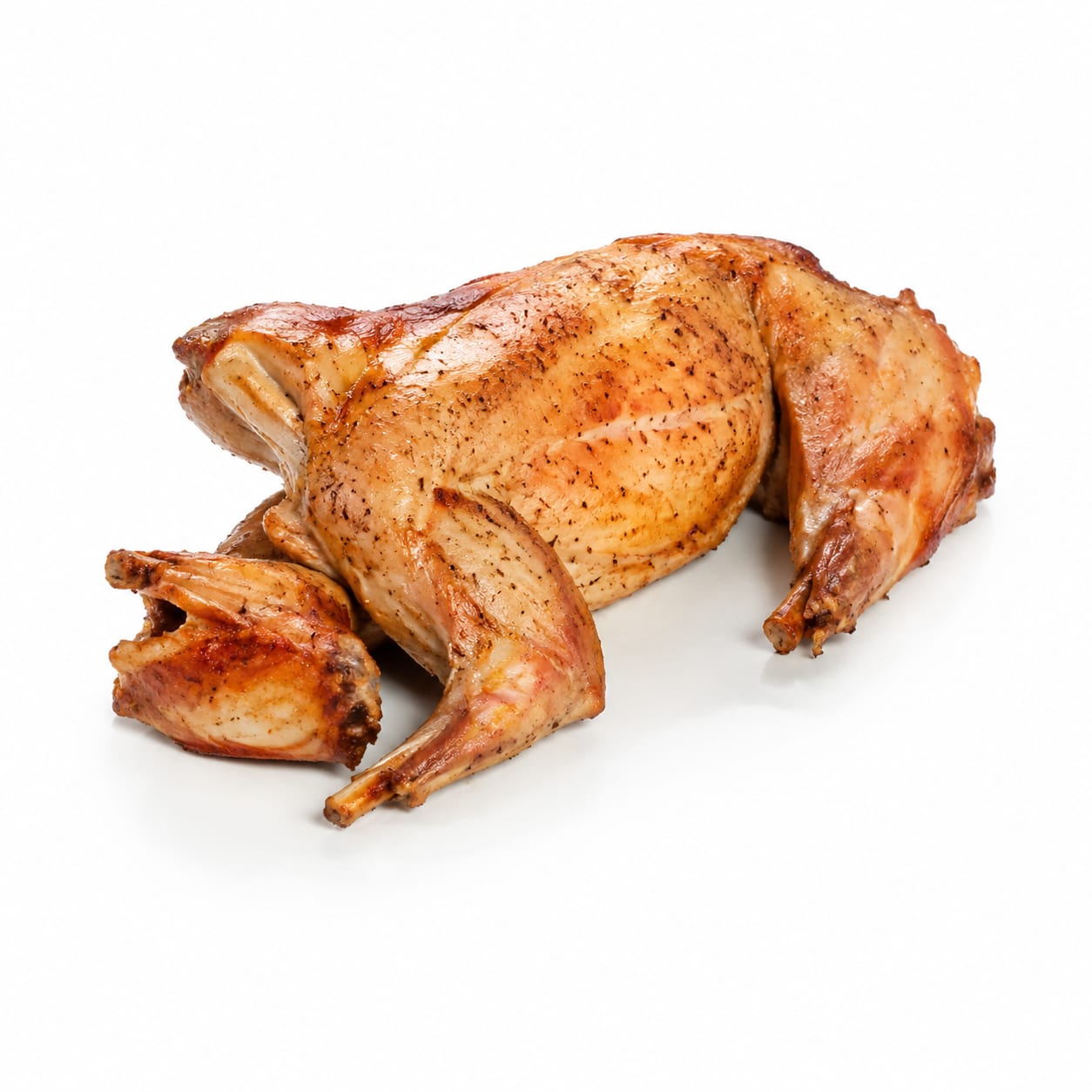
Compare with
Rabbit
Rabbit is marginally leaner than boar, but both are excellent low-calorie, high-protein game meats with distinct flavors.
Rabbit is marginally leaner than boar, but both are excellent low-calorie, high-protein game meats with distinct flavors.
This food
Boar
VS90% alike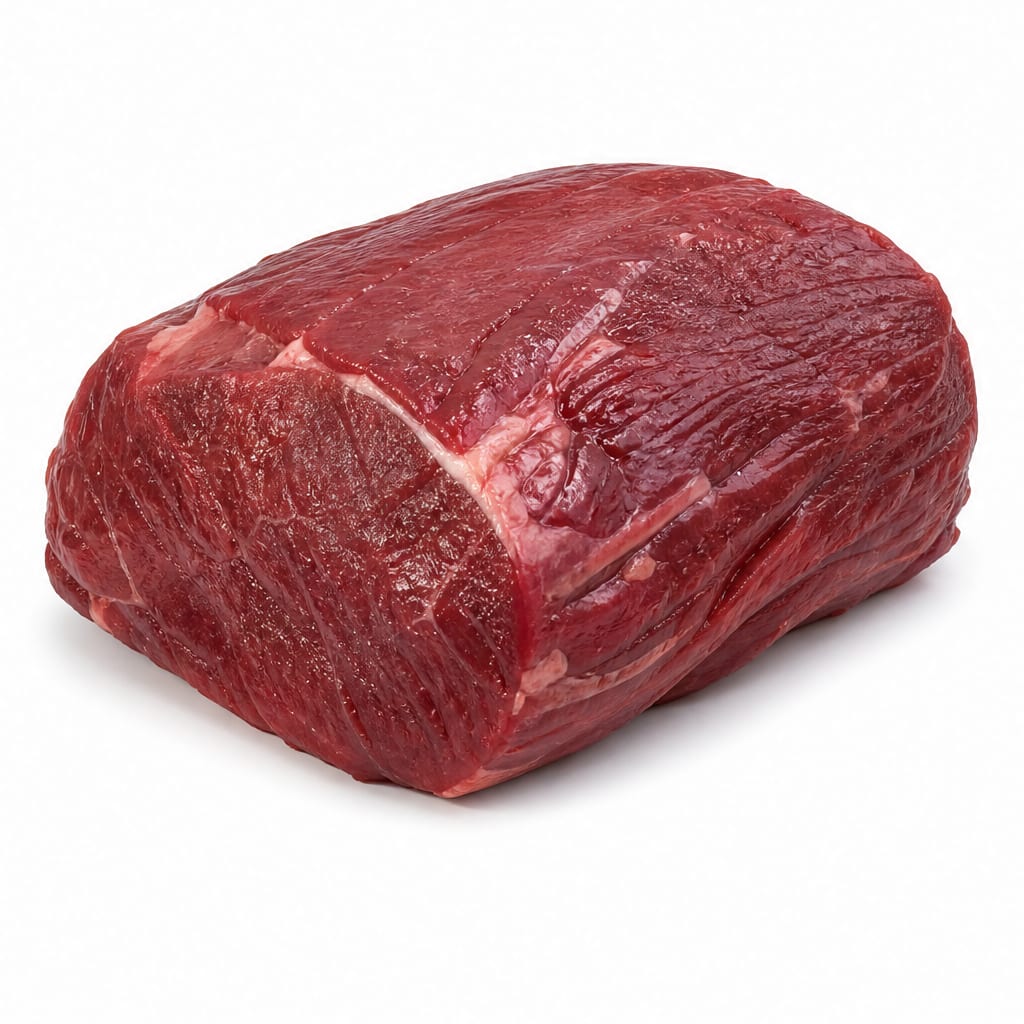
Compare with
Elk
Elk and boar are nutritionally comparable lean game meats, though elk offers slightly more protein per calorie and a sweeter, milder taste.
Elk and boar are nutritionally comparable lean game meats, though elk offers slightly more protein per calorie and a sweeter, milder taste.
Common questions
FAQ
Answers aligned with how people search for this food.
Is boar meat healthier than pork?
Boar is lower in fat and calories than domestic pork while offering similar or higher protein, making it a leaner choice.
Can you eat wild boar rare?
No, wild boar should always be cooked to an internal temperature of 160°F (71°C) to kill potential Trichinella parasites.
Is wild boar good for weight loss?
Yes, its high protein and low fat content promote satiety and increase metabolic rate through the thermic effect of food.
Does wild boar taste like pork?
It has a nuttier, sweeter, and more intense flavor than domestic pork due to the animal's wild diet of forage and nuts.
Is boar meat high in cholesterol?
It contains moderate cholesterol typical of red meats, but its very low saturated fat profile makes it a heart-friendlier red meat option.
Why is wild boar meat so tough?
Wild boars are highly active animals, resulting in leaner, denser muscle fibers that require slow cooking or tenderizing marinades to break down.
Is boar meat keto-friendly?
Yes, it contains zero carbohydrates and is high in protein and natural fats, fitting perfectly into a ketogenic diet.
Does wild boar have Trichinella?
Wild boar is a known carrier of Trichinella, so proper freezing protocols and thorough cooking are essential before eating.
Transparency
Data confidence
Estimated confidence for nutrition data, interpretation, safety notes, and comparisons.
Nutrition data
Health analysis
Food safety
Comparisons