
Nutrition comparison
Boar vs Beef: Which Red Meat Is Healthier for You?
Compare boar and beef nutrition, fat content, safety, and sustainability. Learn which red meat is better for heart health, weight loss, muscle gain, and daily meals.
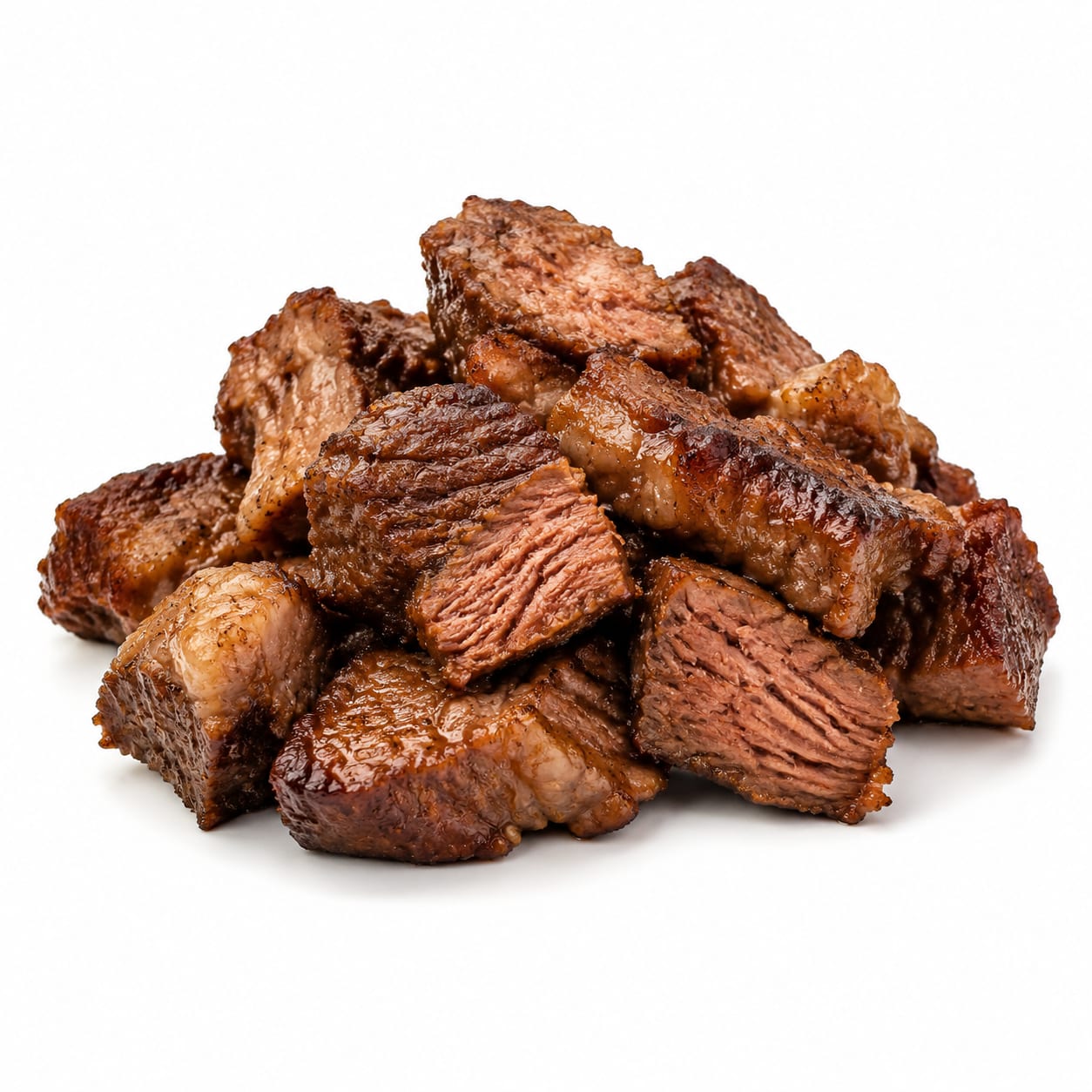
Boar
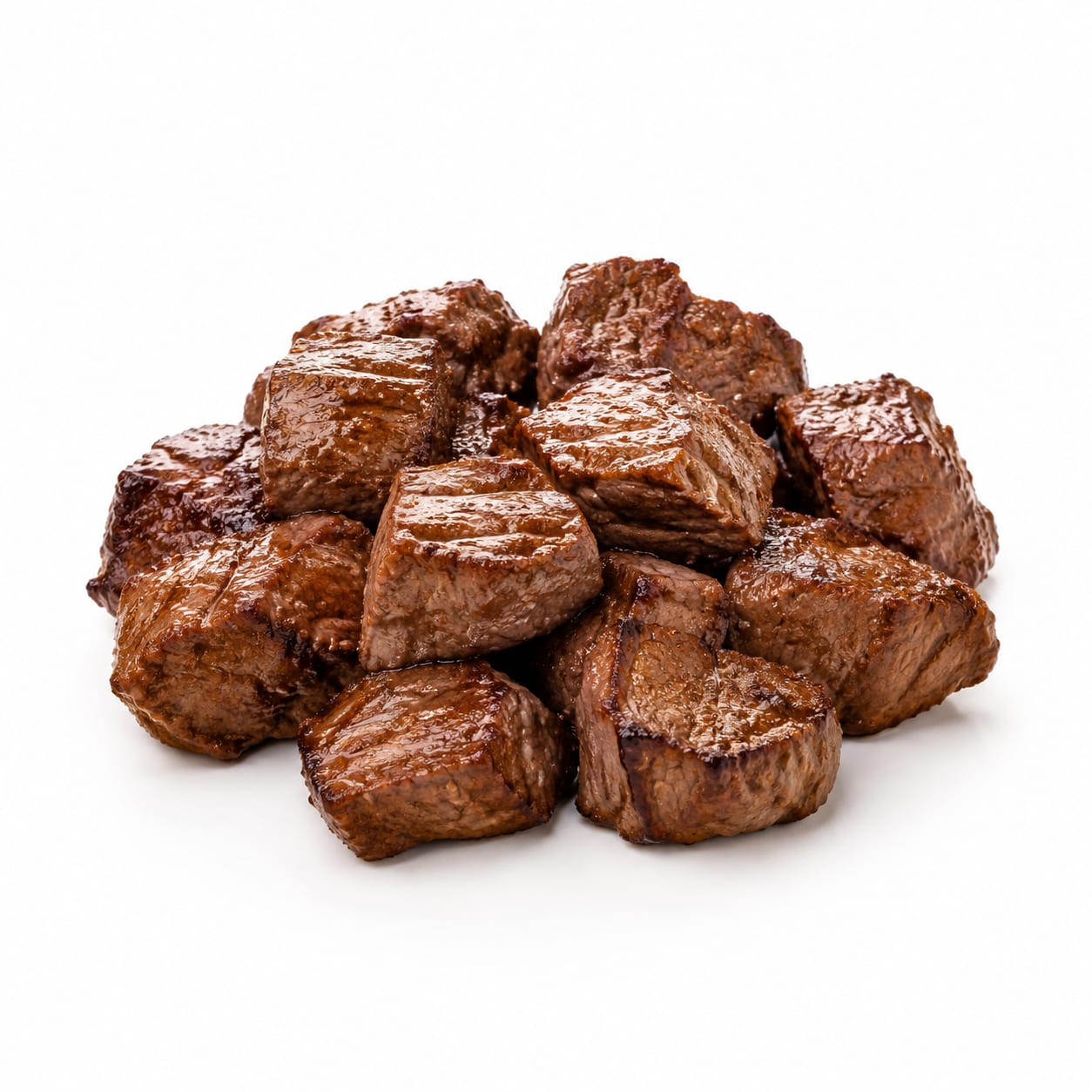
Beef
Boar is the healthier and more sustainable choice, but beef wins on practicality, safety, and familiarity.
Boar scores higher on health and sustainability but loses significant ground on safety, availability, and everyday practicality. Beef's familiarity and reliability make it the easier daily choice, but its saturated fat load and environmental cost are real downsides.
You gain a leaner, wilder, more nutrient-dense protein with boar, but sacrifice convenience, cooking ease, and parasite peace of mind.
At a glance
Executive summary
Overall
It depends
Healthier
Boar
More practical
Beef
Daily use
Beef
Key comparison lenses
lean protein comparison for health-conscious meat eaters
Boar is significantly leaner than beef, making fat content the most consequential difference
wild vs farmed meat safety and contamination concerns
Wild boar carries parasite risks that beef does not, while beef carries antibiotic and hormone exposure concerns
long-term cardiovascular health tradeoffs
Saturated fat difference makes this relevant for heart health decisions over years of consumption
sustainability and environmental impact of meat choices
Wild boar is often an invasive species, making it ecologically beneficial to consume, whereas beef has high environmental costs
practical availability and cooking familiarity
Beef is universally available and familiar; boar is specialty meat requiring sourcing effort and cooking knowledge
Best choice for
Boar
- heart-conscious eaters wanting red meat with less saturated fat
- adventurous cooks seeking wild game nutrition
- sustainability-focused consumers avoiding farmed meat
- people avoiding antibiotic and hormone exposure from conventional meat
- paleo and whole-food diet followers prioritizing wild protein
Beef
- busy households needing reliable, easy-to-find protein
- people uncomfortable with game meat flavor or texture
- anyone concerned about parasite risks from wild game
- athletes needing consistent, predictable protein intake
- families with children who prefer familiar flavors
Least suitable for
Boar
- immunocompromised individuals due to parasite risk
- people without reliable access to specialty butchers or game suppliers
- anyone unwilling to cook meat to well-done for safety
- households with picky eaters sensitive to gamey flavors
Beef
- people actively managing high cholesterol or heart disease
- those avoiding antibiotic or hormone residues in food
- consumers prioritizing low environmental impact diets
- anyone seeking the leanest possible red meat option
Deep comparison
Dimension by dimension
Each lens scores both foods and breaks down who each option suits.
- Dimension 1 · Priority 95Boar
Fat Profile & Heart Health
Boar · 88Beef · 55Boar is dramatically leaner with far less saturated fat, making it genuinely heart-friendlier red meat.
Tradeoff
Boar's leanness means it can dry out during cooking, while beef's fat keeps it juicy and forgiving on the grill.
Why it matters
Saturated fat is the single biggest nutritional difference here. Over years of regular consumption, this compounds into meaningful cardiovascular risk divergence.
Real-world impact
Choosing boar over beef a few times a week could meaningfully lower your saturated fat intake without sacrificing red meat satisfaction.
Boar
- managing cholesterol levels
- reducing heart disease risk while keeping red meat in rotation
- lower-calorie meal prep
Better for
- dry or tough results if overcooked
- less satisfying for people who crave fatty richness
Worse for
Beef
- flavor richness from fat content
- easier cooking with more margin for error
- ketogenic diets where fat intake is desired
Better for
- elevated LDL cholesterol with frequent consumption
- higher calorie density per serving
Worse for
- Dimension 2 · Priority 90Beef
Protein Quality & Satiety
Boar · 80Beef · 86Both deliver excellent complete protein, but beef's higher fat content makes meals more filling and satisfying for longer.
Tradeoff
Boar gives you more protein per calorie, but beef keeps you fuller because fat slows digestion and stabilizes satisfaction.
Why it matters
Satiety determines whether you snack later. A meal that keeps you full for 4 hours beats one that leaves you hunting for food in 2.
Real-world impact
A beef steak dinner typically keeps you satisfied until morning. A lean boar portion may leave you reaching for a snack before bed.
Boar
- protein-per-calorie efficiency for cutting phases
- lean muscle maintenance without excess calories
Better for
- less satiating without added fats or sides
- may require larger portions to feel full
Worse for
Beef
- long-lasting fullness between meals
- post-workout recovery with satisfying fat-protein balance
- preventing late-night snacking urges
Better for
- excess calories if portions are not controlled
Worse for
- Dimension 3 · Priority 82It depends
Micronutrient Density
Boar · 79Beef · 81Both are nutritional powerhouses. Beef edges ahead on B12 and bioavailable iron; boar offers slightly more zinc and beneficial omega-3s from wild foraging.
Tradeoff
Beef is the more reliable iron source, especially for deficiency-prone individuals. Boar's wild diet gives it a micronutrient edge that varies by animal.
Why it matters
If you rely on red meat for iron or B12, beef is the more consistent and studied choice. Boar's nutrient profile is excellent but less predictable.
Real-world impact
For anemia management, beef is the safer bet. For general micronutrient diversity, boar's wild foraging diet offers interesting advantages.
Boar
- zinc intake for immune function
- omega-3 content from natural foraging
- diverse trace minerals from wild diet
Better for
- variable nutrient content depending on animal's diet and habitat
Worse for
Beef
- consistent B12 levels for nerve health
- reliable heme iron for deficiency prevention
- predictable nutrition for therapeutic diets
Better for
- lower omega-3 in grain-finished cuts
Worse for
- Dimension 4 · Priority 92Beef
Food Safety & Contamination Risk
Boar · 55Beef · 78Beef carries bacterial risks but is heavily regulated. Boar carries genuine parasite risk that demands thorough cooking and proper handling.
Tradeoff
Beef's safety system is industrial and imperfect. Boar's wild nature means no antibiotics but real parasite exposure including trichinosis and toxoplasmosis.
Why it matters
Undercooked boar can make you seriously ill. This is not theoretical — trichinosis from wild game is a documented, preventable disease.
Real-world impact
You can eat a medium-rare beef steak with minimal risk. With boar, you must cook to well-done, which changes texture and flavor significantly.
Boar
- no antibiotic residues
- no synthetic hormone exposure
- no feedlot contamination risk
Better for
- trichinosis risk if undercooked
- toxoplasmosis exposure
- no standardized inspection for wild-harvested meat
Worse for
Beef
- USDA inspection on every cut
- lower parasite risk
- safe to eat at medium-rare doneness
Better for
- E. coli risk in ground beef
- possible antibiotic residues in conventional cuts
- hormone exposure in non-organic beef
Worse for
- Dimension 5 · Priority 85Boar
Environmental Sustainability
Boar · 90Beef · 38Wild boar is often an invasive species that damages ecosystems. Eating it actively helps the environment. Beef cattle are among the most resource-intensive foods on Earth.
Tradeoff
Choosing boar is an ecological positive. Choosing beef, even grass-fed, carries a heavy carbon and water footprint.
Why it matters
This is the dimension with the starkest contrast. One food helps restore ecological balance; the other is a leading driver of deforestation and emissions.
Real-world impact
If sustainability matters to your food choices, this alone could decide the comparison. Beef's environmental cost is hard to justify at high consumption frequencies.
Boar
- reducing your carbon footprint
- supporting invasive species management
- avoiding deforestation-linked supply chains
Better for
- limited supply means it cannot scale as a mass protein solution
Worse for
Beef
- supporting local ranching economies
- grass-fed regenerative options exist
Better for
- massive water usage per pound of meat
- methane emissions contributing to climate change
- land use and deforestation links
Worse for
- Dimension 6 · Priority 78Beef
Availability & Practical Convenience
Boar · 30Beef · 95Beef is available everywhere, in every cut, year-round. Boar is a specialty item requiring effort to source and knowledge to cook well.
Tradeoff
Beef fits seamlessly into any lifestyle and meal plan. Boar demands planning, specialty shopping, and adjusted cooking techniques.
Why it matters
The best protein source is one you can actually obtain and prepare consistently. Exotic nutrition only works if you can access it regularly.
Real-world impact
You can grab beef at any grocery store at 10pm. Boar requires a specialty butcher, online order, or hunter connection — often with days of lead time.
Boar
- unique dining experiences
- impressing guests with something unusual
Better for
- hard to find outside specialty shops
- expensive when available
- limited cooking guidance compared to mainstream meats
Worse for
Beef
- weeknight dinner reliability
- consistent pricing and availability
- endless recipe resources and cooking knowledge
Better for
- complacency about quality and sourcing
Worse for
Timeline
Health impact over time
Short-term
Hours to days
Boar
- Heavier, gamier flavor may feel more satisfying or overwhelming depending on preference
- Requires thorough cooking which can produce tougher texture
- Lower fat content means less post-meal sluggishness
Beef
- Higher fat content provides immediate satiety and comfort
- Rich flavor triggers reward pathways and satisfaction
- Can feel heavy or greasy in larger portions, especially fattier cuts
Long-term
Months to years
Boar
- Lower saturated fat intake supports cardiovascular health over years
- Absence of antibiotic and hormone exposure reduces endocrine disruption risk
- Variable nutrient profile depending on animal's wild diet
- Parasite risk eliminated with proper cooking but requires vigilance
Beef
- Regular high saturated fat intake raises LDL cholesterol and heart disease risk
- Consistent B12 and iron intake supports neurological and blood health
- Conventional beef consumption linked to antibiotic resistance concerns
- Higher colorectal cancer risk with frequent red meat consumption, especially processed forms
Risk profile
Safety & processing
Both are whole, unprocessed meats at their core. Boar has a naturalness edge since it is wild and never exposed to agricultural chemicals, feed additives, or hormones. Even minimally processed beef may carry residues from conventional farming unless specifically sourced as organic or grass-fed.
Boar
Trichinosis
highWild boar can carry Trichinella larvae. Freezing or cooking to 160°F (71°C) kills the parasite, but undercooked preparations are genuinely dangerous.
Toxoplasmosis
mediumWild game can harbor Toxoplasma gondii. Immunocompromised individuals and pregnant women should be especially cautious.
Environmental contaminants
lowDepending on habitat, wild boar may accumulate heavy metals or persistent organic pollutants from foraging in contaminated areas.
Beef
E. coli contamination
mediumPrimarily a risk in ground beef. Whole cuts are safer on the surface, but grinding distributes bacteria throughout the meat.
Antibiotic residues
lowConventional beef may contain trace antibiotic residues. Choosing organic or verified grass-fed reduces this concern significantly.
Hormone exposure
lowHormone implants are used in conventional US beef production. EU bans this practice. Impact on human health remains debated but concern exists.
Who wins for whom
Audience fit
Same foods, different winners depending on your goal.
children
BeefBeef's familiar flavor, reliable safety inspection, and well-documented iron and B12 content make it the safer and more practical choice for growing kids.
daily consumption
BeefBeef's availability, cooking ease, and predictable nutrition make it the only realistic daily red meat option. Boar is better as an occasional alternative.
diabetes
BoarBoth have zero carbohydrates, but boar's lower saturated fat content is preferable for managing the cardiovascular risks that accompany diabetes.
elderly
BeefOlder adults are more vulnerable to foodborne illness, making beef's regulated safety and easier digestibility the wiser choice.
muscle gain
BeefBeef's higher calorie and fat content supports the caloric surplus needed for bulking, and its consistent protein quality is well-studied for muscle synthesis.
weight loss
BoarBoar's lower fat and calorie density per serving makes it easier to maintain a caloric deficit while still enjoying red meat.
Your move
Decision guide
Choose Boar
- you want the leanest possible red meat without sacrificing protein
- sustainability and environmental impact are major priorities for you
- you enjoy cooking and are comfortable with game meat techniques
- you have access to a reliable specialty butcher or wild game source
- you are avoiding antibiotics and hormones in your meat supply
Choose Beef
- you need convenient, available protein that works any day of the week
- food safety and parasite avoidance are top concerns, especially for vulnerable family members
- you prefer familiar flavors and straightforward cooking methods
- you are building muscle and want calorie-dense, satisfying meals
- you want predictable nutrition for managing specific health conditions like anemia
Either works if
- you simply want high-quality complete protein from red meat
- you rotate proteins regularly and neither will dominate your diet
- you are comfortable cooking both and value dietary variety
Avoid both if
- you have been advised to eliminate red meat for cardiovascular or cancer risk reasons
- you follow a plant-based diet for health or ethical reasons
- you have gout and need to limit purine-rich meats
Final recommendation
Eat beef as your everyday red meat and treat boar as a health-boosting specialty swap when you can source it safely. Boar is nutritionally superior for heart health and sustainability, but its safety demands and availability make it impractical as a staple. The smartest approach: beef for reliability, boar for occasional lean protein upgrades.
Practical
Consumer tips
- 1
Always cook boar to an internal temperature of 160°F (71°C) to eliminate parasite risk — no exceptions
- 2
Freeze boar at 5°F (-15°C) for at least 3 weeks before cooking as an additional safety measure against trichinosis
- 3
Marinate boar in acidic mixtures like wine or vinegar to tenderize the leaner meat before cooking
- 4
Choose grass-fed beef when possible to improve the fat profile with more omega-3s and conjugated linoleic acid
- 5
If boar is unavailable, venison offers a similar lean game meat profile with comparable benefits
- 6
Limit any red meat to 3-4 servings per week regardless of which you choose — variety with fish and poultry matters more than which red meat you pick