
Nutrition comparison
Boar vs Rabbit: Nutrition, Safety, and Which Game Meat Is Better for You
Compare boar and rabbit nutrition including protein, fat, calories, and safety risks. Learn which game meat fits your diet and why rabbit starvation is a real concern.
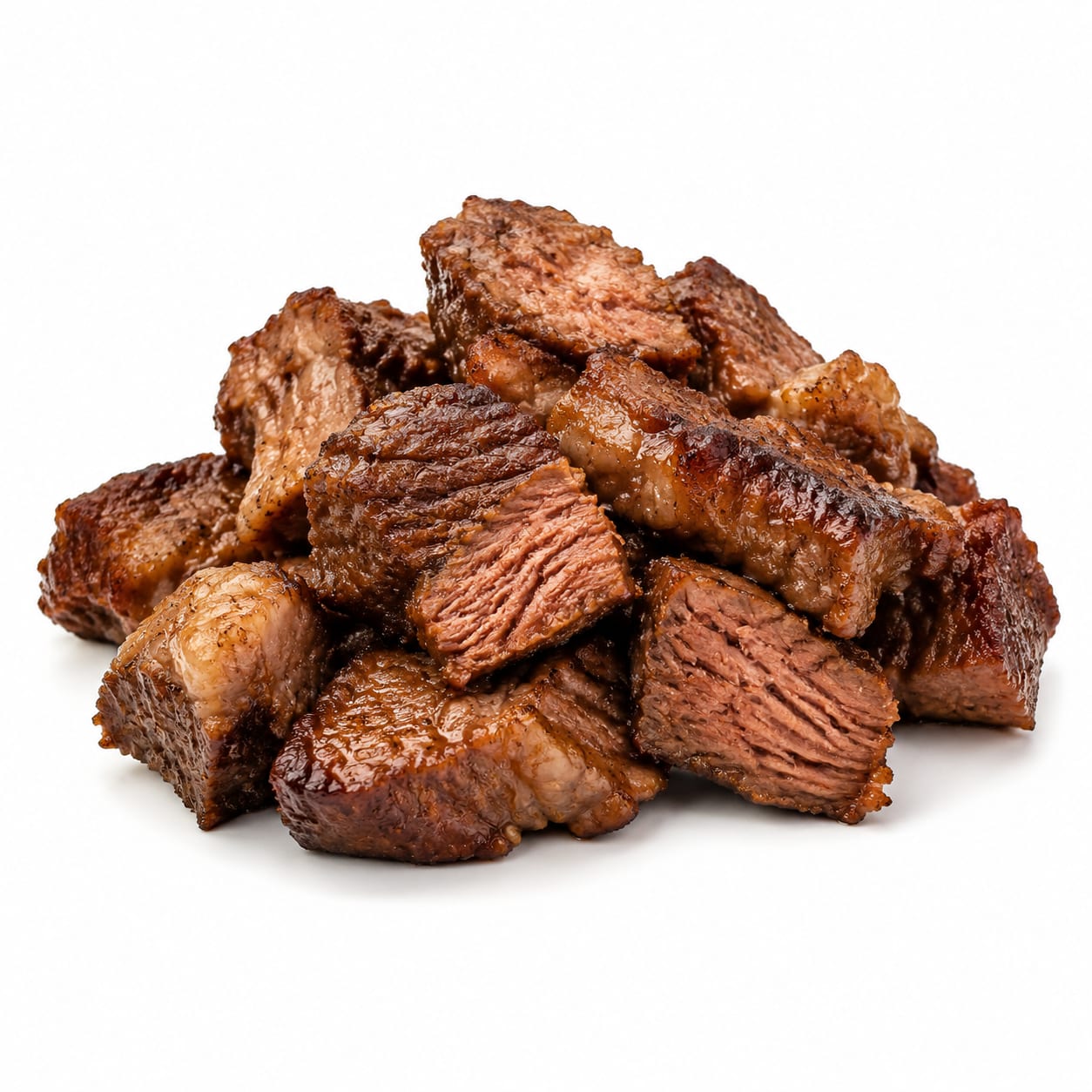
Boar
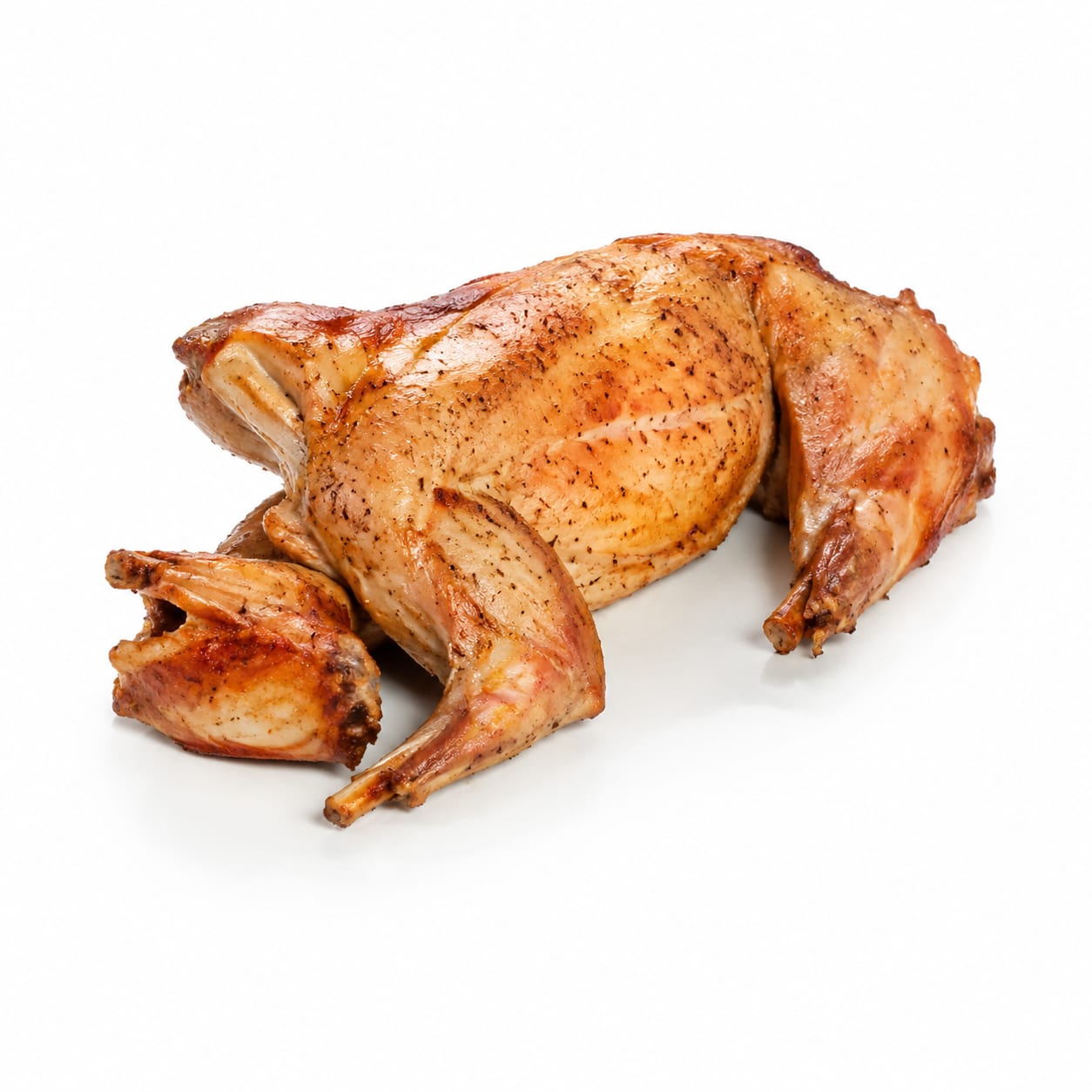
Rabbit
Boar delivers more calories and sustained energy from fat, while rabbit offers ultra-lean protein that requires fat supplementation to be sustainable
Boar scores slightly higher for dietary sustainability and macronutrient balance, but rabbit wins for leanness and heart health. The gap reflects rabbit's dangerous long-term viability without fat supplementation, which is a serious practical limitation.
Rabbit gives you pure protein with almost no fat, but eating it without added fats can lead to dangerous deficiencies; boar provides balanced macros but with heavier calorie load and higher saturated fat
At a glance
Executive summary
Overall
It depends
Healthier
It depends
More practical
Boar
Daily use
Boar
Key comparison lenses
lean vs fatty game meat nutrition
Rabbit is extremely lean while boar carries significantly more fat, creating a fundamental macronutrient tradeoff
wild game safety and parasite risk
Both are wild game meats with distinct contamination and parasite concerns that affect preparation and safety
long term dietary sustainability
Rabbit starvation risk makes exclusive rabbit consumption dangerous, while boar's fat content supports sustained energy
protein quality for athletes and survival
Both are prized for high-quality protein but serve very different physical performance and survival needs
environmental and sourcing considerations
Wild sourcing, hunting regulations, and ecological impact differ significantly between these game animals
Best choice for
Boar
- Sustained energy in cold climates or heavy physical labor
- Balanced macronutrient intake without supplementation
- Ketogenic or low-carb eating approaches
- Survival situations requiring calorie density
Rabbit
- Strict calorie restriction and weight loss phases
- Ultra-lean protein needs for bodybuilding cuts
- Heart-health-focused diets limiting saturated fat
- People who find fatty meats too heavy
Least suitable for
Boar
- Low-calorie or fat-restricted diets
- People managing high cholesterol without medical guidance
- Hot climates where heavy meals feel oppressive
Rabbit
- Exclusive or near-exclusive meat diets without fat sources
- People who struggle to eat enough calories
- Endurance athletes needing sustained caloric fuel
- Children needing calorie-dense nutrition for growth
Deep comparison
Dimension by dimension
Each lens scores both foods and breaks down who each option suits.
- Dimension 1 · Priority 92Rabbit
protein_density_and_quality
Boar · 78Rabbit · 88Rabbit provides more protein per calorie, making it more protein-efficient for muscle maintenance and growth
Tradeoff
Boar's protein comes packaged with fat and calories, while rabbit's protein is almost pure but requires dietary fat from elsewhere
Why it matters
If you're tracking macros or cutting calories while preserving muscle, rabbit lets you hit protein targets with fewer calories
Real-world impact
A rabbit serving delivers similar protein to chicken breast with even less fat, while boar feels more like eating a rich pork chop
Boar
- Meals where protein and fat together provide satisfaction
- Situations where you want fewer total servings to meet needs
Better for
- Precise macro tracking when fat calories complicate budgets
Worse for
Rabbit
- Cutting phases where every calorie must earn its place
- High-protein low-calorie meal plans
Better for
- Meals eaten alone without any fat source added
Worse for
- Dimension 2 · Priority 90Boar
fat_content_and_satiety
Boar · 82Rabbit · 35Boar's fat content keeps you full for hours; rabbit's near-zero fat means hunger returns quickly without side dishes
Tradeoff
Fat carries flavor and fullness but adds calories and saturated fat; leanness saves calories but sacrifices satisfaction and can trigger overeating later
Why it matters
Meals that leave you hungry within two hours often lead to snacking and poor food choices, undermining the original healthy intent
Real-world impact
A boar stew at lunch keeps you satisfied until dinner; a rabbit fillet alone leaves you scavenging for snacks by mid-afternoon
Boar
- Long workdays without meal breaks
- Outdoor activities where sustained energy matters
- Single-meal days like intermittent fasting windows
Better for
- Sedentary days where heavy meals cause sluggishness
Worse for
Rabbit
- Multi-course meals where rabbit is one component
- Light dinners before early sleep
Better for
- Anyone prone to late-night snacking after insufficient meals
Worse for
- Dimension 3 · Priority 88Rabbit
calorie_efficiency_and_weight_management
Boar · 55Rabbit · 85Rabbit is dramatically lower in calories per serving, making portion control almost effortless
Tradeoff
Low calories help with weight loss but can make it hard to maintain weight or energy; boar's calories are useful when you need fuel
Why it matters
For most people eating Western diets, calorie control is the primary nutritional challenge, and rabbit makes it easy
Real-world impact
You can eat a generous rabbit portion and stay well within calorie targets; boar portions require more conscious restraint
Boar
- Underweight individuals needing calorie density
- Athletes in heavy training phases burning 3000+ calories
Better for
- Anyone struggling to limit portion sizes
Worse for
Rabbit
- Steady weight loss without feeling portion-deprived
- Maintenance phases where calorie budgeting matters
Better for
- People who forget to eat and need calorie-dense foods
Worse for
- Dimension 4 · Priority 95Boar
long_term_dietary_sustainability
Boar · 80Rabbit · 40Boar can sustain you indefinitely as a primary protein source; rabbit cannot be eaten exclusively without dangerous consequences
Tradeoff
Rabbit's leanness becomes a liability at scale — protein poisoning is a real historical risk — while boar's fat makes it nutritionally complete
Why it matters
Rabbit starvation is not theoretical; explorers and survivalists have suffered and died from relying on lean game without fat sources
Real-world impact
Eating only rabbit for weeks causes diarrhea, fatigue, and eventually death; boar can actually sustain you long-term in a way rabbit simply cannot alone
Boar
- Homesteaders or hunters relying on game as a staple
- Emergency preparedness food planning
- Any context where meat is the primary calorie source
Better for
- Diets already high in animal fat from other sources
Worse for
Rabbit
- Varied diets where rabbit is one protein among many
- Short-term cutting diets with planned reintroduction of fats
Better for
- Any scenario where rabbit would be the dominant or sole protein
- People who might accidentally eat too lean for too long
Worse for
- Dimension 5 · Priority 75Boar
micronutrient_profile
Boar · 76Rabbit · 70Boar edges ahead with more B vitamins, zinc, and iron from its larger muscle mass and varied diet; rabbit still delivers solid selenium and B12
Tradeoff
Both are nutritionally rich game meats, but boar's broader foraging diet translates to slightly more diverse micronutrients
Why it matters
Trace minerals from game meat are often more bioavailable than from plant sources, making both excellent choices for preventing deficiencies
Real-world impact
Regular boar consumption noticeably supports energy and immune function; rabbit is particularly good for thyroid health via selenium
Boar
- Iron-deficient individuals needing heme iron sources
- Zinc support for immune function and wound healing
Better for
- People with hemochromatosis who must limit iron
Worse for
Rabbit
- Selenium optimization for thyroid and antioxidant support
Better for
- Situations where broader mineral intake is needed from a single food
Worse for
- Dimension 6 · Priority 82Rabbit
cardiovascular_impact
Boar · 50Rabbit · 82Rabbit's near-zero saturated fat makes it heart-friendly by default; boar's higher saturated fat requires more mindful consumption
Tradeoff
Heart health favors leanness, but some saturated fat from game meat is less inflammatory than from factory-farmed pork
Why it matters
For anyone with family history of heart disease, the saturated fat difference between these meats is clinically meaningful over years
Real-world impact
Rabbit fits easily into a cardiologist-approved meal plan; boar requires portion awareness and balancing with other lean proteins
Boar
- Active people whose hearts handle saturated fat without issue
- Diets already very low in other saturated fat sources
Better for
- Anyone with elevated LDL cholesterol
Worse for
Rabbit
- Post-heart-attack dietary recovery
- Family histories of cardiovascular disease
- Cholesterol management without medication
Better for
- Not directly harmful for cardiovascular health
Worse for
- Dimension 7 · Priority 70Boar
culinary_versatility_and_enjoyment
Boar · 75Rabbit · 65Boar's fat carries flavor and enables more cooking methods; rabbit's leanness demands careful preparation to avoid dryness
Tradeoff
Fat makes boar more forgiving to cook and richer to eat, while rabbit requires skill to keep tender and appealing
Why it matters
Food that's harder to cook well gets cooked less often, reducing its practical nutritional value regardless of theoretical benefits
Real-world impact
Boar braises beautifully and handles grilling well; rabbit easily turns tough and dry without moist-heat methods or added fats
Boar
- Home cooks who want forgiving, flavorful results
- Slow cooking and braising enthusiasts
Better for
- Quick weeknight cooking where slow braise isn't practical
Worse for
Rabbit
- Cooks skilled with lean game preparation
- Cuisines that traditionally feature rabbit like French or Italian
Better for
- Inexperienced cooks who will likely produce dry, unappealing results
Worse for
Timeline
Health impact over time
Short-term
Hours to days
Boar
- Heavy satiety that reduces between-meal hunger
- Steady energy release from fat-protein combination
- Possible digestive heaviness if portions are large
- Rich flavor that satisfies cravings quickly
Rabbit
- Light feeling after meals that some find refreshing
- Rapid hunger return without fat-containing sides
- Risk of feeling unsatisfied despite adequate protein
- Easy digestion with minimal heaviness
Long-term
Months to years
Boar
- Potential LDL cholesterol increase with frequent consumption
- Sustained energy balance supporting physical lifestyles
- Risk of calorie surplus if portions aren't managed
- Adequate fat-soluble vitamin absorption supported naturally
Rabbit
- Cardiovascular benefits from consistently low saturated fat intake
- Danger of fat-soluble vitamin deficiency if eaten without fat sources
- Protein poisoning risk if consumed as dominant calorie source
- Excellent weight maintenance support when part of a varied diet
Risk profile
Safety & processing
Both boar and rabbit are typically consumed as whole-muscle wild game with minimal processing. When sourced from reputable hunters or game suppliers, neither carries significant additive concerns. The main consideration is proper field dressing and butchering rather than industrial processing.
Boar
Trichinosis
highWild boar are significant carriers of Trichinella parasites. Thorough cooking to 160°F (71°C) is essential. Freezing may not kill all species found in game.
Heavy metal accumulation
mediumBoar root through soil and can accumulate lead, cadmium, and other environmental contaminants, especially near agricultural or industrial areas.
Bacterial contamination during field dressing
mediumImproper handling during hunting and butchering introduces E. coli and Salmonella risk. Clean, rapid field dressing is critical.
Rabbit
Tularemia
highRabbits can carry Francisella tularensis, causing tularemia. Always wear gloves when handling wild rabbits and cook thoroughly.
Parasitic worms
mediumWild rabbits may carry tapeworm larvae and other parasites. Proper cooking eliminates this risk.
Insufficient fat causing malnutrition
mediumNot a contamination risk per se, but exclusive rabbit consumption causes protein poisoning — a unique safety concern for this food.
Who wins for whom
Audience fit
Same foods, different winners depending on your goal.
children
BoarGrowing children need calorie-dense foods with fat for brain development; rabbit's leanness makes it harder to meet pediatric energy needs
daily consumption
BoarBoar provides a more nutritionally complete profile that can serve as a dietary staple, while rabbit requires deliberate fat supplementation to be safe long-term
diabetes
RabbitBoth meats have zero carbohydrates, but rabbit's lower saturated fat content is preferable for the cardiovascular risks that accompany diabetes
elderly
RabbitOlder adults often need lower-calorie, easier-to-digest proteins; rabbit's tenderness when properly cooked and low fat content suits aging metabolisms
muscle gain
BoarBoar provides protein alongside calories and fat needed to support intense training and recovery, while rabbit's low calories make bulking difficult
weight loss
RabbitRabbit's extremely low calorie and fat content makes creating a calorie deficit almost effortless, provided meals include some fat from other sources
Your move
Decision guide
Choose Boar
- You need a single meat that can sustain you without supplementation
- You're physically active and burn through calories quickly
- You follow a ketogenic or low-carb high-fat approach
- You're cooking for a family that needs satisfying, filling meals
- You want richer flavor and more forgiving cooking
Choose Rabbit
- You're actively cutting weight and need maximum protein per calorie
- You eat a varied diet with plenty of healthy fat sources already
- Heart health is your primary dietary concern
- You prefer lighter meals that don't leave you feeling heavy
- You enjoy delicate flavors and are skilled with lean game preparation
Either works if
- You rotate proteins regularly and neither would dominate your diet
- You value wild game as a natural, sustainable protein source
- You're comfortable cooking unfamiliar meats with proper safety practices
Avoid both if
- You lack access to reliable game meat sourcing and safe butchering
- You're uncomfortable with the parasite risks of wild game
- You don't have a thermometer to verify safe internal temperatures
- You have gout and must limit purine-rich meats
Final recommendation
For most people, boar is the more practical choice as a recurring protein because it's nutritionally self-sufficient and satisfying. Rabbit is excellent as part of a varied diet but dangerous as a staple. If you choose rabbit, always pair it with olive oil, avocado, or nuts to avoid the fat deficiency that makes exclusive rabbit consumption lethal over time.
Practical
Consumer tips
- 1
Always cook wild boar to 160°F (71°C) internal temperature to kill Trichinella parasites — no exceptions
- 2
Wear gloves when handling raw wild rabbit to prevent tularemia exposure
- 3
If rabbit is your main protein, drizzle olive oil over it or serve with avocado to prevent fat deficiency
- 4
Source game meat from hunters who field-dress quickly and keep the carcass cold — this is the biggest safety factor
- 5
Boar shoulder excels in slow braise applications; rabbit benefits from moist cooking methods like stewing or braising in wine
- 6
Freezing boar for 3+ weeks at -5°F can reduce some Trichinella risk, but cooking thoroughly remains essential
- 7
If new to game meats, start with boar — it's more forgiving to cook and closer to familiar pork flavors
- 8
Never eat either meat rare or medium-rare; wild game requires thorough cooking regardless of culinary tradition