
Nutrition comparison
Boar vs Turkey Breast: Which Lean Protein Is Better for You?
Compare Boar and Turkey Breast nutrition, safety, taste, and practicality. Find out which protein wins for weight loss, muscle gain, and everyday meals.
Overall winner · Turkey Breast
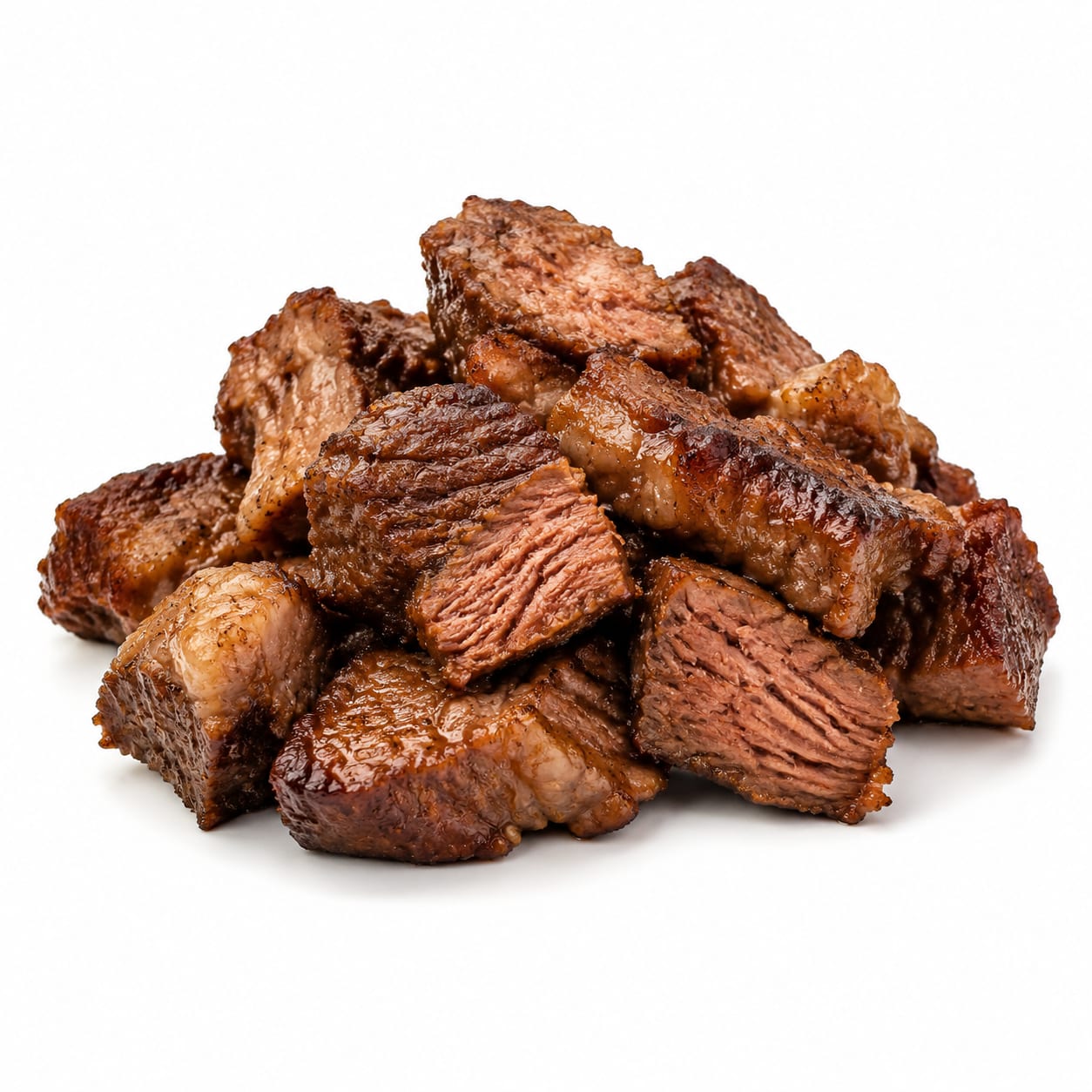
Boar
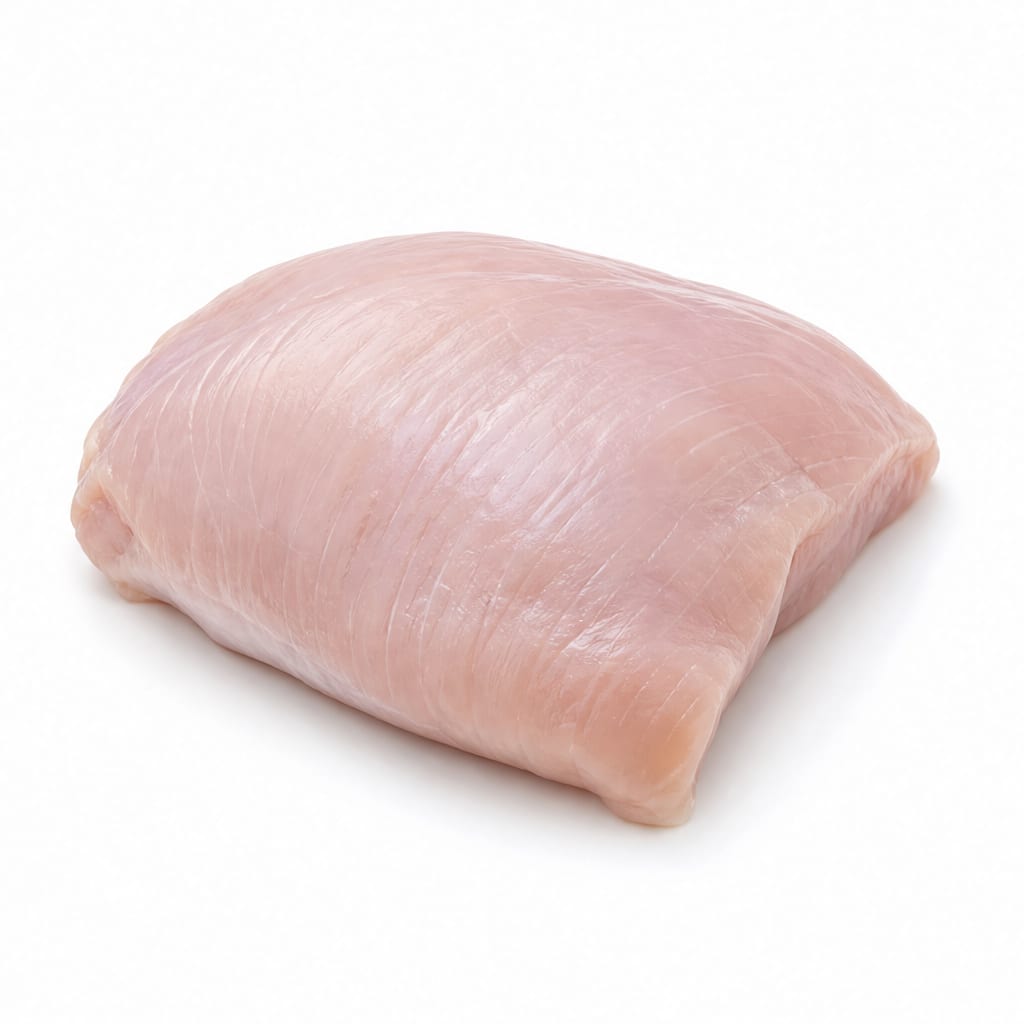
Turkey Breast
Turkey Breast wins for everyday eating — it is leaner, safer, cheaper, and far easier to find. Boar delivers a richer nutrient punch and deeper flavor but comes with higher cost, safety concerns, and limited availability.
Turkey Breast scores significantly higher due to its unmatched convenience, safety, and leanness. Boar earns points for superior micronutrients and flavor but loses ground on availability, safety, and practicality.
Nutrient density and culinary excitement versus convenience, safety, and consistency
At a glance
Executive summary
Overall
Turkey Breast
Healthier
Turkey Breast
More practical
Turkey Breast
Daily use
Turkey Breast
Key comparison lenses
lean protein source selection
Both are primarily valued as high-protein, low-fat meats, so protein quality and leanness dominate the decision
game meat vs conventional poultry tradeoffs
Wild boar offers a radically different eating experience and nutrient profile than standard poultry
food safety and parasite risk awareness
Wild game carries unique contamination risks that supermarket poultry does not
everyday practicality and meal prep feasibility
Availability, cost, and cooking ease determine whether either protein becomes a staple
micronutrient density comparison
Game meat often delivers superior mineral and vitamin content compared to farmed poultry
Best choice for
Boar
- Adventurous eaters seeking deeper flavor and richer micronutrients
- Hunters or those with access to ethically sourced wild game
- People wanting to diversify protein sources beyond standard poultry
- Those following nose-to-tail or locavore eating philosophies
- Anyone needing extra iron and zinc from food sources
Turkey Breast
- Weekly meal preppers who need reliable, affordable lean protein
- Weight loss seekers wanting maximum protein with minimal calories
- Anyone prioritizing food safety and consistent cooking results
- Families wanting a mild protein that pairs with any cuisine
- Budget-conscious shoppers feeding multiple people
Least suitable for
Boar
- Anyone immunocompromised due to parasite and contamination risks
- Busy households needing quick, foolproof weeknight meals
- People unfamiliar with cooking game meat properly
- Budget-limited shoppers
Turkey Breast
- Flavor seekers who find standard poultry boring
- Those wanting to maximize iron and zinc intake from meat
- People seeking more sustainable wild-caught protein options
- Anyone avoiding conventionally farmed poultry
Deep comparison
Dimension by dimension
Each lens scores both foods and breaks down who each option suits.
- Dimension 1 · Priority 95It depends
Protein Quality & Content
Boar · 82Turkey Breast · 88Both deliver excellent complete protein. Turkey Breast edges ahead with slightly more protein per calorie since it is leaner. Boar provides robust protein alongside more accompanying fat.
Tradeoff
Boar offers protein with more flavor-carrying fat, while Turkey Breast gives you more protein per bite with almost no fat
Why it matters
If you are tracking macros tightly, Turkey Breast makes hitting protein targets easier without overshooting calories
Real-world impact
A 4oz serving of Turkey Breast delivers roughly 35g protein at 160 calories. Boar hits around 30g protein at 200 calories due to higher fat content.
Boar
- Meals where flavor and satisfaction matter more than macro precision
- Those who find ultra-lean meats unsatisfying and end up overeating later
Better for
- Strict macro counting becomes harder with variable fat content
Worse for
Turkey Breast
- Cutting phases where every calorie must earn its protein
- Post-workout meals needing fast, lean protein
Better for
- Can feel dry and unsatisfying without added fats or sauces
Worse for
- Dimension 2 · Priority 90Turkey Breast
Fat Content & Calorie Density
Boar · 60Turkey Breast · 95Turkey Breast is one of the leanest meats available. Boar is leaner than domestic pork but still carries noticeably more fat than Turkey Breast.
Tradeoff
Boar's fat adds flavor and satiety but costs more calories. Turkey Breast keeps calories minimal but needs seasoning or added fat to taste good.
Why it matters
For weight management, the calorie difference per serving adds up significantly over a week
Real-world impact
Eating Boar instead of Turkey Breast daily could add 40-80 extra calories per meal, which compounds to nearly a pound of weight difference over a month if unaccounted for.
Boar
- Keto or low-carb eaters who welcome natural animal fat
- Those who feel hungrier after ultra-lean protein meals
Better for
- Fat content varies by cut and animal, making calorie estimates less reliable
Worse for
Turkey Breast
- Calorie-restricted diets where volume eating matters
- Anyone tracking intake precisely
Better for
- Extremely low fat means less natural flavor and mouthfeel
Worse for
- Dimension 3 · Priority 82Boar
Micronutrient Density
Boar · 90Turkey Breast · 68Boar significantly outperforms Turkey Breast in iron, zinc, selenium, and B vitamins, especially B12. Wild game naturally accumulates more minerals than conventionally farmed poultry.
Tradeoff
You get more vitamins and minerals from Boar but with more calories and cost. Turkey Breast provides adequate but unremarkable micronutrition.
Why it matters
If you rely on meat as a primary iron and zinc source, Boar delivers meaningfully more per serving
Real-world impact
A serving of Boar can provide 20-30% more iron than Turkey Breast, which matters for anyone prone to deficiency, especially women.
Boar
- People with or at risk for iron deficiency
- Those eating limited red meat who want maximum mineral intake per serving
Better for
- Higher iron may concern people with hemochromatosis or iron overload conditions
Worse for
Turkey Breast
- Anyone already meeting micronutrient needs through supplements or varied diet
Better for
- Relatively modest iron and zinc contribution compared to red or game meats
Worse for
- Dimension 4 · Priority 88Turkey Breast
Food Safety & Contamination Risk
Boar · 45Turkey Breast · 82Wild Boar carries real risks of Trichinella parasites, Toxoplasma, and bacterial contamination that require thorough cooking. Turkey Breast from regulated sources has more consistent safety oversight.
Tradeoff
Boar demands careful handling and thorough cooking to be safe. Turkey Breast is more forgiving and predictable.
Why it matters
Undercooked game meat can cause serious illness. This is not theoretical — Trichinella outbreaks still occur from wild boar.
Real-world impact
Boar must be cooked to at least 160°F internally, which can dry out the meat. Turkey Breast is safe at 165°F but is already expected to be fully cooked.
Boar
- Experienced game cooks who follow strict food safety protocols
Better for
- Parasite risk is real and cannot be eliminated by freezing alone in all cases
- Variable sourcing makes safety harder to guarantee
Worse for
Turkey Breast
- Home cooks wanting peace of mind
- Anyone cooking for children, elderly, or immunocompromised people
Better for
- Conventional poultry farming carries antibiotic resistance concerns
- Salmonella risk still exists despite regulation
Worse for
- Dimension 5 · Priority 85Turkey Breast
Practicality & Availability
Boar · 30Turkey Breast · 95Turkey Breast is available at every grocery store, affordable, and easy to cook. Boar is a specialty item requiring specialty butchers, online orders, or personal hunting connections.
Tradeoff
Boar is an occasional luxury protein. Turkey Breast is a daily staple you can grab anywhere.
Why it matters
The best protein source is the one you can actually buy and cook consistently
Real-world impact
Turkey Breast costs roughly $3-6 per pound. Boar typically runs $12-25 per pound or more, when you can find it at all.
Boar
- Special occasion meals where uniqueness justifies the effort and cost
- Rural areas with active hunting communities
Better for
- Most people cannot source it regularly
- Inconsistent availability makes it impossible to plan meals around
Worse for
Turkey Breast
- Weekly grocery runs at any store
- Meal prep requiring bulk purchases
Better for
- Boredom factor — eating the same protein daily gets old
Worse for
- Dimension 6 · Priority 78It depends
Satiety & Eating Satisfaction
Boar · 85Turkey Breast · 65Boar's richer flavor and higher fat content make it more satisfying per bite. Turkey Breast fills you up with protein volume but can feel bland without effort.
Tradeoff
Boar satisfies with less food. Turkey Breast satisfies through volume but requires more culinary effort to enjoy.
Why it matters
Meals that actually satisfy you prevent snacking and overeating later
Real-world impact
A Boar dinner tends to feel like a complete meal. Turkey Breast often needs olive oil, avocado, or flavorful sides to feel equally satisfying.
Boar
- People who feel hungry after lean protein meals
- Dinners where satisfaction and enjoyment are priorities
Better for
- Richness can feel heavy in hot weather or before physical activity
Worse for
Turkey Breast
- Those who prefer eating larger volumes of food for fewer calories
- Anyone who enjoys building meals with sauces and sides
Better for
- Plain Turkey Breast is notorious for being dry and unexciting
Worse for
- Dimension 7 · Priority 70Boar
Sustainability & Environmental Impact
Boar · 80Turkey Breast · 55Wild Boar is an invasive species in many regions, so hunting it actively helps ecosystems. Turkey farming requires feed, water, and land resources typical of conventional poultry.
Tradeoff
Eating Boar can be ecologically beneficial. Turkey Breast has the standard industrial agriculture footprint.
Why it matters
For environmentally conscious eaters, wild game has a compelling sustainability story
Real-world impact
In areas where wild boar damage crops and ecosystems, eating them directly reduces environmental harm. Turkey production generates typical poultry industry emissions.
Boar
- Eaters who prioritize ecological impact in food choices
- Those with access to locally hunted boar
Better for
- Imported or farmed boar loses the sustainability advantage entirely
Worse for
Turkey Breast
- Anyone without access to verified wild-caught boar
- People concerned about industrial poultry but unable to source game
Better for
- Conventional turkey farming contributes to water pollution and antibiotic resistance
Worse for
Timeline
Health impact over time
Short-term
Hours to days
Boar
- Higher fat content provides longer-lasting fullness after meals
- Richer flavor makes portion control easier — you naturally eat less
- Risk of digestive discomfort if undercooked or poorly handled
Turkey Breast
- Very light feeling after eating — ideal before workouts or during active days
- Can leave you hungry again within 2-3 hours without added fats or fiber
- Easy to digest and gentle on the stomach
Long-term
Months to years
Boar
- Superior iron and zinc intake supports energy and immune function over time
- Variable fat quality depending on the animal's diet and environment
- Potential cumulative exposure to environmental contaminants in wild game
Turkey Breast
- Consistent lean protein intake supports healthy body composition long-term
- Lower saturated fat intake benefits cardiovascular health markers
- Possible micronutrient gaps if Turkey Breast replaces all red meat without dietary compensation
Risk profile
Safety & processing
Both are whole food proteins. Wild Boar is essentially unprocessed — it comes straight from the field. Turkey Breast is naturally low in additives but conventional options may contain sodium solutions or preservatives, so check labels.
Boar
Trichinella parasites
highWild boar are known carriers. Thorough cooking to 160°F is mandatory. Freezing may not kill all species of Trichinella.
Toxoplasma gondii
mediumWild game can carry this parasite. Immunocompromised individuals should be especially cautious.
Environmental contaminants
mediumWild boar forage freely and may accumulate heavy metals or pesticides depending on habitat.
Inconsistent handling standards
mediumWild game processing lacks the standardized oversight of USDA-inspected poultry facilities.
Turkey Breast
Salmonella
mediumStandard poultry risk. Proper cooking and handling eliminates this concern.
Antibiotic residues
lowConventional turkey farming may use antibiotics. Choose organic or antibiotic-free labels to minimize exposure.
Added sodium solutions
lowMany commercial Turkey Breast products are injected with saline. Check packaging for sodium content.
Who wins for whom
Audience fit
Same foods, different winners depending on your goal.
children
Turkey BreastMilder flavor, guaranteed safety standards, and easier chewing make Turkey Breast more appropriate for kids
daily consumption
Turkey BreastAffordability, availability, and safety make Turkey Breast realistic as a daily protein staple
diabetes
Turkey BreastVirtually zero carbohydrates and lower fat content makes blood sugar management straightforward
elderly
Turkey BreastEasier to chew when cooked properly, lower food safety risk, and consistent nutritional profile suit older adults
muscle gain
Turkey BreastHigher protein per calorie and easier to eat in large quantities supports muscle building diets
weight loss
Turkey BreastTurkey Breast provides maximum protein with minimum calories, making it the gold standard for fat loss phases
Your move
Decision guide
Choose Boar
- You have access to reputable wild boar and know how to cook it safely
- You want to maximize iron, zinc, and B vitamin intake from meat
- You are bored with standard poultry and want a deeply flavorful alternative
- Sustainability and eating invasive species matters to you
- You are cooking a special meal where uniqueness adds value
Choose Turkey Breast
- You need reliable, affordable lean protein every week
- You are meal prepping for weight loss or muscle gain
- You are cooking for children, elderly, or immunocompromised people
- You want foolproof food safety with minimal handling concerns
- You value convenience and consistency over culinary adventure
Either works if
- You want high-quality complete protein with zero carbohydrates
- You are building a varied protein rotation and both fit your budget
- You tolerate both flavors well and enjoy switching between them
Avoid both if
- You follow a plant-based diet
- You have gout and need to limit purine-rich meats
- You require very low sodium and both options have been processed with salt solutions
Final recommendation
Make Turkey Breast your everyday protein and treat Boar as an occasional upgrade. Turkey Breast gives you the consistency, safety, and leanness that supports long-term health goals. Boar is worth enjoying when you can source it safely — its richer nutrient profile and deeper flavor make it a satisfying special-occasion choice. The best approach is rotating both: Turkey Breast for daily reliability, Boar for nutritional variety and enjoyment.
Practical
Consumer tips
- 1
If buying Turkey Breast, choose unenhanced versions without sodium solutions — check that sodium stays under 100mg per serving
- 2
Wild Boar must reach 160°F internal temperature. Use a meat thermometer every time — guessing is not worth the risk
- 3
Boar benefits from slow cooking methods like braising, which tenderizes the meat while ensuring safe temperatures
- 4
If Turkey Breast feels too dry, try brining it for 2-4 hours before cooking — this adds moisture without significant sodium
- 5
Freeze wild boar for at least 3 weeks at -5°F or below as an additional safety measure against parasites, though cooking to 160°F remains essential
- 6
For the best of both worlds, use Turkey Breast for weekday meals and save Boar for weekend dinners where you can cook it properly and enjoy the experience