
Nutrition comparison
Boar vs Elk: Which Game Meat Is Healthier?
Compare boar and elk nutrition, taste, safety, and health impact. Discover which wild game meat is better for weight loss, heart health, muscle gain, and everyday meals.
Overall winner · Elk
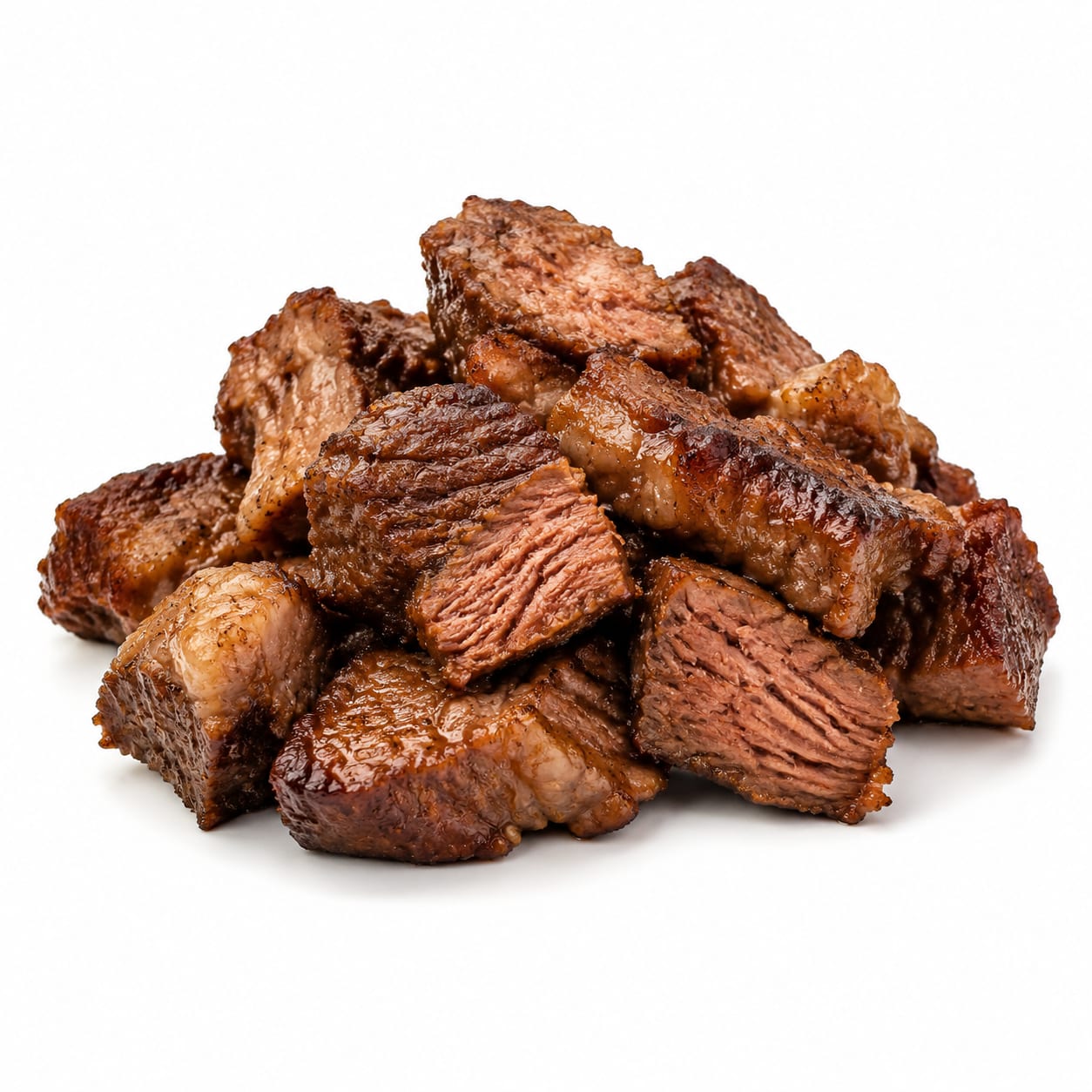
Boar
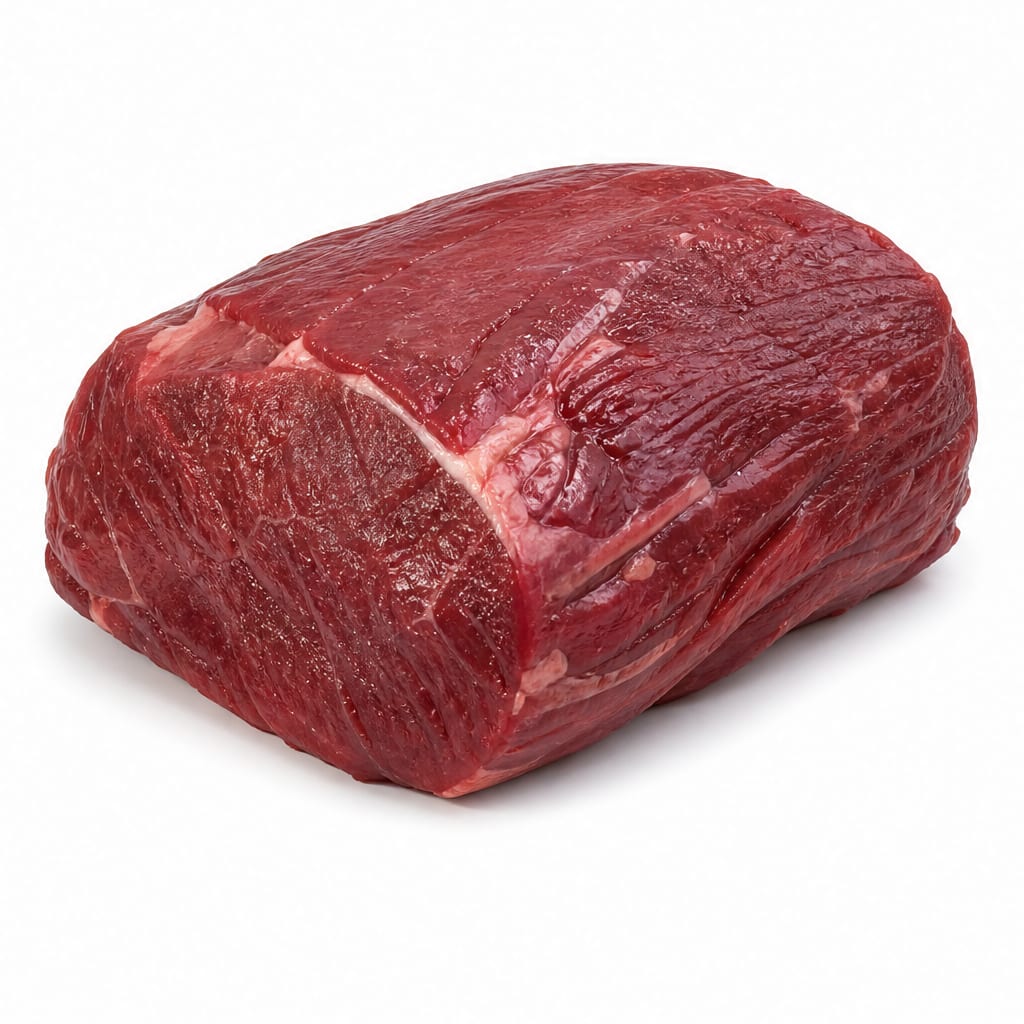
Elk
Elk edges out boar as the leaner, more heart-friendly game meat with a milder flavor that fits more meals, though boar offers richer taste and slightly more satisfying fat.
Elk scores higher due to superior leanness, lower cholesterol, milder culinary flexibility, and slightly better safety profile. Boar remains compelling for flavor and satiety but carries more health tradeoffs.
Elk gives you cleaner lean protein and lower cholesterol; boar rewards you with deeper flavor and marginally better satiety from its slightly higher fat content.
At a glance
Executive summary
Overall
Elk
Healthier
Elk
More practical
Elk
Daily use
Elk
Key comparison lenses
lean protein comparison for game meat
Both are wild game meats prized for leanness, so protein quality and fat content are the primary decision drivers
heart health and cholesterol management
Wild game is often chosen as a heart-healthier red meat alternative, making lipid profiles critical
food safety and parasite risk
Wild game carries unique contamination risks that domestic meats do not, especially trichinosis
culinary versatility and flavor preference
Boar and elk have very different flavor profiles affecting how people actually cook and enjoy them
weight management and calorie efficiency
Both appeal to lean-eating goals, but small differences in fat and calories add up over time
Best choice for
Boar
- People who want bold, distinctive game flavor
- Those prioritizing meal satisfaction and fullness
- Hunters and slow-cooking enthusiasts
- Anyone seeking iron-rich red meat with more fat for cooking versatility
Elk
- People managing cholesterol or heart conditions
- Athletes wanting maximum protein with minimal fat
- Those new to game meat who prefer milder taste
- Anyone meal-prepping lean protein for the week
Least suitable for
Boar
- People with high cholesterol concerns
- Those sensitive to strong gamey flavors
- Anyone unwilling to cook thoroughly due to parasite risk
- Beginners uncomfortable preparing wild game
Elk
- Those wanting richer, fattier flavor without added oils
- Budget-conscious shoppers (elk is often pricier)
- People who find very lean meats too dry
Deep comparison
Dimension by dimension
Each lens scores both foods and breaks down who each option suits.
- Dimension 1 · Priority 95Elk
Protein Density and Quality
Boar · 82Elk · 88Elk delivers slightly more protein per calorie with a cleaner amino acid profile, making it the more efficient muscle-building choice.
Tradeoff
Boar still provides excellent protein but comes with marginally more fat calories per gram of protein consumed.
Why it matters
When you are eating game meat specifically for protein, every gram of fat attached to that protein changes your macro math for the day.
Real-world impact
A 6oz elk steak gives you roughly 2 more grams of protein and 3 fewer grams of fat than the same portion of boar — small per meal, meaningful over a week.
Boar
- Meals where some fat enhances flavor without needing added oil
Better for
- Strict macro counting where fat needs to stay very low
Worse for
Elk
- Post-workout meals where pure protein matters most
- Cutting phases where every fat gram counts
- Daily lean protein rotations
Better for
- Recipes relying on rendered fat for cooking moisture
Worse for
- Dimension 2 · Priority 90Elk
Fat Content and Heart Health
Boar · 65Elk · 85Elk is one of the leanest red meats available with roughly half the fat of boar and meaningfully lower cholesterol.
Tradeoff
Boar's extra fat makes it more forgiving to cook and more filling, but it comes with higher saturated fat and cholesterol that matter for heart health.
Why it matters
Even small differences in saturated fat and cholesterol compound over years of regular consumption, especially for anyone with cardiovascular risk factors.
Real-world impact
Choosing elk over boar a few times per week could save you 10-15g of saturated fat monthly — not dramatic, but directionally important for heart health.
Boar
- Active individuals burning high calories who benefit from natural fat
- Cold-weather meals where richer food feels appropriate
Better for
- Cardiovascular risk management
- Low-fat diet protocols
Worse for
Elk
- Anyone with elevated LDL cholesterol
- Heart-conscious eaters wanting red meat without the guilt
- Lean bulk diets where fat is tracked carefully
Better for
- Very active people needing calorie density without adding oils
Worse for
- Dimension 3 · Priority 80It depends
Micronutrient Density
Boar · 80Elk · 82Both are exceptional sources of iron, zinc, and B12. Elk has a slight edge in B12 and selenium, while boar offers marginally more thiamin.
Tradeoff
The micronutrient gap is narrow enough that flavor and health goals should drive your choice, not vitamin differences.
Why it matters
Game meats are nutritional powerhouses compared to conventional livestock, so either choice dramatically outperforms standard beef or pork here.
Real-world impact
A single serving of either meat covers most of your B12 needs for the day and provides highly bioavailable iron that plant sources cannot match.
Boar
- Those specifically wanting more thiamin for energy metabolism
Better for
- Selenium optimization
Worse for
Elk
- Anyone prioritizing B12 and selenium intake
- Older adults needing maximum B12 absorption
Better for
- Thiamin-focused nutrition plans
Worse for
- Dimension 4 · Priority 75Elk
Flavor and Culinary Versatility
Boar · 68Elk · 78Elk's milder, sweeter flavor works in more recipes and appeals to more palates. Boar's intense gaminess is either loved or avoided.
Tradeoff
Boar delivers a bold, memorable eating experience that elk cannot replicate, but elk integrates seamlessly into meals where boar would overpower.
Why it matters
The best nutritious food is the one you actually enjoy cooking and eating consistently. Flavor determines long-term adherence more than nutrition labels.
Real-world impact
Elk works in tacos, stir-fries, chili, and burgers without dominating the dish. Boar demands recipes built around its personality — stews, ragùs, braised preparations.
Boar
- Adventurous eaters craving authentic wild flavor
- Hearty stews and slow-cooked dishes where intensity shines
- Special occasion meals meant to impress
Better for
- Delicate recipes where gaminess clashes
- Picky eaters or game meat newcomers
Worse for
Elk
- Weeknight cooking where versatility matters
- Feeding families with mixed flavor preferences
- Meal prep that needs to work across multiple recipes
Better for
- Occasions demanding bold, distinctive flavor
Worse for
- Dimension 5 · Priority 70Boar
Satiety and Fullness
Boar · 80Elk · 72Boar's slightly higher fat content provides more satiety per serving, keeping you fuller for longer after eating.
Tradeoff
That fullness comes with more calories and saturated fat, so it is a tradeoff between satisfaction and leanness.
Why it matters
If a meal leaves you hungry an hour later, you snack more. Satiety directly affects total daily intake even when people do not realize it.
Real-world impact
A boar dinner might keep you satisfied until morning, while elk may leave you reaching for a snack unless you add healthy fats like avocado or olive oil.
Boar
- Long gaps between meals where staying full matters
- People who struggle with late-night snacking
Better for
- Portion control challenges if fat calories creep up
Worse for
Elk
- Smaller, more frequent meal patterns
- Those who prefer adding their own fat sources like nuts or avocado
Better for
- Unplanned snacking when meals feel too light
Worse for
- Dimension 6 · Priority 80Elk
Food Safety and Parasite Risk
Boar · 62Elk · 72Both carry trichinosis risk as wild game, but boar has a higher documented infection rate. Elk also carries lower risk of other parasitic contamination.
Tradeoff
All wild game requires thorough cooking, but boar demands more vigilance and stricter temperature discipline.
Why it matters
Trichinosis is rare but serious. Undercooked boar is one of the most common vectors. This is not theoretical — it affects real people who skip the meat thermometer.
Real-world impact
Cooking both to 160°F eliminates the risk. But if you prefer medium-rare preparations, elk is the safer candidate for slightly pinker cooking.
Boar
- Situations where thorough cooking is guaranteed anyway, like slow braises
Better for
- Grilling or quick-sear preparations where internal temperature is harder to control
- Anyone who dislikes well-done game meat
Worse for
Elk
- Any preparation where you want flexibility on doneness
- Families with children who may be more vulnerable to foodborne illness
Better for
- Situations where false confidence leads to skipping the thermometer entirely
Worse for
Timeline
Health impact over time
Short-term
Hours to days
Boar
- High protein content provides sustained energy without sugar crashes
- Rich iron delivery can boost alertness in iron-deficient individuals
- Heavier fat content may cause sluggishness if eaten in large portions
- Risk of digestive discomfort if undercooked due to parasitic contamination
Elk
- Clean lean protein digests efficiently without heaviness
- Excellent B12 delivery supports immediate energy and focus
- Very low fat means you may feel hungry sooner unless paired with other foods
- Minimal digestive burden compared to fattier meats
Long-term
Months to years
Boar
- Consistent iron and zinc intake supports immune resilience over time
- Higher saturated fat and cholesterol intake could impact cardiovascular markers if eaten frequently
- Rich micronutrient profile supports sustained energy metabolism
- Long-term safety depends heavily on consistent thorough cooking practices
Elk
- Regular consumption supports lean body composition with minimal fat caloric overhead
- Outstanding B12 and selenium intake benefits neurological and thyroid health long-term
- Very low saturated fat makes it one of the most heart-friendly red meat options available
- Sustained protein quality supports muscle preservation into older age
Risk profile
Safety & processing
Both boar and elk are among the most natural protein sources available. Wild game is free from antibiotics, growth hormones, and feedlot practices common in conventional meat. The main concern is environmental contaminants in the animal's habitat, not processing additives.
Boar
Trichinosis
highWild boar is a leading carrier of Trichinella spiralis. All boar meat must reach 160°F internally. Freezing at -5°F for 3 weeks can also kill larvae but is not always reliable.
Brucellosis
mediumBoar can carry Brucella bacteria. Risk is primarily during butchering but can affect undercooked meat. Causes flu-like symptoms that may become chronic.
Environmental contaminants
lowWild boar forage widely and can accumulate heavy metals or agricultural chemicals from their environment, though this varies greatly by region.
Elk
Trichinosis
mediumElk can carry Trichinella but at lower rates than boar. Same cooking temperature recommendation applies, but the statistical risk is meaningfully lower.
Chronic Wasting Disease
lowCWD affects cervids including elk. No confirmed human transmissions exist, but health agencies recommend avoiding meat from CWD-positive animals as a precaution.
Environmental contaminants
lowElk graze in cleaner environments than boar typically, reducing exposure to agricultural chemicals and urban runoff.
Who wins for whom
Audience fit
Same foods, different winners depending on your goal.
children
ElkMilder flavor is more kid-friendly, and the lower parasite risk provides extra safety margin for developing immune systems.
daily consumption
ElkElk's lower saturated fat, milder flavor versatility, and cleaner nutritional profile make it more sustainable as a regular protein staple without health tradeoffs accumulating.
diabetes
ElkBoth have zero carbohydrates and minimal impact on blood sugar, but elk's lower saturated fat content is preferable for managing the cardiovascular risks associated with diabetes.
elderly
ElkElk's exceptional B12 content, superior leanness, and tender texture when prepared properly make it ideal for older adults managing heart health and muscle preservation.
muscle gain
ElkHigher protein density per calorie and excellent amino acid profile make elk slightly more efficient for building lean mass, especially during lean bulk phases.
weight loss
ElkElk provides maximum protein with minimum fat calories, making it easier to maintain a caloric deficit while preserving muscle and staying satisfied.
Your move
Decision guide
Choose Boar
- You crave bold, wild flavor and find lean meats bland
- You are highly active and benefit from naturally occurring fat in your protein
- You slow-cook or braise and want meat that holds up to rich preparations
- You hunt boar or have affordable access to quality cuts
Choose Elk
- Heart health or cholesterol management is a priority
- You want the leanest red meat possible for weight or muscle goals
- You prefer mild flavor that works across many recipes
- You are new to game meat and want an approachable starting point
- You meal-prep and need versatile protein for different dishes
Either works if
- You simply want a nutrient-dense alternative to conventional beef or pork
- You value antibiotic-free, hormone-free, naturally raised protein
- You enjoy cooking and are comfortable with wild game preparation
- Iron and B12 intake are your primary nutritional concerns
Avoid both if
- You are unwilling to use a meat thermometer for safe cooking
- You have gout flares triggered by purine-rich meats
- You cannot source reliably inspected wild game and have safety concerns
- You strongly prefer well-marbled, fatty cuts of meat and find lean game unappealing
Final recommendation
Elk is the better everyday choice for most people — leaner, safer, more versatile, and gentler on your heart. But boar earns its place when flavor is the priority and you are willing to manage the extra fat and cooking vigilance it demands. If health goals lead, pick elk. If culinary experience leads, boar delivers something elk cannot.
Practical
Consumer tips
- 1
Always cook wild game to 160°F internal temperature — invest in a good instant-read thermometer
- 2
Marinate both meats in acidic mixtures (citrus, vinegar, wine) to tenderize and reduce gaminess
- 3
Pair elk with healthy fats like olive oil or avocado to compensate for its leanness and improve satiety
- 4
Source from reputable processors who test for parasites and follow USDA inspection protocols
- 5
Freeze boar for at least 3 weeks at -5°F or below as an additional safety measure against trichinosis
- 6
Slow-cook boar cuts to break down tough connective tissue and maximize tenderness
- 7
Do not overcook elk — its leanness means it dries out quickly past medium doneness
- 8
Ground versions of both meats are more versatile for weekly meal prep but verify they are 100% single-species with no fillers