
Nutrition comparison
Boar vs Chicken Breast: Nutrition, Taste, and Health Comparison
Compare boar and chicken breast side by side. Discover which is better for protein, iron, weight loss, and daily eating. Practical nutrition tradeoffs explained.
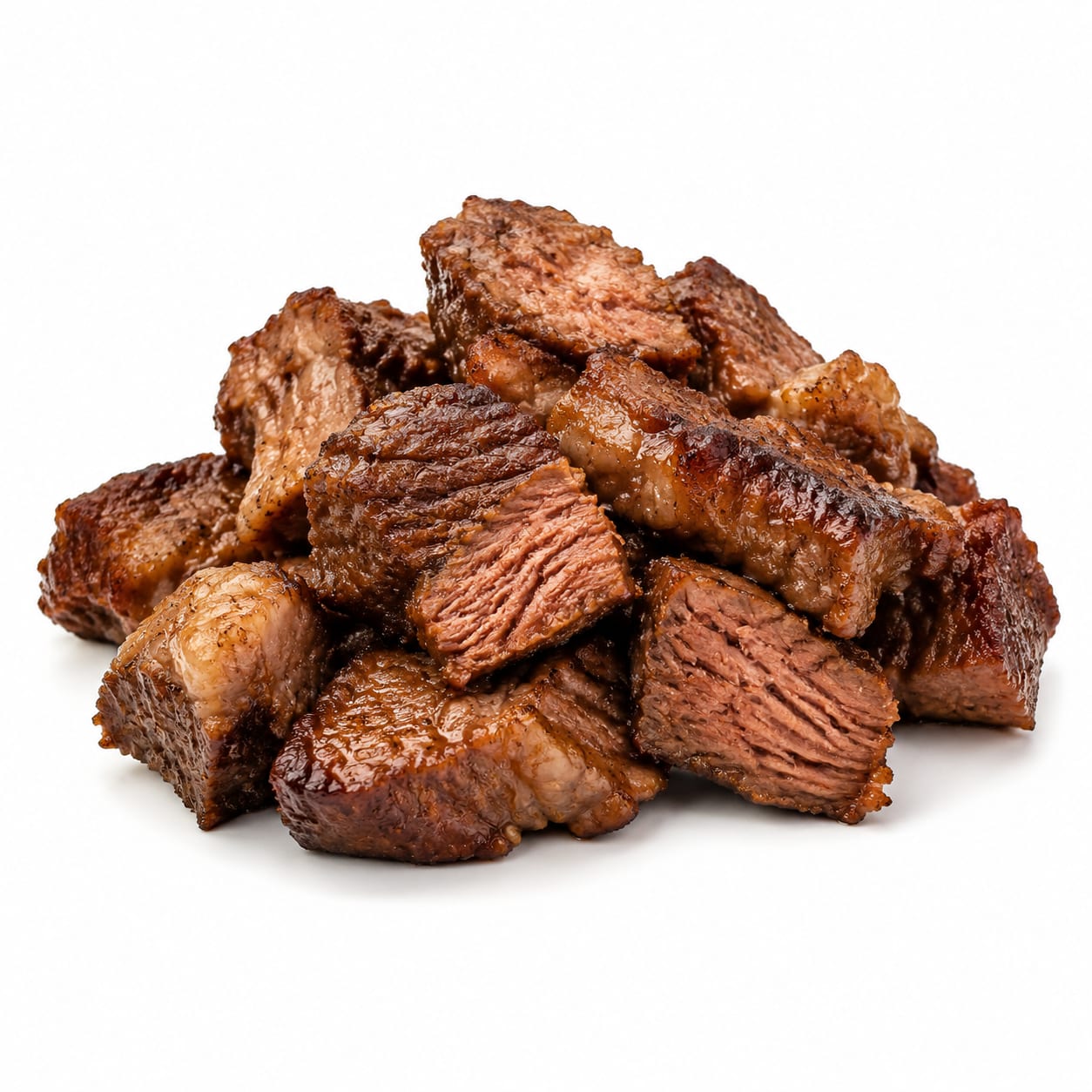
Boar
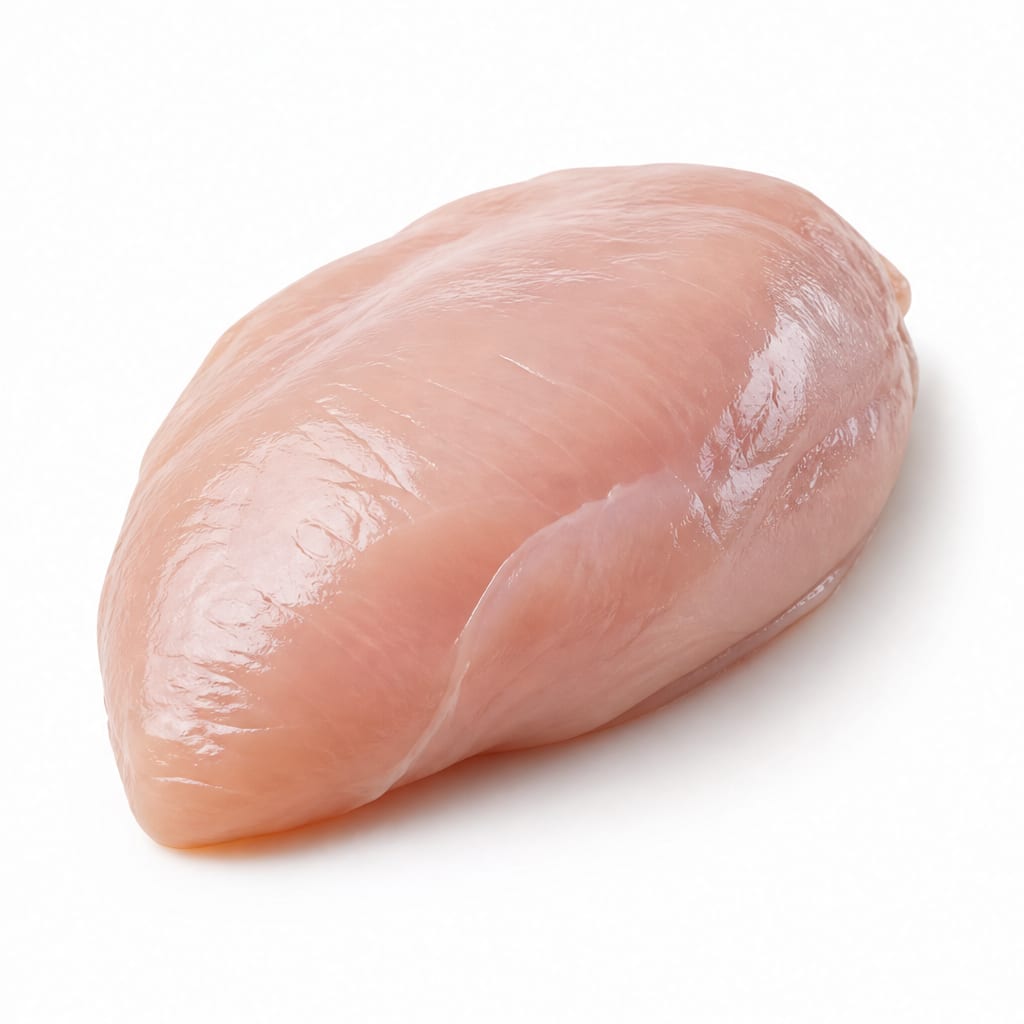
Chicken Breast
Chicken breast wins on convenience, leanness, and daily practicality. Boar wins on micronutrient density, iron, and being naturally wild. Pick based on what you optimize for.
Chicken breast scores higher overall due to superior practicality, lower saturated fat, and easier daily integration. Boar earns strong marks for micronutrient density and being naturally wild, but availability, cost, and cooking difficulty pull its score down.
Boar delivers richer nutrition per bite but costs more, cooks tougher, and carries higher saturated fat. Chicken breast is leaner, cheaper, and easier but nutritionally shallower.
At a glance
Executive summary
Overall
It depends
Healthier
Chicken Breast
More practical
Chicken Breast
Daily use
Chicken Breast
Key comparison lenses
protein source selection for lean muscle and daily eating
Both are high-protein meats, so the core question is which delivers better nutrition per calorie and per dollar
wild vs farmed meat safety and contamination
Boar is typically wild-caught with different parasite and contaminant risks, while chicken breast carries antibiotic and farming-related concerns
micronutrient density comparison
Game meats like boar are known for superior mineral and B-vitamin content compared to conventional poultry
practicality for everyday meal prep
Chicken breast is a meal-prep staple; boar is harder to source, cook, and fit into weekly routines
fat profile and heart health implications
Boar carries more saturated fat than chicken breast, which matters for cardiovascular risk assessment
Best choice for
Boar
- People with iron deficiency or anemia risk
- Those seeking wild, antibiotic-free meat
- Adventurous eaters wanting nutrient-dense game meat
- Low-carb and keto dieters who tolerate higher fat
- Hunters or those with access to local game
Chicken Breast
- Consistent meal-preppers needing reliable protein
- Weight-loss dieters tracking every calorie
- Heart-health-conscious eaters minimizing saturated fat
- Busy households wanting affordable, quick-cooking protein
- Athletes needing lean recovery fuel daily
Least suitable for
Boar
- Daily meal-prep routines requiring consistency
- Tight grocery budgets
- People avoiding gamy flavors or tough textures
- Those strictly limiting saturated fat intake
- Anyone uncomfortable cooking wild game safely
Chicken Breast
- People bored with bland protein needing flavor variety
- Those concerned about factory farming and antibiotics
- Anyone needing iron-rich food for deficiency correction
- Dieters finding lean meat unsatisfying and leaving them hungry
Deep comparison
Dimension by dimension
Each lens scores both foods and breaks down who each option suits.
- Dimension 1 · Priority 95Chicken Breast
Protein Quality and Density
Boar · 82Chicken Breast · 90Both deliver excellent complete protein, but chicken breast offers slightly more protein per calorie due to its lower fat content.
Tradeoff
Boar provides great protein alongside more fat and calories, making it more filling but less calorie-efficient for protein isolation.
Why it matters
If you are tracking macros precisely, chicken breast lets you hit protein targets with fewer calories. Boar still hits the target but brings extra calories along.
Real-world impact
A 6oz chicken breast delivers roughly 46g protein for 230 calories. The same portion of boar gives about 40g protein for 290 calories. The gap matters most in calorie-restricted phases.
Boar
- Meals where satiety matters more than calorie precision
- Higher-calorie bulking phases
Better for
- Strict macro-counting during calorie deficits
Worse for
Chicken Breast
- Cutting phases where protein-per-calorie is critical
- Post-workout meals needing lean recovery fuel
Better for
- Meals that feel too light and leave you snacking later
Worse for
- Dimension 2 · Priority 85Boar
Micronutrient Density
Boar · 88Chicken Breast · 62Boar significantly outperforms chicken breast in iron, zinc, selenium, and B vitamins, especially B6 and B12.
Tradeoff
You get far more vitamins and minerals per serving from boar, but you must tolerate the higher fat and gamier flavor to access them.
Why it matters
Iron deficiency is the most common nutrient deficiency worldwide. Boar provides heme iron in amounts chicken breast simply cannot match.
Real-world impact
If you have low ferritin or feel fatigued from mild anemia, swapping chicken for boar occasionally could meaningfully boost your iron intake without supplements.
Boar
- Women of reproductive age needing more iron
- Anyone with diagnosed iron deficiency
- People wanting nutrient density without supplementation
Better for
- Individuals with hemochromatosis or iron overload conditions
Worse for
Chicken Breast
- Those already meeting iron needs through other foods or supplements
- People who prioritize calorie control over micronutrient optimization
Better for
- Long-term exclusive consumption may contribute to suboptimal iron and zinc status
Worse for
- Dimension 3 · Priority 80Chicken Breast
Fat Profile and Heart Health
Boar · 55Chicken Breast · 88Chicken breast is dramatically leaner with far less saturated fat. Boar carries moderate saturated fat despite being leaner than domestic pork.
Tradeoff
Boar's fat adds flavor and satiety but increases cardiovascular risk if consumed frequently. Chicken breast is heart-friendlier but can feel dry and unsatisfying.
Why it matters
For anyone with family history of heart disease or elevated LDL cholesterol, saturated fat intake is a meaningful daily decision.
Real-world impact
Eating boar several times a week could push saturated fat intake higher than recommended, while chicken breast keeps you well within guidelines effortlessly.
Boar
- Active individuals burning through higher-calorie meals
- Keto and low-carb dieters embracing dietary fat
Better for
- Regular consumption may elevate LDL in sensitive individuals
Worse for
Chicken Breast
- Anyone monitoring cholesterol or cardiovascular risk
- Low-fat diet followers
Better for
- Very lean meals may under-deliver on satiety and satisfaction
Worse for
- Dimension 4 · Priority 90Chicken Breast
Practicality and Availability
Boar · 35Chicken Breast · 95Chicken breast is available at every grocery store, affordable, and easy to cook. Boar is specialty meat requiring effort to source and skill to cook well.
Tradeoff
Convenience comes at the cost of nutritional depth. The most practical protein is rarely the most nutrient-rich.
Why it matters
The best protein source is the one you can consistently buy, cook, and eat. Nutritional superiority means nothing if you cannot access it regularly.
Real-world impact
Chicken breast can be meal-prepped on Sunday for the whole week. Boar requires specialty butchers or online orders and careful cooking to avoid toughness.
Boar
- Special occasion meals celebrating unique ingredients
- People with direct hunting access
Better for
- Last-minute dinner planning
- Consistent weekly meal routines
Worse for
Chicken Breast
- Weekly grocery runs on a budget
- Meal-prep Sundays needing reliable, foolproof protein
- Families wanting quick weeknight dinners
Better for
- Culinary experiences seeking novelty and depth of flavor
Worse for
- Dimension 5 · Priority 75Boar
Satiety and Fullness
Boar · 82Chicken Breast · 70Boar's higher fat content and denser texture keep you fuller for longer. Chicken breast is satisfying but can leave you reaching for snacks sooner.
Tradeoff
More satiety comes with more calories. Boar fills you up but at a higher energy cost per meal.
Why it matters
If you find yourself hungry an hour after a chicken breast meal, the calorie savings may be erased by subsequent snacking.
Real-world impact
A boar dinner at 7pm may carry you comfortably to breakfast. A chicken breast dinner might have you raiding the pantry by 9pm.
Boar
- People who struggle with between-meal hunger
- One-meal-a-day eaters needing lasting fullness
Better for
- Eating before workouts when you want to feel light
Worse for
Chicken Breast
- Those who prefer smaller, more frequent meals
- Anyone who finds heavy meals uncomfortable before activity
Better for
- Evenings when late-night snacking is a problem
Worse for
- Dimension 6 · Priority 80It depends
Food Safety and Contamination
Boar · 65Chicken Breast · 70Boar risks include parasites like Trichinella and potential environmental contaminants. Chicken breast risks include Salmonella and antibiotic residues from farming.
Tradeoff
Wild game carries natural parasite risk that thorough cooking resolves. Farmed chicken carries systematic farming risks that sourcing choices can mitigate.
Why it matters
Both meats are safe when handled properly, but the types of risk differ. Understanding them changes how you cook and shop.
Real-world impact
Boar must be cooked to well-done to eliminate parasite risk, which can toughen the meat. Chicken requires careful handling to avoid cross-contamination in your kitchen.
Boar
- Avoiding antibiotic exposure from factory farming
- Those who value naturally foraged diets in their meat
Better for
- Risk of Trichinella if undercooked
- Potential heavy metal exposure depending on habitat
Worse for
Chicken Breast
- Consistent food safety through regulated supply chains
- People uncomfortable assessing wild game handling
Better for
- Antibiotic-resistant bacteria concerns
- Salmonella cross-contamination in home kitchens
Worse for
Timeline
Health impact over time
Short-term
Hours to days
Boar
- Higher fat content provides steadier post-meal energy with less blood sugar fluctuation
- Rich flavor promotes meal satisfaction and reduces immediate snacking urges
- Requires thorough cooking, which can reduce tenderness and enjoyment if overdone
Chicken Breast
- Very lean profile makes it light on the stomach and easy to digest
- Rapid protein absorption supports quick post-workout recovery
- Can feel unsatisfying alone, prompting hunger or overeating at subsequent meals
Long-term
Months to years
Boar
- Iron and zinc from regular consumption support improved energy and immune resilience
- Higher saturated fat intake may affect cardiovascular markers if eaten too frequently
- Absence of farming antibiotics and hormones is a long-term metabolic advantage
Chicken Breast
- Consistent lean protein intake supports healthy body composition and muscle maintenance
- Lower saturated fat contributes to better cardiovascular outcomes over decades
- Potential cumulative exposure to farming antibiotics if not choosing organic or verified sources
Risk profile
Safety & processing
Both are whole, unprocessed meats. Boar has a natural edge since wild game is inherently free-range and forages naturally. Chicken breast is also minimally processed, but conventional farming practices introduce concerns about antibiotics, hormones, and feed quality that wild boar avoids entirely.
Boar
Trichinella parasites
mediumWild boar can carry Trichinella larvae. Cooking to 160°F (71°C) eliminates this risk, but the required thorough cooking can toughen the meat.
Environmental contaminants
lowDepending on habitat, wild boar may accumulate heavy metals or environmental toxins from foraging in polluted areas. Sourcing from clean regions matters.
Improper field dressing
mediumIf hunted and processed without proper hygiene, bacterial contamination can occur during field dressing. Professional processing reduces this significantly.
Chicken Breast
Salmonella contamination
mediumRaw chicken is a common Salmonella vector. Proper cooking and avoiding cross-contamination with utensils and surfaces are essential.
Antibiotic residues
mediumConventional chicken farming uses antibiotics that may leave residues. Choosing organic or antibiotic-free certified chicken reduces this concern.
Campylobacter infection
lowAnother bacterial risk from undercooked chicken, less discussed than Salmonella but equally preventable with proper cooking.
Who wins for whom
Audience fit
Same foods, different winners depending on your goal.
children
Chicken BreastMilder flavor, softer texture, and regulated safety standards make chicken breast far more kid-friendly. Boar's gamy taste and required thorough cooking make it a tough sell to most children.
daily consumption
Chicken BreastAffordability, availability, ease of cooking, and a milder flavor that tolerates daily repetition make chicken breast the clear daily driver. Boar is better as an occasional addition.
diabetes
Chicken BreastBoth are low-carb and blood-sugar friendly, but chicken breast's lower saturated fat content is preferable for managing the cardiovascular risks that accompany diabetes.
elderly
Chicken BreastChicken breast is easier to chew, gentler on digestion, and lower in saturated fat, which aligns better with cardiovascular and digestive concerns that increase with age.
muscle gain
Chicken BreastBoth support muscle growth, but chicken breast's superior protein-to-calorie ratio and easier daily consumption make it the more practical muscle-building staple.
weight loss
Chicken BreastChicken breast delivers more protein per calorie, making it easier to stay in a deficit while preserving muscle. Boar's extra fat calories add up faster than most dieters realize.
Your move
Decision guide
Choose Boar
- You want to boost iron and zinc intake without supplements
- You have access to quality wild boar and enjoy cooking game meats
- You are eating low-carb or keto and welcome higher fat content
- You want to avoid farmed meat and prefer wild, foraged protein
- You are bored with standard proteins and want something more flavorful and nutrient-dense
Choose Chicken Breast
- You need affordable, reliable protein for daily meal prep
- You are cutting calories or managing your weight carefully
- You have heart health concerns and want to minimize saturated fat
- You want a neutral protein that works in any recipe from stir-fries to salads
- You are feeding a family that prefers familiar, easy-to-eat meats
Either works if
- You simply need high-quality complete protein and both are available
- You rotate proteins weekly for nutritional diversity
- You have no specific health conditions that favor one over the other
Avoid both if
- You follow a plant-based or vegetarian diet
- You have gout and are sensitive to purine-rich meats
- You have severe kidney disease requiring strict protein restriction
Final recommendation
Make chicken breast your everyday protein foundation for its leanness, affordability, and convenience. Add boar occasionally as a nutrient-dense upgrade, especially if you need more iron or want to break flavor monotony. Think of chicken breast as your reliable daily driver and boar as a premium upgrade you enjoy when the opportunity arises.
Practical
Consumer tips
- 1
If buying boar, source from reputable game meat suppliers who test for contaminants and process professionally
- 2
Cook boar to 160°F internal temperature to eliminate parasite risk, then rest the meat to preserve juiciness
- 3
Choose organic or antibiotic-free chicken breast to reduce farming-related exposure risks
- 4
Marinate chicken breast to prevent dryness and boost flavor without adding calories
- 5
Rotate between boar, chicken, fish, and plant proteins weekly for the broadest nutrient coverage
- 6
If iron levels are a concern, pair boar with vitamin C-rich vegetables to enhance iron absorption
- 7
Freeze boar portions individually since it is typically bought in larger batches and less convenient to restock