
Nutrition comparison
Boar vs Duck: Nutrition, Health Impact, and Which Meat to Choose
Compare boar and duck nutrition including protein, fat, calories, and health effects. Learn which game meat is better for weight loss, heart health, and daily eating.
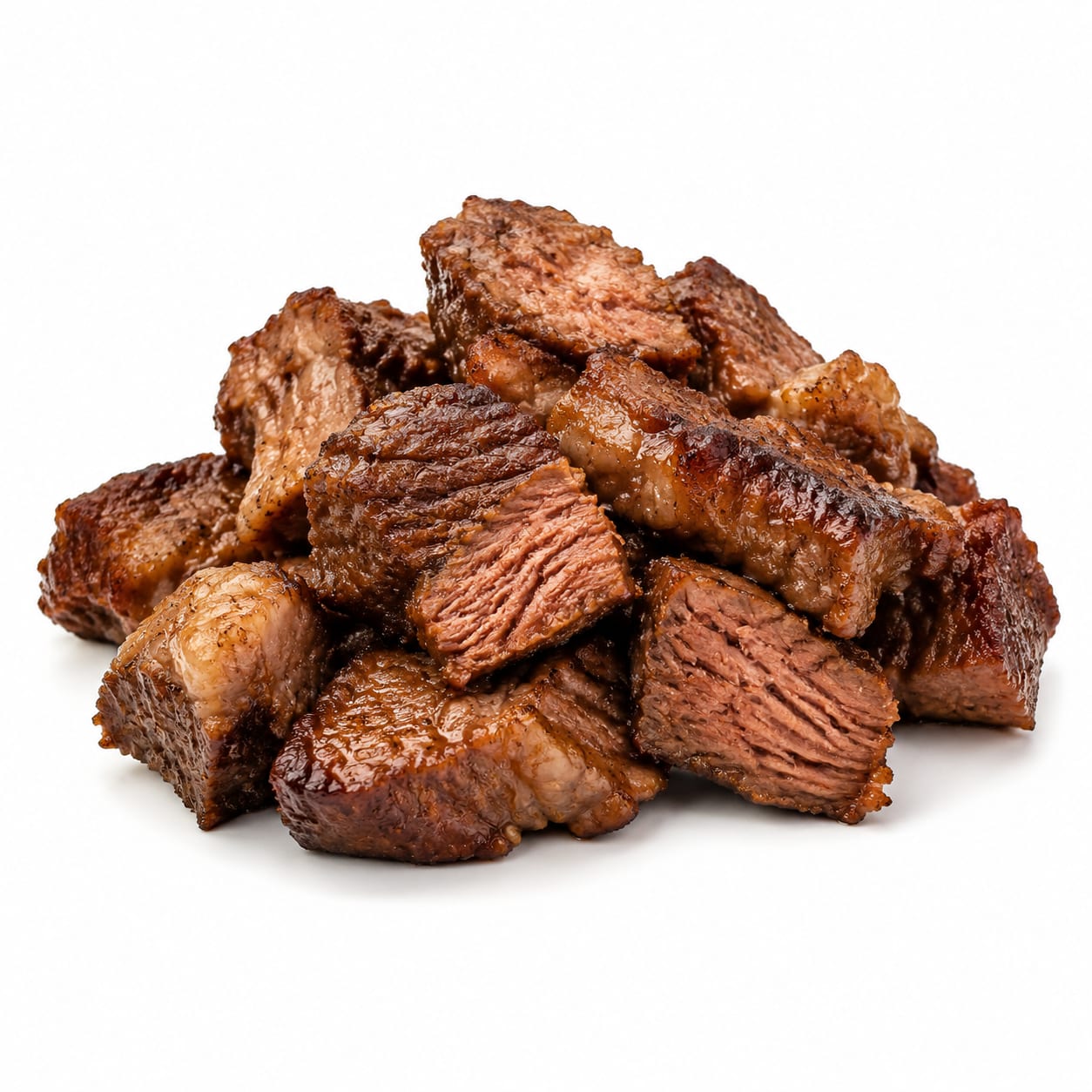
Boar
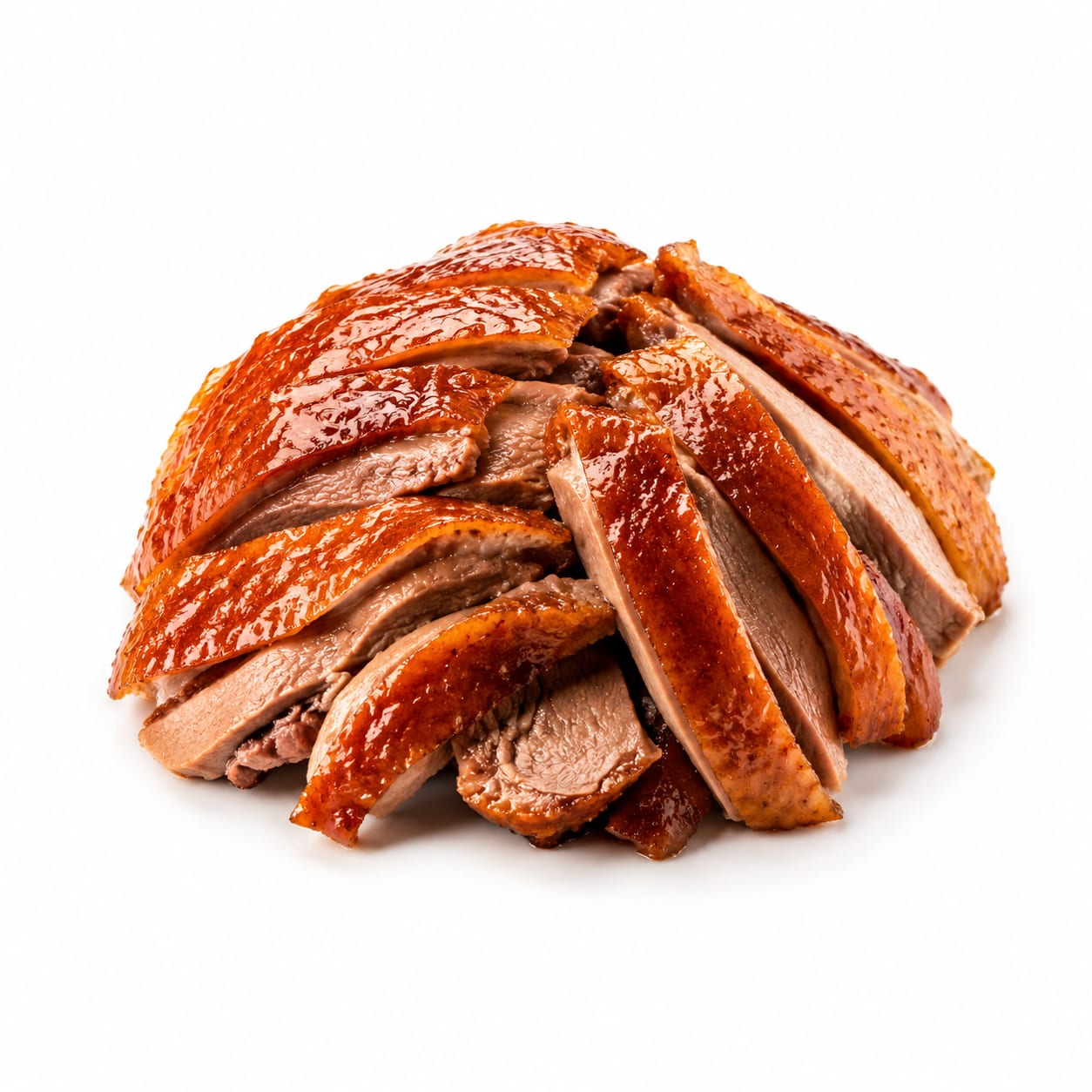
Duck
Boar delivers lean, high-protein nutrition ideal for health-focused diets, while duck offers richer flavor and more satisfying fat but at a higher calorie cost.
Boar scores higher due to superior lean protein density and lower cardiovascular risk, but duck remains competitive because its fat profile includes beneficial monounsaturated fats and it offers far better culinary accessibility.
Lean protein density versus culinary richness and satiety from fat.
At a glance
Executive summary
Overall
It depends
Healthier
Boar
More practical
Duck
Daily use
Boar
Key comparison lenses
Lean protein vs flavorful fat profile
Boar is exceptionally lean game meat while duck is prized for its rich fat content, making this the core nutritional tradeoff
Heart health and cholesterol impact
The dramatic difference in saturated fat and calorie density directly affects cardiovascular risk
Culinary versatility and accessibility
Duck is widely available and well-documented in recipes; boar is specialty meat requiring sourcing effort
Food safety and parasite risk
Wild boar carries unique trichinosis risk; duck has salmonella concerns, both requiring proper cooking
Sustainability and ethical sourcing
Wild boar is often an invasive species making it ecologically beneficial to harvest; farmed duck has varying welfare standards
Best choice for
Boar
- Weight loss and lean muscle goals
- Heart-conscious eaters watching saturated fat
- High-protein, low-calorie meal plans
- Adventure eaters seeking wild game nutrition
Duck
- Rich, satisfying meals for special occasions
- Cooks who value rendered fat for other dishes
- Those needing calorie-dense meals
- Fans of traditional European or Asian cuisine
Least suitable for
Boar
- Those wanting easy weeknight protein without specialty sourcing
- People who dislike gamey flavors
- Diners concerned about parasite risk from wild meat
Duck
- Anyone strictly limiting saturated fat or calories
- People avoiding rich, heavy meals
- Those seeking lean post-workout protein
Deep comparison
Dimension by dimension
Each lens scores both foods and breaks down who each option suits.
- Dimension 1 · Priority 94Boar
Protein Quality and Density
Boar · 91Duck · 76Boar provides more protein per calorie with less fat baggage, making it the more efficient protein source.
Tradeoff
Duck still delivers solid protein but comes with significantly more fat per serving, diluting protein density.
Why it matters
If you are eating meat primarily for protein, boar gives you more of what you want with fewer calories you do not need.
Real-world impact
A 100g serving of boar delivers roughly 26g protein with under 3g fat, while the same portion of duck breast gives 19g protein with 5-10g fat depending on preparation.
Boar
- Lean muscle building
- High-protein meal prep
- Calorie-controlled diets
Better for
- Those who find lean meat unsatisfying without added fats
Worse for
Duck
- Meals where protein accompanies needed calories
- Endurance athletes needing calorie density
Better for
- Anyone tracking protein-to-calorie ratios carefully
Worse for
- Dimension 2 · Priority 90Boar
Fat Profile and Heart Health
Boar · 85Duck · 58Boar is dramatically leaner with minimal saturated fat, while duck carries substantial fat including a meaningful saturated fraction.
Tradeoff
Duck fat is roughly 50% monounsaturated, which is better than butter, but the total fat and calorie load still adds up quickly.
Why it matters
Regular consumption of high-fat meats raises LDL cholesterol over time, even if some of that fat is heart-friendlier monounsaturated.
Real-world impact
Eating duck regularly can easily push daily saturated fat over recommended limits, whereas boar keeps you well within heart-healthy ranges.
Boar
- Cardiovascular risk reduction
- Cholesterol management
- Low-fat dietary protocols
Better for
- Very low-carb eaters who rely on animal fat for energy
Worse for
Duck
- Keto and low-carb diets that welcome dietary fat
- Cooking traditions that use rendered duck fat as an ingredient
Better for
- Anyone with elevated LDL or family history of heart disease
Worse for
- Dimension 3 · Priority 78It depends
Micronutrient Density
Boar · 80Duck · 79Both meats are excellent sources of B vitamins, iron, zinc, and selenium with only marginal differences.
Tradeoff
Boar edges ahead slightly on iron and B12 per calorie, while duck provides more niacin and useful amounts of selenium.
Why it matters
Both outperform conventional pork and chicken on micronutrients, so either choice is a nutritional upgrade from standard meats.
Real-world impact
You will not notice a practical difference in micronutrient benefit between these two; both prevent deficiencies easily.
Boar
- Iron-deficient individuals needing maximum iron per calorie
- B12 supplementation through food
Better for
- No significant micronutrient downside
Worse for
Duck
- Those wanting selenium support for thyroid and immune function
Better for
- No significant micronutrient downside
Worse for
- Dimension 4 · Priority 82Duck
Satiety and Meal Satisfaction
Boar · 68Duck · 88Duck's fat content makes meals feel more satisfying and luxurious, while lean boar can leave you wanting more.
Tradeoff
That satisfaction comes at a calorie cost that can undermine portion control and weight management.
Why it matters
Meals that feel satisfying reduce snacking later, but only if the calorie tradeoff does not overshoot your needs.
Real-world impact
A duck dinner feels like a complete indulgent experience; boar feels like disciplined eating that may require side dishes to feel complete.
Boar
- Those who prefer lighter meals
- People who eat multiple small meals daily
Better for
- People prone to late-night snacking after unsatisfying dinners
Worse for
Duck
- One-meal-a-day eaters needing calorie density
- Special occasion dining where satisfaction matters
- Cold weather meals that should feel warming and rich
Better for
- Those who struggle to stop eating rich foods once started
Worse for
- Dimension 5 · Priority 75Duck
Accessibility and Practicality
Boar · 42Duck · 78Duck is available at most grocery stores and has thousands of established recipes; boar requires specialty sourcing.
Tradeoff
Boar's rarity makes it exciting and unique but impractical for regular meal planning.
Why it matters
The best protein is the one you can actually buy and cook consistently without friction.
Real-world impact
You can grab duck breasts at many supermarkets; boar usually means online orders, specialty butchers, or hunting connections.
Boar
- Rural areas with hunting access
- Culinary enthusiasts who enjoy sourcing unique ingredients
Better for
- Busy people who cannot spend time sourcing specialty meat
- Those unfamiliar with cooking game meat
Worse for
Duck
- Weeknight cooking that needs to be straightforward
- Urban and suburban home cooks
- Cooks following established recipes with predictable results
Better for
- No significant practical downside beyond cost
Worse for
- Dimension 6 · Priority 70Boar
Sustainability and Ecological Impact
Boar · 86Duck · 62Wild boar is an invasive species in many regions, so harvesting it actively helps ecosystems; farmed duck has a moderate environmental footprint.
Tradeoff
Not all boar is wild-harvested; some is farmed, which reduces the ecological advantage.
Why it matters
Choosing invasive species meat is one of the most environmentally positive protein choices you can make.
Real-world impact
Eating wild boar literally helps control a destructive invasive population; eating farmed duck contributes to standard agricultural resource use.
Boar
- Environmentally conscious consumers
- Those who want meat eating to have a net positive ecological effect
Better for
- Farmed boar negates most ecological advantage
Worse for
Duck
- People who prefer certified organic or welfare-audited farm systems
Better for
- Standard duck farming uses significant water and feed resources
Worse for
Timeline
Health impact over time
Short-term
Hours to days
Boar
- High protein with minimal fat supports steady energy without post-meal sluggishness
- Very lean meat can feel less satisfying, potentially triggering hunger sooner
- Game meat may cause mild digestive adjustment if you are unused to it
Duck
- Rich fat content provides lasting fullness but can cause heaviness or drowsiness after large portions
- High calorie density makes overconsumption easy without realizing it
- Rendered duck fat can be reused, adding calories to vegetables and other sides cooked in it
Long-term
Months to years
Boar
- Consistent lean protein intake supports healthy body composition and metabolic markers
- Low saturated fat intake protects cardiovascular health over decades
- Wild game consumption diversifies nutrient sources beyond standard farmed meats
Duck
- Regular high saturated fat intake raises LDL cholesterol and cardiovascular risk over time
- Calorie density makes weight creep likely if portions are not carefully managed
- Monounsaturated fat component still offers some anti-inflammatory benefit compared to other rich meats
Risk profile
Safety & processing
Both boar and duck are typically sold as whole cuts without additives. Fresh or frozen versions of either are minimally processed. Avoid pre-marinated or smoked versions, which can add sodium, nitrates, and preservatives.
Boar
Trichinosis and other parasites
mediumWild boar can carry Trichinella spiralis and Toxoplasma. Cooking to 160°F (71°C) eliminates risk, but many chefs prefer cooking game medium, which may be insufficient.
Lead fragment contamination
mediumHunter-harvested boar may contain lead fragments from ammunition, which pose neurological risk especially to children.
Environmental contaminants
lowWild boar forage broadly and can accumulate heavy metals or persistent organic pollutants from contaminated environments.
Duck
Salmonella contamination
mediumRaw duck frequently carries Salmonella. Safe handling and cooking to 165°F (74°C) is essential, and cross-contamination risk is significant.
Antibiotic residues in farmed duck
lowConventional duck farming may use antibiotics, though less intensively than chicken. Choose organic or antibiotic-free when possible.
Avian influenza exposure
lowDuck farms occasionally face avian flu outbreaks. Properly cooked meat poses no risk, but handling raw duck during outbreaks requires care.
Who wins for whom
Audience fit
Same foods, different winners depending on your goal.
children
DuckDuck is easier to source, has established cooking methods, and avoids the parasite and lead contamination risks associated with wild boar.
daily consumption
BoarBoar's lean profile makes it sustainable for daily eating without cardiovascular concern, though practical availability may limit frequency.
diabetes
BoarBoth are zero-carb, but boar's lower saturated fat content is better for insulin sensitivity and cardiovascular health in diabetic patients.
elderly
BoarOlder adults benefit most from lean protein for muscle preservation and heart health, and boar delivers both with minimal saturated fat.
muscle gain
BoarMore protein per serving with less competing fat makes boar the more efficient muscle-building food.
weight loss
BoarBoar's high protein-to-calorie ratio supports fat loss while preserving muscle, making it far easier to stay within calorie targets.
Your move
Decision guide
Choose Boar
- You prioritize lean protein and heart health above all else
- You have access to reliable wild boar sourcing
- You want a unique game meat experience with nutritional upside
- You are managing weight, cholesterol, or metabolic health
Choose Duck
- You value rich, satisfying meals and culinary tradition
- You want meat that is easy to find and cook with established recipes
- You follow a keto or low-carb diet that welcomes dietary fat
- You are cooking for a special occasion where indulgence matters
Either works if
- You simply want a nutritious alternative to beef or conventional pork
- You are comfortable cooking both and can alternate based on availability
- Your primary concern is avoiding ultra-processed protein sources
Avoid both if
- You follow a plant-based or vegetarian diet
- You have gout and need to limit purine-rich meats
- You cannot reliably cook either meat to safe internal temperatures
Final recommendation
Choose boar when health optimization and lean protein are your priorities; choose duck when culinary satisfaction and accessibility matter more. If you eat both, treat boar as your regular protein and duck as your indulgent rotation, keeping portions moderate to manage saturated fat intake.
Practical
Consumer tips
- 1
Cook boar to 160°F minimum to eliminate parasite risk, even if recipes suggest medium-rare for tenderness
- 2
Marinate boar in acidic mixtures like wine or vinegar to tenderize the lean meat before cooking
- 3
Save rendered duck fat for roasting vegetables; it adds flavor with a better fat profile than butter
- 4
If buying boar, ask whether it is truly wild-harvested or farmed, as this affects both sustainability and safety
- 5
Choose duck breast over whole duck if you want to control fat intake while still enjoying the flavor
- 6
Freeze wild boar for at least 3 weeks at 5°F or below as an additional safeguard against trichinosis
- 7
Pair lean boar with healthy fat sources like olive oil or avocado to improve meal satisfaction without saturated fat