
Nutrition comparison
Boar vs Lamb: Which Red Meat Is Healthier?
Compare boar and lamb nutrition including protein, fat, calories, and health effects. Discover which meat is better for weight loss, heart health, and muscle gain.
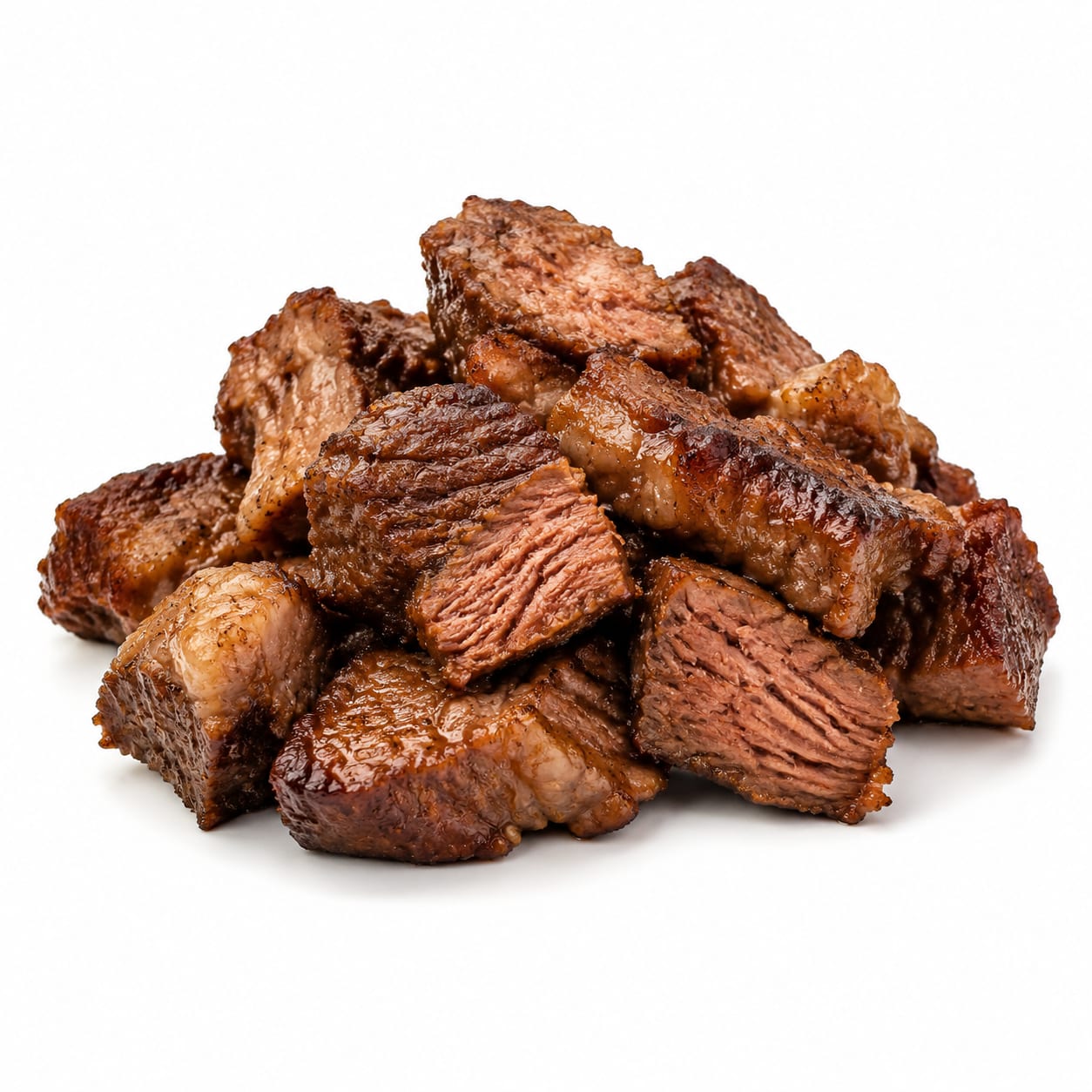
Boar
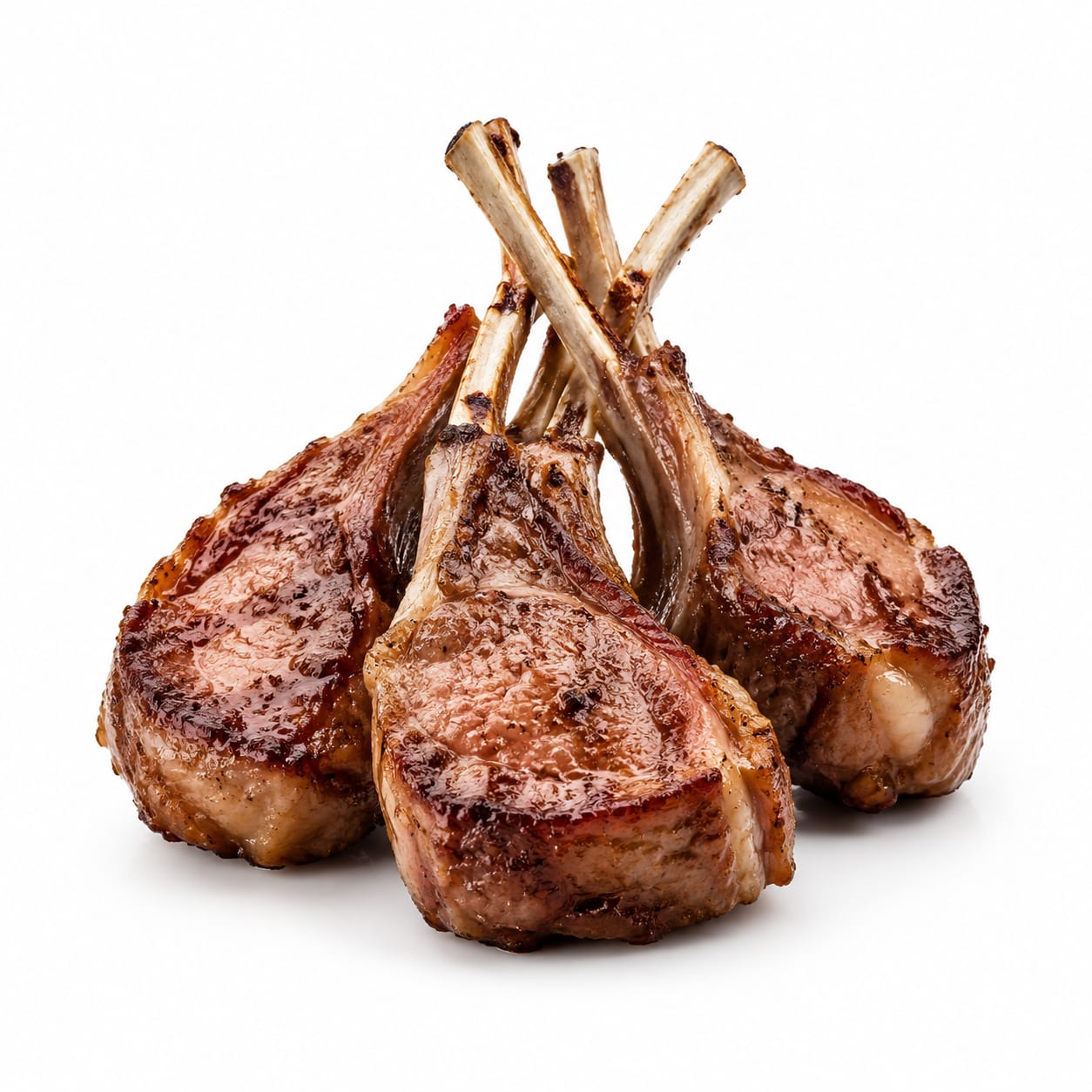
Lamb
Boar wins for lean protein and calorie control; lamb wins for flavor, tenderness, and everyday practicality.
Boar scores higher due to its lean profile and superior micronutrient density per calorie, but lamb's accessibility, culinary versatility, and satisfaction factor keep it competitive. The narrow gap reflects that lamb is easier to live with day-to-day despite boar's nutritional edge.
You trade fat, flavor, and ease for leanness and a wild-game nutrient edge.
At a glance
Executive summary
Overall
It depends
Healthier
Boar
More practical
Lamb
Daily use
Lamb
Key comparison lenses
Lean protein vs richer red meat for health goals
Boar is dramatically leaner than lamb, making this the central tradeoff
Saturated fat and heart health concerns
Lamb's higher saturated fat load is a major differentiator for cardiovascular risk
Wild game nutrition vs farmed meat benefits
Boar's wild diet yields a different nutrient profile than conventionally raised lamb
Culinary accessibility and cooking confidence
Lamb is widely available and familiar; boar is niche and requires more skill
Food safety and parasite risk
Wild boar carries unique parasite risks that lamb does not
Best choice for
Boar
- Weight loss seekers wanting red meat without the fat penalty
- Athletes needing high protein with minimal calories
- People managing cholesterol or saturated fat intake
- Adventurous eaters wanting wild-game nutrition benefits
Lamb
- Those wanting rich, satisfying flavor in smaller portions
- Home cooks who value reliable, forgiving meat preparation
- People needing widely available protein at regular grocery stores
- Anyone seeking comfort-food satisfaction from red meat
Least suitable for
Boar
- Inexperienced cooks uncomfortable with lean-game preparation
- Anyone needing quick, convenient weeknight protein
- People squeamish about strong gamey flavors
- Those with limited access to specialty butchers
Lamb
- People strictly limiting saturated fat for heart conditions
- Those counting calories closely who find lamb too energy-dense
- Anyone avoiding rich, heavy meals before active periods
Deep comparison
Dimension by dimension
Each lens scores both foods and breaks down who each option suits.
- Dimension 1 · Priority 95Boar
Protein Quality and Density
Boar · 88Lamb · 74Boar delivers more protein per calorie and per gram, making it the more efficient muscle-building choice.
Tradeoff
Lamb's protein comes wrapped in more fat, which adds calories but also enhances flavor and satiety signals.
Why it matters
If you're tracking macros or calories, boar gives you more protein bang for your buck.
Real-world impact
A 6oz serving of boar gets you noticeably more protein than the same weight of lamb, with fewer calories to burn off.
Boar
- Lean muscle gain without caloric surplus
- High-protein diets with calorie limits
- Post-workout meals where fat slows digestion
Better for
- People who find lean meat unsatisfying and end up overeating later
Worse for
Lamb
- Meals where protein satisfaction matters more than efficiency
- Bulk-eating phases where extra calories are welcome
Better for
- Strict macro trackers who find the fat content wasteful
Worse for
- Dimension 2 · Priority 90Boar
Fat Profile and Heart Health
Boar · 82Lamb · 52Boar is significantly leaner with less saturated fat, while lamb's fat content is dominated by saturated and monounsaturated fats.
Tradeoff
Lamb's higher fat includes some beneficial CLA and omega-3s if grass-fed, but the total saturated fat load is still substantial.
Why it matters
For anyone watching heart health or cholesterol, this is the deciding factor between these two meats.
Real-world impact
Regular lamb consumption can push saturated fat intake above recommended limits faster than you'd expect from portion sizes alone.
Boar
- Cardiovascular risk management
- Low-saturated-fat diets
- People with elevated LDL cholesterol
Better for
- Very active individuals who actually need more dietary fat for energy
Worse for
Lamb
- Ketogenic and high-fat diets
- Those who metabolize saturated fat well
Better for
- Anyone with a family history of heart disease eating red meat frequently
Worse for
- Dimension 3 · Priority 80Boar
Micronutrient Density
Boar · 80Lamb · 72Boar edges ahead with more B vitamins, zinc, and iron per calorie due to its wild foraging diet.
Tradeoff
Lamb still delivers solid B12, zinc, and selenium, but you get fewer micronutrients per calorie eaten.
Why it matters
If you eat moderate portions, boar packs more nutritional value into each bite.
Real-world impact
A smaller portion of boar can meet your B12 and zinc needs without the extra calories lamb requires to match it.
Boar
- Nutrient-dense eating with portion control
- Addressing mild iron or zinc deficiencies efficiently
Better for
- Those who need higher calorie intake to meet energy demands
Worse for
Lamb
- Selenium intake, which is notably strong in lamb
Better for
- People trying to maximize nutrients while minimizing calories
Worse for
- Dimension 4 · Priority 78Lamb
Satiety and Meal Satisfaction
Boar · 65Lamb · 84Lamb's fat content makes it more filling and satisfying per serving, while lean boar can leave you wanting more.
Tradeoff
Boar fills you up with protein volume, but lamb triggers stronger satiety hormones through its fat content.
Why it matters
Satisfaction after eating determines whether you stick with your food choices or snack later.
Real-world impact
A lamb chop dinner tends to feel like a complete meal; boar may need side dishes to feel equally satisfying.
Boar
- Large-volume eaters who prefer bigger protein portions
- Those who pair meat with fibrous sides for fullness
Better for
- People prone to late-night snacking after unsatisfying dinners
Worse for
Lamb
- Small-portion eaters who want maximum satisfaction per bite
- Comfort meals where feeling deeply satisfied matters
Better for
- Those who find rich food heavy and sluggish-making
Worse for
- Dimension 5 · Priority 75Lamb
Culinary Practicality and Availability
Boar · 40Lamb · 85Lamb is available at any grocery store and cooks reliably; boar is specialty meat requiring effort to source and skill to cook well.
Tradeoff
Boar rewards effort with unique flavor and nutrition, but lamb works any night of the week without special planning.
Why it matters
The healthiest food is the one you actually cook and eat consistently.
Real-world impact
You can grab lamb at the store on the way home; boar likely requires a specialty order and advance planning.
Boar
- Special occasion meals where uniqueness is the point
- Experienced cooks who enjoy working with game meats
Better for
- Busy households needing quick reliable protein
- Beginner cooks who might ruin expensive game meat
Worse for
Lamb
- Weeknight dinners with minimal planning
- Cooking for guests who expect familiar flavors
- Meal prep where consistency matters
Better for
- Culinary adventurers seeking new experiences
Worse for
- Dimension 6 · Priority 72Boar
Inflammatory Potential
Boar · 74Lamb · 58Boar's wild diet and lean profile make it less inflammatory, while lamb's higher saturated fat and arachidonic acid contribute more to inflammation.
Tradeoff
Grass-fed lamb narrows this gap significantly, but conventional lamb still carries more inflammatory markers.
Why it matters
Chronic inflammation underlies many long-term health issues, and meat choices compound over time.
Real-world impact
If your joints ache or you feel sluggish after heavy red meat meals, boar is likely the gentler choice.
Boar
- People with inflammatory conditions like arthritis
- Those who notice body aches after eating fatty red meat
Better for
- Overcooked boar that forms advanced glycation end-products
Worse for
Lamb
- Grass-fed lamb options which have a better inflammatory profile
Better for
- Frequent consumption of grain-fed lamb with higher omega-6 content
Worse for
Timeline
Health impact over time
Short-term
Hours to days
Boar
- Lighter post-meal feeling with less digestive heaviness
- Lower risk of that sluggish sensation common after fatty meat
- Potential for faster hunger return without adequate side dishes
Lamb
- Strong satiety and comfort from the fat content
- Possible heaviness or drowsiness after large portions
- More stable blood sugar due to fat slowing digestion
Long-term
Months to years
Boar
- Better cardiovascular markers with regular consumption over lamb
- Lower cumulative saturated fat exposure reduces heart disease risk
- Wild-game nutrient profile supports immune function and energy metabolism
Lamb
- Consistent saturated fat intake may elevate LDL cholesterol over time
- Good B12 and iron status supports energy and neurological health
- Higher calorie density could contribute to gradual weight gain if portions aren't managed
Risk profile
Safety & processing
Both are whole, unprocessed meats. Boar has a slight edge as wild game with no farming inputs, antibiotics, or feed interventions. Conventionally farmed lamb may carry residues from feed and veterinary treatments, though grass-fed lamb closes this gap.
Boar
Trichinella parasites
highWild boar can carry trichinella worms. Must be cooked to at least 160°F (71°C) throughout. Freezing at -5°F for 3 weeks also kills larvae but home freezers may not reach this temperature reliably.
Bacterial contamination from field dressing
mediumWild harvesting introduces contamination risks that controlled slaughter environments minimize. Proper handling and thorough cooking are essential.
Heavy metal accumulation
lowWild boar foraging in contaminated areas can accumulate lead or other environmental toxins, though this varies greatly by region.
Lamb
Antibiotic residues in conventionally farmed lamb
mediumWhile lamb farming uses fewer antibiotics than poultry or pork operations, conventionally raised lamb may still carry residues. Grass-fed or organic lamb reduces this concern.
Heme iron overexposure with frequent consumption
lowRegular high heme iron intake from red meat is associated with increased colorectal cancer risk. This is a cumulative concern, not an acute one.
Who wins for whom
Audience fit
Same foods, different winners depending on your goal.
children
LambLamb's milder flavor and tender texture are more kid-friendly, and children benefit from the calorie density for growth. Boar's parasite risk also requires more careful cooking.
daily consumption
LambLamb's availability, consistent quality, and easier preparation make it more realistic for regular use, even though boar is nutritionally superior per serving.
diabetes
BoarLower saturated fat intake is associated with better insulin sensitivity, and boar's leaner profile supports more stable blood sugar management.
elderly
LambLamb's tenderness is easier to chew and digest for aging teeth and digestive systems, and its calorie density helps prevent unhealthy weight loss in older adults.
muscle gain
BoarMore protein per calorie supports lean muscle gain without unwanted fat accumulation, especially during cutting phases.
weight loss
BoarBoar's dramatically lower fat and calorie content per gram of protein makes it the clear choice for calorie-controlled eating.
Your move
Decision guide
Choose Boar
- You're tracking calories or macros and want the most protein-efficient red meat
- Heart health or cholesterol management is a priority
- You enjoy cooking and want to explore wild-game cuisine
- Inflammatory concerns make fatty red meat problematic for you
Choose Lamb
- You want satisfying, rich-flavored meat that feels like a complete meal
- Availability and cooking convenience matter more than nutritional optimization
- You're cooking for family members who prefer familiar flavors
- You're on a high-fat or ketogenic dietary approach
Either works if
- You simply want quality red meat protein a few times per month
- Variety in your protein sources matters more than optimization
- You're rotating through different meats for broad nutrient coverage
Avoid both if
- You've been advised to eliminate red meat for health reasons
- You have gout and are sensitive to purine-rich meats
- You're strictly plant-based for ethical or health reasons
Final recommendation
Choose boar when nutrition and leanness are your top priorities and you're willing to source and cook it properly. Choose lamb when you want reliable, satisfying red meat that works any night of the week. For most people, lamb is the more sustainable daily choice, while boar is the smarter occasional indulgence for your health.
Practical
Consumer tips
- 1
Cook boar low and slow with moisture to prevent toughness from its low fat content
- 2
Always use a meat thermometer with wild boar and verify 160°F internally to eliminate parasite risk
- 3
Choose grass-fed lamb when possible for a better omega-3 to omega-6 ratio and fewer antibiotic concerns
- 4
Marinate boar in acidic mixtures to tenderize and mellow the gamey flavor
- 5
Trim visible fat from lamb cuts to significantly reduce saturated fat without losing flavor
- 6
If boar is unavailable, lean cuts of pork tenderloin approximate some of its nutritional benefits