
Nutrition comparison
Boar vs Venison: Nutrition, Taste, and Health Comparison
Compare boar and venison nutrition including calories, protein, fat, iron, and cooking tips. Find out which game meat is healthier for your goals.
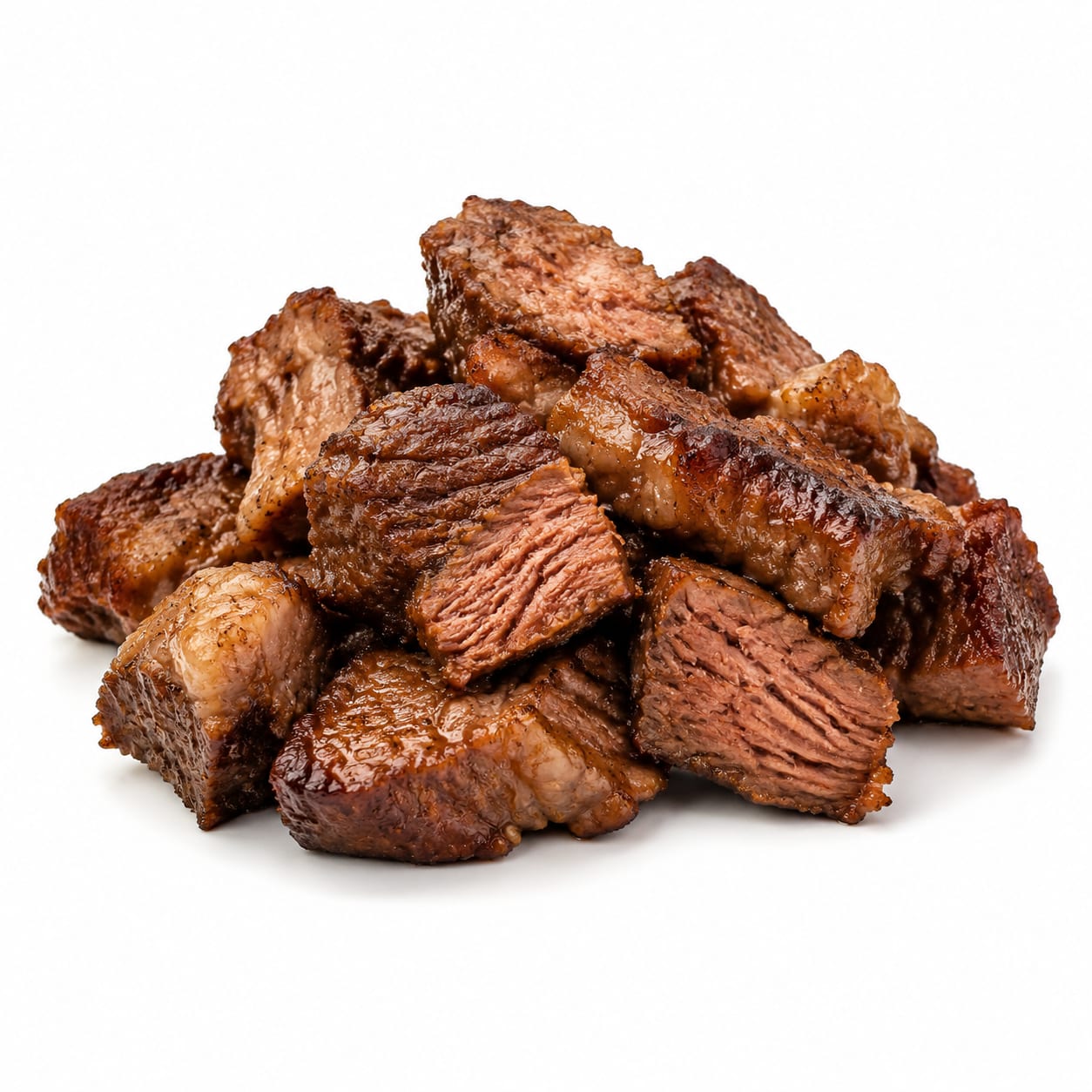
Boar
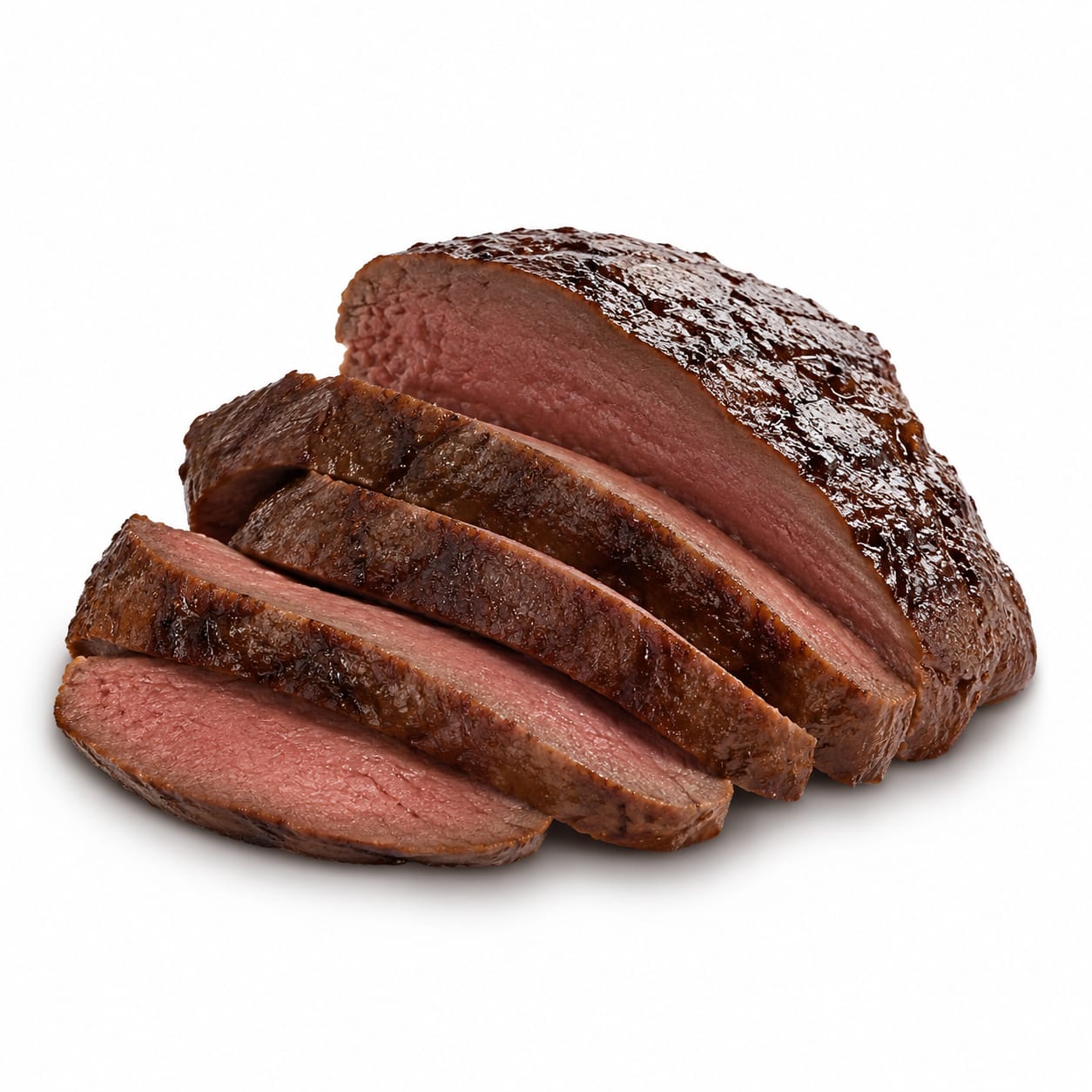
Venison
Venison wins on leanness and iron, while boar wins on flavor accessibility and cooking forgiveness. Your pick depends on whether you prioritize maximum leanness or a more satisfying eating experience.
Venison scores higher due to superior leanness, higher iron content, and lower calorie density. Boar stays competitive thanks to better cooking forgiveness and a more approachable flavor profile. The gap is modest because both are high-quality game proteins.
Venison delivers fewer calories and more iron but demands careful cooking to avoid dryness. Boar carries slightly more fat and calories but stays juicier and tastes closer to familiar pork.
At a glance
Executive summary
Overall
It depends
Healthier
Venison
More practical
Boar
Daily use
Venison
Key comparison lenses
Lean protein comparison for game meat selection
Both are lean game meats, so protein quality and leanness are the primary decision drivers
Fat content and calorie density tradeoffs
Venison is famously lean while boar carries slightly more fat, impacting calorie counts and cooking behavior
Micronutrient density for anemia-prone or active individuals
Iron and B-vitamin content differ meaningfully between these meats, affecting energy and recovery
Food safety and parasite risk awareness
Both wild game meats carry trichinosis and parasite risks that demand proper cooking
Culinary practicality and flavor accessibility
Boar's slightly higher fat makes it more forgiving to cook, while venison dries out easily
Best choice for
Boar
- Home cooks wanting forgiving game meat
- People transitioning from conventional pork to game
- Those prioritizing flavor and juiciness over maximum leanness
- Slow-cooking and stew preparations
Venison
- Athletes and bodybuilders seeking maximum protein per calorie
- Individuals managing calorie intake strictly
- People with iron deficiency or higher iron needs
- Those already comfortable cooking lean game meats
Least suitable for
Boar
- People strictly minimizing saturated fat intake
- Those wanting the lowest possible calorie density
- Diners sensitive to stronger pork-like gaminess
Venison
- Inexperienced cooks prone to overcooking lean meat
- People who find very lean meat unsatisfying or dry
- Diners wanting richer, more indulgent flavor profiles
Deep comparison
Dimension by dimension
Each lens scores both foods and breaks down who each option suits.
- Dimension 1 · Priority 94Venison
Protein Quality and Density
Boar · 82Venison · 90Both deliver excellent complete protein, but venison packs slightly more protein per ounce with less fat tagging along.
Tradeoff
Boar's protein comes with more attached fat calories, while venison offers a cleaner protein-to-calorie ratio.
Why it matters
Higher protein density means you hit your targets without extra calories — crucial for anyone tracking intake closely.
Real-world impact
A 4oz venison serving gets you noticeably closer to your protein goal with fewer calories than the same portion of boar.
Boar
- Meals where some fat contributes to satiety and flavor
Better for
- Strict macro counting where fat calories crowd out other foods
Worse for
Venison
- Post-workout meals needing clean protein
- Cutting phases where every calorie matters
Better for
- Situations where extremely lean meat feels unsatisfying
Worse for
- Dimension 2 · Priority 90Venison
Fat Content and Leanness
Boar · 62Venison · 92Venison is one of the leanest red meats available. Boar is leaner than domestic pork but noticeably fattier than venison.
Tradeoff
Venison's extreme leanness makes it healthier on paper but trickier to cook well. Boar's extra fat adds calories but keeps meat moist.
Why it matters
Fat content drives both calorie density and cooking behavior — leaner means healthier but less forgiving.
Real-world impact
Overcook venison by even a couple minutes and it turns shoe-leather tough. Boar gives you a wider margin of error.
Boar
- Grilling and roasting where fat keeps meat juicy
- People who find very lean meat unappealing
Better for
- Cardiovascular risk reduction diets
Worse for
Venison
- Heart-health-conscious eaters limiting saturated fat
- Weight management requiring low calorie density
Better for
- Slow dry-heat cooking methods without added moisture
Worse for
- Dimension 3 · Priority 84Venison
Iron and Micronutrient Density
Boar · 76Venison · 88Venison delivers more heme iron and typically higher B12 per serving. Boar still provides solid micronutrients but not at venison's level.
Tradeoff
Both outperform conventional meats on micronutrients, but venison is especially potent for iron — a nutrient many people lack.
Why it matters
Heme iron from red meat is highly absorbable, making these meats valuable for anyone prone to deficiency.
Real-world impact
If you're fatigued from low iron, venison is one of the most efficient dietary sources available. Boar helps too, just less dramatically.
Boar
- General micronutrient insurance when variety is limited
Better for
- Situations where maximum iron intake is the priority
Worse for
Venison
- Women with heavy menstrual cycles needing iron
- Athletes at risk of exercise-induced iron depletion
- Anyone diagnosed with or borderline for iron deficiency
Better for
- People with hemochromatosis who must limit iron
Worse for
- Dimension 4 · Priority 76Boar
Culinary Versatility and Cooking Ease
Boar · 80Venison · 60Boar's slightly higher fat content makes it more adaptable across cooking methods. Venison demands precision and often needs added moisture.
Tradeoff
Easier cooking comes with more fat calories. Precise cooking rewards you with exceptional leanness.
Why it matters
A meat you cook well consistently beats a theoretically superior meat you repeatedly overcook and dislike eating.
Real-world impact
Boar works well in stews, sausages, and grilled cuts without special technique. Venison often needs marinades, bacon wrapping, or careful temperature monitoring.
Boar
- Weeknight cooking without extensive prep
- Slow cooker and braised dishes
- Home cooks new to game meat
Better for
- Delicate fine-dining presentations requiring ultra-lean cuts
Worse for
Venison
- High-heat quick searing when you have a meat thermometer
- Refined dishes where leanness is a feature, not a bug
Better for
- Casual grilling where overcooking is likely
- Meal prep where reheating dries out lean meat further
Worse for
- Dimension 5 · Priority 70Boar
Flavor Accessibility
Boar · 78Venison · 65Boar tastes like a richer, earthier pork — familiar and approachable. Venison has a more distinct gamey flavor that some love and others find challenging.
Tradeoff
Approachable flavor means easier adoption. Acquired-taste flavor means more culinary adventure but potential waste if diners reject it.
Why it matters
Nutrition only works if you actually eat it. A meat you enjoy consistently beats one that sits in the freezer.
Real-world impact
Serving boar to guests rarely gets complaints. Serving venison to uninitiated eaters can go either way.
Boar
- Families introducing game meat for the first time
- Social dinners where broad appeal matters
Better for
- Diners specifically seeking an authentic wild-game experience
Worse for
Venison
- Adventurous eaters who appreciate complex gamey notes
- Pairing with bold sauces and reductions that complement gaminess
Better for
- Picky eaters or anyone sensitive to gamey flavors
Worse for
- Dimension 6 · Priority 72Boar
Satiety and Satisfaction
Boar · 82Venison · 70Boar's higher fat content provides more mouthfeel and staying power. Venison fills you up on protein but can feel less satisfying without added fats.
Tradeoff
More satisfying eating experience versus cleaner calorie profile. Fat makes food feel rewarding but adds energy density.
Why it matters
Meals that truly satisfy reduce snacking and overeating later. Lean protein alone sometimes leaves a psychological gap.
Real-world impact
A boar chop with its natural fat often feels like a complete meal. A venison loin may leave you reaching for something else within an hour.
Boar
- Main course dinners where satisfaction matters
- Active individuals who don't need to restrict fat
Better for
- Eating late when you want something light before bed
Worse for
Venison
- Lighter meals where you want protein without heaviness
- Multi-course meals where a lighter protein course fits better
Better for
- After long physical days when only rich food feels adequate
Worse for
Timeline
Health impact over time
Short-term
Hours to days
Boar
- Higher fat content provides steadier post-meal satiety
- Richer flavor may reduce desire for additional courses
- Slightly heavier digestive feel compared to very lean meats
Venison
- Very lean profile digests quickly and lightly
- High protein with minimal fat may leave you hungry sooner without side dishes
- Iron boost can be noticeable for deficient individuals within weeks of regular consumption
Long-term
Months to years
Boar
- Moderate saturated fat intake requires mindful portioning for heart health
- Solid protein and micronutrient profile supports muscle maintenance with aging
- Slightly higher calorie density adds up if eaten frequently in large portions
Venison
- Consistently low saturated fat intake supports cardiovascular health
- Excellent iron stores reduce fatigue and support cognitive function long-term
- Very lean diet may require intentional healthy fat additions from other sources for hormonal health
Risk profile
Safety & processing
Both boar and venison are typically sold as minimally processed cuts with no additives. Wild-harvested versions are about as natural as meat gets. Farmed versions may have slightly more controlled diets but remain far less processed than conventional livestock products.
Boar
Trichinosis
mediumWild boar can carry Trichinella parasites. Cooking to 160°F (71°C) eliminates risk. Farmed boar has lower but non-zero risk.
Bacterial contamination
mediumField dressing and processing hygiene varies. Proper handling and thorough cooking are essential.
Environmental contaminants
lowWild boar foraging may expose them to varied environments, but heavy metal accumulation is generally low compared to aquatic species.
Venison
Trichinosis
mediumWild venison carries Trichinella risk similar to boar. Proper cooking to 160°F is necessary for wild-harvested meat.
Chronic Wasting Disease
lowCWD affects deer populations in some regions. No confirmed human transmissions exist, but health agencies recommend avoiding meat from CWD-positive animals.
Lead fragments
mediumHunter-harvested venison may contain lead fragments from bullets. This is a unique concern not shared with most other meats.
Who wins for whom
Audience fit
Same foods, different winners depending on your goal.
children
BoarBoar's milder flavor and juicier texture are more kid-friendly. Strong gamey flavors in venison often get rejected by children.
daily consumption
VenisonLower saturated fat and calorie density make venison more sustainable as a regular protein source, provided you cook it well.
diabetes
VenisonBoth have zero carbs and minimal impact on blood sugar, but venison's lower saturated fat content is preferable for cardiovascular risk management in diabetes.
elderly
VenisonVenison's superior iron and B12 content supports aging-related nutrient needs, and its tenderness when properly cooked suits softer dietary requirements.
muscle gain
VenisonMore protein per calorie supports lean muscle gain without excess fat intake, though both work well.
weight loss
VenisonVenison's lower calorie density and higher protein-to-calorie ratio make it the more efficient choice for calorie-controlled eating.
Your move
Decision guide
Choose Boar
- You're new to game meat and want an approachable entry point
- You value cooking ease and forgiveness over maximum leanness
- You're preparing food for a group with varied taste preferences
- You plan to slow-cook, braise, or make sausages
- You find very lean meats unsatisfying and end up snacking later
Choose Venison
- You're tracking calories closely or cutting weight
- You need maximum iron intake from dietary sources
- You're comfortable with precise cooking techniques
- You enjoy or don't mind gamey flavor profiles
- Heart health is a top priority and you want the leanest red meat possible
Either works if
- You want high-quality complete protein from non-conventional sources
- You're bored with standard beef, chicken, and pork rotation
- You value minimally processed, natural meat sources
- You rotate proteins regularly and both fit your budget and access
Avoid both if
- You lack a reliable meat thermometer for safe cooking of wild game
- You have gout and need to limit purine-rich red meats
- You're strictly plant-based for ethical or health reasons
- You can't verify the source and have concerns about hunting or farming practices
Final recommendation
Choose venison if leanness, iron, and calorie efficiency are your priorities — it's one of the healthiest red meats available. Choose boar if you want a more forgiving cooking experience and approachable flavor that still beats conventional pork on nutrition. Both are excellent choices that outperform standard livestock meats on most health metrics.
Practical
Consumer tips
- 1
Always cook wild-harvested boar and venison to 160°F (71°C) to eliminate parasite risk — no rare preparations for wild game
- 2
Marinate venison in acidic mixtures (wine, vinegar, citrus) to tenderize and reduce gamey flavor before cooking
- 3
Ask your supplier whether meat is wild-harvested or farm-raised — this affects both safety protocols and flavor intensity
- 4
For venison, use a meat thermometer and pull it from heat at 145°F for medium-rare doneness with farmed cuts, but always hit 160°F for wild
- 5
Boar shoulder and belly cuts excel in slow-cooked dishes, while tenderloins are best seared hot and fast
- 6
Pair venison with healthy fats like olive oil or avocado to improve satiety without negating its leanness advantage
- 7
If buying hunter-harvested venison, ask about lead-free ammunition or processing methods that remove tissue around bullet channels
- 8
Both meats freeze well for 6-12 months when vacuum-sealed — buy in bulk during season if available