
Nutrition comparison
Boar vs Bison: Which Lean Game Meat Is Healthier?
Compare boar and bison nutrition, safety, taste, and value. Learn which lean game meat is better for weight loss, muscle gain, and everyday healthy eating.
Overall winner · Bison
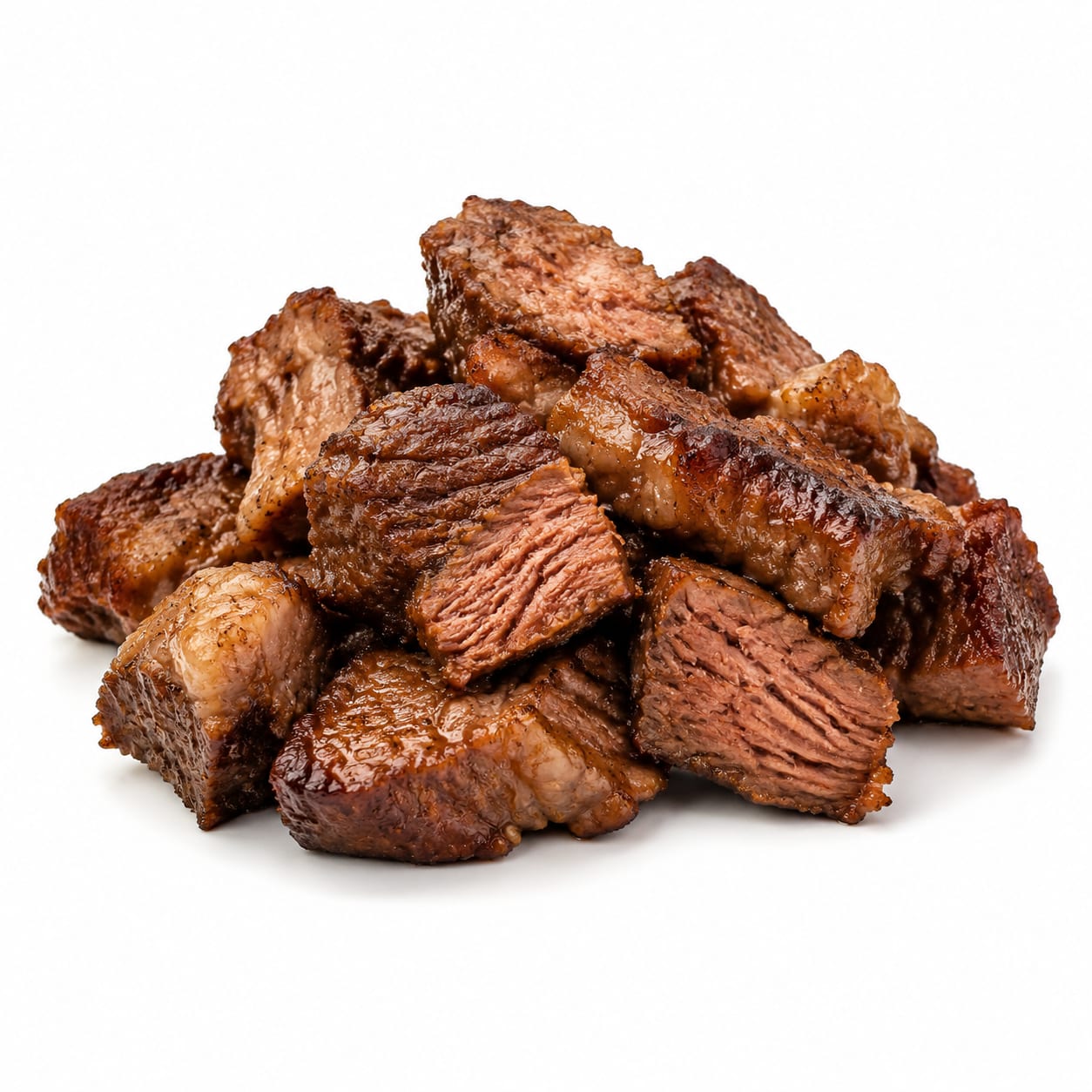
Boar
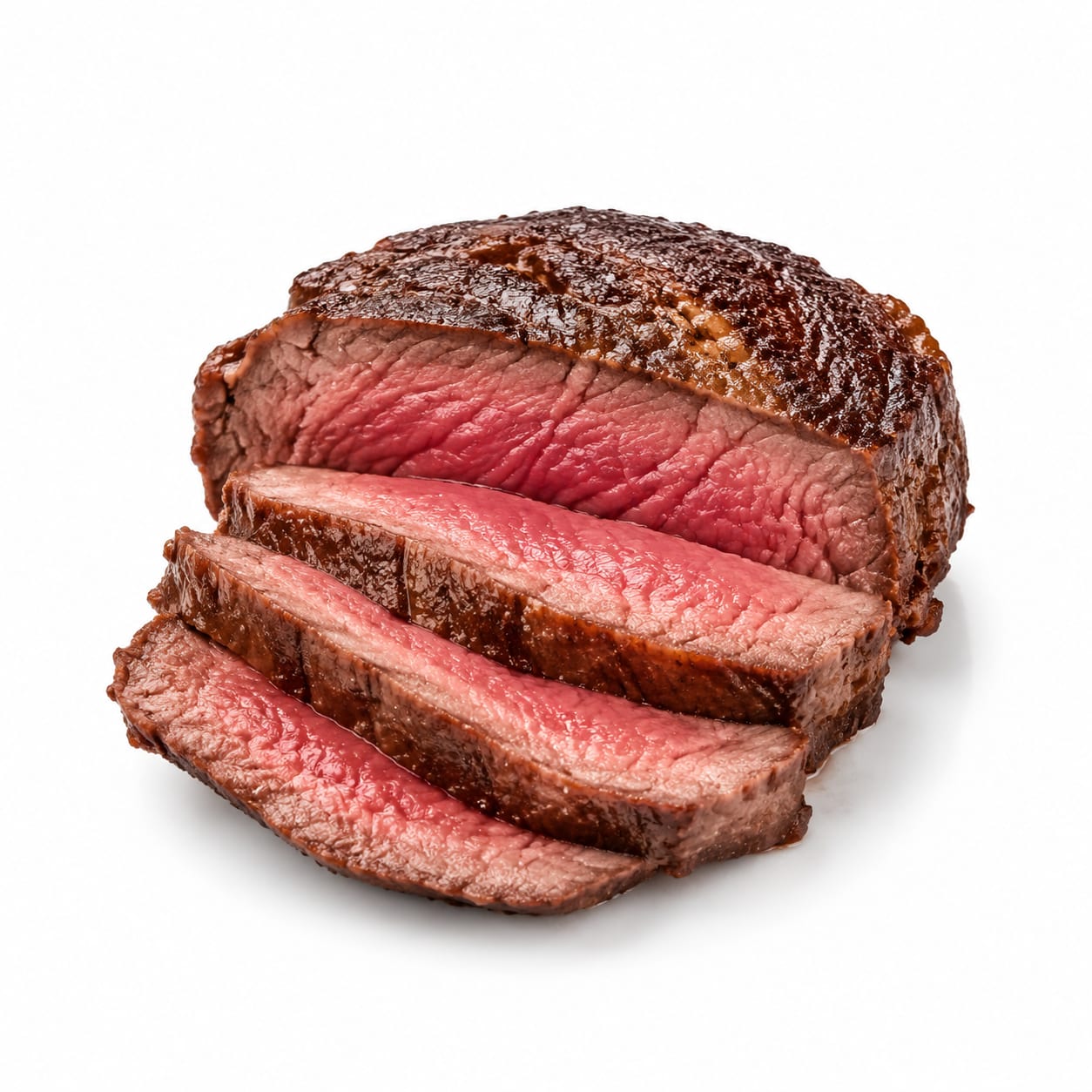
Bison
Bison edges out boar as the more practical and safer lean meat, though boar offers richer iron and a bolder flavor for adventurous eaters.
Bison scores higher due to better safety profile, wider availability, milder flavor adaptability, and slightly leaner nutrition. Boar remains compelling for iron content and flavor but loses ground on risk and practicality.
Boar delivers more iron and a deeper game flavor but carries higher parasite risk and is harder to source. Bison is cleaner, leaner, more available, and easier to cook reliably.
At a glance
Executive summary
Overall
Bison
Healthier
Bison
More practical
Bison
Daily use
Bison
Key comparison lenses
lean protein source selection
Both are premium lean game meats often chosen by health-conscious consumers seeking high-quality protein with lower fat
wild game nutrition comparison
Shoppers comparing exotic or alternative meats want to understand nutritional tradeoffs beyond standard beef or pork
safety and sourcing confidence
Wild boar carries unique parasite risks while bison is more commercially regulated, making safety a key differentiator
culinary versatility and accessibility
Bison is easier to find and cook; boar requires more skill and sourcing effort
Best choice for
Boar
- Adventurous eaters wanting bold, gamey flavor
- Those needing maximum iron intake
- Hunters or direct-from-source consumers who can verify handling
- People seeking a nutrient-dense occasional treat
Bison
- Regular lean protein rotation in a healthy diet
- Families wanting a safer, milder game meat
- Athletes needing consistent, clean protein
- Anyone transitioning away from beef who wants familiar texture
Least suitable for
Boar
- Immune-compromised individuals due to parasite risk
- Those who dislike strong gamey flavors
- Busy households needing quick, forgiving weeknight proteins
- People without reliable specialty sourcing
Bison
- Very tight grocery budgets
- Those wanting the most iron-dense option available
- Diners seeking an intense, wild flavor experience
Deep comparison
Dimension by dimension
Each lens scores both foods and breaks down who each option suits.
- Dimension 1 · Priority 92It depends
protein quality and density
Boar · 88Bison · 90Both deliver excellent complete protein. Bison is slightly leaner per calorie, while boar offers marginally more protein per ounce.
Tradeoff
The protein difference is negligible in real meals. Choose based on flavor preference and availability instead.
Why it matters
For muscle maintenance and satiety, both meats outperform standard pork and rival chicken breast.
Real-world impact
A 4-ounce serving of either provides roughly 25-28 grams of high-quality protein, enough to support most post-workout recovery needs.
Boar
- Those who prefer denser, richer mouthfeel with their protein
Better for
- Portion control is harder due to richer taste encouraging larger servings
Worse for
Bison
- Calorie-conscious eaters wanting maximum protein per calorie
Better for
- Overcooking risk makes it easier to end up with dry, less appealing protein
Worse for
- Dimension 2 · Priority 90Bison
fat profile and leanness
Boar · 74Bison · 88Bison is consistently leaner with a more favorable fat profile, especially when grass-finished. Boar is leaner than domestic pork but more variable depending on diet and season.
Tradeoff
Boar's slightly higher fat contributes to its richer flavor but adds calories. Bison stays lean at the cost of needing careful cooking to avoid dryness.
Why it matters
For heart health and weight management, lower saturated fat intake from red meat matters over time.
Real-world impact
Choosing bison over boar a few times a week saves roughly 30-50 calories and 1-2 grams of saturated fat per serving compared to typical cuts.
Boar
- Those who find ultra-lean meats unsatisfying and prefer some natural fat for satiety
Better for
- The fat content varies wildly based on whether the animal was wild or farm-raised
Worse for
Bison
- Anyone monitoring saturated fat for cardiovascular health
- Weight-loss diets where every calorie saving counts
Better for
- Extreme leanness means it dries out fast, making it less forgiving for inexperienced cooks
Worse for
- Dimension 3 · Priority 85Boar
micronutrient density
Boar · 86Bison · 80Boar edges ahead on iron and thiamine content, making it particularly valuable for those at risk of deficiency. Bison still provides solid B-vitamins and selenium.
Tradeoff
Boar's micronutrient advantage is real but modest. You would need to eat it regularly for the iron difference to matter clinically.
Why it matters
Iron deficiency is common, especially among women, and red game meat is one of the most bioavailable sources.
Real-world impact
A serving of boar provides roughly 15-20% more absorbable iron than bison, which could meaningfully help someone with borderline low iron.
Boar
- Women with heavy menstrual cycles needing extra iron
- Anyone diagnosed with or borderline for iron deficiency
Better for
- Iron overload is possible with frequent consumption, especially for men
Worse for
Bison
- Those who already meet iron needs through other sources or supplements
Better for
- Less impactful as a standalone iron source compared to boar or organ meats
Worse for
- Dimension 4 · Priority 88Bison
food safety and contamination risk
Boar · 58Bison · 82Wild boar carries meaningful parasite risk, particularly trichinosis, and is less regulated. Bison is commercially farmed under USDA oversight with far lower contamination concerns.
Tradeoff
Boar from verified farms is much safer than wild-caught, but many consumers cannot confirm sourcing. Bison offers more consistent peace of mind.
Why it matters
Trichinosis and other wildlife-borne parasites can cause serious illness. Proper cooking mitigates risk but does not eliminate all concerns.
Real-world impact
Boar must be cooked to at least 160°F (71°C) internally for safety, which can compromise tenderness. Bison is safe at 145°F (63°C) with rest time, preserving juiciness.
Boar
- Consumers with direct relationships to trusted hunters or farms who can verify handling
Better for
- Wild-caught boar without proper freezing and cooking is a genuine health risk
- Pregnant women should be especially cautious
Worse for
Bison
- Anyone buying from grocery stores without verified supply chain transparency
- Families with children or elderly members more vulnerable to foodborne illness
Better for
- Still a red meat with typical handling precautions needed, though far less risky than boar
Worse for
- Dimension 5 · Priority 78Bison
culinary practicality and availability
Boar · 52Bison · 76Bison is increasingly available in mainstream grocery stores and online. Boar remains a specialty item requiring butcher shops or mail order.
Tradeoff
Bison costs more than beef but is far easier to find than boar. Boar's scarcity makes it a special-occasion protein rather than a staple.
Why it matters
The healthiest protein only matters if you can actually buy and cook it regularly without friction.
Real-world impact
Most suburban shoppers can find bison at Whole Foods or specialty grocers. Boar typically requires advance ordering or online purchasing with shipping costs.
Boar
- Home cooks who enjoy seeking out unique ingredients and don't mind the effort
Better for
- Inconvenient for spontaneous meal planning
- Limited cut selection compared to bison
Worse for
Bison
- Weeknight dinner planners who need reliable protein availability
- Meal preppers wanting consistency week to week
Better for
- Still not as widely available or affordable as chicken, turkey, or beef
Worse for
- Dimension 6 · Priority 72It depends
environmental and ethical sustainability
Boar · 78Bison · 80Both are more sustainable than conventional beef. Wild boar is often an invasive species requiring population control, making consumption ecologically beneficial. Bison ranching supports prairie conservation.
Tradeoff
Eating wild boar helps manage an invasive population, which is environmentally positive. Bison ranching preserves native grassland ecosystems but requires land and resources.
Why it matters
Consumers increasingly factor ecological impact into protein choices, and both meats have compelling sustainability stories.
Real-world impact
Choosing either over conventional beef reduces your carbon footprint meaningfully. The sustainability edge depends on sourcing specifics rather than the animal itself.
Boar
- Regions where wild boar is invasive and consumption directly aids ecosystem management
Better for
- Farm-raised boar loses the ecological benefit of invasive species management
Worse for
Bison
- Supporting native species ranching and prairie biodiversity preservation
Better for
- Bison ranching still uses water and land resources, though less than cattle
Worse for
Timeline
Health impact over time
Short-term
Hours to days
Boar
- High satiety from protein and fat combination keeps you full for hours
- Rich flavor may lead to overeating if portions are not managed
- Must be cooked thoroughly, which can reduce tenderness and enjoyment
Bison
- Clean, light post-meal feeling due to low fat content
- Quick digestion without heaviness, suitable for post-workout meals
- Easy to overcook and end up with a dry, less satisfying eating experience
Long-term
Months to years
Boar
- Excellent iron intake supports energy and prevents deficiency-related fatigue
- Variable fat quality means long-term heart health impact depends heavily on sourcing
- Parasite risk from repeated wild-caught consumption without proper handling could compound
Bison
- Consistent lean protein supports muscle retention and healthy body composition over decades
- Low saturated fat intake from regular bison consumption aligns with heart-healthy eating patterns
- Higher cost may limit frequency, reducing practical long-term impact compared to more affordable lean proteins
Risk profile
Safety & processing
Both boar and bison are typically sold as whole-muscle cuts without additives. Ground versions may have slightly more handling but remain far less processed than deli meats or sausages. Always check labels for added sodium or fillers in ground products.
Boar
Trichinosis and wildlife parasites
highWild boar can carry Trichinella spiralis and other parasites. Freezing at -5°F for 3 weeks or cooking to 160°F is required for safety. Farm-raised boar has lower but not zero risk.
Inconsistent handling and inspection
mediumWild-harvested boar may not undergo the same USDA inspection as commercial meats, increasing uncertainty about contamination.
Environmental contaminants in wild populations
mediumWild boar forage broadly and can accumulate heavy metals or environmental toxins depending on habitat quality.
Bison
Standard raw meat handling concerns
lowLike all raw meats, bison requires proper refrigeration and handling. USDA-inspected bison has consistent safety standards.
Overcooking quality loss
lowNot a safety risk per se, but the tendency to overcook bison out of caution with game meat reduces its appeal and may lead to less healthy preparation methods like added butter or sauces.
Who wins for whom
Audience fit
Same foods, different winners depending on your goal.
children
BisonMilder flavor and lower parasite risk make bison a safer, more kid-friendly introduction to game meats.
daily consumption
BisonBison's availability, safety consistency, and milder flavor make it more sustainable as a regular protein rotation. Boar is better reserved for occasional variety.
diabetes
BisonBoth have zero carbohydrates and minimal impact on blood sugar. Bison's lower saturated fat content is preferable for cardiovascular risk management common in diabetes.
elderly
BisonOlder adults are more vulnerable to foodborne illness, making bison's cleaner safety profile the wiser choice. Its tenderness when properly cooked is also easier to chew.
muscle gain
It dependsBoth deliver excellent complete protein. Boar's slightly higher calorie content can support bulking phases, while bison suits lean bulk approaches.
weight loss
BisonBison provides slightly fewer calories per serving with comparable protein, making it easier to maintain a calorie deficit without sacrificing satiety.
Your move
Decision guide
Choose Boar
- You have access to trusted, verified sourcing from reputable farms or experienced hunters
- You want maximum iron intake and find standard lean meats bland
- You enjoy bold, gamey flavors and are comfortable with specialized cooking techniques
- You live in a region where wild boar is invasive and consumption supports ecological balance
Choose Bison
- You want a lean red meat you can eat confidently several times a week
- Food safety is a top priority, especially for vulnerable household members
- You prefer milder flavor that adapts easily to various recipes and seasonings
- You value availability and want something you can actually find at the store regularly
Either works if
- You are simply looking for a healthier alternative to conventional beef or pork
- You want to reduce saturated fat intake while keeping red meat in your diet
- You enjoy cooking and experimenting with premium proteins
Avoid both if
- You have gout or severe uric acid concerns, as both are red meats with moderate purine content
- Your budget requires sticking to more affordable proteins like chicken, turkey, or beans
- You are committed to a plant-based diet for ethical or environmental reasons
Final recommendation
Make bison your go-to lean game meat for regular meals. It is safer, easier to find, and more versatile in the kitchen. Save boar for special occasions when you can verify sourcing and want a richer, more intense eating experience. Both are excellent upgrades from conventional red meat, but bison fits more lives more easily.
Practical
Consumer tips
- 1
Cook bison to medium-rare (145°F with rest) for best texture. Going beyond medium makes it tough and dry.
- 2
Always cook boar to at least 160°F for safety. Marinate beforehand and use moist cooking methods to preserve tenderness.
- 3
Buy ground bison for the best value entry point. It works seamlessly in burgers, meatballs, and chili.
- 4
If buying boar, ask your supplier whether it is wild-caught or farm-raised. Farm-raised has lower parasite risk.
- 5
Freeze wild boar at -5°F for at least three weeks before cooking if you have any concerns about trichinosis.
- 6
Compare prices per gram of protein, not per pound. Both are premium meats, and the math helps you decide if the upgrade from beef is worth it for your budget.
- 7
Try bison sirloin or ribeye for the closest beef-like experience with better nutrition. Avoid over-seasoning to appreciate the natural sweetness.