
Nutrition comparison
Boar vs Pork: Nutrition, Safety, and Which Meat to Choose
Compare wild boar and pork on protein, fat, safety, taste, and cost. Learn which is leaner, which is safer, and when each meat makes sense for your diet.
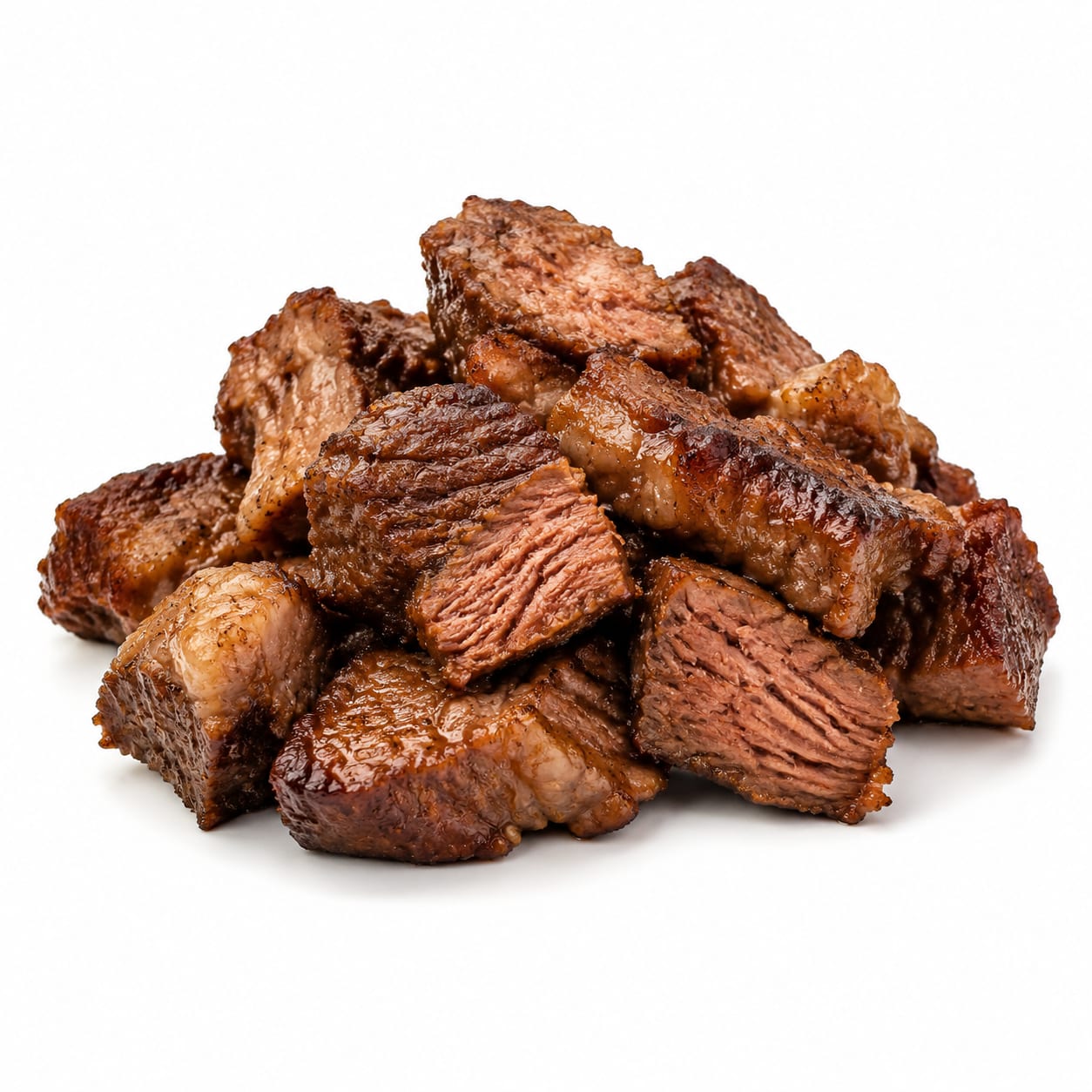
Boar
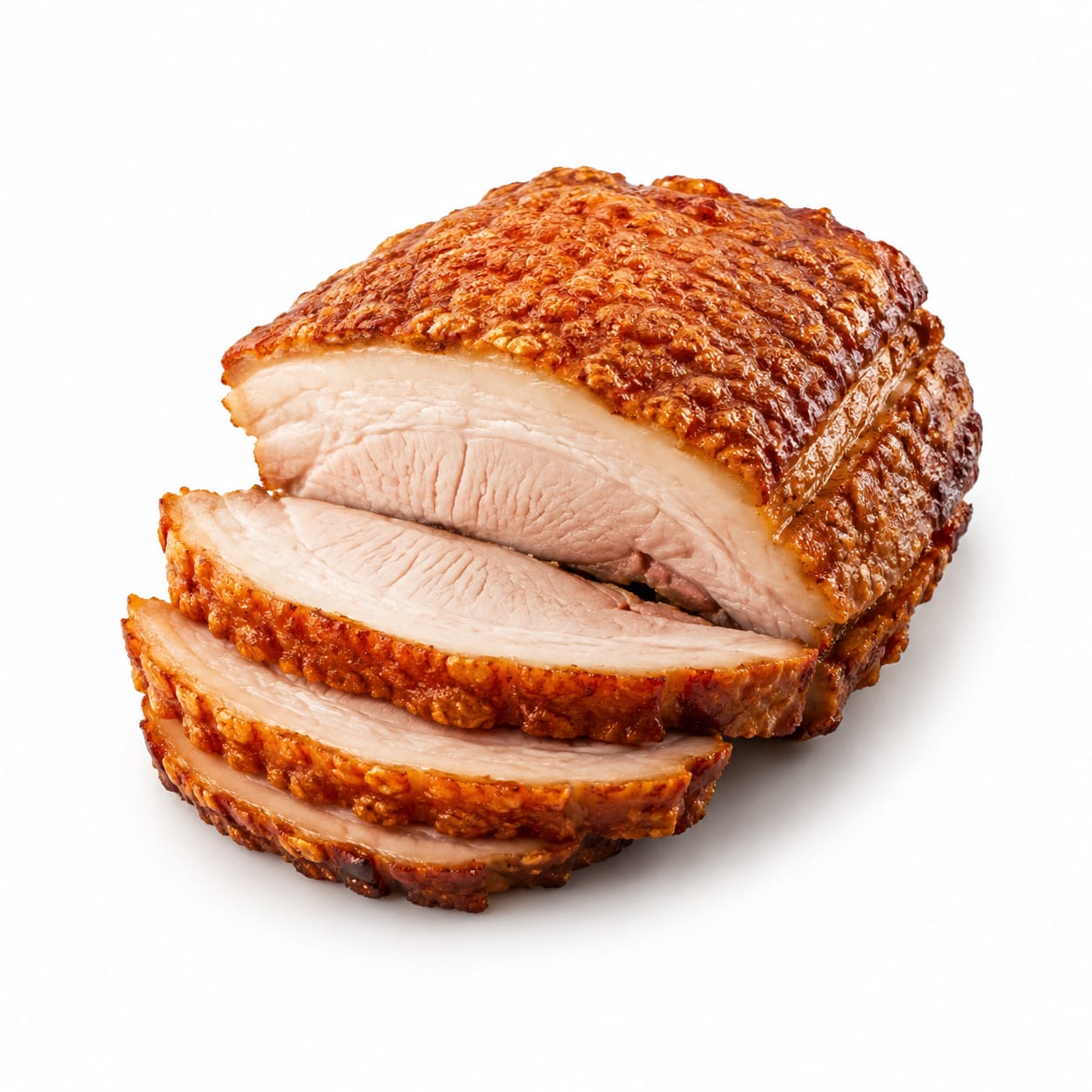
Pork
Boar delivers superior nutrition per calorie with its lean, micronutrient-dense profile, but pork wins on accessibility, cost, and everyday practicality.
Boar scores higher on nutritional quality and naturalness, but pork's accessibility, affordability, and versatility narrow the gap significantly for everyday decision-making.
You gain nutritional density and a wild, antibiotic-free protein source with boar, but sacrifice convenience, affordability, and cooking consistency.
At a glance
Executive summary
Overall
It depends
Healthier
Boar
More practical
Pork
Daily use
Pork
Key comparison lenses
Lean protein vs accessible protein
Wild boar is significantly leaner with a denser protein profile, while pork offers more fat and wider availability
Wild vs farmed meat safety
Boar carries parasite risks from wild habitat, while pork carries antibiotic and farming practice concerns
Nutritional density comparison
Boar typically provides more micronutrients per calorie due to its wild diet and leaner composition
Practicality and everyday usability
Pork is affordable, widely available, and easy to cook consistently; boar is specialty meat with limited access
Flavor and culinary versatility
Boar offers a deeper gamey flavor suited for specific dishes, while pork adapts to nearly any cuisine or cooking method
Best choice for
Boar
- Lean muscle-building with minimal fat intake
- Adventurous eaters seeking nutrient-dense wild game
- Those avoiding farmed meat antibiotics and hormones
- Keto or paleo dieters wanting cleaner protein sources
Pork
- Budget-conscious families needing affordable protein
- Everyday meal prep with predictable cooking results
- Home cooks wanting versatility across cuisines
- People who prefer milder, more familiar flavors
Least suitable for
Boar
- People uncomfortable cooking game meat safely
- Tight grocery budgets
- Those wanting quick, foolproof weeknight meals
- Diners who dislike strong or gamey flavors
Pork
- Those strictly limiting saturated fat intake
- People avoiding conventionally farmed meat
- Anyone seeking the highest nutrient density per calorie
- Those concerned about antibiotic residues in meat
Deep comparison
Dimension by dimension
Each lens scores both foods and breaks down who each option suits.
- Dimension 1 · Priority 93Boar
Protein Quality and Density
Boar · 88Pork · 76Boar provides more protein per ounce with less fat, making it a more efficient protein source for lean muscle maintenance.
Tradeoff
Boar's leanness means it can dry out easily during cooking, while pork's fat keeps it forgiving and juicy.
Why it matters
If you are tracking protein without excess calories, boar gets you there faster with less waste.
Real-world impact
A 4oz serving of boar delivers similar protein to a larger pork portion but with noticeably fewer calories and less grease on your plate.
Boar
- Athletes cutting weight while preserving muscle
- High-protein dieters watching total calories
Better for
- Meals where juiciness matters more than leanness
Worse for
Pork
- Endurance athletes needing calorie-dense fuel
- Anyone struggling to eat enough protein overall
Better for
- Strict macro counting with tight fat limits
Worse for
- Dimension 2 · Priority 88Boar
Fat Profile and Leanness
Boar · 85Pork · 58Wild boar is substantially leaner with a healthier fat ratio, while pork—especially fattier cuts—delivers more saturated fat per serving.
Tradeoff
Boar's low fat makes it healthier but less forgiving to cook; pork's fat adds flavor and moisture but increases calorie load.
Why it matters
Less saturated fat means lighter digestion and better long-term cardiovascular markers without sacrificing protein.
Real-world impact
After a boar dinner you feel satisfied but not heavy; after a fatty pork cut, you may feel sluggish or overly full.
Boar
- Heart-conscious eaters reducing saturated fat
- Those wanting lighter post-meal energy
Better for
- Low-carb dieters who rely on fat for energy
Worse for
Pork
- Keto dieters embracing fat intake
- Cold-weather meals where richness feels comforting
Better for
- Anyone monitoring cholesterol or triglycerides
Worse for
- Dimension 3 · Priority 82Boar
Micronutrient Density
Boar · 84Pork · 70Boar's wild foraging diet produces meat richer in iron, zinc, and B vitamins compared to conventionally farmed pork.
Tradeoff
The micronutrient edge is real but modest—pork still provides solid B vitamins and minerals, just at slightly lower concentrations.
Why it matters
More nutrients per bite means your body gets what it needs without extra calories or supplementation.
Real-world impact
If you eat meat partly for iron and zinc, boar delivers more per serving, which matters most for women and athletes.
Boar
- People with mild iron deficiency concerns
- Athletes needing zinc for recovery
Better for
- Anyone expecting a dramatic supplement-like difference
Worse for
Pork
- Those already eating a micronutrient-rich varied diet
Better for
- Those relying on meat as a primary iron source
Worse for
- Dimension 4 · Priority 86It depends
Food Safety and Contamination Risk
Boar · 62Pork · 72Boar risks include wild parasites and lack of USDA inspection, while pork risks involve antibiotic residues and farming practices—but pork has more regulated safety oversight.
Tradeoff
Boar avoids farmed-meat contaminants but carries wild-harvest risks; pork is inspected and regulated but comes with industrial farming concerns.
Why it matters
Both meats require proper cooking to safe internal temperatures, but the types of risk differ in ways that matter to health-conscious consumers.
Real-world impact
With boar, you must be meticulous about cooking temperature; with pork, you must trust the farming and inspection system.
Boar
- Avoiding antibiotic exposure
- Those concerned about concentrated animal feeding operations
Better for
- Immunocompromised individuals at higher parasite risk
- Cooks unfamiliar with safe game meat handling
Worse for
Pork
- Anyone wanting USDA-inspected meat with traceable origins
- People uncomfortable assessing wild game safety
Better for
- Those avoiding conventionally farmed meat entirely
Worse for
- Dimension 5 · Priority 79Pork
Practicality and Accessibility
Boar · 35Pork · 90Pork is available in every grocery store at affordable prices, while boar is a specialty item requiring specialty butchers or online orders.
Tradeoff
You pay a nutritional premium for boar, but the effort and cost to source it regularly is substantial.
Why it matters
The healthiest protein only matters if you can actually buy and cook it consistently.
Real-world impact
Pork can be a Tuesday night default; boar requires planning, sourcing, and usually a higher grocery budget.
Boar
- Special occasion meals where uniqueness matters
- Areas with access to wild game processors
Better for
- Last-minute meal planning
- Rural areas without specialty suppliers
Worse for
Pork
- Weeknight family dinners
- Meal prepping on a schedule
- Budget-limited households
Better for
- Diners seeking novelty or wild food experiences
Worse for
- Dimension 6 · Priority 71Pork
Culinary Versatility and Flavor
Boar · 55Pork · 82Pork's mild flavor works in nearly any dish or cuisine, while boar's gamey taste shines in specific preparations but limits versatility.
Tradeoff
Boar offers a memorable, bold flavor experience but restricts your recipe options; pork is a culinary chameleon that rarely clashes.
Why it matters
If you cook diverse recipes, versatility reduces food waste and keeps meals interesting without extra effort.
Real-world impact
Pork adapts to stir-fries, roasts, grilling, and slow cooking seamlessly; boar demands recipes that complement its intensity.
Boar
- Slow braises and stews that deepen its rich flavor
- Adventurous dinner parties showcasing wild game
Better for
- Delicate dishes where gamey flavor overwhelms
- Light summer meals
Worse for
Pork
- Meal prep across multiple cuisines
- Family meals with picky eaters
- Grilling and quick-cook methods
Better for
- Occasions where bold, distinctive flavor is the point
Worse for
- Dimension 7 · Priority 68It depends
Environmental and Ethical Considerations
Boar · 74Pork · 52Wild boar has a lower industrial farming footprint, but overhunting concerns exist; pork production involves significant environmental costs from concentrated farming.
Tradeoff
Boar avoids the pollution and resource intensity of pig farming, but sustainable harvest practices vary widely by region.
Why it matters
For environmentally motivated eaters, wild game generally has a smaller footprint than any conventionally farmed meat.
Real-world impact
Choosing boar where it is invasive and overpopulated can actually help ecosystems; industrial pork always carries a measurable environmental toll.
Boar
- Eaters prioritizing low food-print protein
- Regions where boar is invasive and needs population control
Better for
- Regions with declining wild boar populations
Worse for
Pork
- Areas with regenerative or small-scale pork farming options
Better for
- Anyone avoiding industrially farmed meat for environmental reasons
Worse for
Timeline
Health impact over time
Short-term
Hours to days
Boar
- Lighter post-meal feeling due to lower fat content
- Higher satiety per calorie from dense lean protein
- Risk of digestive discomfort if undercooked due to parasite potential
Pork
- More sustained fullness from higher fat content in most cuts
- Possible heaviness or sluggishness after fattier cuts
- Generally well-tolerated when cooked to safe temperatures
Long-term
Months to years
Boar
- Better cardiovascular markers from lower saturated fat intake
- Reduced exposure to antibiotics and farming chemicals
- Potential micronutrient advantages from wild diet composition
Pork
- Higher saturated fat intake may impact heart health if fatty cuts dominate
- Antibiotic exposure risk varies heavily by farming practices
- Consistent B-vitamin intake supports energy metabolism reliably
Risk profile
Safety & processing
Both boar and pork are whole, unprocessed meats in their raw form. Boar edges ahead on naturalness because it lives and forages in the wild without feed additives, while even responsibly farmed pork involves human-controlled diets and living conditions.
Boar
Trichinella and wild parasites
highWild boar can carry Trichinella spiralis and other parasites. Cooking to 160°F (71°C) internal temperature is non-negotiable.
Lack of regulated inspection
mediumWild-harvested boar does not go through USDA inspection, so quality and safety depend entirely on the hunter or processor.
Environmental contaminants
lowWild boar may accumulate heavy metals or environmental toxins depending on their foraging territory.
Pork
Antibiotic residues
mediumConventionally raised pork may contain antibiotic residues, though regulatory limits exist. Choosing organic or antibiotic-free pork reduces this.
Foodborne illness from improper handling
lowModern pork production has reduced trichinosis risk dramatically, but basic safe handling and cooking still apply.
Processing additives in packaged pork
mediumPre-packaged or enhanced pork products may contain sodium solutions, preservatives, or nitrates if cured. Fresh cuts avoid this.
Who wins for whom
Audience fit
Same foods, different winners depending on your goal.
children
PorkPork's milder flavor, guaranteed safety inspection, and easier availability make it more appropriate for kids.
daily consumption
PorkAffordability, availability, and cooking ease make pork realistic for daily meals; boar is better as an occasional choice.
diabetes
BoarLower saturated fat and higher protein density support better insulin sensitivity and steadier blood sugar.
elderly
PorkPork's tenderness in many cuts and reliable safety oversight suit older adults who need easy-to-chew, safe protein.
muscle gain
BoarMore protein per serving with less fat supports lean muscle growth without excess calories.
weight loss
BoarBoar's higher protein-to-calorie ratio and lower fat content make it more efficient for calorie-controlled diets.
Your move
Decision guide
Choose Boar
- You want the leanest, most nutrient-dense red meat option available
- Avoiding farmed meat antibiotics and hormones matters deeply to you
- You enjoy bold, gamey flavors and have access to a reliable game supplier
- You are an athlete or dieter tracking every gram of protein and fat
Choose Pork
- You need affordable, accessible protein for yourself or a family
- Weeknight cooking speed and reliability are priorities
- You cook diverse cuisines and want a versatile meat
- You prefer milder flavors or cook for picky eaters
Either works if
- You simply need a solid whole-food protein source and both are available
- You rotate proteins regularly and want variety in your diet
Avoid both if
- You follow a plant-based or vegetarian diet
- You have alpha-gal syndrome (mammal meat allergy)
- You cannot reliably cook meat to safe internal temperatures
Final recommendation
Make boar your special-occasion protein when you can source it properly and cook it carefully. Rely on pork—preferably from responsible farms—for everyday meals. If you eat boar even once a month, you gain nutritional variety without the cost and effort of making it a staple.
Practical
Consumer tips
- 1
If cooking boar for the first time, use a slow braise or marinade to tenderize the lean meat and mellow its gaminess.
- 2
Always use a meat thermometer with wild boar—cook to 160°F to eliminate parasite risk completely.
- 3
For pork, choose loin or tenderloin cuts if you want leanness closer to boar's profile without the specialty sourcing.
- 4
Look for organic or antibiotic-free pork labels to reduce farming-related concerns while keeping the convenience.
- 5
Freeze wild boar for at least 3 weeks at 5°F or below as an additional safety measure against parasites.
- 6
If boar is unavailable or too expensive, lean pork cuts with the fat trimmed approximate much of the nutritional benefit.