
Dairy
Blue Cheese
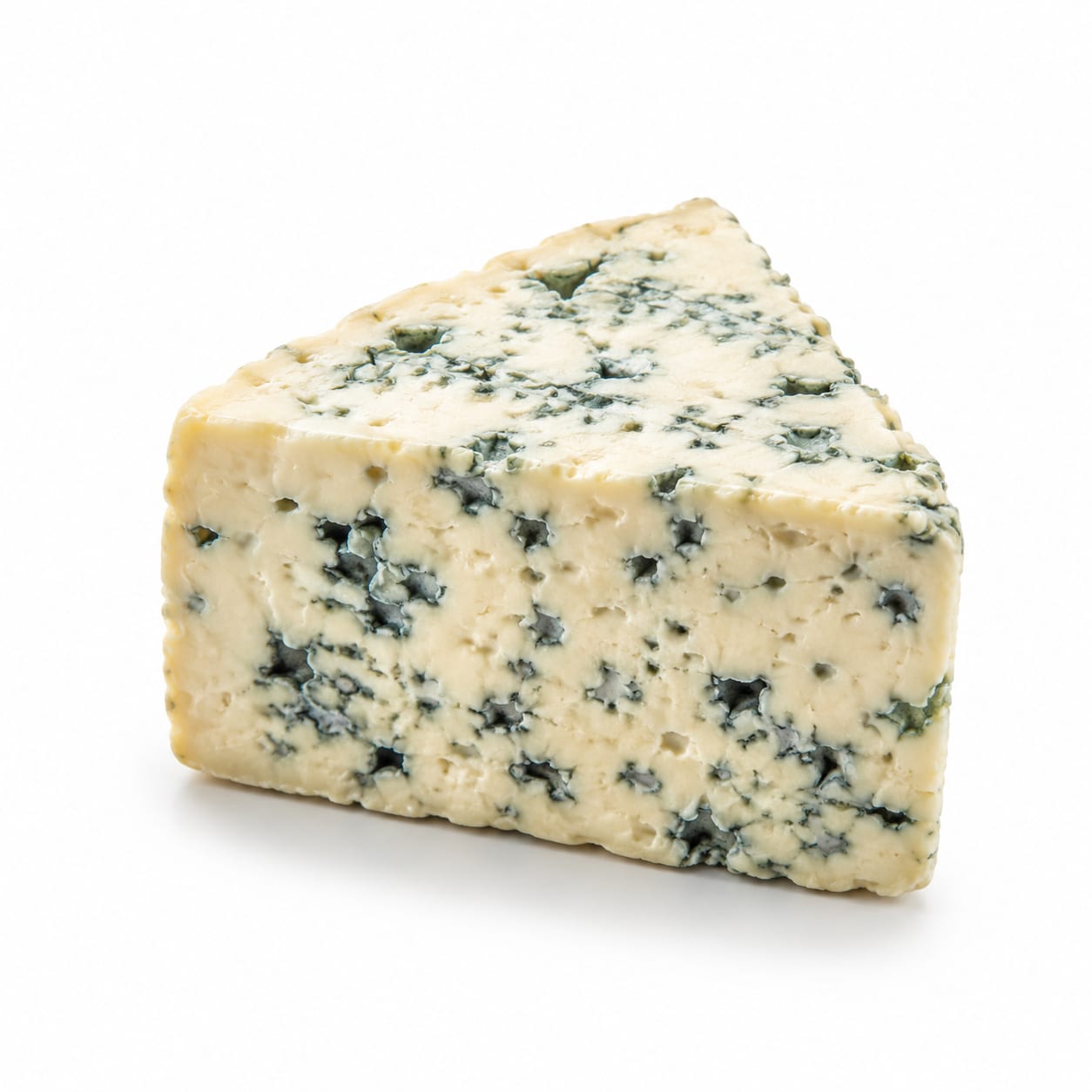
A pungent, blue-veined cheese made from cow, sheep, or goat milk and cultured with Penicillium mold.
A semi-soft to hard cheese characterized by blue or green veins of mold, offering a sharp, tangy, and pungent flavor profile.
high-fat fermented dairy food
Typical serving · 30g
Common varieties · Roquefort, Gorgonzola, Stilton, Danish Blue, Cabrales
Overall context score across nutrition, safety, and diet fit
At a glance
Quick facts
Simple indicators based on nutrition, processing, and diet fit.
The story
What makes it unique
Blue cheese is a fermented dairy product inoculated with Penicillium mold. It digests slowly due to high fat and protein content, promoting prolonged satiety. Its macronutrient profile is high in fat and moderate in protein with near-zero carbohydrates. The fermentation process produces bioactive peptides and requires significant sodium for preservation and flavor.
Varieties: Roquefort · Gorgonzola · Stilton · Danish Blue · Cabrales
Per 100g
Nutrition breakdown
Macro balance and key metrics at a glance.
Energy
Density 3.53 kcal/g
Protein
Carbs
Fat
Fiber
Sugar
0.5 g
Sodium
1395 mg
Potassium
256 mg
Glycemic index
0
Glycemic load
0
Water content
40%
Standout compounds
Nutrient highlights
Calcium
highSupports bone health and muscle function
Vitamin B12
highEssential for nerve function and red blood cell formation
Sodium
highRegulates fluid balance but can increase blood pressure risk
Saturated Fat
highProvides dense energy but should be moderated for heart health
Phosphorus
moderateWorks with calcium for strong bones and teeth
Wellness map
Health scores & processing
NOVA processing scale
moderately processed · Whole food
Made through traditional fermentation and curdling of milk with salt, enzymes, and mold cultures, without industrial ultra-processing additives.
Diet compatibility
- Weight loss
- Muscle gain
- Diabetes
- Gut health
- Low carb
- High protein
- Heart health
Relative standing
Food rankings
Qualitative ranks compared to similar whole foods.
- Satietygood
- Blood sugarexcellent
- Nutrient densitygood
- Fitness fuelmoderate
- Processing qualitygood
Eat with confidence
Food safety profile
Pasteurized blue cheese is generally safe, but unpasteurized varieties pose a Listeria risk, particularly for pregnant women and immunocompromised individuals.
Evidence confidence 90%
- Pesticideslow
- Antibioticsmoderate
- Heavy metalslow
- Contaminationmoderate
Watch for
- Listeria monocytogenes
- E. coli
Safer choices
Pasteurized blue cheese varieties
Prep tips
Keep refrigerated and discard if unusual non-blue mold appears or if it smells strongly of ammonia.
Raw milk blue cheeses carry a higher risk of foodborne illness and are restricted or require aging mandates in some jurisdictions.
Deep dive
Health analysis
How this food may fit different goals and preparation choices.
Weight loss
High energy density and fat content make it easy to overconsume calories, requiring strict portion control for weight loss.
Blood sugar
Near-zero carbohydrates result in a minimal glycemic impact, making it suitable for blood sugar management.
Fitness & energy
Not a primary energy source, but the moderate protein content supports muscle maintenance, and fat provides sustained low-intensity fuel.
Gut health
Fermentation provides beneficial bacteria and bioactive peptides, though the high sodium and low fiber limit overall gut health benefits.
Processing quality
Traditional cheese-making uses minimal processing, relying on natural fermentation and aging rather than artificial preservatives.
Food safety
Listeria risk is present in raw milk varieties; pregnant women should strictly avoid unpasteurized blue cheese.
Common mistakes
Assuming all blue cheese is the same; Roquefort is sheep's milk, Gorgonzola is cow's milk, which changes the fat and flavor profiles.
Best preparation
Crumble over salads for flavor dispersion with fewer calories, or allow to come to room temperature before serving to maximize taste.
Practical guide
Best use cases
When and how this food fits real eating patterns.
Keto Diet Flavor Enhancer
Adds high fat and intense flavor to low-carb meals without adding sugars.
Salad Topping
Crumbling small amounts provides strong flavor impact with fewer calories than creamy dressings.
Charcuterie Board Staple
Pairs well with nuts, fruits, and cured meats for entertaining.
Balance sheet
Pros & cons
Upsides
- Very low in carbohydrates
- Contains beneficial probiotic bacteria from fermentation
- Rich in calcium and vitamin B12
- Intense flavor allows small portions to satisfy cravings
- Penicillium mold may have anti-inflammatory properties
Trade-offs
- Very high in sodium, which can raise blood pressure
- High in saturated fat and calories
- Unpasteurized varieties pose Listeria risks
- Strong flavor is polarizing and not universally liked
- Not suitable for dairy-free or vegan diets
Fit check
Who is it for?
Great match
- ketogenic diets
- low-carb meal plans
- flavor enhancement in small doses
- blood sugar management
Consider alternatives
- low-sodium diets
- low-fat diets
- strict calorie counting
- dairy allergies or lactose intolerance
Side by side
How it compares
Open the full head-to-head analysis for nutrition, safety, and practical tradeoffs.
This food
Blue Cheese
VS85% alike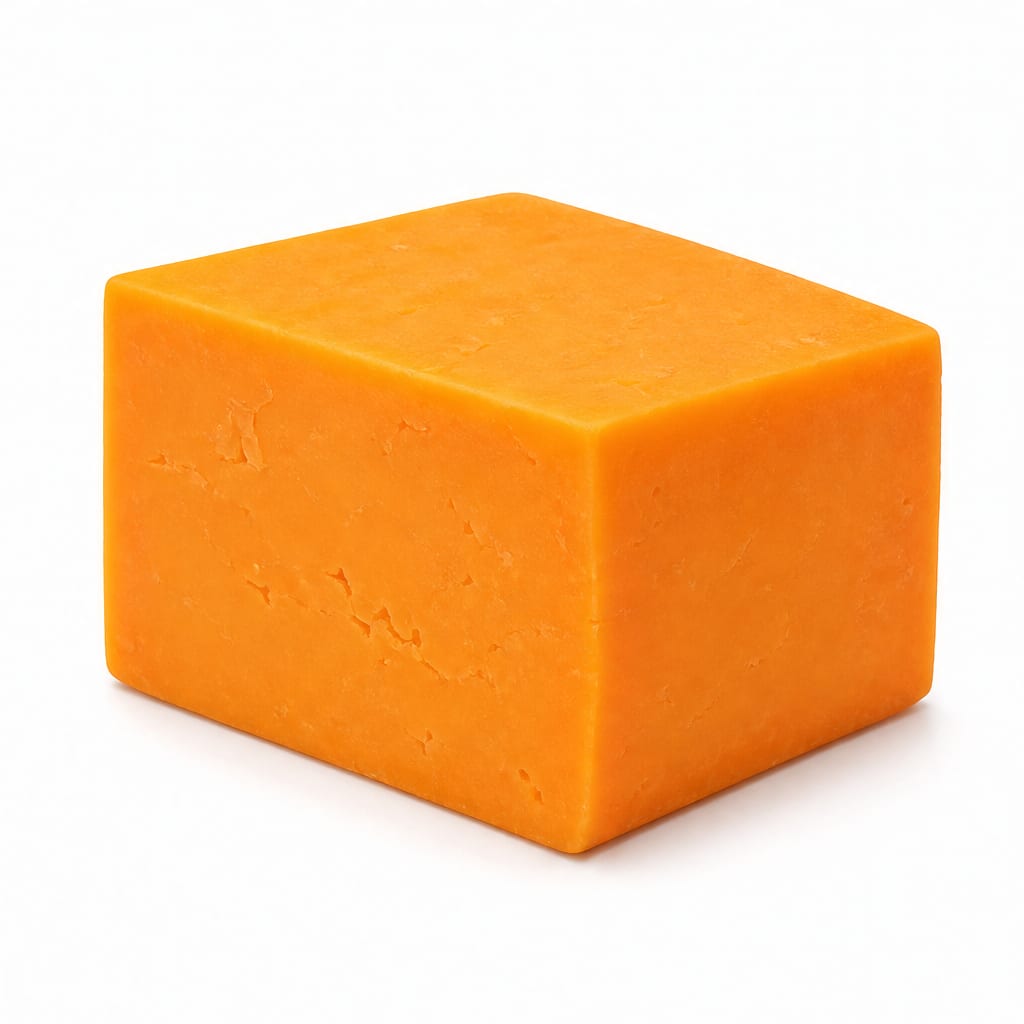
Compare with
Cheddar
Cheddar is lower in sodium and less pungent, while blue cheese offers probiotics from mold.
Cheddar has a milder flavor and less sodium, while blue cheese is lower in carbs and contains beneficial mold cultures.
This food
Blue Cheese
VS95% alike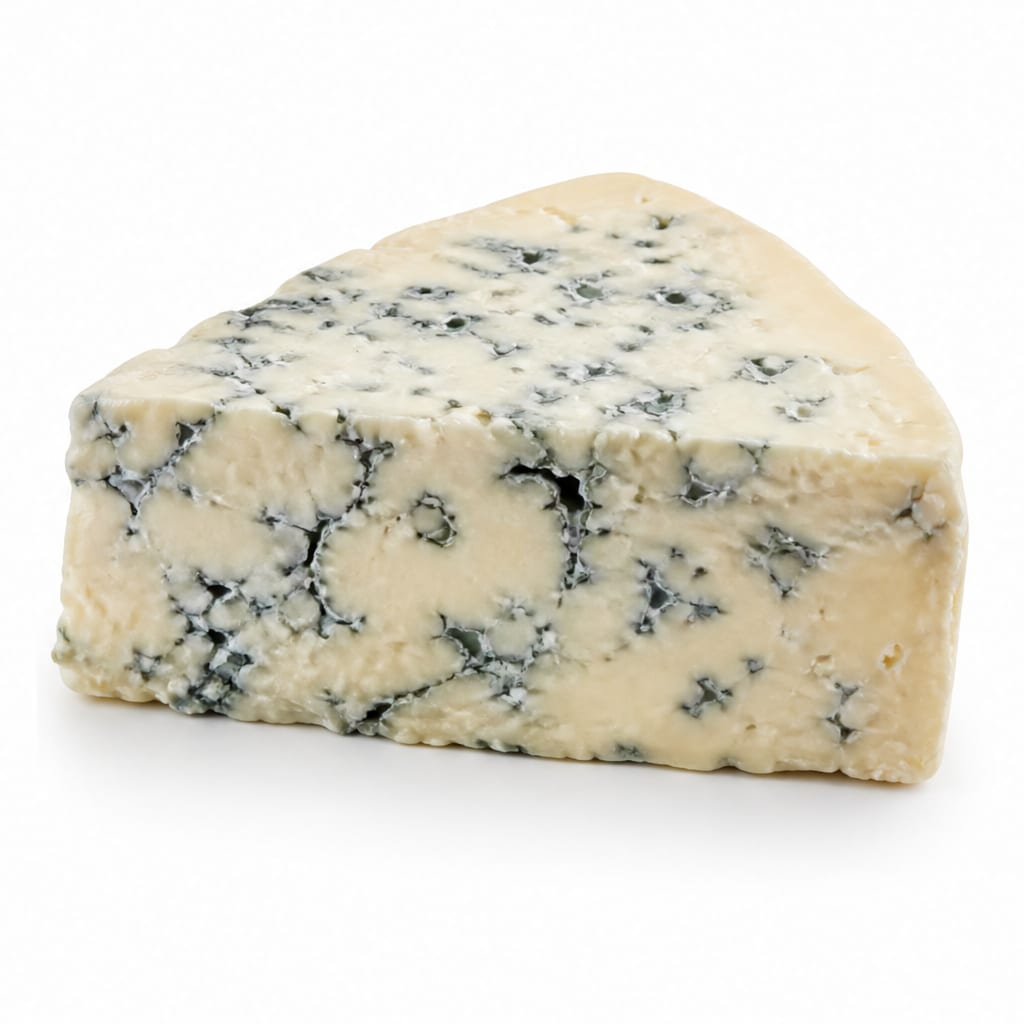
Compare with
Gorgonzola
Gorgonzola is typically creamier and milder than sharper blue cheeses like Roquefort.
Gorgonzola and blue cheese are nutritionally similar, but Gorgonzola dolce is softer and milder, making it better for spreading.
This food
Blue Cheese
VS98% alike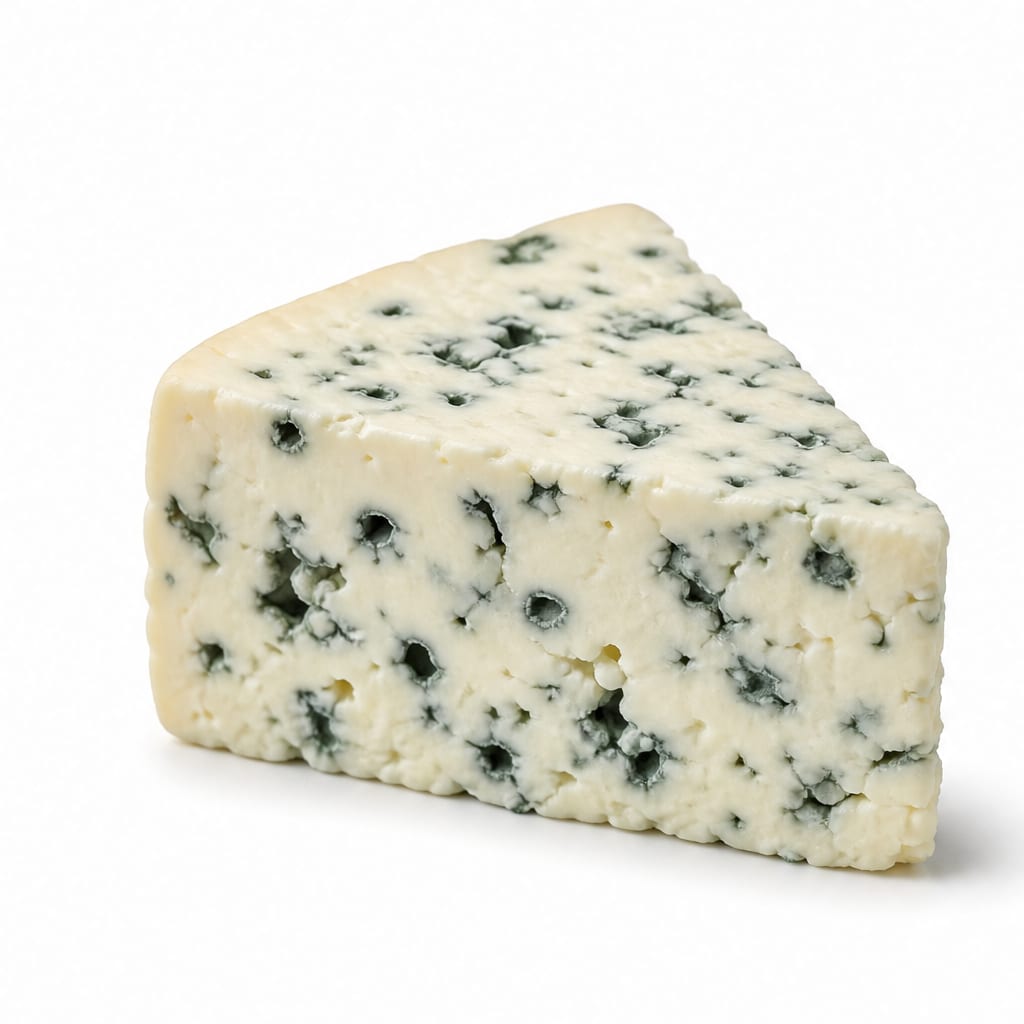
Compare with
Roquefort
Roquefort is made from sheep's milk, making it slightly richer in fat and sharper in flavor than standard cow's milk blue cheese.
Roquefort is a sheep's milk blue cheese with a more intense, salty flavor, while standard blue cheese is often milder and made from cow's milk.
This food
Blue Cheese
VS75% alike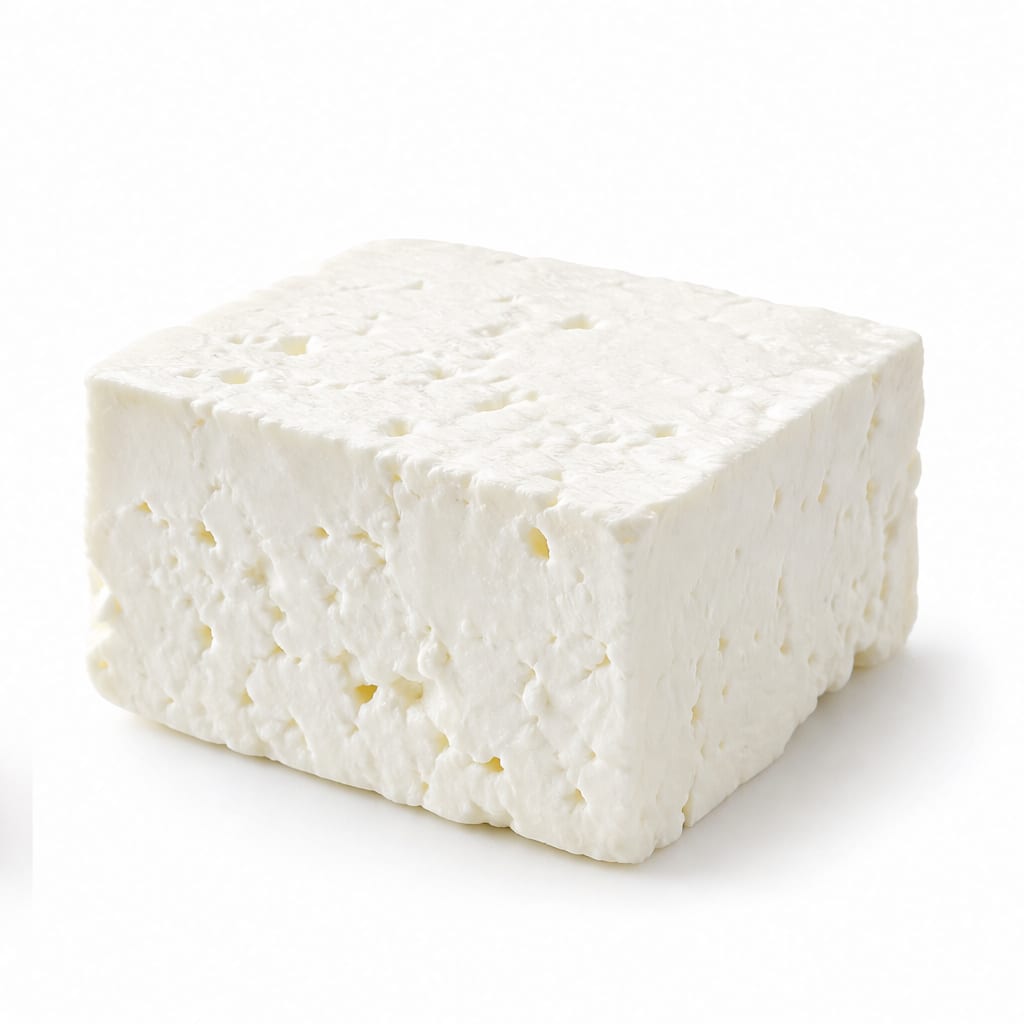
Compare with
Feta
Feta is significantly lower in fat and calories but higher in sodium, while blue cheese is richer and denser.
Feta is lower in calories and fat for weight loss, while blue cheese provides a more intense flavor and lower carb profile.
This food
Blue Cheese
VS70% alike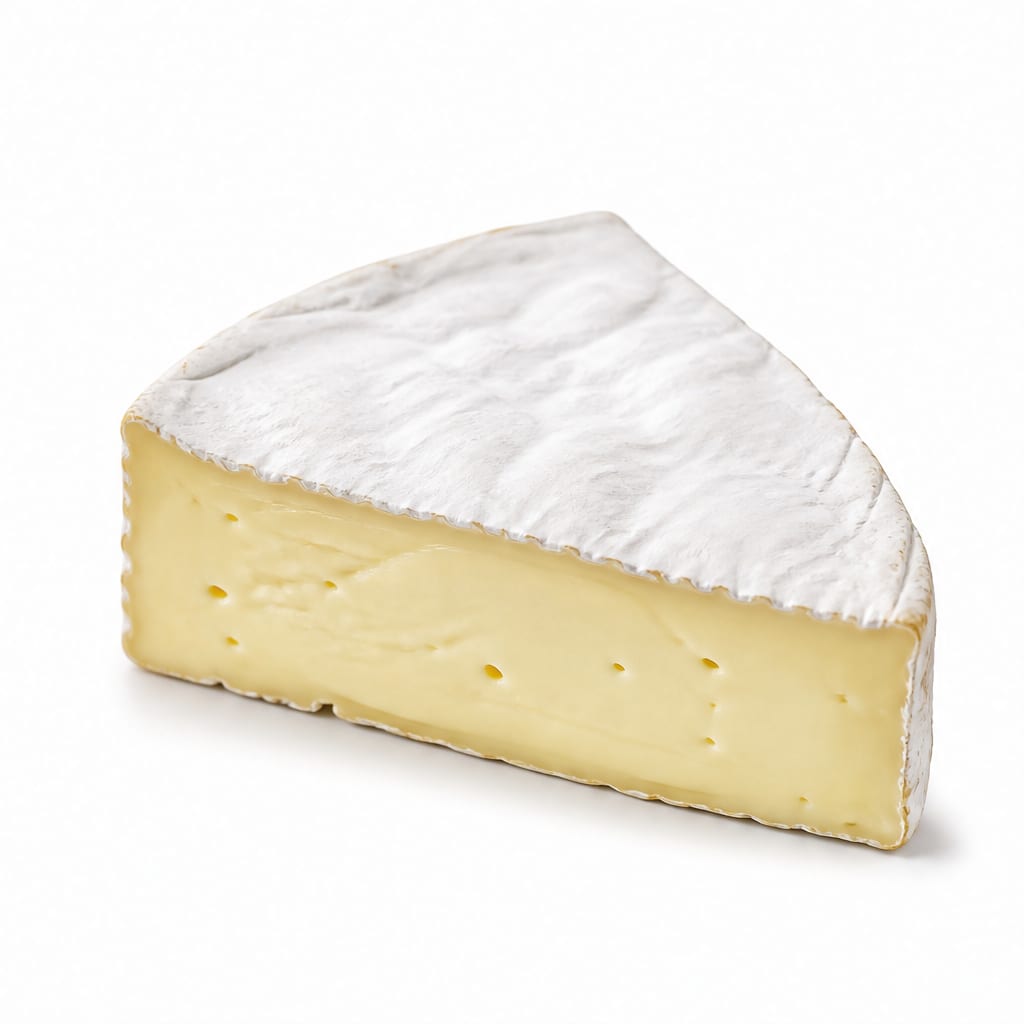
Compare with
Brie
Brie has a creamy, mild flavor and lower sodium, while blue cheese is pungent, crumbly, and saltier.
Brie is creamier and lower in sodium, while blue cheese is sharper, lower in carbs, and contains beneficial mold veins.
This food
Blue Cheese
VS40% alike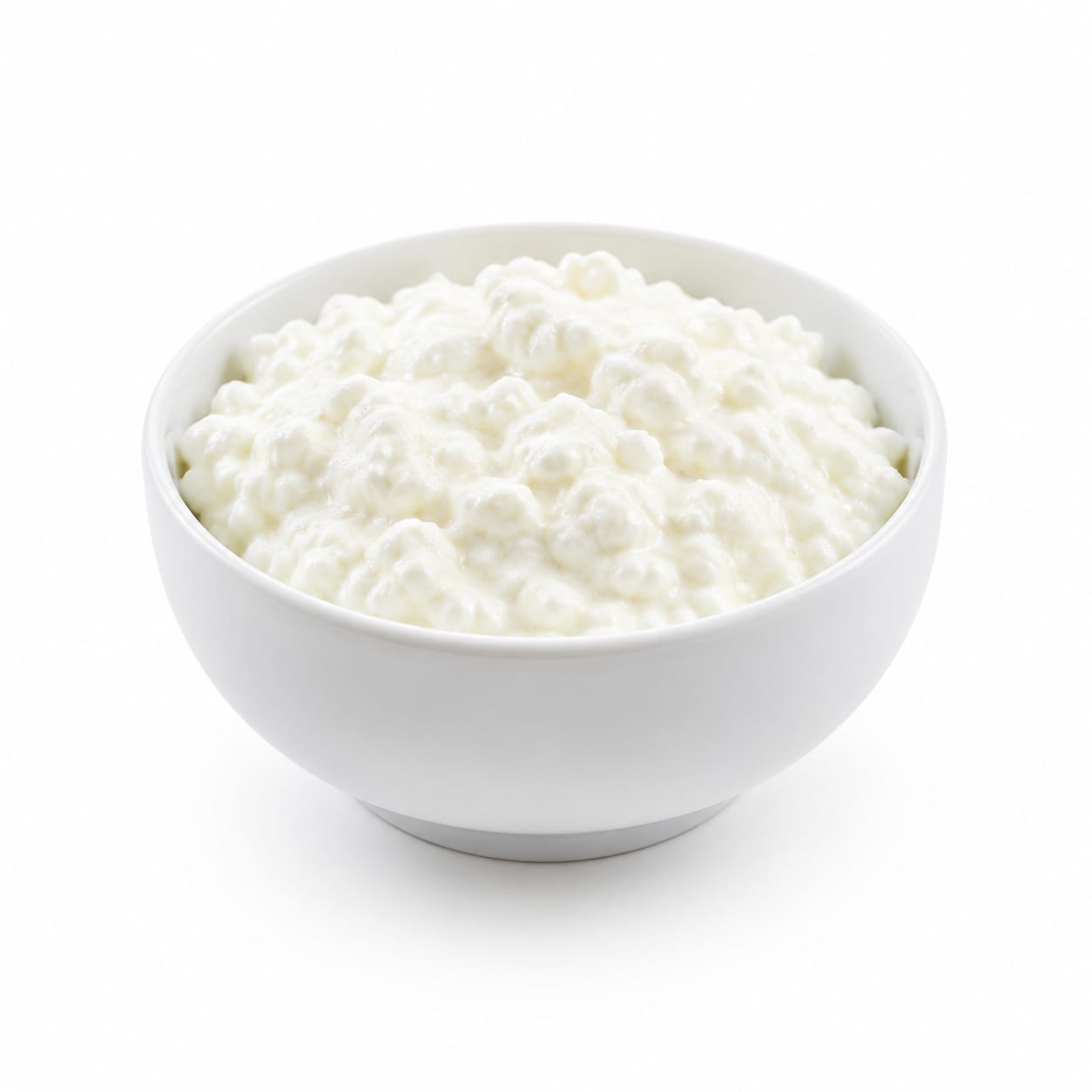
Compare with
Cottage Cheese
Cottage cheese is low-fat, high-protein, and unaged, whereas blue cheese is high-fat, moderate-protein, and fermented.
Cottage cheese is far better for weight loss and muscle gain due to high protein and low fat, while blue cheese is suited for low-carb and flavor.
This food
Blue Cheese
VS65% alike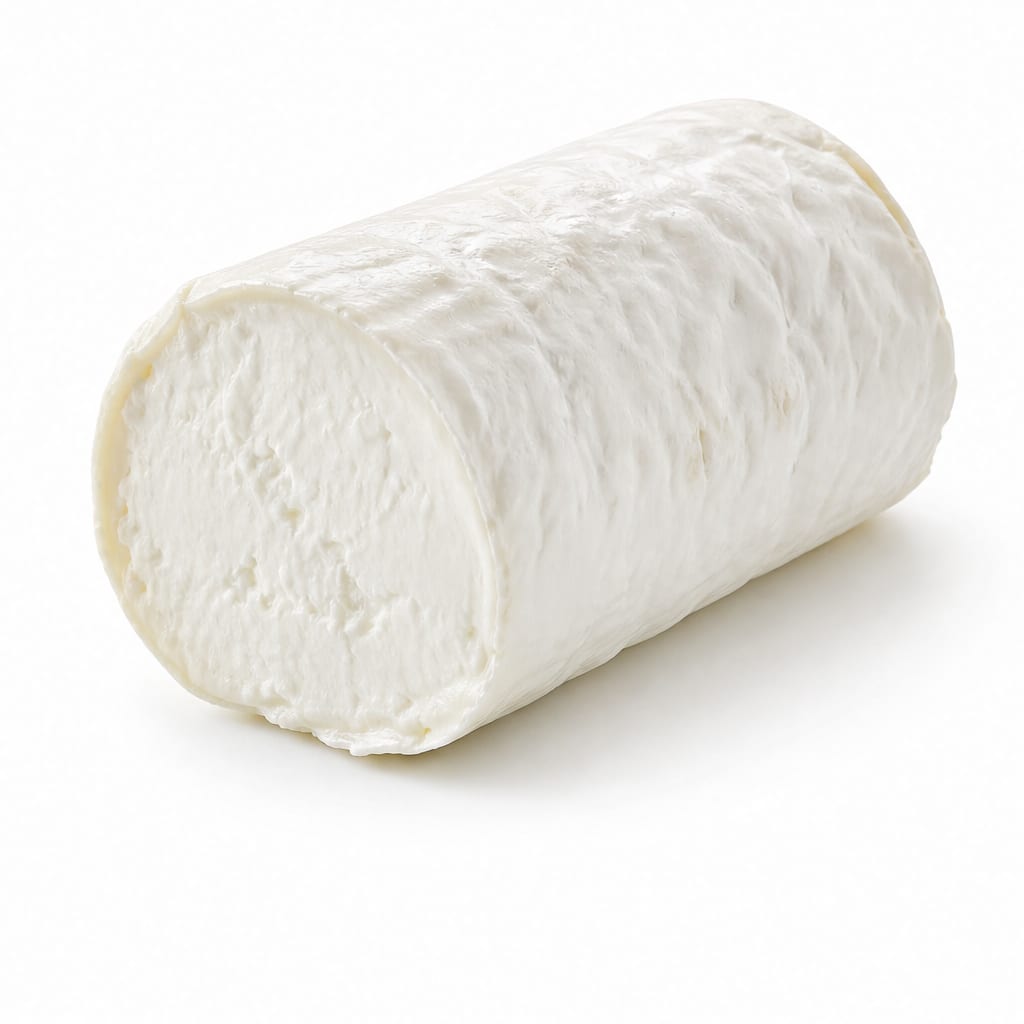
Compare with
Goat Cheese
Goat cheese is lower in fat and calories, and often easier to digest due to different protein structures.
Goat cheese is lower in calories and easier to digest, while blue cheese offers a stronger flavor and more calcium.
This food
Blue Cheese
VS50% alike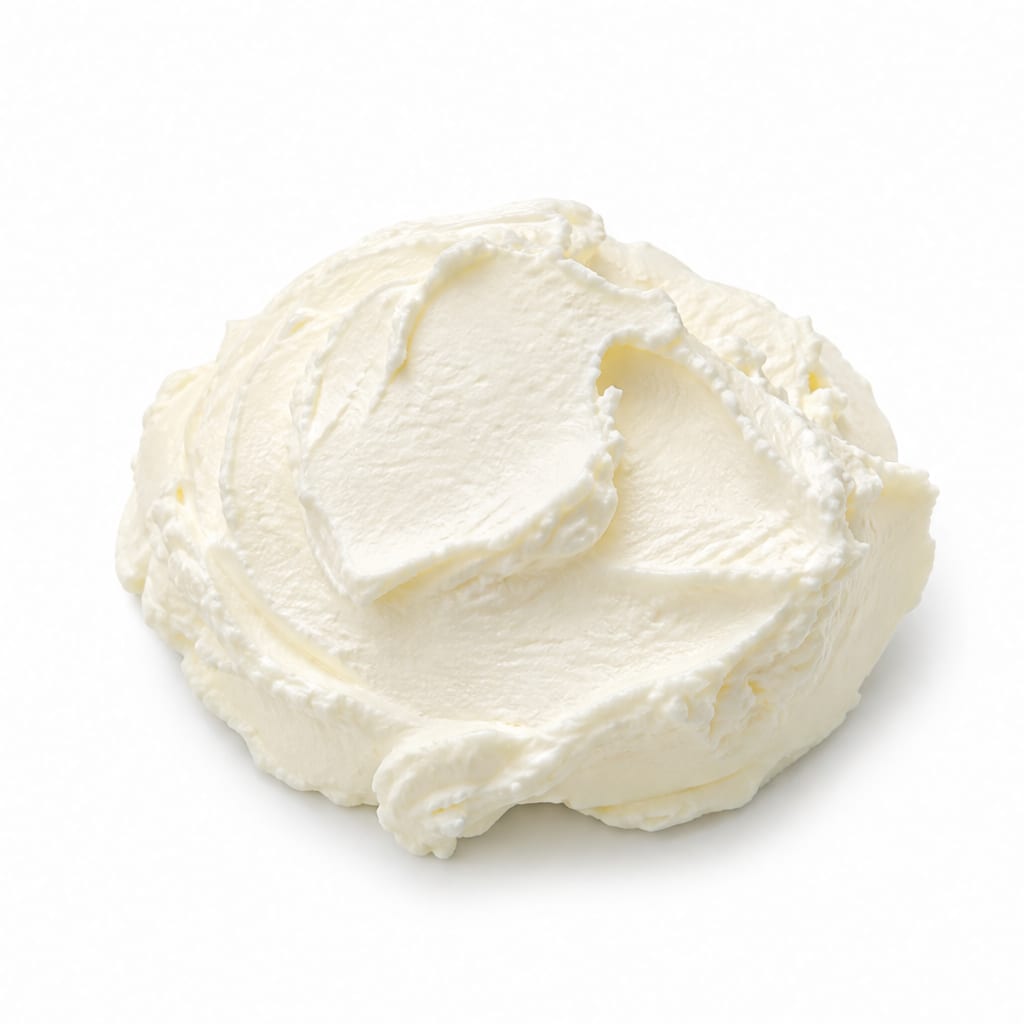
Compare with
Cream Cheese
Cream cheese is fresh and unaged with no mold, while blue cheese is aged, fermented, and much lower in carbs.
Cream cheese is spreadable and mild but has no probiotics, while blue cheese is lower in carbs and rich in fermented health benefits.
This food
Blue Cheese
VS60% alike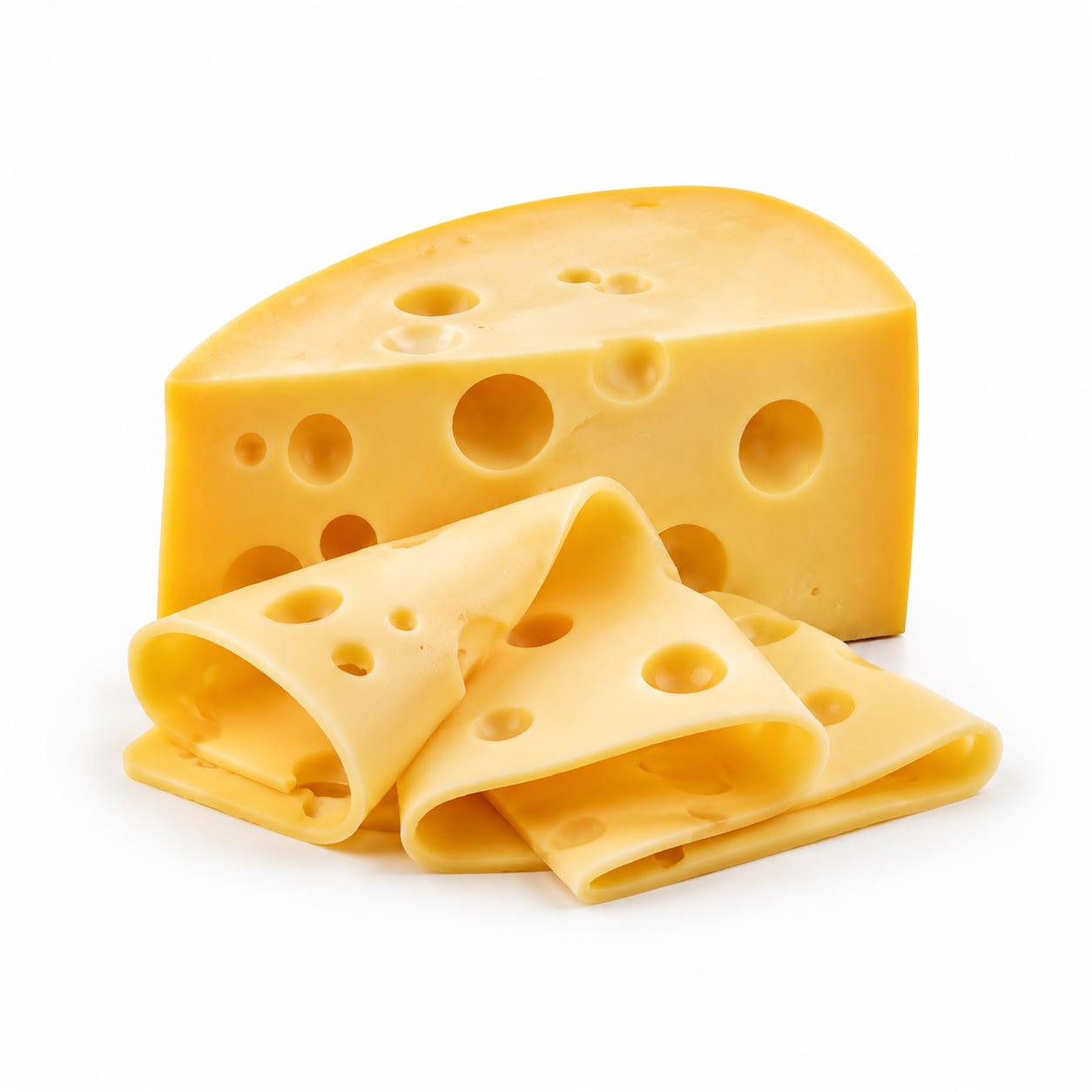
Compare with
Swiss Cheese
Swiss cheese is much lower in sodium and has a nutty flavor, while blue cheese is high in sodium and pungent.
Swiss cheese is significantly lower in sodium and better for heart health, while blue cheese is lower in carbs and contains probiotics.
This food
Blue Cheese
VS75% alike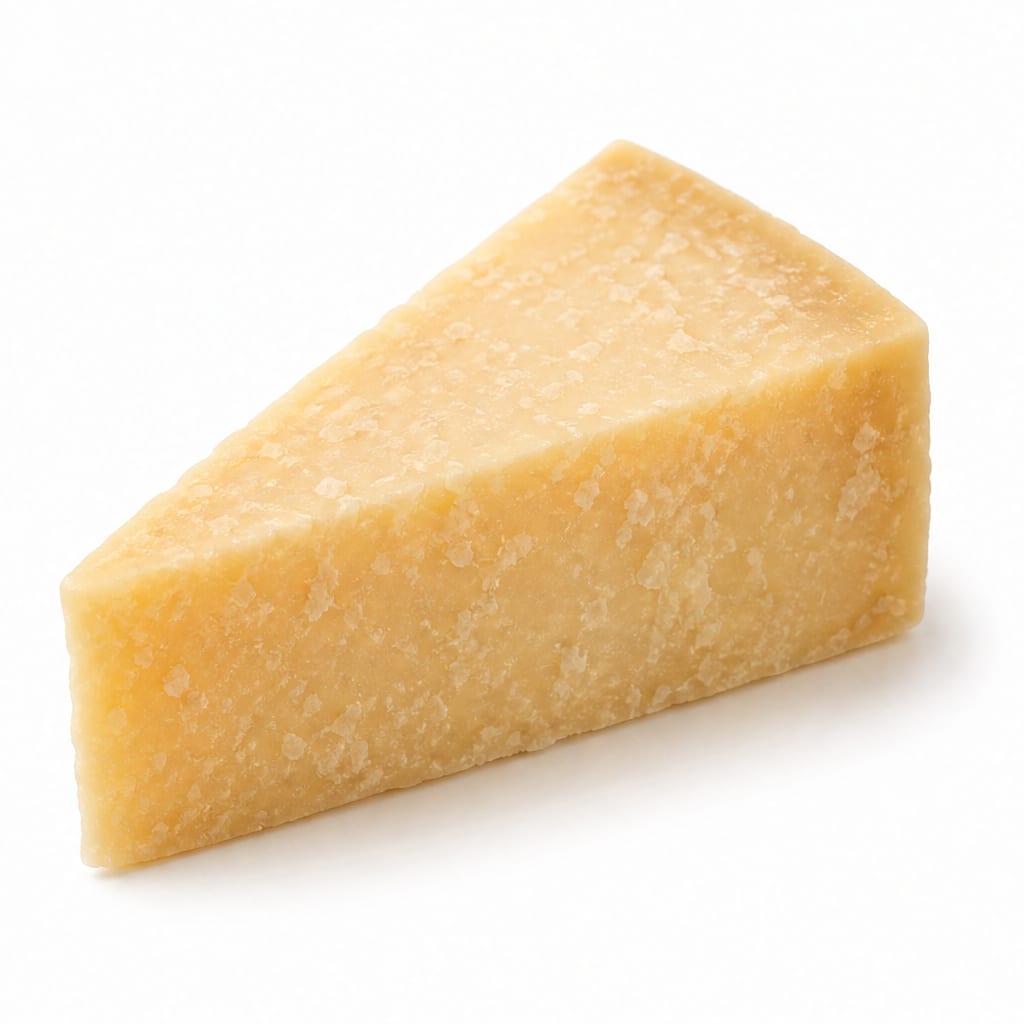
Compare with
Parmesan
Parmesan is extremely hard and granular with high protein, while blue cheese is crumbly with higher fat.
Parmesan is higher in protein and lower in fat, making it better for muscle gain, while blue cheese is softer and better for keto fat macros.
Common questions
FAQ
Answers aligned with how people search for this food.
Is blue cheese keto?
Yes, it is very low in carbs and high in fat, making it ideal for ketogenic diets.
Can you eat blue cheese while pregnant?
Only if it is made with pasteurized milk. Unpasteurized blue cheese carries a risk of Listeria, which is dangerous during pregnancy.
Does blue cheese have probiotics?
Yes, the fermentation process and Penicillium cultures provide beneficial bacteria that can support gut health.
Is the mold in blue cheese safe to eat?
The specific Penicillium molds used to make blue cheese are safe to consume and do not produce harmful mycotoxins.
How many carbs are in blue cheese?
Blue cheese contains less than 1 gram of carbs per typical serving (30g), making it virtually carb-free.
Is blue cheese good for weight loss?
It is high in calories and fat, so it is not ideal for weight loss unless consumed in very strict moderation to add flavor.
Why is blue cheese so salty?
Salt is essential in the cheese-making process to control the growth of the blue mold, prevent spoilage, and develop its characteristic flavor.
What does blue cheese taste like?
It has a sharp, pungent, and tangy flavor profile with a creamy or crumbly texture, depending on the variety.
Transparency
Data confidence
Estimated confidence for nutrition data, interpretation, safety notes, and comparisons.
Nutrition data
Health analysis
Food safety
Comparisons