
Nutrition comparison
Blue Cheese vs Brie: Which Soft Cheese Is Healthier for You?
Compare Blue Cheese and Brie on sodium, calcium, calories, safety, and taste. Find out which cheese fits your health goals and eating style better.
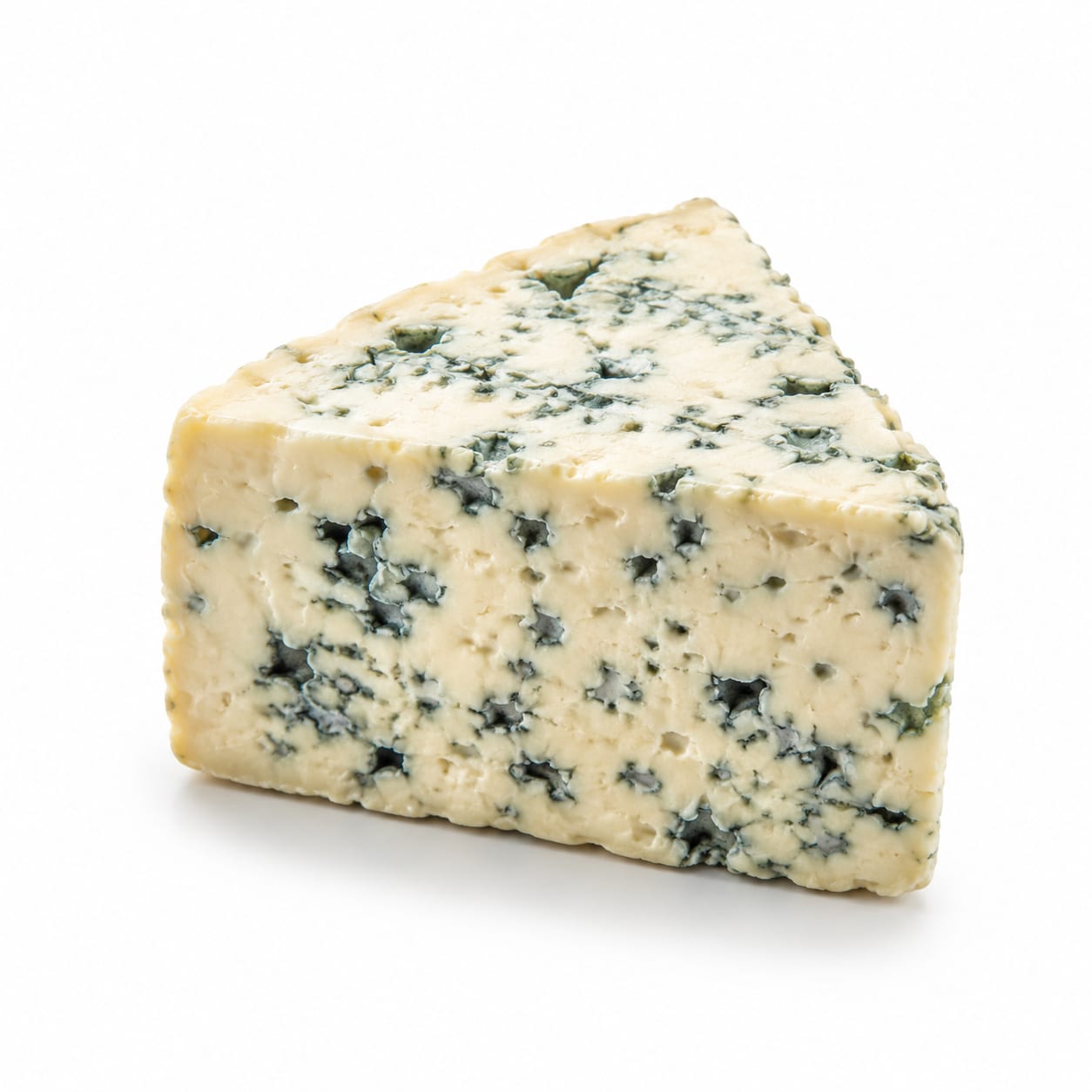
Blue Cheese
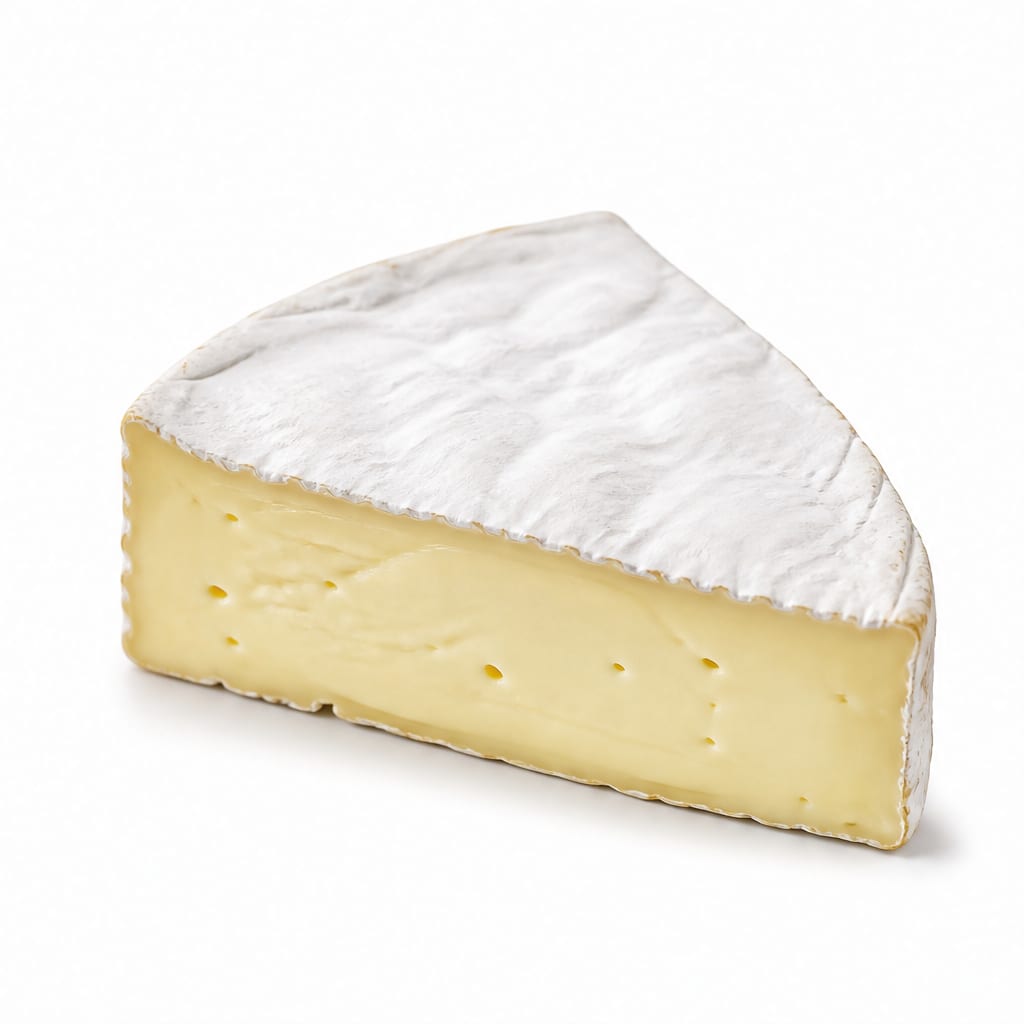
Brie
Brie is gentler and more versatile for everyday eating, while Blue Cheese delivers more flavor impact per bite but comes with higher sodium and a polarizing taste.
Brie edges ahead slightly due to lower sodium and broader everyday usability, but neither cheese is a health food. Both are calorie-dense, high in saturated fat, and carry similar food safety caveats. The small gap reflects Brie's practical advantages rather than a clear nutritional win.
Blue Cheese gives you bolder flavor and slightly more calcium but costs you more sodium; Brie offers creamier mildness and broader appeal but less nutrient density per serving.
At a glance
Executive summary
Overall
It depends
Healthier
It depends
More practical
Brie
Daily use
Brie
Key comparison lenses
Which cheese is healthier for regular consumption
Both are soft cheeses with similar calorie profiles but different sodium, mold, and safety considerations that affect daily use
Food safety for pregnant women and immunocompromised individuals
Both are mold-ripened soft cheeses carrying listeria risk, a critical concern for vulnerable populations
Flavor satisfaction and portion control
Blue Cheese's intense flavor naturally limits portions while Brie's mild creaminess encourages larger servings
Sodium and heart health tradeoffs
Blue Cheese is significantly saltier, making Brie the better option for blood pressure management
Entertaining and social versatility
Brie is universally crowd-pleasing while Blue Cheese polarizes guests, affecting practical food choices
Best choice for
Blue Cheese
- Flavor seekers who naturally stop eating after a few bites
- Salad lovers wanting a bold topping without needing much quantity
- Those seeking higher calcium and protein per ounce
- People who enjoy intense, complex tastes and eat cheese sparingly
Brie
- Hosts serving crowds with mixed taste preferences
- People watching sodium intake or blood pressure
- Anyone wanting a mild, meltable cheese for cooking
- Those who prefer gentle flavors and creamy textures
Least suitable for
Blue Cheese
- Sodium-sensitive individuals or those with hypertension
- People who dislike strong or pungent flavors
- Pregnant women due to mold and listeria concerns
- Children unaccustomed to bold tastes
Brie
- Those who struggle with portion control on mild, creamy foods
- People wanting bold flavor without adding much cheese
- Anyone avoiding high-fat dairy for calorie reasons
- Pregnant women due to soft cheese listeria risk
Deep comparison
Dimension by dimension
Each lens scores both foods and breaks down who each option suits.
- Dimension 1 · Priority 92Brie
Sodium & Heart Health
Blue Cheese · 35Brie · 55Blue Cheese packs roughly 350-400mg sodium per ounce versus Brie's 170-180mg, making Brie significantly easier on blood pressure.
Tradeoff
Blue Cheese's saltiness is part of its addictive quality, but that same sodium load makes it riskier for regular consumption.
Why it matters
If you eat cheese daily, sodium adds up fast. Two ounces of Blue Cheese can deliver nearly a third of your daily sodium limit.
Real-world impact
Someone snacking on Blue Cheese after dinner could easily consume 600mg+ sodium before feeling satisfied, while Brie eaters get half that for the same portion.
Blue Cheese
- People who only eat cheese occasionally and want maximum flavor
Better for
- Hypertension patients
- People on low-sodium diets
Worse for
Brie
- Anyone monitoring blood pressure
- Daily cheese eaters watching sodium
- Older adults more sensitive to salt
Better for
- Those who find low-salt cheese unsatisfying and overeat to compensate
Worse for
- Dimension 2 · Priority 88Blue Cheese
Flavor Satisfaction & Portion Control
Blue Cheese · 78Brie · 52Blue Cheese's intense pungency naturally limits how much you want to eat, while Brie's mild creaminess makes it easy to overconsume.
Tradeoff
The boldness that helps you eat less Blue Cheese also makes it unusable in many dishes and unappealing to many people.
Why it matters
When a food stops you at two bites instead of ten, you consume fewer calories without needing willpower.
Real-world impact
A wedge of Brie at a party disappears quickly because everyone can eat a lot of it. Blue Cheese lingers because a little goes a long way.
Blue Cheese
- Mindful eaters who want flavor intensity without volume
- Anyone trying to limit calorie intake through natural portion control
Better for
- Anyone who dislikes the taste and gets no satisfaction at all
Worse for
Brie
- People who find strong flavors unpleasant
- Those who prefer grazing on milder foods
Better for
- Portion-control strugglers facing a cheese that's easy to overeat
Worse for
- Dimension 3 · Priority 75Blue Cheese
Calcium & Bone Nutrition
Blue Cheese · 72Brie · 58Blue Cheese delivers about 150mg calcium per ounce compared to Brie's 52mg, giving it a meaningful edge for bone health.
Tradeoff
You would need to eat nearly three times as much Brie to match Blue Cheese's calcium, which also means triple the calories and fat.
Why it matters
If cheese is one of your main calcium sources, Blue Cheese is far more efficient per bite.
Real-world impact
An ounce of Blue Cheese on a salad covers about 15% of daily calcium needs. Brie covers only about 5%.
Blue Cheese
- People relying on cheese as a primary calcium source
- Older adults concerned about bone density
Better for
- Anyone who cannot tolerate the sodium that comes with the calcium
Worse for
Brie
- Those getting calcium from other sources like yogurt or fortified milk
Better for
- People assuming all cheese provides similar calcium content
Worse for
- Dimension 4 · Priority 82Brie
Versatility & Social Appeal
Blue Cheese · 45Brie · 85Brie melts beautifully, pairs with almost anything, and pleases nearly everyone. Blue Cheese is divisive and limited in how you can use it.
Tradeoff
Brie's universal appeal means it disappears faster at gatherings, costing more and encouraging more consumption.
Why it matters
A cheese you can cook with, serve to guests, and enjoy multiple ways gets used more consistently and with less waste.
Real-world impact
Brie works in sandwiches, baked dishes, fruit pairings, and on its own. Blue Cheese really shines in salads, burgers, and specific dressings.
Blue Cheese
- Home cooks making specific dishes like wedge salads or buffalo chicken
- People who love bold flavor and want a signature ingredient
Better for
- Anyone trying to please diverse palates at a dinner party
Worse for
Brie
- Hosts serving mixed company
- Anyone wanting one cheese that works in many recipes
- Families with kids who reject strong flavors
Better for
- Cooks wanting a distinctive, memorable flavor punch
Worse for
- Dimension 5 · Priority 78It depends
Calorie Density & Weight Management
Blue Cheese · 55Brie · 55Both hover around 95-100 calories per ounce with similar fat content. The real difference is how much you actually end up eating.
Tradeoff
Blue Cheese's strong flavor may limit intake naturally, but its saltiness can also trigger overeating in some people. Brie goes down easy, which is both a comfort and a risk.
Why it matters
Calorie-per-ounce numbers look identical on paper, but real-world eating behavior differs dramatically based on flavor intensity.
Real-world impact
You might stop at one ounce of Blue Cheese but easily eat three ounces of Brie, turning a 100-calorie snack into a 300-calorie one.
Blue Cheese
- People who naturally eat less when flavors are intense
Better for
- Salt-driven eaters who crave more after strong flavors
Worse for
Brie
- Those who prefer smaller amounts of mild foods and stop when satisfied
Better for
- Grazers who lose track of quantity with easy-to-eat foods
Worse for
- Dimension 6 · Priority 65It depends
Probiotics & Gut Health
Blue Cheese · 62Brie · 60Both cheeses contain beneficial cultures from their mold-ripening processes, but neither is a probiotic powerhouse compared to fermented foods like yogurt or kefir.
Tradeoff
Blue Cheese's Penicillium roqueforti and Brie's Penicillium candidum offer different microbial profiles, but the high salt and fat content somewhat offsets gut benefits.
Why it matters
If you are choosing cheese partly for gut health, both offer minor benefits, but neither should be your primary probiotic source.
Real-world impact
Eating either cheese occasionally adds some microbial diversity, but a single serving of yogurt delivers far more beneficial bacteria with fewer downsides.
Blue Cheese
- Those interested in diverse mold-based cultures
Better for
- Anyone expecting meaningful probiotic benefits from cheese alone
Worse for
Brie
- People who prefer the milder fermentation profile of surface-ripened cheese
Better for
- Those assuming Brie's white rind provides significant health benefits
Worse for
Timeline
Health impact over time
Short-term
Hours to days
Blue Cheese
- High sodium may cause bloating or thirst shortly after eating
- Strong flavor can trigger either satisfaction or aversion within minutes
- Rich fat content provides quick satiety but may feel heavy in larger amounts
Brie
- Creamy texture encourages faster eating, potentially leading to overconsumption before fullness registers
- Mild flavor rarely causes taste aversion, making it easy to eat beyond hunger
- Warm melted Brie can feel comforting but calorie-dense in the moment
Long-term
Months to years
Blue Cheese
- Regular consumption contributes to elevated sodium intake, increasing cardiovascular risk over time
- Higher calcium intake supports bone density if consumed consistently
- Saturated fat load adds up if portions are not controlled
Brie
- Lower sodium compared to Blue Cheese makes it slightly better for long-term blood pressure management
- Easy overconsumption may contribute to gradual weight gain if not portioned deliberately
- Moderate calcium intake offers some bone support but less than Blue Cheese per serving
Risk profile
Safety & processing
Both are traditional fermented cheeses made from milk, cultures, rennet, and salt. Neither contains artificial preservatives or emulsifiers in their classic forms. The processing involved is age-old fermentation and aging rather than industrial ultra-processing. However, mass-produced versions may include stabilizers or additives, so checking labels matters.
Blue Cheese
Listeria contamination
highAs a mold-ripened soft cheese, Blue Cheese can harbor Listeria monocytogenes, especially when made from unpasteurized milk. Pregnant women and immunocompromised individuals should avoid it entirely.
Histamine reactions
mediumThe long aging process produces high histamine levels, which can trigger headaches or allergic-type responses in sensitive individuals.
Mold confusion
lowWhile Penicillium roqueforti is safe, unwanted mold growth on improperly stored Blue Cheese could cause issues. Proper refrigeration is essential.
Brie
Listeria contamination
highBrie's surface-ripening process creates an ideal environment for Listeria growth, particularly in unpasteurized versions. The soft, moist rind is especially vulnerable.
Ammonia buildup in overripe cheese
mediumOverripe Brie can develop ammonia off-flavors and potentially cause mild stomach upset. Always check freshness before eating.
Cross-contamination during serving
mediumBrie is often served at room temperature for extended periods at parties, increasing bacterial growth risk if left out too long.
Who wins for whom
Audience fit
Same foods, different winners depending on your goal.
children
BrieBrie's mild, creamy flavor is far more kid-friendly than Blue Cheese's pungent bite. However, both should be served pasteurized and in small amounts due to fat content.
daily consumption
BrieBrie's lower sodium and milder flavor make it more sustainable as a small daily indulgence without the cumulative salt load of Blue Cheese.
diabetes
BrieBoth cheeses are low in carbohydrates, but Brie's lower sodium makes it a slightly better choice for diabetics who often also manage blood pressure concerns.
elderly
BrieLower sodium and a gentler flavor make Brie more appropriate for older adults managing blood pressure, though calcium-conscious seniors may prefer Blue Cheese in moderation.
muscle gain
Blue CheeseBlue Cheese provides slightly more protein per ounce and significantly more calcium, both useful for active individuals, though neither cheese is ideal for muscle building.
weight loss
Blue CheeseBlue Cheese's intense flavor naturally limits portion sizes, making it easier to consume fewer calories without feeling deprived. A small crumble delivers big taste.
Your move
Decision guide
Choose Blue Cheese
- You want bold flavor that stops you at a few bites
- You are specifically looking to boost calcium intake through cheese
- You are making a salad, burger, or steak where Blue Cheese is the star
- You rarely eat cheese and want maximum impact when you do
Choose Brie
- You are hosting people with varied taste preferences
- You want a meltable, cookable cheese for recipes
- You are watching your sodium intake
- You prefer gentle, comforting flavors over intense ones
Either works if
- You just want a satisfying cheese snack and enjoy both
- You are pairing with wine and crackers for a charcuterie board
- You are getting enough calcium from other sources already
Avoid both if
- You are pregnant or immunocompromised due to listeria risk
- You are strictly limiting saturated fat for heart disease management
- You are on a very low-sodium diet prescribed by a doctor
- You have a dairy allergy or severe lactose intolerance
Final recommendation
Keep both in rotation but lean toward Brie for everyday eating and save Blue Cheese for dishes where its intensity shines. If sodium is a personal concern, Brie is clearly the safer regular choice. If you struggle with portion control, Blue Cheese's built-in flavor limiter may actually serve you better. Neither should be a daily staple in large amounts, but an ounce of either a few times a week fits comfortably in a balanced diet.
Practical
Consumer tips
- 1
Check that either cheese is made from pasteurized milk if listeria risk concerns you, especially for Brie
- 2
Let Brie sit at room temperature for 20 minutes before serving to unlock its full creamy texture and flavor
- 3
Crumble Blue Cheese finely over salads to distribute flavor widely without needing large amounts
- 4
Wrap leftover Blue Cheese in foil or parchment rather than plastic wrap to prevent unwanted mold growth
- 5
Freeze neither cheese for best texture, but both last weeks properly refrigerated
- 6
If Brie smells like ammonia, it is past its prime and should be discarded
- 7
Pair Blue Cheese with honey or pears to balance its saltiness with natural sweetness
- 8
Limit either cheese to one-ounce servings to keep calories and sodium reasonable