
Nutrition comparison
Blue Cheese vs Cream Cheese: Nutrition, Safety, and Which to Choose
Compare blue cheese and cream cheese on protein, sodium, calcium, food safety, and everyday practicality. Find out which cheese fits your health goals and lifestyle.
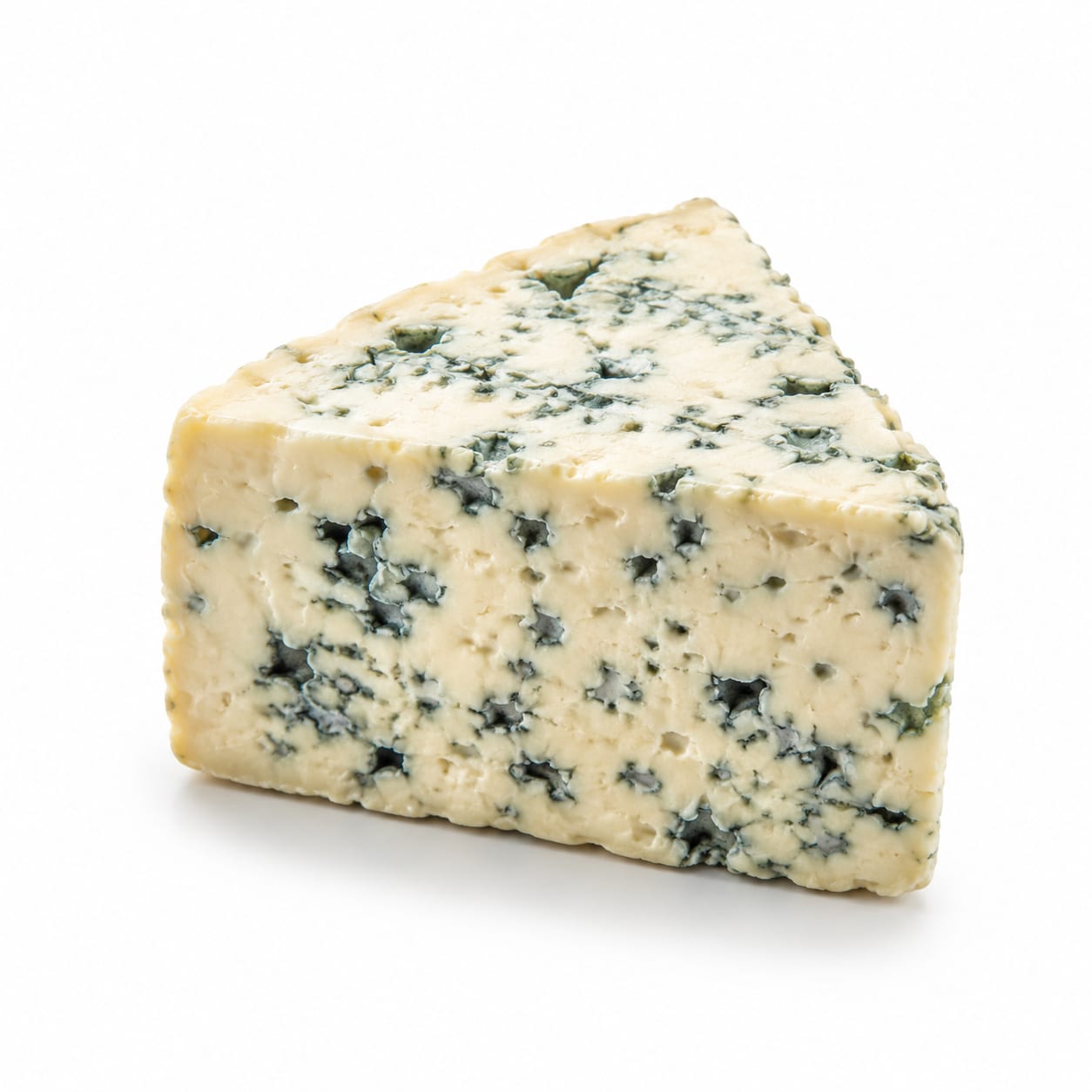
Blue Cheese
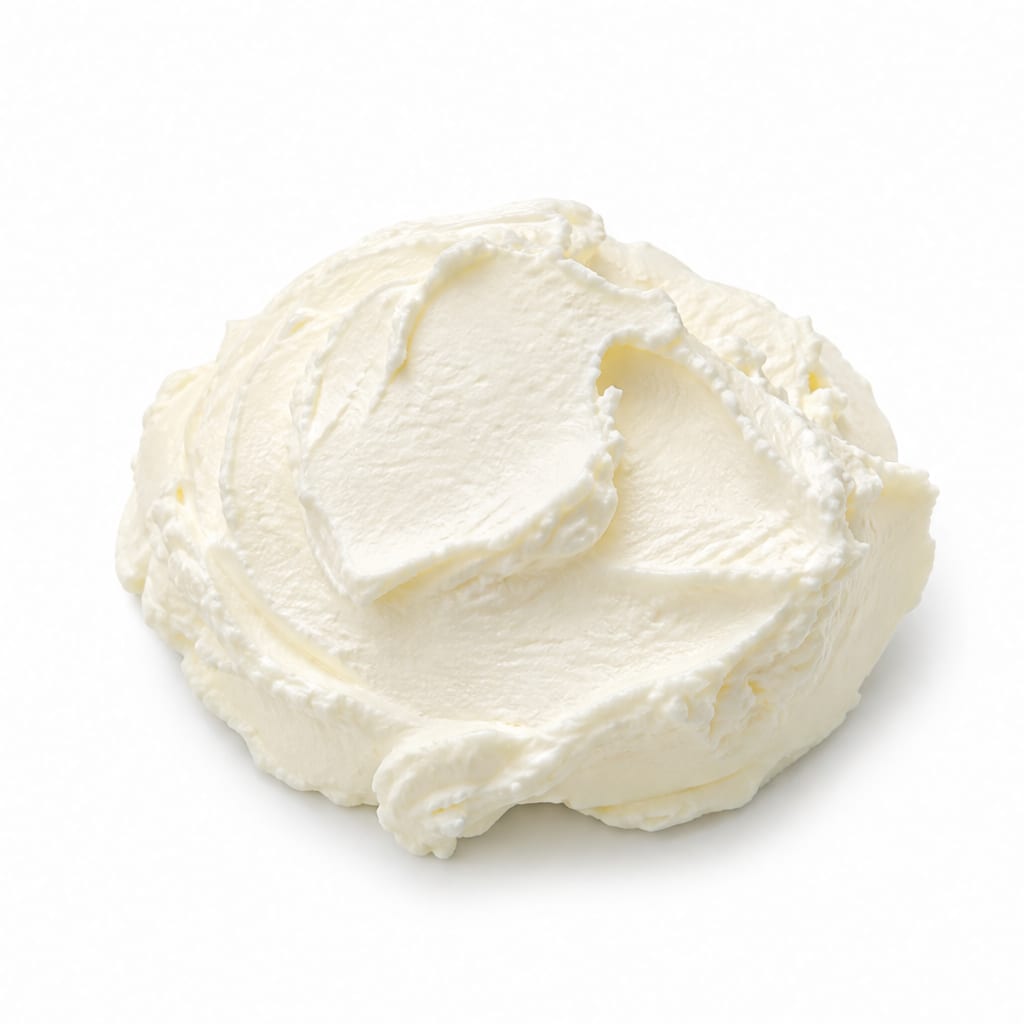
Cream Cheese
Blue cheese wins on protein, calcium, and naturalness but loses on sodium and food safety. Cream cheese is milder and safer but more processed and less filling.
Blue cheese scores higher for nutritional density and naturalness but its high sodium and listeria risk pull it down. Cream cheese is safer and more convenient but offers less nutrition and often contains additives. Neither is a health food, but blue cheese gives you more per bite if sodium is not a concern.
Nutritional density and authentic flavor versus lower sodium and safer everyday convenience
At a glance
Executive summary
Overall
It depends
Healthier
Blue Cheese
More practical
Cream Cheese
Daily use
Cream Cheese
Key comparison lenses
Which cheese is healthier for regular consumption?
Both are popular dairy spreads but have drastically different nutritional profiles and safety considerations
Sodium and heart health tradeoffs
Blue cheese is significantly higher in sodium, a major concern for blood pressure management
Protein and satiety comparison
Blue cheese offers substantially more protein, affecting fullness and portion control
Food safety for vulnerable populations
Mold-ripened blue cheese carries listeria risk that cream cheese avoids
Additives and processing concerns
Cream cheese often contains gums and stabilizers while blue cheese is traditionally made with fewer additives
Best choice for
Blue Cheese
- Flavor enthusiasts who naturally eat smaller portions
- People wanting more protein and calcium from dairy
- Those avoiding food additives and gums
- Salad dressings and gourmet cooking
- Anyone seeking probiotic diversity from aged cheeses
Cream Cheese
- Busy mornings needing quick spreadable convenience
- Low-sodium diets for blood pressure management
- Pregnant women avoiding mold-ripened cheese risks
- Kids who prefer mild flavors
- Batch cooking and baking applications
Least suitable for
Blue Cheese
- Pregnant women due to listeria risk
- People on strict low-sodium diets
- Migraine sufferers sensitive to tyramine
- Anyone who dislikes strong flavors
- Those prone to overeating high-calorie cheese
Cream Cheese
- People avoiding food additives like guar gum
- Those wanting protein-rich snacks that actually fill them up
- Anyone seeking nutrient-dense cheese with real calcium benefits
- Flavor-first eaters who find it bland
Deep comparison
Dimension by dimension
Each lens scores both foods and breaks down who each option suits.
- Dimension 1 · Priority 90Blue Cheese
Protein & Satiety
Blue Cheese · 72Cream Cheese · 35Blue cheese has roughly double the protein of cream cheese, making it noticeably more filling per serving.
Tradeoff
You feel satisfied sooner with blue cheese, but its stronger flavor limits how much you want to eat anyway
Why it matters
Higher protein means steadier energy and less temptation to snack again an hour later
Real-world impact
A blue cheese crumble on your salad keeps you full until dinner. Cream cheese on a bagel often leaves you hungry again by mid-morning.
Blue Cheese
- Athletes needing protein from varied sources
- Anyone trying to reduce between-meal snacking
Better for
- People who find high-protein meals too heavy
Worse for
Cream Cheese
- Light eaters who prefer smaller portions
- Those using cheese as a condiment rather than a protein source
Better for
- Anyone relying on cheese for satiety
Worse for
- Dimension 2 · Priority 88Cream Cheese
Sodium Load
Blue Cheese · 30Cream Cheese · 65Blue cheese contains roughly 2-3 times more sodium than cream cheese, making it a concern for blood pressure.
Tradeoff
That salty tang is exactly what makes blue cheese delicious but also what makes it risky for daily use
Why it matters
Consistently high sodium intake raises blood pressure and increases cardiovascular risk over time
Real-world impact
Two tablespoons of blue cheese can deliver 300-400mg of sodium. The same amount of cream cheese stays under 100mg.
Blue Cheese
- Active sweaters who lose sodium through exercise
- People eating mostly unprocessed low-sodium meals otherwise
Better for
- Hypertension patients
- Older adults more sensitive to sodium
Worse for
Cream Cheese
- Anyone monitoring blood pressure
- People who already eat processed or restaurant foods frequently
Better for
- Endurance athletes needing electrolyte replacement
Worse for
- Dimension 3 · Priority 78Blue Cheese
Calcium & Bone Health
Blue Cheese · 75Cream Cheese · 40Blue cheese delivers significantly more calcium per serving thanks to its aging process and lower water content.
Tradeoff
You get more bone-supporting minerals from blue cheese but also more saturated fat alongside it
Why it matters
Calcium from dairy is well-absorbed and matters for long-term bone density, especially for women
Real-world impact
A serving of blue cheese covers about 15% of daily calcium needs. Cream cheese covers only 2-3%.
Blue Cheese
- Post-menopausal women concerned about bone density
- Anyone not taking calcium supplements
Better for
- Those limiting saturated fat intake strictly
Worse for
Cream Cheese
- People getting calcium from other sources like yogurt or fortified milk
Better for
- Anyone relying on cheese as a meaningful calcium source
Worse for
- Dimension 4 · Priority 75Blue Cheese
Additives & Naturalness
Blue Cheese · 78Cream Cheese · 42Traditional blue cheese uses just milk, cultures, rennet, and salt. Cream cheese often includes gums, stabilizers, and preservatives.
Tradeoff
Blue cheese is more natural but uses mold cultures that some find off-putting. Cream cheese looks cleaner on the label but often is not.
Why it matters
Food additives like guar gum and carob bean gum are generally recognized as safe but can cause bloating in sensitive people
Real-world impact
Check a cream cheese ingredient list and you will often find 5-7 items. Blue cheese typically has 4 or fewer.
Blue Cheese
- Clean-label shoppers
- People with sensitivities to food gums
Better for
- Those uncomfortable with mold in food even when safe
Worse for
Cream Cheese
- Anyone unconcerned about minor food additives
- People who prioritize texture consistency over ingredient purity
Better for
- People with digestive sensitivity to guar gum or xanthan gum
Worse for
- Dimension 5 · Priority 80Cream Cheese
Food Safety
Blue Cheese · 40Cream Cheese · 78Mold-ripened blue cheese carries a real listeria risk that cream cheese avoids entirely.
Tradeoff
The very mold that makes blue cheese special also creates conditions where harmful bacteria can thrive
Why it matters
Listeria is rare but dangerous, especially for pregnant women, older adults, and immunocompromised people
Real-world impact
Pregnant women are advised to avoid blue cheese entirely unless it is cooked until steaming. Cream cheese is generally considered safe.
Blue Cheese
- Healthy adults with normal immune function
Better for
- Expectant mothers
- Cancer patients
- Organ transplant recipients
Worse for
Cream Cheese
- Pregnant women
- Elderly individuals
- Immunocompromised people
- Anyone serving food to vulnerable guests
Better for
- No significant safety downsides
Worse for
- Dimension 6 · Priority 72Blue Cheese
Flavor & Portion Control
Blue Cheese · 80Cream Cheese · 50Blue cheese's intense pungent flavor naturally limits how much you eat. Cream cheese's mildness makes overeating easy.
Tradeoff
Strong flavor is a built-in portion controller but limits versatility and audience appeal
Why it matters
Unconscious overeating of calorie-dense foods is one of the biggest real-world weight gain drivers
Real-world impact
You might spread a thin layer of blue cheese crumbles on a salad and feel done. Cream cheese on a bagel can easily reach 3-4 tablespoons without thinking.
Blue Cheese
- Mindful eaters using flavor as a natural brake
- Those who find mild cheese triggers overeating
Better for
- Anyone who dislikes the taste entirely
Worse for
Cream Cheese
- Picky eaters
- Cooking for crowds with varied tastes
Better for
- People who struggle to stop eating bland calorie-dense foods
Worse for
- Dimension 7 · Priority 70Cream Cheese
Versatility & Convenience
Blue Cheese · 45Cream Cheese · 82Cream cheese spreads smoothly, melts into recipes, and works in everything from frosting to stuffed peppers. Blue cheese is more niche.
Tradeoff
Cream cheese is the Swiss army knife of dairy but rarely the star. Blue cheese is a star with a smaller stage.
Why it matters
A versatile fridge staple reduces food waste and makes healthy cooking easier on busy days
Real-world impact
Cream cheese works for breakfast bagels, pasta sauces, dips, and desserts. Blue cheese is mostly salads, burgers, and cheese boards.
Blue Cheese
- Gourmet home cooks
- Entertaining guests with cheese boards
Better for
- Weeknight cooks needing fast versatile ingredients
Worse for
Cream Cheese
- Meal preppers
- Busy parents needing quick solutions
- Bakers
Better for
- Anyone wanting bold distinctive flavor
Worse for
Timeline
Health impact over time
Short-term
Hours to days
Blue Cheese
- Strong flavor quickly signals fullness and satisfaction
- High sodium may cause temporary water retention and bloating
- Tyramine can trigger headaches in sensitive individuals within hours
Cream Cheese
- Mild flavor makes it easy to overconsume calories before feeling full
- Lower sodium means less immediate bloating
- Gums and stabilizers may cause mild gas or bloating in sensitive people
Long-term
Months to years
Blue Cheese
- Better calcium intake supports bone density over decades
- Consistent high sodium intake raises hypertension risk if not balanced elsewhere
- Beneficial mold cultures may support gut microbiome diversity
- Tyramine accumulation is a migraine trigger for chronic sufferers
Cream Cheese
- Lower calcium contribution means less bone health support from dairy
- Additive exposure from gums is low-risk but cumulative across processed foods
- Easier to overeat regularly, which adds up to significant calorie surplus over months
- Lower protein means less metabolic and satiety benefit from dairy consumption
Risk profile
Safety & processing
Both are processed dairy products, but blue cheese relies on traditional fermentation and aging with minimal added ingredients. Cream cheese is a more industrial product that typically includes stabilizers like guar gum, carob bean gum, or xanthan gum to maintain texture. Blue cheese wins on ingredient simplicity even though both undergo significant transformation from raw milk.
Blue Cheese
Listeria contamination
highMold-ripened cheeses create surface conditions favorable for listeria growth. Risk is highest in unpasteurized varieties but pasteurized versions can still be contaminated after production.
Tyramine content
mediumAged cheeses accumulate tyramine, which can trigger migraines in sensitive people and interact dangerously with MAO inhibitor medications.
Histamine reactivity
lowFermented blue cheese contains histamine that may cause reactions in histamine-intolerant individuals including flushing and digestive upset.
Cream Cheese
Spoilage after opening
mediumHigh moisture content makes cream cheese prone to mold growth once opened. Should be consumed within 7-10 days of opening.
Cross-contamination in home use
lowSpreading cream cheese directly from the container with used knives introduces bacteria that multiply quickly in the moist environment.
Who wins for whom
Audience fit
Same foods, different winners depending on your goal.
children
Cream CheeseMild flavor, smooth texture, and no listeria risk make cream cheese far more practical and safe for kids.
daily consumption
Cream CheeseCream cheese's lower sodium, safer profile, and milder taste make it more sustainable for everyday use in moderation.
diabetes
Blue CheeseBoth are low in carbs, but blue cheese's higher protein and fat slow digestion more effectively, leading to steadier blood sugar.
elderly
Cream CheeseLower sodium and no listeria risk are critical for older adults. Cream cheese is also easier to spread and chew.
muscle gain
Blue CheeseDouble the protein per serving makes blue cheese the better choice, though neither is a primary protein source.
weight loss
Blue CheeseBlue cheese's intense flavor and higher protein naturally limit portions and increase satisfaction. Cream cheese is too easy to overeat.
Your move
Decision guide
Choose Blue Cheese
- You want bold flavor and naturally eat less because of it
- Calcium and protein matter more to you than sodium
- You are not pregnant or immunocompromised
- You enjoy cooking gourmet meals where cheese is a featured ingredient
- You prefer fewer additives in your dairy
Choose Cream Cheese
- You need a safe everyday spread for the whole family
- Sodium intake is a health priority for you
- You want something versatile for cooking and baking
- You are pregnant, elderly, or serving vulnerable guests
- You prefer mild flavors and easy spreading
Either works if
- You are simply looking for a low-carb fat source
- You tolerate dairy well and enjoy both flavors
- You rotate cheeses and do not rely on just one
Avoid both if
- You are lactose intolerant without enzyme support
- You are following a strict low-fat diet for cardiovascular reasons
- You have a dairy allergy
Final recommendation
Keep both in your rotation but use them differently. Reach for blue cheese when flavor and nutrition per bite matter most, like salads and cheese boards. Use cream cheese when you need safety, convenience, and versatility, like morning bagels or family recipes. Neither should be a daily staple in large amounts, but blue cheese gives you more nutritional value per gram while cream cheese gives you more practical safety and ease.
Practical
Consumer tips
- 1
If you love blue cheese but worry about sodium, crumble a small amount over salads instead of spreading it thick
- 2
Pregnant? Cook blue cheese until steaming hot to kill listeria, or stick with cream cheese
- 3
Check cream cheese labels for brands with fewer gums and stabilizers if clean ingredients matter to you
- 4
Freeze cream cheese in portions if you cannot finish it within 10 days of opening
- 5
Try mixing a little blue cheese into cream cheese for a milder flavored spread with more protein
- 6
Let blue cheese come to room temperature for 20 minutes before serving to maximize flavor with less quantity