
Nutrition comparison
Blue Cheese vs Cottage Cheese: Nutrition, Protein, and Health Comparison
Compare Blue Cheese vs Cottage Cheese for protein, weight loss, and daily nutrition. See which cheese is better for muscle gain, sodium, and heart health.
Overall winner · Cottage Cheese
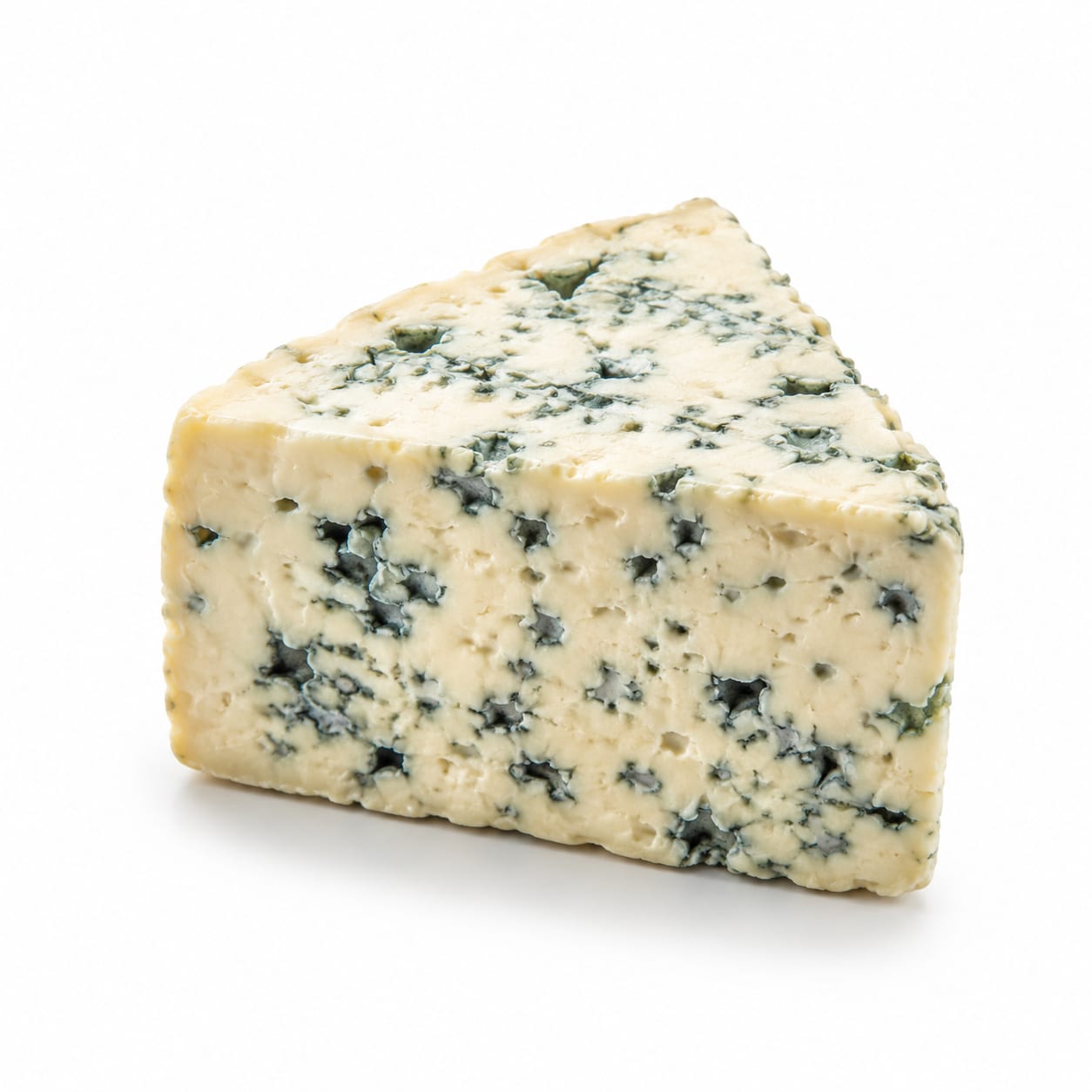
Blue Cheese
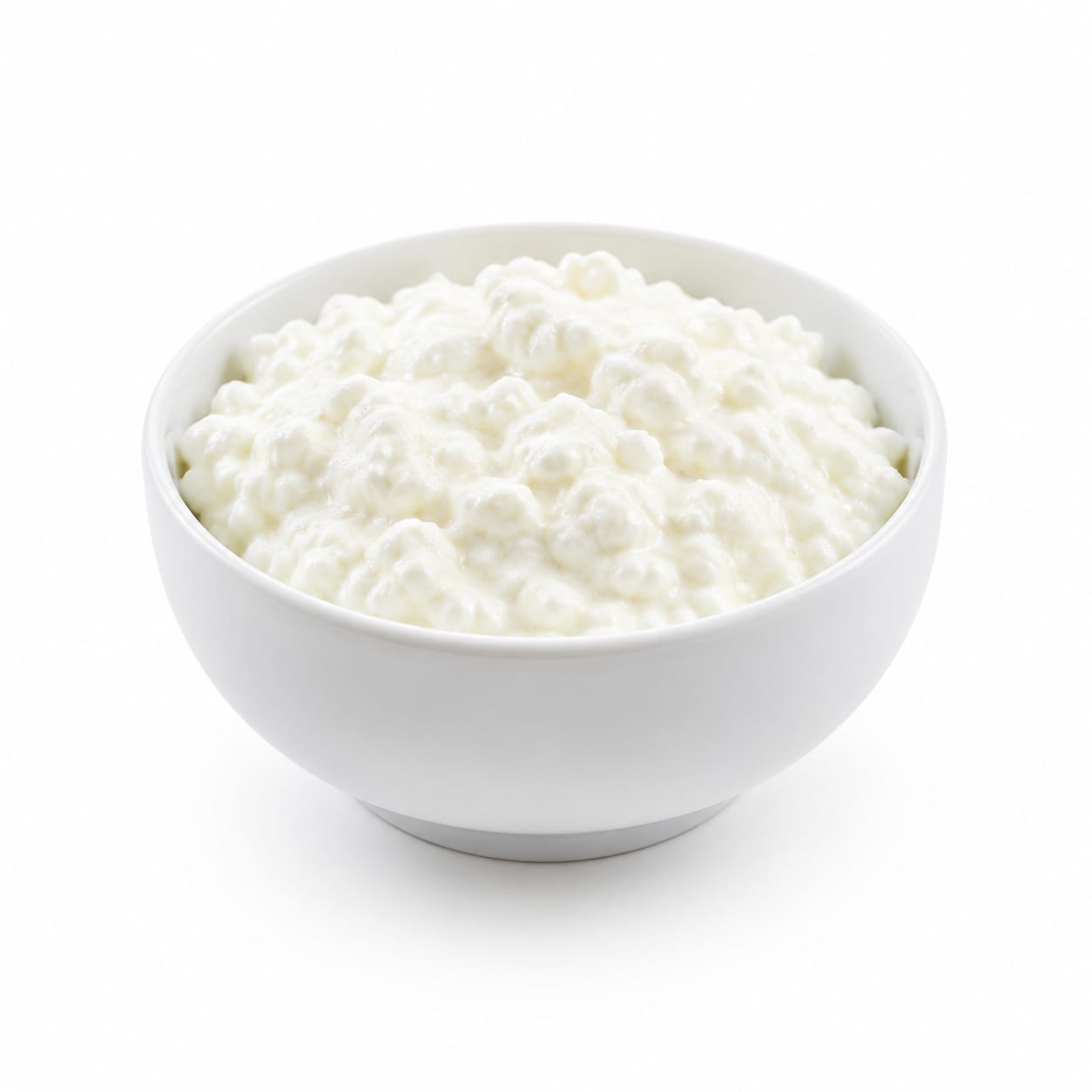
Cottage Cheese
Cottage Cheese is the everyday nutritional powerhouse, while Blue Cheese is a flavorful indulgence best used sparingly.
Cottage Cheese scores significantly higher due to its superior protein-to-calorie ratio and versatility for daily consumption, whereas Blue Cheese is heavily penalized by its high calorie density and sodium content.
You trade massive protein and low calories in Cottage Cheese for the bold, rich flavor of Blue Cheese, which comes with high fat and sodium.
At a glance
Executive summary
Overall
Cottage Cheese
Healthier
Cottage Cheese
More practical
Cottage Cheese
Daily use
Cottage Cheese
Key comparison lenses
Protein intake and muscle support
Cottage Cheese is a premier protein source, while Blue Cheese is primarily a fat source, making this the most critical nutritional divergence.
Calorie density and weight management
Blue Cheese is extremely calorie-dense, whereas Cottage Cheese offers high volume for minimal calories, directly impacting satiety and weight goals.
Sodium load and heart health
Both cheeses contain sodium, but Blue Cheese is exceptionally high, posing a significant tradeoff for blood pressure management.
Culinary role and usage frequency
Blue Cheese is a flavor accent, while Cottage Cheese is a dietary staple, influencing how often and how much of each is consumed.
Best choice for
Blue Cheese
- Flavor enthusiasts seeking a bold accent
- Charcuterie boards and gourmet burgers
- Occasional indulgence
Cottage Cheese
- High-protein diets and muscle recovery
- Weight loss and calorie counting
- Late-night snacking without the guilt
Least suitable for
Blue Cheese
- Sodium-sensitive individuals
- Those strictly managing calorie intake
- Daily heavy consumption
Cottage Cheese
- Lactose-intolerant individuals (unless lactose-free)
- People seeking strong, complex cheese flavors
Deep comparison
Dimension by dimension
Each lens scores both foods and breaks down who each option suits.
- Dimension 1 · Priority 95Cottage Cheese
Protein & Satiety
Blue Cheese · 25Cottage Cheese · 95Cottage Cheese is a protein powerhouse that keeps you full for hours. Blue Cheese offers minimal protein and will not satisfy hunger alone.
Tradeoff
You sacrifice long-lasting fullness if you choose Blue Cheese over the slow-digesting casein protein in Cottage Cheese.
Why it matters
Protein is essential for muscle maintenance and appetite control, making Cottage Cheese a far more filling and functional choice.
Real-world impact
A bowl of Cottage Cheese after a workout fuels recovery, while eating Blue Cheese for protein would require consuming an unhealthy amount of fat and calories.
Blue Cheese
- Satiety per calorie
Worse for
Cottage Cheese
- Post-workout recovery
- Staying full between meals
Better for
- Dimension 2 · Priority 90Cottage Cheese
Calorie Density & Weight Management
Blue Cheese · 20Cottage Cheese · 88Blue Cheese is very calorie-dense due to its high fat content. Cottage Cheese is light and volume-friendly, making dieting much easier.
Tradeoff
A small crumble of Blue Cheese packs as many calories as a large, satisfying scoop of Cottage Cheese.
Why it matters
Low calorie density allows you to eat larger, more satisfying portions without overshooting your daily intake.
Real-world impact
You can eat a full cup of Cottage Cheese for a light snack, but the same calories in Blue Cheese amount to a tiny wedge that might leave you hungry.
Blue Cheese
- Portion control
- Weight loss diets
Worse for
Cottage Cheese
- Calorie counting
- Volume eating
Better for
- Dimension 3 · Priority 85Cottage Cheese
Sodium & Heart Health
Blue Cheese · 25Cottage Cheese · 60Both can be salty, but Blue Cheese is exceptionally high in sodium, making it risky for blood pressure if eaten regularly.
Tradeoff
Cottage Cheese can be found in low-sodium varieties, whereas the salt is integral to the curing and flavor of Blue Cheese.
Why it matters
Consistently high sodium intake is a major driver of hypertension and cardiovascular strain.
Real-world impact
Eating Blue Cheese daily can easily push your sodium intake over the recommended limit, while low-sodium Cottage Cheese keeps your heart happy.
Blue Cheese
- Heart health
- Sodium-sensitive diets
Worse for
Cottage Cheese
- Blood pressure management
- Daily consumption
Better for
- Dimension 4 · Priority 80It depends
Culinary Versatility & Flavor
Blue Cheese · 80Cottage Cheese · 75Blue Cheese provides an intense, irreplaceable flavor in small doses, while Cottage Cheese serves as a neutral, adaptable base for meals or snacks.
Tradeoff
You choose between a high-impact flavor accent and a blank-canvas ingredient that blends into sweet or savory meals.
Why it matters
Enjoying your food is crucial for a sustainable diet, and both cheeses serve entirely different culinary purposes.
Real-world impact
Use Blue Cheese to elevate a salad or burger, but rely on Cottage Cheese for a quick breakfast bowl or smoothie protein boost.
Blue Cheese
- Gourmet cooking
- Flavor enhancement
Better for
Cottage Cheese
- Meal prep versatility
- Sweet and savory mixing
Better for
- Dimension 5 · Priority 65It depends
Gut Health & Fermentation
Blue Cheese · 70Cottage Cheese · 65Blue Cheese offers unique mold-derived compounds, while cultured Cottage Cheese provides beneficial probiotics.
Tradeoff
The fermentation processes differ, with Blue Cheese relying on specific molds and Cottage Cheese relying on lactic acid bacteria.
Why it matters
Fermented foods support a diverse microbiome, but the specific benefits vary based on the cultures used.
Real-world impact
Cultured Cottage Cheese acts like a probiotic yogurt for your gut, while Blue Cheese offers anti-inflammatory properties from its unique mold, though in smaller practical amounts.
Blue Cheese
- Anti-inflammatory mold compounds
Better for
Cottage Cheese
- Probiotic support (if cultured)
Better for
Timeline
Health impact over time
Short-term
Hours to days
Blue Cheese
- Quick satisfaction of salt cravings
- Rich mouthfeel that feels indulgent
- Potential bloating from high fat content
Cottage Cheese
- Strong feeling of fullness
- Steady energy without a crash
- Mild flavor might feel bland without seasoning
Long-term
Months to years
Blue Cheese
- Increased risk of high blood pressure if overconsumed
- Higher saturated fat intake impacting cholesterol
- Potential cardiovascular strain from frequent use
Cottage Cheese
- Improved muscle maintenance from high protein
- Easier weight management due to low calorie density
- Better metabolic health markers
Risk profile
Safety & processing
Both are relatively simple dairy products, though Cottage Cheese is closer to fresh curd, while Blue Cheese undergoes a longer aging and mold-ripening process.
Blue Cheese
Listeria contamination
mediumAged and mold-ripened cheeses carry a slightly higher risk of Listeria, making them unsafe for pregnant women.
Histamine intolerance
mediumFermented foods like Blue Cheese are high in histamine, which can trigger headaches or digestive issues in sensitive people.
Cottage Cheese
Lactose intolerance
mediumContains more lactose than aged cheeses, though some brands offer lactose-free versions.
Sodium content
lowCan be high in sodium, though no-salt-added options are widely available.
Who wins for whom
Audience fit
Same foods, different winners depending on your goal.
children
Cottage CheeseMild flavor and high protein make Cottage Cheese kid-friendly, whereas Blue Cheese's sharp taste and mold are usually rejected by kids.
daily consumption
Cottage CheeseIts nutritional profile supports daily use without excessive calorie or sodium accumulation.
diabetes
Cottage CheeseLow in carbs and high in protein, Cottage Cheese stabilizes blood sugar without the heavy saturated fat load of Blue Cheese.
elderly
Cottage CheeseHigh protein helps prevent age-related muscle loss, and lower sodium options support heart health.
muscle gain
Cottage CheesePacked with slow-digesting casein protein, Cottage Cheese is ideal for muscle repair, especially overnight.
weight loss
Cottage CheeseCottage Cheese provides high volume and protein for very few calories, making it far easier to stay in a deficit.
Your move
Decision guide
Choose Blue Cheese
- You want a bold flavor accent for a salad or burger
- You are serving a charcuterie board
- You crave a rich, indulgent treat in small amounts
Choose Cottage Cheese
- You need a high-protein snack after a workout
- You want a filling late-night bite that will not derail your diet
- You are meal-prepping healthy breakfasts or lunches
Either works if
- You need to boost your daily calcium intake
- You tolerate dairy well and want a savory snack
Avoid both if
- You have a severe dairy allergy
- You are strictly vegan
Final recommendation
Keep Cottage Cheese as your daily fridge staple for protein and satiety, and treat Blue Cheese as a flavorful garnish to enjoy in moderation.
Practical
Consumer tips
- 1
Crumble Blue Cheese lightly over salads to get the flavor without the calorie overload.
- 2
Opt for low-sodium Cottage Cheese if you are watching your blood pressure.
- 3
Mix Cottage Cheese with fruit or honey for a sweet snack, or everything bagel seasoning for a savory twist.
- 4
Avoid Blue Cheese if you are pregnant due to the slight Listeria risk from the mold-ripening process.