
Nutrition comparison
Blue Cheese vs Gorgonzola: Which Should You Choose?
Compare Blue Cheese and Gorgonzola on flavor, sodium, cooking versatility, and safety. Find out which blue-veined cheese fits your needs better.
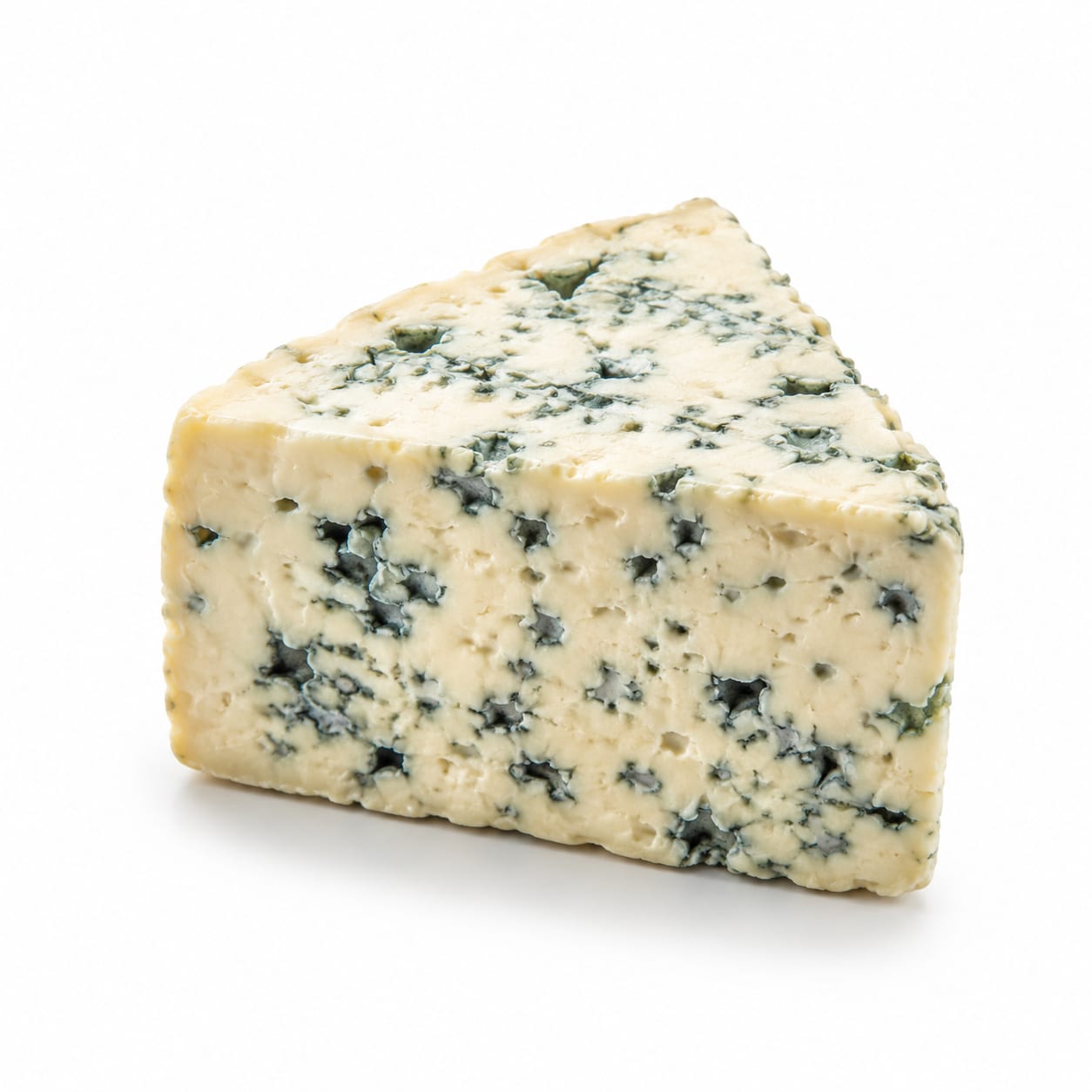
Blue Cheese
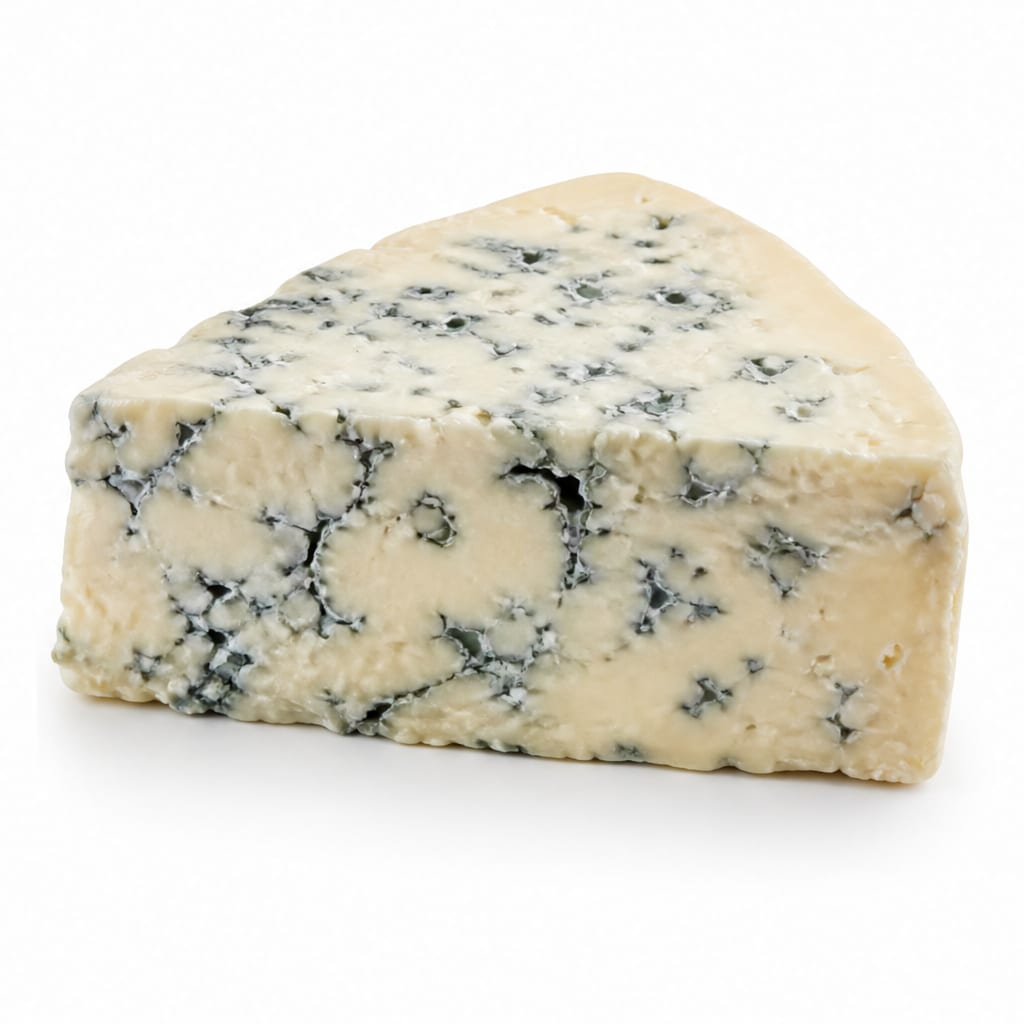
Gorgonzola
Gorgonzola is technically a type of Blue Cheese, but it tends to be creamier, slightly milder, and more cooking-friendly than most generic Blue Cheese. The differences are real but modest.
Gorgonzola edges ahead slightly due to better culinary versatility and a marginally gentler flavor profile that more people can enjoy regularly. Both are high-sodium, calorie-dense indulgence cheeses that should be used as accents rather than staples.
Gorgonzola offers smoother texture and better meltability for cooking, while generic Blue Cheese often delivers a sharper, more assertive punch for salads and burgers.
At a glance
Executive summary
Overall
It depends
Healthier
It depends
More practical
Gorgonzola
Daily use
Gorgonzola
Key comparison lenses
flavor intensity and culinary fit
These are both blue-veined cheeses where flavor profile drives most real-world purchasing decisions
sodium and heart health
Both are high-sodium cheeses, making cardiovascular impact a primary health concern
digestive tolerance and mold sensitivity
Penicillium mold content differs between varieties and affects how people tolerate each cheese
pregnancy and food safety
Blue-veined cheeses carry specific listeria risks that matter for vulnerable populations
everyday versatility vs specialty use
Gorgonzola's creaminess makes it more versatile in cooking, while generic Blue Cheese is often a topping
Best choice for
Blue Cheese
- Burger and salad lovers wanting bold, crumbly texture
- Those who prefer a sharper, more pungent flavor hit
- Blue cheese dressing enthusiasts
Gorgonzola
- Home cooks making pasta, risotto, or pizza
- People who find strong blue cheese overwhelming
- Those wanting a creamier, more spreadable cheese
Least suitable for
Blue Cheese
- Sodium-sensitive individuals
- People who dislike strong, pungent flavors
- Pregnant women unless confirmed pasteurized
Gorgonzola
- Sodium-sensitive individuals
- Those seeking a sharp, crumbly cheese texture
- Pregnant women unless confirmed pasteurized
Deep comparison
Dimension by dimension
Each lens scores both foods and breaks down who each option suits.
- Dimension 1 · Priority 92Gorgonzola
flavor_versatility
Blue Cheese · 70Gorgonzola · 85Gorgonzola, especially the Dolce variety, melts beautifully into sauces and spreads. Generic Blue Cheese is best crumbled cold over dishes.
Tradeoff
Blue Cheese delivers a more intense standalone flavor, but Gorgonzola integrates more smoothly into cooked dishes without overpowering them.
Why it matters
If you cook with your cheese rather than just topping with it, Gorgonzola is noticeably more cooperative.
Real-world impact
Gorgonzola melts into a creamy pasta sauce effortlessly. Generic Blue Cheese can separate or become grainy when heated.
Blue Cheese
- Raw applications like salads and cheese boards
- Bold flavor statements where cheese is the star
Better for
- Melted or cooked applications where texture matters
- Dishes requiring subtle cheese presence
Worse for
Gorgonzola
- Cooked dishes like risotto, pasta, and pizza
- Sauces and dips where smooth integration matters
Better for
- Situations demanding a sharp, aggressive blue punch
- Classic blue cheese crumbles on a wedge salad
Worse for
- Dimension 2 · Priority 88Gorgonzola
sodium_load
Blue Cheese · 30Gorgonzola · 38Both are high-sodium cheeses, but generic Blue Cheese averages slightly higher sodium than Gorgonzola, especially compared to Gorgonzola Dolce.
Tradeoff
Neither is a low-sodium choice. The difference is marginal enough that sodium-sensitive people should limit both equally.
Why it matters
A single ounce of either cheese can deliver 300-400mg of sodium, which is 15-20% of the daily recommended limit.
Real-world impact
If you are watching blood pressure, a small crumble of either cheese flavors a whole dish. Use restraint, not avoidance.
Blue Cheese
- No meaningful advantage on sodium
Better for
- Slightly higher sodium on average
- Crumbly texture encourages heavier portions
Worse for
Gorgonzola
- Slightly lower average sodium per serving
- Creamier texture means you may use less to get flavor impact
Better for
- Still a high-sodium food with no free pass
Worse for
- Dimension 3 · Priority 80Gorgonzola
digestive_tolerance
Blue Cheese · 45Gorgonzola · 55Gorgonzola Dolce is creamier and less aggressively moldy, making it easier on sensitive stomachs. Sharp Blue Cheese varieties can be harder to tolerate.
Tradeoff
The milder Gorgonzola is gentler on digestion but delivers less of the bold experience blue cheese fans seek.
Why it matters
Some people experience bloating or stomach discomfort from strongly mold-ripened cheeses, especially on an empty stomach.
Real-world impact
If regular Blue Cheese gives you stomach rumbling, Gorgonzola Dolce might be a more comfortable entry point.
Blue Cheese
- No meaningful digestive advantage
Better for
- Stronger mold intensity can trigger digestive discomfort
- More likely to cause issues for people new to blue cheese
Worse for
Gorgonzola
- Creamier texture is gentler on the stomach
- Milder mold profile is better tolerated by sensitive individuals
Better for
- Still a mold-ripened cheese that can bother sensitive people
Worse for
- Dimension 4 · Priority 65Blue Cheese
protein_and_nutrition_density
Blue Cheese · 52Gorgonzola · 48Both provide similar protein and calcium, but generic Blue Cheese is slightly more protein-dense per calorie due to lower moisture content in crumbly varieties.
Tradeoff
The protein difference is small. Neither cheese should be your primary protein source given the saturated fat and sodium that come with it.
Why it matters
If you are choosing cheese as a protein contributor, both are decent but come with significant caloric baggage.
Real-world impact
An ounce of either gives you about 5-6g of protein alongside 100+ calories and significant sodium. Not the most efficient protein source.
Blue Cheese
- Slightly more protein per ounce in drier varieties
- Marginally more calcium in aged, crumbly forms
Better for
- Higher calorie density in some varieties
- More sodium per gram of protein
Worse for
Gorgonzola
- No meaningful nutritional advantage
Better for
- Slightly less protein per serving due to higher moisture
- Dolce varieties are less nutritionally concentrated
Worse for
- Dimension 5 · Priority 78It depends
food_safety_for_vulnerable_groups
Blue Cheese · 40Gorgonzola · 42Both carry similar listeria risks if made from unpasteurized milk. Gorgonzola sold in the US is typically pasteurized, while some imported Blue Cheeses may not be.
Tradeoff
Pasteurization status matters more than the specific cheese type. Always check the label if you are pregnant or immunocompromised.
Why it matters
Listeria outbreaks linked to blue-veined cheeses are rare but serious, especially for pregnant women and elderly individuals.
Real-world impact
If you are pregnant, look for pasteurized versions of either cheese. Most mass-market Gorgonzola in the US is pasteurized, but artisanal Blue Cheese may not be.
Blue Cheese
- No meaningful safety advantage
Better for
- Artisanal varieties more often use raw milk
- Less consistent pasteurization labeling across brands
Worse for
Gorgonzola
- Slightly more likely to be pasteurized in standard US retail
- DOP Gorgonzola has stricter production oversight
Better for
- Still a mold-ripened cheese with inherent listeria risk if unpasteurized
Worse for
Timeline
Health impact over time
Short-term
Hours to days
Blue Cheese
- Quick sodium hit that can cause thirst and mild bloating
- Rich, fatty mouthfeel that satisfies cravings but slows digestion
- Strong flavor can trigger overconsumption or aversion depending on preference
Gorgonzola
- Slightly gentler on the stomach due to creamier texture
- Sodium impact is similar and still significant
- Milder flavor may lead to eating more before feeling satisfied
Long-term
Months to years
Blue Cheese
- Regular high sodium intake raises blood pressure risk over time
- Saturated fat contributes to cardiovascular risk if consumed frequently in large amounts
- Calcium and vitamin K2 from aged cheese offer modest bone benefits
Gorgonzola
- Similar cardiovascular risk profile from sodium and saturated fat
- Slightly easier to moderate portions due to richer mouthfeel with less product
- Same bone-health benefits from calcium and fermented dairy compounds
Risk profile
Safety & processing
Both are traditionally made fermented cheeses with minimal additives. The blue veining comes from Penicillium mold cultures, which are natural and have been used for centuries. Neither typically contains artificial preservatives, though mass-produced versions may include stabilizers.
Blue Cheese
Listeria from unpasteurized milk
highArtisanal Blue Cheese is more likely to be raw-milk. Listeria is especially dangerous during pregnancy and for immunocompromised individuals.
Histamine intolerance reaction
mediumAged, fermented cheeses are high in histamine and can trigger headaches or flushing in sensitive people.
Mold sensitivity
lowThe Penicillium cultures are generally safe, but people with severe mold allergies should exercise caution.
Gorgonzola
Listeria from unpasteurized milk
mediumMost commercial Gorgonzola is pasteurized, but imported artisanal versions may not be. Check labels if you are in a high-risk group.
Histamine intolerance reaction
mediumSimilar to other Blue Cheese, the aging process produces histamine that can affect sensitive individuals.
Cross-contamination in production
lowDOP Gorgonzola production is well-regulated, but any cheese produced in shared facilities carries minor cross-contamination risk.
Who wins for whom
Audience fit
Same foods, different winners depending on your goal.
children
GorgonzolaGorgonzola Dolce is milder and creamier, making it a gentler introduction to blue-veined cheese for kids who are curious but sensitive to strong flavors.
daily consumption
GorgonzolaGorgonzola's versatility in cooking and milder profile makes it easier to incorporate in small amounts across different meals without flavor fatigue.
diabetes
It dependsBoth are very low in carbohydrates and will not spike blood sugar. The choice comes down to sodium tolerance and personal flavor preference.
elderly
GorgonzolaSofter texture is easier to chew and digest. However, both require sodium awareness for older adults managing blood pressure.
muscle gain
Blue CheeseSlightly more protein per ounce in drier, crumbly Blue Cheese varieties, though neither is an ideal protein source given the fat and sodium content.
weight loss
GorgonzolaGorgonzola's creamier texture delivers more flavor satisfaction per gram, making it easier to use small amounts as a flavor accent without overdoing calories.
Your move
Decision guide
Choose Blue Cheese
- You want a bold, crumbly cheese for burgers, steaks, or wedge salads
- You prefer the sharpest possible blue cheese experience
- You are making blue cheese dressing or dip where crumbly texture is ideal
Choose Gorgonzola
- You are cooking pasta, risotto, or pizza and need a cheese that melts smoothly
- You find most Blue Cheese too aggressive but still want that blue character
- You want a more versatile cheese that works in both cooked and raw applications
Either works if
- You are building a cheese board and want blue-veined variety
- You are using small amounts as a flavor accent where differences fade
- Both are confirmed pasteurized and you have no sodium restrictions
Avoid both if
- You are on a strict low-sodium diet for blood pressure management
- You are pregnant and cannot confirm pasteurization status
- You have histamine intolerance that triggers headaches or migraines
- You are avoiding saturated fat for cardiovascular reasons
Final recommendation
Think of Gorgonzola as the friendlier, more kitchen-capable cousin in the Blue Cheese family. If you cook more than you snack, Gorgonzola is the smarter buy. If you crave that aggressive, crumbly punch on a burger or salad, go with a sharper Blue Cheese like Roquefort or Stilton. Either way, treat both as flavor accents, not dietary staples, and you will enjoy them without regret.
Practical
Consumer tips
- 1
A little goes a long way. Crumble finely and distribute evenly rather than chunking large pieces.
- 2
Gorgonzola Dolce is the sweet, creamy one. Gorgonzola Piccante is the sharp, crumbly one. Know which you are buying.
- 3
If you are pregnant, look specifically for pasteurized on the label. Do not assume all blue-veined cheese is safe.
- 4
Pair either with honey, pears, or walnuts to balance the saltiness and enhance the flavor experience.
- 5
Store both wrapped in parchment paper inside a loose plastic bag. Tight wrapping suffocates the cheese and accelerates spoilage.
- 6
If the smell shifts from pungent to genuinely rancid or ammonia-like, it has gone bad. Trust your nose over the sell-by date.