
Nutrition comparison
Blue Cheese vs Parmesan: Nutrition, Flavor, and Health Comparison
Compare Blue Cheese and Parmesan on protein, calcium, sodium, digestibility, and flavor. Find out which cheese is healthier for daily use and when to choose each.
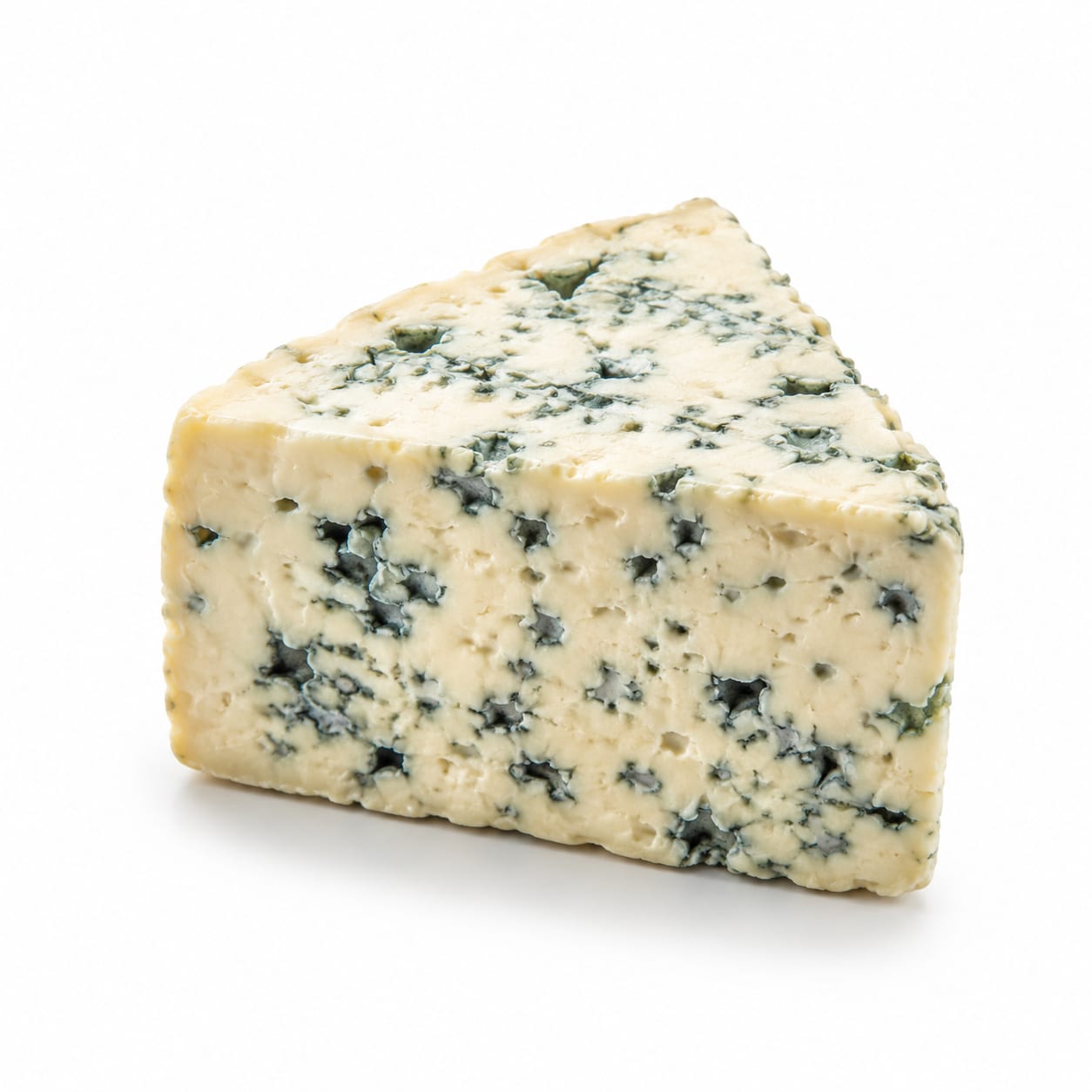
Blue Cheese
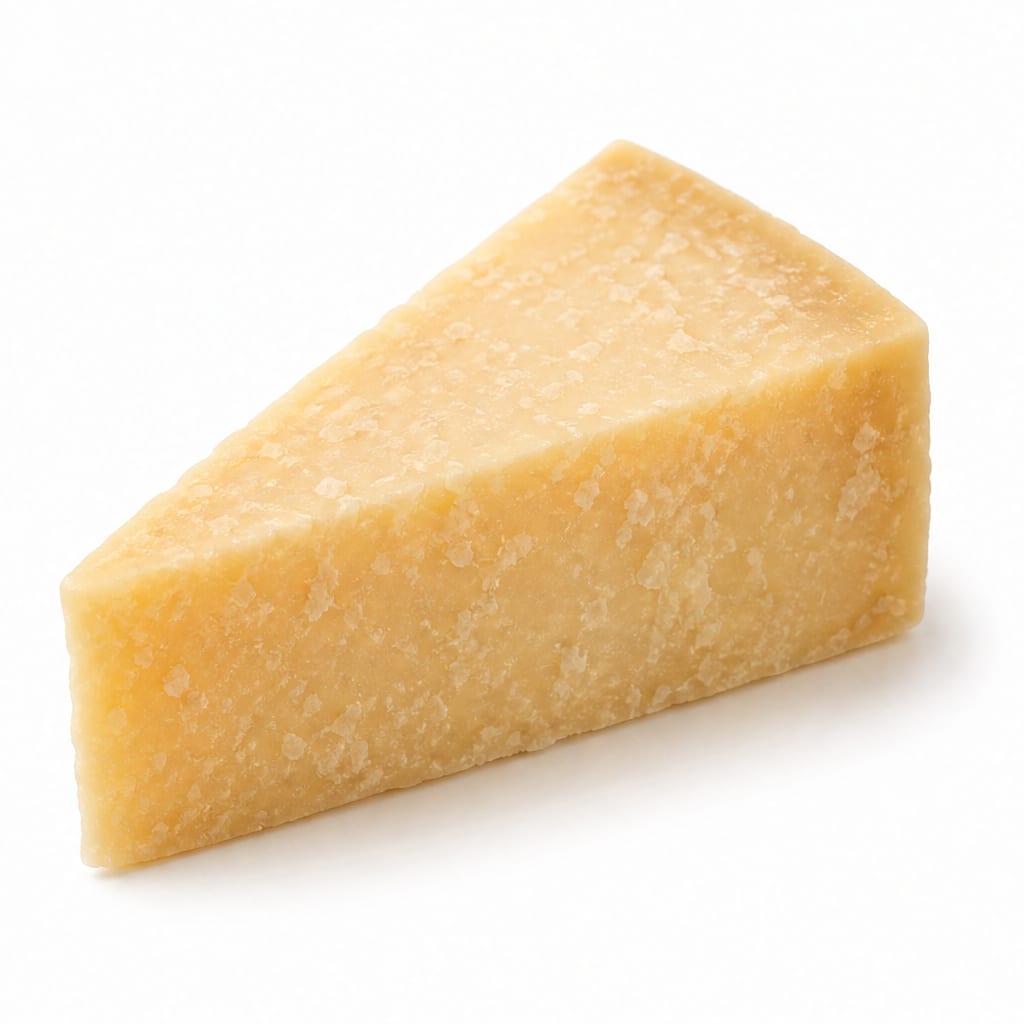
Parmesan
Parmesan wins on nutrition density and digestibility, but Blue Cheese offers a bolder flavor experience for those who crave it.
Parmesan scores notably higher due to superior protein, calcium, and digestibility. Blue Cheese remains competitive on flavor uniqueness but carries more fat and safety caveats that limit everyday use.
Parmesan gives you more protein and calcium with easier digestion; Blue Cheese delivers a punchier, more complex flavor but with more fat and less nutritional payoff per calorie.
At a glance
Executive summary
Overall
It depends
Healthier
Parmesan
More practical
Parmesan
Daily use
Parmesan
Key comparison lenses
Sodium and blood pressure impact
Both cheeses are sodium-heavy, making this the top health concern for regular consumers
Protein and calcium density
Parmesan delivers significantly more protein and calcium per serving, a key differentiator
Digestive tolerance and lactose
Parmesan is nearly lactose-free while Blue Cheese varies, critical for sensitive eaters
Flavor efficiency and portion control
Both are intense cheeses where a little goes far, but their flavor profiles suit different dishes
Mold and contamination safety
Blue Cheese carries unique food safety considerations due to its mold culture
Best choice for
Blue Cheese
- Burgers and steak toppings where creamy pungency shines
- Salad dressings and dips with bold character
- Cheese boards where variety and visual appeal matter
- Adventurous eaters seeking complex, funky flavors
Parmesan
- Pasta dishes and risottos needing savory depth
- Daily protein and calcium boosting without heavy fat
- Lactose-sensitive individuals who still want cheese
- Meal prepping since it stores well and grates easily
Least suitable for
Blue Cheese
- Anyone watching sodium closely for blood pressure
- Lactose-intolerant individuals with high sensitivity
- People avoiding strong or funky flavors
- Pregnant women due to mold culture risks
Parmesan
- Those needing to limit calcium intake
- People avoiding very hard, crumbly textures
- Anyone seeking a creamy or spreadable cheese
Deep comparison
Dimension by dimension
Each lens scores both foods and breaks down who each option suits.
- Dimension 1 · Priority 90Parmesan
Protein Density
Blue Cheese · 50Parmesan · 88Parmesan delivers roughly 10g protein per ounce versus Blue Cheese's 6g, making it a far better protein source per bite.
Tradeoff
You get substantially more muscle-supporting protein from Parmesan, but Blue Cheese still contributes meaningfully if you enjoy it occasionally.
Why it matters
Higher protein per calorie means better satiety and more nutritional value, especially when cheese is a supplemental ingredient rather than a main dish.
Real-world impact
Grating Parmesan over a salad or pasta adds a noticeable protein bump; Blue Cheese crumbles add less protein but more creamy richness.
Blue Cheese
- Flavor-first eaters who prioritize taste over macros
Better for
- Those relying on cheese as a meaningful protein source
Worse for
Parmesan
- Athletes and active people tracking protein intake
- Anyone trying to stay full longer on fewer calories
Better for
- People who find very hard cheeses unappealing to eat alone
Worse for
- Dimension 2 · Priority 85Parmesan
Calcium Content
Blue Cheese · 52Parmesan · 92Parmesan is one of the most calcium-dense foods available, providing roughly 330mg per ounce compared to Blue Cheese's 150mg.
Tradeoff
If bone health is a priority, Parmesan is clearly superior. Blue Cheese contributes calcium but not at the same exceptional level.
Why it matters
Many adults fall short on calcium, and Parmesan is an efficient way to close that gap without supplements.
Real-world impact
A couple tablespoons of grated Parmesan on your dinner can cover a third of your daily calcium needs; Blue Cheese would take a much larger portion to match.
Blue Cheese
- Those getting calcium from other sources who prefer flavor variety
Better for
- People relying on cheese as a primary calcium source
Worse for
Parmesan
- Older adults focused on bone density
- Anyone who does not consume dairy milk regularly
Better for
- Those instructed to limit calcium for kidney stone prevention
Worse for
- Dimension 3 · Priority 92It depends
Sodium Load
Blue Cheese · 38Parmesan · 32Both are high-sodium cheeses, but Parmesan edges slightly higher at roughly 450mg per ounce versus Blue Cheese's 325-400mg depending on variety.
Tradeoff
Neither is a low-sodium choice. Parmesan's sodium is more concentrated because it's denser, but Blue Cheese portions tend to be larger in practice.
Why it matters
For anyone managing blood pressure or kidney health, both cheeses require careful portion awareness.
Real-world impact
A heavy hand with either cheese can easily push a meal past 600mg sodium. Light grating of Parmesan or a few crumbles of Blue Cheese is the way to go.
Blue Cheese
- Slightly lower sodium per ounce in some varieties
Better for
- People tend to use generous portions on salads and burgers
Worse for
Parmesan
- Serving sizes tend to be smaller since a little grated Parmesan goes far
Better for
- Denser cheese means more sodium packed into smaller volumes
Worse for
- Dimension 4 · Priority 78Parmesan
Fat Content and Profile
Blue Cheese · 42Parmesan · 55Blue Cheese contains roughly 8g fat per ounce versus Parmesan's 7g, but Blue Cheese has a less favorable saturated fat ratio and more calories from fat overall.
Tradeoff
Parmesan's fat comes alongside more protein and calcium, giving you better nutritional return per fat gram. Blue Cheese's fat is more of a pure indulgence.
Why it matters
When cheese is a garnish rather than a meal, getting more nutrients per gram of fat helps keep overall diet quality higher.
Real-world impact
Sprinkling Parmesan adds savory depth with moderate fat; a Blue Cheese wedge adds creamy richness but at a higher caloric cost per bite.
Blue Cheese
- Those wanting a richer, creamier mouthfeel in dressings and sauces
Better for
- Anyone tracking saturated fat for heart health
Worse for
Parmesan
- Calorie-conscious eaters wanting maximum flavor with less fat per serving
Better for
- People who find low-moisture cheese less satisfying to eat
Worse for
- Dimension 5 · Priority 82Parmesan
Digestive Tolerance
Blue Cheese · 40Parmesan · 85Parmesan is essentially lactose-free due to its long aging, while Blue Cheese retains some lactose and may bother sensitive individuals.
Tradeoff
If dairy sits heavy with you, Parmesan is far safer. Blue Cheese's mold cultures can also cause reactions in some people beyond just lactose.
Why it matters
Many adults have some degree of lactose intolerance, making cheese choice a practical daily comfort issue.
Real-world impact
Parmesan is usually fine even for lactose-sensitive folks; Blue Cheese is a gamble that depends on your personal tolerance level.
Blue Cheese
- Those without any dairy sensitivity who enjoy funky flavors
Better for
- People with lactose intolerance or dairy sensitivity
Worse for
Parmesan
- Lactose-intolerant individuals who miss eating cheese
- Anyone with a sensitive stomach looking for a safer cheese option
Better for
- Those with dairy allergy, since lactose-free does not mean dairy-free
Worse for
- Dimension 6 · Priority 75It depends
Flavor Efficiency
Blue Cheese · 82Parmesan · 85Both deliver massive flavor in small amounts, but they serve different purposes. Parmesan provides umami depth; Blue Cheese provides creamy pungency.
Tradeoff
Parmesan integrates into more dishes seamlessly. Blue Cheese dominates whatever it touches, which is either a feature or a flaw depending on your goal.
Why it matters
Flavor efficiency determines how much cheese you need to feel satisfied, directly impacting calorie and sodium intake.
Real-world impact
A light dusting of Parmesan elevates a bowl of soup; a few Blue Cheese crumbles transform a salad. Both work, but Parmesan is more versatile across cuisines.
Blue Cheese
- Burgers, wings, and steak where bold funk is the point
- Rich salads where creamy tang balances bitter greens
Better for
- Delicate dishes where the funk overpowers other ingredients
Worse for
Parmesan
- Pasta, risotto, roasted vegetables, and soups needing savory depth
- Any dish where you want cheese flavor without taking over
Better for
- Dishes where you want the cheese to be the star, not a supporting player
Worse for
Timeline
Health impact over time
Short-term
Hours to days
Blue Cheese
- May trigger bloating or discomfort in lactose-sensitive individuals
- High sodium can cause temporary water retention
- Rich fat content can feel heavy if eaten in large amounts
Parmesan
- Generally well-tolerated even by lactose-sensitive people
- Concentrated sodium may cause thirst and mild bloating
- Hard texture encourages slower eating, which aids digestion
Long-term
Months to years
Blue Cheese
- Regular high sodium intake may elevate blood pressure over time
- Saturated fat contributes to cardiovascular risk if consumed frequently
- Calcium and protein benefits are moderate but real
Parmesan
- Excellent calcium intake supports bone density long-term
- High protein contributes to muscle maintenance with aging
- Sodium load remains a concern for blood pressure if portions are generous
Risk profile
Safety & processing
Both are traditionally made cheeses with minimal additives. Parmesan's longer aging process is actually a form of natural concentration, not ultra-processing. Blue Cheese relies on intentional mold cultivation, which is an ancient technique. Neither contains artificial preservatives in their traditional forms, though cheaper commercial versions may add stabilizers.
Blue Cheese
Listeria and pathogenic contamination
mediumThe moist interior and mold environment of Blue Cheese can harbor listeria, especially in unpasteurized versions. Pregnant women should avoid it entirely.
Mold sensitivity reactions
lowSome individuals react to Penicillium roqueforti with headaches or digestive upset, unrelated to lactose intolerance.
Parmesan
Histamine intolerance
lowLong-aged cheeses like Parmesan accumulate histamine, which can trigger headaches or flushing in sensitive individuals.
Sodium-related health effects
mediumConsistent high sodium intake from regular Parmesan consumption can contribute to hypertension over time.
Who wins for whom
Audience fit
Same foods, different winners depending on your goal.
children
ParmesanHigher calcium supports growing bones, milder flavor is more kid-friendly, and no mold culture concerns.
daily consumption
ParmesanBetter nutritional density, easier digestion, and more versatile flavor make Parmesan more sustainable as a daily cheese.
diabetes
ParmesanBoth are very low carb, but Parmesan's higher protein and near-zero lactose make it slightly more blood sugar friendly.
elderly
ParmesanSuperior calcium and protein density supports bone and muscle health in aging, and it is easier to digest.
muscle gain
ParmesanSignificantly more protein per serving supports muscle maintenance, though neither cheese is a primary protein source.
weight loss
ParmesanMore protein and calcium per calorie helps with satiety, and smaller effective portions keep calories in check.
Your move
Decision guide
Choose Blue Cheese
- You crave bold, funky, creamy flavors and nothing else satisfies
- You are making a burger, steak, or salad where Blue Cheese is the signature element
- You have no lactose issues and enjoy adventurous eating
Choose Parmesan
- You want maximum nutrition per calorie from your cheese
- You are lactose-sensitive but still want to enjoy cheese
- You cook Italian or Mediterranean dishes regularly
- You need a versatile cheese that works across many meals
Either works if
- You just want a flavorful cheese garnish and both are available
- You are watching sodium and will keep portions small regardless
- You are eating cheese occasionally as a treat, not a staple
Avoid both if
- You are on a strict low-sodium diet for blood pressure management
- You have a dairy allergy, since neither is dairy-free
- You are trying to reduce saturated fat intake significantly
Final recommendation
Keep Parmesan as your everyday cheese for its nutritional edge and versatility. Save Blue Cheese for moments when its unique funkiness truly makes the dish. Both deserve a place in a balanced diet, but Parmesan earns the daily driver spot.
Practical
Consumer tips
- 1
Grate Parmesan yourself from a wedge for better flavor and lower cost than pre-grated versions
- 2
Store Blue Cheese in parchment paper then loosely in plastic to let it breathe without drying out
- 3
Aim for a tablespoon of grated Parmesan or a tablespoon of Blue Cheese crumbles as a reasonable portion
- 4
If sodium is a concern, pair either cheese with potassium-rich foods like tomatoes or spinach to help balance
- 5
Avoid pre-crumbled Blue Cheese, which often contains anti-caking additives and dries out faster
- 6
Parmesan rinds freeze well and add incredible depth to soups and broths, so never throw them away