
Nutrition comparison
Blue Cheese vs Swiss Cheese: Nutrition, Sodium & Health Comparison
Comparing Blue Cheese vs Swiss Cheese? Discover which is lower in sodium, higher in calcium, and better for weight loss, diabetes, and daily snacking.
Overall winner · Swiss Cheese
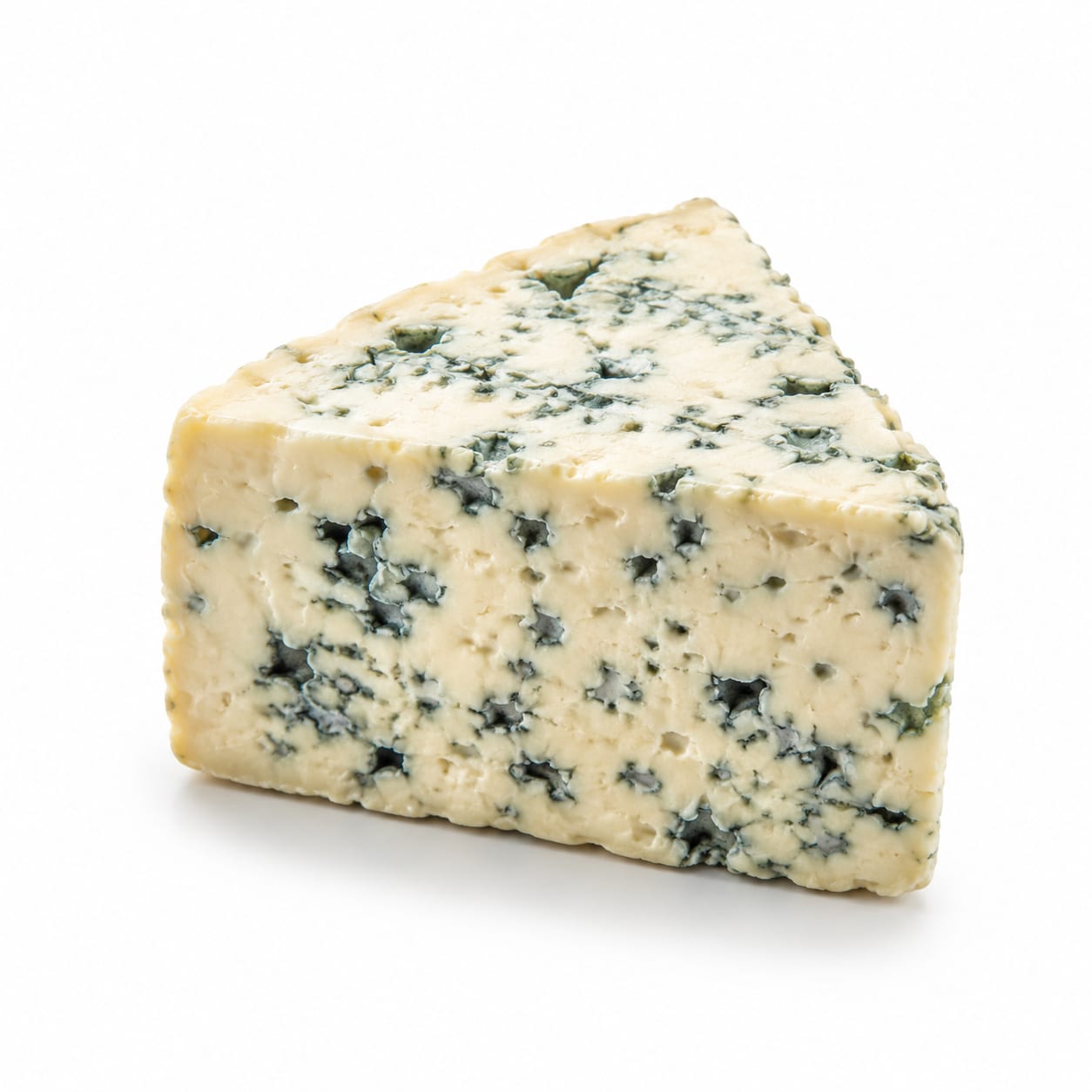
Blue Cheese
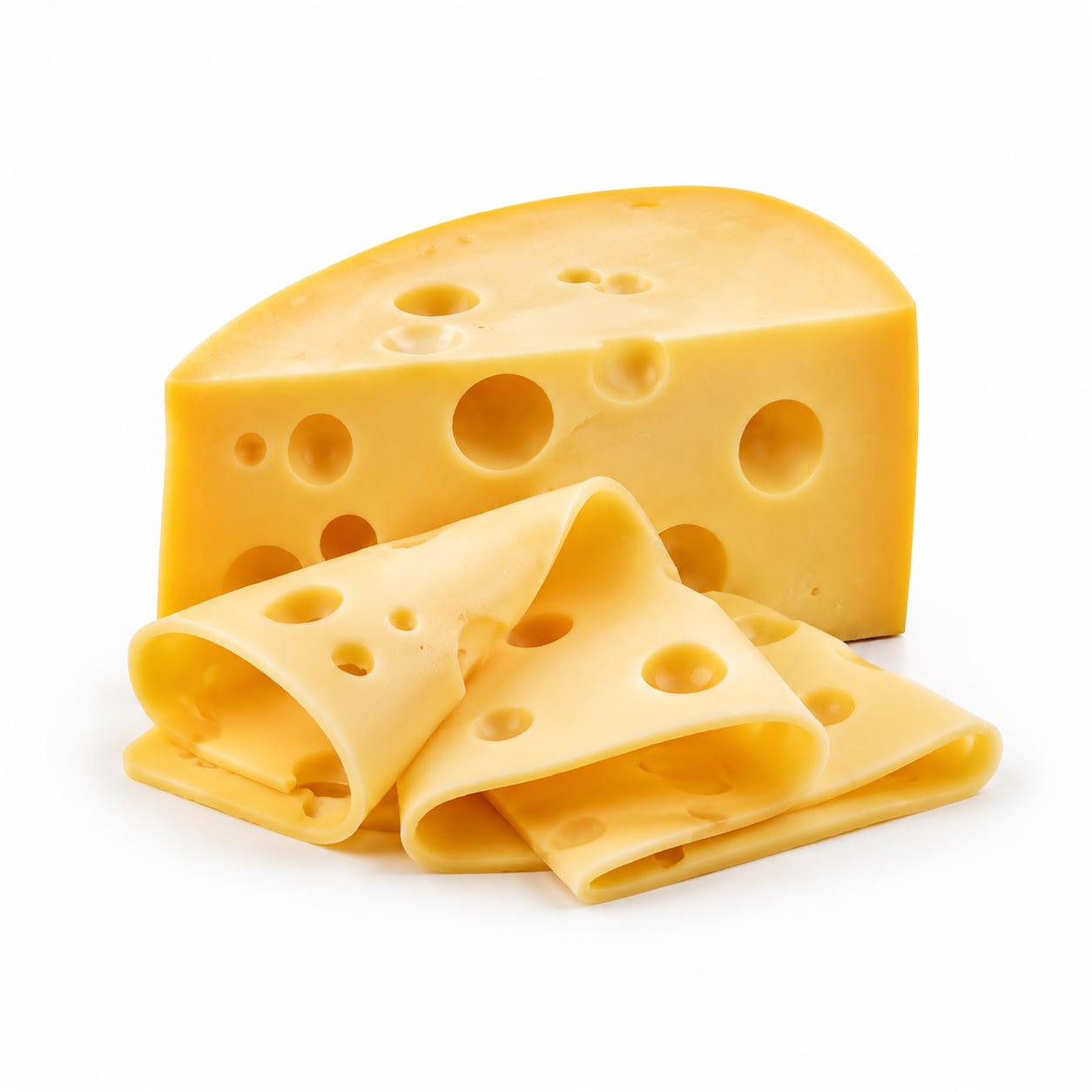
Swiss Cheese
Swiss Cheese is the healthier everyday choice due to its lower sodium and higher calcium, while Blue Cheese is best reserved for small, flavor-packed indulgences.
Swiss Cheese scores notably higher due to its superior sodium profile, calcium density, and broader safety for daily consumption. Blue Cheese remains a flavorful but nutritionally heavier choice.
You trade the bold, savory punch of Blue Cheese for the heart-healthier, bone-strengthening profile of Swiss Cheese.
At a glance
Executive summary
Overall
Swiss Cheese
Healthier
Swiss Cheese
More practical
Swiss Cheese
Daily use
Swiss Cheese
Key comparison lenses
Sodium and Blood Pressure Impact
Blue Cheese is notoriously high in sodium, while Swiss Cheese is one of the lower-sodium options, making this a critical health differentiator.
Bone Health and Calcium Density
Swiss Cheese is exceptionally high in calcium, making it a standout for bone support compared to Blue Cheese.
Flavor Intensity and Portion Control
Blue Cheese's pungent flavor naturally limits consumption, whereas Swiss Cheese's mildness makes it easy to overeat.
Food Safety for Vulnerable Populations
Mold-ripened Blue Cheese carries a higher Listeria risk, making it a concern for pregnant women compared to hard Swiss Cheese.
Best choice for
Blue Cheese
- Gourmet burger toppings
- Rich salad dressings
- Satisfying intense cravings in tiny portions
Swiss Cheese
- Daily sandwich cheese
- High-calcium snacking
- Low-sodium meal prep
Least suitable for
Blue Cheese
- People managing hypertension
- Pregnant women
- Those who dislike pungent flavors
Swiss Cheese
- Recipes requiring a sharp, bold cheese flavor
- Those seeking mold-based probiotic diversity
Deep comparison
Dimension by dimension
Each lens scores both foods and breaks down who each option suits.
- Dimension 1 · Priority 95Swiss Cheese
Sodium and Blood Pressure
Blue Cheese · 25Swiss Cheese · 85Swiss Cheese is significantly lower in sodium, making it much friendlier for blood pressure and heart health.
Tradeoff
You give up the intensely savory, salty bite of Blue Cheese for a milder, sweeter nutty flavor in Swiss Cheese.
Why it matters
High sodium is a leading driver of hypertension, and cheese is often a hidden source of excess salt.
Real-world impact
Eating Blue Cheese daily can easily push you over your sodium budget, while Swiss Cheese is much easier to fit into a heart-healthy diet.
Blue Cheese
- Satisfying salty cravings in small amounts
- Adding robust flavor without needing extra salt in a recipe
Better for
- Heart health if eaten frequently
- Keeping daily sodium under 1500mg
Worse for
Swiss Cheese
- Managing blood pressure
- Reducing water retention and bloating
Better for
- Satisfying a craving for something intensely savory
Worse for
- Dimension 2 · Priority 85Swiss Cheese
Bone Health and Calcium
Blue Cheese · 70Swiss Cheese · 95Swiss Cheese is one of the highest calcium cheeses available, delivering a massive bone-supporting punch per ounce.
Tradeoff
Blue Cheese offers decent calcium, but you get more bone-building minerals per calorie and gram of fat with Swiss Cheese.
Why it matters
Adequate calcium intake is crucial for preventing osteoporosis, especially in aging adults.
Real-world impact
A single slice of Swiss Cheese covers about a quarter of your daily calcium needs, making it an effortless way to protect your bones.
Blue Cheese
- Adding calcium to rich, indulgent dishes
Better for
- Getting high calcium without excess saturated fat
Worse for
Swiss Cheese
- Maximizing calcium per calorie
- Daily bone health support
Better for
- Dietary variety in mineral sources
Worse for
- Dimension 3 · Priority 80It depends
Flavor Intensity and Portion Control
Blue Cheese · 85Swiss Cheese · 65Blue Cheese delivers a massive flavor punch that naturally limits how much you eat, while Swiss Cheese is mild and easy to overconsume.
Tradeoff
Blue Cheese's strong taste acts as a built-in portion controller, but Swiss Cheese's mildness makes it more versatile for everyday meals.
Why it matters
Calorie density matters, and cheese is easy to overeat if the flavor doesn't stop you.
Real-world impact
You might grate a cup of Swiss Cheese onto a sandwich without thinking, but a small crumble of Blue Cheese goes a long way.
Blue Cheese
- Natural portion control
- Satisfying cravings with very small amounts
Better for
- Using in large quantities without overpowering the dish
Worse for
Swiss Cheese
- Melting into large dishes
- Eating as a standalone snack without overwhelming the palate
Better for
- Mindless snacking leading to excess calorie intake
Worse for
- Dimension 4 · Priority 75Swiss Cheese
Digestive Tolerance and Lactose
Blue Cheese · 65Swiss Cheese · 90Swiss Cheese is naturally very low in lactose due to its long aging process, making it highly digestible for sensitive stomachs.
Tradeoff
While both are aged, Swiss Cheese is generally safer for lactose-intolerant individuals than Blue Cheese.
Why it matters
Dairy discomfort affects a large portion of adults, and cheese choice dictates whether you feel bloated or fine after a meal.
Real-world impact
If regular milk bothers you, Swiss Cheese is usually a safe bet, while Blue Cheese might still cause slight rumbling depending on the variety.
Blue Cheese
- Adding complex flavor without heavy dairy volume
Better for
- Those with severe lactose intolerance
Worse for
Swiss Cheese
- Lactose-sensitive individuals
- Avoiding post-meal bloating
Better for
- Seeking probiotic diversity from mold cultures
Worse for
- Dimension 5 · Priority 60It depends
Gut Health and Probiotics
Blue Cheese · 80Swiss Cheese · 75Blue Cheese contains beneficial mold cultures like Penicillium roqueforti, while Swiss Cheese contains Propionibacterium, which also supports gut health.
Tradeoff
Blue Cheese offers unique fungal probiotics, whereas Swiss Cheese offers bacterial cultures that produce beneficial short-chain fatty acids.
Why it matters
Fermented foods contribute to a diverse microbiome, and different cheeses offer different beneficial strains.
Real-world impact
Eating a variety of cheeses, including both Blue Cheese and Swiss Cheese, gives your gut a broader spectrum of beneficial bugs.
Blue Cheese
- Introducing fungal probiotics to the diet
- Microbiome diversity
Better for
- People avoiding mold-based foods
Worse for
Swiss Cheese
- Supporting gut lining health via propionibacteria
- Easier daily probiotic intake
Better for
- Those wanting the most potent, diverse probiotic hit per serving
Worse for
Timeline
Health impact over time
Short-term
Hours to days
Blue Cheese
- High sodium may cause immediate water retention
- Strong flavor satisfies savory cravings quickly
Swiss Cheese
- Very easy on digestion with minimal bloating
- Provides steady, filling energy without heaviness
Long-term
Months to years
Blue Cheese
- Frequent consumption may elevate blood pressure due to high sodium
- Unique mold cultures may support gut diversity
Swiss Cheese
- Excellent for maintaining bone mineral density over time
- Supports long-term heart health better due to lower sodium
Risk profile
Safety & processing
Both Blue Cheese and Swiss Cheese are traditional fermented foods made with minimal processing and no artificial additives.
Blue Cheese
Listeria contamination
highMold-ripened soft cheeses like Blue Cheese carry a higher risk of Listeria, making them unsafe for pregnant women.
Histamine intolerance
mediumFermented cheeses like Blue Cheese are high in histamine, which can trigger headaches or skin flushing in sensitive individuals.
Swiss Cheese
Histamine intolerance
mediumAged cheeses like Swiss Cheese contain moderate histamine, potentially causing reactions in sensitive people.
Listeria contamination
lowHard aged cheeses like Swiss Cheese have a much lower risk of Listeria compared to soft or mold-ripened varieties.
Who wins for whom
Audience fit
Same foods, different winners depending on your goal.
children
Swiss CheeseSwiss Cheese has a mild, kid-friendly flavor and lacks the Listeria risk associated with Blue Cheese's mold.
daily consumption
Swiss CheeseSwiss Cheese is lower in sodium, lower in calories, and more versatile for everyday meals from breakfast to dinner.
diabetes
Swiss CheeseBoth have zero carbs, but Swiss Cheese has significantly less sodium, which is crucial for managing the cardiovascular risks associated with diabetes.
elderly
Swiss CheeseSwiss Cheese provides maximum calcium for bone health with minimal sodium to protect aging hearts and blood vessels.
muscle gain
Swiss CheeseSwiss Cheese offers slightly more protein per calorie, making it a more efficient choice for muscle building.
weight loss
Swiss CheeseSwiss Cheese is lower in calories and fat per ounce, making it easier to fit into a calorie deficit, though Blue Cheese's strong flavor naturally limits portions.
Your move
Decision guide
Choose Blue Cheese
- You want a bold, savory flavor punch in small quantities
- You are making a gourmet salad dressing or burger topping
- You are not pregnant and have healthy blood pressure
- You want to add unique fungal probiotics to your diet
Choose Swiss Cheese
- You want a versatile, everyday cheese for sandwiches and snacking
- You are watching your sodium intake or blood pressure
- You need a highly digestible, low-lactose cheese
- You want to maximize your calcium intake for bone health
Either works if
- You want a zero-carb, high-protein snack
- You are looking for a natural, minimally processed fermented food
Avoid both if
- You are strictly limiting saturated fat for heart disease management
- You have a severe dairy allergy
Final recommendation
Choose Swiss Cheese for daily snacking and cooking due to its lower sodium, higher calcium, and better digestibility. Save Blue Cheese for occasional gourmet treats where its intense flavor can shine in small amounts without blowing your sodium budget.
Practical
Consumer tips
- 1
Crumble Blue Cheese finely to spread its strong flavor further and naturally eat less.
- 2
Swiss Cheese melts beautifully, making it ideal for healthy egg white omelets or whole grain wraps.
- 3
If you love Blue Cheese but watch your sodium, mix a small amount of Blue Cheese with a larger portion of Swiss Cheese in salads.
- 4
Always check the sodium label on Swiss Cheese, as some pre-sliced brands add extra salt.