
Nutrition comparison
Blue Cheese vs Feta: Which Is Healthier for Daily Use?
Compare Blue Cheese and Feta on sodium, calories, fat, calcium, and everyday usability. Find out which cheese fits your health goals and eating style better.
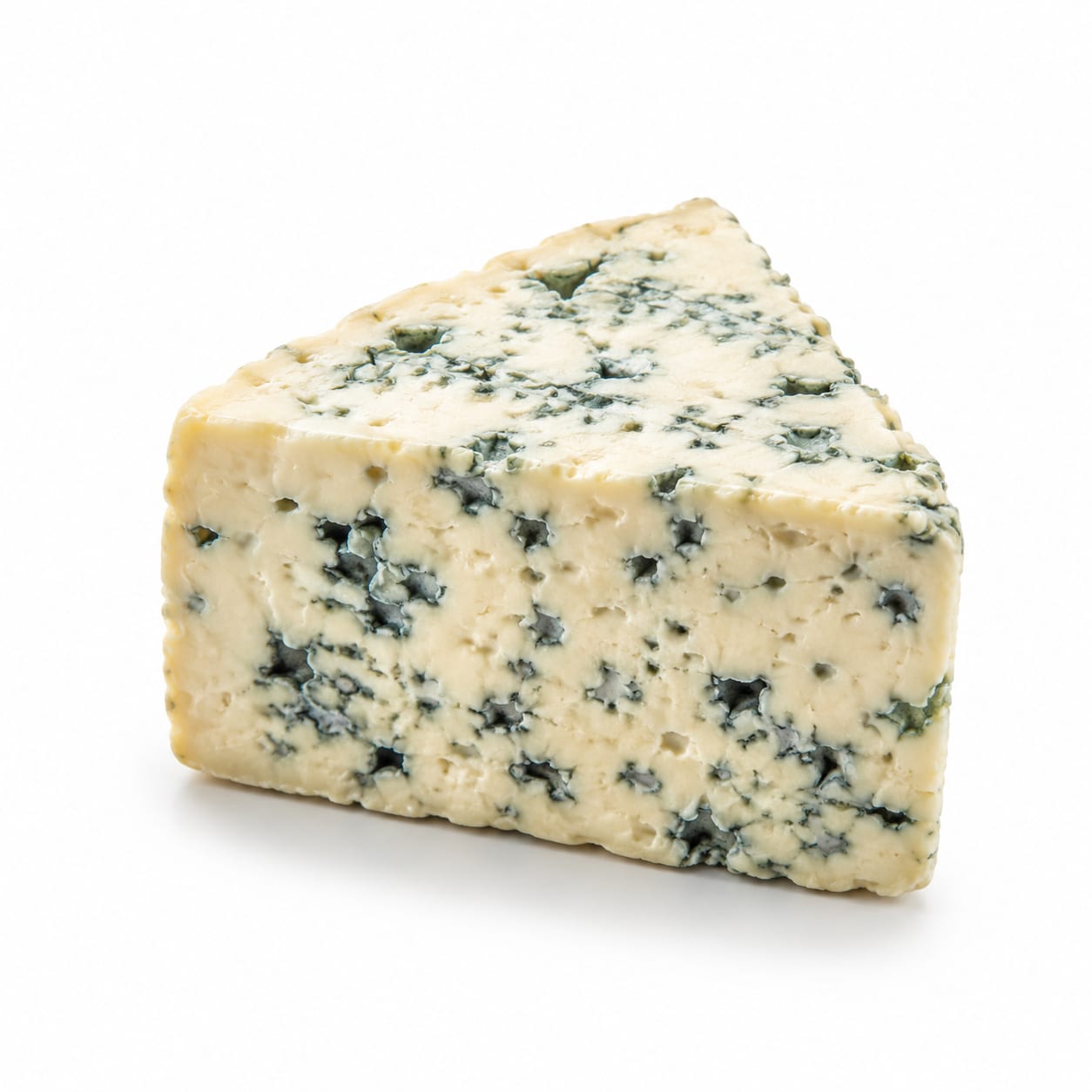
Blue Cheese
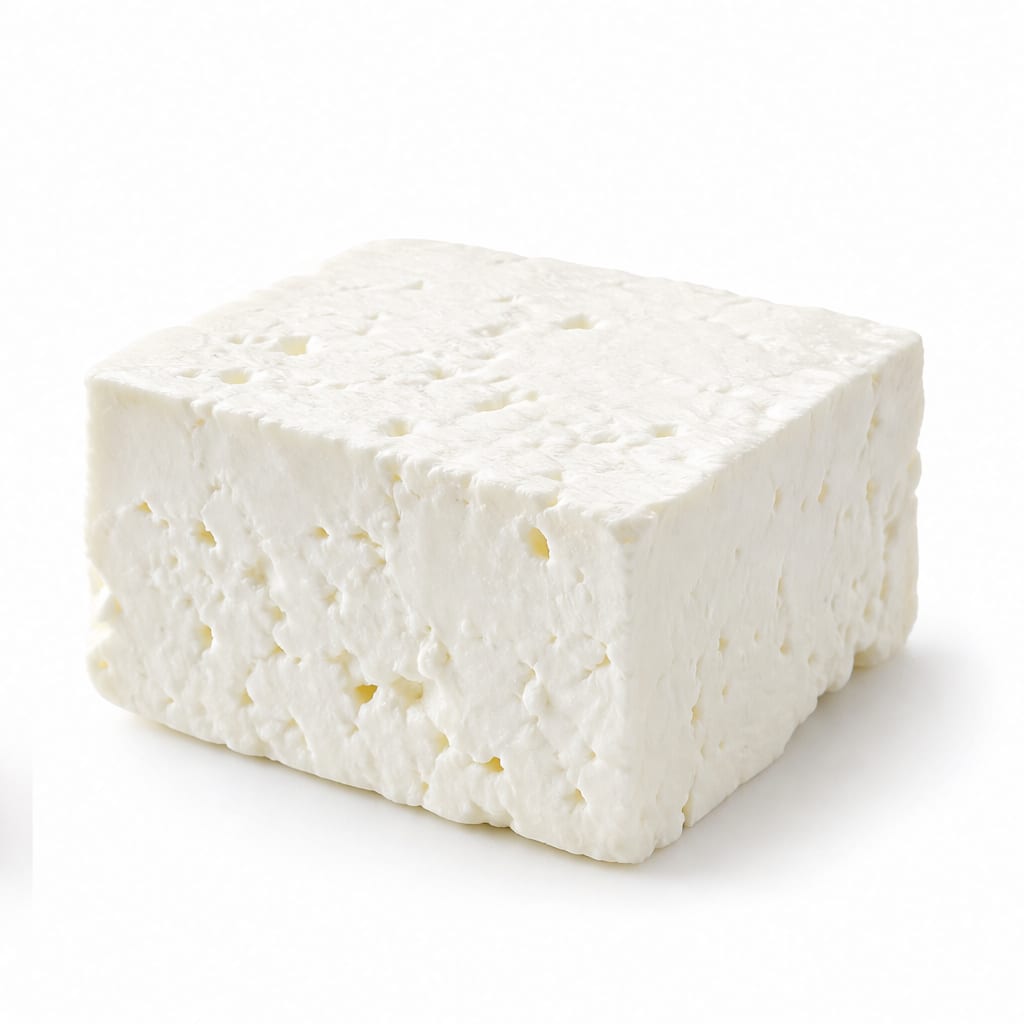
Feta
Feta wins for lighter everyday eating and lower calories, while Blue Cheese delivers more protein and calcium per bite but at a higher fat cost.
Feta scores slightly higher due to lower calorie density and everyday versatility, but the margin is thin because its sodium load is extreme. Blue Cheese offers better nutrient density per gram but punishes you with saturated fat if you overeat it.
Feta's massive sodium load versus Blue Cheese's heavier calorie and saturated fat burden — pick your metabolic concern.
At a glance
Executive summary
Overall
It depends
Healthier
It depends
More practical
Feta
Daily use
Feta
Key comparison lenses
sodium and blood pressure impact
Both cheeses are sodium-heavy, but Feta is one of the saltiest cheeses available, making this the most critical health differentiator
calorie and fat density for weight management
Blue Cheese is significantly higher in calories and saturated fat, directly impacting portion control and weight goals
flavor intensity and culinary versatility
These cheeses serve very different roles in cooking — Blue Cheese is a bold accent, Feta is a everyday topping
calcium and bone health
Both deliver solid calcium, but Blue Cheese edges ahead, which matters for long-term bone density
food safety and vulnerable populations
Both carry listeria risk from unpasteurized varieties, especially relevant for pregnant women and immunocompromised individuals
Best choice for
Blue Cheese
- Bold flavor lovers who use small amounts as a garnish
- People prioritizing protein and calcium density per serving
- Salad dressings and steak toppings where a little goes a long way
- Those who naturally limit portions due to strong taste
Feta
- Mediterranean-style eaters who want a lighter cheese
- People watching calories and saturated fat more than sodium
- Salads, wraps, and grain bowls as a daily topping
- Anyone who prefers milder, more versatile cheese flavor
Least suitable for
Blue Cheese
- Anyone on a strict low-saturated-fat diet
- People who struggle with portion control on rich foods
- Sodium-sensitive individuals who also need to limit salt
- Those who find strong mold flavors unappealing
Feta
- People on strict low-sodium diets — Feta is one of the saltiest cheeses
- Anyone with hypertension trying to cut salt aggressively
- Those seeking high protein density from their cheese
- People avoiding brined or heavily salted preserved foods
Deep comparison
Dimension by dimension
Each lens scores both foods and breaks down who each option suits.
- Dimension 1 · Priority 92Blue Cheese
sodium_load
Blue Cheese · 35Feta · 18Both are salty, but Feta is in a different league — often packing 300-400mg more sodium per serving than Blue Cheese.
Tradeoff
Feta is lighter in fat but dramatically heavier in salt, which can spike blood pressure and cause bloating.
Why it matters
If you have hypertension or eat processed foods regularly, Feta can easily push you past your daily sodium limit.
Real-world impact
A single Feta-topped salad can deliver half your daily sodium — and you will not taste the danger because it just tastes delicious.
Blue Cheese
- People monitoring blood pressure who still want cheese flavor
- Those already eating high-sodium processed foods elsewhere
Better for
Feta
- Hypertensive individuals on strict sodium restrictions
- Anyone prone to bloating or water retention from salt
- People who eat multiple salty foods in the same meal
Worse for
- Dimension 2 · Priority 85Feta
calorie_and_fat_density
Blue Cheese · 38Feta · 62Blue Cheese has roughly 50% more calories and significantly more saturated fat per serving than Feta.
Tradeoff
Feta lets you eat a larger portion for fewer calories, but Blue Cheese delivers more nutrients per gram if you can keep portions tiny.
Why it matters
For weight management, Feta is easier to fit into a calorie budget without feeling deprived of cheese entirely.
Real-world impact
Crumbled Feta on a salad feels generous and light. The same weight of Blue Cheese feels heavy and can push a meal into overeating territory.
Blue Cheese
- Keto dieters who want high fat intake
- Those who naturally eat small amounts due to strong flavor
Better for
- Anyone trying to lose weight while still enjoying cheese
- People with high cholesterol monitoring saturated fat
Worse for
Feta
- Calorie-conscious eaters who want volume
- Anyone tracking saturated fat for heart health
- People building lighter Mediterranean-style meals
Better for
- Dimension 3 · Priority 72Blue Cheese
protein_and_calcium_density
Blue Cheese · 72Feta · 58Blue Cheese delivers more protein and calcium per serving, making it the more nutrient-dense option gram for gram.
Tradeoff
You get more bone-building and muscle-supporting nutrition from Blue Cheese, but you pay for it in extra calories and fat.
Why it matters
If every bite needs to work harder nutritionally — especially for older adults — Blue Cheese gives more per gram.
Real-world impact
A small wedge of Blue Cheese on a cheese board delivers more calcium than a similar portion of Feta, but most people eat more Feta volume overall.
Blue Cheese
- Older adults prioritizing bone density
- Anyone eating small portions who wants maximum nutrition per bite
- Cheese board snackers who eat modest amounts
Better for
Feta
- People who eat larger portions and get calcium cumulatively
- Those getting calcium from other dairy sources already
Better for
- Those relying on cheese as a primary calcium source with limited portions
Worse for
- Dimension 4 · Priority 80Feta
flavor_versatility_and_everyday_usability
Blue Cheese · 48Feta · 78Feta is a crowd-pleaser that works in salads, eggs, wraps, pasta, and grain bowls. Blue Cheese is polarizing and best as an accent.
Tradeoff
Blue Cheese makes a stronger statement in fewer dishes, while Feta quietly improves almost anything it touches.
Why it matters
If you want one cheese for daily meals, Feta is far more flexible. Blue Cheese demands specific pairings to shine.
Real-world impact
You can crumble Feta on lunch five days a week without getting bored. Blue Cheese gets overwhelming by day three for most people.
Blue Cheese
- Burgers, steaks, and bold-flavored dishes
- Special occasion cheese boards
- Creamy salad dressings where funk is the star
Better for
- Delicate dishes where strong flavor overpowers
- Families with kids who dislike moldy cheese
- Everyday meal prep requiring neutral cheese
Worse for
Feta
- Daily salads and grain bowls
- Egg dishes and breakfast wraps
- Mediterranean and Middle Eastern recipes
- Casual weeknight cooking
Better for
- Dishes where you want the cheese to be the bold centerpiece
Worse for
- Dimension 5 · Priority 60It depends
digestive_tolerance_and_gut_effects
Blue Cheese · 55Feta · 55Both are fermented dairy with low lactose, but Blue Cheese contains Penicillium mold cultures that may irritate sensitive guts.
Tradeoff
Feta is gentler on most digestive systems, but Blue Cheese's mold cultures may offer mild probiotic benefits for tolerant individuals.
Why it matters
If you have mold sensitivities or gut issues, Blue Cheese can trigger reactions that Feta will not.
Real-world impact
Some people get bloated or headachy after Blue Cheese and assume it is dairy — it might be the mold.
Blue Cheese
- People without mold sensitivity who may benefit from diverse cultures
Better for
- Those with Penicillium allergies or mold sensitivities
- People prone to histamine reactions
Worse for
Feta
- Anyone with mold or histamine sensitivity
- People with irritable bowel who need gentler fermented foods
Better for
Timeline
Health impact over time
Short-term
Hours to days
Blue Cheese
- Rich, heavy mouthfeel that satisfies quickly in small amounts
- Can trigger headaches in histamine-sensitive individuals
- High fat content slows digestion, providing lasting fullness
Feta
- Noticeable thirst after eating due to extreme sodium content
- Bloating and water retention from salt load, especially at night
- Lighter mouthfeel makes it easy to overeat without feeling full
Long-term
Months to years
Blue Cheese
- Higher saturated fat intake may raise LDL cholesterol with frequent consumption
- Good calcium and protein intake supports bone and muscle maintenance
- Mold cultures may contribute to gut microbiome diversity if well tolerated
Feta
- Chronic high sodium intake increases hypertension and cardiovascular risk
- Lower calorie density supports healthier weight maintenance long-term
- Consistent calcium intake benefits bone density when portions are adequate
Risk profile
Safety & processing
Both are traditionally fermented cheeses with minimal artificial additives. Blue Cheese relies on natural Penicillium mold cultures, while Feta is brined in salt solution. Neither is ultra-processed, but both undergo significant transformation from raw milk.
Blue Cheese
Listeria from unpasteurized milk varieties
mediumArtisanal Blue Cheeses made from raw milk carry listeria risk. Pregnant women and immunocompromised individuals should choose pasteurized versions only.
Mold sensitivity and histamine reactions
lowThe Penicillium cultures are safe for most people, but those with mold allergies or histamine intolerance may experience headaches or digestive upset.
Feta
Listeria from unpasteurized milk varieties
mediumTraditional Feta can be made from unpasteurized sheep or goat milk. Same listeria caution applies for vulnerable populations.
Excessive sodium intake
highFeta's brining process creates one of the highest sodium levels among cheeses. Regular consumption without adjustment elsewhere in the diet is a genuine health risk for salt-sensitive individuals.
Who wins for whom
Audience fit
Same foods, different winners depending on your goal.
children
FetaFeta's milder flavor is more kid-friendly, and children generally do not need the extra saturated fat Blue Cheese provides. Watch sodium with both options.
daily consumption
FetaFeta's lighter profile and culinary versatility make it easier to eat regularly without fatigue, though sodium intake needs monitoring.
diabetes
It dependsBoth are low in carbs and will not spike blood sugar. The choice depends on whether you are also managing blood pressure (choose Blue Cheese) or weight (choose Feta).
elderly
Blue CheeseBlue Cheese's higher calcium and protein density matters more for older adults fighting bone loss and muscle decline, assuming they tolerate the mold cultures.
muscle gain
Blue CheeseBlue Cheese provides more protein per gram, though neither cheese is a primary protein source — both are supplementary at best for muscle building.
weight loss
FetaFeta's lower calorie density lets you eat more volume for fewer calories, making it easier to stay in a deficit while still enjoying cheese.
Your move
Decision guide
Choose Blue Cheese
- You want maximum flavor impact from minimal cheese quantity
- Calcium and protein density matter more than calorie count
- You are following a higher-fat, lower-carb eating approach
- You enjoy bold, funky flavors and naturally stop after small amounts
Choose Feta
- You eat cheese daily and need a lighter, more versatile option
- You are watching calories and saturated fat more than sodium
- You cook Mediterranean-style meals regularly
- You want a cheese that works in breakfast, lunch, and dinner
Either works if
- You tolerate dairy well and just want a flavorful cheese topping
- You are not managing a specific health condition like hypertension or high cholesterol
- You already limit cheese to a few times per week
Avoid both if
- You are on a strict low-sodium diet — both are too salty
- You have a dairy allergy or severe lactose intolerance
- You are pregnant and cannot verify the cheese is made from pasteurized milk
- You are trying to eliminate saturated fat from your diet entirely
Final recommendation
For most people eating cheese a few times a week, Feta is the more practical daily choice — lighter, more versatile, and easier to portion. But if you are the type who eats a small amount of cheese as a flavor bomb rather than a volume food, Blue Cheese rewards you with more nutrition per bite. The real decision comes down to which metabolic concern matters more to you: sodium or saturated fat.
Practical
Consumer tips
- 1
Rinse Feta briefly under cold water to remove surface brine and reduce sodium by up to 20% without losing much flavor
- 2
Buy Blue Cheese in small wedges rather than pre-crumbled — the flavor is better and you will naturally use less
- 3
Check labels for pasteurized milk if you are pregnant or immunocompromised — both cheeses have unpasteurized variants
- 4
Crumbled Feta at the store often contains anti-caking additives — buy blocks and crumble it yourself for cleaner ingredients
- 5
Freeze Blue Cheese if you only use it occasionally — it crumbles well straight from frozen and reduces waste
- 6
Pair either cheese with potassium-rich foods like spinach or tomatoes to help balance the sodium load naturally