
Nutrition comparison
Blue Cheese vs Cheddar: Which is Healthier?
Compare Blue Cheese vs Cheddar on sodium, protein, weight loss, and taste. Find out which cheese is better for daily use, blood pressure, and portion control.
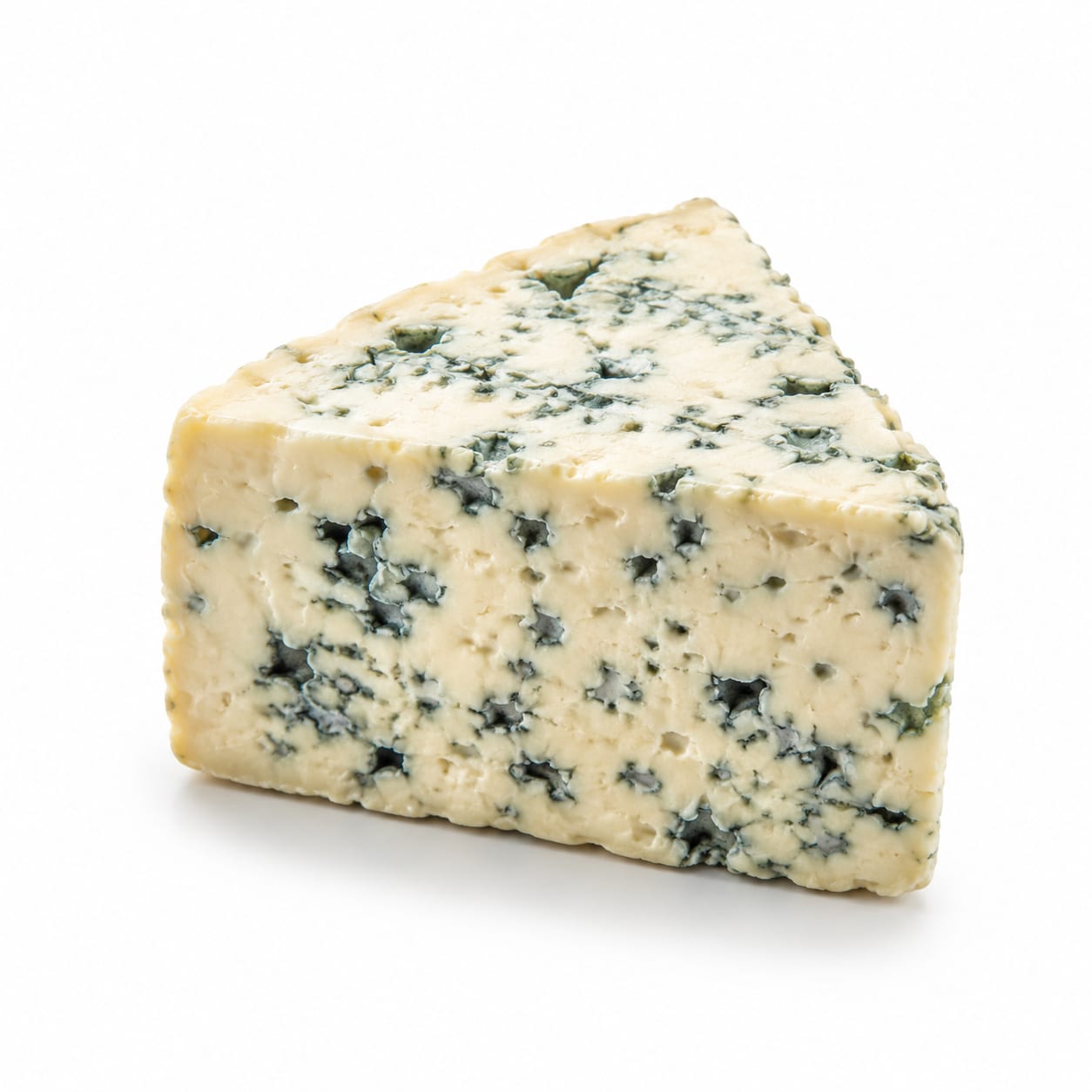
Blue Cheese
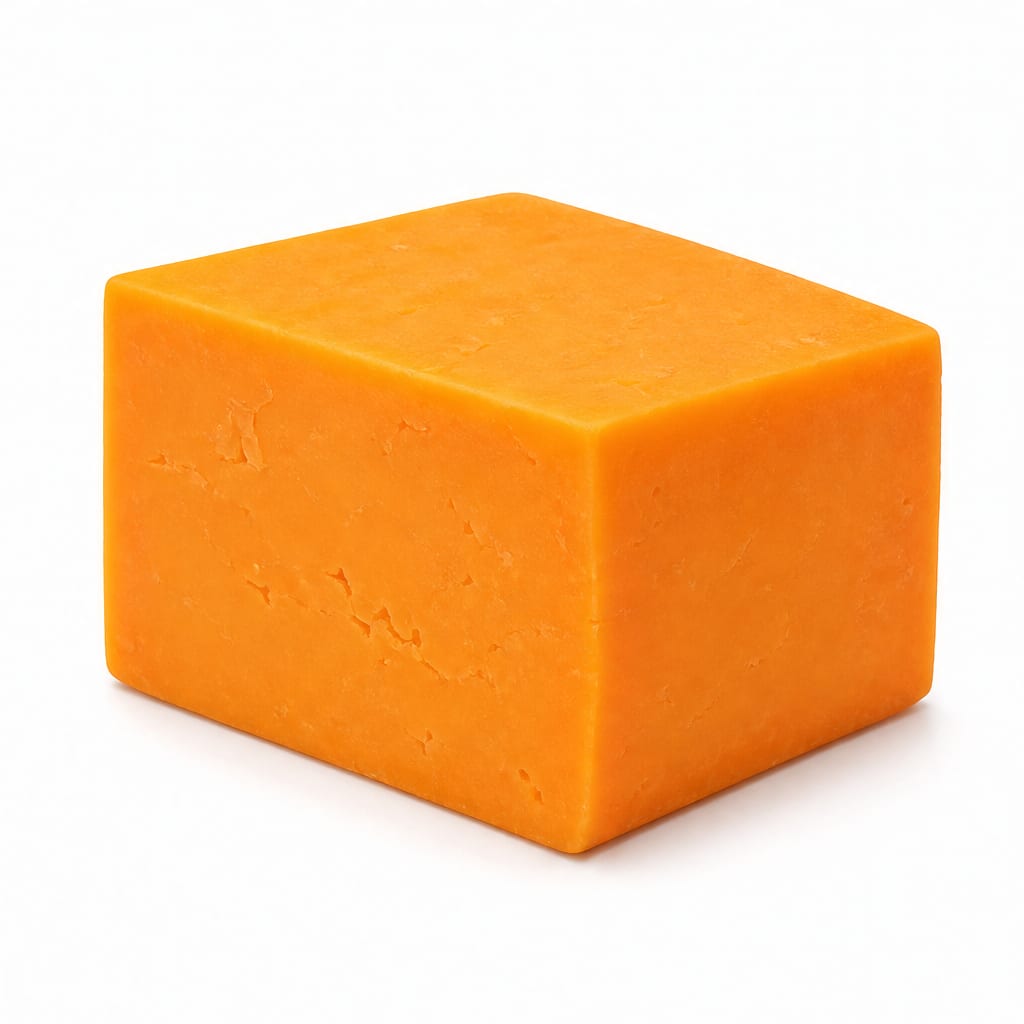
Cheddar
Cheddar is the safer, more versatile everyday cheese, but Blue Cheese wins for flavor-driven portion control.
Cheddar scores higher overall due to lower sodium, higher protein, and broader everyday usability. Blue Cheese remains a strong niche choice for portion control but loses points on heart health risks and limited culinary flexibility.
You trade Cheddar's lower sodium and broader appeal for Blue Cheese's built-in overeating guardrails and bold taste.
At a glance
Executive summary
Overall
It depends
Healthier
It depends
More practical
Cheddar
Daily use
Cheddar
Key comparison lenses
Sodium and heart health impact
Blue Cheese is significantly higher in sodium than Cheddar, making blood pressure management a key differentiator.
Flavor intensity and portion control
The pungent flavor of Blue Cheese naturally limits overeating, while Cheddar's mild taste makes it easier to overconsume.
Culinary versatility and daily practicality
Cheddar melts well and fits almost any dish, whereas Blue Cheese is more niche and polarizing.
Best choice for
Blue Cheese
- People who struggle with portion control and need a strong flavor to stop eating
- Salad lovers wanting a bold, low-lactose topping
- Those looking to minimize total calorie intake from cheese
Cheddar
- Families needing a kid-friendly, versatile cheese
- Anyone watching their blood pressure or sodium intake
- People wanting a higher protein, meltable cheese for meals
Least suitable for
Blue Cheese
- People with hypertension or sodium-restricted diets
- Pregnant women due to potential unpasteurized mold risks
- Kids or picky eaters who dislike strong flavors
Cheddar
- People who easily overeat mild cheeses
- Those seeking a very low-sodium diet though it is better than Blue Cheese it is still salty
- Individuals looking for bold complex flavors in small bites
Deep comparison
Dimension by dimension
Each lens scores both foods and breaks down who each option suits.
- Dimension 1 · Priority 95Cheddar
Sodium & Blood Pressure
Blue Cheese · 30Cheddar · 65Blue Cheese packs nearly double the sodium of Cheddar, making it a riskier choice for heart health.
Tradeoff
You get a more complex, salty flavor in Blue Cheese, but at the cost of significantly higher blood pressure impact.
Why it matters
High sodium intake is a leading driver of hypertension, which often shows no symptoms until it causes serious damage.
Real-world impact
Eating Blue Cheese frequently could push you over your daily sodium limit, leaving you bloated and raising long-term heart risks.
Blue Cheese
- Those who only eat cheese occasionally and can afford the sodium hit
Better for
- People with salt-sensitive hypertension
Worse for
Cheddar
- Anyone actively managing blood pressure
- People who eat cheese daily and need a lower-sodium baseline
Better for
- Those who find low-sodium cheeses bland and unsatisfying
Worse for
- Dimension 2 · Priority 90Blue Cheese
Portion Control & Calorie Management
Blue Cheese · 85Cheddar · 50The intense, pungent flavor of Blue Cheese naturally stops you from eating too much, while Cheddar's mild taste makes it easy to overeat.
Tradeoff
Blue Cheese helps you eat less without trying, but if you force it, the calories and fat add up just as fast as Cheddar.
Why it matters
Unconscious overeating of calorie-dense foods is a primary driver of weight gain.
Real-world impact
You might easily eat 4 slices of Cheddar without noticing, but the strong hit of Blue Cheese usually satisfies you in just one crumble.
Blue Cheese
- Grazers who need built-in stop signals
- Dieters relying on flavor intensity for satisfaction
Better for
- People who dislike the taste and end up unsatisfied
Worse for
Cheddar
- Those who prefer eating larger volumes of food
Better for
- Anyone prone to mindless snacking on cheese
Worse for
- Dimension 3 · Priority 80Cheddar
Protein & Satiety
Blue Cheese · 60Cheddar · 80Cheddar offers slightly more protein per serving, making it a more filling and reliable snack.
Tradeoff
Cheddar fills you up more per ounce, but you are also more likely to eat several ounces compared to Blue Cheese.
Why it matters
Protein is key to staying full between meals and avoiding energy crashes.
Real-world impact
A Cheddar stick is a solid afternoon snack that keeps hunger at bay, whereas Blue Cheese is usually eaten in amounts too small to provide much satiety.
Blue Cheese
- Those using cheese as a garnish rather than a protein source
Better for
- Anyone relying on cheese for a protein boost
Worse for
Cheddar
- People needing a quick, filling protein snack
- Athletes looking for convenient whole-food protein
Better for
- Those trying to limit overall calorie intake from dense snacks
Worse for
- Dimension 4 · Priority 75Cheddar
Culinary Versatility
Blue Cheese · 45Cheddar · 90Cheddar melts beautifully and works in everything from sandwiches to sauces, while Blue Cheese is limited to specific flavor pairings.
Tradeoff
Cheddar is the reliable daily driver, but Blue Cheese delivers a unique gourmet punch when the dish calls for it.
Why it matters
A cheese you can use in multiple meals makes meal prep easier and reduces food waste.
Real-world impact
You can throw Cheddar on eggs, burgers, or pasta without thinking. Blue Cheese requires more planning to avoid clashing flavors.
Blue Cheese
- Home cooks making specific gourmet recipes
- Steak and burger enthusiasts wanting a bold topping
Better for
- People who want a neutral cheese for simple meals
Worse for
Cheddar
- Busy families needing one cheese for all occasions
- Anyone making grilled cheese or melting applications
Better for
- Culinary adventurers seeking complex flavor profiles
Worse for
Timeline
Health impact over time
Short-term
Hours to days
Blue Cheese
- High sodium can cause immediate water retention and bloating
- Strong flavor provides quick taste satisfaction with small amounts
Cheddar
- Provides a steady, filling protein boost
- Milder flavor can lead to eating larger quantities, causing a heavy feeling
Long-term
Months to years
Blue Cheese
- Frequent consumption may elevate blood pressure due to high sodium
- Beneficial mold cultures can support gut microbiome diversity
Cheddar
- Consistent protein and calcium intake supports bone density
- Overconsumption can contribute to elevated LDL cholesterol from saturated fat
Risk profile
Safety & processing
Both are traditional fermented dairy products with minimal artificial additives. Blue Cheese relies on natural mold cultures for its character, while Cheddar relies on aging.
Blue Cheese
Listeria contamination
mediumUnpasteurized Blue Cheese carries a higher risk of Listeria, making it unsafe for pregnant women and immunocompromised individuals.
Mold allergy or sensitivity
lowThe Penicillium mold can trigger reactions in people with specific mold allergies.
Cheddar
Histamine intolerance
lowAged Cheddar is high in histamine, which can cause headaches or digestive issues in sensitive people.
Who wins for whom
Audience fit
Same foods, different winners depending on your goal.
children
CheddarCheddar is pasteurized, lower in sodium, has a kid-friendly mild flavor, and melts easily into familiar meals.
daily consumption
CheddarCheddar's lower sodium and higher protein make it a safer and more practical choice for everyday eating.
diabetes
CheddarBoth are low-carb, but Cheddar's lower sodium content is better for the cardiovascular health that diabetics must carefully manage.
elderly
CheddarOlder adults need calcium and protein for bones, and Cheddar delivers more of both without the excessive sodium that risks hypertension.
muscle gain
CheddarCheddar provides slightly more protein per serving and is easier to eat in larger quantities for those needing extra calories and protein.
weight loss
Blue CheeseThe intense flavor of Blue Cheese naturally restricts portion sizes, making it easier to control calorie intake without feeling deprived.
Your move
Decision guide
Choose Blue Cheese
- You love bold flavors and find that a little goes a long way
- You want a salad topper that prevents you from overdoing it on cheese
- You are looking for a gourmet experience rather than daily fuel
Choose Cheddar
- You eat cheese almost every day and need a lower-sodium option
- You want a versatile, meltable cheese for cooking and snacking
- You are feeding kids or picky eaters
Either works if
- You are strictly monitoring carbs and need a zero-carb snack
- You tolerate dairy well and just want a satisfying fat source
Avoid both if
- You have severe lactose intolerance though both are lower in lactose they are not lactose-free
- You are on a strict low-fat or heart-healthy diet limiting saturated fat
Final recommendation
Keep Cheddar in the fridge for everyday meals and snacking, but buy Blue Cheese when you need a flavor punch that naturally keeps your portions in check.
Practical
Consumer tips
- 1
Check the label on Blue Cheese to ensure it is made from pasteurized milk if you are pregnant or have a weakened immune system.
- 2
Buy sharp or extra-sharp Cheddar to get more flavor per bite, mimicking the portion-control benefits of Blue Cheese.
- 3
Crumble Blue Cheese finely over warm dishes; the heat releases the aroma, letting you use less while getting maximum flavor.
- 4
Pre-slice Cheddar into 1-ounce portions to avoid accidentally eating half the block while cooking.