
Nutrition comparison
Blue Cheese vs Goat Cheese: Which Is Healthier and Easier to Digest?
Compare blue cheese and goat cheese on digestion, sodium, safety, and flavor. Find out which cheese is better for daily eating, weight loss, and sensitive stomachs.
Overall winner · Goat Cheese
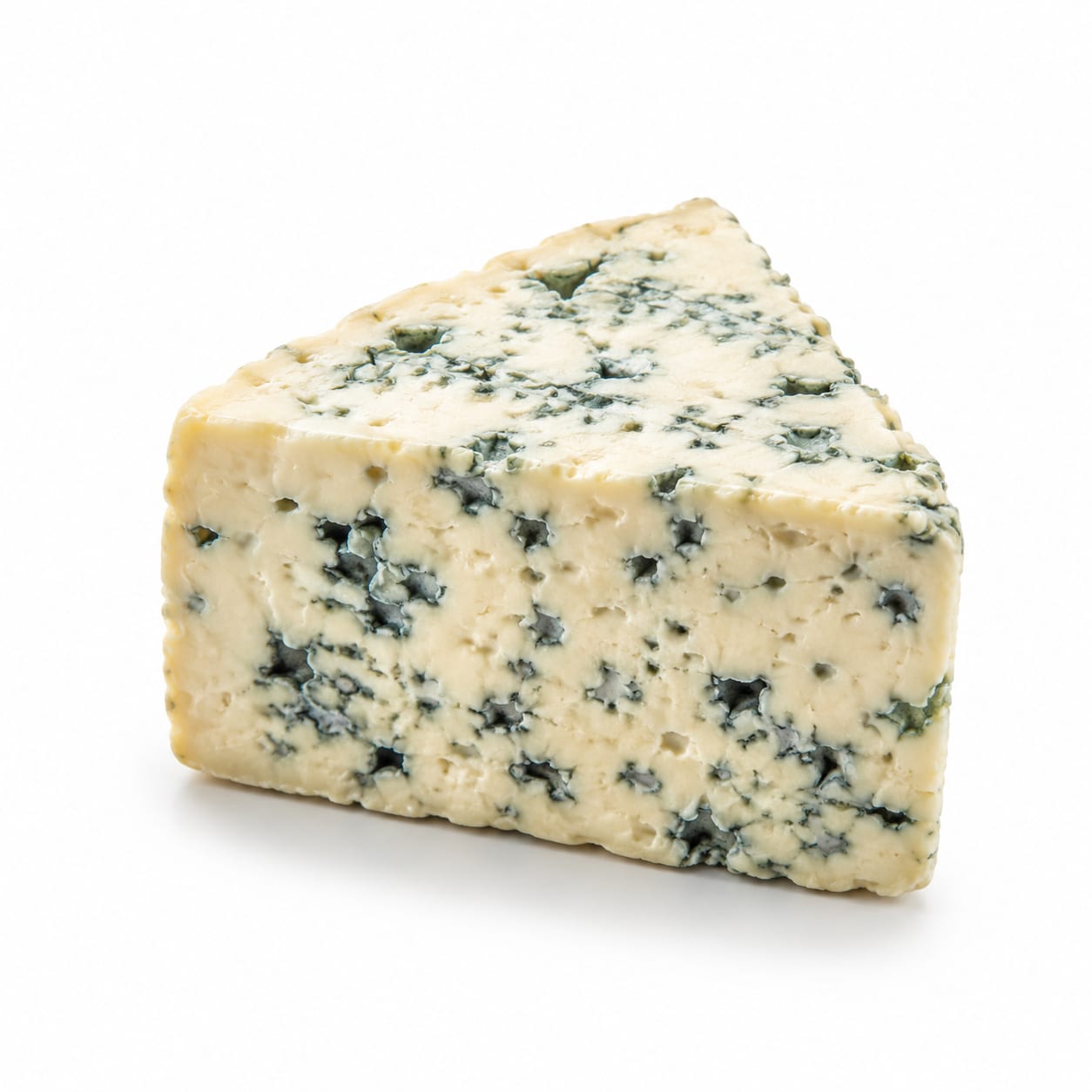
Blue Cheese
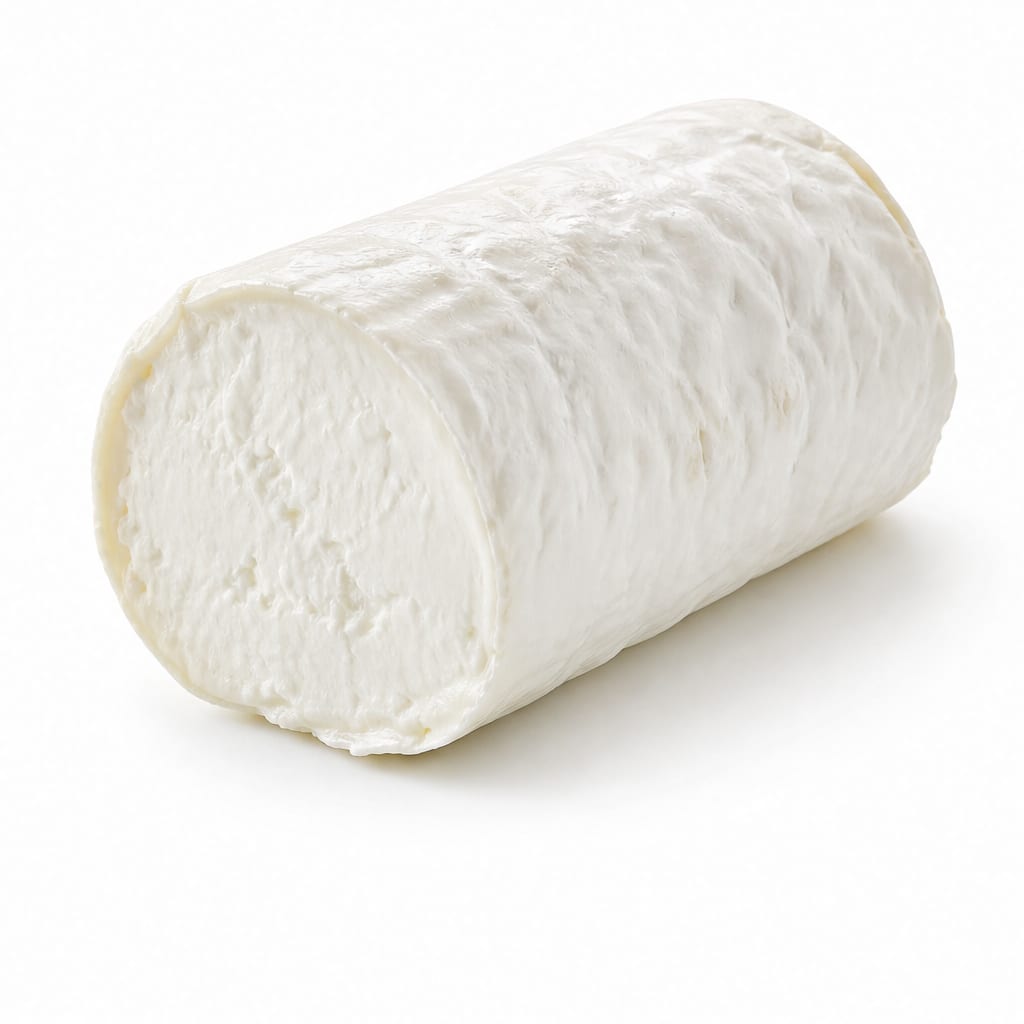
Goat Cheese
Goat cheese wins for everyday eating thanks to easier digestion, lower sodium, and broader tolerance, while blue cheese is a bold flavor luxury best enjoyed in smaller amounts.
Goat cheese scores notably higher due to superior digestibility, lower sodium, and better suitability for regular consumption. Blue cheese is not unhealthy in moderation but its high sodium and digestive difficulty make it harder to recommend as an everyday choice.
Blue cheese delivers an intense, complex flavor experience but comes with higher sodium and tougher digestion. Goat cheese sacrifices that punchy character for gentler digestion and more flexible daily use.
At a glance
Executive summary
Overall
Goat Cheese
Healthier
Goat Cheese
More practical
Goat Cheese
Daily use
Goat Cheese
Key comparison lenses
digestive tolerance and lactose sensitivity
Goat cheese is famously easier to digest for many people, making this a primary decision factor
pregnancy and food safety
Both are soft cheeses with listeria concerns, but blue cheese carries additional risk due to mold-ripening
sodium and heart health impact
Blue cheese is significantly higher in sodium, which matters for blood pressure and daily consumption
allergen and sensitivity considerations
Goat cheese contains A2 casein and is often tolerated by people who struggle with cow dairy
flavor intensity and culinary use
These cheeses serve very different roles in cooking due to their dramatically different flavor profiles
Best choice for
Blue Cheese
- Burgers and steaks that need a sharp punch
- Charcuterie boards where bold flavor stands out
- Salad dressings that benefit from assertive tang
- People who find mild cheese boring
Goat Cheese
- People with cow dairy sensitivity
- Lighter meals and salads needing subtle creaminess
- Daily snacking or sandwich use
- Anyone watching sodium intake
Least suitable for
Blue Cheese
- Anyone on a low-sodium diet
- Pregnant women due to mold-ripened risk
- People sensitive to strong flavors or mold
- Daily heavy consumption
Goat Cheese
- Dishes requiring a bold, sharp cheese punch
- People avoiding all dairy completely
- Those seeking high calcium density per ounce
Deep comparison
Dimension by dimension
Each lens scores both foods and breaks down who each option suits.
- Dimension 1 · Priority 92Goat Cheese
digestive tolerance
Blue Cheese · 40Goat Cheese · 82Goat cheese is dramatically easier on the stomach for most people due to smaller fat globules and A2 casein protein structure.
Tradeoff
Blue cheese's cow milk base and mold content make it harder to digest, especially for sensitive stomachs.
Why it matters
If cheese leaves you bloated or uncomfortable, this difference alone could decide your choice.
Real-world impact
Goat cheese is far less likely to cause that heavy, sluggish feeling after eating, making it a better afternoon or evening option.
Blue Cheese
- People with no dairy sensitivity who enjoy rich cheese
Better for
- Post-meal discomfort and bloating
- Irritable bowel flare-ups
Worse for
Goat Cheese
- Anyone who gets bloated from cow cheese
- People with mild lactose intolerance
- Those with sensitive digestion
Better for
- Minimal digestive downside for most people
Worse for
- Dimension 2 · Priority 85Goat Cheese
sodium load
Blue Cheese · 35Goat Cheese · 65Blue cheese contains roughly 350-400mg sodium per ounce compared to goat cheese's 100-130mg, a meaningful gap for heart health.
Tradeoff
That salty punch is part of what makes blue cheese irresistible, but it comes at a real cardiovascular cost if consumed frequently.
Why it matters
Three ounces of blue cheese can deliver nearly half your daily sodium limit before you account for anything else eaten that day.
Real-world impact
Regular blue cheese consumption can quietly push your sodium intake well above recommended levels, raising blood pressure over time.
Blue Cheese
- Flavor intensity that reduces need for additional seasoning
Better for
- Water retention and bloating
- Elevated blood pressure with regular use
Worse for
Goat Cheese
- Blood pressure management
- More room for sodium from other foods
- Better for daily consumption without worry
Better for
- May need additional seasoning in some recipes
Worse for
- Dimension 3 · Priority 78It depends
flavor and culinary versatility
Blue Cheese · 75Goat Cheese · 72Blue cheese delivers unmatched bold intensity for specific dishes, while goat cheese offers broader mild versatility across more meal types.
Tradeoff
Blue cheese is a specialist that shines in specific roles. Goat cheese is a generalist that works almost anywhere but never steals the show.
Why it matters
Choosing the wrong cheese for a dish can ruin the balance, no matter how healthy it is.
Real-world impact
A blue cheese burger is a revelation. A goat cheese burger is fine but forgettable. Conversely, goat cheese on a light salad is perfect while blue cheese can overwhelm everything else.
Blue Cheese
- Bold dishes that need a sharp focal point
- Melted applications on red meat
- Rich creamy dressings
Better for
- Delicate dishes where it dominates everything
- Light summer meals
Worse for
Goat Cheese
- Light salads and vegetable dishes
- Spread on toast or crackers
- Pasta and egg dishes needing subtle creaminess
Better for
- Dishes specifically designed for sharp cheese punch
Worse for
- Dimension 4 · Priority 70Blue Cheese
calcium and micronutrients
Blue Cheese · 78Goat Cheese · 62Blue cheese provides more calcium and slightly more vitamin K2 per serving due to its cow milk base and fermentation process.
Tradeoff
The calcium advantage is real but not large enough to override digestibility concerns for most people.
Why it matters
If you rely on cheese as a significant calcium source, blue cheese delivers more per bite.
Real-world impact
An ounce of blue cheese provides roughly 150mg calcium versus 40-60mg in goat cheese, a meaningful difference for bone health over time.
Blue Cheese
- Bone density support
- Vitamin K2 from fermentation
Better for
- Higher sodium partially offsets bone benefits
Worse for
Goat Cheese
- Selenium and potassium content
- More bioavailable fat-soluble vitamins for some people
Better for
- Lower calcium means you need other sources
Worse for
- Dimension 5 · Priority 88Goat Cheese
pregnancy and food safety
Blue Cheese · 30Goat Cheese · 55Neither cheese is ideal during pregnancy, but blue cheese carries higher listeria risk due to its mold-ripened production process.
Tradeoff
Both are soft cheeses that require caution, but the Penicillium mold in blue cheese creates additional surface area and moisture where bacteria can thrive.
Why it matters
Listeria infection during pregnancy can have devastating consequences, making this a non-negotiable safety concern.
Real-world impact
Pregnant women should avoid both unless they are clearly labeled as made from pasteurized milk, but blue cheese warrants extra caution even when pasteurized.
Blue Cheese
- No safety advantage over goat cheese
Better for
- Mold-ripened process increases bacterial risk
- Higher risk even with pasteurized versions
Worse for
Goat Cheese
- Slightly lower listeria risk profile
- Often available in firm aged varieties that are safer
Better for
- Still a soft cheese requiring pregnancy caution
Worse for
- Dimension 6 · Priority 72Blue Cheese
satiety and satisfaction
Blue Cheese · 80Goat Cheese · 68Blue cheese's intense flavor and higher fat content deliver more satisfaction per bite, making it easier to stop eating after a small portion.
Tradeoff
That satisfaction comes with more calories and sodium per serving, so portion control matters more.
Why it matters
A cheese that satisfies with less quantity can actually support weight management better than one you keep eating.
Real-world impact
A small crumble of blue cheese on a salad can feel like enough. Goat cheese's milder profile sometimes leads to using more to achieve the same satisfaction.
Blue Cheese
- Flavor satisfaction with smaller portions
- Rich mouthfeel that signals fullness
Better for
- Easy to overconsume calories if not portioned
- Salt triggers more eating for some people
Worse for
Goat Cheese
- Lighter feeling after eating
- Less risk of overconsuming sodium
Better for
- Milder flavor may require larger portions for satisfaction
Worse for
Timeline
Health impact over time
Short-term
Hours to days
Blue Cheese
- Noticeable bloating or heaviness if sensitive to cow dairy
- Thirst from high sodium content
- Strong flavor can either satisfy or overwhelm depending on the dish
Goat Cheese
- Comfortable digestion for most people
- Lighter post-meal feeling
- Milder flavor that rarely overwhelms
Long-term
Months to years
Blue Cheese
- Higher sodium intake contributes to blood pressure concerns with regular consumption
- Good calcium intake supports bone health
- Mold content may trigger headaches in sensitive individuals
Goat Cheese
- Easier sustained consumption without sodium concerns
- Lower calcium contribution means needing other dietary sources
- A2 casein may reduce inflammatory markers compared to cow dairy
Risk profile
Safety & processing
Both cheeses are traditional fermented foods with minimal artificial additives. Goat cheese generally involves simpler production with fewer steps, while blue cheese requires controlled mold inoculation and longer aging. Neither typically contains preservatives or emulsifiers in quality versions.
Blue Cheese
Listeria contamination
highMold-ripened soft cheeses are among the highest-risk foods for listeria, which is especially dangerous during pregnancy
Histamine reaction
mediumThe extended fermentation and mold aging process produces higher histamine levels, which can trigger headaches or allergic-type responses in sensitive people
Mold sensitivity
lowWhile Penicillium roqueforti is safe for most people, those with severe mold allergies may react
Goat Cheese
Listeria contamination
mediumSoft goat cheese carries listeria risk similar to other soft cheeses, though slightly lower than mold-ripened varieties
Cross-reactivity with cow milk allergy
lowMost people with cow milk sensitivity tolerate goat cheese, but those with true IgE-mediated cow milk allergy may still react
Who wins for whom
Audience fit
Same foods, different winners depending on your goal.
children
Goat CheeseGoat cheese's milder flavor and easier digestion make it more suitable for kids, and it avoids the mold exposure concern
daily consumption
Goat CheeseGoat cheese's gentler digestive profile and lower sodium make it sustainable as a near-daily food without accumulating health concerns
diabetes
Goat CheeseBoth are low-carb and unlikely to spike blood sugar, but goat cheese's lower sodium is better for the cardiovascular risks that accompany diabetes
elderly
Goat CheeseLower sodium and easier digestion are especially important for older adults managing blood pressure and nutrient absorption
muscle gain
It dependsBoth provide moderate protein; blue cheese slightly more per ounce but the difference is negligible for muscle building purposes
weight loss
Goat CheeseGoat cheese's lower calorie density and sodium make it easier to incorporate into a calorie-controlled diet without water retention
Your move
Decision guide
Choose Blue Cheese
- You crave bold, intense cheese flavor and nothing else satisfies
- You are making a specific dish where blue cheese is the star ingredient
- You have no sodium concerns and digest cow dairy well
- You want maximum flavor impact with minimum quantity
Choose Goat Cheese
- You eat cheese regularly and want something sustainable
- Cow dairy gives you bloating or discomfort
- You are watching your sodium or blood pressure
- You want a versatile cheese for cooking, snacking, and salads
- You are pregnant or serving food to pregnant women
Either works if
- You tolerate both well and just want variety
- You are building a cheese board with diverse options
- Neither cheese is a staple in your diet, just an occasional treat
Avoid both if
- You have a severe dairy allergy
- You are strictly limiting saturated fat for cardiovascular reasons
- You are on a very low-sodium medical protocol
- You are pregnant and cannot confirm pasteurized milk sourcing
Final recommendation
Make goat cheese your everyday cheese and treat blue cheese as a special occasion flavor boost. This gives you the digestive comfort and lower sodium for daily life while still enjoying blue cheese's unmatched intensity when the dish calls for it. If you tolerate cow dairy perfectly and sodium is not a concern, enjoy blue cheese more freely, but keep portions modest to avoid the cumulative sodium load.
Practical
Consumer tips
- 1
Check labels for pasteurized milk, especially important for both cheeses if you are pregnant
- 2
Aged goat cheese develops more flavor and becomes firmer, making it a nice middle ground between fresh goat cheese and blue cheese intensity
- 3
Freeze blue cheese crumbles if you only use small amounts occasionally to prevent waste
- 4
Fresh chèvre is the mildest entry point for goat cheese; try aged varieties if you want more complexity
- 5
If sodium is a concern, rinse blue cheese crumbles briefly under cold water to remove surface salt without losing too much flavor
- 6
Look for goat cheese from grass-fed animals for a better omega-3 to omega-6 ratio