
Nutrition comparison
Blue Cheese vs Roquefort: Which Is Healthier and When to Choose Each
Compare blue cheese and Roquefort on sodium, digestibility, flavor, and price. Learn when Roquefort's sheep's milk benefits outweigh its salt content and when generic blue cheese is the smarter daily choice.
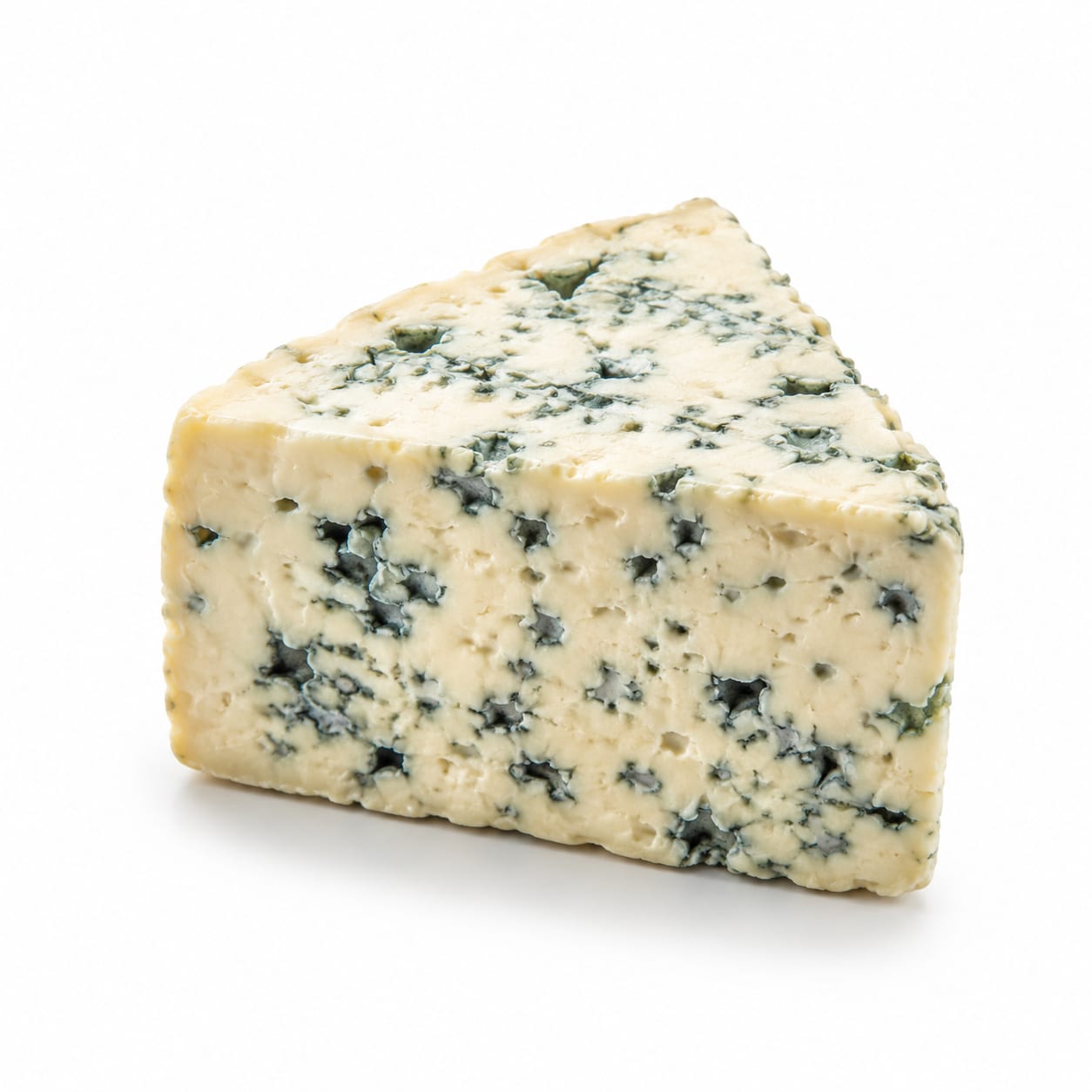
Blue Cheese
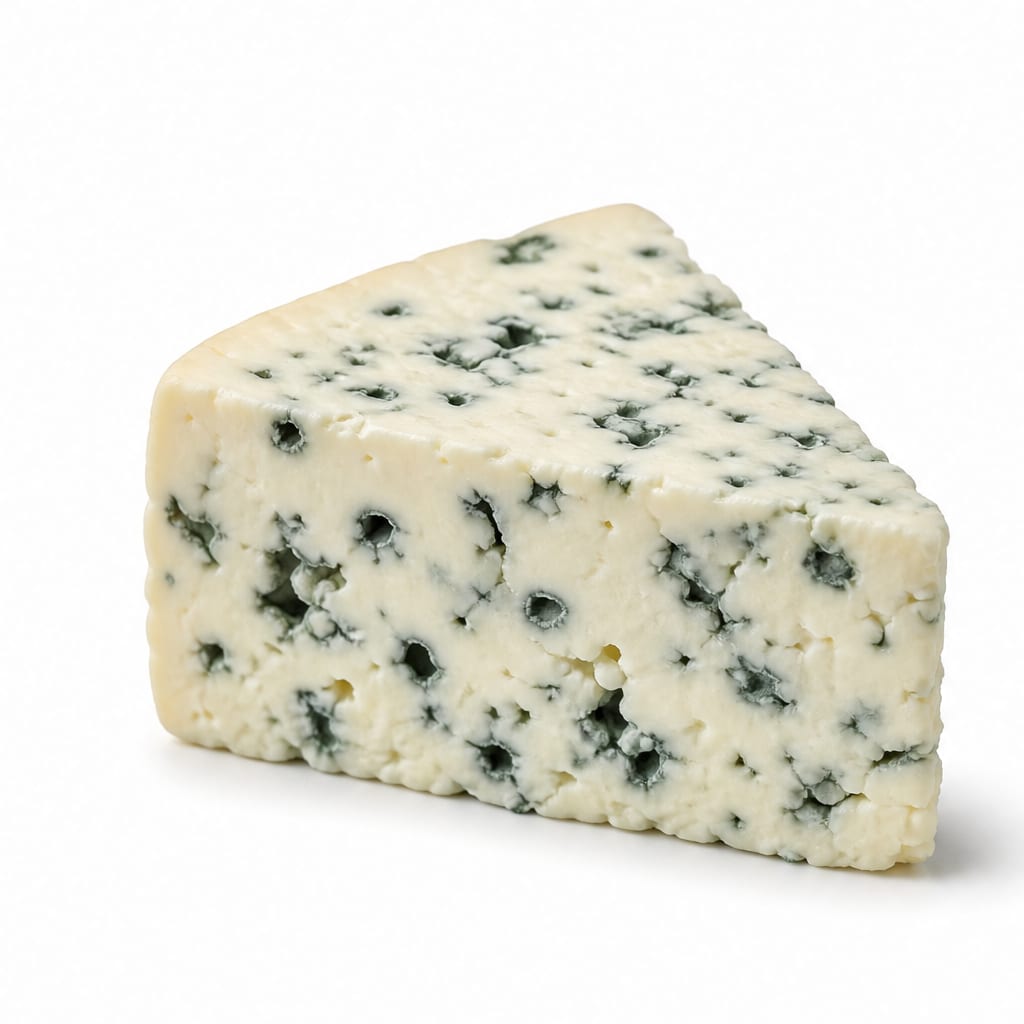
Roquefort
Roquefort is a specific type of blue cheese made from sheep's milk with a saltier, sharper profile. Generic blue cheese offers more variety, lower sodium options, and better affordability for regular use.
Blue cheese wins on practicality and lower sodium, but Roquefort's sheep's milk advantages and flavor prestige keep it competitive. The gap reflects everyday usability over special-occasion excellence.
Roquefort delivers superior flavor intensity and sheep's milk digestibility benefits, but costs more and packs significantly more sodium per bite
At a glance
Executive summary
Overall
It depends
Healthier
Blue Cheese
More practical
Blue Cheese
Daily use
Blue Cheese
Key comparison lenses
sodium and heart health
Both are high-sodium cheeses, but Roquefort is notoriously saltier, making sodium the single biggest differentiator for daily health decisions
milk source digestibility
Roquefort is sheep's milk only while most blue cheese is cow's milk, which matters for lactose sensitivity and fat composition
culinary flavor intensity
Roquefort delivers a sharper, more aggressive punch, while blue cheese offers more range from mild to pungent
budget and accessibility
Roquefort's AOC protection and import status make it significantly pricier and harder to find
satiety and portion control
Both are calorie-dense flavor bombs, but Roquefort's intensity naturally limits overeating more effectively
Best choice for
Blue Cheese
- People watching sodium intake
- Budget-conscious cheese lovers
- Those wanting variety in flavor intensity
- Cooking applications needing milder blue notes
- Frequent cheese eaters who need affordability
Roquefort
- Lactose-sensitive individuals who tolerate sheep's milk better
- Special occasion splurges where flavor matters most
- Those who naturally stop eating when flavors are intense
- Connoisseurs seeking authentic terroir expression
- People eating small portions as a finishing cheese
Least suitable for
Blue Cheese
- Those seeking the most authentic French blue cheese experience
- People who find cow's milk harder to digest
Roquefort
- Anyone on a sodium-restricted diet
- Budget-limited households
- People sensitive to very strong flavors
- Daily snacking habits
Deep comparison
Dimension by dimension
Each lens scores both foods and breaks down who each option suits.
- Dimension 1 · Priority 92Blue Cheese
sodium_load
Blue Cheese · 35Roquefort · 20Roquefort is one of the saltiest cheeses available, often exceeding 1,800mg sodium per 100g. Most blue cheeses range from 1,100-1,500mg.
Tradeoff
Roquefort's salt is key to its flavor development and preservation, but it makes portion control a health necessity rather than a preference
Why it matters
Even a 30g serving of Roquefort can deliver 500mg+ sodium, which is a significant chunk of the 2,300mg daily limit
Real-world impact
If you eat cheese daily and have blood pressure concerns, Roquefort makes it much harder to stay within safe sodium ranges
Blue Cheese
- Blood pressure management
- Daily cheese habits
- Those who salt their food elsewhere in meals
Better for
- People who want maximum flavor impact per crumb
Worse for
Roquefort
- Situations where you only eat a tiny crumble for flavor
Better for
- Heart health
- Kidney health
- Anyone already exceeding sodium targets
Worse for
- Dimension 2 · Priority 85Roquefort
milk_source_and_digestibility
Blue Cheese · 40Roquefort · 65Roquefort's sheep's milk contains smaller fat globules and different proteins that many find easier to digest than cow's milk blue cheeses.
Tradeoff
Sheep's milk is easier on digestion for some but harder to source and more expensive, creating an accessibility vs. tolerability tension
Why it matters
People who feel bloated after cow's milk cheese may tolerate Roquefort surprisingly well despite its stronger flavor
Real-world impact
If regular blue cheese leaves you uncomfortable, trying Roquefort might let you enjoy blue cheese without the digestive aftermath
Blue Cheese
- Widely available regardless of location
- Familiar taste profile most people expect
Better for
- Cow's milk sensitivity sufferers
Worse for
Roquefort
- Lactose-sensitive individuals who tolerate sheep's milk
- Those seeking easier fat digestion
- A2 protein preference
Better for
- People with sheep's milk allergy specifically
Worse for
- Dimension 3 · Priority 80Roquefort
flavor_intensity_and_satiety
Blue Cheese · 55Roquefort · 75Roquefort's aggressive pungency naturally limits how much you want to eat, making it a built-in portion control mechanism.
Tradeoff
The same intensity that prevents overeating also makes Roquefort less versatile in cooking and less appealing to mild-palate eaters
Why it matters
Stronger flavor per gram means you need less cheese to feel satisfied, which can actually reduce calorie intake despite higher fat content
Real-world impact
A small wedge of Roquefort on a salad feels like enough. With milder blue cheese, you might keep adding more to get the same flavor hit
Blue Cheese
- Cooking where you need balanced blue notes without overwhelming
- Cheese boards with diverse palates
- People new to blue cheese
Better for
- People who need strong flavor cues to stop eating
Worse for
Roquefort
- Weight management through natural portion limiting
- Maximum flavor with minimal quantity
- Experienced blue cheese enthusiasts
Better for
- Casual snacking
- Dishes needing subtle cheese presence
Worse for
- Dimension 4 · Priority 72Roquefort
nutrient_density
Blue Cheese · 55Roquefort · 68Sheep's milk delivers more protein, calcium, and beneficial fatty acids per calorie than cow's milk, giving Roquefort a nutritional edge despite similar calorie counts.
Tradeoff
The nutrient advantage is real but modest, and gets overshadowed by Roquefort's sodium penalty for most people
Why it matters
If you eat small portions of cheese primarily for nutrition, Roquefort gives you slightly more per bite
Real-world impact
A 30g serving of Roquefort provides roughly 20% more calcium than the same amount of cow's milk blue cheese
Blue Cheese
- Situations where you eat larger portions and sodium accumulates
Better for
- Maximizing nutrient density per gram
Worse for
Roquefort
- Bone health prioritization
- Protein-per-calorie optimization
- Medium-chain fatty acid benefits
Better for
- Overall heart health due to sodium
Worse for
- Dimension 5 · Priority 75Blue Cheese
price_and_accessibility
Blue Cheese · 75Roquefort · 30Generic blue cheese costs $8-15 per pound while authentic Roquefort typically runs $20-35+ per pound, and is harder to find outside specialty shops.
Tradeoff
Roquefort's premium price reflects genuine artisanal production and AOC standards, but makes it impractical as an everyday cheese
Why it matters
If you eat cheese several times a week, the cost difference between these options becomes a real budget factor over months
Real-world impact
A blue cheese habit at $10/lb costs about $15/month for moderate consumers. The same habit with Roquefort could cost $40+ monthly
Blue Cheese
- Weekly grocery budgets
- Availability at regular supermarkets
- Cooking in quantity
- Families
Better for
- Seeking premium artisanal experiences
Worse for
Roquefort
- Special occasions worth the splurge
- Gifting to food lovers
Better for
- Everyday cooking
- Students and budget-limited households
- Rural areas with limited cheese selection
Worse for
Timeline
Health impact over time
Short-term
Hours to days
Blue Cheese
- Moderate sodium hit that fits more easily into daily limits
- Possible bloating for cow's milk sensitive individuals
- Satisfying fat content that curbs hunger effectively
Roquefort
- Significant sodium spike even from small portions
- Easier digestion for those who struggle with cow's milk cheese
- Intense flavor quickly signals satisfaction and fullness
Long-term
Months to years
Blue Cheese
- More sustainable for regular consumption due to lower sodium
- Saturated fat intake remains a cardiovascular consideration with frequent use
- Calcium and vitamin K2 benefits for bone health accumulate with moderate intake
Roquefort
- Higher sodium exposure increases cardiovascular risk if eaten frequently
- Sheep's milk fatty acid profile may offer modest anti-inflammatory advantages
- Superior nutrient density per gram benefits bone and muscle health when portions stay small
Risk profile
Safety & processing
Both are traditional fermented cheeses made from milk, salt, cultures, and rennet. Roquefort's AOC standards actually enforce stricter production rules, meaning it's arguably less processed despite being saltier.
Blue Cheese
Listeria contamination
mediumAll mold-ripened cheeses carry elevated listeria risk, especially unpasteurized versions. Pregnant women and immunocompromised individuals should avoid raw milk varieties.
Histamine reaction
lowFermented cheeses accumulate histamine, which can trigger headaches or flushing in sensitive people.
Roquefort
Listeria contamination
mediumSame mold-ripened risk as other blue cheeses. Traditional Roquefort uses raw sheep's milk, increasing concern for vulnerable populations.
Excessive sodium intake
highRoquefort's extreme salt content makes it easier to accidentally consume too much sodium, especially if you're not measuring portions.
Histamine reaction
mediumLonger aging and sheep's milk can produce higher histamine levels than younger, milder blue cheeses.
Who wins for whom
Audience fit
Same foods, different winners depending on your goal.
children
Blue CheeseMilder blue cheeses are more palatable for kids, and lower sodium is especially important for developing bodies.
daily consumption
Blue CheeseLower sodium, lower cost, and wider availability make generic blue cheese far more sustainable as a daily cheese habit.
diabetes
Blue CheeseBoth are low-carb and won't spike blood sugar, but blue cheese's lower sodium makes it safer for the cardiovascular risks diabetics already face.
elderly
Blue CheeseOlder adults need to protect against hypertension and bone loss simultaneously. Blue cheese offers calcium with less sodium risk.
muscle gain
RoquefortSheep's milk provides more complete protein per gram, though both should be supplementary rather than primary protein sources.
weight loss
RoquefortRoquefort's intensity naturally limits consumption, and you need less to feel satisfied. The flavor stops you before calories pile up.
Your move
Decision guide
Choose Blue Cheese
- You eat cheese multiple times per week and need to manage sodium
- Budget matters for your grocery decisions
- You want something versatile for cooking, salads, and snacking
- You're new to blue cheese and building your palate
- You have blood pressure concerns
Choose Roquefort
- You struggle with cow's milk digestion but love blue cheese flavor
- You eat cheese in small, infrequent portions as a treat
- Flavor intensity and artisanal quality matter more than cost
- You want maximum satisfaction from minimal quantity
- You're serving a cheese board where one exceptional cheese shines
Either works if
- You're using just a crumble on a salad for flavor
- Neither cheese is a major part of your diet
- You tolerate both milk types equally well
Avoid both if
- You're on a strict sodium-restricted diet
- You're pregnant and can only access raw milk versions
- You have a histamine intolerance
- You're avoiding saturated fat for cardiovascular reasons
Final recommendation
For most people, blue cheese is the smarter everyday choice because it delivers the blue cheese experience with less sodium penalty and better affordability. Save Roquefort for moments when the occasion calls for something exceptional. If cow's milk bothers your digestion, Roquefort becomes worth the premium despite the salt.
Practical
Consumer tips
- 1
Check if your blue cheese is made from cow's, goat's, or sheep's milk. This changes the nutritional profile more than most people realize.
- 2
Look for 'Roquefort' specifically on the label. Some brands sell 'Roquefort-style' cheese that isn't authentic and won't have the same sheep's milk benefits.
- 3
Freeze blue cheese in small portions if you only use it occasionally. It crumbles well straight from frozen and reduces waste.
- 4
If sodium is a concern, rinse your blue cheese crumbles briefly before adding to salads. You lose some flavor but reduce surface salt significantly.
- 5
Pair either cheese with walnuts and honey. The healthy fats and sweetness balance the salt and create a more satisfying portion with less cheese needed.
- 6
A 30g portion is roughly a thumb-sized wedge. That's plenty for flavor without excessive sodium or calories from either option.