
Berry
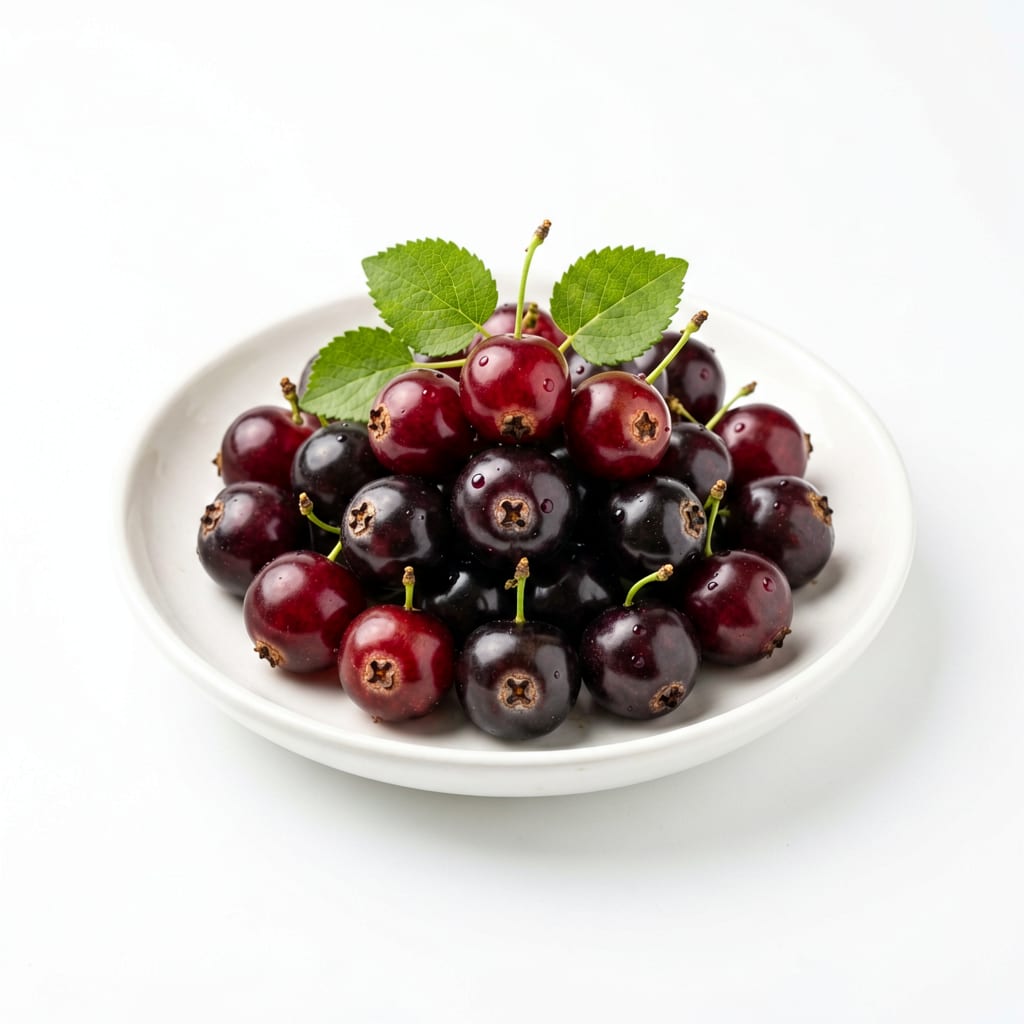
Blackcurrant
A nutrient-dense, dark purple berry exceptionally high in vitamin C and antioxidant anthocyanins.
Small, dark purple berries known for their intense tart flavor and exceptionally high vitamin C and anthocyanin content, often consumed fresh, frozen, or in jams and juices.
high-antioxidant low-glycemic berry
Typical serving · 100g
Common varieties · ben hope, ben sarek, titania, consort, crandall
Overall context score across nutrition, safety, and diet fit
At a glance
Quick facts
Simple indicators based on nutrition, processing, and diet fit.
The story
What makes it unique
Blackcurrants are digested at a moderate rate due to their fiber and fructose content. They provide exceptional satiety for a fruit because of high water volume and viscous soluble fiber. The macronutrient profile is low in fat and protein, with carbohydrates primarily from simple sugars offset by high fiber. As a minimally processed whole food, they retain their full phytochemical complexity.
Varieties: ben hope · ben sarek · titania · consort · crandall
Per 100g
Nutrition breakdown
Macro balance and key metrics at a glance.
Energy
Density 0.63 kcal/g
Protein
Carbs
Fat
Fiber
Sugar
8 g
Sodium
2 mg
Potassium
322 mg
Glycemic index
15
Glycemic load
2
Water content
82%
Standout compounds
Nutrient highlights
Vitamin C
highSupports immune function and collagen synthesis
Anthocyanins
highReduces oxidative stress and inflammation
Fiber
moderatePromotes satiety and stabilizes blood sugar
Potassium
moderateHelps regulate blood pressure and fluid balance
Wellness map
Health scores & processing
NOVA processing scale
unprocessed · Whole food
Fresh or frozen blackcurrants are whole, unprocessed plant foods requiring no alteration from their natural state.
Diet compatibility
- Weight loss
- Muscle gain
- Diabetes
- Gut health
- Low carb
- High protein
- Heart health
Relative standing
Food rankings
Qualitative ranks compared to similar whole foods.
- Satietygood
- Blood sugarexcellent
- Nutrient densityexcellent
- Fitness fuelmoderate
- Processing qualityexcellent
Eat with confidence
Food safety profile
Fresh blackcurrants have a low risk profile for major contaminants. As with all berries, surface mold can develop quickly if not stored properly.
Evidence confidence 90%
- Pesticideslow
- Antibioticslow
- Heavy metalslow
- Contaminationlow
Watch for
- mold
- agricultural residue
Safer choices
Organic varieties reduce already low pesticide exposure risks.
Prep tips
Rinse gently under cold water just before consumption to avoid premature spoilage. Discard any crushed or moldy berries.
Minimal regulatory concerns for fresh berries; standard agricultural inspections apply.
Deep dive
Health analysis
How this food may fit different goals and preparation choices.
Weight loss
Low energy density and high fiber content promote fullness, making it easier to maintain a calorie deficit.
Blood sugar
Very low glycemic index and load prevent blood sugar spikes, making them safe for glucose management.
Fitness & energy
Anthocyanins reduce exercise-induced oxidative stress, though they lack the macronutrients needed for direct muscle fueling.
Gut health
Soluble fiber and polyphenols act as prebiotics, supporting the growth of beneficial gut bacteria.
Processing quality
As a whole, unprocessed fruit, they offer maximum nutrient bioavailability without harmful additives.
Food safety
Inherently low risk; primary concern is rapid spoilage or mold if stored improperly.
Common mistakes
Confusing fresh berries with blackcurrant syrups, cordials, or jams, which contain massive amounts of added sugar and lack intact fiber.
Best preparation
Consume fresh or frozen; add to oatmeal, yogurt, or smoothies to preserve heat-sensitive vitamin C.
Practical guide
Best use cases
When and how this food fits real eating patterns.
Antioxidant boost
Add to smoothies or yogurt to deliver a concentrated dose of anthocyanins and vitamin C.
Low-calorie snacking
Eat fresh or frozen for a high-volume, low-calorie treat that satisfies sweet cravings.
Prebiotic support
The soluble fiber feeds beneficial gut bacteria, improving microbiome diversity.
Balance sheet
Pros & cons
Upsides
- Exceptional vitamin C content
- Very low glycemic load
- Rich in anti-inflammatory anthocyanins
- Good source of dietary fiber
- Low in calories and energy density
Trade-offs
- Intensely tart flavor is off-putting to some
- Fresh availability is limited outside of growing regions
- Often processed into high-sugar jams and cordials
- Can stain teeth and clothing easily
Fit check
Who is it for?
Great match
- immune support
- low-sugar diets
- antioxidant intake
- weight management
- gut microbiome health
Consider alternatives
- high-calorie bulking diets
- people preferring sweet fruits
- those sensitive to tart flavors
Side by side
How it compares
Open the full head-to-head analysis for nutrition, safety, and practical tradeoffs.
This food
Blackcurrant
VS90% alike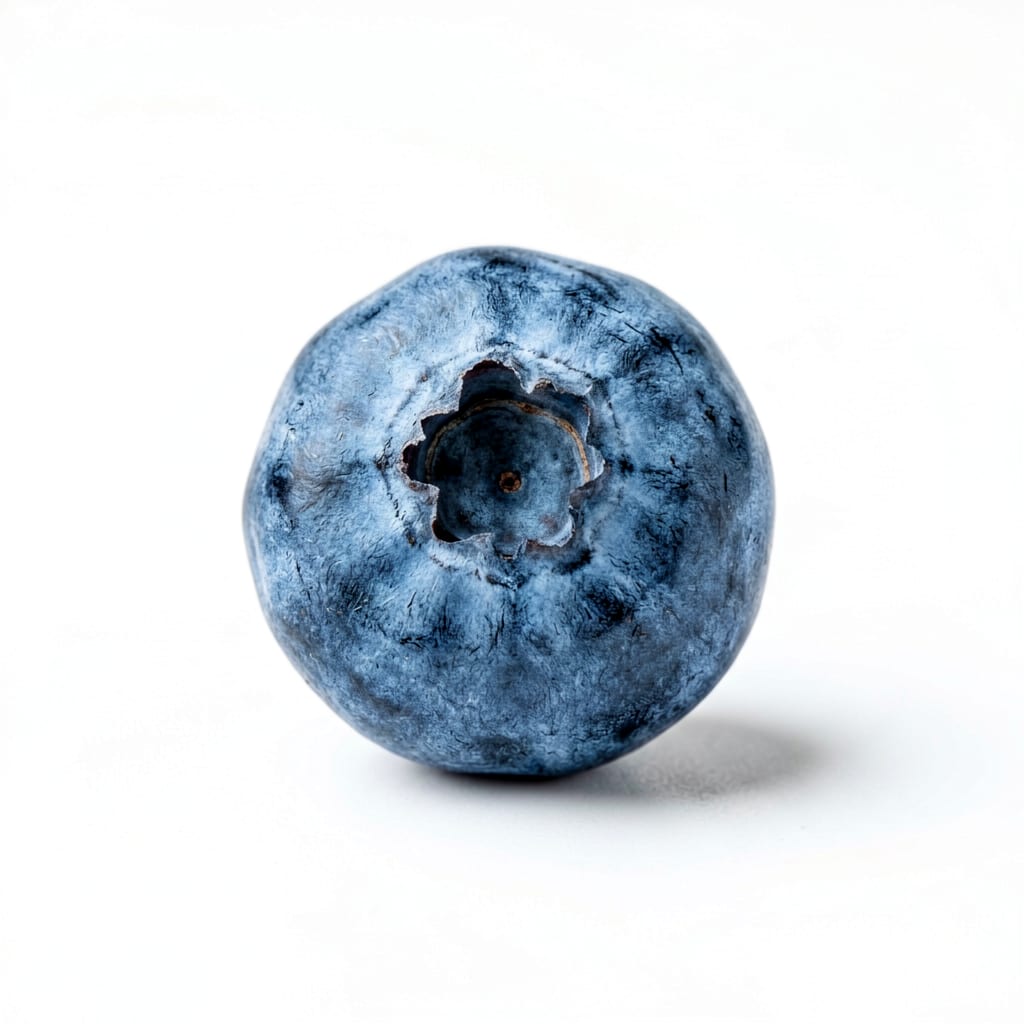
Compare with
Blueberry
Blackcurrants are far higher in vitamin C and more tart, while blueberries are sweeter and more widely available fresh.
Blackcurrants provide much more vitamin C and fiber than blueberries, making them better for blood sugar control, though blueberries are sweeter.
This food
Blackcurrant
VS95% alike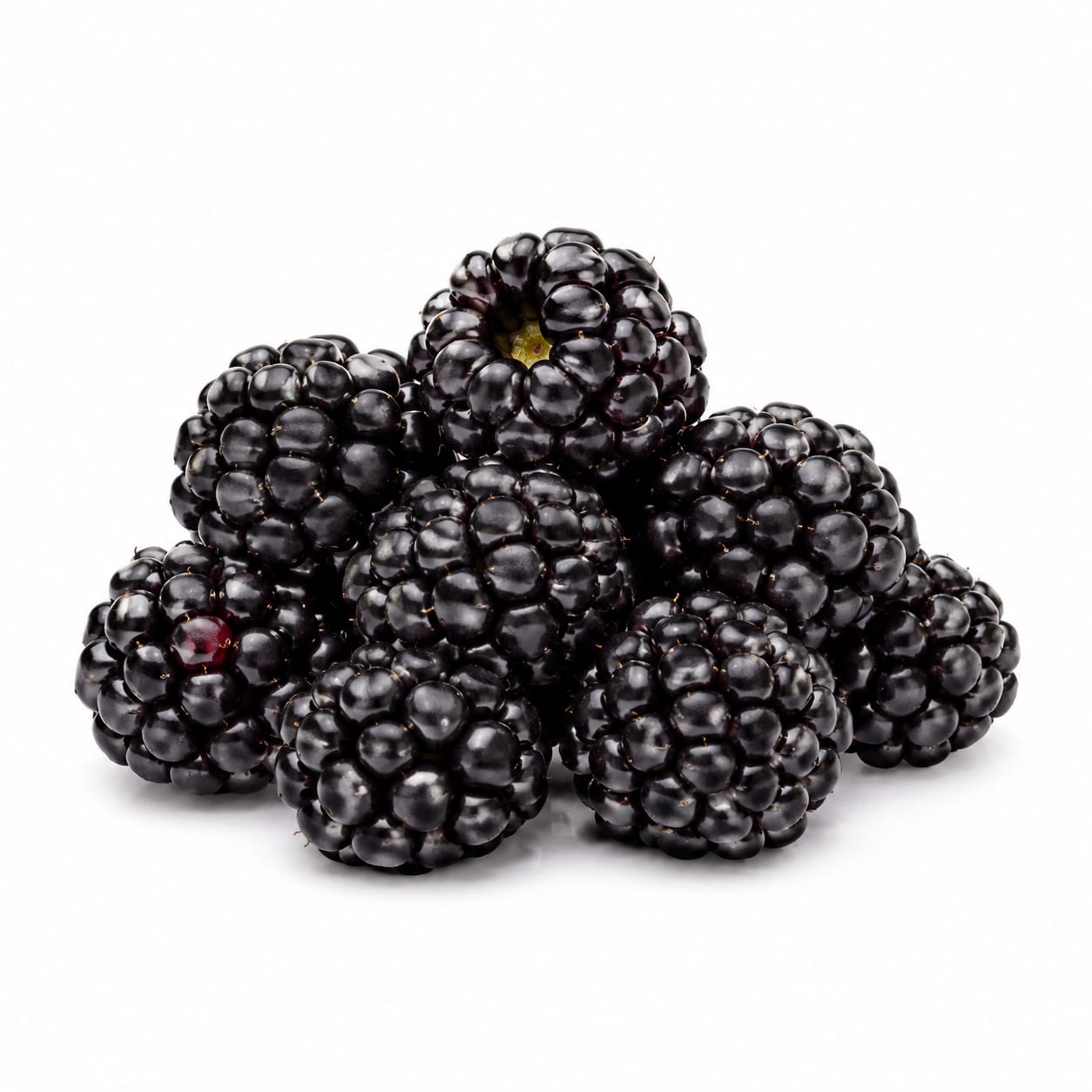
Compare with
Blackberry
Blackcurrants are tarter and higher in vitamin C, whereas blackberries are larger, sweeter, and slightly higher in fiber.
Blackcurrants beat blackberries in vitamin C and blood sugar control, but blackberries offer slightly more fiber and a milder flavor.
This food
Blackcurrant
VS85% alike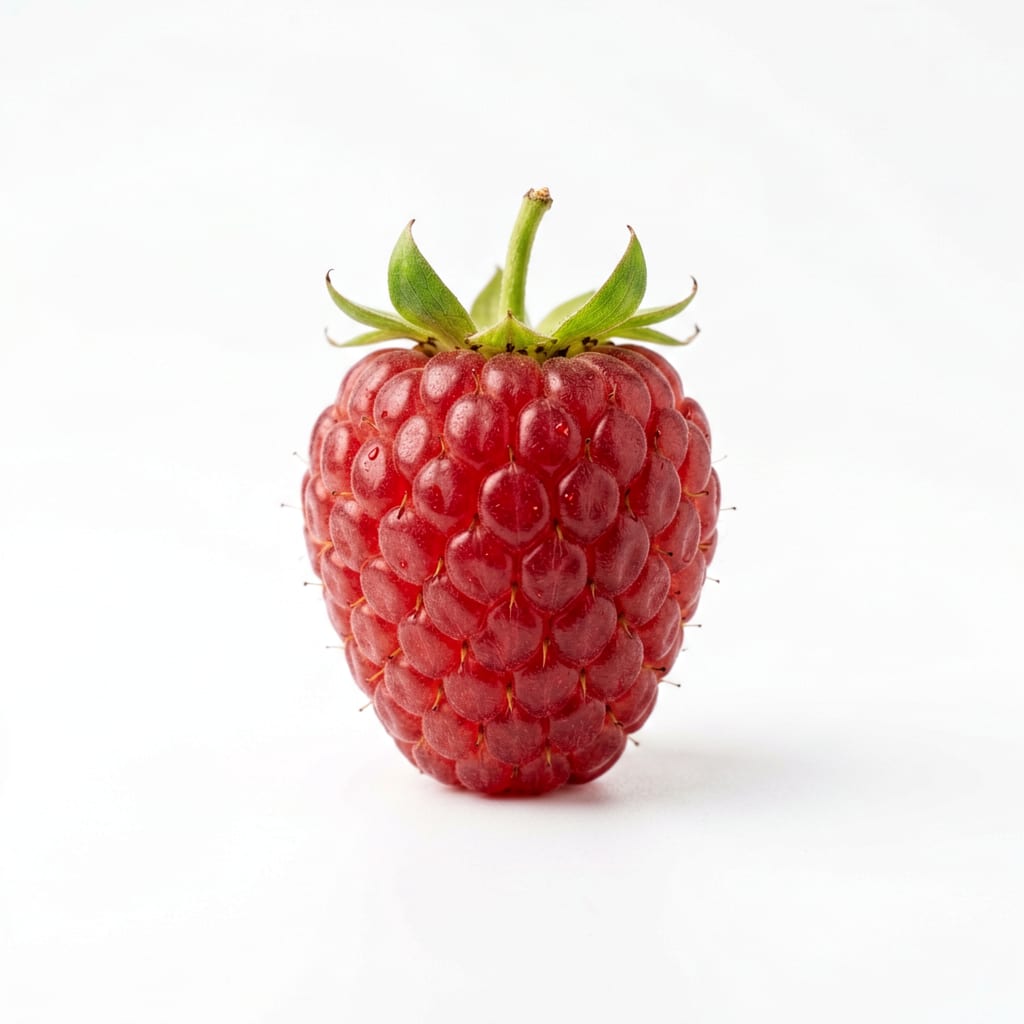
Compare with
Raspberry
Raspberries are higher in fiber and lower in sugar, but blackcurrants offer significantly more vitamin C and anthocyanins.
Raspberries are slightly better for weight loss due to higher fiber, but blackcurrants are superior for vitamin C and antioxidant intake.
This food
Blackcurrant
VS80% alike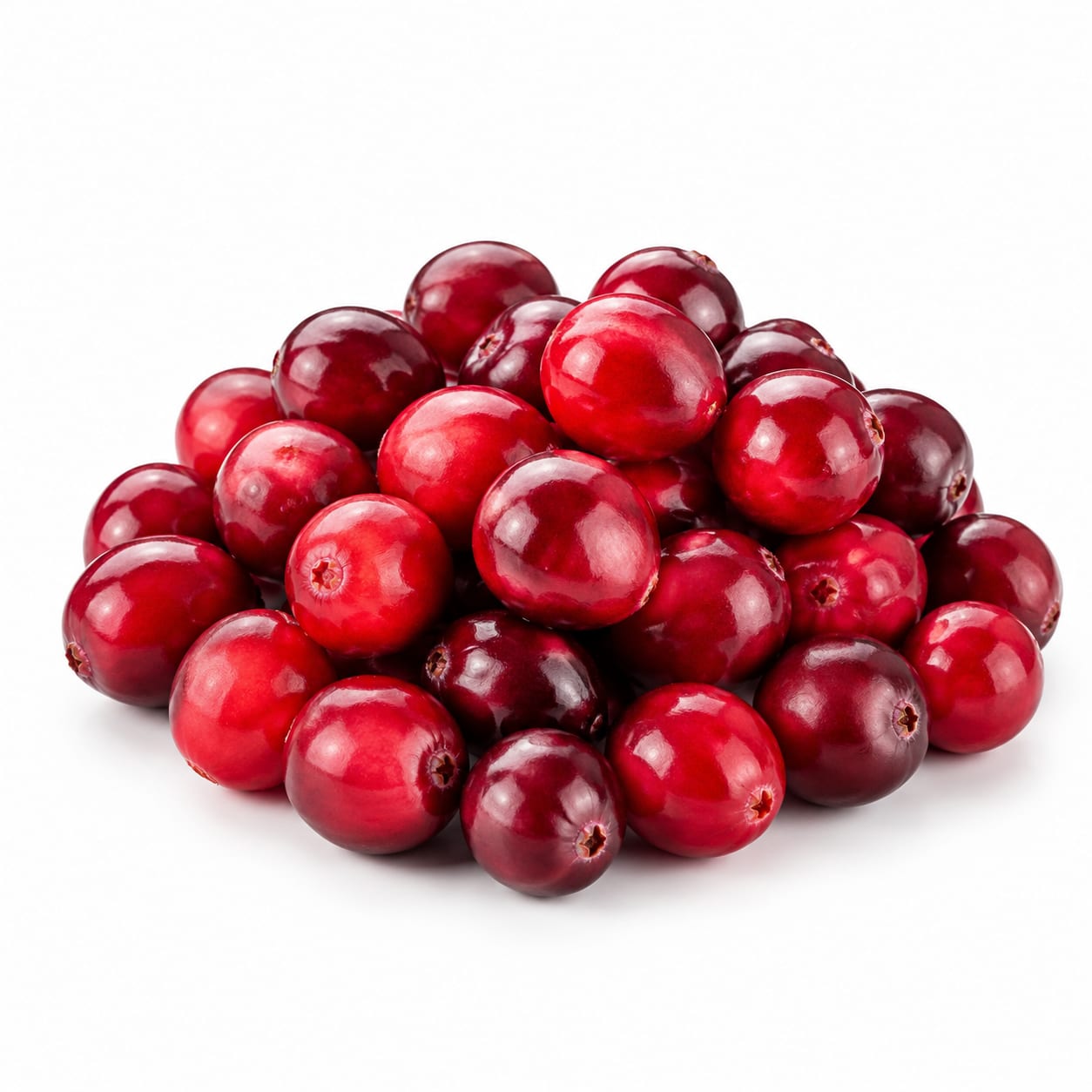
Compare with
Cranberry
Both are very tart. Cranberries are lower in sugar and known for urinary tract benefits, while blackcurrants are higher in vitamin C and overall antioxidants.
Cranberries are lower in sugar and support urinary health, whereas blackcurrants are much richer in vitamin C and general antioxidants.
This food
Blackcurrant
VS75% alike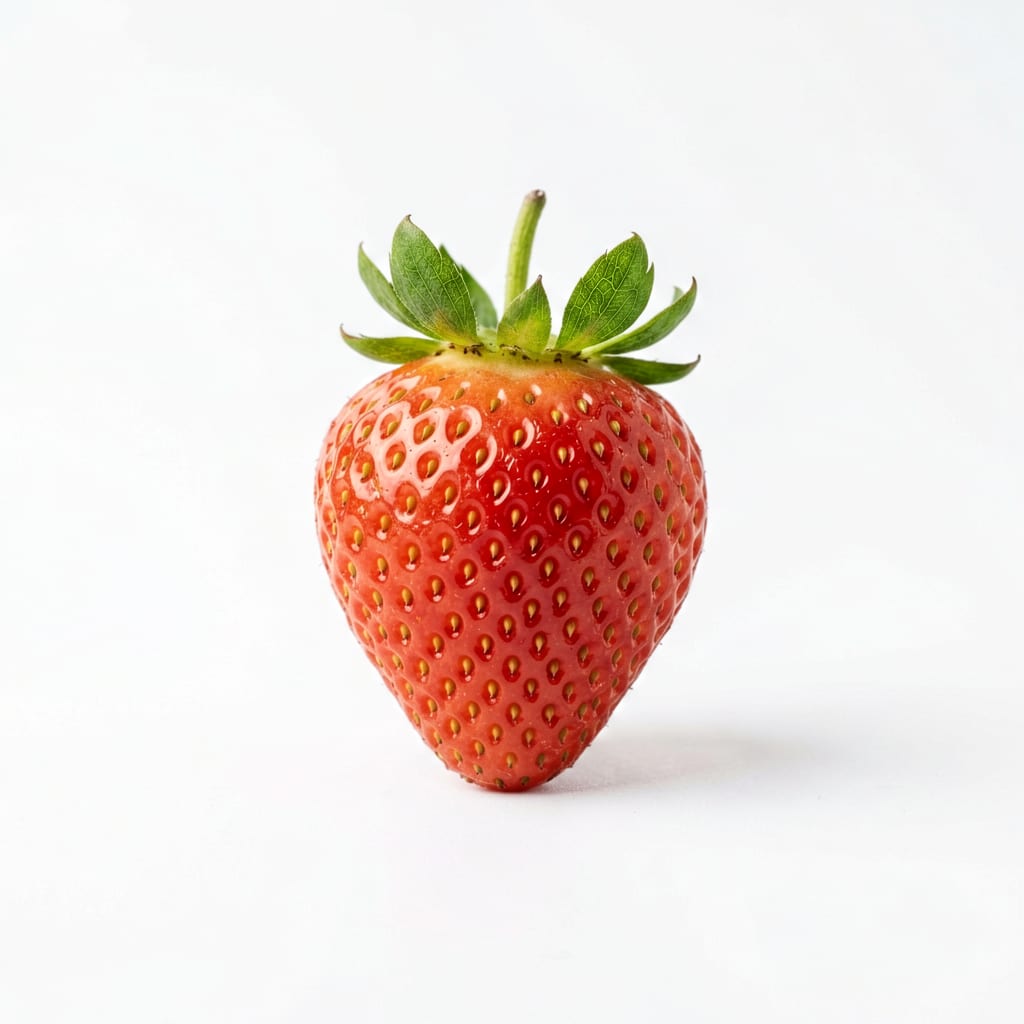
Compare with
Strawberry
Strawberries are sweeter and more popular, but blackcurrants are significantly higher in vitamin C and antioxidants per gram.
Blackcurrants offer triple the vitamin C and more antioxidants than strawberries, though strawberries are sweeter and more versatile.
This food
Blackcurrant
VS70% alike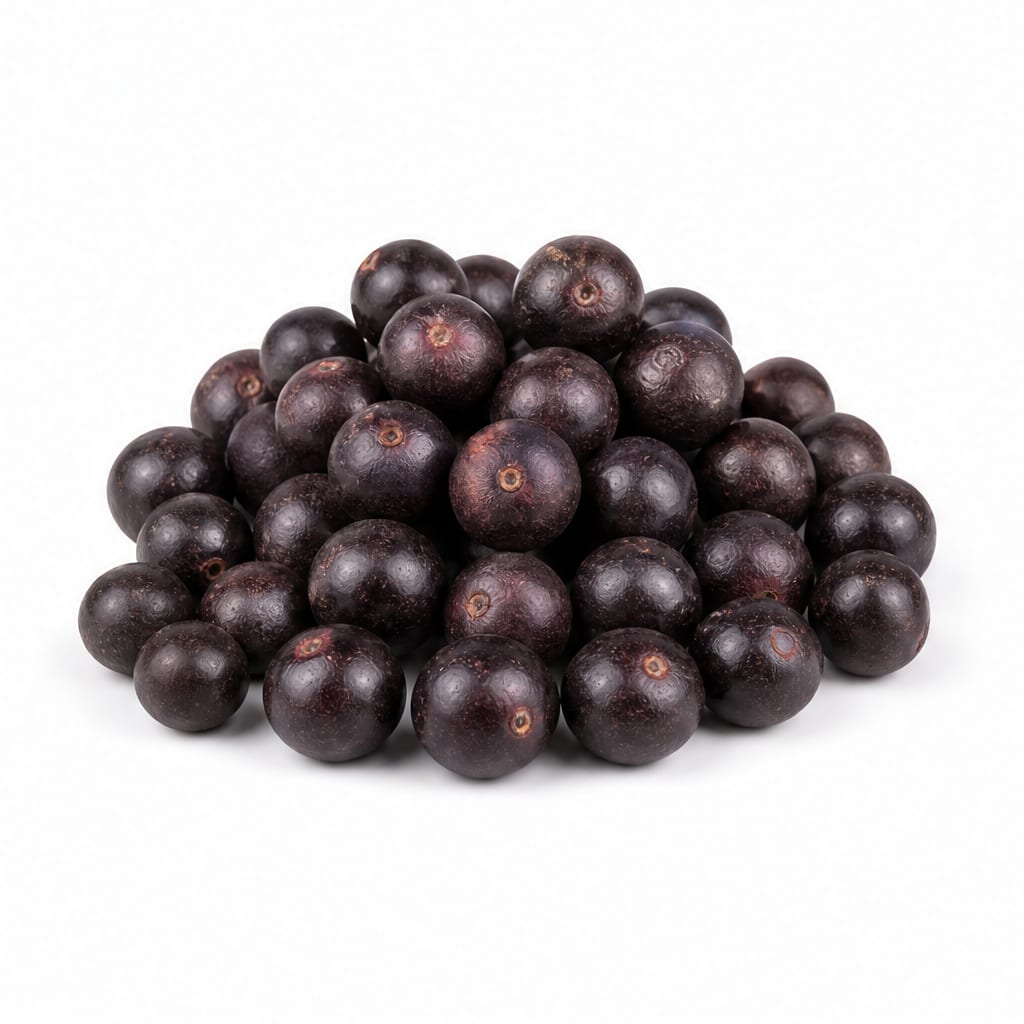
Compare with
Acai berry
Both are antioxidant powerhouses, but fresh blackcurrants are more accessible and higher in vitamin C, while acai is richer in healthy fats.
Blackcurrants are lower in calories and higher in vitamin C than acai, which is higher in fats and usually consumed as a frozen puree.
This food
Blackcurrant
VS65% alike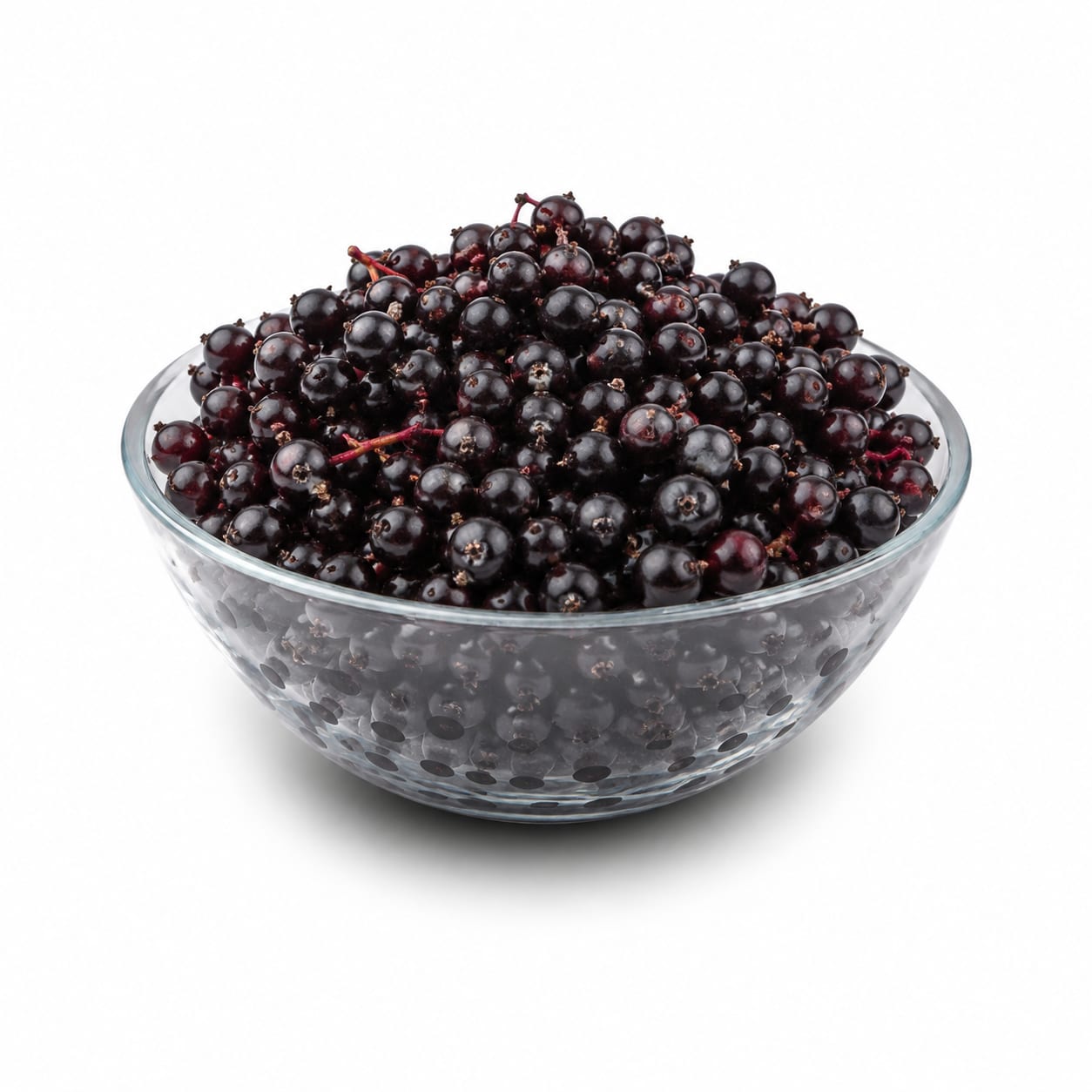
Compare with
Elderberry
Elderberries are typically cooked or processed for immune support, while blackcurrants are more versatile for fresh eating and offer higher vitamin C.
Blackcurrants are more nutritious raw and higher in vitamin C, while elderberries are usually cooked and used specifically for immune support.
This food
Blackcurrant
VS85% alike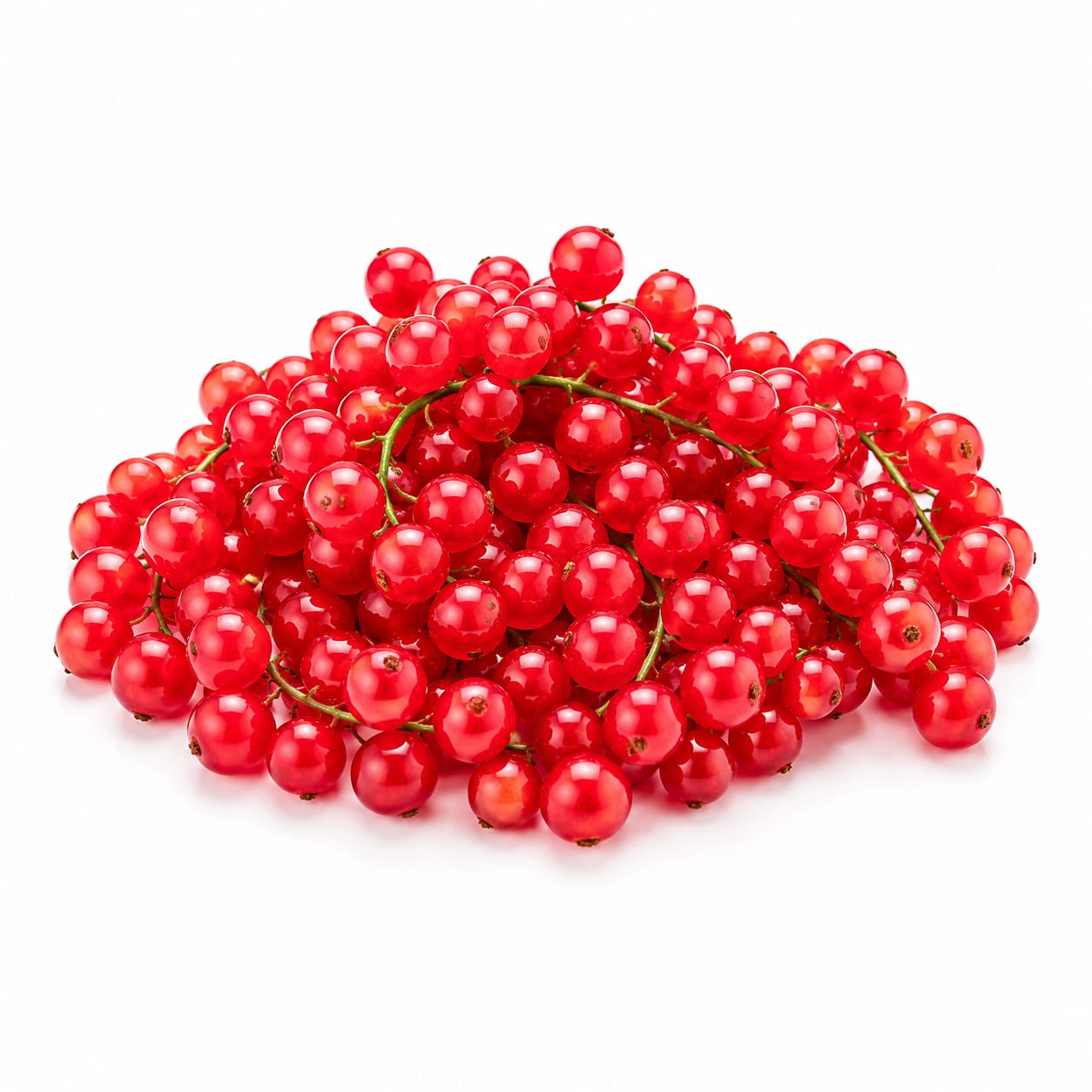
Compare with
Redcurrant
Blackcurrants are sweeter, softer, and vastly higher in antioxidants and vitamin C than the more tart and acidic redcurrants.
Blackcurrants are far richer in antioxidants and vitamin C than redcurrants, though redcurrants are slightly lower in calories and sugar.
This food
Blackcurrant
VS70% alike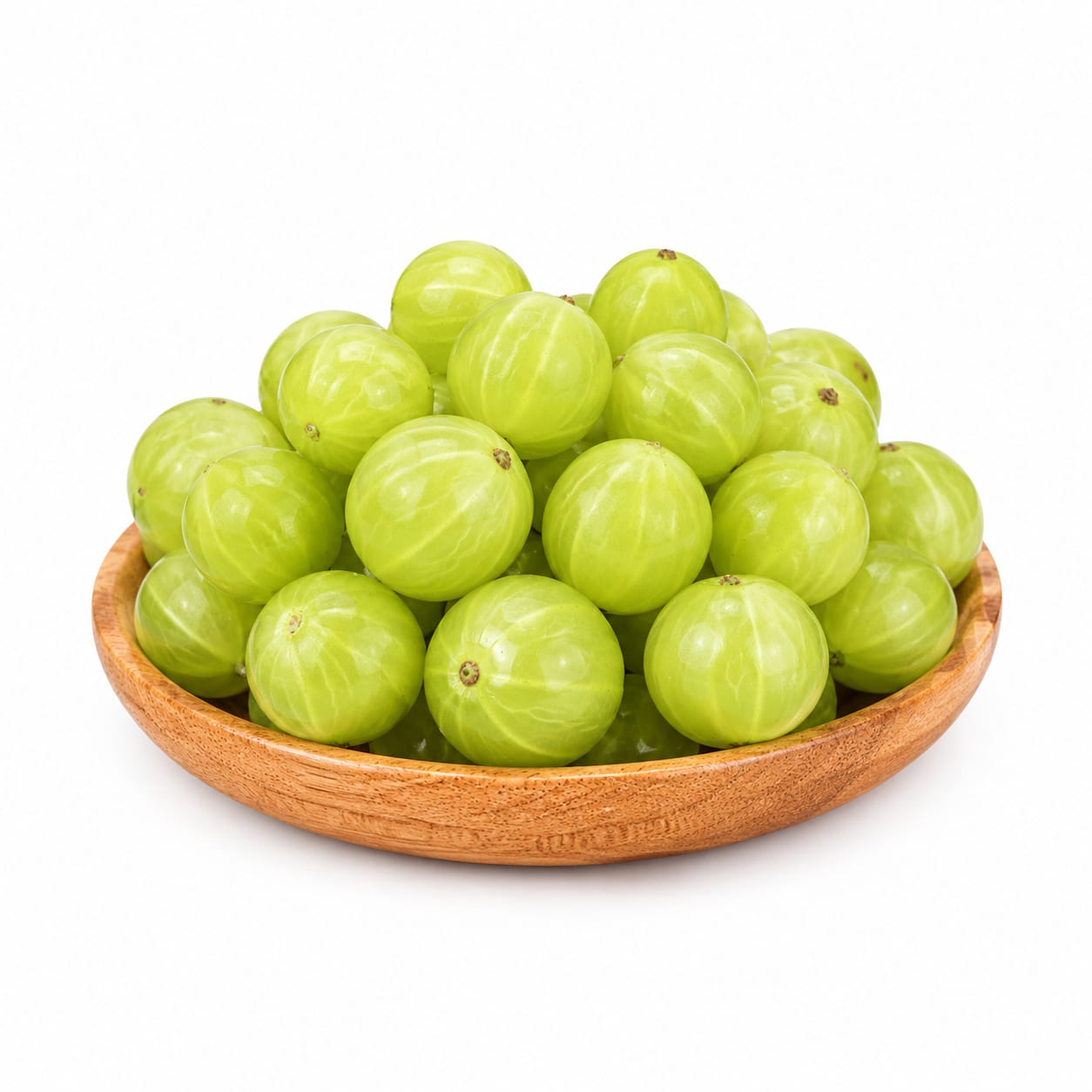
Compare with
Gooseberry
Gooseberries are larger and more sour, while blackcurrants are softer, sweeter, and much higher in anthocyanins.
Gooseberries are slightly lower in sugar, but blackcurrants provide significantly more antioxidants and vitamin C.
This food
Blackcurrant
VS60% alike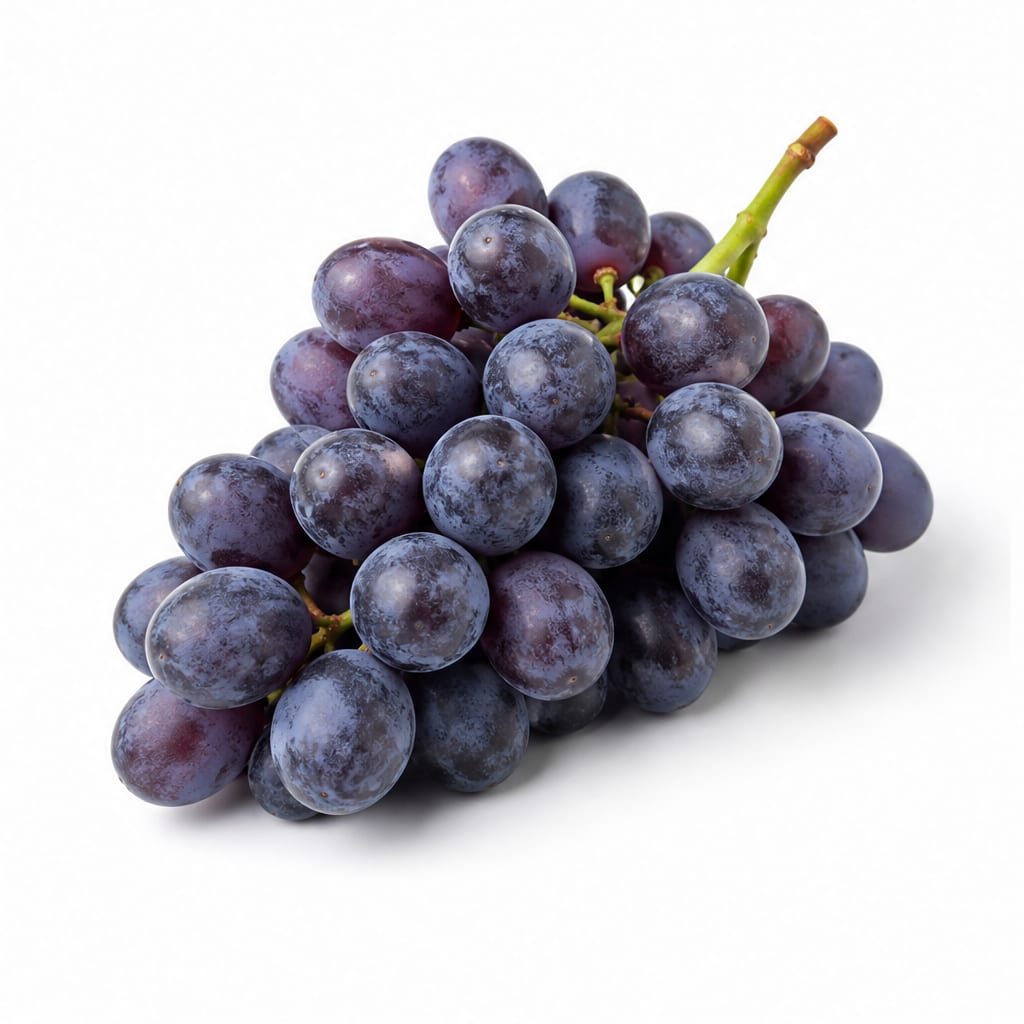
Compare with
Concord grape
Concord grapes are much sweeter and higher in sugar, while blackcurrants are lower in calories and higher in vitamin C and fiber.
Blackcurrants are far better for blood sugar control and weight loss than Concord grapes, which contain significantly more sugar.
Common questions
FAQ
Answers aligned with how people search for this food.
Are blackcurrants good for weight loss?
Yes, blackcurrants are excellent for weight loss. They are very low in calories and high in fiber, which slows digestion and keeps you feeling full longer.
Can diabetics eat blackcurrants?
Yes, blackcurrants have a very low glycemic index and glycemic load. Their fiber content prevents rapid blood sugar spikes, making them a safe fruit choice for diabetics.
Do blackcurrants have more vitamin C than oranges?
Yes, blackcurrants contain roughly three to four times the vitamin C of oranges per 100 grams, making them an exceptional source of this immune-supporting nutrient.
What are the health benefits of blackcurrants?
Blackcurrants are rich in anthocyanins and vitamin C, which provide strong antioxidant effects. They support heart health, reduce inflammation, and promote a healthy gut microbiome.
Are frozen blackcurrants as healthy as fresh?
Yes, frozen blackcurrants retain nearly all their vitamins and antioxidants because they are typically flash-frozen at peak ripeness, making them just as nutritious as fresh berries.
Is blackcurrant juice good for you?
Whole blackcurrants are better than juice. Juicing removes the beneficial fiber and concentrates the sugars, which diminishes the blood sugar and gut health benefits.
How do blackcurrants compare to blueberries?
Blackcurrants are significantly higher in vitamin C and have a more tart flavor, while blueberries are milder and slightly higher in sugar. Both are excellent sources of antioxidants.
Can you eat blackcurrants raw?
Yes, you can eat blackcurrants raw. They have a tart, astringent flavor that pairs well with sweeter fruits, yogurt, or oatmeal.
Transparency
Data confidence
Estimated confidence for nutrition data, interpretation, safety notes, and comparisons.
Nutrition data
Health analysis
Food safety
Comparisons