
Nutrition comparison
Blackcurrant vs Raspberry: Antioxidant Power vs Fiber & Low Sugar
Compare Blackcurrant vs Raspberry to see which berry is better for immunity, blood sugar, and weight loss. Discover the nutritional tradeoffs and find your ideal fruit.
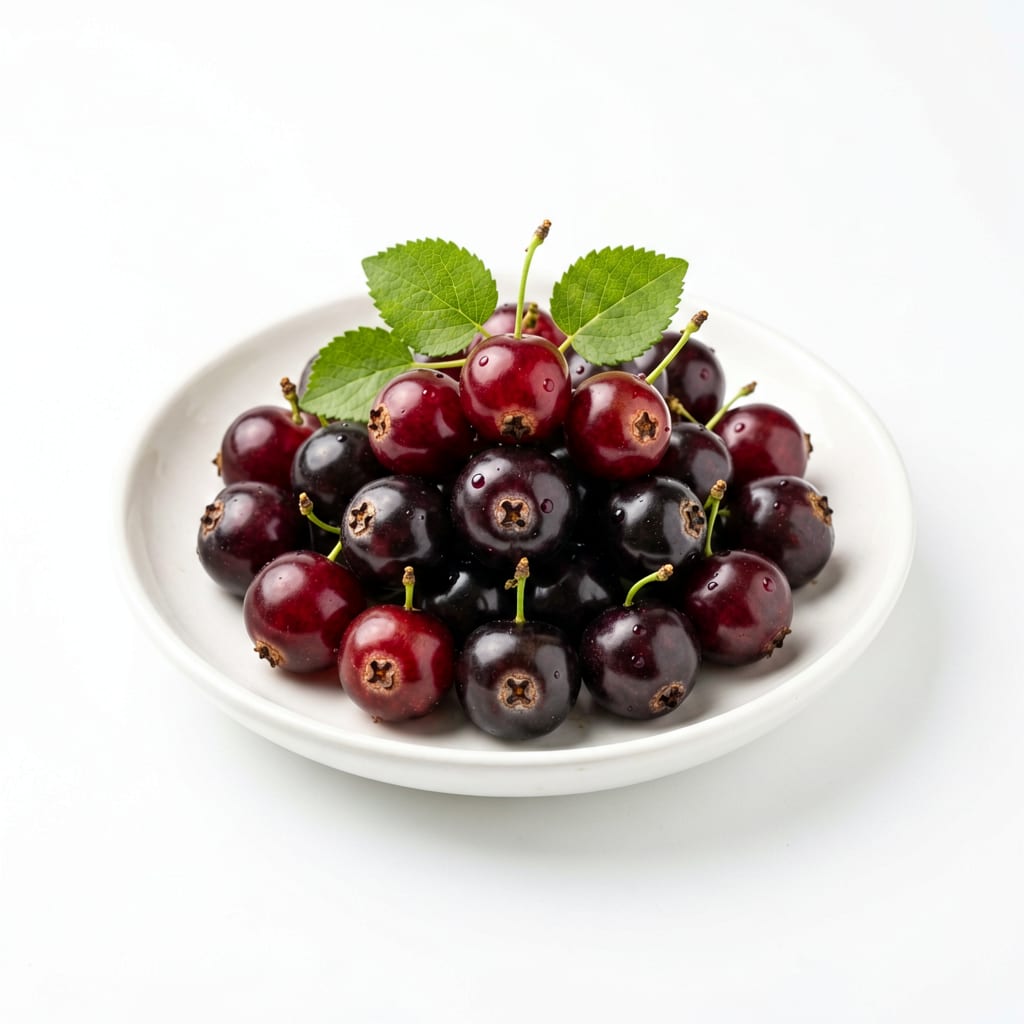
Blackcurrant
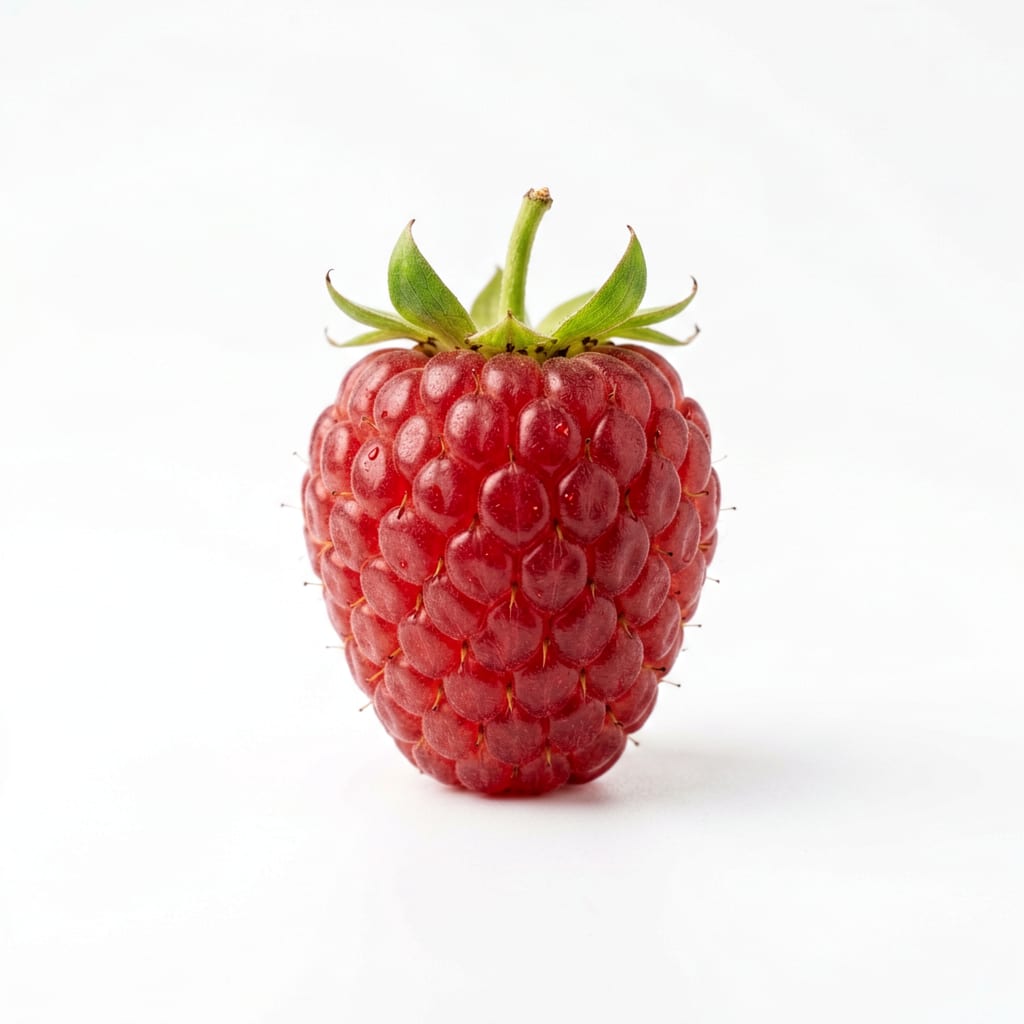
Raspberry
Blackcurrants deliver a massive Vitamin C and antioxidant punch, while raspberries win on fiber and lower sugar for everyday snacking.
Raspberries score slightly higher due to superior fiber, lower sugar, and wider availability, making them easier to eat daily. Blackcurrants are nutritional powerhouses but are harder to find fresh and have a more polarizing flavor.
Immune-boosting potency and tartness versus digestive-friendly fiber and blood sugar stability.
At a glance
Executive summary
Overall
It depends
Healthier
It depends
More practical
Raspberry
Daily use
Raspberry
Key comparison lenses
Antioxidant and Vitamin C Supremacy
Blackcurrants are famously dense in Vitamin C and anthocyanins, making immune support a key reason people choose them.
Blood Sugar and Fiber Management
Raspberries are exceptionally high in fiber and low in sugar, which heavily influences their metabolic impact compared to Blackcurrants.
Daily Snacking and Availability
Fresh Blackcurrants are hard to find in regular grocery stores, while raspberries are a staple berry, affecting real-world dietary choices.
Best choice for
Blackcurrant
- Boosting immunity during cold season
- Maximizing antioxidant intake
- Adding intense tart flavor to smoothies
Raspberry
- Managing blood sugar
- Improving digestion
- Low-calorie everyday snacking
Least suitable for
Blackcurrant
- People watching their sugar intake closely
- Those who find very tart flavors unappealing
Raspberry
- Those needing a massive Vitamin C boost in a single serving
- People looking for quick-digesting pre-workout carbs
Deep comparison
Dimension by dimension
Each lens scores both foods and breaks down who each option suits.
- Dimension 1 · Priority 95Blackcurrant
Antioxidant Density & Immunity
Blackcurrant · 98Raspberry · 80Blackcurrants are one of the richest sources of Vitamin C and anthocyanins, far outpacing raspberries.
Tradeoff
You get unmatched immune and oxidative stress support from Blackcurrants, but they are harder to eat in large quantities due to their intense tartness.
Why it matters
High antioxidant intake protects cells from damage and keeps your immune system resilient against everyday stressors.
Real-world impact
Eating Blackcurrants during cold season can give you a noticeable edge in fighting off sickness compared to milder berries.
Blackcurrant
- Fighting off a cold
- Reducing oxidative stress after intense exercise
- Supporting skin health via Vitamin C
Better for
- Those who want a mild-tasting berry to eat by the handful
Worse for
Raspberry
- Mild daily antioxidant maintenance
- Pairing with other fruits without overwhelming the flavor
Better for
- Situations requiring a concentrated therapeutic dose of Vitamin C
Worse for
- Dimension 2 · Priority 90Raspberry
Blood Sugar Control & Fiber
Blackcurrant · 70Raspberry · 95Raspberries are a fiber powerhouse with very low sugar, making them ideal for stable blood sugar.
Tradeoff
Raspberries keep your blood sugar steadier and keep you full longer, while Blackcurrants have nearly double the sugar and less fiber.
Why it matters
High fiber and low sugar prevent energy crashes and reduce cravings later in the day.
Real-world impact
A bowl of raspberries won't cause the afternoon energy dip that sweeter, lower-fiber fruits might trigger.
Blackcurrant
- Quick pre-workout energy from natural sugars
Better for
- Strict low-carb or keto diets
- Blood sugar spikes if eaten in large amounts
Worse for
Raspberry
- Managing diabetes
- Staying full between meals
- Keto-friendly snacking
Better for
- Situations where you need quick-digesting carbs for immediate energy
Worse for
- Dimension 3 · Priority 75Raspberry
Calorie & Sugar Profile
Blackcurrant · 65Raspberry · 90Raspberries have significantly fewer calories and sugar per serving than Blackcurrants.
Tradeoff
Blackcurrants are sweeter and more calorie-dense, while raspberries are lighter and easier to eat in larger volumes without overdoing it.
Why it matters
Lower sugar and calorie density make it easier to manage weight without tracking portions obsessively.
Real-world impact
You can eat a full cup of raspberries as a carefree snack, but a full cup of Blackcurrants adds up faster in sugar and calories.
Blackcurrant
- Active individuals needing natural sugar for energy replenishment
Better for
- Those strictly monitoring calorie or sugar intake
Worse for
Raspberry
- Weight loss diets
- Reducing daily sugar cravings
Better for
- Endurance athletes needing quick calorie replenishment
Worse for
- Dimension 4 · Priority 70Raspberry
Practicality & Availability
Blackcurrant · 50Raspberry · 90Raspberries are widely available fresh and frozen, while fresh Blackcurrants are rare and often found processed.
Tradeoff
Raspberries are easy to find and use in any recipe, whereas Blackcurrants often require seeking out specialty stores or settling for juice and jam.
Why it matters
A food's health benefits only matter if you can actually buy and eat it consistently.
Real-world impact
You can throw raspberries into your grocery cart year-round, but finding fresh Blackcurrants might require a farmers market trip in summer.
Blackcurrant
- Making specialty jams, syrups, or cordials
Better for
- Spontaneous recipe additions
- People without access to specialty grocers
Worse for
Raspberry
- Easy weeknight meal prep
- Grab-and-go snacking
- Grocery store convenience
Better for
- Those looking for a unique, bold flavor profile that stands out
Worse for
Timeline
Health impact over time
Short-term
Hours to days
Blackcurrant
- Quick burst of Vitamin C
- Natural sugar energy lift
- Tart flavor can be refreshing but intense
Raspberry
- Immediate feeling of fullness from fiber
- Steady energy without a sugar spike
- Gentle on digestion
Long-term
Months to years
Blackcurrant
- Stronger immune resilience
- Reduced oxidative stress and inflammation
- Potential higher sugar intake if eaten daily in large amounts
Raspberry
- Improved gut health and regularity
- Better long-term blood sugar management
- Easier weight maintenance
Risk profile
Safety & processing
Both are whole, natural berries when bought fresh or frozen. However, Blackcurrants are frequently consumed as juice or jam, which adds sugars and reduces fiber. Fresh or frozen whole berries of both types are the cleanest options.
Blackcurrant
Pesticide residue
mediumConventional Blackcurrants can carry pesticide residue, but they are less commonly tested than mainstream berries. Washing thoroughly or buying organic mitigates this.
Raspberry
Pesticide residue
highRaspberries are thin-skinned and heavily sprayed, consistently appearing on the EWG's Dirty Dozen list. Organic is strongly recommended.
Who wins for whom
Audience fit
Same foods, different winners depending on your goal.
children
RaspberryRaspberries are sweeter, milder, and easier for kids to eat by the handful, whereas Blackcurrants can be too tart for young palates.
daily consumption
RaspberryRaspberries are easier to find, milder in flavor, and lower in sugar, making them a more sustainable daily habit.
diabetes
RaspberryRaspberries have drastically more fiber and less sugar, preventing blood sugar spikes and improving insulin sensitivity.
elderly
BlackcurrantThe massive Vitamin C and anthocyanin content in Blackcurrants supports joint health, eye health, and immune function, which are critical as we age.
muscle gain
It dependsNeither is a significant protein source, but Blackcurrants offer slightly more carbs for post-workout glycogen replenishment.
weight loss
RaspberryRaspberries offer more volume and fiber for fewer calories and less sugar, making them far more satisfying for weight loss.
Your move
Decision guide
Choose Blackcurrant
- You want a potent immune boost, especially during winter
- You need a tart, bold flavor for smoothies or desserts
- You are focused on maximizing anthocyanin intake for brain or eye health
Choose Raspberry
- You want a high-fiber, low-sugar snack for weight management
- You need a versatile berry that is easy to find fresh or frozen
- You are monitoring your blood sugar closely
Either works if
- You want to increase your daily fruit and antioxidant intake
- You are looking for whole-food additions to yogurt or oatmeal
Avoid both if
- You have a severe berry allergy or salicylate sensitivity
Final recommendation
Keep raspberries as your everyday berry for fiber, fullness, and blood sugar balance. Add Blackcurrants when you need an intense antioxidant and Vitamin C surge, or when you want their unique tart flavor.
Practical
Consumer tips
- 1
Buy organic raspberries whenever possible—they are one of the most pesticide-heavy fruits available
- 2
If you cannot find fresh Blackcurrants, look for frozen ones to avoid the added sugar found in jams and juices
- 3
Mix both berries together: the tartness of Blackcurrants pairs beautifully with the sweetness and texture of raspberries