
Nutrition comparison
Blackcurrant vs Cranberry: Nutrition, UTI Prevention & Sugar Compared
Blackcurrant vs Cranberry: Which berry is healthier? Compare Vitamin C, antioxidants, UTI benefits, and sugar content to find the best choice for your diet.
Overall winner · Blackcurrant
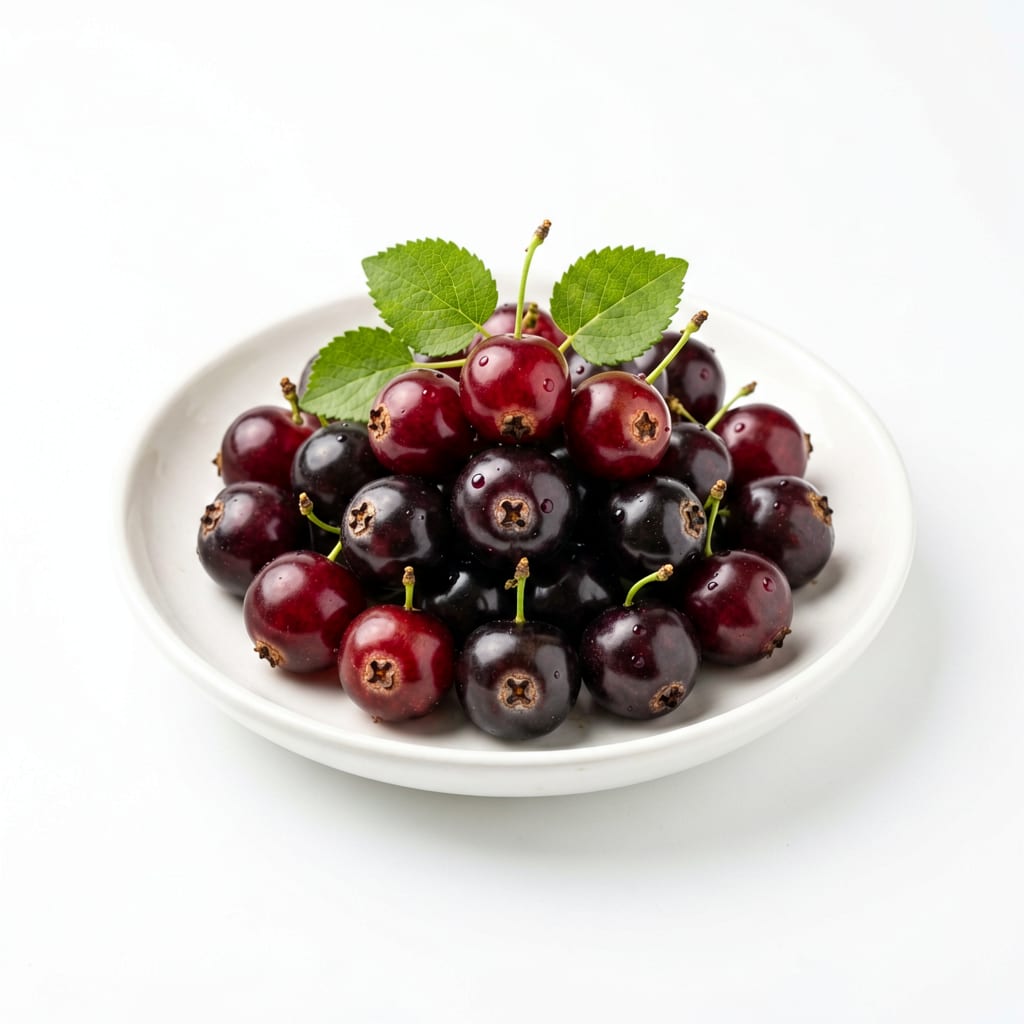
Blackcurrant
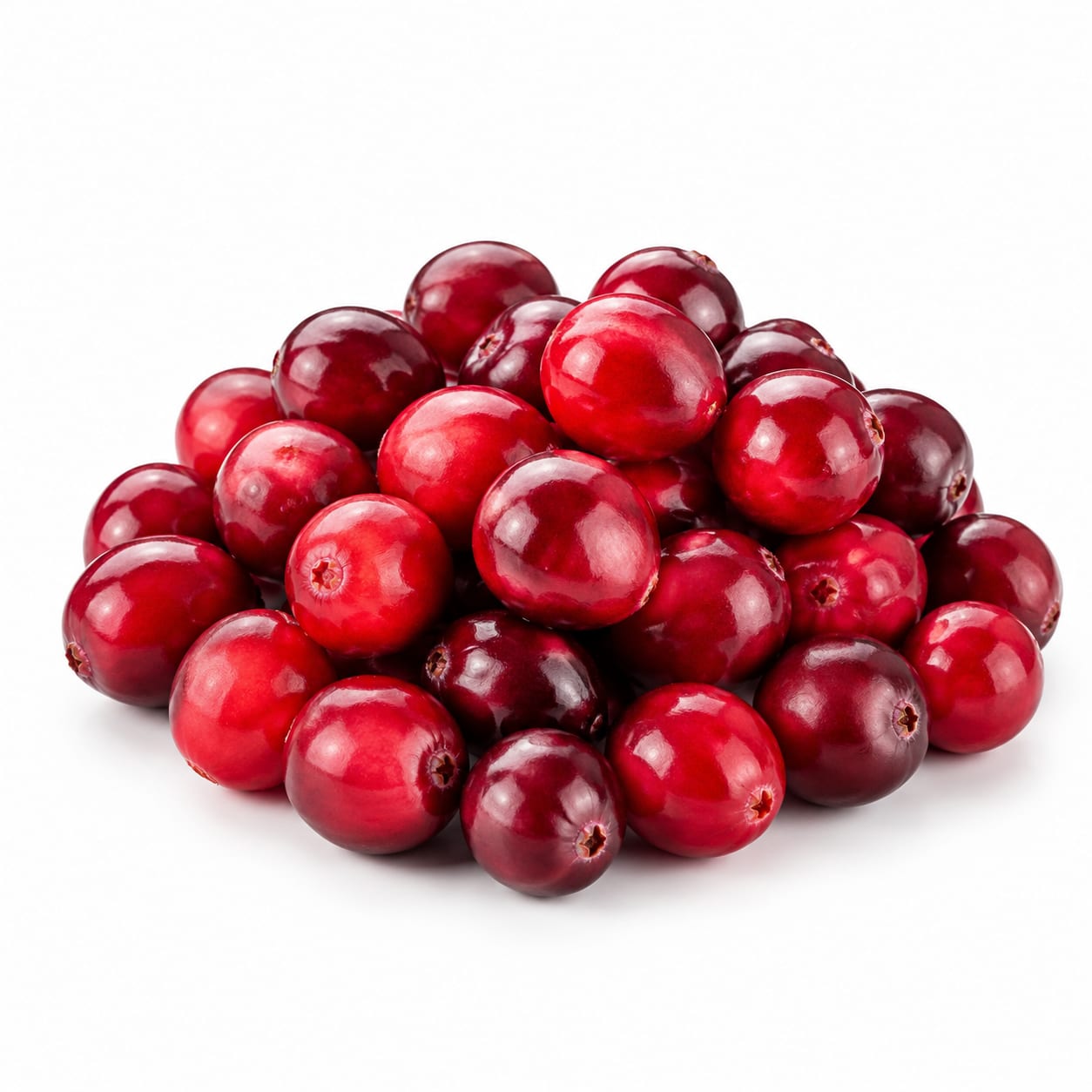
Cranberry
Blackcurrant is the nutritional heavyweight, delivering far more Vitamin C and antioxidants per bite. Cranberry holds a unique, irreplaceable niche for urinary tract health.
Blackcurrant scores higher due to its exceptional Vitamin C content and superior overall nutrient density. Cranberry loses points because its most common forms (dried, juice) usually require heavy added sugar to be palatable, though its UTI benefits are unmatched.
Broad nutritional superiority versus a highly specific medicinal benefit for UTIs.
At a glance
Executive summary
Overall
Blackcurrant
Healthier
Blackcurrant
More practical
Cranberry
Daily use
Blackcurrant
Key comparison lenses
Antioxidant and vitamin density
Both berries are famous for their antioxidant profiles, but Blackcurrant offers a much broader and denser vitamin payload, especially Vitamin C.
Targeted health conditions (UTI vs immunity)
Cranberry is the go-to for urinary tract health, while Blackcurrant is prized for immune support and eye health, making the choice highly goal-dependent.
Sugar and processing realities
Fresh Cranberries are extremely tart and almost always consumed with added sugar (dried or juiced), whereas Blackcurrants are more palatable raw or in no-sugar-added preserves.
Best choice for
Blackcurrant
- People wanting to boost daily immunity
- Those seeking eye and brain health support
- Anyone looking for a high-antioxidant, low-sugar raw snack
Cranberry
- Women prone to recurrent urinary tract infections
- People who want an easy-to-find dried berry for salads and baking
- Those looking for kidney stone prevention (specific types)
Least suitable for
Blackcurrant
- People on blood-thinning medications (due to Vitamin K content)
- Those who cannot find fresh or frozen berries locally
Cranberry
- People strictly avoiding added sugars (if buying dried or juiced)
- Those prone to kidney stones from oxalates
Deep comparison
Dimension by dimension
Each lens scores both foods and breaks down who each option suits.
- Dimension 1 · Priority 95Blackcurrant
Vitamin C & Immunity
Blackcurrant · 98Cranberry · 45Blackcurrant is one of the richest sources of Vitamin C on the planet, far outstripping Cranberries.
Tradeoff
You get a massive immune-boosting payload from Blackcurrants, whereas Cranberries offer only a modest amount of Vitamin C.
Why it matters
Vitamin C is critical for immune defense, skin repair, and fighting daily fatigue.
Real-world impact
Eating Blackcurrants during cold season feels like a targeted shield; Cranberries will not move the needle much for immunity.
Blackcurrant
- Fighting off seasonal colds
- Collagen production for skin health
- Recovering from intense physical stress
Better for
Cranberry
- Relying on them as a primary Vitamin C source
Worse for
- Dimension 2 · Priority 92Cranberry
Urinary Tract Health
Blackcurrant · 30Cranberry · 99Cranberry contains unique PACs (proanthocyanidins) that prevent bacteria from sticking to the urinary tract walls.
Tradeoff
Cranberry is a proven, targeted defense against UTIs, while Blackcurrant offers no comparable benefit for urinary health.
Why it matters
For UTI sufferers, this specific mechanism reduces infections better than any antibiotic alternative or dietary hack.
Real-world impact
A daily glass of unsweetened Cranberry juice can drastically reduce painful UTI recurrences.
Blackcurrant
- Managing chronic urinary tract issues
Worse for
Cranberry
- Preventing recurrent UTIs
- Supporting bladder health
- Reducing need for antibiotics
Better for
- Dimension 3 · Priority 88Blackcurrant
Sugar & Processing Reality
Blackcurrant · 80Cranberry · 40Fresh Blackcurrants are tart but enjoyable raw, while fresh Cranberries are overwhelmingly astringent and almost always require sweetening.
Tradeoff
You can eat Blackcurrants without added sugar, but consuming Cranberries usually means consuming refined sugars in dried or juiced forms.
Why it matters
The healthiest berry in the world loses its value if you have to drown it in sugar to swallow it.
Real-world impact
A handful of dried Cranberries in a salad often delivers as much sugar as a candy bar, whereas frozen Blackcurrants blend into a smoothie perfectly unsweetened.
Blackcurrant
- Low-sugar diets
- Keto or diabetic meal plans
- Clean eating without additives
Better for
Cranberry
- Blood sugar management when consumed as dried fruit or cocktail juice
Worse for
- Dimension 4 · Priority 85Blackcurrant
Eye & Brain Health
Blackcurrant · 92Cranberry · 55Blackcurrant anthocyanins specifically accumulate in the retina and cross the blood-brain barrier, protecting against eye strain and cognitive decline.
Tradeoff
Blackcurrants offer specialized protection for screen-tired eyes and aging brains; Cranberries do not target these systems as effectively.
Why it matters
With heavy screen time and aging populations, dietary support for ocular and cognitive health is increasingly critical.
Real-world impact
Blackcurrant extract is widely used to relieve digital eye strain, making the whole fruit a smart snack for desk workers.
Blackcurrant
- Reducing digital eye strain
- Supporting long-term cognitive function
- Protecting against age-related macular degeneration
Better for
Cranberry
- Targeted eye health support
Worse for
Timeline
Health impact over time
Short-term
Hours to days
Blackcurrant
- Quick boost in energy and alertness from high Vitamin C
- Reduced eye fatigue after long screen sessions
Cranberry
- Relief from early UTI discomfort (if unsweetened juice is used)
- Possible blood sugar spike if consumed as sweetened dried fruit
Long-term
Months to years
Blackcurrant
- Stronger immune resilience against common viruses
- Better preservation of vision and retinal health
- Reduced systemic inflammation from high anthocyanin intake
Cranberry
- Significantly fewer UTI recurrences
- Increased risk of added-sugar-related issues if consuming commercial dried cranberries or juices regularly
Risk profile
Safety & processing
While both are natural berries, the way they reach your plate differs greatly. Blackcurrants are typically frozen or made into pure preserves. Cranberries are most often dried with vegetable oils and added sugars or turned into juice cocktails, heavily compromising their naturalness.
Blackcurrant
Vitamin K interaction
mediumHigh Vitamin K levels can interfere with blood thinners like Warfarin, requiring dose adjustments.
Cranberry
Oxalate content
mediumCranberries contain moderate oxalates, which can contribute to calcium oxalate kidney stones in susceptible individuals.
Added sugars in commercial forms
highMost dried cranberries and juices are loaded with added sugars, directly contributing to metabolic issues.
Who wins for whom
Audience fit
Same foods, different winners depending on your goal.
children
CranberryDried cranberries are sweeter and more familiar to kids, making them an easier sell, despite the sugar content.
daily consumption
BlackcurrantA daily handful or blend of unsweetened Blackcurrants offers broader systemic benefits without the sugar drawback of daily cranberry products.
diabetes
BlackcurrantBlackcurrants can be enjoyed raw without sugar; Cranberries almost always require sweetening to be palatable, spiking blood glucose.
elderly
CranberryThe UTI prevention benefit is highly relevant for older adults, particularly women, who face higher infection risks.
muscle gain
It dependsNeither berry is a significant protein source, but the antioxidants in both help with workout recovery.
weight loss
BlackcurrantBlackcurrants provide intense flavor and high nutrients without the sugar crash that triggers cravings, unlike sweetened cranberry products.
Your move
Decision guide
Choose Blackcurrant
- You want a massive boost in Vitamin C and overall antioxidants
- You spend hours in front of screens and want to protect your eyes
- You are strict about avoiding added sugars
- You are looking for a nutrient-dense addition to morning smoothies
Choose Cranberry
- You struggle with recurrent urinary tract infections
- You want a tart, sweet addition to salads or oatmeal and accept the sugar tradeoff
- You want a widely available, shelf-stable dried fruit option
Either works if
- You simply want to increase your daily berry intake for general health
- You are looking for anti-inflammatory foods to support a healthy gut
Avoid both if
- You are on strict blood-thinning medications without medical supervision
- You have severe oxalate-related kidney stone issues
Final recommendation
Let your primary health goal decide. If UTIs are your main concern, unsweetened Cranberry juice or extract is your best friend. For everything else—immunity, eye health, and low-sugar nutrition—Blackcurrant is the superior daily choice. Just ensure your Cranberries aren't drowning in sugar, or the health tradeoff isn't worth it.
Practical
Consumer tips
- 1
If buying Cranberries, opt for 100% pure unsweetened juice or fresh/frozen bags, and sweeten them yourself with a natural zero-calorie alternative.
- 2
Dried Cranberries almost always contain added sugar and oil; check the label and treat them as a dessert topping, not a health food.
- 3
Blackcurrants are easiest to find in the freezer section or as high-quality, no-sugar-added preserves, retaining most of their Vitamin C.
- 4
For UTI prevention, Cranberry capsules or extracts are often more effective and far lower in sugar than juice.
- 5
Add frozen Blackcurrants to a protein smoothie for a tart, antioxidant-rich upgrade that masks well with a touch of vanilla.