
Nutrition comparison
Blackcurrant vs Acai Berry: Which Superfruit Actually Delivers More?
Compare blackcurrant and acai berry on antioxidants, vitamin C, healthy fats, price, and real-world nutrition. Find out which berry is worth your money and which is mostly hype.
Overall winner · Blackcurrant
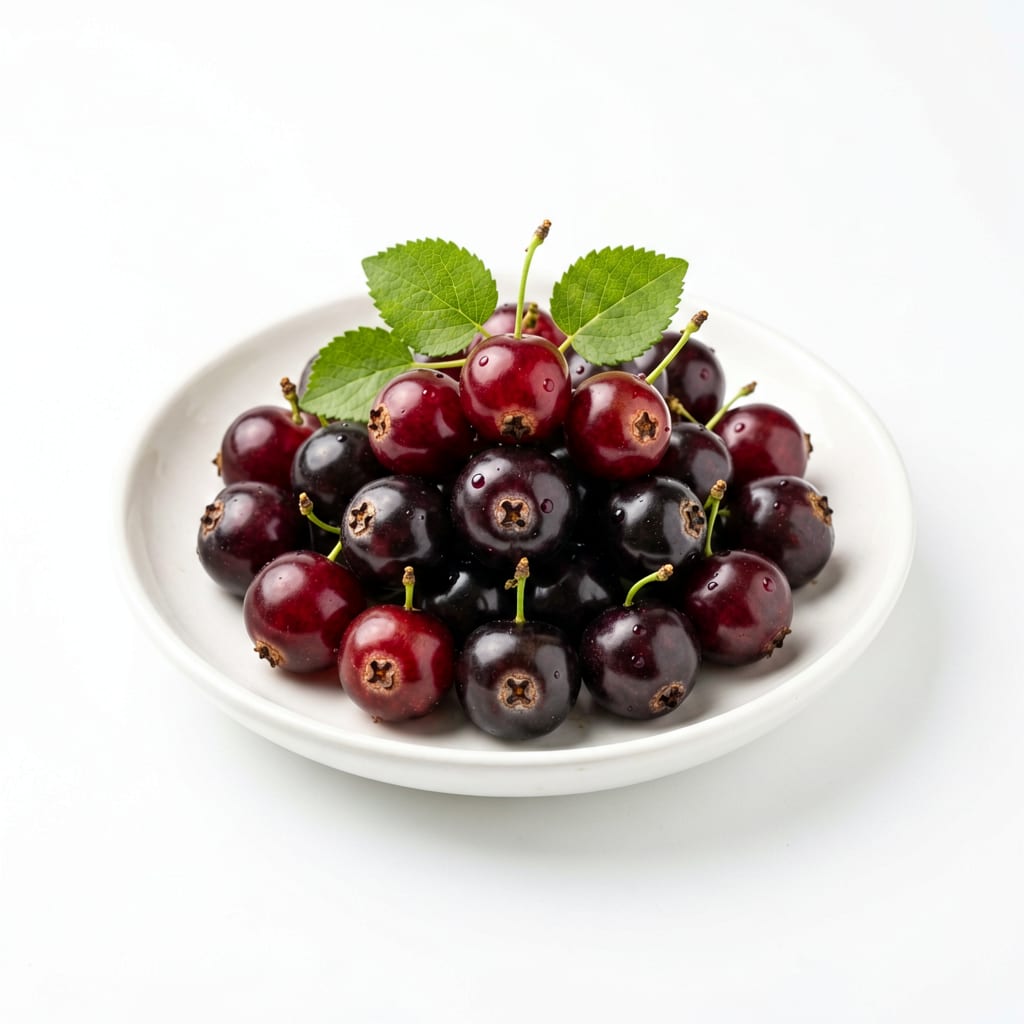
Blackcurrant
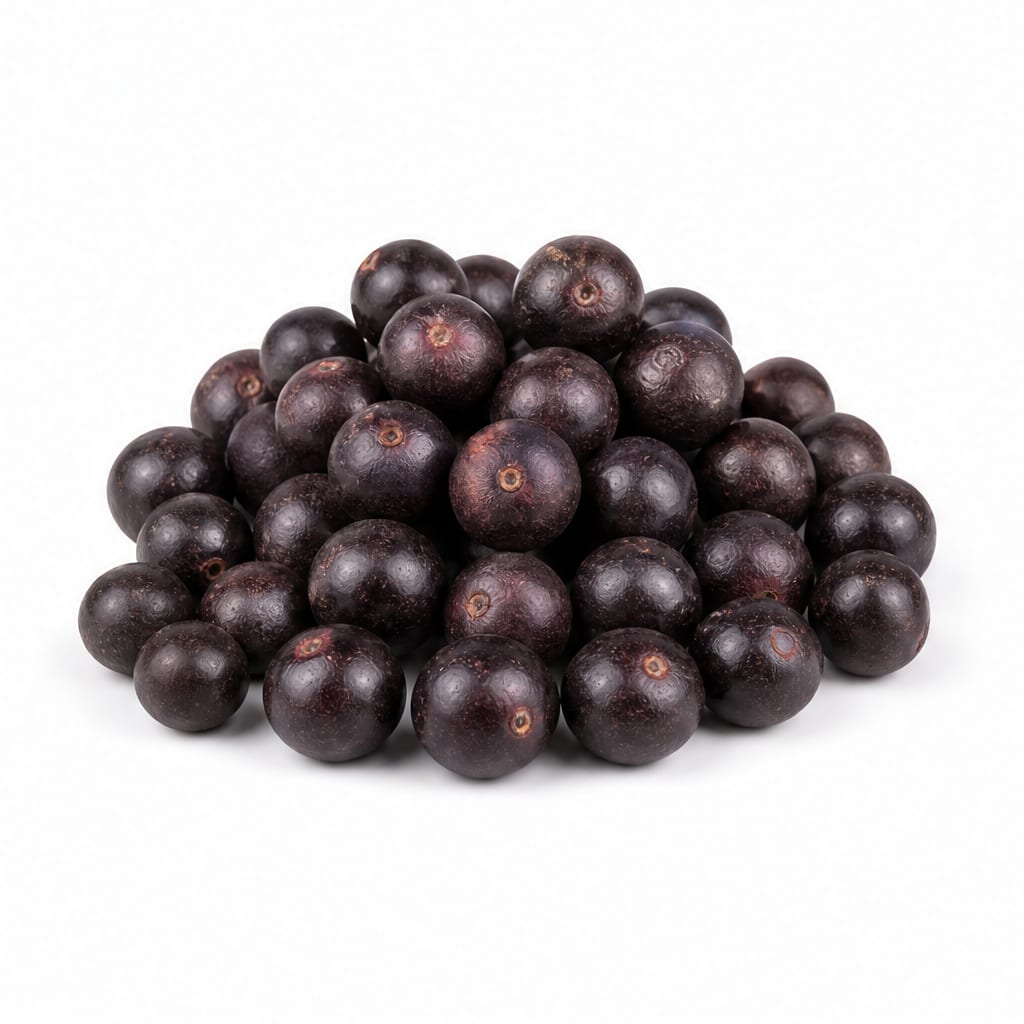
Acai berry
Blackcurrant delivers more measurable, accessible nutrition per dollar, while acai offers unique fats but often in overpriced, diluted forms.
Blackcurrant wins on accessibility, vitamin C density, and honest value. Acai scores well for antioxidant capacity and unique fats but loses ground on price, processing concerns, and the gap between marketed and actual nutrition.
Vitamin C and proven immune support from blackcurrant versus rare omega fats and a higher ORAC score from acai — if you can get the real thing.
At a glance
Executive summary
Overall
Blackcurrant
Healthier
Blackcurrant
More practical
Blackcurrant
Daily use
Blackcurrant
Key comparison lenses
antioxidant superiority
Both berries are famous for antioxidant density, so users want to know which actually delivers more
vitamin C vs healthy fats
Blackcurrant is a vitamin C powerhouse while acai uniquely provides omega fats, creating a clear nutritional fork
processing and authenticity
Acai is almost never available fresh outside Brazil, raising real concerns about what form users actually consume
value for money
Acai products carry a premium price tag and users wonder if the hype matches the nutrition
anti inflammatory benefits
Both berries are sought for inflammation reduction, but the mechanisms differ significantly
Best choice for
Blackcurrant
- Immune system support and vitamin C needs
- Budget-conscious antioxidant seekers
- People wanting fresh or frozen whole fruit access
- Those who value proven, well-studied nutrition
Acai berry
- Smoothie bowl enthusiasts wanting creaminess and healthy fats
- People seeking omega-6 and omega-9 from fruit sources
- Those focused on skin health and lipid-based antioxidant delivery
- Anyone already eating adequate vitamin C from other sources
Least suitable for
Blackcurrant
- People who strongly dislike tart flavors
- Those seeking a high-fat fruit for satiety
- Smoothie bowl texture seekers wanting thickness
Acai berry
- Budget-limited shoppers wanting daily berry intake
- People suspicious of superfood marketing hype
- Anyone needing reliable vitamin C from a single source
- Those who want fresh, unprocessed fruit
Deep comparison
Dimension by dimension
Each lens scores both foods and breaks down who each option suits.
- Dimension 1 · Priority 95Acai berry
antioxidant_density
Blackcurrant · 85Acai berry · 92Acai edges out blackcurrant on ORAC scores, but the real-world difference is smaller than marketing suggests.
Tradeoff
Acai tests higher in lab antioxidant assays, but blackcurrant's antioxidants are better studied in human trials with measurable immune outcomes.
Why it matters
High ORAC scores look impressive on labels but do not always translate to better health outcomes in real bodies.
Real-world impact
You might feel more confident about acai for cellular protection, but blackcurrant has stronger evidence for actually reducing cold duration and inflammation.
Blackcurrant
- Proven anti-inflammatory outcomes in human studies
- Vitamin C that directly supports immune cell function
Better for
- Lower ORAC score than acai in direct comparisons
Worse for
Acai berry
- Higher total antioxidant capacity per serving
- Lipid-soluble antioxidants that protect cell membranes
Better for
- Fewer controlled human trials confirming health outcomes
Worse for
- Dimension 2 · Priority 90Blackcurrant
vitamin_and_mineral_profile
Blackcurrant · 91Acai berry · 62Blackcurrant is one of the richest fruit sources of vitamin C and also provides strong vitamin K and potassium. Acai is surprisingly modest in vitamins.
Tradeoff
Acai brings unique fats but lacks the vitamin punch. Blackcurrant covers more nutritional bases per bite.
Why it matters
Vitamin C deficiency is common even in developed countries. A single serving of blackcurrant can provide over 200% of daily vitamin C needs.
Real-world impact
Eating blackcurrant regularly can meaningfully reduce your need for vitamin C supplements. Acai cannot make the same claim for any vitamin.
Blackcurrant
- Exceptional vitamin C content rivaling citrus
- Strong vitamin K for bone and blood health
- Notable potassium for blood pressure support
Better for
- Minimal fat-soluble vitamin content
Worse for
Acai berry
- Contains vitamin A precursors that blackcurrant lacks
Better for
- Low in vitamin C relative to most berries
- Less mineral diversity than blackcurrant
Worse for
- Dimension 3 · Priority 82Acai berry
healthy_fat_content
Blackcurrant · 25Acai berry · 88Acai is unusually high in omega-6 and omega-9 fats for a fruit, giving it a creamy texture and lipid-based nutrition. Blackcurrant contains only trace fats.
Tradeoff
Acai's fats support satiety and skin health but add calories. Blackcurrant is lighter and lower in calories per serving.
Why it matters
Getting healthy fats from fruit is rare and valuable, especially for people avoiding nuts or seeds.
Real-world impact
An acai bowl can keep you full longer than blackcurrant alone, but the calorie count climbs quickly with toppings.
Blackcurrant
- Lower calorie density for weight-conscious snacking
Better for
- Almost no fat-soluble nutrient delivery
- Less satisfying as a meal component without additions
Worse for
Acai berry
- Omega-6 and omega-9 fats support skin and cell health
- Natural creaminess replaces need for added dairy or nut butters
- More satiating as a standalone snack
Better for
- Higher calorie count per serving
- Omega-6 excess concern if already eating seed oils heavily
Worse for
- Dimension 4 · Priority 85Blackcurrant
processing_and_authenticity
Blackcurrant · 80Acai berry · 45Blackcurrant is available fresh or frozen in many regions with minimal processing. Acai is almost always frozen, powdered, or pureed, often with fillers.
Tradeoff
You can buy real blackcurrant and know what you are eating. Acai products frequently contain added sugars, fillers, and diluted fruit content.
Why it matters
The acai you actually eat may be far less nutritious than the acai described in studies. Processing degrades anthocyanins significantly.
Real-world impact
That acai bowl at the cafe likely has a fraction of the antioxidant power of real acai, plus hidden sugar. Frozen blackcurrant is more likely to be just blackcurrant.
Blackcurrant
- Available as whole fresh or frozen fruit with no additives
- Less supply chain degradation from farm to table
- Easier to verify ingredient purity
Better for
- Less common in US grocery stores than in Europe
Worse for
Acai berry
- Freeze-dried powder retains some antioxidants well
Better for
- Almost never available fresh outside Brazil
- Powders and purees often contain fillers and added sugar
- Anthocyanin degradation during transport and processing
Worse for
- Dimension 5 · Priority 78Blackcurrant
value_and_accessibility
Blackcurrant · 75Acai berry · 40Blackcurrant delivers more proven nutrition per dollar spent. Acai commands premium pricing driven by marketing more than measurable advantage.
Tradeoff
Acai costs significantly more for benefits that are harder to verify in the forms most people actually consume.
Why it matters
Spending twice as much on acai does not buy you twice the health benefit. Smart nutrition accounts for budget sustainability.
Real-world impact
You could eat blackcurrant daily for a week for the cost of two acai bowls, and likely absorb more usable nutrients.
Blackcurrant
- More affordable per serving in most markets
- Better nutrition-to-price ratio
- Available frozen year-round in many regions
Better for
- Harder to find fresh in North America
- Less brand recognition drives less product variety
Worse for
Acai berry
- Widely available in smoothie and bowl form at restaurants
Better for
- Premium pricing often double or triple other berries
- Marketing markup disconnected from nutritional advantage
Worse for
- Dimension 6 · Priority 88Blackcurrant
anti_inflammatory_and_immune_impact
Blackcurrant · 89Acai berry · 78Blackcurrant has stronger clinical evidence for reducing inflammation and supporting immune function, partly thanks to its exceptional vitamin C and GLA content.
Tradeoff
Acai's antioxidants are potent in theory, but blackcurrant's combination of vitamin C, anthocyanins, and gamma-linolenic acid has more human data behind it.
Why it matters
When you eat an anti-inflammatory food, you want confidence it actually works in people, not just petri dishes.
Real-world impact
Blackcurrant extract has been shown to reduce muscle soreness and exercise-induced inflammation in athletes. Acai evidence remains mostly lab-based.
Blackcurrant
- GLA is a rare anti-inflammatory fatty acid found in the seeds
- Vitamin C directly supports white blood cell production
- Multiple human trials showing reduced inflammatory markers
Better for
- Water-soluble antioxidants are excreted faster than fat-soluble ones
Worse for
Acai berry
- Anthocyanins protect endothelial cells lining blood vessels
- Fat-soluble antioxidants reach tissues vitamin C cannot
Better for
- Limited human clinical trial data for inflammation outcomes
- Processing may reduce the very compounds responsible for benefits
Worse for
Timeline
Health impact over time
Short-term
Hours to days
Blackcurrant
- Quick vitamin C boost supporting same-day immune readiness
- Tart flavor can naturally curb appetite between meals
- Mild diuretic effect may reduce water retention
Acai berry
- Creamy texture provides immediate satiety, reducing snacking urges
- Healthy fats slow sugar absorption for steadier energy
- Anthocyanin rush may improve alertness and blood flow short-term
Long-term
Months to years
Blackcurrant
- Consistent vitamin C intake reduces chronic disease risk over years
- GLA from seeds may help manage inflammatory conditions with regular consumption
- Anthocyanin intake linked to lower cardiovascular risk in population studies
Acai berry
- Regular omega-6 and omega-9 intake supports skin elasticity and cell integrity
- Sustained antioxidant exposure may slow cellular aging markers
- Risk of overconsuming calories if eating acai bowls with sugary toppings frequently
Risk profile
Safety & processing
Blackcurrant is commonly sold as whole fruit, fresh or frozen, with minimal intervention. Acai is inherently a processed product outside Brazil — frozen puree, powder, or smoothie packs — and frequently contains added sugars, citric acid, or soy lecithin as stabilizers.
Blackcurrant
Pesticide residue on conventionally grown berries
mediumLike all berries, blackcurrants are susceptible to pesticide retention on skins. Choosing organic reduces this meaningfully.
Oxalate content
lowBlackcurrants contain moderate oxalates, a concern only for people with a history of calcium oxalate kidney stones.
Acai berry
Added sugars and fillers in commercial products
highMany acai smoothie packs and bowls contain significant added sugar, apple juice, or cheaper fruit fillers that dilute the actual acai content.
Heavy metal contamination in some powders
mediumThird-party testing has found variable lead and cadmium levels in some acai powder brands, likely from soil and processing. Reputable brands test for this.
Spoilage and fermentation during transport
mediumAcai degrades within 24 hours of harvest, making cold-chain integrity critical. Poor handling can lead to fermentation and histamine issues.
Who wins for whom
Audience fit
Same foods, different winners depending on your goal.
children
BlackcurrantBlackcurrant provides strong immune support during school years and is easier to serve as a simple whole fruit. Acai bowls are fun but often sugar traps.
daily consumption
BlackcurrantMore affordable, more accessible in honest forms, and broader vitamin coverage make blackcurrant sustainable as a daily habit.
diabetes
BlackcurrantLower natural sugar content and no risk of hidden added sugars in common preparations. Acai bowls often come loaded with sweeteners.
elderly
BlackcurrantVitamin C and K support bone density and immune resilience in aging bodies. The proven human data matters more for vulnerable populations.
muscle gain
It dependsNeither berry is a protein source. Acai's fats may slightly help with calorie surplus needs, while blackcurrant's anti-inflammatory effects support recovery.
weight loss
BlackcurrantLower calorie density and higher vitamin C without added fats or sugars makes blackcurrant easier to fit into a calorie deficit.
Your move
Decision guide
Choose Blackcurrant
- You want the most proven, measurable nutrition per dollar
- Vitamin C intake is a priority for immune or skin health
- You prefer eating whole, minimally processed fruit
- You are budget-conscious but still want top-tier antioxidant berries
- You have inflammatory concerns and want human-trial-backed options
Choose Acai berry
- You specifically want fruit-sourced omega fats for skin or cell health
- You enjoy smoothie bowls and want a creamy, satisfying base
- You already get plenty of vitamin C from other foods
- You can source high-quality, minimally processed acai with no fillers
- You want a heavier, more satiating berry option for meal replacement
Either works if
- You simply want more berry diversity in your diet
- You are rotating antioxidant sources weekly for broad coverage
- Both are available and you feel like switching it up
Avoid both if
- You have a berry allergy or salicylate sensitivity
- You are on a strict very-low-carb protocol and counting every gram of sugar
- You expect either berry to produce dramatic health changes on its own
Final recommendation
Make blackcurrant your daily driver berry for reliable, affordable, well-proven nutrition. Treat acai as an occasional indulgence or healthy fat supplement — enjoyable in a good smoothie bowl, but not worth the premium if you are watching your budget or skeptical of superfood marketing. The best antioxidant plan is eating a variety of deeply colored fruits regularly, not chasing a single exotic option.
Practical
Consumer tips
- 1
Buy frozen blackcurrant if fresh is unavailable — freezing preserves anthocyanins exceptionally well
- 2
For acai, read ingredient lists carefully: the first ingredient should be acai, not apple juice or banana puree
- 3
Avoid acai powders that clump or look overly bright — these may contain fillers or artificial colors
- 4
Blackcurrant seed oil supplements are an option if you want GLA without eating large volumes of fruit
- 5
If making acai bowls at home, use unsweetened frozen acai packets and add your own fruit for sweetness instead of honey or agave
- 6
Blend blackcurrant into oatmeal or yogurt to mellow the tartness without adding sugar
- 7
Store both berries frozen and consume within six months for maximum antioxidant retention