
Nutrition comparison
Blackcurrant vs Gooseberry: Which Berry Is Healthier?
Compare Blackcurrant and Gooseberry nutrition, antioxidants, sugar, and health benefits. Find out which berry fits your diet and lifestyle best.
Overall winner · Blackcurrant
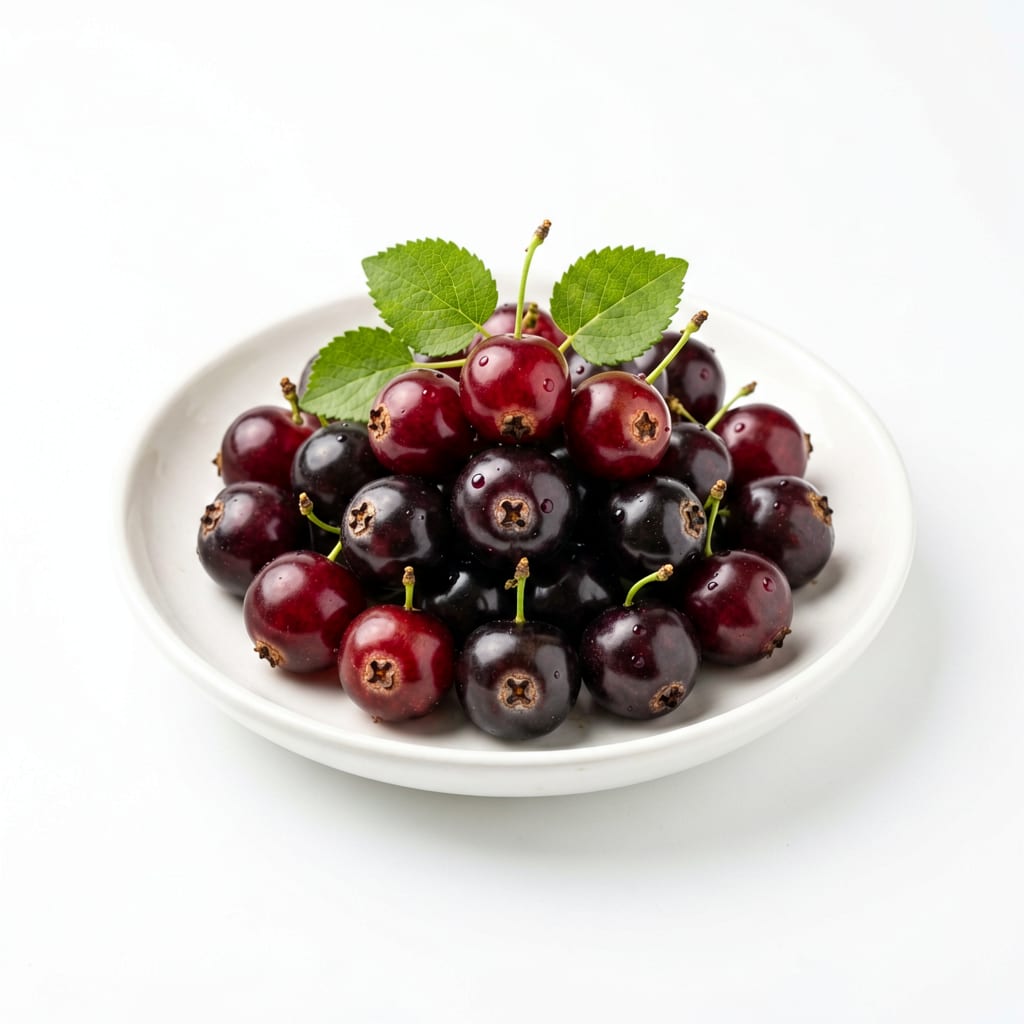
Blackcurrant
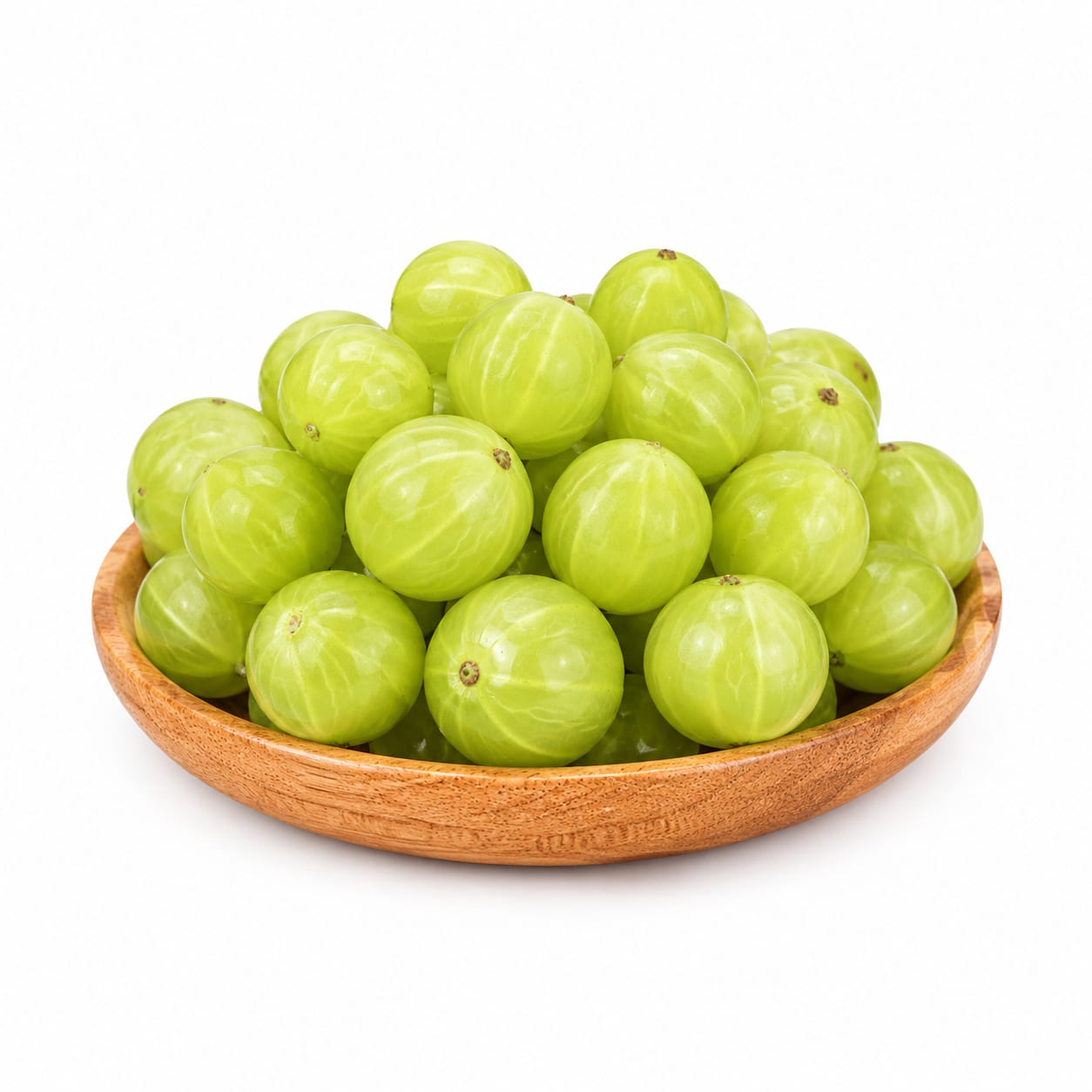
Gooseberry
Blackcurrant wins on nutritional firepower—especially vitamin C and antioxidants—but Gooseberry is the lighter, lower-sugar alternative for everyday grazing.
Blackcurrant scores higher due to its exceptional vitamin C and anthocyanin content, but Gooseberry stays competitive with its lower sugar and calorie profile. The gap reflects nutritional density versus dietary flexibility.
Blackcurrant delivers dramatically more immune-boosting and anti-inflammatory compounds, while Gooseberry offers a gentler calorie and sugar load with a milder flavor.
At a glance
Executive summary
Overall
Blackcurrant
Healthier
Blackcurrant
More practical
Gooseberry
Daily use
Gooseberry
Key comparison lenses
antioxidant and immune support
Blackcurrant is famously rich in anthocyanins and vitamin C, making immune and antioxidant comparison the most critical dimension
sugar and calorie conscious snacking
Gooseberry is notably lower in sugar and calories, appealing to weight-conscious and blood-sugar-aware users
anti inflammatory benefits
Blackcurrant's anthocyanin density makes it a standout for inflammation, a key health concern for many consumers
culinary versatility and flavor preference
These berries have very different flavor profiles—intense and bold versus tart and mild—affecting how people actually use them
Best choice for
Blackcurrant
- Immune system support during cold season
- Anti-inflammatory diets and joint health
- Athletes seeking recovery antioxidants
- Anyone wanting maximum vitamin C per bite
- People who enjoy bold, intense berry flavors
Gooseberry
- Low-sugar and low-calorie snacking
- Blood sugar management and diabetes-friendly diets
- Culinary use in both sweet and savory dishes
- Gentle digestion and sensitive stomachs
- People who prefer tart, subtle flavors
Least suitable for
Blackcurrant
- Strict low-sugar or keto diets
- People sensitive to strongly flavored foods
- Those watching calorie intake closely
Gooseberry
- Maximum antioxidant and immune support needs
- People seeking high vitamin C concentration
- Anti-inflammatory therapeutic protocols
Deep comparison
Dimension by dimension
Each lens scores both foods and breaks down who each option suits.
- Dimension 1 · Priority 95Blackcurrant
Antioxidant Power
Blackcurrant · 96Gooseberry · 55Blackcurrant is an antioxidant powerhouse, delivering roughly 3-4 times the anthocyanin content of Gooseberry.
Tradeoff
You get far more cell-protective compounds with Blackcurrant, but that intensity comes with more sugar calories per serving.
Why it matters
Anthocyanins fight oxidative stress, support blood vessel health, and may reduce chronic disease risk over time.
Real-world impact
Regular Blackcurrant consumption could meaningfully reduce inflammation markers, while Gooseberry offers a lighter but less impactful antioxidant benefit.
Blackcurrant
- Reducing exercise-induced oxidative stress
- Supporting cardiovascular health long-term
- Fighting chronic low-grade inflammation
Better for
- Those tracking every gram of sugar carefully
Worse for
Gooseberry
- Gentle antioxidant support without extra calories
- People who find intense berry flavors overwhelming
Better for
- Therapeutic anti-inflammatory protocols needing high anthocyanin doses
Worse for
- Dimension 2 · Priority 90Blackcurrant
Vitamin C Density
Blackcurrant · 97Gooseberry · 68Blackcurrant contains roughly 3 times more vitamin C than Gooseberry per 100g, making it one of the richest fruit sources available.
Tradeoff
Blackcurrant gives you exceptional vitamin C in a small serving, but Gooseberry still provides a respectable amount with fewer calories.
Why it matters
Vitamin C supports immune function, collagen production, and iron absorption—daily intake matters more than most people realize.
Real-world impact
A handful of Blackcurrant can cover your entire daily vitamin C need, while Gooseberry requires a larger portion to achieve the same.
Blackcurrant
- Cold and flu season immune support
- Skin health and collagen production
- Iron absorption when paired with plant-based meals
Better for
- People prone to kidney stones from excess vitamin C (rare)
Worse for
Gooseberry
- Steady, moderate vitamin C without overconsumption concerns
Better for
- Anyone needing maximum immune support from minimal food volume
Worse for
- Dimension 3 · Priority 85Gooseberry
Sugar and Calorie Load
Blackcurrant · 48Gooseberry · 82Gooseberry is significantly lower in both sugar and calories, making it the leaner choice for weight-conscious snacking.
Tradeoff
Gooseberry lets you eat more volume for fewer calories, but you sacrifice the intense nutritional density that Blackcurrant provides.
Why it matters
Lower sugar means steadier blood sugar, fewer cravings, and easier portion control—especially relevant for daily grazers.
Real-world impact
You can enjoy a generous bowl of Gooseberry without sugar guilt, while Blackcurrant is best enjoyed in mindful portions.
Blackcurrant
- Post-workout energy replenishment when sugar is beneficial
- Active individuals who burn through calories easily
Better for
- Keto and very low-carb diets
- Late-night snacking when sugar cravings hit
Worse for
Gooseberry
- Weight management and calorie tracking
- Blood sugar stability for prediabetics
- Mindless snacking without consequences
Better for
- Athletes needing quick carbohydrate energy
Worse for
- Dimension 4 · Priority 70It depends
Fiber Content
Blackcurrant · 72Gooseberry · 75Both berries offer solid fiber, with Gooseberry holding a slight edge relative to its calorie content.
Tradeoff
Gooseberry gives slightly more fiber per calorie, but Blackcurrant provides comparable absolute fiber with more nutritional extras packaged in.
Why it matters
Fiber keeps you full, supports gut health, and slows sugar absorption—critical for both berries given their carbohydrate content.
Real-world impact
Either berry supports healthy digestion, but Gooseberry's fiber-to-calorie ratio makes it slightly more efficient for satiety.
Blackcurrant
- Getting fiber alongside a dense package of other nutrients
Better for
- Pure calorie-efficient fiber seeking
Worse for
Gooseberry
- Maximum fullness per calorie eaten
- Gentle digestive support for sensitive systems
Better for
- Situations where you want fiber plus maximum micronutrients
Worse for
- Dimension 5 · Priority 75Gooseberry
Flavor and Culinary Versatility
Blackcurrant · 60Gooseberry · 78Gooseberry's tart-mild flavor works in sweet and savory dishes alike, while Blackcurrant's intense flavor dominates any dish it enters.
Tradeoff
Blackcurrant delivers a bold, unmistakable taste that some love and others find overwhelming, whereas Gooseberry plays nicely with other ingredients.
Why it matters
Flavor versatility determines how often you'll actually use the fruit—boredom kills dietary consistency faster than nutrition charts.
Real-world impact
Gooseberry easily disappears into salads, chutneys, and baked goods, while Blackcurrant works best as the star of jams, smoothies, and desserts.
Blackcurrant
- Bold flavor lovers who want their fruit to announce itself
- Smoothies and jams where intensity is an asset
Better for
- Delicate dishes where fruit should complement, not dominate
Worse for
Gooseberry
- Cooking and baking where balance matters
- People who find strong berry flavors cloying
- Savory applications like sauces and relishes
Better for
- When you want a punchy, distinctive berry experience
Worse for
Timeline
Health impact over time
Short-term
Hours to days
Blackcurrant
- Quick vitamin C boost supporting immediate immune readiness
- Natural sugar provides fast but moderate energy lift
- Anthocyanins may help reduce post-exercise muscle soreness
Gooseberry
- Light, low-sugar snack that won't cause energy crashes
- Mild fiber supports comfortable digestion without bloating
- Tart flavor can stimulate appetite and refresh the palate
Long-term
Months to years
Blackcurrant
- Consistent antioxidant intake may lower chronic inflammation markers
- High vitamin C supports collagen integrity and skin aging defense
- Anthocyanins linked to better vascular health and cognitive preservation
Gooseberry
- Lower sugar intake supports metabolic health and weight maintenance
- Moderate fiber contributes to gut microbiome diversity over time
- Gentle calorie load makes sustainable daily consumption realistic
Risk profile
Safety & processing
Both Blackcurrant and Gooseberry are whole, minimally processed fruits when purchased fresh or frozen. The main concern is added sugar in processed forms like jams and juices—always check labels, as Blackcurrant products are especially prone to heavy sweetening.
Blackcurrant
Pesticide residue on conventionally grown berries
mediumBlackcurrants are often sprayed; choosing organic reduces exposure. Thin skin means pesticides penetrate more easily than thick-skinned fruits.
Added sugar in processed blackcurrant products
highJams, cordials, and dried blackcurrants frequently contain large amounts of added sugar that negate many health benefits.
Gooseberry
Pesticide residue on conventionally grown berries
mediumSimilar to Blackcurrant, Gooseberries have thin skins. Organic is preferable when available and affordable.
Oxalic acid content
lowGooseberries contain modest oxalic acid, which may be a minor concern for people prone to kidney stones if consumed in very large quantities.
Who wins for whom
Audience fit
Same foods, different winners depending on your goal.
children
GooseberryGooseberry's milder, less intense flavor is often more appealing to kids, and its lower sugar content is preferable for developing palates.
daily consumption
GooseberryGooseberry's lighter calorie and sugar load makes it easier to eat every day without accumulation concerns, while still providing solid nutrition.
diabetes
GooseberryGooseberry's lower sugar and glycemic impact makes it the safer choice for blood sugar management, though both are far better than most fruits.
elderly
BlackcurrantBlackcurrant's exceptional vitamin C and anti-inflammatory anthocyanins support joint health, vascular integrity, and immune resilience—key concerns for aging bodies.
muscle gain
BlackcurrantBlackcurrant's superior antioxidant profile helps reduce exercise-induced oxidative stress and supports recovery, while its vitamin C aids collagen repair.
weight loss
GooseberryGooseberry's lower calorie and sugar content makes it easier to enjoy generously within a calorie deficit without triggering cravings.
Your move
Decision guide
Choose Blackcurrant
- You want maximum immune and antioxidant support per bite
- Anti-inflammatory benefits are a top health priority
- You enjoy bold, intense berry flavors
- You're an athlete focused on recovery nutrition
- Cold season is approaching and you want natural immune armor
Choose Gooseberry
- You're watching sugar intake or managing blood sugar
- You want a light, low-calorie fruit for daily snacking
- You prefer tart, subtle flavors over intense ones
- You cook savory dishes and want a versatile fruit ingredient
- You find strong-flavored berries overwhelming
Either works if
- You simply want more whole fruit variety in your diet
- You're looking for fiber-rich snacks to support gut health
- You enjoy rotating seasonal berries throughout the year
Avoid both if
- You have a berry allergy or salicylate sensitivity
- You're on a strict very-low-carb or keto protocol (both contain carbs)
- You only have access to heavily sweetened processed versions
Final recommendation
For most people, the ideal approach is keeping both on rotation. Use Blackcurrant when you need an antioxidant and immune boost—especially during winter or high-stress periods. Reach for Gooseberry as your everyday light snack that won't spike sugar or calories. If you must pick one, Blackcurrant wins on nutritional impact, but Gooseberry wins on sustainable daily use.
Practical
Consumer tips
- 1
Buy frozen Blackcurrants and Gooseberries when fresh aren't available—frozen berries retain most nutrients and are often cheaper
- 2
Avoid blackcurrant cordials and juices with added sugar; they deliver a fraction of the real fruit's benefits with far more sugar
- 3
If fresh Gooseberries are too tart, try lightly stewing them with a pinch of cinnamon instead of adding sugar
- 4
Add Blackcurrants to overnight oats or smoothies for a nutrient-dense breakfast upgrade
- 5
Gooseberries pair surprisingly well with savory dishes—try them in salads, chutneys, or alongside grilled fish
- 6
Wash both berries thoroughly under running water to reduce pesticide residue, even if buying organic
- 7
Store both berries in the fridge and consume within 3-5 days for best flavor and nutrient retention