
Nutrition comparison
Blackcurrant vs Concord Grape: Antioxidant Power, Vitamin C, and Heart Health Compared
Blackcurrant delivers far more vitamin C and antioxidants per calorie, while Concord grape offers unique resveratrol for heart health. Compare nutrition, sugar, and practical tradeoffs to pick the right berry for you.
Overall winner · Blackcurrant
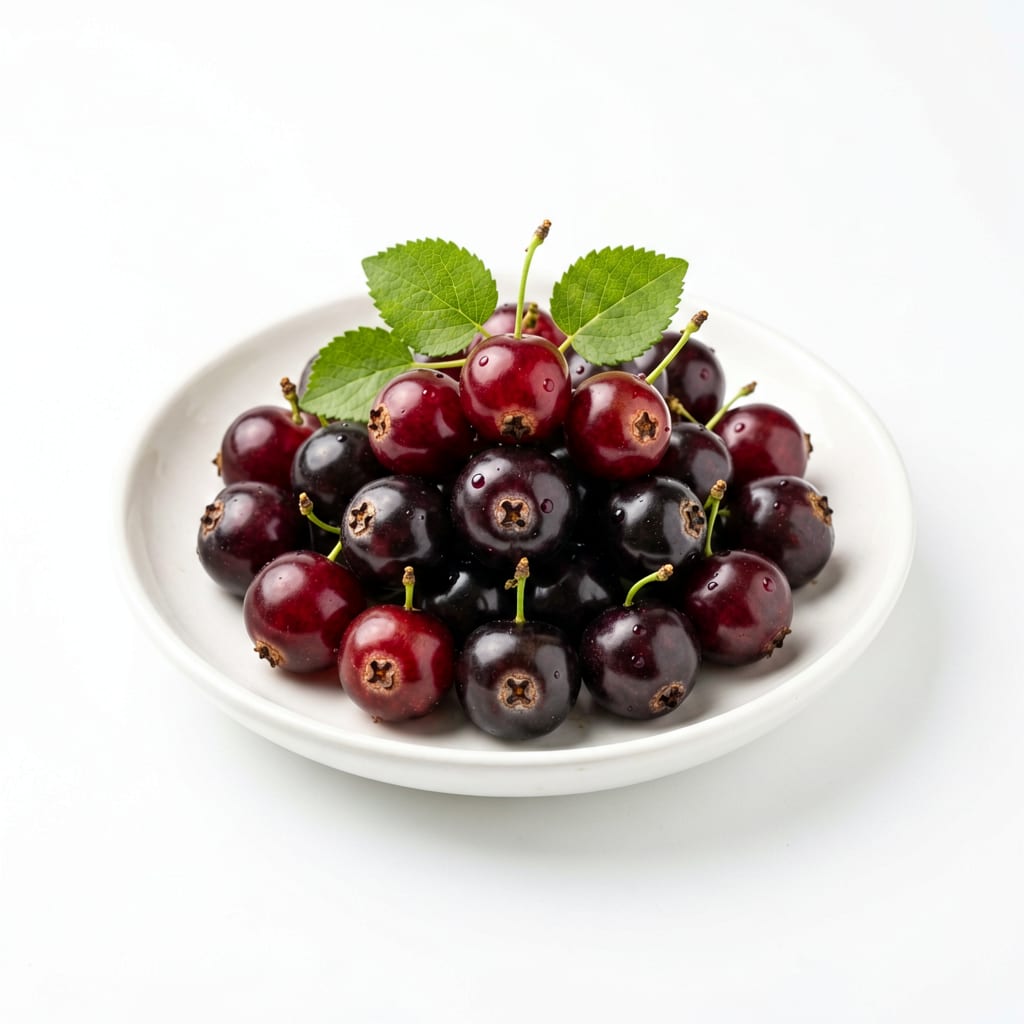
Blackcurrant
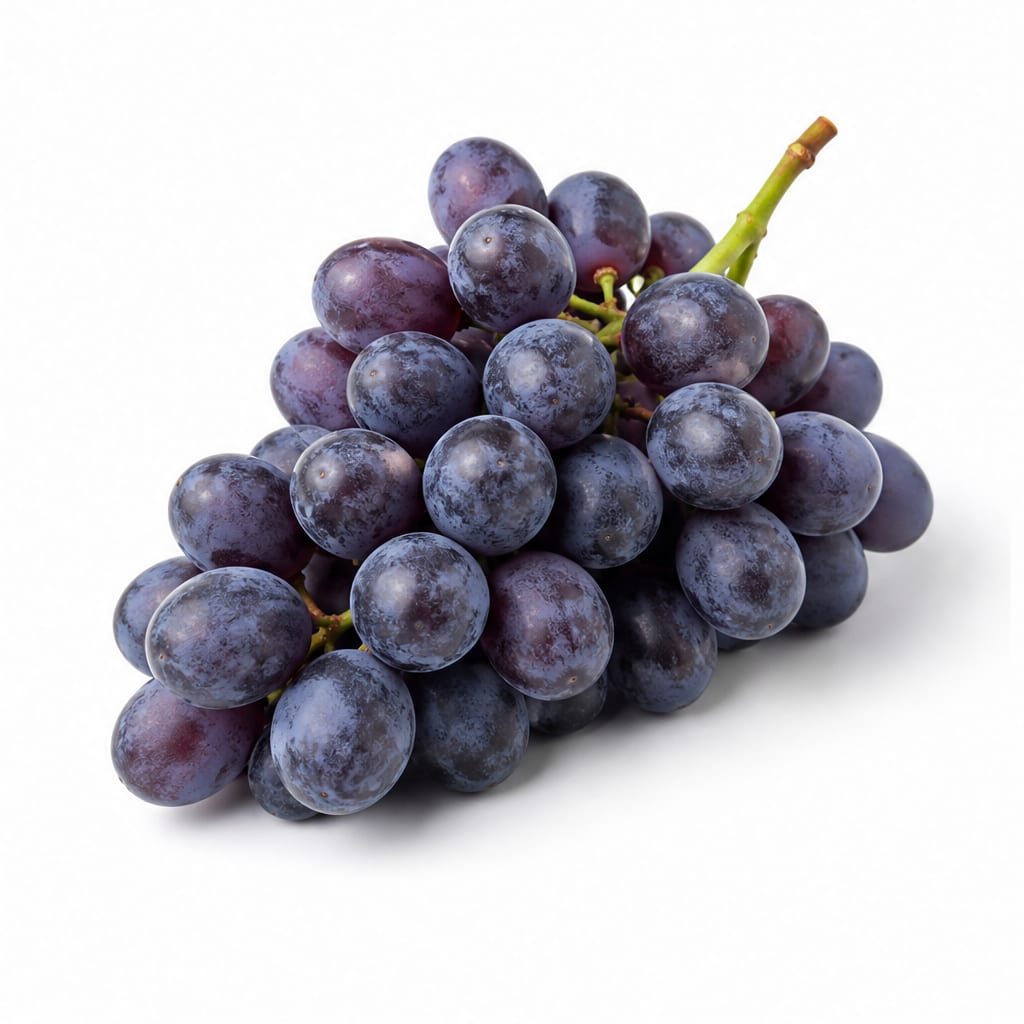
Concord grape
Blackcurrant wins on nutrient density and vitamin C, but Concord grape is far more accessible and still delivers strong heart-protective polyphenols.
Blackcurrant scores higher due to superior vitamin C content, lower sugar, and greater antioxidant density per calorie. Concord grape remains strong for heart health polyphenols and everyday practicality but loses ground on sugar content and vitamin C.
Blackcurrant offers unmatched vitamin C and antioxidant concentration per calorie, while Concord grape provides easier availability, sweeter taste, and unique resveratrol for heart health.
At a glance
Executive summary
Overall
Blackcurrant
Healthier
Blackcurrant
More practical
Concord grape
Daily use
It depends
Key comparison lenses
antioxidant density comparison
Both berries are antioxidant powerhouses but through different compound profiles, making this the defining tradeoff
vitamin C vs resveratrol
Blackcurrant delivers massive vitamin C while Concord grape offers unique resveratrol benefits
sugar and blood sugar impact
Concord grapes are significantly sweeter, affecting daily consumption suitability for sugar-conscious users
availability and everyday practicality
Concord grapes are far easier to find fresh, while blackcurrants are often frozen or processed in many regions
immune vs heart health priority
Users choosing between these likely weigh immune support against cardiovascular benefits differently
Best choice for
Blackcurrant
- Immune system support and vitamin C maximization
- Anti-inflammatory nutrition protocols
- Low-sugar antioxidant loading
- Skin health and collagen support via vitamin C
- Athletes seeking recovery antioxidants with minimal sugar
Concord grape
- Heart health and cardiovascular protection
- Easy snacking with broad availability
- Family-friendly fruit that kids will actually eat
- Resveratrol-specific benefits
- Convenient fresh fruit option in season
Least suitable for
Blackcurrant
- People who cannot find fresh or frozen blackcurrants locally
- Those sensitive to tart or astringent flavors
- Anyone seeking a casual grab-and-go snack fruit
- Budget-conscious shoppers in regions where blackcurrants are imported
Concord grape
- Strict low-sugar or ketogenic diets
- People managing insulin resistance who need low-glycemic fruits
- Those seeking maximum vitamin C from a single serving
- Anyone avoiding high-sugar snacking triggers
Deep comparison
Dimension by dimension
Each lens scores both foods and breaks down who each option suits.
- Dimension 1 · Priority 95Blackcurrant
antioxidant_power
Blackcurrant · 94Concord grape · 82Blackcurrant packs more total antioxidant capacity per gram, driven by exceptionally high anthocyanins and vitamin C.
Tradeoff
Concord grape offers resveratrol, which blackcurrant lacks, giving it a unique cardiovascular edge despite lower overall antioxidant scores.
Why it matters
Higher antioxidant intake correlates with reduced oxidative stress, better recovery from exercise, and slower cellular aging.
Real-world impact
A handful of blackcurrants delivers antioxidant equivalent to roughly 1.5 servings of Concord grapes, meaning you get more protection from less fruit.
Blackcurrant
- Post-workout recovery
- Combating oxidative stress from pollution or stress
- Maximum antioxidant bang per calorie
Better for
- Missing resveratrol entirely
Worse for
Concord grape
- Cardiovascular-specific antioxidant support via resveratrol
- People who prefer eating larger portions of fruit
Better for
- Lower total antioxidant concentration per serving
- More sugar required to get equivalent antioxidant dose
Worse for
- Dimension 2 · Priority 90Blackcurrant
vitamin_C_content
Blackcurrant · 98Concord grape · 28Blackcurrant is one of the richest vitamin C sources among all fruits, delivering roughly 6 times more than Concord grape per 100g.
Tradeoff
If your diet already includes citrus or bell peppers, the vitamin C gap matters less. If it does not, blackcurrant is dramatically superior.
Why it matters
Vitamin C supports immune function, collagen synthesis, iron absorption, and stress resilience.
Real-world impact
One serving of blackcurrants can nearly meet your daily vitamin C needs. You would need over a pound of Concord grapes to match it.
Blackcurrant
- Immune support during cold season
- Collagen and skin health
- Iron absorption when paired with plant-based meals
- Anyone not supplementing vitamin C
Better for
- None significant for this dimension
Worse for
Concord grape
- No specific vitamin C advantage
Better for
- Inadequate as a standalone vitamin C source
- Reliance on other foods to meet vitamin C needs
Worse for
- Dimension 3 · Priority 80Blackcurrant
sugar_and_blood_sugar_impact
Blackcurrant · 78Concord grape · 52Blackcurrant contains roughly half the sugar of Concord grape per serving, with more fiber to slow absorption.
Tradeoff
Concord grape's sweetness makes it more enjoyable and easier to eat regularly, but the sugar load adds up fast.
Why it matters
Lower sugar fruits support steadier energy, better insulin sensitivity, and easier weight management.
Real-world impact
A bowl of Concord grapes can deliver 20+ grams of sugar. Blackcurrants give you similar fruit satisfaction with half the sugar hit.
Blackcurrant
- Blood sugar management
- Low-carb and keto-adjacent diets
- Avoiding afternoon sugar crashes
- Weight management without giving up fruit
Better for
- Less immediate energy for intense activity
Worse for
Concord grape
- Pre-workout quick energy
- Active individuals who burn through sugar easily
Better for
- Higher glycemic impact
- Easy to overeat sugar without realizing it
- Less suitable for insulin-resistant individuals
Worse for
- Dimension 4 · Priority 85Concord grape
heart_health_polyphenols
Blackcurrant · 76Concord grape · 88Concord grape delivers resveratrol and flavonoids specifically linked to blood vessel health and arterial flexibility.
Tradeoff
Blackcurrant supports circulation through anthocyanins and anti-inflammatory pathways, but lacks the resveratrol that makes Concord grape famous for heart health.
Why it matters
Cardiovascular disease remains the leading cause of death, and dietary polyphenols offer meaningful protective effects over time.
Real-world impact
Regular Concord grape consumption is associated with improved blood pressure and arterial function in clinical studies, making it a targeted heart-health choice.
Blackcurrant
- Reducing systemic inflammation that strains the heart
- Blood vessel protection via anthocyanins
Better for
- No resveratrol content
Worse for
Concord grape
- Direct blood pressure support
- Arterial flexibility and endothelial function
- Resveratrol-specific cardiovascular benefits
- People with family history of heart disease
Better for
- Higher sugar can counter some cardiovascular benefits if overconsumed
Worse for
- Dimension 5 · Priority 75Concord grape
availability_and_convenience
Blackcurrant · 38Concord grape · 85Concord grapes are widely available fresh in season and as juice year-round. Blackcurrants are hard to find fresh in many regions, especially North America.
Tradeoff
The nutritional superiority of blackcurrant means little if you cannot source it. Frozen blackcurrants help but require planning.
Why it matters
The healthiest food is the one you can actually buy and eat consistently.
Real-world impact
Most US grocery stores stock Concord grapes seasonally. Finding fresh blackcurrants often requires specialty stores, farmers markets, or online ordering.
Blackcurrant
- Available as freeze-dried powder for smoothies
- Frozen options retain most nutrients
Better for
- Rarely found fresh in US supermarkets
- Often requires frozen or processed forms
- Higher cost per serving in most markets
Worse for
Concord grape
- Easy to find in most grocery stores
- Available fresh during late summer and fall
- Juice and jam options widely stocked year-round
- Kid-friendly and requires no prep
Better for
- Juice form is highly processed and sugar-concentrated
Worse for
- Dimension 6 · Priority 65Concord grape
taste_and_palatability
Blackcurrant · 55Concord grape · 82Concord grape offers a sweet, familiar flavor most people love. Blackcurrant is tart, intense, and polarizing.
Tradeoff
Blackcurrant's bold tartness is an acquired taste but pairs brilliantly with sweet foods. Concord grape is instantly enjoyable but may trigger overeating.
Why it matters
You will not sustain a habit around a food you dislike, no matter how nutritious it is.
Real-world impact
Kids and picky eaters gravitate toward Concord grapes immediately. Blackcurrants work better mixed into yogurt, smoothies, or baked goods.
Blackcurrant
- Culinary versatility in desserts and sauces
- Complex flavor for sophisticated palates
- Less likely to trigger sugar-driven overeating
Better for
- Tartness puts off many first-time tasters
- Usually needs pairing with something sweet
Worse for
Concord grape
- Universally appealing sweet taste
- Effortless snacking with no additions needed
- Great for introducing fruit to children
Better for
- Sweetness can drive mindless overconsumption
Worse for
Timeline
Health impact over time
Short-term
Hours to days
Blackcurrant
- Rapid vitamin C boost supporting immediate immune readiness
- Tart flavor can curb appetite and reduce cravings
- Anti-inflammatory compounds may ease exercise-related muscle soreness within hours
Concord grape
- Quick natural sugar energy for physical activity or mental fatigue
- Polyphenols begin supporting blood vessel function within hours of consumption
- Hydrating due to high water content
Long-term
Months to years
Blackcurrant
- Sustained high vitamin C intake supports collagen integrity and skin health over decades
- Consistent anthocyanin consumption linked to slower cognitive decline
- Lower sugar load protects insulin sensitivity long-term
- Anti-inflammatory pattern may reduce chronic disease risk
Concord grape
- Regular resveratrol intake associated with reduced cardiovascular event risk
- Flavonoid consumption supports sustained blood pressure improvements
- Higher sugar intake may gradually impact metabolic health if portions are not managed
- Polyphenol habit supports vascular aging gracefully
Risk profile
Safety & processing
Both fruits are naturally whole foods when eaten fresh. However, Concord grape is frequently consumed as juice or jam, which strips fiber and concentrates sugar. Blackcurrant is often sold frozen or as supplements, which retain nutrients but shift the eating experience away from whole fruit.
Blackcurrant
pesticide_residue
mediumConventional blackcurrants can carry pesticide residues. Choose organic when possible, especially since you often eat the skin.
oxalate_content
lowBlackcurrants contain moderate oxalates, which may concern people prone to kidney stones at very high intakes.
Concord grape
pesticide_residue
mediumConventional grapes consistently rank high on pesticide residue lists. Washing helps but does not remove all residues. Organic is strongly preferable.
juice_processing_contamination
lowConcord grape juice may contain trace arsenic or lead from processing, though regulatory limits keep this low. Stick with reputable brands.
Who wins for whom
Audience fit
Same foods, different winners depending on your goal.
children
Concord grapeSweet taste and easy snacking make Concord grapes far more likely to be eaten willingly by kids.
daily consumption
It dependsBlackcurrant wins nutritionally but Concord grape wins on consistency of access. The best daily choice is whichever you can actually sustain.
diabetes
BlackcurrantLower sugar content and higher fiber ratio give blackcurrant a meaningfully lower glycemic impact per serving.
elderly
BlackcurrantSuperior vitamin C supports immune resilience and collagen for joint health, both critical concerns with aging.
muscle gain
Concord grapeConcord grape provides faster-digesting carbs useful post-workout, though neither fruit is a primary muscle-building food.
weight loss
BlackcurrantHalf the sugar, more fiber, and tart flavor that naturally limits overeating make blackcurrant the stronger choice for weight management.
Your move
Decision guide
Choose Blackcurrant
- You want maximum vitamin C and antioxidant density per calorie
- You are managing blood sugar, insulin resistance, or weight
- You enjoy tart, intense flavors or use fruit in smoothies and cooking
- You can source frozen or fresh blackcurrants reliably
- Immune support is your top nutritional priority
Choose Concord grape
- Heart health and resveratrol intake are your primary goals
- You need a convenient, widely available fresh fruit snack
- You are feeding kids or picky eaters who prefer sweet flavors
- You want pre-workout or midday energy from natural sugars
- Blackcurrants are unavailable or too expensive in your area
Either works if
- You rotate fruits for broad polyphenol coverage
- You value both immune and cardiovascular protection
- Budget allows buying both and alternating seasonally
Avoid both if
- You have a severe berry or grape allergy
- You are on a strict very-low-carb protocol and cannot budget for fruit sugars
Final recommendation
Choose blackcurrant when you can find it and want the most nutrition per bite, especially for immune support and low-sugar antioxidant loading. Choose Concord grape when heart health is your focus or you need a practical, enjoyable fruit you will actually eat consistently. Ideally, rotate both to capture their complementary polyphenol profiles.
Practical
Consumer tips
- 1
Buy blackcurrants frozen if fresh are unavailable. Frozen retains nearly all nutrients and is often more affordable.
- 2
Choose organic Concord grapes whenever possible. Grapes are among the most pesticide-contaminated conventional fruits.
- 3
Avoid Concord grape juice as a daily habit. It strips fiber and concentrates sugar to levels comparable to soda.
- 4
Add blackcurrants to Greek yogurt or oatmeal. The tartness balances creamy flavors beautifully.
- 5
Freeze Concord grapes for a refreshing summer snack that slows down eating speed.
- 6
Blackcurrant powder or freeze-dried options are excellent smoothie boosters when fresh fruit is out of season.
- 7
If buying Concord grape juice, look for 100% pure juice with no added sugar and limit to a small glass per day.