
Nutrition comparison
Blackberry vs Blackcurrant: Which Berry Is Better for You?
Compare blackberry and blackcurrant nutrition. Blackcurrant wins on vitamin C and anti-inflammatory power; blackberry wins on fiber, lower sugar, and daily practicality.
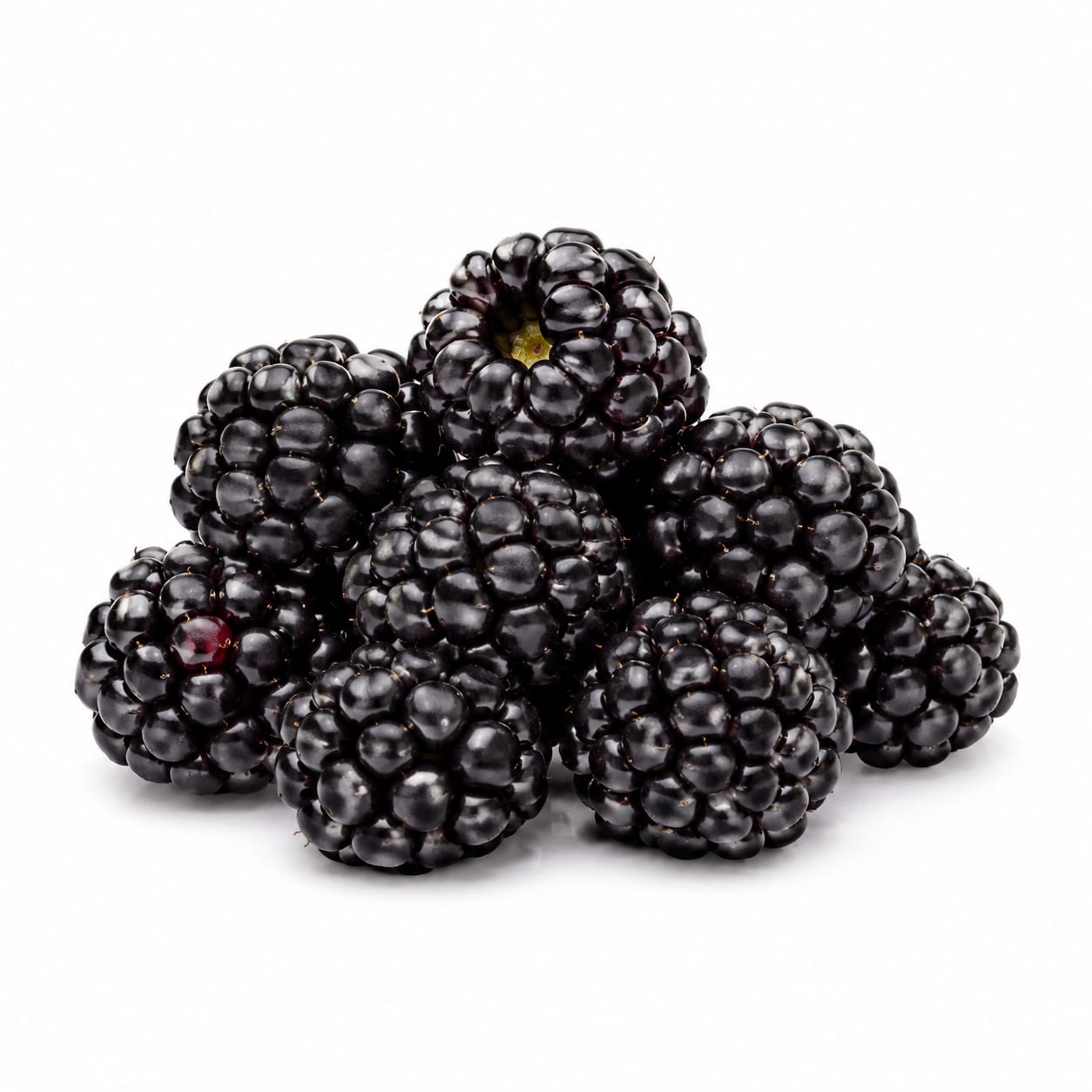
Blackberry
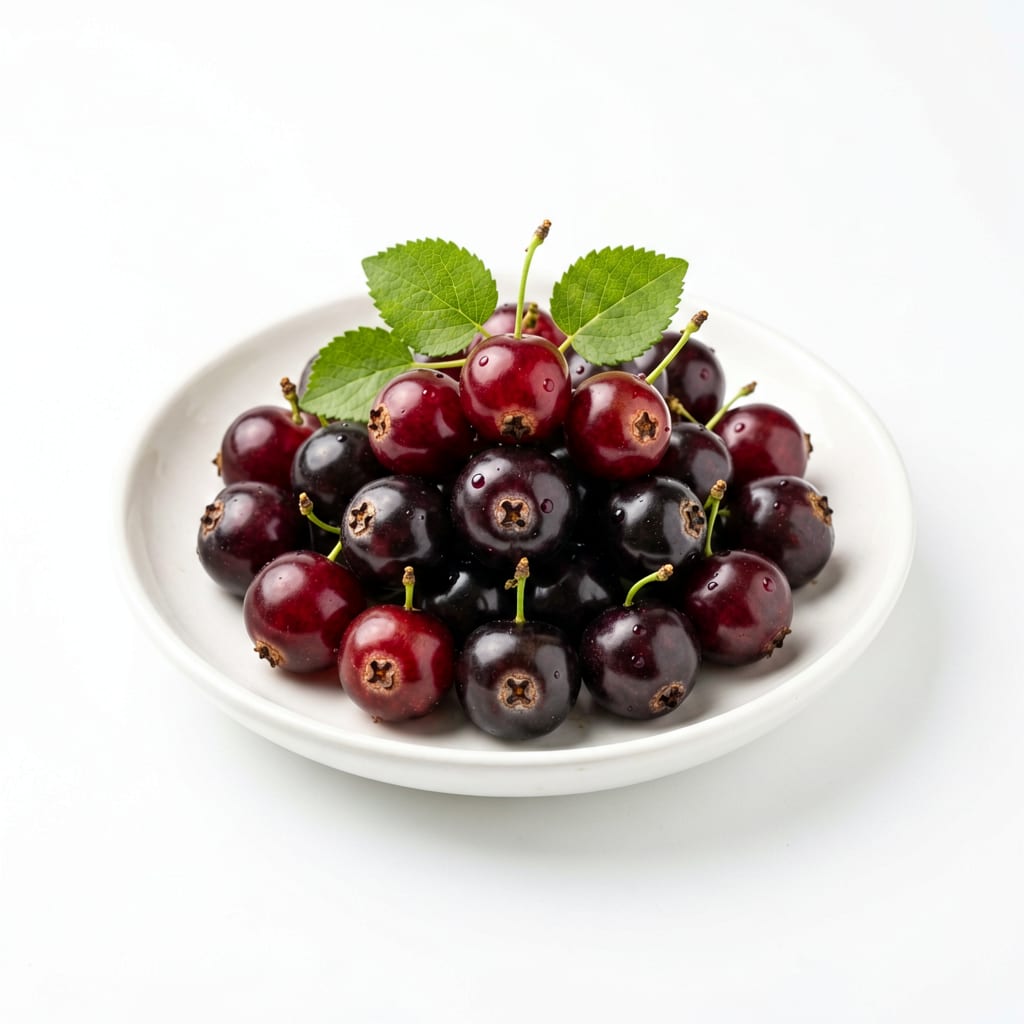
Blackcurrant
Blackcurrant is the vitamin C and antioxidant powerhouse; blackberry is the low-sugar, high-fiber, everyday-friendly choice.
Blackcurrant edges ahead on nutritional density, especially vitamin C and unique anti-inflammatory compounds. Blackberry scores well for accessibility, lower sugar, and higher fiber, making it more sustainable for daily eating. The close scores reflect that both are excellent choices with different strengths.
You choose between blackcurrant's superior immune-boosting vitamin C and anti-inflammatory GLA versus blackberry's better blood sugar profile, higher fiber, and easier availability.
At a glance
Executive summary
Overall
It depends
Healthier
It depends
More practical
Blackberry
Daily use
Blackberry
Key comparison lenses
antioxidant potency
Both berries are renowned for anthocyanin content, but blackcurrant delivers significantly more vitamin C and total antioxidant capacity
blood sugar and weight management
Blackberry has notably less sugar and more fiber, making it more relevant for glucose-conscious and calorie-aware users
daily practicality and accessibility
Blackberries are far easier to find fresh in grocery stores; blackcurrants are often frozen, juiced, or supplemental
immune support
Blackcurrant's extraordinary vitamin C content makes it a standout for immune function comparisons
anti inflammatory and joint health
Blackcurrant contains gamma-linolenic acid, a rare omega-6 with anti-inflammatory properties not found in blackberries
Best choice for
Blackberry
- People managing blood sugar or diabetes
- Those counting calories or watching sugar intake
- Anyone wanting a high-fiber snack that keeps them full
- Shoppers who want fresh berries at typical grocery stores
Blackcurrant
- People seeking maximum vitamin C and immune support
- Those with joint inflammation or arthritis concerns
- Athletes wanting enhanced recovery antioxidants
- Anyone willing to use frozen or supplement forms
Least suitable for
Blackberry
- People who need very high vitamin C intake from food alone
- Those specifically seeking GLA for inflammatory conditions
Blackcurrant
- People strictly limiting sugar or carbs
- Those who want a low-calorie snacking berry
- Shoppers relying on fresh produce sections only
Deep comparison
Dimension by dimension
Each lens scores both foods and breaks down who each option suits.
- Dimension 1 · Priority 92Blackcurrant
Vitamin C and Immune Power
Blackberry · 35Blackcurrant · 97Blackcurrant delivers roughly 5-7 times more vitamin C per serving than blackberry, making it one of the richest fruit sources available.
Tradeoff
Blackberry still provides decent vitamin C but cannot compete with blackcurrant's exceptional levels.
Why it matters
Vitamin C directly supports immune defense, collagen production, and iron absorption. A single serving of blackcurrant can exceed your daily needs.
Real-world impact
If you feel a cold coming on or want to avoid winter sickness, blackcurrant is far more effective at delivering immune-supporting vitamin C quickly.
Blackberry
- Mild daily immune maintenance
Better for
- Situations requiring high-dose vitamin C from food
Worse for
Blackcurrant
- Active immune support during illness
- Recovering from intense exercise
- Boosting iron absorption from plant meals
Better for
- Dimension 2 · Priority 88Blackberry
Fiber and Digestive Fullness
Blackberry · 90Blackcurrant · 50Blackberry contains roughly double the fiber of blackcurrant per serving, making it significantly more filling and gut-friendly.
Tradeoff
Blackcurrant's lower fiber means it digests faster but leaves you less satisfied.
Why it matters
Fiber slows sugar absorption, feeds gut bacteria, and keeps you full longer. This matters enormously for weight management and steady energy.
Real-world impact
A bowl of blackberries as a mid-afternoon snack will keep you full until dinner. Blackcurrants may leave you reaching for something else within an hour.
Blackberry
- Sustained energy between meals
- Gut health and regularity
- Feeling satisfied on fewer calories
Better for
Blackcurrant
- Light pre-workout fuel when you want quick energy without heaviness
Better for
- Appetite control as a standalone snack
- Blood sugar stabilization after meals
Worse for
- Dimension 3 · Priority 85Blackberry
Sugar Content and Blood Sugar Impact
Blackberry · 88Blackcurrant · 55Blackberry has roughly half the sugar of blackcurrant per serving while delivering more fiber to buffer absorption.
Tradeoff
Blackcurrant's higher sugar contributes to its bolder, sweeter flavor but raises glucose concerns for sensitive individuals.
Why it matters
Lower sugar combined with higher fiber means steadier blood sugar, fewer cravings, and better metabolic outcomes over time.
Real-world impact
Blackberries are a safer everyday berry for diabetics or anyone avoiding energy crashes. Blackcurrants are fine in moderation but require more portion awareness.
Blackberry
- Diabetics and prediabetics
- Keto or low-carb eaters
- Anyone prone to afternoon sugar crashes
Better for
Blackcurrant
- Endurance athletes needing natural sugar for performance
Better for
- Frequent snacking without portion control
- Late-night eating when blood sugar matters most
Worse for
- Dimension 4 · Priority 80Blackcurrant
Anti-inflammatory and Recovery Benefits
Blackberry · 65Blackcurrant · 90Blackcurrant contains gamma-linolenic acid and higher anthocyanin concentrations, giving it a distinct anti-inflammatory edge.
Tradeoff
Blackberry still offers solid anti-inflammatory antioxidants but lacks the unique GLA compound found in blackcurrant seeds.
Why it matters
GLA is rare in foods and has been studied for reducing joint pain, muscle soreness, and systemic inflammation.
Real-world impact
For someone with arthritis or post-workout soreness, blackcurrant oil or frozen blackcurrants may offer noticeable relief that blackberry cannot match.
Blackberry
- General antioxidant support for healthy individuals
Better for
- Targeted anti-inflammatory therapy through food
Worse for
Blackcurrant
- Chronic inflammation and joint stiffness
- Post-exercise muscle recovery
- Seasonal allergy-related inflammation
Better for
- Dimension 5 · Priority 78Blackberry
Availability and Everyday Convenience
Blackberry · 85Blackcurrant · 40Fresh blackberries are widely available in most grocery stores year-round. Fresh blackcurrants are rare and often require frozen, juice, or supplement forms.
Tradeoff
Blackcurrant's superior nutrition comes with a real accessibility cost that affects how consistently you can eat it.
Why it matters
The healthiest food only works if you can actually buy and eat it regularly. Convenience shapes long-term habits more than nutrient density.
Real-world impact
You can grab blackberries at nearly any supermarket. Finding blackcurrants often means specialty stores, online orders, or settling for processed products with added sugar.
Blackberry
- Spontaneous grocery shopping
- Fresh snacking and salad toppings
- Consistent daily intake without planning
Better for
Blackcurrant
- Planned smoothie or supplement routines
Better for
- Impulse purchases at regular stores
- Eating fresh out of hand without thawing
Worse for
- Dimension 6 · Priority 75Blackberry
Calorie Density and Weight Management
Blackberry · 85Blackcurrant · 58Blackberries deliver fewer calories per serving while providing more volume and fiber, making them more weight-loss friendly.
Tradeoff
Blackcurrants are more calorie-dense due to higher sugar, though still reasonable compared to most snacks.
Why it matters
When managing weight, foods that offer more fullness per calorie help you eat less overall without feeling deprived.
Real-world impact
A cup of blackberries costs you about 60 calories and keeps you satisfied. A cup of blackcurrants runs closer to 110 calories with less satiety payoff.
Blackberry
- Calorie-counting diets
- Volume eating strategies
- Mindless snacking replacement
Better for
Blackcurrant
- Active individuals needing calorie surplus
Better for
- Sedentary periods requiring calorie restriction
Worse for
Timeline
Health impact over time
Short-term
Hours to days
Blackberry
- Steady energy without sugar spikes due to high fiber-to-sugar ratio
- Mild digestive support from soluble and insoluble fiber
- Moderate immune boost from vitamin C and manganese
Blackcurrant
- Quick vitamin C replenishment, helpful during early cold symptoms
- Noticeable anti-inflammatory effect for sore joints or muscles
- Faster digestion due to lower fiber, which may suit sensitive stomachs
Long-term
Months to years
Blackberry
- Improved gut microbiome diversity from consistent high fiber intake
- Better blood sugar regulation reducing diabetes risk over time
- Sustained antioxidant protection against cellular aging
Blackcurrant
- Stronger immune resilience from consistently high vitamin C intake
- Reduced chronic inflammation potentially lowering cardiovascular risk
- Joint preservation benefits from GLA and anthocyanin synergy
Risk profile
Safety & processing
Both berries are whole foods when fresh. However, blackcurrant is frequently consumed as juice, concentrate, or supplement, which often involves added sugars and processing. Fresh or frozen whole blackcurrants are clean, but always check labels on blackcurrant products.
Blackberry
Pesticide residue
mediumBlackberries rank moderately on EWG pesticide lists. Organic reduces exposure significantly, especially since you eat the skin.
Mold and spoilage
mediumBlackberries are fragile and mold quickly. Inspect containers carefully and consume within 2-3 days of purchase.
Blackcurrant
Added sugar in processed forms
highBlackcurrant juice, cordials, and jams often contain substantial added sugar. Always read labels. The whole fruit is fine.
Pesticide residue
lowBlackcurrants are less commonly available conventionally in the US, and frozen imports from Europe tend to have stricter pesticide regulations.
Who wins for whom
Audience fit
Same foods, different winners depending on your goal.
children
BlackberryWidely available fresh, easy to eat as finger food, lower sugar supports healthy taste preferences. Blackcurrant products marketed to kids often contain added sugar.
daily consumption
BlackberryEasier to find, more affordable, lower sugar, and higher fiber make blackberries more sustainable as an everyday habit.
diabetes
BlackberryHalf the sugar and double the fiber means blackberries have a significantly gentler impact on blood glucose.
elderly
BlackcurrantSuperior vitamin C supports aging immune systems, and anti-inflammatory GLA may help with joint stiffness common in older adults.
muscle gain
BlackcurrantMore vitamin C supports collagen synthesis for tendon and ligament health, and natural sugars aid post-workout glycogen replenishment.
weight loss
BlackberryLower calories, higher fiber, and less sugar make blackberries more filling per calorie and easier to fit into a deficit.
Your move
Decision guide
Choose Blackberry
- You want a low-sugar, high-fiber berry you can eat daily without thinking
- Blood sugar management or diabetes is a concern
- You shop at regular grocery stores and want fresh berries now
- Calorie density matters for your current goals
- You need a satisfying snack that prevents overeating later
Choose Blackcurrant
- Immune support is your top priority, especially in winter
- You have joint inflammation or muscle soreness you want to address naturally
- You are comfortable buying frozen berries or supplements online
- You want the most vitamin C-dense fruit option available
- You are an athlete focused on recovery and antioxidant replenishment
Either works if
- You simply want more berry variety in your diet
- You are generally healthy and just adding antioxidant-rich fruits
- You enjoy mixing both in smoothies or yogurt bowls
Avoid both if
- You have a salicylate sensitivity, as both berries are moderately high in salicylates
- You are on blood-thinning medication and consuming very large amounts, due to vitamin K content
Final recommendation
Eat blackberries as your everyday berry for fiber, fullness, and blood sugar control. Add blackcurrant as a targeted boost when immune support or anti-inflammatory benefits matter most, such as during cold season or intense training blocks. Both are exceptional choices, but blackberry wins on sustainability while blackcurrant wins on potency.
Practical
Consumer tips
- 1
Buy blackberries organic when possible to reduce pesticide exposure, since you eat the whole fruit
- 2
For blackcurrants, frozen is often the most practical and affordable option, and freezing preserves vitamin C well
- 3
Avoid blackcurrant cordials and juices with added sugar, which undermine the health benefits
- 4
Mix both berries together in a smoothie to get blackberry's fiber and blackcurrant's vitamin C in one meal
- 5
Store blackberries in the fridge and eat within 2 days, they spoil faster than most berries
- 6
If you cannot find fresh blackcurrants, blackcurrant seed oil capsules are a reliable GLA source