
Nutrition comparison
Blackcurrant vs Blueberry: Which Berry Is Healthier?
Blackcurrants deliver 3-4x more vitamin C and higher antioxidants than blueberries, but blueberries win on taste, availability, and daily convenience. Compare nutrition, taste, and best uses.
Overall winner · Blackcurrant
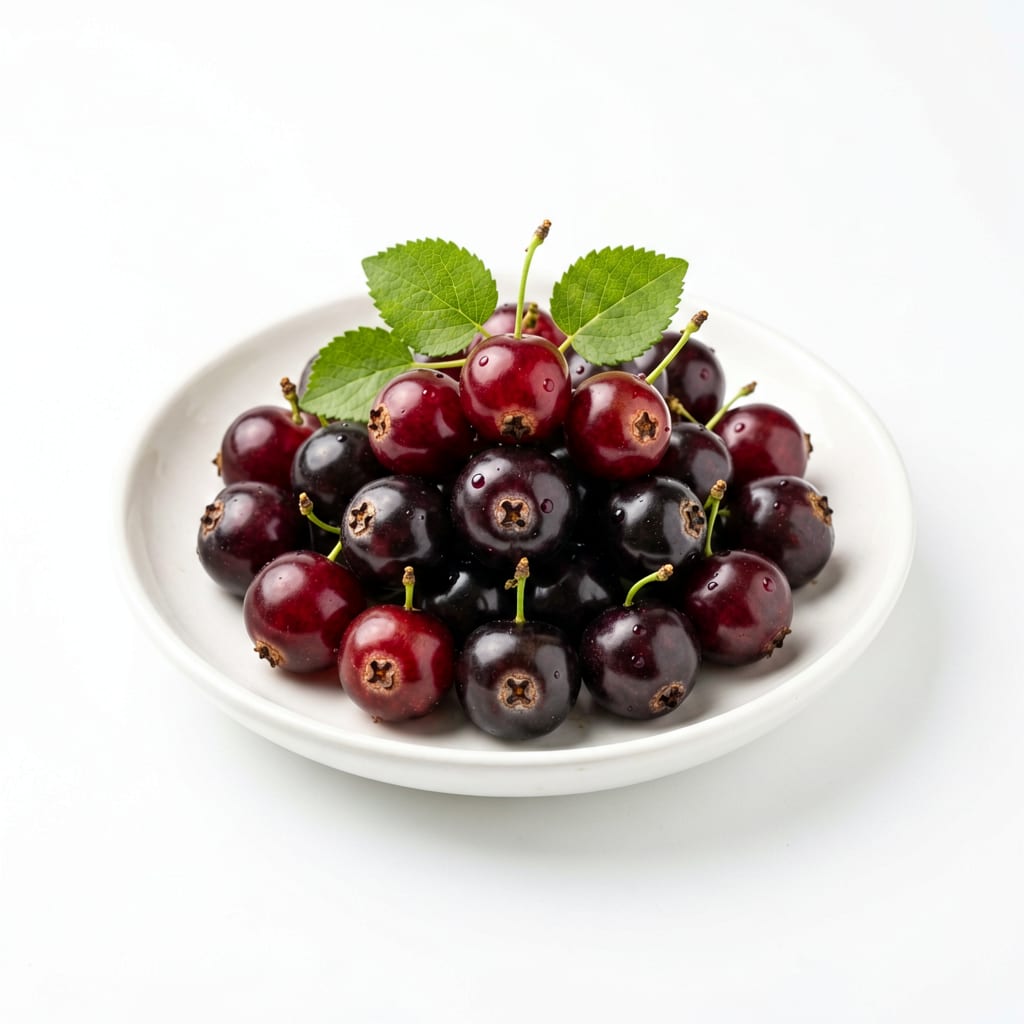
Blackcurrant
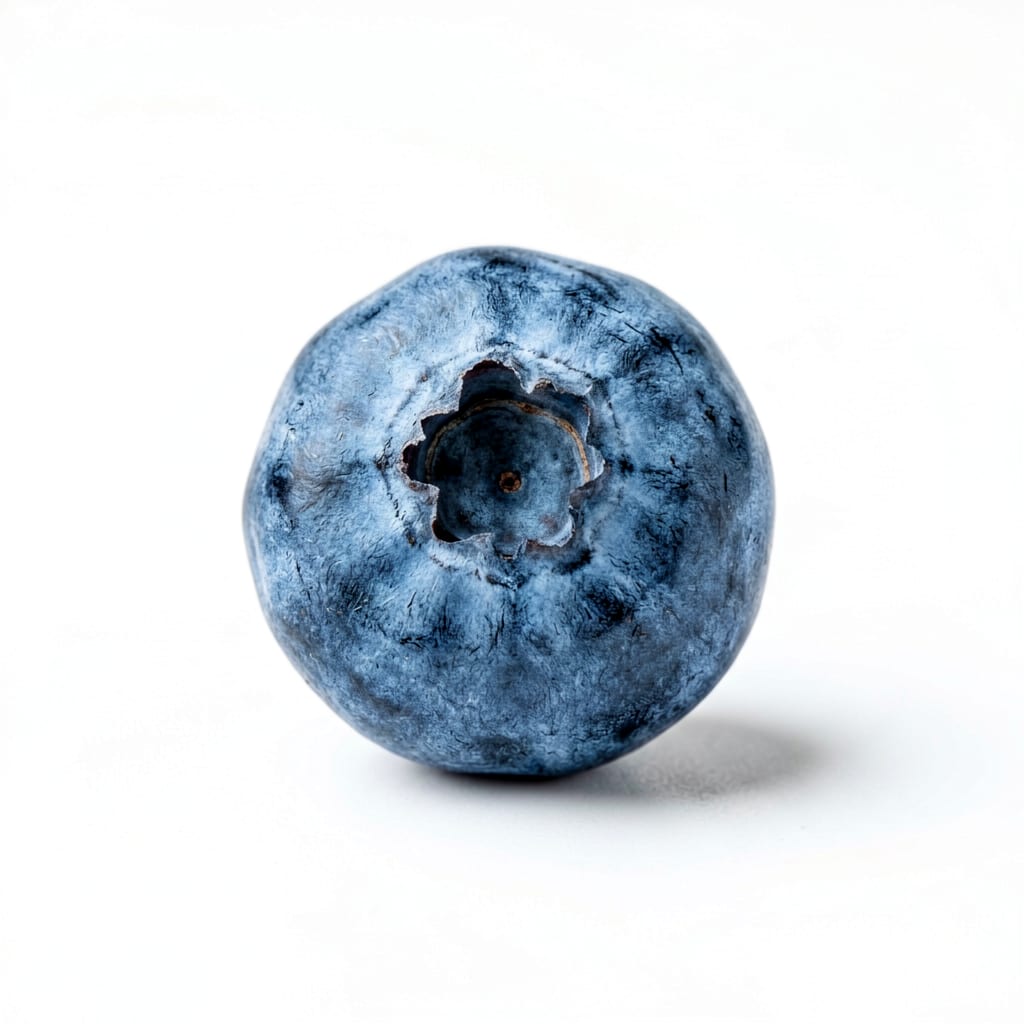
Blueberry
Blackcurrants win on raw nutritional firepower, especially vitamin C and antioxidants, but blueberries win on convenience and everyday eatability.
Blackcurrants score higher due to vastly superior vitamin C content and greater antioxidant density, but blueberries stay competitive thanks to broader availability, milder taste, and easier daily integration.
You gain dramatically more vitamin C and anthocyanins with blackcurrants, but sacrifice the easy sweetness and grocery-store availability of blueberries.
At a glance
Executive summary
Overall
Blackcurrant
Healthier
Blackcurrant
More practical
Blueberry
Daily use
Blueberry
Key comparison lenses
antioxidant potential
Both berries are antioxidant powerhouses, but blackcurrants deliver significantly higher anthocyanin concentrations and total antioxidant capacity
vitamin c supremacy
Blackcurrants contain roughly 3-4 times more vitamin C than blueberries, making this the most dramatic nutritional gap between the two
everyday availability and convenience
Blueberries are available fresh year-round in most grocery stores; blackcurrants are seasonal and harder to find fresh
blood sugar and diabetes friendliness
Both are low-glycemic options, but subtle differences in sugar-to-fiber ratio matter for glucose-sensitive users
taste and versatility
Blueberries are sweeter and more palatable raw; blackcurrants are tarter and often preferred cooked or in jams
Best choice for
Blackcurrant
- Immune support and vitamin C optimization
- Maximum antioxidant intake per calorie
- Anti-inflammatory protocols
- Eye health and circulation support
- Making jams, sauces, or smoothies with intense berry flavor
Blueberry
- Easy daily snacking without preparation
- Milder flavor that kids and picky eaters accept
- Adding to yogurt, oatmeal, or salads effortlessly
- Year-round consistent availability
- Gentle introduction to berry consumption habits
Least suitable for
Blackcurrant
- People who dislike tart or sour flavors
- Those needing easy fresh berry access in typical supermarkets
- Casual snackers wanting something sweet and mild
Blueberry
- Those specifically targeting high vitamin C intake from food
- People wanting the absolute highest antioxidant density per serving
- Anyone seeking intense, concentrated berry flavor
Deep comparison
Dimension by dimension
Each lens scores both foods and breaks down who each option suits.
- Dimension 1 · Priority 95Blackcurrant
antioxidant_density
Blackcurrant · 94Blueberry · 78Blackcurrants deliver significantly more total antioxidants, especially anthocyanins, per serving than blueberries.
Tradeoff
Blueberries still provide excellent antioxidants but cannot match the concentrated payload in blackcurrants.
Why it matters
Higher antioxidant intake correlates with reduced oxidative stress, better recovery from exercise, and slower cellular aging.
Real-world impact
Eating blackcurrants is like getting a concentrated supplement in food form — more protection per bite.
Blackcurrant
- Athletes seeking faster recovery
- People focused on anti-aging nutrition
- Anyone with high oxidative stress
Better for
- Those who cannot find fresh blackcurrants and rely on processed versions with reduced antioxidant content
Worse for
Blueberry
- People who eat berries primarily for enjoyment rather than targeted nutrition
Better for
- Anyone specifically trying to maximize antioxidant intake per calorie
Worse for
- Dimension 2 · Priority 90Blackcurrant
vitamin_c_content
Blackcurrant · 97Blueberry · 38Blackcurrants contain approximately 3-4 times more vitamin C than blueberries, making them one of the richest fruit sources available.
Tradeoff
If immune support or collagen health is a priority, blueberries cannot replace blackcurrants for this specific nutrient.
Why it matters
Vitamin C supports immune function, skin health, iron absorption, and wound healing — and most people under-consume it.
Real-world impact
A single serving of blackcurrants can cover most of your daily vitamin C needs; blueberries would require multiple servings to achieve the same.
Blackcurrant
- Immune-compromised individuals
- People recovering from illness or surgery
- Anyone wanting to reduce supplement reliance
Better for
- People who only find blackcurrant products with added sugar that offsets the vitamin C benefit
Worse for
Blueberry
- Those already getting ample vitamin C from other sources like citrus or bell peppers
Better for
- Anyone relying on blueberries as a primary vitamin C source
Worse for
- Dimension 3 · Priority 85Blueberry
availability_and_convenience
Blackcurrant · 35Blueberry · 92Blueberries are available fresh in nearly every grocery store year-round; fresh blackcurrants are seasonal and rare in many regions.
Tradeoff
The best nutrition means little if you cannot consistently access the food. Blueberries win on reliability.
Why it matters
Consistency drives health outcomes more than occasional superfood intake. A berry you eat daily beats one you eat twice a year.
Real-world impact
You can grab blueberries any day of the week; blackcurrants may require specialty stores, farmers markets, or frozen options.
Blackcurrant
- People with access to farmers markets or specialty grocers
- Those comfortable using frozen blackcurrants
Better for
- Rural shoppers with limited produce variety
- Anyone unwilling to plan around seasonal availability
Worse for
Blueberry
- Busy families needing reliable grocery staples
- Anyone living in areas without specialty produce access
- People who value grab-and-go simplicity
Better for
- People who prioritize nutritional density over convenience
Worse for
- Dimension 4 · Priority 70Blueberry
taste_and_palatability
Blackcurrant · 55Blueberry · 85Blueberries are sweeter and milder, making them an easy snack. Blackcurrants are tart and intense, which some love but many find challenging raw.
Tradeoff
Blackcurrants offer more complex flavor for cooking, but blueberries are the safer bet for casual eating.
Why it matters
Food only improves health if you actually eat it. Palatability directly affects adherence.
Real-world impact
Kids eat blueberries by the handful. Blackcurrants usually need honey, sugar, or mixing into recipes to become approachable.
Blackcurrant
- Culinary enthusiasts who enjoy bold, tart flavors
- People making jams, compotes, or desserts where tartness shines
Better for
- People sensitive to sour flavors
- Anyone looking for a sweet treat replacement
Worse for
Blueberry
- Children and picky eaters
- Anyone wanting a no-prep snack
- Smoothie drinkers who prefer mild sweetness
Better for
- Those who find blueberries too bland or one-dimensional
Worse for
- Dimension 5 · Priority 75It depends
blood_sugar_impact
Blackcurrant · 78Blueberry · 76Both berries have low glycemic loads, but blackcurrants have slightly more fiber relative to sugar, while blueberries are marginally sweeter per gram.
Tradeoff
The difference is minimal. Both are excellent choices for blood sugar management compared to almost any other fruit.
Why it matters
Stable blood sugar prevents energy crashes, cravings, and long-term metabolic damage.
Real-world impact
Neither berry will spike your blood sugar meaningfully. Choose based on taste and availability rather than glycemic concerns.
Blackcurrant
- People who want maximum fiber per serving
- Those counting net carbs closely
Better for
- Those eating blackcurrant products with added sugar, which negates the fiber advantage
Worse for
Blueberry
- Anyone who finds blueberries more satisfying and therefore eats fewer total carbs from other sources
Better for
- People who overeat blueberries because they taste mild, accumulating more sugar than intended
Worse for
- Dimension 6 · Priority 60Blackcurrant
mineral_content
Blackcurrant · 82Blueberry · 58Blackcurrants provide more iron, potassium, and manganese per serving than blueberries.
Tradeoff
Neither berry is a primary mineral source, but blackcurrants contribute more meaningfully to daily intake.
Why it matters
Iron supports energy and oxygen transport; potassium helps blood pressure regulation; manganese aids bone health.
Real-world impact
Blackcurrants offer a small but real edge for anyone with marginal iron intake, especially plant-based eaters.
Blackcurrant
- Vegans and vegetarians needing iron from plant sources
- People with mild potassium needs
Better for
- Anyone expecting blackcurrants alone to correct an iron deficiency
Worse for
Blueberry
- Those already meeting mineral needs through varied diet or supplements
Better for
- Plant-based eaters who could benefit from every additional iron source
Worse for
Timeline
Health impact over time
Short-term
Hours to days
Blackcurrant
- Quick vitamin C boost supporting immediate immune readiness
- Tart flavor can stimulate digestion and appetite
- High antioxidant load may reduce post-exercise soreness
Blueberry
- Gentle blood sugar stability with no crash risk
- Mildly satisfying sweetness curbs cravings without overconsumption
- Easy on the stomach, well-tolerated by most people
Long-term
Months to years
Blackcurrant
- Sustained high antioxidant intake may slow cellular aging and reduce chronic disease risk
- Consistent vitamin C supports collagen production and skin elasticity over decades
- Iron and potassium contributions compound for better cardiovascular health
Blueberry
- Habitual consumption builds a sustainable healthy eating pattern due to easy access
- Anthocyanins support cognitive health and memory preservation with age
- Low calorie density aids long-term weight management without restriction mindset
Risk profile
Safety & processing
Both berries are whole, minimally processed foods when purchased fresh or frozen. The main concern is that blackcurrants are more commonly found in processed forms like jams, juices, and concentrates, which often add sugar and reduce nutritional value.
Blackcurrant
pesticide_residue
mediumBlackcurrants are less tested in standard pesticide monitoring than blueberries, but conventionally grown berries of all types carry residue risk. Choose organic when possible.
added_sugar_in_processed_forms
highMany blackcurrant products like cordials, jams, and syrups contain substantial added sugar, which undermines the raw fruit's health benefits.
Blueberry
pesticide_residue
highBlueberries frequently appear on the EWG Dirty Dozen list. Conventionally grown blueberries consistently show pesticide residue. Organic is strongly recommended.
mold_and_spoilage
mediumBlueberries mold quickly. Inspect containers before purchase and refrigerate promptly. Discard any soft or fuzzy berries to avoid mycotoxin exposure.
Who wins for whom
Audience fit
Same foods, different winners depending on your goal.
children
BlueberryKids overwhelmingly prefer the sweet, mild taste of blueberries. Blackcurrants' tartness usually requires sweetening, which adds sugar.
daily consumption
BlueberryConsistency matters more than peak nutrition. Blueberries' year-round availability and easy palatability make them the more sustainable daily habit.
diabetes
It dependsBoth are low-glycemic and suitable. Blackcurrants have marginally better fiber-to-sugar ratios, but the difference is negligible. Either works well in a diabetes-friendly diet.
elderly
BlackcurrantBlackcurrants' superior vitamin C and iron content support immune resilience and circulation, both critical concerns for aging adults.
muscle gain
BlackcurrantBlackcurrants provide more vitamin C, which supports collagen synthesis for tendon and ligament health, plus slightly more iron for oxygen delivery to working muscles.
weight loss
BlueberryBlueberries are easier to eat in controlled portions due to their mild sweetness, while blackcurrant products often contain hidden sugar that adds calories.
Your move
Decision guide
Choose Blackcurrant
- You want maximum vitamin C and antioxidant density from a whole food
- You have access to fresh or frozen blackcurrants without added sugar
- You enjoy tart, intense flavors or cook regularly with berries
- Immune support, eye health, or anti-inflammatory nutrition is a top priority
- You are looking for variety beyond the usual supermarket berries
Choose Blueberry
- You want a reliable, year-round berry you can find at any grocery store
- You prefer sweet, mild flavors that require no preparation or sweetening
- You are feeding children or picky eaters
- You want a low-effort daily fruit habit you will actually maintain
- You add berries to smoothies, oatmeal, or yogurt and want a neutral base
Either works if
- You are simply trying to eat more berries and increase antioxidant intake
- You have no specific vitamin C or mineral concerns
- You enjoy both flavors and want dietary variety
Avoid both if
- You have a rare berry allergy or salicylate sensitivity
- You are on a strict very-low-carb protocol and cannot accommodate any fruit sugar
Final recommendation
Eat both when possible. Keep blueberries as your daily staple for consistency and ease, and add blackcurrants when available for a vitamin C and antioxidant boost. If you must choose one, blueberries win for sustainability, but blackcurrants win for peak nutrition per bite.
Practical
Consumer tips
- 1
Buy organic blueberries whenever possible — they consistently rank high for pesticide residue
- 2
Frozen blackcurrants retain most of their vitamin C and are far easier to find than fresh
- 3
Avoid blackcurrant cordials and syrups marketed as health products — most are sugar with trace fruit
- 4
Mix both berries together for a balance of sweetness, tartness, and nutritional coverage
- 5
Store blueberries in the refrigerator without washing until ready to eat to extend shelf life
- 6
Add blackcurrants to smoothies with a banana or honey to balance their tartness naturally