
Nutrition comparison
Blackcurrant vs Elderberry: Which Berry is Better for Immunity?
Comparing blackcurrant and elderberry for immune support, Vitamin C, and safety. Learn why blackcurrant is better for daily use and why elderberry must be cooked.
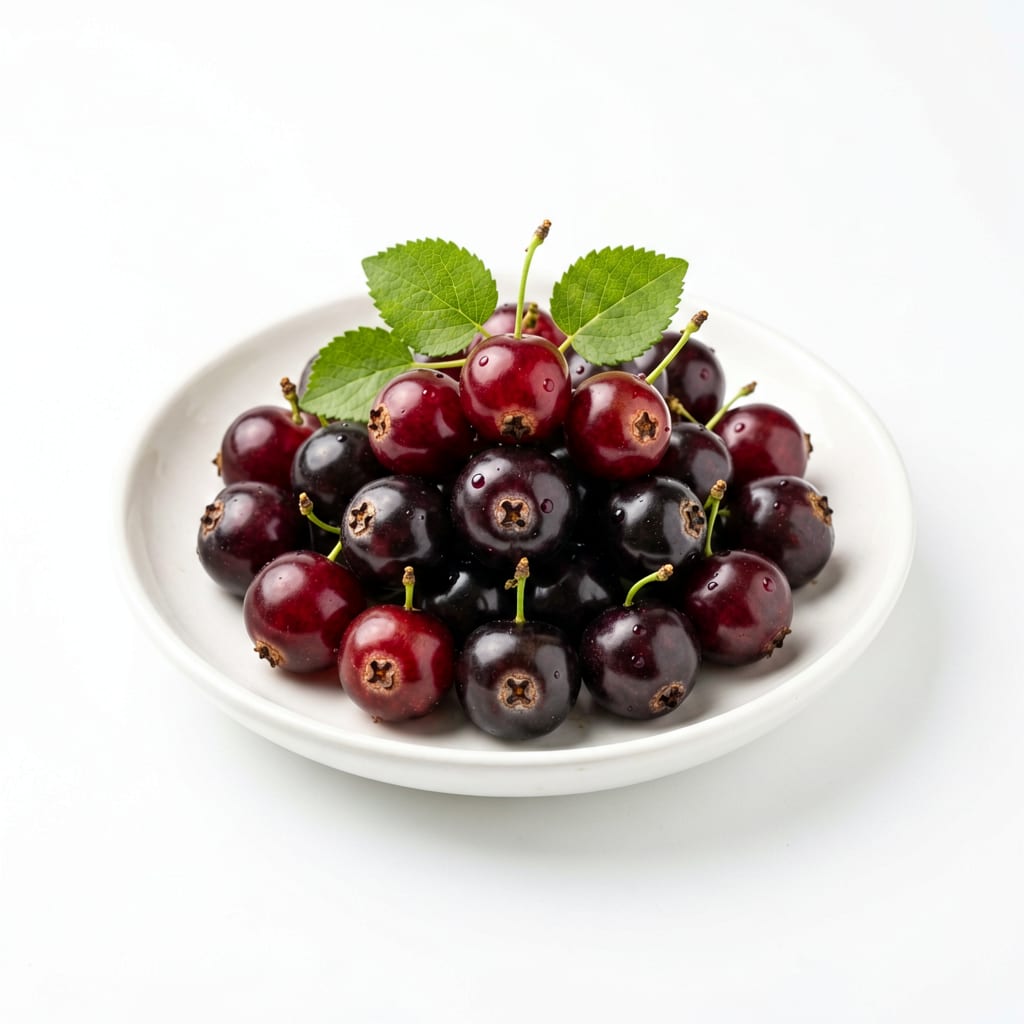
Blackcurrant
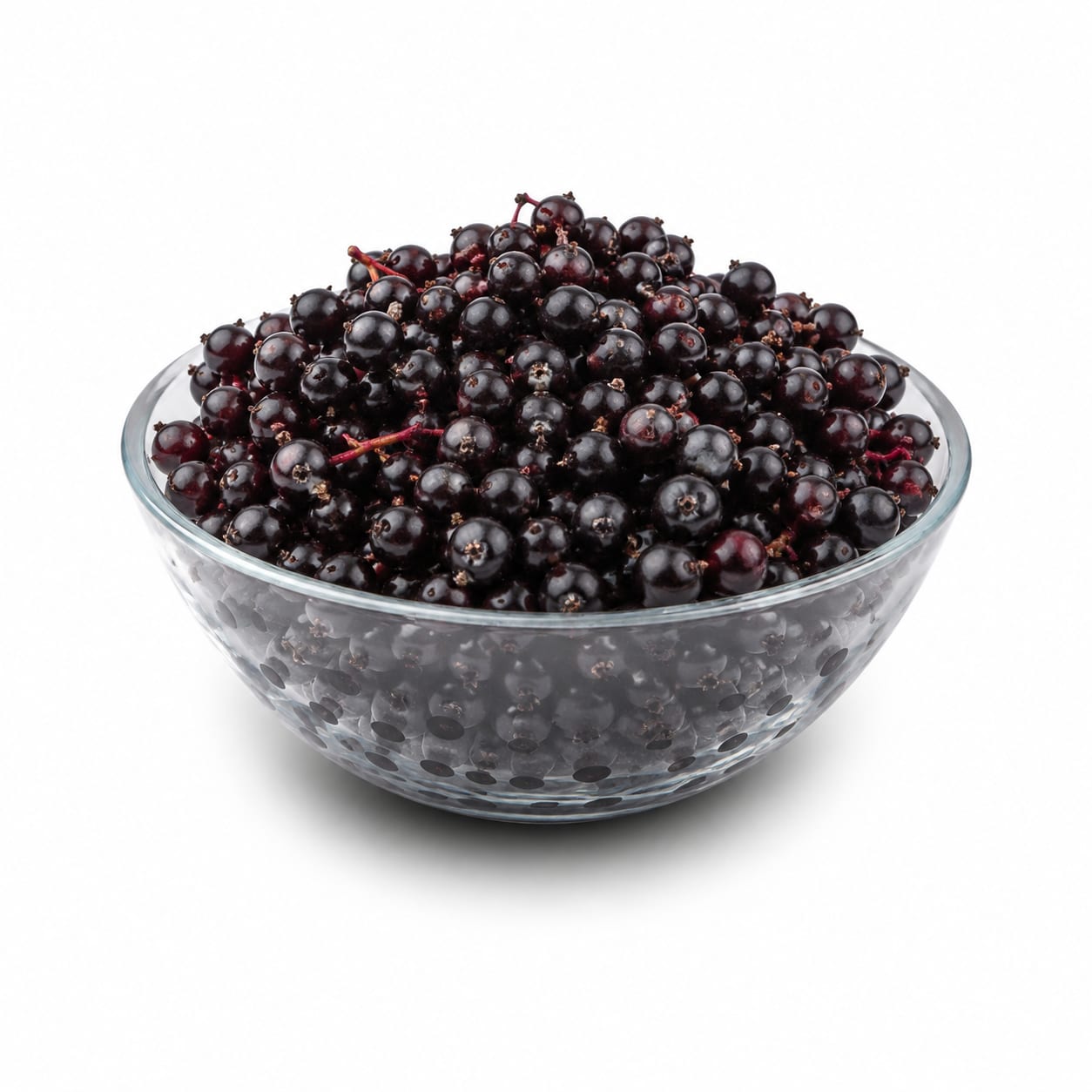
Elderberry
Blackcurrants are a safer, Vitamin C-packed daily booster, while elderberries are a potent but strictly cooked remedy for cold and flu season.
Blackcurrants score higher due to raw safety and superior Vitamin C content, making them more practical for daily use. Elderberries are powerful but restricted by preparation requirements and toxicity risks if consumed raw.
Unmatched Vitamin C and raw safety versus targeted immune compounds that require careful preparation.
At a glance
Executive summary
Overall
It depends
Healthier
It depends
More practical
Blackcurrant
Daily use
Blackcurrant
Key comparison lenses
Immune system support strategies
Both berries are famous for immunity, but they target it differently—daily defense versus acute cold relief.
Safety and preparation requirements
Elderberries are toxic raw and must be cooked, while blackcurrants are safe to eat straight off the bush.
Vitamin C and antioxidant density
Blackcurrants are a world-class source of Vitamin C, completely outclassing elderberries in this specific nutrient.
Culinary versatility and convenience
Blackcurrants work well in both sweet and savory dishes raw or cooked, whereas elderberries are mostly limited to cooked syrups and jams.
Best choice for
Blackcurrant
- Daily Vitamin C intake
- Safe raw snacking
- Iron absorption support
Elderberry
- Acute cold and flu symptom relief
- Making immune-support syrups
- High anthocyanin antioxidant intake
Least suitable for
Blackcurrant
- People who dislike very tart flavors
- Those looking specifically for antiviral cold remedies
Elderberry
- Raw snacking or smoothies
- Households with young children who might eat raw berries
Deep comparison
Dimension by dimension
Each lens scores both foods and breaks down who each option suits.
- Dimension 1 · Priority 95It depends
Immune Support & Antioxidant Density
Blackcurrant · 88Elderberry · 90Elderberry is famous for fighting colds, while blackcurrant offers superior daily Vitamin C protection.
Tradeoff
Targeted cold relief versus everyday immune maintenance.
Why it matters
Choosing depends on whether you are actively fighting a bug or maintaining baseline health.
Real-world impact
Reach for elderberry syrup at the first sign of a scratchy throat; eat blackcurrants for daily resilience.
Blackcurrant
- Daily immune maintenance
- Preventing oxidative stress from exercise
Better for
- Targeted antiviral effects during active illness
Worse for
Elderberry
- Shortening duration of colds and flu
- Acute immune support
Better for
- Convenient daily raw consumption
Worse for
- Dimension 2 · Priority 90Blackcurrant
Safety and Preparation
Blackcurrant · 95Elderberry · 45Blackcurrants are safe to eat right off the bush, but raw elderberries contain toxins that cause nausea and vomiting.
Tradeoff
Grab-and-go safety versus mandatory cooking to neutralize cyanogenic glycosides.
Why it matters
Eating raw elderberries can cause severe stomach upset, making them dangerous for casual snacking.
Real-world impact
You can toss blackcurrants into a salad; elderberries must always be cooked or processed into syrup first.
Blackcurrant
- Raw snacking
- Quick smoothie additions
- Foraging without fear
Better for
- None regarding safety
Worse for
Elderberry
- Making shelf-stable medicinal syrups
Better for
- Risk of poisoning if eaten raw
- Unsuitable for raw dessert garnishes
Worse for
- Dimension 3 · Priority 85Blackcurrant
Vitamin C Content
Blackcurrant · 98Elderberry · 60Blackcurrants are one of the richest sources of Vitamin C available, far outpacing elderberries.
Tradeoff
Massive Vitamin C boost versus relying more on other antioxidants like anthocyanins.
Why it matters
Vitamin C is crucial for collagen, skin health, and iron absorption.
Real-world impact
A handful of blackcurrants easily covers your daily Vitamin C needs; elderberries cannot do this.
Blackcurrant
- Collagen production and skin health
- Enhancing plant-based iron absorption
Better for
- None
Worse for
Elderberry
- Those who get Vitamin C elsewhere and want different antioxidants
Better for
- Relying on it for Vitamin C needs
Worse for
- Dimension 4 · Priority 75Blackcurrant
Culinary Versatility
Blackcurrant · 85Elderberry · 65Blackcurrants shine in both sweet and savory dishes, while elderberries are mostly limited to sweet syrups and jams.
Tradeoff
Broad culinary applications versus a narrower niche as a medicinal preserve.
Why it matters
Versatility makes it easier to include a food in your regular diet without getting bored.
Real-world impact
Blackcurrants make great sauces for meat, tangy desserts, and fresh toppings; elderberries are rarely used outside of syrups and jams.
Blackcurrant
- Savory sauces
- Fresh toppings
- Baking
Better for
- None
Worse for
Elderberry
- Sweet syrups
- Jams and jellies
Better for
- Savory cooking
- Raw applications
Worse for
Timeline
Health impact over time
Short-term
Hours to days
Blackcurrant
- Quick Vitamin C boost
- Tart, energizing flavor
Elderberry
- Potential nausea if eaten raw
- Soothing effect when taken as a warm syrup during illness
Long-term
Months to years
Blackcurrant
- Better skin health from high Vitamin C
- Reduced oxidative stress
Elderberry
- Improved immune resilience
- Consistent antioxidant intake if consumed as cooked syrup
Risk profile
Safety & processing
Both are whole, natural berries when bought fresh or frozen. However, commercial elderberry syrups and gummies often contain added sugars and preservatives, whereas blackcurrants are more commonly consumed in their whole or juiced form.
Blackcurrant
Pesticide residue
lowAs with all berries, washing before eating is recommended to remove surface residues.
Elderberry
Cyanogenic glycosides
highRaw elderberries contain compounds that release cyanide, causing nausea, vomiting, and diarrhea. Cooking neutralizes these toxins.
Misidentification
mediumWild elderberry can be confused with toxic water hemlock or other dangerous lookalikes if foraging.
Who wins for whom
Audience fit
Same foods, different winners depending on your goal.
children
BlackcurrantSafe to eat raw and easy to blend into snacks, whereas raw elderberries pose a poisoning risk to curious kids.
daily consumption
BlackcurrantSafe, versatile, and packed with daily-required Vitamin C, making it an easy everyday habit.
diabetes
BlackcurrantBlackcurrants are lower in sugar and rarely processed into high-sugar syrups, unlike many commercial elderberry products.
elderly
It dependsElderberry is excellent for flu prevention in older adults, but blackcurrant provides better daily joint and skin support.
muscle gain
It dependsNeither is a protein source, but blackcurrants offer Vitamin C which supports collagen formation for joint health.
weight loss
BlackcurrantBoth are low in calories, but blackcurrants are safer for spontaneous raw snacking without the risk of stomach upset.
Your move
Decision guide
Choose Blackcurrant
- You want a safe, raw berry for smoothies and snacking
- You need a massive daily Vitamin C boost
- You prefer versatile culinary berries for cooking and baking
Choose Elderberry
- You are making a targeted cold-fighting syrup
- You want acute immune support during flu season
- You are comfortable cooking them thoroughly first
Either works if
- You want antioxidant-rich berries for a homemade jam
- You are adding cooked berries to warm oatmeal
Avoid both if
- You have a severe berry allergy
Final recommendation
Keep blackcurrants in your fridge for daily snacking and Vitamin C, but stock cooked elderberry syrup in your medicine cabinet for cold season.
Practical
Consumer tips
- 1
Never eat raw elderberries; always cook them for at least 20 minutes to destroy toxins.
- 2
Look for frozen blackcurrants if fresh are not available—they retain their Vitamin C extremely well.
- 3
When buying elderberry syrup, check the sugar content; many commercial brands are loaded with added sweeteners.
- 4
Add blackcurrants to your morning oatmeal or yogurt for a tart, immune-supporting kick.