
Nutrition comparison
Blackcurrant vs Strawberry: Nutrition, Pesticides, and Taste Compared
Discover the key differences between blackcurrants and strawberries. Compare Vitamin C, antioxidants, sugar, and pesticide risk to find out which berry is best for you.
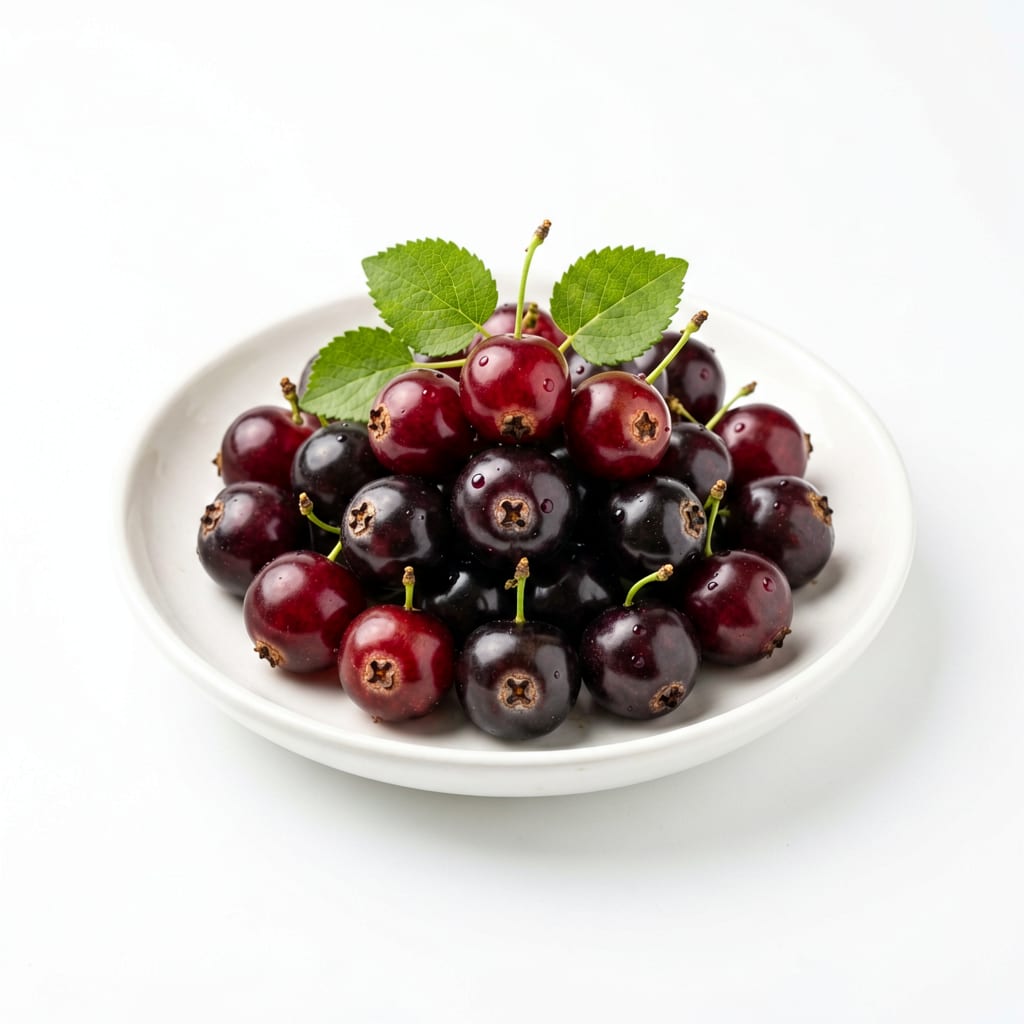
Blackcurrant
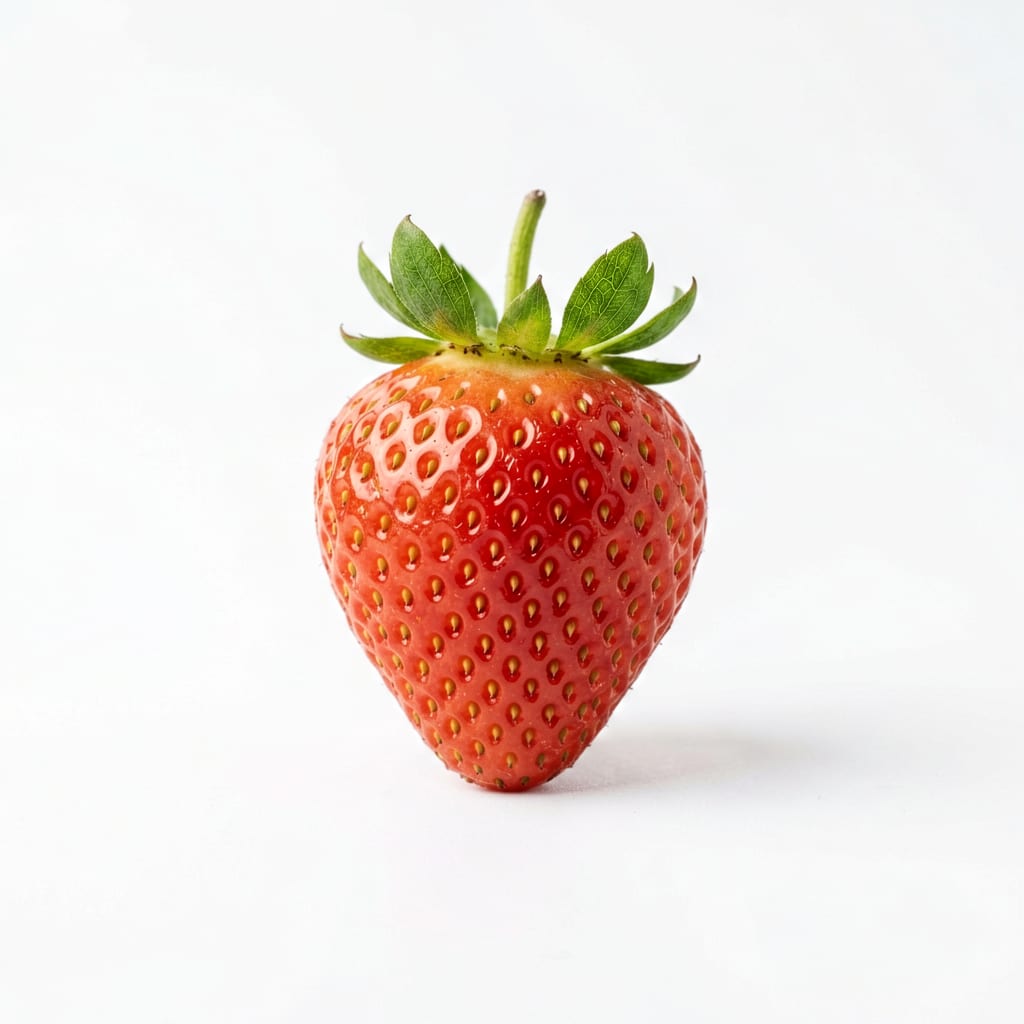
Strawberry
Blackcurrants win on raw nutritional power and safety, but strawberries are far more practical and enjoyable for everyday fresh snacking.
Blackcurrant scores slightly higher due to its exceptional nutrient density and cleaner pesticide profile, but Strawberry remains very close because of its superior palatability and everyday convenience.
You trade the intense nutrient density and lower pesticide risk of blackcurrants for the sweet, versatile, and easy-to-eat nature of strawberries.
At a glance
Executive summary
Overall
It depends
Healthier
Blackcurrant
More practical
Strawberry
Daily use
Strawberry
Key comparison lenses
Antioxidant and Vitamin C density
Blackcurrants are famously rich in Vitamin C and anthocyanins, far outpacing strawberries, making this the most striking nutritional difference.
Pesticide exposure and safety
Strawberries consistently rank at the top of the EWG Dirty Dozen list for pesticide residues, while blackcurrants generally have lower exposure.
Everyday palatability and fresh eating
Strawberries are sweeter and a staple fresh snack, whereas blackcurrants are quite tart and often require sweetening or processing.
Best choice for
Blackcurrant
- Maximizing Vitamin C and antioxidant intake
- Reducing exposure to pesticide residues
- Supporting eye health and reducing inflammation
Strawberry
- A sweet, hydrating whole-food snack
- Adding fruit to meals without added sweeteners
- Feeding kids who reject tart flavors
Least suitable for
Blackcurrant
- People who dislike tart or sour flavors
- Those looking for a quick, ready-to-eat fresh snack (depending on availability)
Strawberry
- Those strictly avoiding high-pesticide conventional produce
- People wanting the absolute highest vitamin C per bite
Deep comparison
Dimension by dimension
Each lens scores both foods and breaks down who each option suits.
- Dimension 1 · Priority 95Blackcurrant
Vitamin C and Antioxidant Density
Blackcurrant · 98Strawberry · 75Blackcurrants are an absolute powerhouse of Vitamin C and anthocyanins, delivering significantly more per serving than strawberries.
Tradeoff
You get a massive nutritional upgrade with blackcurrants, but their tartness makes them harder to eat in large quantities raw.
Why it matters
Higher antioxidant intake supports immune resilience and reduces cellular stress more effectively.
Real-world impact
Eating blackcurrants can help you hit your Vitamin C targets easily, whereas strawberries require larger portions to get the same effect.
Blackcurrant
- Fighting off a cold
- Post-workout recovery
- Reducing oxidative stress
Better for
- Those who want a sweet, dessert-like fruit experience
Worse for
Strawberry
- Getting a mild vitamin boost while enjoying a treat
Better for
- Situations requiring maximum antioxidant impact per calorie
Worse for
- Dimension 2 · Priority 85Blackcurrant
Pesticide Residue and Safety
Blackcurrant · 85Strawberry · 45Conventional strawberries are heavily treated with pesticides, while blackcurrants typically carry a much lower residue burden.
Tradeoff
Strawberries are easy to find year-round, but conventionally grown ones are a top concern for pesticide exposure.
Why it matters
Chronic pesticide exposure can disrupt hormones and gut health, making the source of your berries highly important.
Real-world impact
If you cannot afford organic, blackcurrants are a safer bet for avoiding chemical residues on your fruit.
Blackcurrant
- Eating conventional fruit on a budget
- Minimizing toxic load
Better for
Strawberry
- Situations where organic strawberries are easily available
Better for
- Families concerned about chemical exposure in kids
Worse for
- Dimension 3 · Priority 80Strawberry
Fresh Eating and Palatability
Blackcurrant · 55Strawberry · 92Strawberries are naturally sweet and universally loved raw, while blackcurrants are very tart and often need sweetening.
Tradeoff
Strawberries are an effortless snack, but blackcurrants usually require preparation like adding sweetener or blending into a smoothie.
Why it matters
If a food is not enjoyable to eat, you are less likely to eat it consistently, regardless of its health benefits.
Real-world impact
You can easily snack on a bowl of fresh strawberries, but a bowl of raw blackcurrants is a challenge for most palates.
Blackcurrant
- Adding a tangy kick to yogurt or smoothies
Better for
- Packing a sweet snack for a child's lunchbox
Worse for
Strawberry
- A quick afternoon snack
- Topping oatmeal or cereal naturally
- Dessert fruit platters
Better for
- Dimension 4 · Priority 70Blackcurrant
Blood Sugar and Low-Carb Fit
Blackcurrant · 82Strawberry · 75Blackcurrants have slightly more fiber and less sugar per serving, giving them a gentle edge for blood sugar stability.
Tradeoff
Both are solid low-sugar fruit choices, but blackcurrants are a bit denser in fiber which slows sugar absorption.
Why it matters
More fiber means steadier energy and less of a blood sugar rollercoaster.
Real-world impact
Blackcurrants are less likely to trigger sweet cravings later in the day compared to the sweeter strawberry.
Blackcurrant
- Strict low-carb diets
- Managing afternoon energy crashes
Better for
Strawberry
- Pre-workout light energy
Better for
- Those very sensitive to even natural fruit sugars
Worse for
Timeline
Health impact over time
Short-term
Hours to days
Blackcurrant
- Provides a rapid immune boost from high Vitamin C
- Offers a tart, refreshing zing that can curb sweet cravings
Strawberry
- Provides quick hydration and a mild energy lift
- Satisfies a sweet tooth with whole-food fiber
Long-term
Months to years
Blackcurrant
- Supports eye health and circulation via anthocyanins
- Helps maintain low systemic inflammation
Strawberry
- Supports heart health through potassium and folate
- Contributes to skin health from Vitamin C and hydration
Risk profile
Safety & processing
Both are whole, minimally processed fruits when eaten fresh. However, blackcurrants are more commonly consumed as juices or jams, which often add significant sugar and reduce their natural advantage.
Blackcurrant
Added sugars in processed forms
mediumBecause fresh blackcurrants are tart, they are frequently processed into syrups, jams, and juices loaded with added sugar.
Strawberry
High pesticide residue
highStrawberries consistently top the EWG Dirty Dozen list due to their soft skin and heavy pesticide use in conventional farming.
Mold and rapid spoilage
mediumStrawberries spoil very quickly and can harbor mold soon after purchase, requiring careful washing and fast consumption.
Who wins for whom
Audience fit
Same foods, different winners depending on your goal.
children
StrawberryStrawberries are naturally sweet and much more appealing to kids' palates than the intensely tart blackcurrant.
daily consumption
StrawberryStrawberries are easier to find fresh, easier to eat raw, and more versatile in daily meals without needing added sweeteners.
diabetes
BlackcurrantBlackcurrants have a slightly better fiber-to-sugar ratio and are less sweet, leading to gentler blood sugar responses.
elderly
BlackcurrantThe high anthocyanin content in blackcurrants supports eye health and cognitive function, which are key concerns as we age.
muscle gain
BlackcurrantBlackcurrants offer more Vitamin C per serving, which helps reduce oxidative stress and supports tissue repair after heavy training.
weight loss
StrawberryStrawberries are lower in calories per volume and their sweetness makes them a more satisfying substitute for high-calorie desserts.
Your move
Decision guide
Choose Blackcurrant
- You want maximum nutritional value and antioxidant power per bite
- You are concerned about pesticide exposure and cannot buy organic
- You enjoy tart flavors or love adding tang to smoothies and yogurt
Choose Strawberry
- You want a sweet, refreshing whole-food snack
- You are meal-prepping for kids or picky eaters
- You can source organic berries to avoid pesticide risks
Either works if
- You are looking for a low-calorie fruit to add to a morning smoothie
- You just want some fresh berries to mix into a fruit salad
Avoid both if
- You have a severe berry allergy or salicylate sensitivity
Final recommendation
Keep strawberries as your everyday fresh snacking fruit (opting for organic when possible), but treat blackcurrants as your nutritional supplement—blend them into smoothies or keep frozen ones on hand for a massive antioxidant boost.
Practical
Consumer tips
- 1
If buying conventional strawberries, wash them thoroughly with a baking soda soak to reduce surface pesticides.
- 2
Buy frozen blackcurrants to save money and ensure you always have the nutritional powerhouse on hand for smoothies.
- 3
Be wary of blackcurrant juices and jams, as they often contain more added sugar than actual fruit.
- 4
To enjoy fresh blackcurrants, pair them with a sweeter fruit like banana or mango to balance the tartness.