
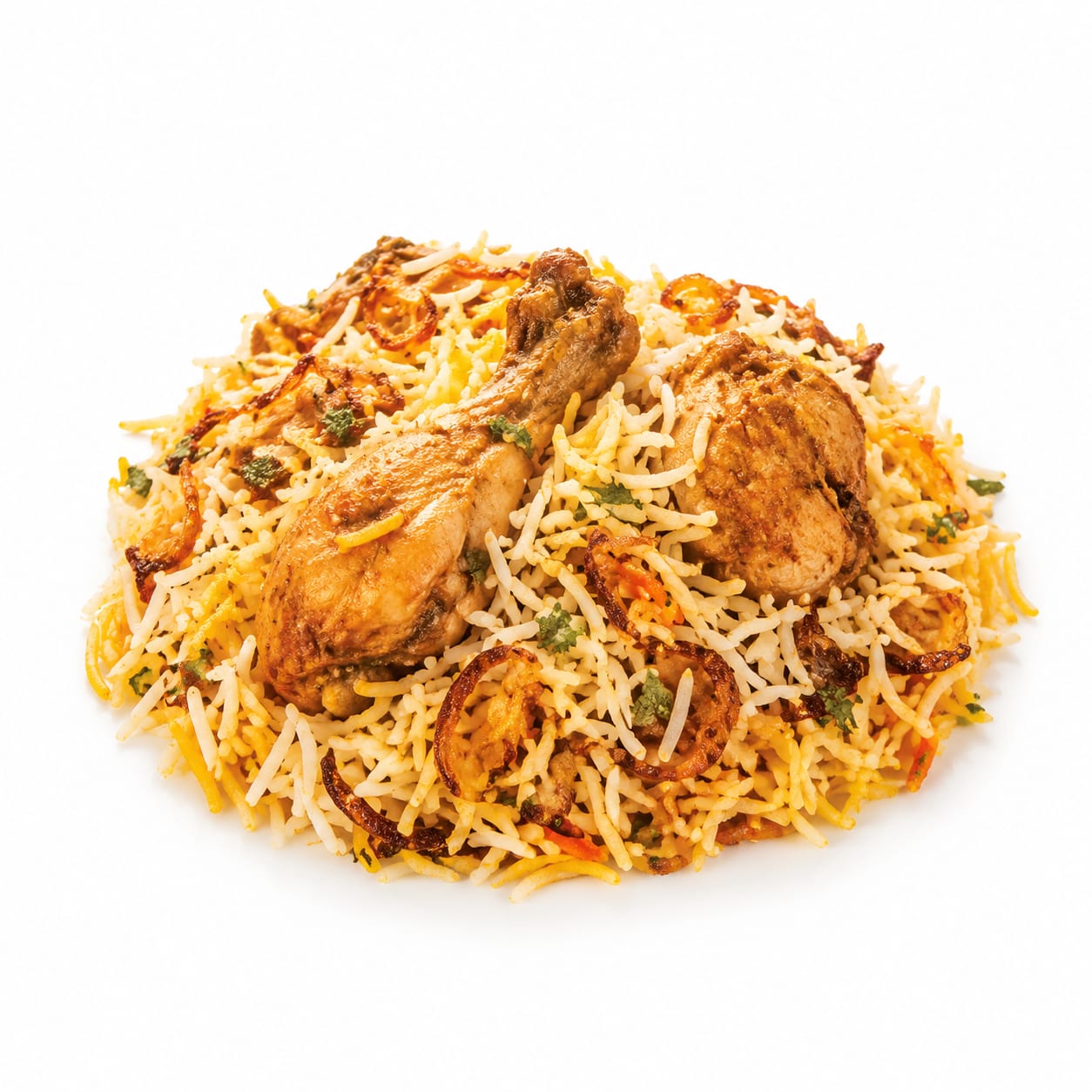
Mixed Rice Dish
Biryani
A spiced mixed rice dish from the Indian subcontinent combining meat or vegetables with aromatic basmati rice.
A flavorful South Asian mixed rice dish made with aromatic spices, basmati rice, and meat, seafood, or vegetables, often served during celebrations and gatherings.
calorie-dense carbohydrate and protein composite dish
Typical serving · 250g
Common varieties · chicken biryani, mutton biryani, vegetable biryani, beef biryani, prawn biryani +1 more
Overall context score across nutrition, safety, and diet fit
The story
What makes it unique
A composite dish primarily of refined carbohydrates (white basmati rice) and protein/fat (meat, ghee, oil). Digestion speed is moderated by fat and protein content compared to plain rice, but it remains a calorie-dense, moderate-glycemic meal with low fiber content.
Varieties: chicken biryani · mutton biryani · vegetable biryani · beef biryani · prawn biryani · egg biryani
Per 100g
Nutrition breakdown
Macro balance and key metrics at a glance.
Energy
Density 1.60 kcal/g
Protein
Carbs
Fat
Fiber
Sugar
0.5 g
Sodium
250 mg
Potassium
150 mg
Glycemic index
55
Glycemic load
10
Water content
65%
Standout compounds
Nutrient highlights
selenium
moderatesupports thyroid function and antioxidant defense
b vitamins
moderateaids energy metabolism from meat and rice
sodium
highexcessive intake risk from added salt and spices
saturated fat
moderateadds flavor but may impact heart health in large amounts
Wellness map
Health scores & processing
NOVA processing scale
moderately processed composite dish · Whole food
Traditional biryani is a culinary preparation using whole foods like meat and rice combined with processed culinary ingredients like ghee, oil, and spice blends. Commercial or instant versions may qualify as ultra-processed.
Diet compatibility
- Weight loss
- Muscle gain
- Diabetes
- Gut health
- Low carb
- High protein
- Heart health
Relative standing
Food rankings
Qualitative ranks compared to similar whole foods.
- Satietygood
- Blood sugarmoderate
- Nutrient densitymoderate
- Fitness fuelgood
- Processing qualitymoderate
Eat with confidence
Food safety profile
Primary risks involve improper storage of cooked rice leading to Bacillus cereus growth, and potential arsenic exposure from basmati rice. Meat sourcing affects antibiotic exposure.
Evidence confidence 85%
- Pesticideslow
- Antibioticsmoderate
- Heavy metalsmoderate
- Contaminationmoderate
Watch for
- bacillus cereus
- arsenic
- antibiotic residues
Safer choices
Organic or ethically sourced meat, thoroughly washed basmati rice.
Prep tips
Wash rice thoroughly before cooking. Refrigerate leftovers immediately to prevent bacterial growth.
Spice adulteration with lead chromate or artificial colors is occasionally reported in commercial preparations.
Deep dive
Health analysis
How this food may fit different goals and preparation choices.
Weight loss
High energy density makes portion control critical; a standard serving can easily exceed 400 calories.
Blood sugar
The fat and protein lower the glycemic impact of the rice, but the total carbohydrate load still requires insulin management for diabetics.
Fitness & energy
Provides a balanced mix of carbs for glycogen replenishment and protein for muscle repair, making it a solid post-workout meal.
Gut health
Lacks significant dietary fiber unless heavily modified with vegetables; traditional recipes offer minimal prebiotic benefits.
Processing quality
Home-cooked versions use whole ingredients, but restaurant versions often contain excess refined vegetable oils and artificial colorings.
Food safety
Leftover biryani poses a risk of Bacillus cereus if not cooled and stored rapidly; rice should not sit at room temperature for extended periods.
Common mistakes
Assuming vegetable biryani is low-calorie; the oil and rice content keep the calorie density high.
Best preparation
Using brown basmati rice, reducing ghee/oil, and increasing the meat-to-rice ratio improves the nutritional profile.
Practical guide
Best use cases
When and how this food fits real eating patterns.
post-workout recovery
Provides fast-digesting carbs to replenish glycogen and protein for muscle repair.
bulking diet meal
High calorie density helps meet surplus calorie needs for muscle gain.
cultural celebrations
A staple festive dish that provides balanced macros for occasional indulgence.
Balance sheet
Pros & cons
Upsides
- balanced macronutrient profile from rice and meat
- spices like turmeric and cumin offer anti-inflammatory benefits
- good source of quick energy for active individuals
- protein content supports muscle maintenance
Trade-offs
- high calorie density makes overeating easy
- white basmati rice spikes blood sugar
- restaurant versions are often loaded with excess oil and sodium
- low dietary fiber content
- leftover rice poses food safety risks if improperly stored
Fit check
Who is it for?
Great match
- post-workout glycogen replenishment
- bulking and muscle-building diets
- active individuals needing calorie-dense meals
Consider alternatives
- strict weight loss diets
- low-carb or ketogenic diets
- diabetics managing blood sugar
- those with sodium-sensitive hypertension
Side by side
How it compares
Open the full head-to-head analysis for nutrition, safety, and practical tradeoffs.
This food
Biryani
VS85% alike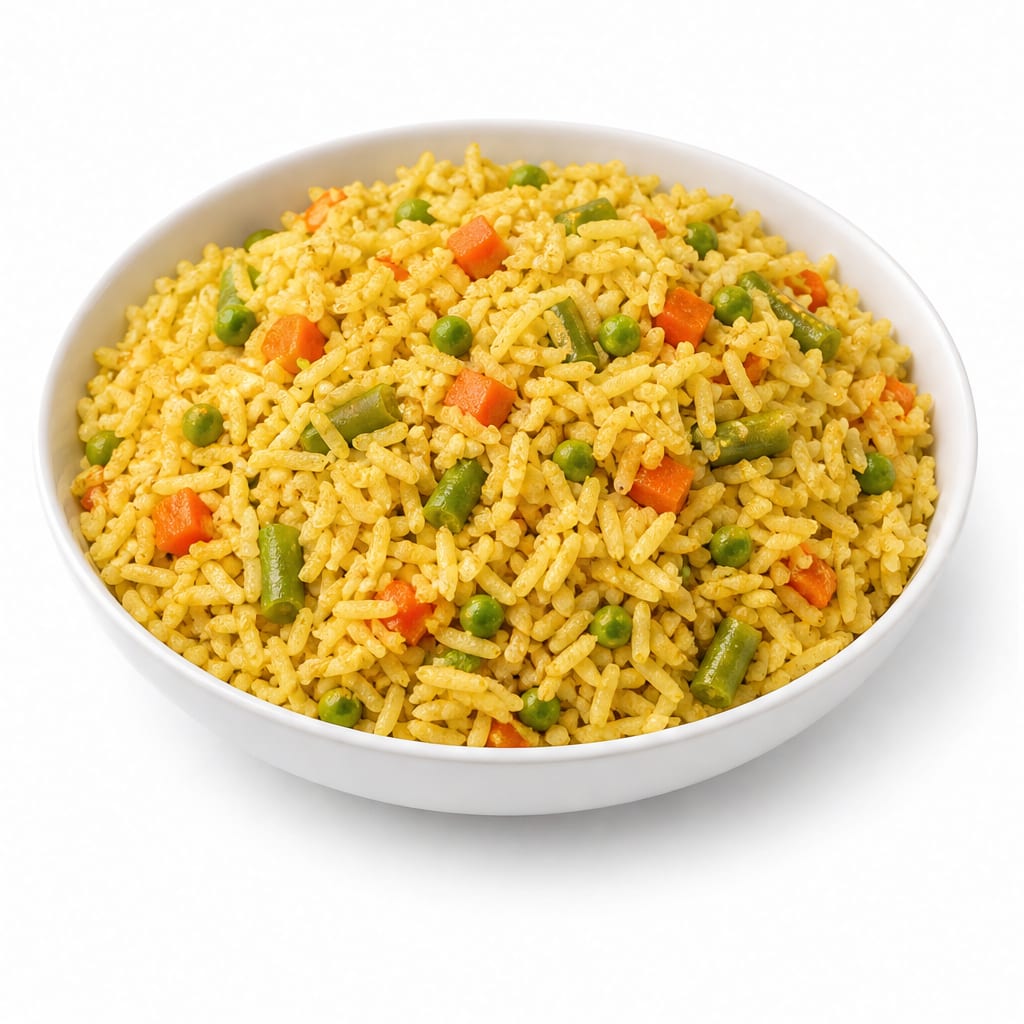
Compare with
Pulao
Pulao is lighter and cooked in a single pot with less oil, while biryani is layered, richer, and more calorie-dense.
Pulao is lower in calories and fat, making it better for weight loss, while biryani offers more protein and satiety.
This food
Biryani
VS80% alike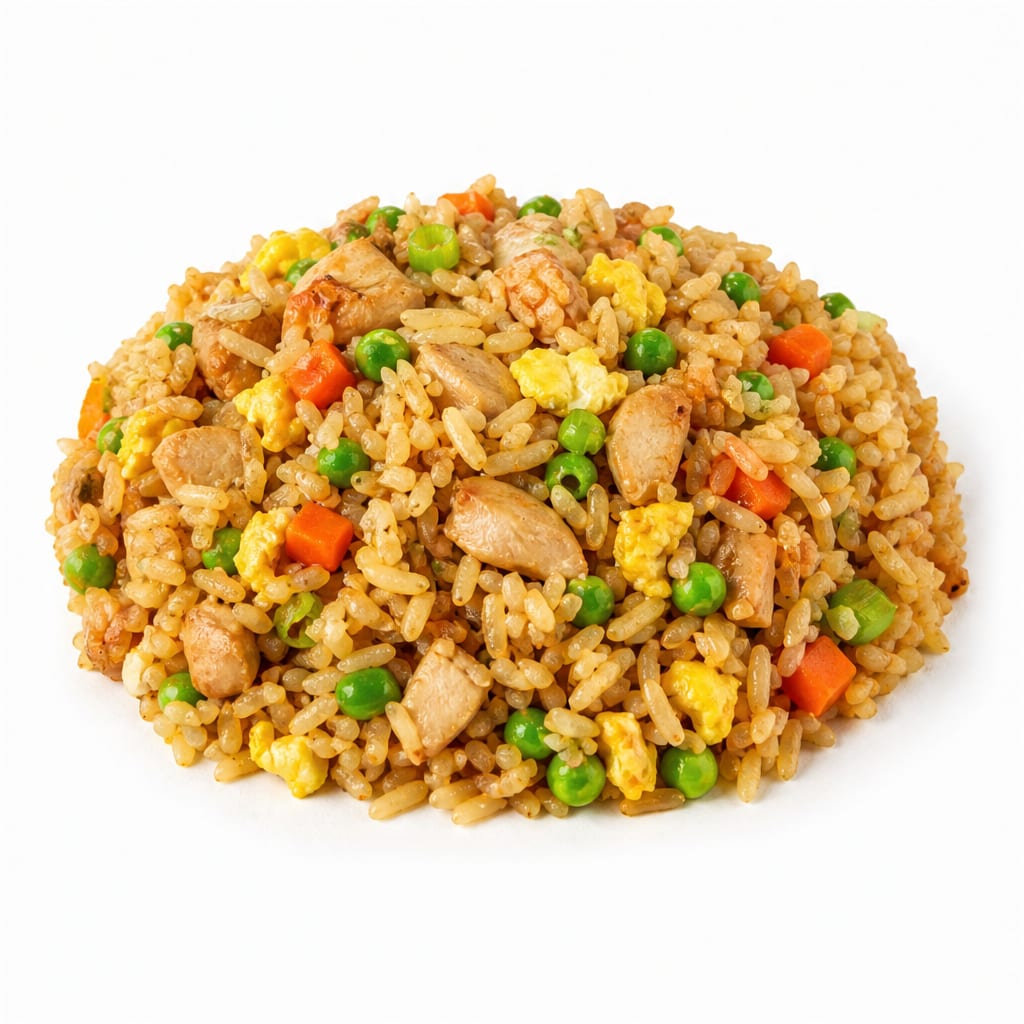
Compare with
Fried Rice
Biryani uses basmati rice and aromatic spices, while fried rice uses shorter grains and soy sauce; biryani generally has a lower glycemic index.
Biryani provides a lower glycemic impact and more protein than typical fried rice, making it the healthier option.
This food
Biryani
VS70% alike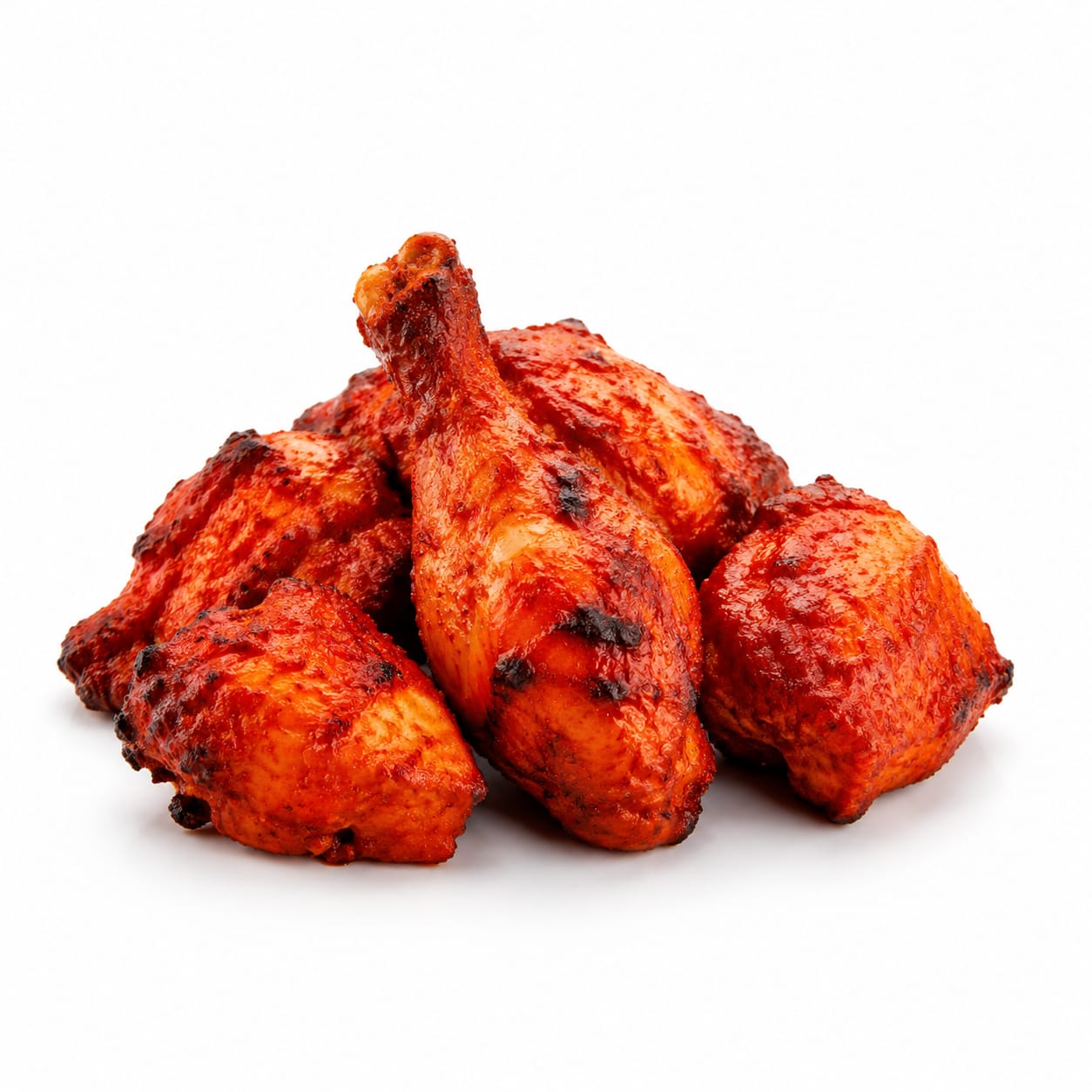
Compare with
Tandoori Chicken
Tandoori chicken provides the protein without the carb-heavy rice, making it far superior for weight loss and blood sugar control.
Tandoori chicken wins for weight loss and blood sugar control by skipping the high-carb rice found in biryani.
This food
Biryani
VS90% alike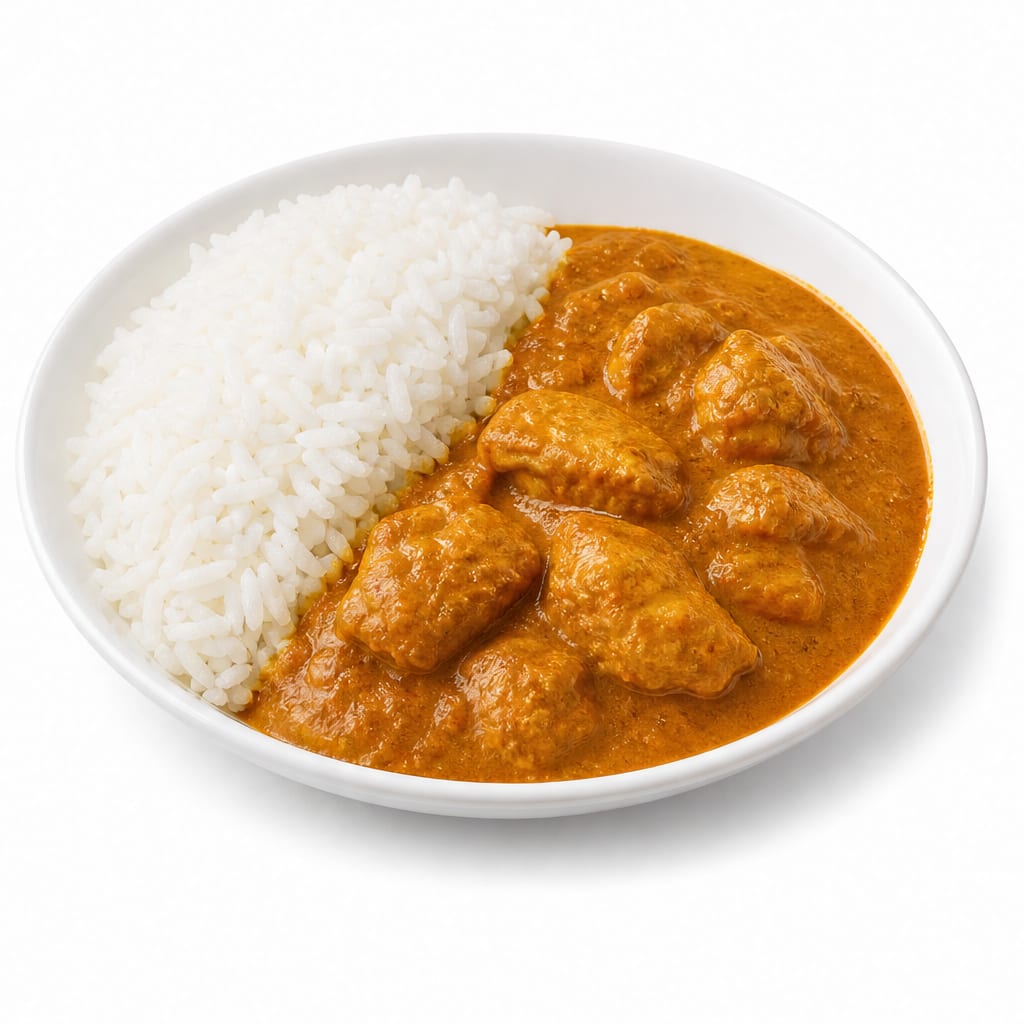
Compare with
Chicken Curry with Rice
Biryani integrates the spices into the rice, while curry and rice keeps them separate; calorie and macronutrient profiles are very similar.
Chicken curry with rice and chicken biryani are nutritionally similar, offering comparable calories, carbs, and protein.
This food
Biryani
VS75% alike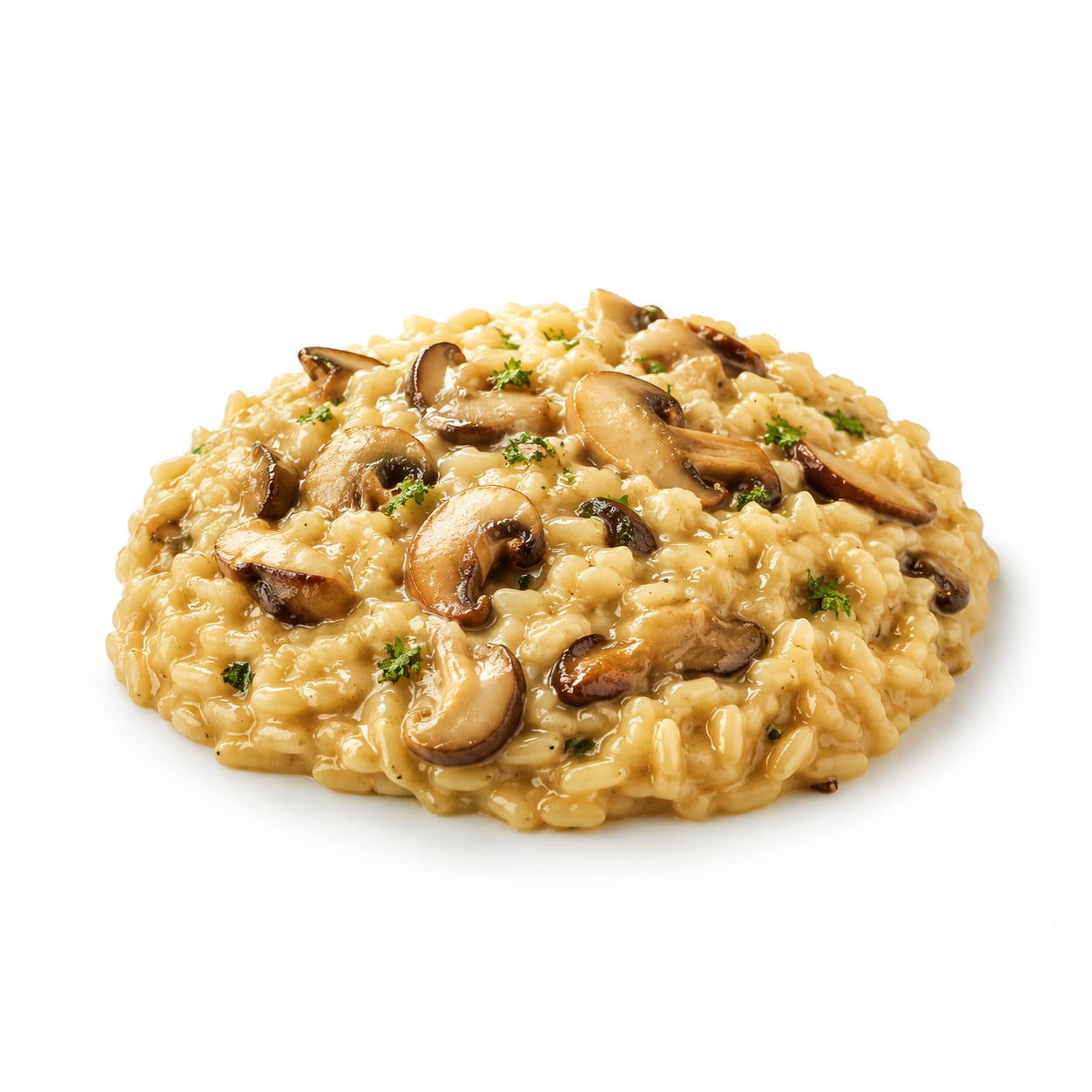
Compare with
Risotto
Risotto uses arborio rice for a creamy texture, while biryani uses basmati for a fluffy texture; biryani is typically lower in butter and higher in spices.
Biryani is usually lower in fat than risotto and uses lower-glycemic basmati rice, making it a leaner choice.
This food
Biryani
VS65% alike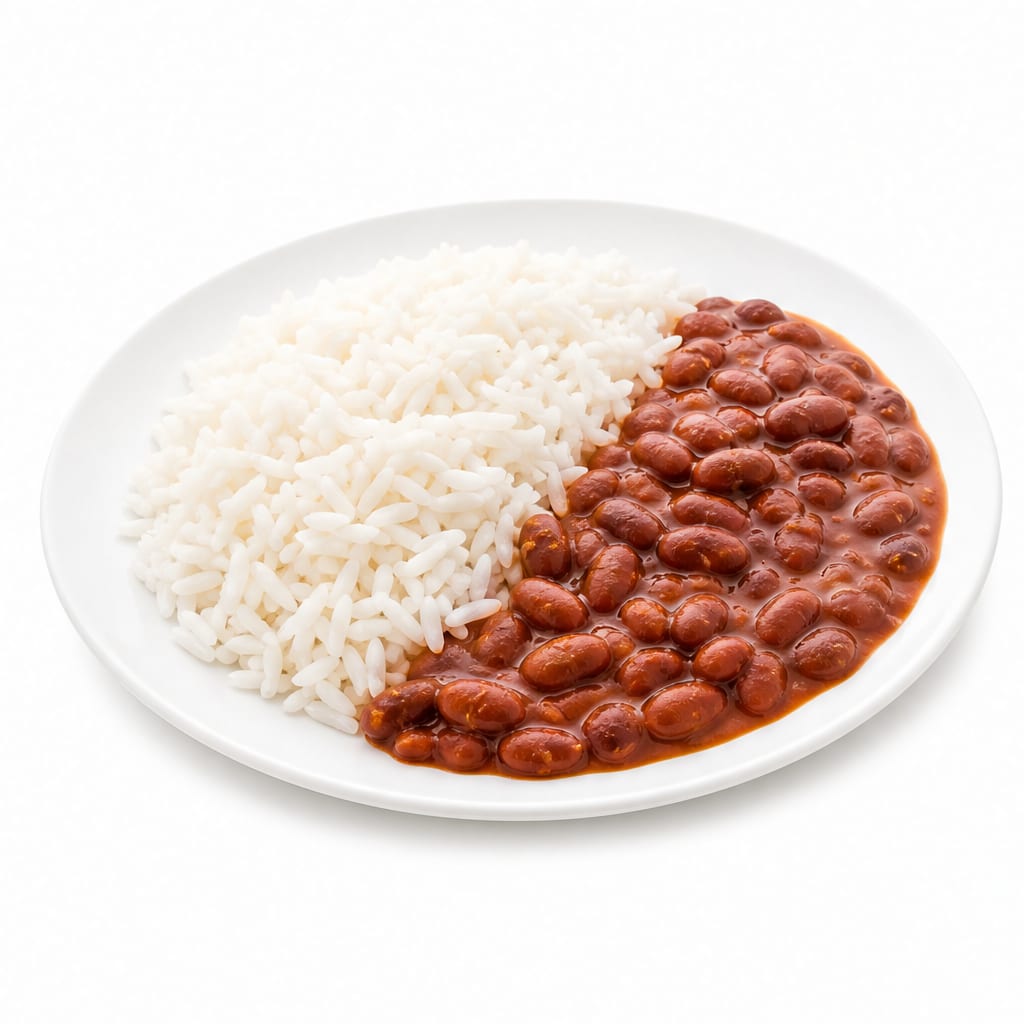
Compare with
White Rice and Beans
Beans add significant fiber and protein, making rice and beans much better for blood sugar control and gut health than biryani.
Rice and beans offer far more fiber and better blood sugar control than biryani, though biryani provides more complete protein.
This food
Biryani
VS60% alike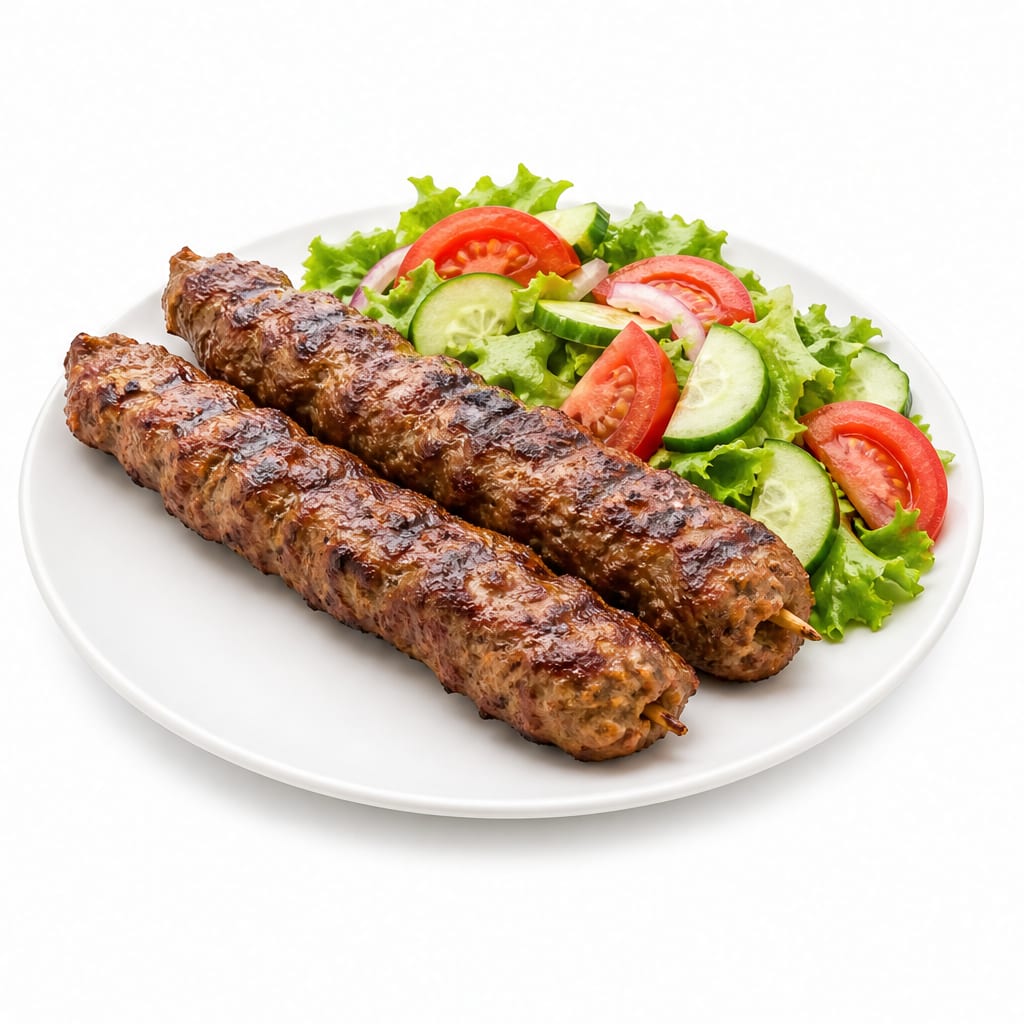
Compare with
Kebab with Salad
Kebab skips the rice entirely, offering high protein with minimal carbs, making it better for low-carb diets and weight loss.
Kebab with salad is much better for weight loss and blood sugar due to its low carb content, while biryani offers more satiety.
This food
Biryani
VS70% alike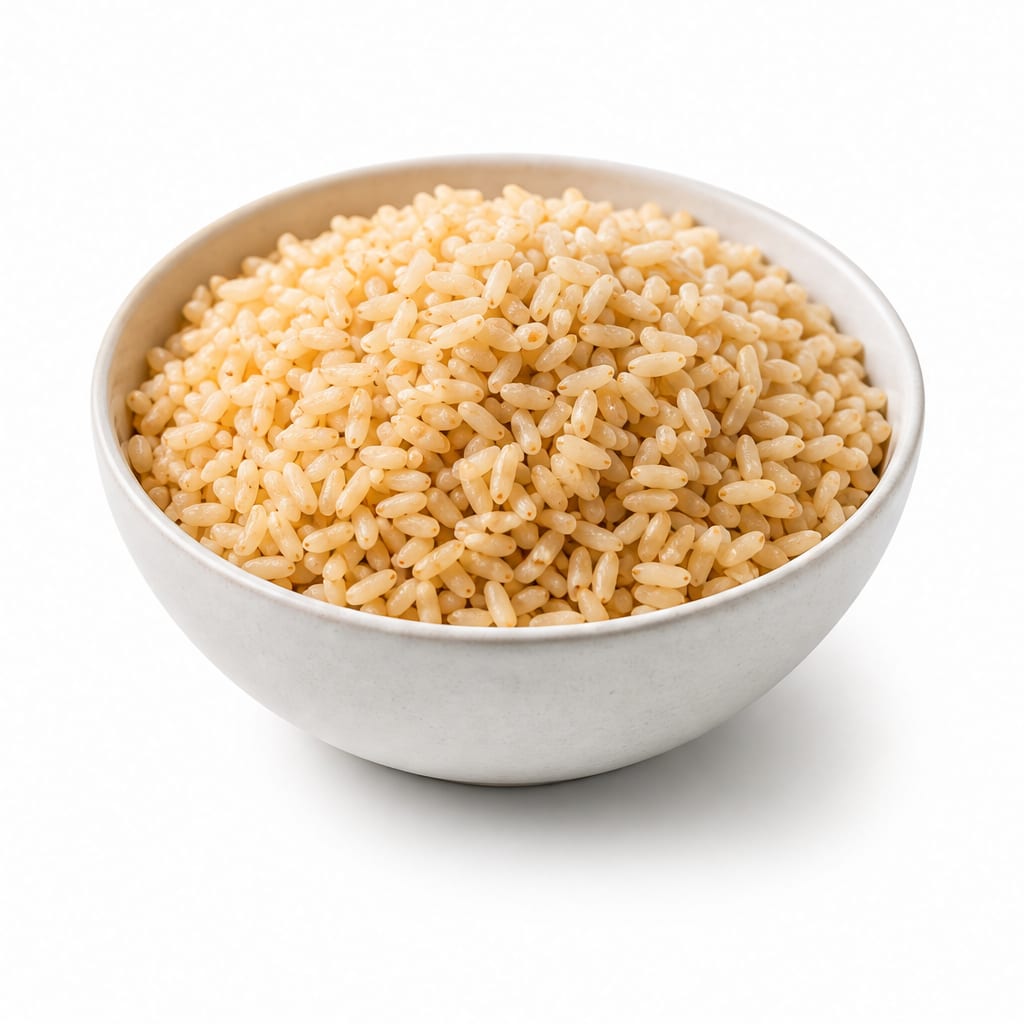
Compare with
Brown Rice Bowl
A brown rice bowl offers vastly more fiber and micronutrients than biryani, though it lacks the rich spice profile and traditional appeal.
A brown rice bowl beats biryani for fiber and blood sugar control, making it the healthier daily-choice alternative.
This food
Biryani
VS75% alike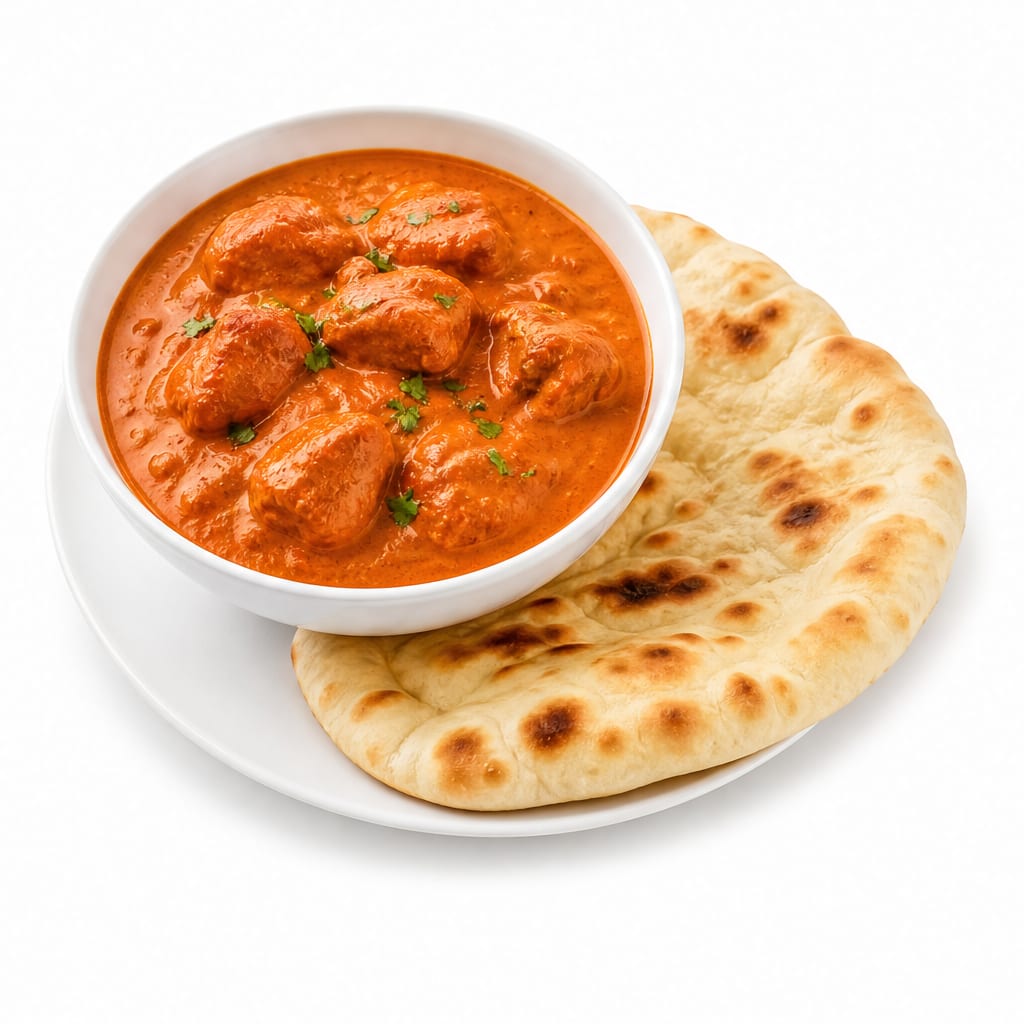
Compare with
Naan and Curry
Naan is refined flour and less nutritious than basmati rice; biryani offers a slightly better glycemic profile and more satiety than naan.
Biryani is a better choice than naan and curry, as basmati rice has a lower glycemic index than refined flour naan.
This food
Biryani
VS50% alike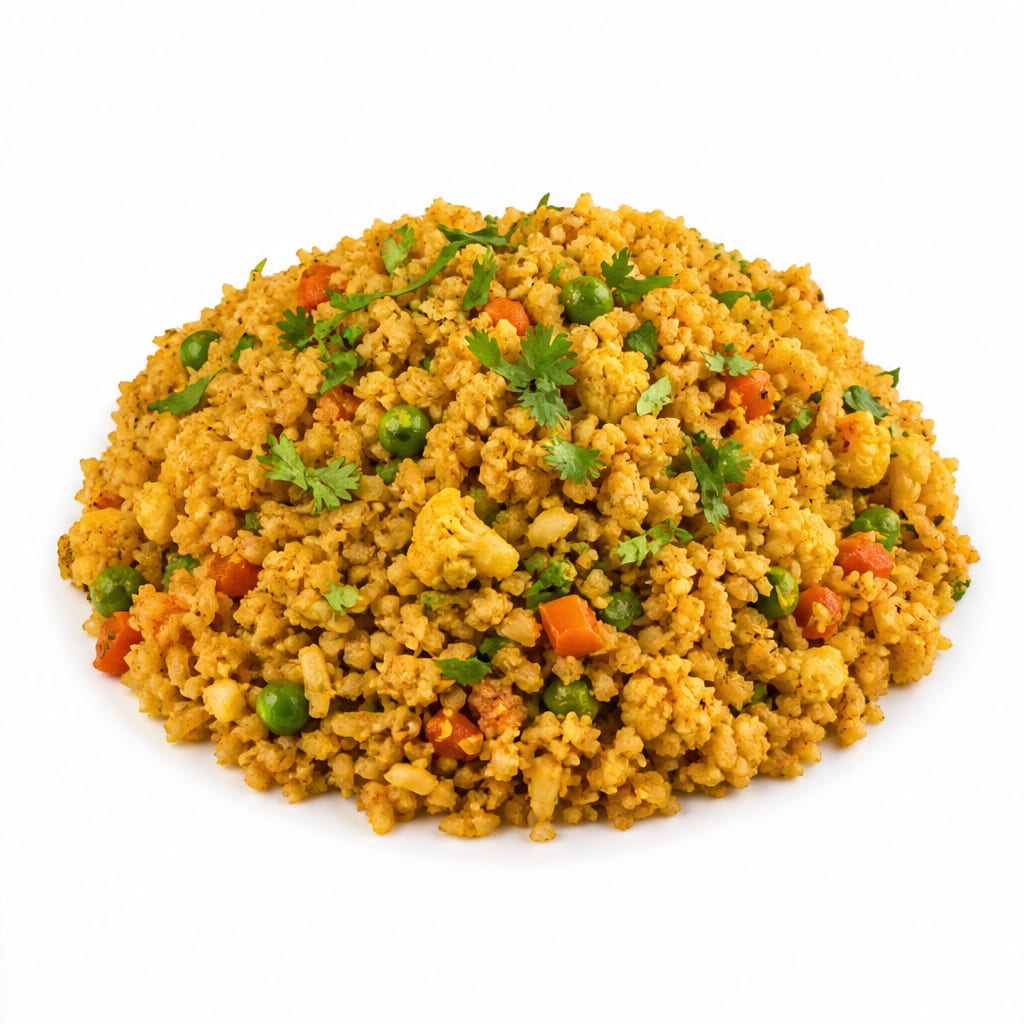
Compare with
Cauliflower Rice Biryani
Cauliflower biryani mimics the spices but slashes calories and carbs by 80%, making it the clear winner for metabolic health.
Cauliflower biryani is vastly superior for weight loss and diabetes management, cutting carbs by 80% compared to traditional biryani.
Common questions
FAQ
Answers aligned with how people search for this food.
How many calories are in one plate of chicken biryani?
A standard restaurant plate of chicken biryani (approx 300g) contains 450-550 calories, primarily from basmati rice and cooking oils.
Is biryani good for weight loss?
Traditional biryani is calorie-dense, making it challenging for weight loss. Opting for less oil and a higher meat-to-rice ratio can help fit it into a weight loss diet.
Can diabetics eat biryani?
Diabetics should eat biryani in strict moderation due to the high carbohydrate content from basmati rice, though the fat and protein help blunt the sugar spike compared to plain rice.
Is vegetable biryani healthier than chicken biryani?
Vegetable biryani is lower in cholesterol and saturated fat but often higher in oil to compensate for flavor, making the calorie difference minimal.
Why does biryani make me sleepy?
The high carbohydrate load from rice increases tryptophan and serotonin production, while the heavy fat content slows digestion, leading to post-meal drowsiness.
Can I eat biryani on a high-protein diet?
Yes, especially chicken or mutton biryani, but you should increase the meat portion and reduce the rice to hit protein targets without overconsuming carbs.
How long is leftover biryani safe to eat?
Leftover biryani should be refrigerated within 2 hours and consumed within 2-3 days to prevent Bacillus cereus food poisoning.
Does biryani have a lot of fiber?
No, traditional biryani is very low in dietary fiber because it uses refined white basmati rice and lacks significant vegetable content.
Transparency
Data confidence
Estimated confidence for nutrition data, interpretation, safety notes, and comparisons.
Nutrition data
Health analysis
Food safety
Comparisons