
Nutrition comparison
Biryani vs Pulao: Nutrition, Calories, and Health Comparison
Comparing Biryani and Pulao: Discover which rice dish is better for weight loss, digestion, and daily eating. Learn the nutritional differences and health impacts.
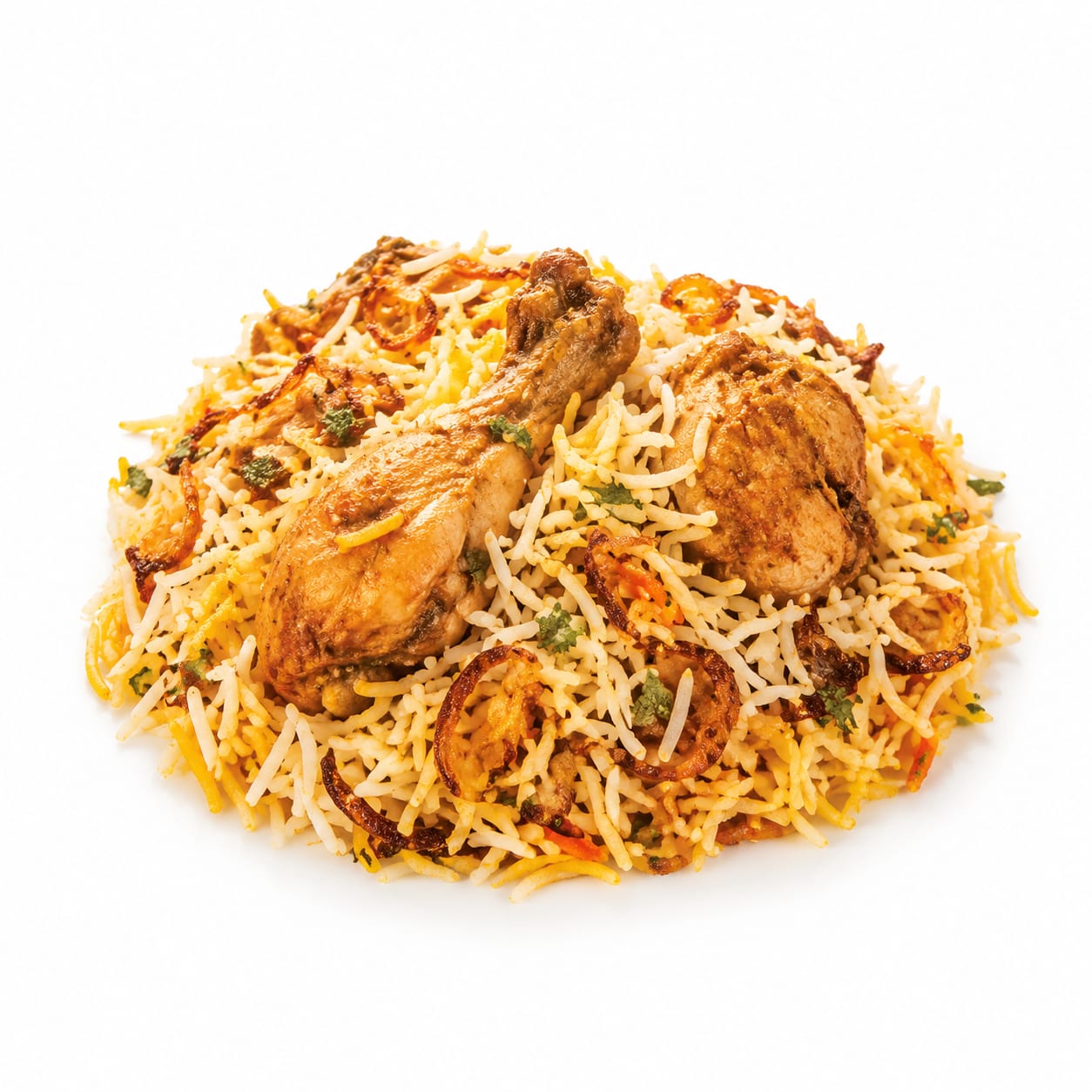
Biryani
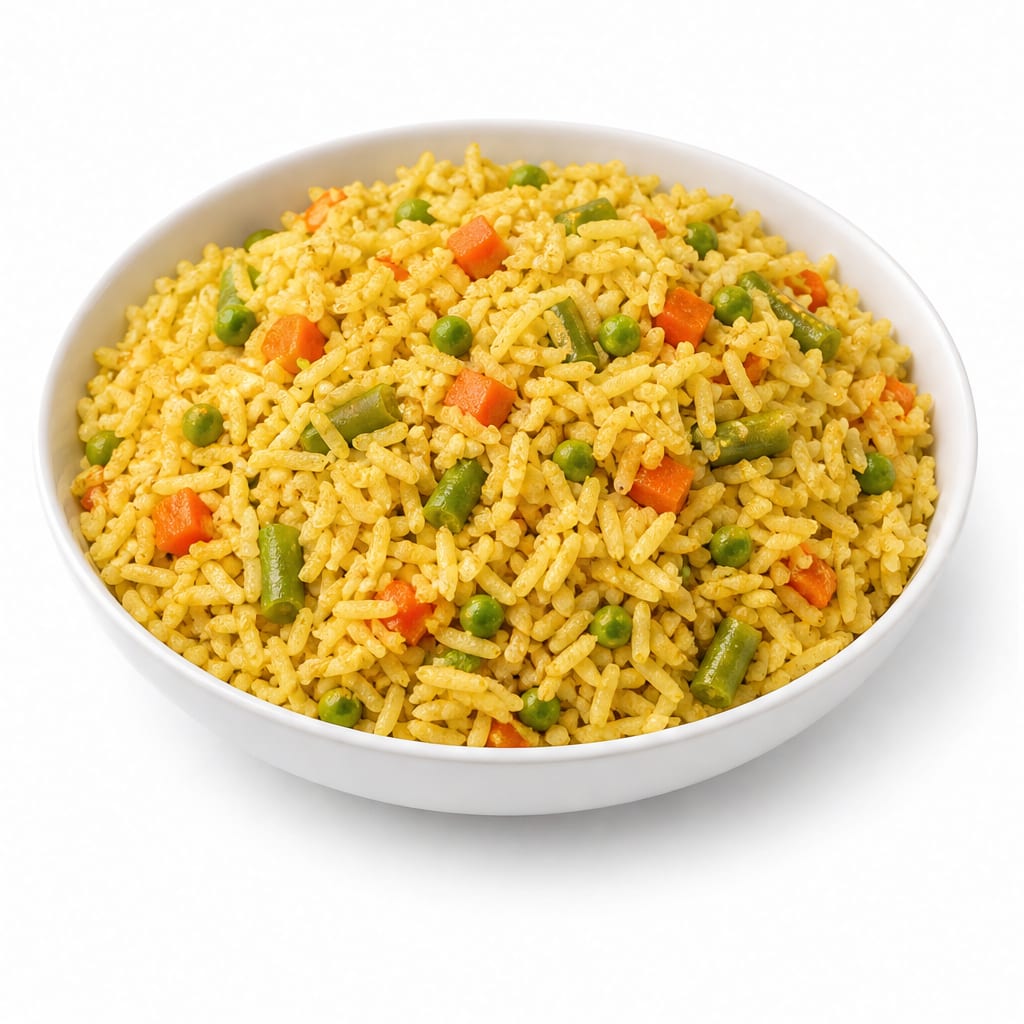
Pulao
Biryani is a rich, celebratory feast while Pulao is a lighter, everyday comfort food.
Pulao scores higher for everyday health due to lower fat and easier digestion, but Biryani offers unmatched satisfaction for occasional indulgence.
Deep flavor and high satiety versus lighter digestion and lower calorie intake.
At a glance
Executive summary
Overall
It depends
Healthier
Pulao
More practical
Pulao
Daily use
Pulao
Key comparison lenses
Calorie density and fat content
Biryani relies heavily on ghee, oil, and fried onions, while Pulao is cooked with minimal fat.
Digestive comfort and heaviness
The rich spices and heavy layering in Biryani often cause sluggishness compared to the lighter Pulao.
Flavor satisfaction and satiety
Biryani is a celebratory dish designed for maximum flavor impact, whereas Pulao is a simpler everyday comfort.
Blood sugar impact
Both are rice-based, but the fat and protein ratio in Biryani changes how the carbs are absorbed.
Best choice for
Biryani
- Special occasions and celebrations
- High-calorie needs for active individuals
- Intense flavor cravings
Pulao
- Weeknight dinners
- Light lunches at the office
- Sensitive stomachs
Least suitable for
Biryani
- Daily consumption
- Calorie-restricted diets
- Acid reflux prone individuals
Pulao
- Feast occasions needing grandeur
- Days requiring massive caloric energy
Deep comparison
Dimension by dimension
Each lens scores both foods and breaks down who each option suits.
- Dimension 1 · Priority 92Pulao
Calorie Density & Fat Content
Biryani · 40Pulao · 82Pulao uses significantly less ghee and oil, making it far less calorie-dense.
Tradeoff
You sacrifice the rich mouthfeel of Biryani but save hundreds of calories per serving.
Why it matters
Lower fat meals are easier to eat regularly without unwanted weight gain.
Real-world impact
A plate of Pulao leaves you comfortably full; Biryani can quickly push you into a heavy food coma.
Biryani
- Bulking up
- High-energy needs for physical labor
Better for
- Fat-restricted diets
- Frequent consumption
Worse for
Pulao
- Weight management
- Light eating
Better for
- Those needing a calorie surplus
Worse for
- Dimension 2 · Priority 88Pulao
Digestive Comfort
Biryani · 38Pulao · 85Pulao is gentler on the stomach due to lighter spices and minimal oil.
Tradeoff
Biryani's complex spice layering and heavy ingredients can trigger heartburn or sluggishness.
Why it matters
Comfortable digestion affects your energy and mood for hours after eating.
Real-world impact
Pulao is a safe bet before an afternoon meeting; Biryani is better saved for a lazy weekend nap.
Biryani
- Those with robust digestion
Better for
- Sensitive stomachs
- GERD
Worse for
Pulao
- Acid reflux sufferers
- Light lunch needs
Better for
- No significant downside
Worse for
- Dimension 3 · Priority 85Biryani
Flavor Satisfaction & Satiety
Biryani · 95Pulao · 65Biryani's layered cooking creates deep, complex flavors that are highly satisfying.
Tradeoff
The intense satisfaction comes at the cost of higher calories and longer prep time.
Why it matters
Meals that truly satisfy reduce the urge to snack later in the day.
Real-world impact
A Biryani meal feels like an event; you eat less afterward because it hits every craving.
Biryani
- Weekend feasts
- Emotional eating comfort
Better for
- When you need a quick, simple meal
Worse for
Pulao
- Quick flavor without the heavy commitment
Better for
- When only a rich, indulgent meal will hit the spot
Worse for
- Dimension 4 · Priority 75It depends
Blood Sugar Stability
Biryani · 55Pulao · 65Pulao often has a higher rice-to-protein ratio, but Biryani's fat slows sugar absorption.
Tradeoff
Biryani's fat helps blunt the carb spike, but the massive portion sizes often negate this benefit.
Why it matters
Preventing blood sugar spikes avoids the afternoon energy crash.
Real-world impact
A meat-heavy Biryani might keep blood sugar steadier than a plain veg Pulao, but portion control is much harder.
Biryani
- Meat-heavy versions with nuts and low rice ratio
Better for
- Massive restaurant portions heavy on white rice
Worse for
Pulao
- Vegetable-rich versions with strict portion control
Better for
- Plain white rice Pulao with no protein or fiber
Worse for
Timeline
Health impact over time
Short-term
Hours to days
Biryani
- Heavy fullness
- Possible food coma
- Satiety for hours
Pulao
- Comfortable fullness
- Steady energy
- Quick digestion
Long-term
Months to years
Biryani
- Weight gain if eaten frequently
- Higher cardiovascular load from saturated fat
Pulao
- Easier weight maintenance
- Better digestive regularity
Risk profile
Safety & processing
Both are traditionally whole-food dishes, but restaurant Biryani often uses artificial food coloring and flavor enhancers, while Pulao typically stays closer to its natural ingredients.
Biryani
Improper cooling of layered meat and rice
highBiryani involves slow-cooking meat and rice, creating a risk of bacterial growth if not cooled and stored properly.
Artificial colors
mediumCommercial Biryani often uses synthetic food dyes for the signature yellow or orange hue.
Pulao
Undercooked rice
lowSince Pulao cooks rice and broth together, it is usually thoroughly cooked, but undercooked basmati can be hard to digest.
Who wins for whom
Audience fit
Same foods, different winners depending on your goal.
children
PulaoLighter spices and easier digestion make Pulao more kid-friendly and less likely to cause tummy aches.
daily consumption
PulaoPulao is light enough to be eaten regularly without overwhelming your system.
diabetes
It dependsBiryani's fat slows carb absorption, but Pulao allows for better portion control. Both require careful carb counting.
elderly
PulaoGentler on the digestive system and lower in heavy fats, making it more suitable for aging metabolisms.
muscle gain
BiryaniBiryani typically packs more meat and ghee, offering higher protein and calories for muscle building.
weight loss
PulaoLower calorie density and less oil make Pulao much easier to fit into a calorie deficit.
Your move
Decision guide
Choose Biryani
- You are celebrating a special occasion
- You need a high-calorie, deeply satisfying meal
- You have the time to properly digest a rich feast
Choose Pulao
- You want a comforting but light everyday meal
- You are watching your calorie or fat intake
- You need quick energy without the heaviness
Either works if
- You are craving a rice-based dish and have control over the portion size
- You are pairing it with a light, protein-rich side like dal or raita
Avoid both if
- You are on a strict low-carb or ketogenic diet
- You have a severe rice or spice allergy
Final recommendation
Let Pulao be your daily driver and save Biryani for the weekends. This gives you the comfort of regular rice meals without the caloric toll, while still letting you enjoy Biryani's grandeur when it matters most.
Practical
Consumer tips
- 1
Ask for less oil or 'dum' style without extra ghee if ordering Biryani out.
- 2
Add extra vegetables to Pulao to boost fiber and slow down sugar absorption.
- 3
Always pair either dish with a generous side of raita to aid digestion and cool the spices.
- 4
Watch your portion size with Biryani—a little goes a long way because of the high fat content.