
Nutrition comparison
Biryani vs Naan and Curry: Which Is Healthier?
Compare biryani and naan with curry on calories, blood sugar impact, nutrition, and satiety. Find out which Indian dish is better for weight loss, diabetes, and daily eating.
Overall winner · Biryani
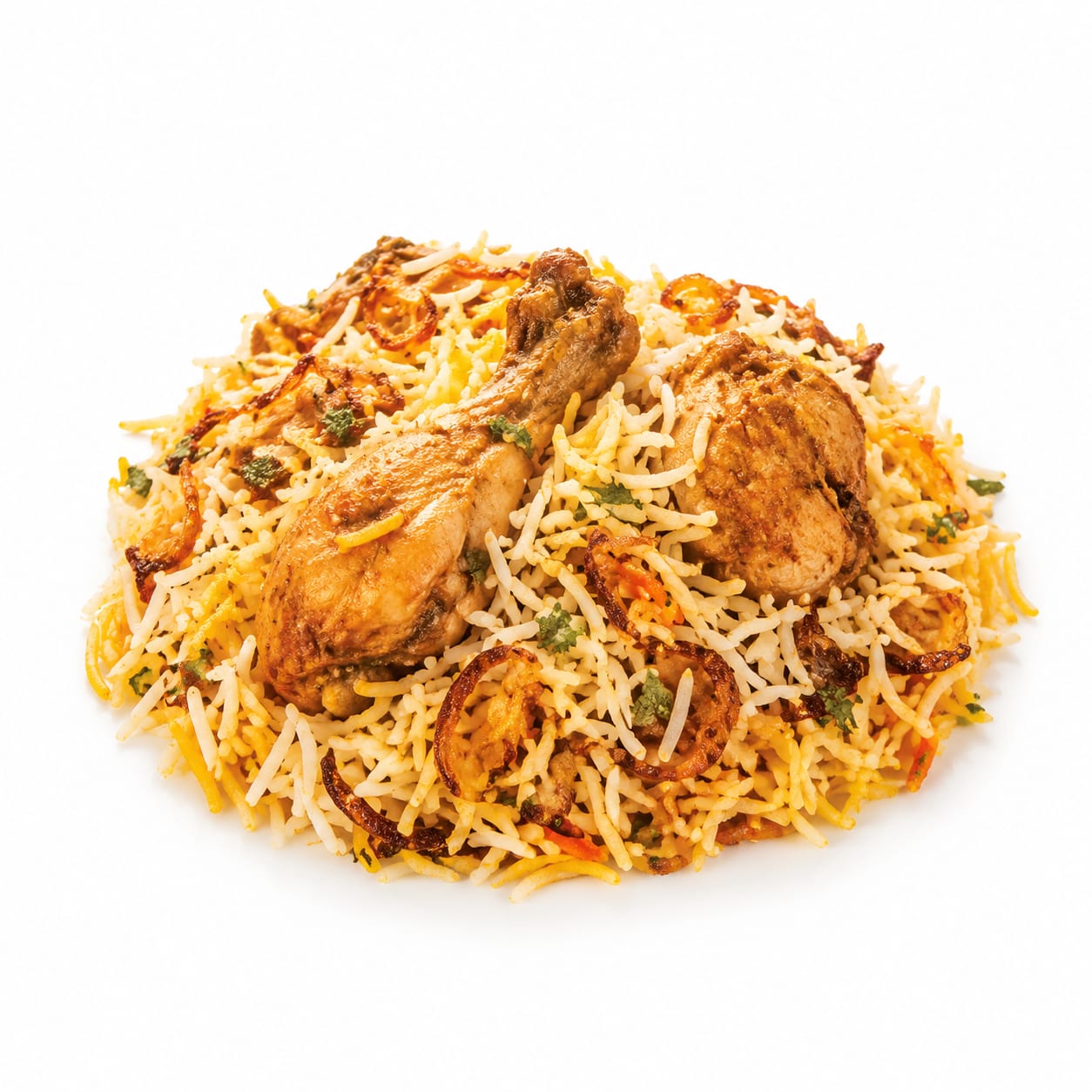
Biryani
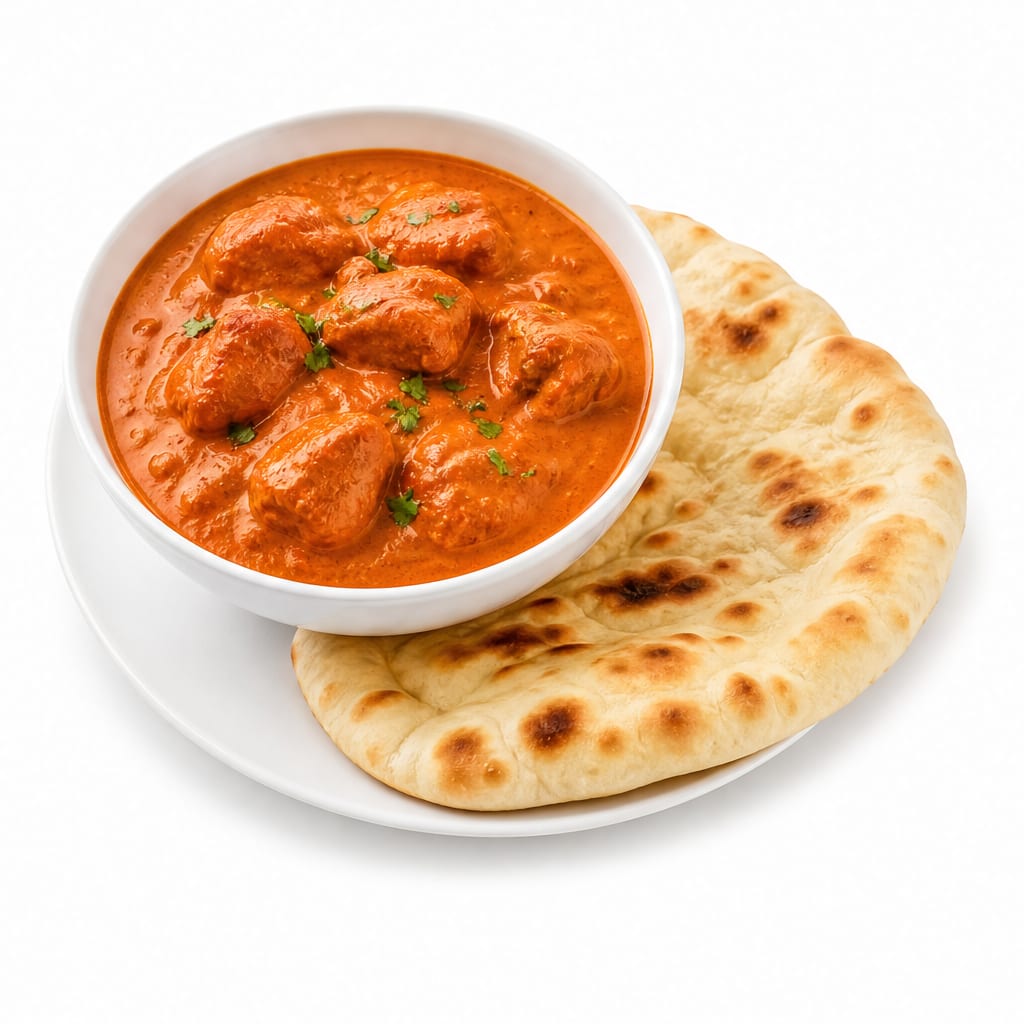
Naan and Curry
Biryani edges ahead as a more nutritionally complete one-pot meal with better carb quality, while naan's refined flour base drags the combination down despite curry's vegetable and protein potential.
Biryani scores moderately higher because basmati rice digests slower than naan's refined flour, and the dish delivers protein, carbs, and spices in one balanced plate. Naan and Curry loses ground because naan is essentially empty refined carbs with butter, and the curry's nutritional value varies wildly depending on choice. Both are indulgent restaurant foods that should be enjoyed mindfully rather than treated as daily staples.
Biryani gives you a balanced meal in one plate but with less portion control. Naan and Curry lets you customize healthiness through curry choice, but naan itself is nutritionally weak refined carbs soaked in butter.
At a glance
Executive summary
Overall
Biryani
Healthier
Biryani
More practical
Biryani
Daily use
It depends
Key comparison lenses
Calorie density and portion control
Both dishes are calorie-heavy Indian restaurant staples where overeating is extremely common
Blood sugar impact and carbohydrate quality
Biryani uses basmati rice while naan is made from refined flour — very different glycemic profiles
Nutritional completeness as a standalone meal
Biryani is a one-pot complete meal; naan and curry requires balancing two separate components
Satiety and overeating risk
Both are comfort foods where portion sizes easily spiral, but the mechanisms differ
Sodium and oil load
Restaurant versions of both dishes carry heavy sodium and fat loads that compound quickly
Best choice for
Biryani
- People wanting a complete balanced meal without thinking about pairings
- Those who prefer slower-digesting carbs from basmati rice
- Anyone eating a single satisfying plate without going back for multiple bread refills
- Post-workout eaters needing carbs and protein together
Naan and Curry
- People who want to control portions by choosing lighter curries like dal or saag
- Those who enjoy variety and mixing different curry flavors
- Anyone who finds bread-based meals more emotionally satisfying
- People who share dishes family-style and eat smaller naan portions
Least suitable for
Biryani
- People strictly limiting calories — biryani portions are notoriously large and hard to moderate
- Those with severe blood sugar issues who need low-carb meals
- Anyone watching sodium closely due to restaurant preparation
Naan and Curry
- People with gluten sensitivity or celiac — naan is pure refined wheat
- Those trying to avoid refined flour and empty carbohydrates
- Anyone prone to overeating bread — naan refills are tempting and calorie-dense
Deep comparison
Dimension by dimension
Each lens scores both foods and breaks down who each option suits.
- Dimension 1 · Priority 90Biryani
Carbohydrate Quality and Blood Sugar Impact
Biryani · 62Naan and Curry · 35Basmati rice in biryani has a lower glycemic index than naan's refined white flour, giving you steadier energy with less of a blood sugar spike.
Tradeoff
Biryani still delivers a large carb load in one sitting, so the advantage is relative — neither is ideal for strict blood sugar management.
Why it matters
Refined flour in naan digests fast, causing quicker blood sugar spikes and crashes that leave you hungry again sooner.
Real-world impact
After naan and curry, you are more likely to feel sleepy within an hour and crave something sweet. Biryani tends to keep you fuller longer before the crash hits.
Biryani
- Steadier energy for 2-3 hours after eating
- Lower glycemic spike compared to refined flour bread
Better for
- Large rice portions still deliver significant carbs in one meal
Worse for
Naan and Curry
- Can choose smaller naan portions to reduce carb load
Better for
- Naan's refined flour causes rapid blood sugar spikes
- Butter on naan adds saturated fat on top of the glycemic hit
Worse for
- Dimension 2 · Priority 87Biryani
Nutritional Completeness
Biryani · 72Naan and Curry · 55Biryani is a complete plate with rice, protein, yogurt marinade, and spices all integrated. Naan and Curry requires you to make smart curry choices to approach similar balance.
Tradeoff
Biryani's completeness means less control over individual components. With naan and curry, you can pick a protein-rich or vegetable-heavy curry to improve the overall profile.
Why it matters
A nutritionally complete meal satisfies you more effectively and reduces the urge to snack later.
Real-world impact
One plate of biryani usually feels like a full meal. Naan and curry often leaves you reaching for more naan to soak up the gravy, increasing calories without adding nutrition.
Biryani
- Protein, carbs, and fats are pre-balanced in every serving
- Yogurt marinade adds probiotics and protein
- Spices like turmeric and saffron add anti-inflammatory compounds
Better for
- Vegetable content is usually minimal compared to a good curry
- You cannot easily reduce the carb portion
Worse for
Naan and Curry
- Curries like dal or saag can add more fiber and micronutrients than biryani
- You control the protein-to-carb ratio by curry selection
Better for
- Naan contributes almost zero micronutrients
- Creamy curries like butter chicken add more saturated fat than protein
Worse for
- Dimension 3 · Priority 88Naan and Curry
Calorie Density and Portion Control
Biryani · 40Naan and Curry · 48Neither is a low-calorie champion, but naan and curry offers slightly more flexibility to control portions by choosing lighter curries and limiting bread. Biryani comes as a massive pre-portioned pile that is hard to stop eating halfway.
Tradeoff
The flexibility of naan and curry only helps if you actually make disciplined choices. Most people order rich curries and eat multiple naan, erasing any portion advantage.
Why it matters
Restaurant biryani servings often exceed 800-1000 calories per plate. Two naan with a creamy curry can match or exceed that easily.
Real-world impact
If you eat half a biryani plate and save the rest, you are doing better than most. If you eat one naan with a dal curry, you have a reasonably controlled meal. Both require intentional restraint.
Biryani
- Single plate makes it easier to track total intake visually
Better for
- Restaurant portions are enormous and socially expected to be finished
- Ghee and fried onions add hidden calories throughout the rice
Worse for
Naan and Curry
- Can choose lighter curries like dal, saag, or chana masala
- Easier to stop at one naan if you are disciplined
Better for
- Naan refills are extremely tempting and each one adds 200+ calories
- Creamy curries can be deceptively calorie-dense
Worse for
- Dimension 4 · Priority 80Biryani
Satiety and Fullness Duration
Biryani · 75Naan and Curry · 60Biryani's combination of rice, protein, and fat in a single integrated dish keeps you full longer. Naan digests quickly, and the fullness depends heavily on what curry you pair it with.
Tradeoff
Biryani's high satiety also means you feel very heavy afterward, which can be uncomfortable. Naan and curry can feel lighter if you choose wisely.
Why it matters
Meals that keep you full for 4+ hours reduce overall daily calorie intake by cutting out snacks.
Real-world impact
After a full biryani plate, you probably will not want to eat for 5-6 hours. After naan and curry, you may feel hungry again in 3-4 hours, especially if the curry was light.
Biryani
- Integrated protein and fat slow digestion significantly
- One plate usually satisfies completely without wanting more
Better for
- The heaviness can cause lethargy and discomfort after large portions
Worse for
Naan and Curry
- Can feel lighter and less food-coma-inducing with the right curry
Better for
- Naan digests fast, leaving you hungry sooner
- Light curries may not provide enough protein for lasting fullness
Worse for
- Dimension 5 · Priority 75It depends
Sodium and Heart Health
Biryani · 42Naan and Curry · 42Both dishes are sodium landmines in restaurant form. Biryani's spice blend and marinade pack salt, while curry gravies are often loaded with salt and naan contains added sodium.
Tradeoff
Homemade versions of either can be significantly lower in sodium, but restaurant versions are roughly equivalent in salt overload.
Why it matters
A single restaurant meal of either can deliver 1500-2500mg of sodium, which is close to or exceeding the daily recommended limit.
Real-world impact
If you have blood pressure concerns, both dishes should be occasional treats rather than regular meals. Neither has a meaningful advantage here.
Biryani
- Less gravy means slightly less sodium than heavily sauced curries
Better for
- Restaurant biryani marinades and spice mixes are very salt-heavy
Worse for
Naan and Curry
- Dry curries like tandoori preparations can reduce sodium significantly
Better for
- Curry gravies are often the most sodium-dense component of any Indian meal
Worse for
- Dimension 6 · Priority 70Naan and Curry
Digestive Comfort
Biryani · 50Naan and Curry · 58Naan and curry can be gentler on digestion if you choose lighter curries, while biryani's dense combination of rice, spices, and fat can be heavy on the stomach.
Tradeoff
Spicy curries with naan can be equally rough on sensitive stomachs. The advantage only exists with milder curry choices.
Why it matters
Heavy spice-dense meals can trigger acid reflux, bloating, and discomfort, especially when eaten late at night.
Real-world impact
If you have a sensitive stomach, a simple dal with one naan will sit much better than a heavily spiced biryani. But a spicy vindaloo with naan will be worse than both.
Biryani
- Yogurt marinade can be soothing for some digestive systems
Better for
- Dense spice profile can trigger reflux and bloating
- Very heavy meal that sits in the stomach for hours
Worse for
Naan and Curry
- Milder curries like dal are easier on sensitive stomachs
- You can avoid the heavy spice layer that biryani always carries
Better for
- Rich creamy curries can cause similar digestive discomfort
Worse for
Timeline
Health impact over time
Short-term
Hours to days
Biryani
- Strong food coma potential due to large carb and fat load hitting simultaneously
- Sustained fullness for 4-6 hours reduces snacking urge
- Possible bloating from heavy spice and rice volume
Naan and Curry
- Faster energy crash within 2-3 hours from naan's refined flour
- More variable fullness depending entirely on curry choice
- Higher likelihood of wanting seconds due to naan's rapid digestion
Long-term
Months to years
Biryani
- Regular consumption contributes to calorie surplus due to large portion sizes
- Basmati rice is a moderately better carb choice than refined flour for metabolic health
- Spice compounds like turmeric and cumin offer anti-inflammatory benefits with regular intake
Naan and Curry
- Frequent naan consumption means regular refined flour intake linked to metabolic issues
- Curries with lentils and vegetables can improve fiber and micronutrient intake long-term
- Butter and cream-based curries regularly can raise saturated fat and cholesterol concerns
Risk profile
Safety & processing
Both are traditionally whole-food dishes, but restaurant versions use significant added fats, salt, and sometimes food coloring. Biryani occasionally contains artificial food dyes for the signature orange-yellow rice. Naan is made from maida (refined flour), which is a processed ingredient by definition. Home-cooked versions of both are far closer to natural than restaurant preparations.
Biryani
Foodborne illness from improperly stored meat biryani
highBiryani is often cooked in large batches and left at room temperature during events, creating ideal conditions for bacterial growth in the meat and rice mixture.
Food coloring additives in restaurant biryani
mediumMany restaurants use artificial food dyes for the characteristic orange color, which may cause reactions in sensitive individuals.
Naan and Curry
Cream-based curry spoilage
highDairy-heavy curries like butter chicken or paneer makhani spoil quickly if not kept hot, and reheating may not eliminate all toxins.
Refined flour contamination concerns
lowCommercial maida may contain chemical bleaching agents and additives, though this is a minor concern in regulated markets.
Who wins for whom
Audience fit
Same foods, different winners depending on your goal.
children
Naan and CurryKids often prefer the familiar bread-and-sauce format, and milder curries are easier to adjust for young palates. Biryani's mixed spice profile can be overwhelming for children.
daily consumption
It dependsNeither should be a daily meal due to calorie and sodium load. If forced to choose, homemade biryani with less oil and more vegetables is a more complete daily option, while homemade naan and a simple dal curry is lighter and easier to digest regularly.
diabetes
It dependsNeither is ideal, but biryani's basmati rice has a lower glycemic index than naan's refined flour. However, a small naan portion with a high-protein curry like chicken tikka could work better than a large biryani serving. Portion control matters more than the dish itself.
elderly
Naan and CurrySofter naan and mild curries like dal are easier to chew and digest than the denser biryani. Elderly individuals with smaller appetites benefit from being able to eat smaller portions more easily.
muscle gain
BiryaniBiryani delivers a solid protein-carb-fat combination in one meal, making it easier to hit calorie and protein targets for muscle building without needing to pair multiple dishes.
weight loss
Naan and CurryNaan and curry allows portion customization — you can eat one naan with a light dal and consume significantly fewer calories than a full biryani plate. But this only works with disciplined choices.
Your move
Decision guide
Choose Biryani
- You want a satisfying complete meal without deciding on pairings
- You prefer rice over bread as your carb source
- You are eating after a workout and need carbs and protein together
- You are sharing a communal dish at a gathering
- You want longer-lasting fullness without snacking later
Choose Naan and Curry
- You want to control calories by choosing lighter curries
- You find bread-based meals more comforting and satisfying
- You are eating with others who want to share multiple curry options
- You have a lighter appetite and prefer eating smaller portions
- You want variety — different curries provide different experiences each time
Either works if
- You are eating out occasionally and both fit your calorie budget
- You are celebrating and indulgence is the priority, not optimization
- You can control portions and stop when satisfied rather than stuffed
Avoid both if
- You are managing diabetes and need low-carb meals strictly
- You are on a sodium-restricted diet for blood pressure
- You are trying to lose weight and cannot control restaurant portions
- You have severe acid reflux triggered by spicy food
Final recommendation
Choose biryani when you want a complete, satisfying meal that keeps you full for hours. Choose naan and curry when you want flexibility, lighter options, or variety. For the healthiest version of either, cook at home where you control the oil, salt, and portion sizes. When eating out, limit yourself to one plate of biryani or one naan with a dal or saag curry — both are indulgent meals that reward mindful eating.
Practical
Consumer tips
- 1
Ask for biryani with extra raita — the yogurt helps digestion and adds protein while letting you eat less rice
- 2
Order tandoori roti instead of naan — it is made from whole wheat and has no butter, cutting calories and improving nutrition significantly
- 3
Choose dal, saag, or chana masala over cream-based curries to reduce calories by 40-50% per serving
- 4
Share a biryani plate — restaurant portions are typically 2-3 servings, so splitting it immediately prevents overeating
- 5
Ask for less oil or ghee when ordering either dish — most restaurants will accommodate this
- 6
Eat a salad or raw vegetables before either meal to reduce how much biryani or naan you consume
- 7
Avoid ordering both together — biryani with naan on the side is a calorie bomb that easily exceeds 1500 calories