
Nutrition comparison
Biryani vs Kebab with Salad: Which Is Healthier for Daily Eating?
Compare biryani and kebab with salad on calories, blood sugar impact, protein, and weight loss suitability. Find out which one fits your health goals better.
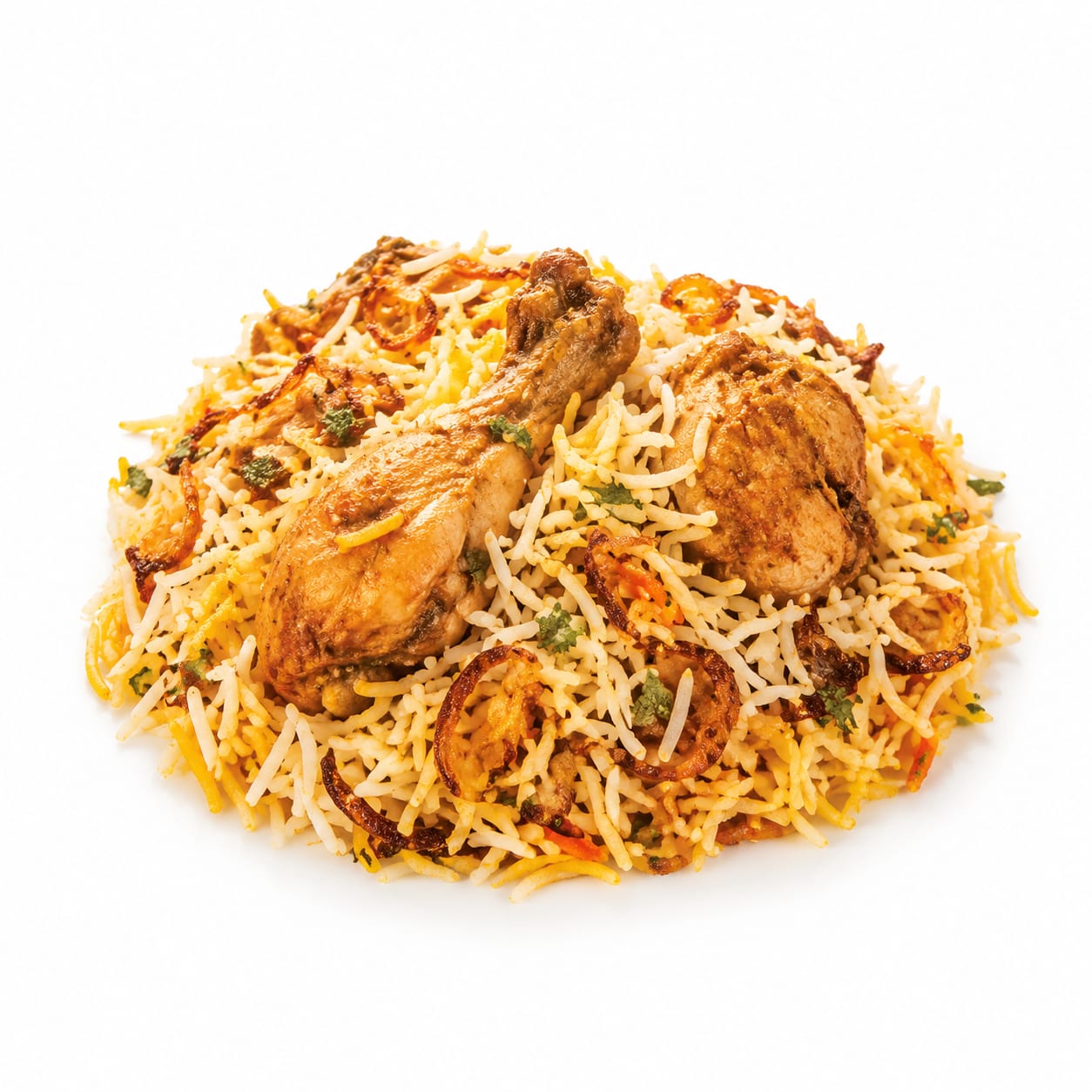
Biryani
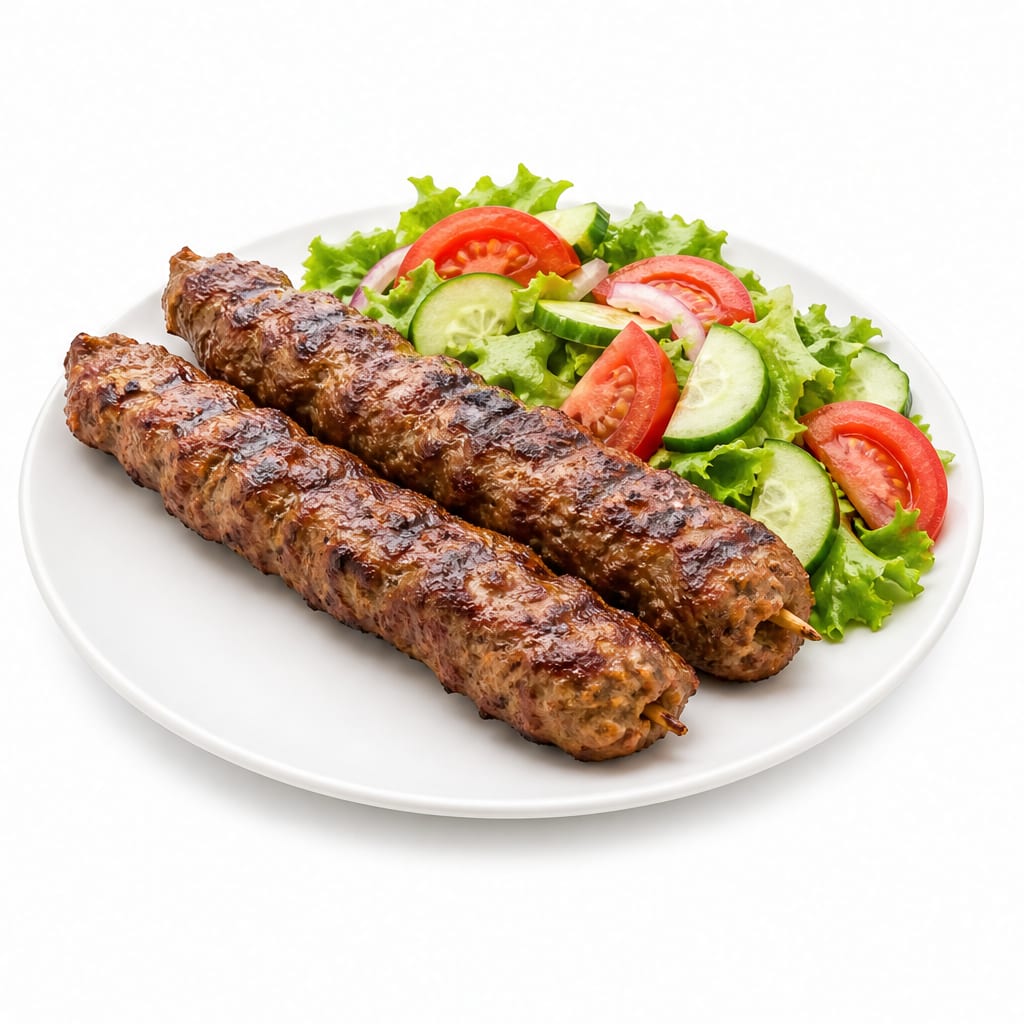
Kebab with Salad
Kebab with salad wins for weight loss, blood sugar control, and daily use. Biryani wins for comfort, sustained energy, and satisfying hunger on active days.
Kebab with salad scores higher due to superior protein-to-calorie ratio, better blood sugar profile, and stronger suitability for regular consumption. Biryani remains competitive for active individuals and comfort-driven eating occasions.
You trade the comforting fullness and steady energy of biryani's carbs for the leaner, blood-sugar-friendly profile of kebab with salad.
At a glance
Executive summary
Overall
It depends
Healthier
Kebab with Salad
More practical
Kebab with Salad
Daily use
Kebab with Salad
Key comparison lenses
weight management and calorie control
Biryani is a heavy rice-centric meal while kebab with salad is protein-forward and lighter, making this the primary decision driver for most users
blood sugar stability
The rice in biryani creates a significant glycemic load compared to the near-zero carbs in kebab with salad
meal satisfaction and fullness duration
Biryani is famously comforting and filling, while kebab with salad may leave some people hungry sooner despite high protein
daily eatability and repetition tolerance
Users often wonder which option they can eat regularly without negative health consequences
protein quality and muscle support
Kebab with salad delivers concentrated protein while biryani spreads macros across carbs and fat
Best choice for
Biryani
- Active individuals needing sustained energy
- People recovering from illness who need calorie-dense meals
- Those seeking comfort food satisfaction
- Endurance athletes carb-loading before events
- Anyone struggling to eat enough calories
Kebab with Salad
- Weight loss seekers wanting high protein and low carbs
- People managing diabetes or insulin resistance
- Those prioritizing lean muscle maintenance
- Anyone eating late at night who wants a lighter meal
- People tracking macros who need protein-dominant meals
Least suitable for
Biryani
- Sedentary individuals watching their weight
- People with diabetes or prediabetes
- Those on low-carb or keto diets
- Anyone eating a late dinner before bed
- People trying to reduce calorie intake
Kebab with Salad
- Hard gainers needing calorie surplus
- Endurance athletes who need glycogen replenishment
- Those who feel unsatisfied without carbs
- Budget-conscious eaters since kebab can be pricier per calorie
- People recovering from illness who need easy-to-digest meals
Deep comparison
Dimension by dimension
Each lens scores both foods and breaks down who each option suits.
- Dimension 1 · Priority 93Kebab with Salad
Calorie Density and Weight Management
Biryani · 40Kebab with Salad · 82A typical biryani serving packs 500-800 calories, largely from rice and cooking oil. Kebab with salad typically lands between 300-500 calories with far more protein per bite.
Tradeoff
Biryani delivers more eating pleasure per serving but at nearly double the calorie cost. Kebab with salad requires less portion vigilance.
Why it matters
If weight management is your goal, the calorie density of biryani makes it easy to overeat without realizing it.
Real-world impact
Eating biryani 3 times weekly can easily add 600+ surplus calories compared to kebab with salad, which translates to roughly half a kilo of weight gain per month.
Biryani
- Underweight individuals needing calorie surplus
- Physically demanding days requiring high energy intake
Better for
- Sedentary office workers eating large biryani portions
- Late-night meals where excess calories get stored as fat
Worse for
Kebab with Salad
- Steady weight loss without counting every calorie
- Maintaining weight while eating satisfying portions
Better for
- Athletes who actually need the extra calories for performance
Worse for
- Dimension 2 · Priority 90Kebab with Salad
Blood Sugar Stability
Biryani · 35Kebab with Salad · 85Biryani's rice base creates a significant glycemic spike, especially if made with white basmati. Kebab with salad has minimal carbs, keeping blood sugar flat and steady.
Tradeoff
Biryani gives you quick energy but risks the afternoon crash. Kebab with salad avoids the spike entirely but offers no carb-fueled energy burst.
Why it matters
Blood sugar crashes after biryani can trigger cravings, fatigue, and irritability within 2-3 hours of eating.
Real-world impact
After biryani, you may feel sleepy at your desk by 3pm. After kebab with salad, energy stays level through the afternoon.
Biryani
- Pre-workout fuel when you need quick-available energy
- Recovering from hypoglycemic episodes
Better for
- Insulin-resistant individuals
- Prediabetics trying to reverse their condition
Worse for
Kebab with Salad
- Diabetics managing post-meal glucose spikes
- Anyone wanting to avoid the food coma effect
- Intermittent fasters breaking their fast gently
Better for
- Endurance athletes mid-event who need rapid glycogen
Worse for
- Dimension 3 · Priority 85Kebab with Salad
Protein Quality and Satiety
Biryani · 50Kebab with Salad · 88Kebab with salad delivers concentrated high-quality protein from grilled meat with minimal filler. Biryani dilutes its protein across a large volume of rice and fat.
Tradeoff
You get more total protein per calorie from kebab, but biryani's mix of protein, carbs, and fat creates a different kind of fullness that lasts longer for some people.
Why it matters
Higher protein per calorie means better muscle preservation during weight loss and stronger satiety signals to your brain.
Real-world impact
After kebab with salad, you feel full without feeling stuffed. After biryani, you feel heavy but may get hungry again once the carb rush fades.
Biryani
- Those who find protein-heavy meals unsatisfying without carbs
Better for
- People trying to hit high protein targets without excess calories
Worse for
Kebab with Salad
- Strength trainers needing efficient protein intake
- Older adults preventing muscle loss
- Anyone wanting to stay full without feeling bloated
Better for
- Those who find pure protein meals incomplete and unsatisfying
Worse for
- Dimension 4 · Priority 72Kebab with Salad
Micronutrient Diversity
Biryani · 55Kebab with Salad · 78Kebab with salad provides fresh vegetables with intact vitamin C, folate, and antioxidants. Biryani's spices offer anti-inflammatory benefits but cooking degrades some nutrients in the rice mixture.
Tradeoff
Biryani's spice blend delivers unique phytonutrients you cannot get from salad. But salad provides raw vitamins that heat destroys in biryani.
Why it matters
Long-term health depends on consistent micronutrient intake, and raw vegetables deliver certain vitamins more efficiently than cooked dishes.
Real-world impact
The vitamin C in your salad supports immunity and iron absorption from the kebab meat. Biryani's spices help with inflammation but miss the raw vitamin boost.
Biryani
- Anti-inflammatory benefits from turmeric, cumin, and other whole spices
Better for
- Heat-sensitive vitamins like C and folate are largely destroyed
Worse for
Kebab with Salad
- Folate and vitamin C from fresh raw vegetables
- Better iron absorption from vitamin C pairing with meat
Better for
- Missing the therapeutic spice compounds found in biryani
Worse for
- Dimension 5 · Priority 70It depends
Digestive Comfort
Biryani · 55Kebab with Salad · 65Biryani can feel heavy and cause bloating due to rice volume and rich cooking fats. Kebab with salad is lighter but raw vegetables and grilled meat can trigger issues for sensitive stomachs.
Tradeoff
Biryani is cooked and easier on fragile digestion, but its heaviness causes discomfort. Salad is fresh and light but raw greens challenge some digestive systems.
Why it matters
Post-meal comfort affects productivity, sleep quality, and whether you actually enjoy your meal experience.
Real-world impact
If you have IBS or sensitive digestion, biryani's cooked softness may actually feel better. If you have strong digestion, the salad's fiber keeps things moving smoothly.
Biryani
- People with raw vegetable intolerance
- Those needing soft, cooked foods during digestive recovery
Better for
- Acid reflux sufferers since heavy meals trigger symptoms
- People who feel sluggish after large carb-heavy meals
Worse for
Kebab with Salad
- Healthy digestive systems that benefit from raw fiber
- Anyone prone to constipation from low-fiber meals
Better for
- IBS flare-ups triggered by raw greens
- People with difficulty digesting grilled fatty meats
Worse for
- Dimension 6 · Priority 68It depends
Sodium and Heart Health
Biryani · 50Kebab with Salad · 55Both dishes can be sodium-heavy depending on preparation. Restaurant biryani often contains excessive salt and MSG. Kebab marinades and salad dressings can also push sodium high.
Tradeoff
Neither food is naturally low-sodium. The difference comes down to preparation method and how much salt the cook adds.
Why it matters
Regular high-sodium meals raise blood pressure over time and increase cardiovascular risk, especially for South Asian populations already at higher risk.
Real-world impact
A single restaurant biryani can contain 1500-2500mg of sodium. A kebab with dressing can hit similar numbers. Both can blow past your daily limit in one meal.
Biryani
- Home-cooked biryani where you control salt precisely
Better for
- Restaurant biryani with hidden sodium in spice mixes
Worse for
Kebab with Salad
- Kebab with olive oil and lemon instead of salty dressings
Better for
- Pre-marinated kebabs with sodium-heavy commercial spice blends
Worse for
- Dimension 7 · Priority 75Biryani
Emotional Satisfaction and Sustainability
Biryani · 88Kebab with Salad · 60Biryani is deeply comforting, culturally significant, and emotionally satisfying. Kebab with salad feels more functional and less celebratory.
Tradeoff
Eating kebab with salad daily is physically sustainable but emotionally boring for many. Biryani feeds the soul but not the waistline if eaten too often.
Why it matters
Diets that ignore emotional satisfaction fail. Food is not just fuel, and meals you dread eventually get abandoned.
Real-world impact
You are more likely to stick with a eating pattern that includes biryani occasionally than one that forces you to choose salad every single time and feel deprived.
Biryani
- Weekend treat meals that keep you motivated all week
- Social gatherings and celebrations where food is connection
- Cultural and family bonding over shared meals
Better for
- Emotional eaters who cannot stop at one serving
- Using comfort food to cope with stress regularly
Worse for
Kebab with Salad
- Routine weekday meals where function matters more than festivity
- Building consistent habits without emotional drama
Better for
- Long-term adherence if you feel deprived of favorite foods
Worse for
Timeline
Health impact over time
Short-term
Hours to days
Biryani
- Post-meal drowsiness from carb-heavy glycemic load
- Immediate satiety and fullness lasting 3-4 hours
- Possible bloating from large portion volume
- Quick energy availability within 30-60 minutes
Kebab with Salad
- Steady energy without the crash or food coma
- Moderate satiety that may require a snack in 2-3 hours
- Light feeling that keeps you alert and productive
- Better hydration from high water content in salad
Long-term
Months to years
Biryani
- Weight gain risk if eaten frequently without portion control
- Potential insulin resistance from regular high glycemic meals
- Possible elevated triglycerides from refined carb intake
- Anti-inflammatory benefits from spice compounds like turmeric and cumin
Kebab with Salad
- Better weight maintenance and muscle preservation over time
- Improved insulin sensitivity from low-carb protein-focused meals
- Better cardiovascular markers from fresh vegetable intake
- Potential grilling carcinogen exposure if kebabs are charred regularly
Risk profile
Safety & processing
Biryani involves significant transformation through cooking and often includes added colors or flavor enhancers in restaurant versions. Kebab with salad stays closer to whole food form, with grilled meat and raw vegetables requiring minimal processing.
Biryani
Improper rice storage and reheating
mediumLeftover biryani rice can harbor Bacillus cereus if not refrigerated promptly. Reheating does not destroy this toxin. Always refrigerate within 2 hours.
Restaurant hygiene and cross-contamination
mediumBiryani is often made in large batches, increasing the risk of time-temperature abuse at buffets or catering events.
Artificial food coloring in restaurant biryani
lowSome commercial biryanis use synthetic food dyes for the signature yellow-orange color, which may cause reactions in sensitive individuals.
Kebab with Salad
Heterocyclic amines from charring
mediumWell-done or charred kebabs contain HCAs linked to increased cancer risk. Avoid blackened edges and cook to moderate doneness.
Raw salad contamination
mediumUnwashed salad greens carry risk of E. coli, salmonella, and pesticide residue. Always wash thoroughly or use pre-washed trusted brands.
Undercooked ground meat kebabs
highGround meat kebabs must be cooked through completely. Unlike whole cuts, ground meat has bacteria distributed throughout, not just on the surface.
Who wins for whom
Audience fit
Same foods, different winners depending on your goal.
children
BiryaniBiryani provides balanced macros for growing bodies, is easier for kids to eat, and the soft texture suits younger palates. Kebab may be too chewy and salad too bitter for picky eaters.
daily consumption
Kebab with SaladThe lower calorie density, better blood sugar profile, and higher protein make kebab with salad a more sustainable daily option without metabolic consequences.
diabetes
Kebab with SaladMinimal carbs means minimal blood sugar disruption. Biryani's rice base is a significant glycemic challenge for anyone managing diabetes.
elderly
It dependsBiryani is softer and easier to chew for those with dental issues, but its high glycemic load is concerning for older adults with blood sugar issues. Kebab with salad is nutritionally superior but may be difficult to chew.
muscle gain
Kebab with SaladHigher protein per calorie supports muscle protein synthesis more efficiently. Add a small portion of rice if you need carbs for training.
weight loss
Kebab with SaladKebab with salad provides high protein and fiber with significantly fewer calories, making it easier to maintain a deficit without feeling deprived.
Your move
Decision guide
Choose Biryani
- You had an intense workout and need carb replenishment
- It is a celebration or weekend meal where enjoyment matters
- You are underweight or struggling to eat enough calories
- You are physically active and burn through meals quickly
- You need sustained energy for a long demanding day ahead
Choose Kebab with Salad
- You are trying to lose or maintain weight
- You have diabetes, prediabetes, or insulin resistance
- You are eating late and want something lighter before bed
- You need a high-protein meal without the carb crash
- You eat this type of food daily and need the healthier routine
Either works if
- You are at a healthy weight and eat varied meals overall
- You alternate between both throughout the week for balance
- You are eating at a restaurant and both options are available
Avoid both if
- You have severe sodium restrictions and cannot control preparation
- You have gout and both dishes contain high-purine ingredients
- You are on a strict vegan diet as both contain animal products
- You have multiple food allergies to common South Asian spices
Final recommendation
Make kebab with salad your weekday default and save biryani for weekends or special occasions. This gives you the metabolic benefits of lean protein and fresh vegetables most days while still enjoying the emotional comfort of biryani without guilt. If you love biryani too much to limit it, reduce the rice portion by half and add a side salad to bring it closer to the kebab-with-salad nutritional profile.
Practical
Consumer tips
- 1
Ask for half rice in your biryani and add a side salad to split the difference between both options
- 2
Choose chicken or fish kebabs over beef or lamb for lower saturated fat
- 3
Request olive oil and lemon dressing instead of creamy dressings on your salad
- 4
If making biryani at home, use brown basmati rice and reduce oil by half for a significantly healthier version
- 5
Avoid charred edges on kebabs to reduce carcinogen exposure
- 6
Always refrigerate leftover biryani within two hours to prevent Bacillus cereus growth
- 7
Wash salad greens thoroughly even if labeled pre-washed
- 8
Order kebabs made from whole meat cuts rather than ground meat for safer cooking