
Nutrition comparison
Biryani vs Cauliflower Rice Biryani: Which Is Healthier?
Compare traditional biryani and cauliflower rice biryani on calories, blood sugar impact, weight loss, and taste. Find out which fits your health goals and when to choose each.
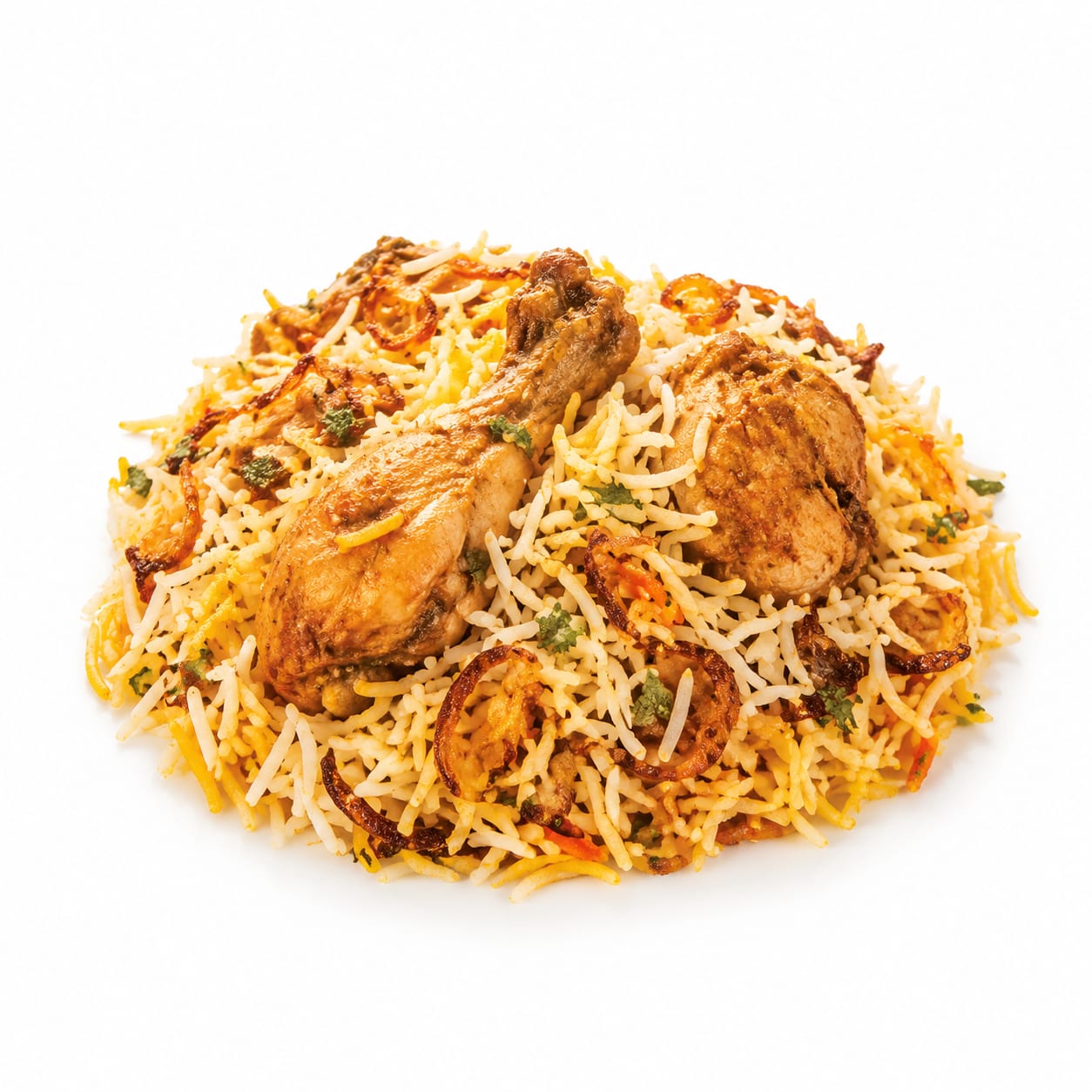
Biryani
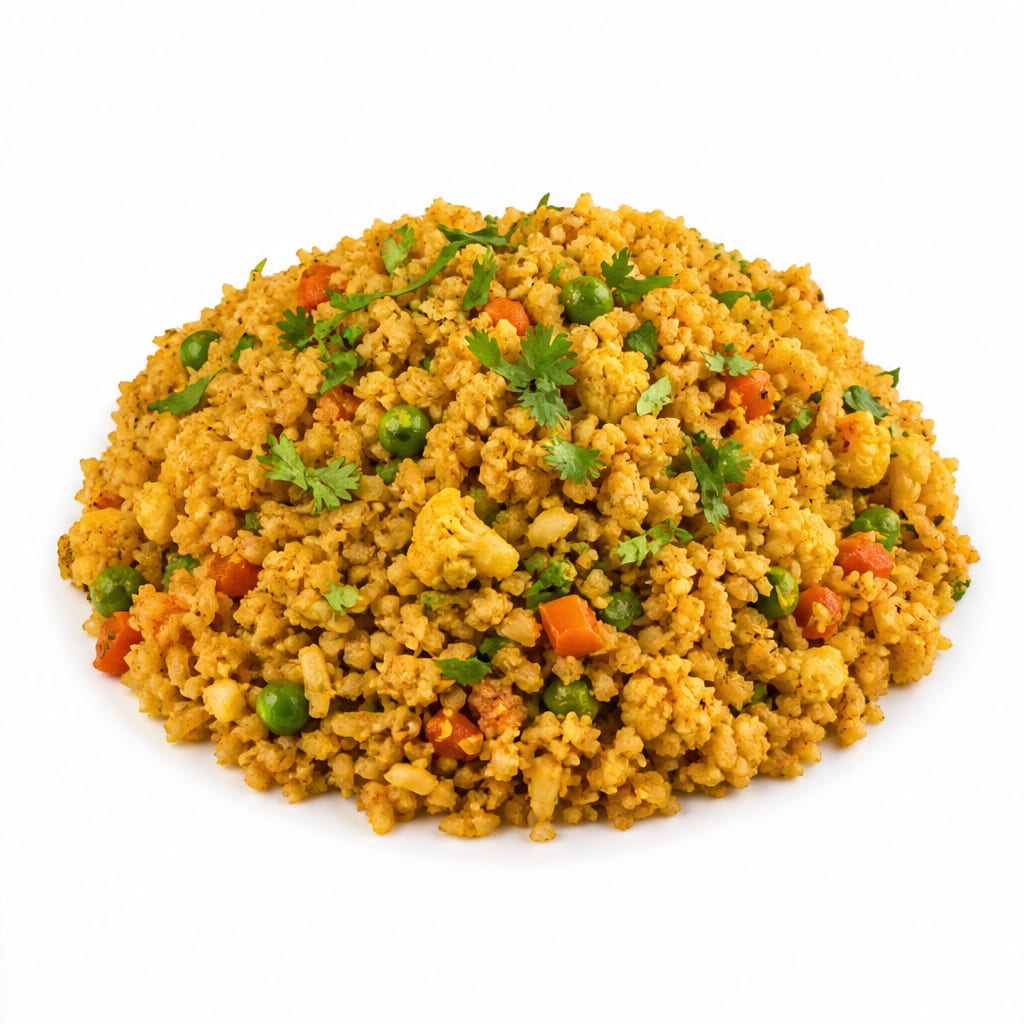
Cauliflower Rice Biryani
Traditional biryani delivers authentic comfort and satisfaction; cauliflower rice biryani wins for blood sugar control, weight management, and daily repeatability.
Cauliflower rice biryani scores higher due to stronger daily-use viability, blood sugar stability, and weight management benefits. Traditional biryani retains advantages in satisfaction, authenticity, and energy replenishment but carries heavier metabolic costs for regular consumption.
You trade the fluffy, fragrant rice texture and fullness for a lighter, low-carb version that keeps energy steadier but may leave you hungry sooner.
At a glance
Executive summary
Overall
It depends
Healthier
Cauliflower Rice Biryani
More practical
Biryani
Daily use
Cauliflower Rice Biryani
Key comparison lenses
carbohydrate and calorie reduction
The primary reason people switch from traditional biryani to cauliflower rice biryani is to cut carbs and calories dramatically
blood sugar management
Basmati rice causes significant glucose spikes; cauliflower rice keeps blood sugar far more stable
weight loss compatibility
Calorie density difference is massive — critical for anyone tracking intake
cultural authenticity and satisfaction
Biryani is deeply tied to tradition and comfort; cauliflower substitution changes the emotional experience
keto and low carb diet adherence
Cauliflower rice biryani enables keto dieters to enjoy biryani flavors without breaking ketosis
Best choice for
Biryani
- Special occasions and celebrations
- Post-workout carb replenishment
- Anyone needing high caloric intake
- Traditional cultural meals where authenticity matters
Cauliflower Rice Biryani
- Weight loss journeys
- Keto and low-carb lifestyles
- Diabetics managing blood sugar
- People who eat biryani-flavored dishes multiple times per week
Least suitable for
Biryani
- Diabetics with poor glucose control
- Sedentary individuals watching calorie intake
- Keto dieters
- Anyone eating biryani daily
Cauliflower Rice Biryani
- Traditionalists seeking authentic texture
- Athletes needing carb loading
- Underweight individuals needing calories
- Special occasions where compromise feels disappointing
Deep comparison
Dimension by dimension
Each lens scores both foods and breaks down who each option suits.
- Dimension 1 · Priority 92Cauliflower Rice Biryani
Blood Sugar Stability
Biryani · 35Cauliflower Rice Biryani · 88Basmati rice in traditional biryani causes a significant glucose spike; cauliflower rice keeps blood sugar nearly flat.
Tradeoff
You avoid the post-meal energy crash with cauliflower rice, but miss the quick energy burst that rice provides.
Why it matters
Blood sugar roller coasters drive cravings, fatigue, and long-term metabolic damage if repeated daily.
Real-world impact
After traditional biryani, you may feel sleepy within 90 minutes. After cauliflower rice biryani, energy stays even through the afternoon.
Biryani
- Athletes who need rapid glycogen replenishment after intense training
Better for
- Sedentary office workers who sit after eating
Worse for
Cauliflower Rice Biryani
- Diabetics and prediabetics
- Anyone trying to reduce afternoon energy crashes
- People with insulin resistance
Better for
- Endurance athletes mid-event who need fast carbs
Worse for
- Dimension 2 · Priority 90Cauliflower Rice Biryani
Calorie Density and Weight Management
Biryani · 30Cauliflower Rice Biryani · 85A typical serving of traditional biryani packs 500-700 calories; cauliflower rice biryani can cut that by 40-60%.
Tradeoff
Fewer calories mean easier weight management, but also less satiety per serving — you may eat again sooner.
Why it matters
Calorie density is the single strongest predictor of unintentional overconsumption.
Real-world impact
You can eat a larger visual portion of cauliflower rice biryani for fewer calories, which feels more satisfying on a diet.
Biryani
- People struggling to maintain weight
- Those recovering from illness needing caloric surplus
Better for
- Chronic overeaters
- Anyone tracking calories strictly
Worse for
Cauliflower Rice Biryani
- Anyone actively losing weight
- Portion-conscious eaters
- People who want seconds without guilt
Better for
- Underweight individuals needing calorie density
Worse for
- Dimension 3 · Priority 82Biryani
Satiety and Fullness
Biryani · 82Cauliflower Rice Biryani · 55Rice provides bulk and starch that signals fullness; cauliflower rice digests faster and leaves you hungry sooner.
Tradeoff
Traditional biryani keeps you full for hours but may make you feel overly stuffed; cauliflower rice biryani feels lighter but requires protein reinforcement.
Why it matters
Meals that do not satisfy lead to snacking, which undermines any calorie savings from the swap.
Real-world impact
You might find yourself reaching for a snack two hours after cauliflower rice biryani, while traditional biryani could keep you full for four hours.
Biryani
- One-meal-a-day eaters
- Physically active workers needing lasting fuel
Better for
- People who dislike the sluggish feeling after heavy meals
Worse for
Cauliflower Rice Biryani
- People who prefer lighter meals
- Anyone uncomfortable feeling overly full
Better for
- Emotional eaters who need physical fullness to stop thinking about food
Worse for
- Dimension 4 · Priority 78Biryani
Taste and Cultural Authenticity
Biryani · 95Cauliflower Rice Biryani · 52Traditional biryani is irreplaceable in texture and aroma; cauliflower rice absorbs spices well but cannot replicate the fluffy grain experience.
Tradeoff
Cauliflower rice biryani delivers 70% of the flavor profile but 30% of the textural joy.
Why it matters
Food satisfaction is not just nutritional — emotional satisfaction prevents feelings of deprivation that derail healthy eating.
Real-world impact
At a family gathering, cauliflower rice biryani may feel like a compromise everyone notices. On a random Tuesday, it feels like a smart swap.
Biryani
- Celebrations and festive meals
- Hosting guests who expect the real thing
- Comfort food cravings
Better for
- Daily consumption where health costs accumulate
Worse for
Cauliflower Rice Biryani
- Weeknight dinners where health goals outweigh tradition
- Meal prep for the week
Better for
- Special occasions where compromise feels like deprivation
Worse for
- Dimension 5 · Priority 75Cauliflower Rice Biryani
Nutrient Density Per Calorie
Biryani · 40Cauliflower Rice Biryani · 80Cauliflower brings vitamin C, vitamin K, folate, and antioxidants at a fraction of the calories that rice occupies.
Tradeoff
Traditional biryani provides more B vitamins and minerals from rice, but you need to eat far more calories to get them.
Why it matters
Nutrient density per calorie determines how well your body is nourished without overfeeding.
Real-world impact
Cauliflower rice biryani feeds your cells more efficiently; traditional biryani feeds your energy reserves more generously.
Biryani
- Malnourished individuals needing overall caloric nutrition
Better for
- Overweight individuals already consuming excess calories
Worse for
Cauliflower Rice Biryani
- Anyone eating at a caloric deficit who still needs micronutrients
- Older adults needing vitamin K and folate
Better for
- Those who need calorie-dense nourishment post-illness
Worse for
- Dimension 6 · Priority 68It depends
Digestive Tolerance
Biryani · 60Cauliflower Rice Biryani · 62Rice is gentle on most stomachs; cauliflower can cause bloating and gas in sensitive individuals, especially in large portions.
Tradeoff
Traditional biryani is safer for IBS and sensitive stomachs; cauliflower rice biryani may cause discomfort if you are not used to cruciferous vegetables.
Why it matters
A healthy meal that causes bloating does not feel healthy in practice.
Real-world impact
If you eat a large cauliflower rice biryani for the first time, you may experience gas and discomfort that evening. Rice-based biryani rarely causes this.
Biryani
- People with IBS or sensitive digestion
- Those unaccustomed to high-fiber vegetables
Better for
- Anyone prone to constipation
Worse for
Cauliflower Rice Biryani
- People with constipation who benefit from extra fiber
- Those with healthy gut microbiomes adapted to cruciferous vegetables
Better for
- Those with FODMAP sensitivities
- People new to high-fiber diets
Worse for
Timeline
Health impact over time
Short-term
Hours to days
Biryani
- Noticeable blood sugar spike within 30-60 minutes
- Comforting fullness lasting 3-4 hours
- Possible post-meal drowsiness, especially after large servings
- Satisfied emotional state from familiar comfort food
Cauliflower Rice Biryani
- Stable blood sugar with minimal spike
- Lighter feeling post-meal, possible hunger within 2 hours
- Potential bloating or gas if unused to cauliflower
- Steady energy without the afternoon crash
Long-term
Months to years
Biryani
- Frequent consumption increases risk of insulin resistance and weight gain
- High sodium from restaurant preparations may raise blood pressure
- Occasional consumption poses minimal risk for healthy individuals
- Emotional wellbeing benefit from cultural food connection
Cauliflower Rice Biryani
- Improved blood sugar regulation with regular use
- Better weight management outcomes over months
- Increased cruciferous vegetable intake linked to lower cancer risk
- Possible digestive adaptation period lasting 1-2 weeks
Risk profile
Safety & processing
Traditional biryani uses whole basmati rice and whole spices — minimally processed at home. Cauliflower rice, when pre-packaged or frozen, may contain preservatives or anti-caking agents. Homemade cauliflower rice from fresh heads avoids this concern entirely.
Biryani
Foodborne illness from improperly stored rice
mediumCooked rice left at room temperature can harbor Bacillus cereus, a toxin-producing bacteria. Refrigerate within 2 hours of cooking.
High sodium in restaurant versions
mediumRestaurant biryani often contains 1000-2000mg sodium per serving, approaching or exceeding daily limits for sensitive individuals.
Cauliflower Rice Biryani
Pesticide residue on cauliflower
mediumCauliflower consistently appears on EWG's Dirty Dozen list. Washing helps but does not remove all residues. Organic reduces exposure significantly.
Additives in pre-riced cauliflower
lowSome packaged cauliflower rice contains citric acid or ascorbic acid as preservatives. Generally safe but worth checking labels.
Who wins for whom
Audience fit
Same foods, different winners depending on your goal.
children
BiryaniChildren need calorie-dense foods for growth and often reject cauliflower substitutions. Traditional biryani provides energy and cultural food familiarity.
daily consumption
Cauliflower Rice BiryaniDaily traditional biryani would deliver excessive calories and carbs for most lifestyles. Cauliflower rice biryani can be eaten frequently without metabolic consequences.
diabetes
Cauliflower Rice BiryaniCauliflower rice eliminates the large glucose spike from basmati rice, making it dramatically safer for blood sugar management.
elderly
Cauliflower Rice BiryaniOlder adults benefit from lower calorie density, higher fiber, and blood sugar stability. Cauliflower's vitamin K also supports bone health.
muscle gain
BiryaniTraditional biryani provides the carbohydrates needed for glycogen replenishment and caloric surplus essential for muscle building.
weight loss
Cauliflower Rice BiryaniCauliflower rice biryani saves 200-400 calories per serving while delivering similar flavor, making it far easier to sustain a caloric deficit.
Your move
Decision guide
Choose Biryani
- You are celebrating a special occasion and authenticity matters
- You are an athlete carb-loading before or after intense training
- You are underweight or recovering from illness and need caloric nourishment
- You eat biryani occasionally and want the full experience when you do
Choose Cauliflower Rice Biryani
- You eat biryani-flavored dishes more than once a week
- You are managing diabetes, prediabetes, or insulin resistance
- You are actively losing weight and need calorie savings
- You follow a keto or low-carb diet
- You want steady energy without the post-meal crash
Either works if
- You have no specific health conditions and eat either version infrequently
- You are at a healthy weight and metabolically flexible
- You can balance the choice with the rest of your day's intake
Avoid both if
- You have severe spice or nightshade allergies that biryani masala triggers
- You have both FODMAP sensitivity and diabetes — cauliflower causes gas and rice spikes sugar, leaving no ideal option in this form
Final recommendation
Eat traditional biryani when it matters — celebrations, weekends, moments of genuine craving. Make cauliflower rice biryani your weekday default. The best approach is not choosing one forever, but knowing when each serves you better. If you eat biryani once a month, enjoy the real thing guilt-free. If you crave it weekly, cauliflower rice biryani is the sustainable path.
Practical
Consumer tips
- 1
Make cauliflower rice from fresh heads instead of buying pre-riced bags to avoid additives and save money
- 2
Squeeze moisture from riced cauliflower before cooking — excess water makes it mushy instead of fluffy
- 3
Add extra protein like chicken, paneer, or legumes to cauliflower rice biryani to compensate for the lower satiety
- 4
Use whole spices like cardamom, cloves, and bay leaves generously in cauliflower rice biryani — the aroma tricks your brain into more satisfaction
- 5
If transitioning from traditional biryani, try a 50/50 mix of basmati and cauliflower rice first to adjust gradually
- 6
Choose organic cauliflower when possible to reduce pesticide exposure, since it is a heavily sprayed crop
- 7
Restaurant biryani portions are often 2-3 servings — split it or box half immediately to avoid accidental overconsumption