
Nutrition comparison
Biryani vs White Rice and Beans: Nutrition, Health & Daily Use Comparison
Compare Biryani vs White Rice and Beans for weight loss, diabetes, and daily eating. Learn which dish offers better satiety, lower calories, and steadier energy.
Overall winner · White Rice and Beans
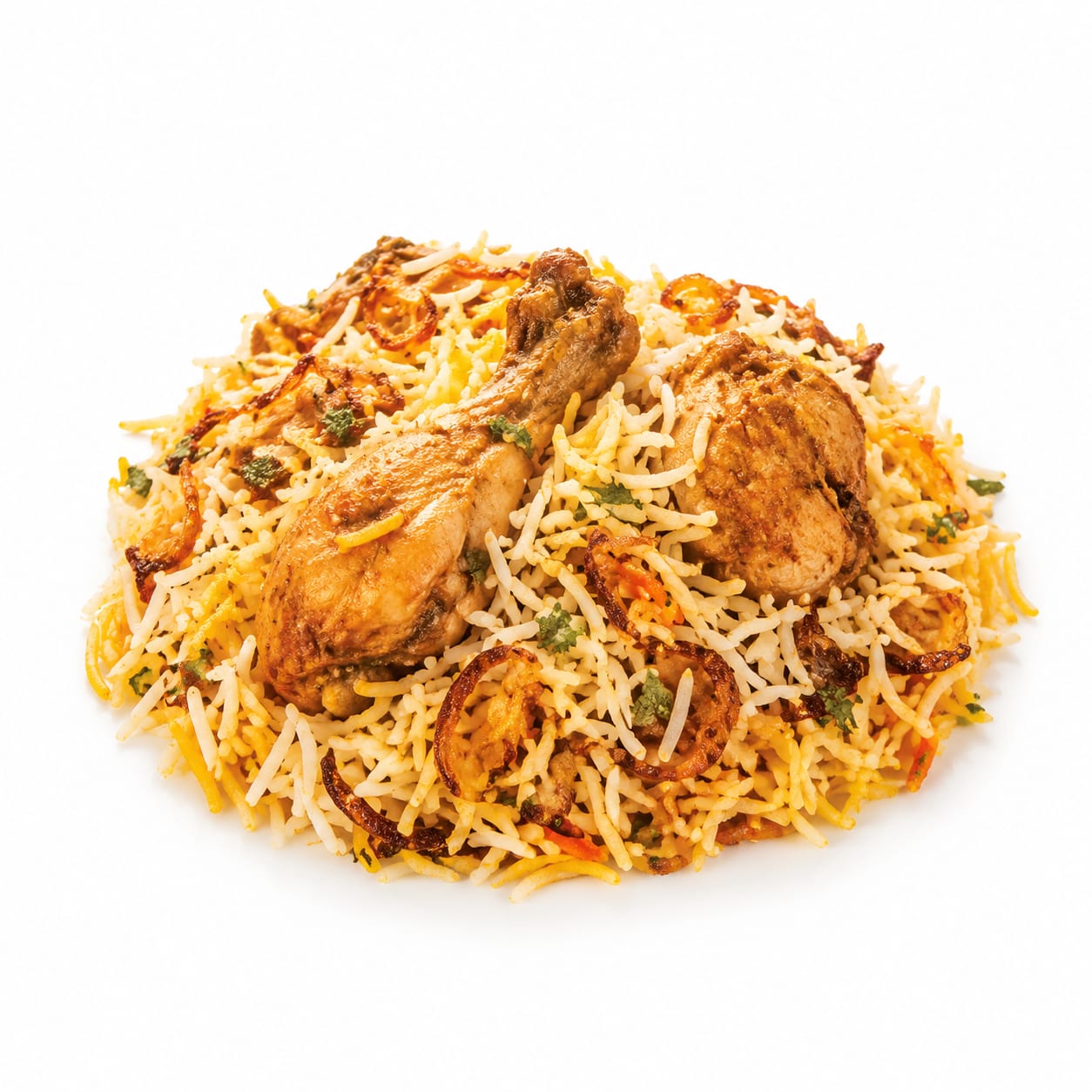
Biryani
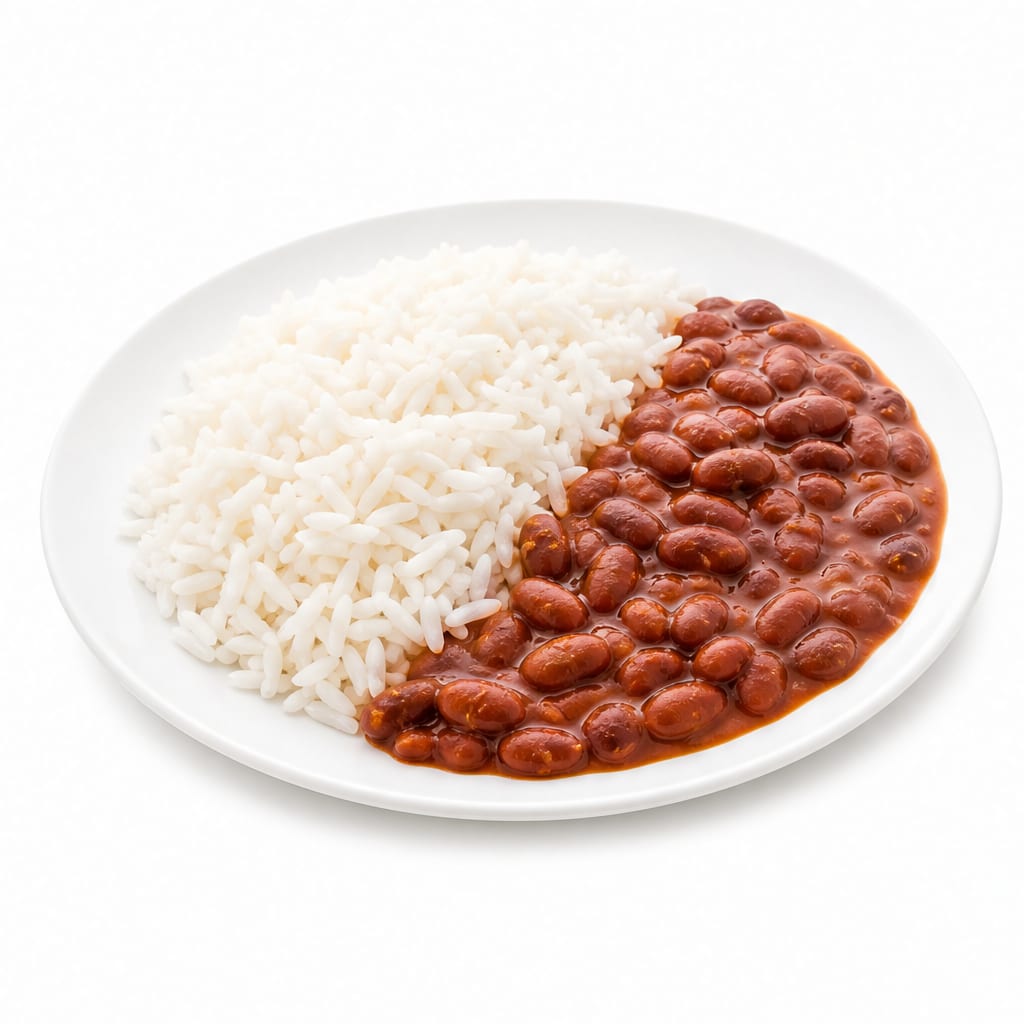
White Rice and Beans
White Rice and Beans is the steady, filling everyday champion, while Biryani is a rich, indulgent feast best enjoyed occasionally.
White Rice and Beans scores higher due to better daily nutritional balance, fiber content, and lower calorie density, though Biryani wins on flavor and cultural richness.
Flavor intensity and celebration versus steady energy and daily nutritional balance.
At a glance
Executive summary
Overall
White Rice and Beans
Healthier
White Rice and Beans
More practical
White Rice and Beans
Daily use
White Rice and Beans
Key comparison lenses
Everyday eating vs. special occasions
Biryani is typically a celebratory, rich dish, while White Rice and Beans is a global daily staple.
Satiety and blood sugar control
The fiber in beans drastically changes how White Rice and Beans affects blood sugar compared to Biryani.
Calorie density and weight management
Biryani's ghee and oils make it highly calorie-dense, whereas White Rice and Beans is much leaner.
Sodium and heart health
Biryani's spice blends and salt can pack a massive sodium punch compared to the simpler White Rice and Beans.
Best choice for
Biryani
- Celebratory meals and gatherings
- High-calorie bulking phases
- Intense flavor cravings
White Rice and Beans
- Daily balanced meals
- Budget-friendly nutrition
- Sustained energy without crashes
Least suitable for
Biryani
- Daily consumption
- Low-sodium diets
- Strict calorie counting
White Rice and Beans
- Low-carb diets
- Those wanting complex flavors without added condiments
Deep comparison
Dimension by dimension
Each lens scores both foods and breaks down who each option suits.
- Dimension 1 · Priority 95White Rice and Beans
Satiety and Fullness
Biryani · 70White Rice and Beans · 90White Rice and Beans keeps you full much longer thanks to the high fiber and protein in beans.
Tradeoff
Biryani offers more immediate satisfaction from fat and spices, but hunger returns sooner.
Why it matters
Staying full prevents overeating and snacking between meals.
Real-world impact
A plate of White Rice and Beans easily carries you from lunch to dinner; Biryani might leave you craving a snack by 4 PM.
Biryani
- Quick satisfaction from rich fats
Better for
- Hunger returning within hours
Worse for
White Rice and Beans
- Long-lasting fullness
- Appetite control
Better for
- Mild bloating if unaccustomed to beans
Worse for
- Dimension 2 · Priority 90White Rice and Beans
Blood Sugar Stability
Biryani · 60White Rice and Beans · 85The fiber in beans slows down the digestion of white rice, preventing sharp blood sugar spikes.
Tradeoff
Biryani's fat content also slows digestion, but the refined carbs and sugary components in some recipes can still cause crashes.
Why it matters
Steady blood sugar means steady energy and fewer cravings.
Real-world impact
White Rice and Beans gives you smooth, crash-free afternoon energy, while Biryani might induce a food coma.
Biryani
- Fat slowing gastric emptying
Better for
- Risk of carb-heavy sugar spikes
Worse for
White Rice and Beans
- Fiber-driven glucose control
- Steady insulin response
Better for
- Still a high-carb meal for very strict diabetics
Worse for
- Dimension 3 · Priority 85White Rice and Beans
Calorie Density and Weight Management
Biryani · 40White Rice and Beans · 80White Rice and Beans is much lower in fat and calories per serving than Biryani.
Tradeoff
Biryani uses ghee and oil for its signature richness, which packs a lot of hidden calories.
Why it matters
Lower calorie density means you can eat a satisfying portion without overshooting your daily intake.
Real-world impact
You can eat a large bowl of White Rice and Beans for the same calories as a small portion of Biryani.
Biryani
- Gaining weight easily
- High-energy needs
Better for
- Easy to overconsume calories
Worse for
White Rice and Beans
- Maintaining a calorie deficit
- Feeling full on fewer calories
Better for
- Less caloric bang for the buck if bulking
Worse for
- Dimension 4 · Priority 80White Rice and Beans
Sodium and Heart Health
Biryani · 35White Rice and Beans · 75Biryani often contains very high sodium from spice blends, salt, and pickles, whereas White Rice and Beans is naturally lower in sodium unless heavily seasoned.
Tradeoff
The complex salt profile is what makes Biryani irresistible, but it is tough on blood pressure.
Why it matters
High sodium intake is a leading driver of hypertension and bloating.
Real-world impact
After eating Biryani, you might feel noticeably bloated and thirsty; White Rice and Beans is much easier on the system.
Biryani
- Flavor enhancement
Better for
- Post-meal bloating
- Cardiovascular strain
Worse for
White Rice and Beans
- Blood pressure management
- Less water retention
Better for
- Can taste bland without added salt
Worse for
- Dimension 5 · Priority 75Biryani
Flavor and Satisfaction
Biryani · 95White Rice and Beans · 65Biryani is a masterclass in layered spices, aromatics, and textures, offering a far more complex eating experience.
Tradeoff
White Rice and Beans is comforting but simple, often needing hot sauce or additional seasoning to elevate it.
Why it matters
Enjoyment matters for long-term dietary adherence, but relying solely on hyper-palatable foods can lead to overeating.
Real-world impact
Biryani feels like an event; White Rice and Beans feels like a reliable Tuesday.
Biryani
- Celebratory eating
- Craving satisfaction
Better for
- Hyper-palatability leading to overeating
Worse for
White Rice and Beans
- Consistent comfort without overstimulation
Better for
- Flavor fatigue if eaten too often
Worse for
Timeline
Health impact over time
Short-term
Hours to days
Biryani
- Post-meal food coma from heavy fats and carbs
- Bloating and thirst from high sodium
- High immediate satiety
White Rice and Beans
- Steady, sustained energy
- Comforting fullness from fiber
- Mild gas from beans if not accustomed
Long-term
Months to years
Biryani
- Weight gain if eaten frequently
- Increased blood pressure risk from sodium
- Higher cholesterol risk from ghee and oils
White Rice and Beans
- Improved digestive regularity from fiber
- Stable blood sugar control
- Heart-healthy profile due to low fat and high fiber
Risk profile
Safety & processing
White Rice and Beans relies on simple, whole ingredients, while Biryani often involves more complex preparation and potential additives in commercial spice blends or restaurant colorings.
Biryani
Foodborne illness from improper holding
mediumBiryani involves meat and rice left at room temperature during layering, creating a risk of Bacillus cereus or Salmonella if not handled properly.
Heavy metal exposure
lowSpices used in Biryani can sometimes contain trace heavy metals like lead, depending on sourcing.
White Rice and Beans
Phytohaemagglutinin toxicity
lowUndercooked kidney beans in White Rice and Beans can cause severe gastrointestinal distress, but thorough boiling eliminates this risk.
BPA exposure
lowIf using canned beans for White Rice and Beans, BPA in can linings can be a minor concern.
Who wins for whom
Audience fit
Same foods, different winners depending on your goal.
children
It dependsWhite Rice and Beans is a gentle, easy-to-digest staple, but mild Biryani can encourage kids to eat protein and spices.
daily consumption
White Rice and BeansIt is nutritionally balanced, affordable, and gentle enough to eat every day without negative health impacts.
diabetes
White Rice and BeansThe soluble fiber in beans significantly slows the absorption of carbohydrates from the white rice, preventing glucose spikes.
elderly
White Rice and BeansWhite Rice and Beans is easier to digest, lower in sodium, and provides steady energy without stressing the cardiovascular system.
muscle gain
BiryaniBiryani provides more protein from meat and higher calories, which supports muscle building and a caloric surplus.
weight loss
White Rice and BeansWhite Rice and Beans is lower in calorie density and higher in fiber, making it easier to maintain a calorie deficit.
Your move
Decision guide
Choose Biryani
- You are celebrating a special occasion
- You need a high-calorie, high-protein meal
- You crave intense, complex flavors
Choose White Rice and Beans
- You want a reliable, healthy everyday meal
- You are watching your weight or blood pressure
- You need long-lasting energy without a crash
Either works if
- You need a filling, carb-dominant base for your day
- You are active and can handle the carbohydrates
Avoid both if
- You are on a strict ketogenic or very low-carb diet
- You have severe insulin resistance and cannot tolerate white rice
Final recommendation
Make White Rice and Beans your daily driver for steady energy and health, and save Biryani for the weekends or celebrations where its rich flavors can truly shine.
Practical
Consumer tips
- 1
Rinse canned beans to remove up to 40% of the added sodium before adding them to White Rice and Beans.
- 2
Add vegetables like peas, carrots, or bell peppers to White Rice and Beans to boost micronutrients.
- 3
When making Biryani at home, use less oil or ghee and lean protein to make it more suitable for regular consumption.
- 4
If using dried beans for White Rice and Beans, soak them thoroughly and boil vigorously to neutralize any natural toxins.
- 5
Swap white rice for brown rice in either dish to further improve fiber content and blood sugar response.